Beyond Chrome and Safari: The Best Web Browsers of 2026
The Shift: Why Browser Loyalty Is Changing in 2026 For over a decade, the digital landscape has been defined by a comfortable, if somewhat…

For years, the gold standard of artificial intelligence has been defined by sheer scale. Developers raced to build increasingly massive models that required cavernous data centers, thousands of GPUs, and a constant, high-speed connection to the cloud just to generate a single image. However, the introduction of Google’s Nano Banana 2 Lite signals a definitive pivot in this trajectory, moving away from the “bigger is always better” mentality toward a more sophisticated, localized architecture. This shift isn’t just about shrinking a model down; it represents a fundamental re-engineering of how neural networks process visual information. By moving intelligence from the cloud to the device itself, we are entering an era where the hardware in your pocket—not the server room in a distant facility—dictates the quality and speed of your creative output.
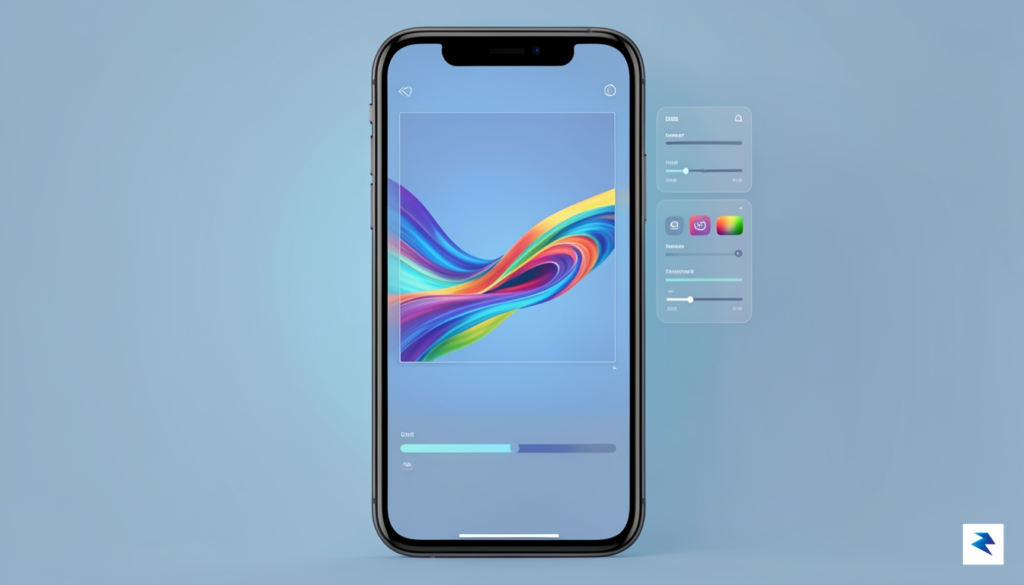
The technical constraints of previous generation models were primarily tied to the sheer volume of parameters required to achieve photorealism. These massive architectures were often bloated with redundant calculations, making them inefficient for everyday tasks like instant image editing or real-time style transfers. The Banana 2 Lite architecture tackles this bloat by utilizing a highly optimized parameter pruning technique. Instead of keeping every possible connection active, the model selectively retains only the most critical pathways, allowing it to maintain high-fidelity performance while consuming a fraction of the power. This approach effectively proves that efficiency can be an architected feature rather than an afterthought, allowing complex image synthesis to occur in environments with limited battery life and thermal headroom.
The true power of modern AI lies not in the size of the model, but in the precision of its localized execution.
Beyond the technical achievement of speed, the move toward on-device processing is the next great frontier for personal data privacy and user sovereignty. When images are generated locally, sensitive data never has to leave the user’s device, mitigating the risks associated with uploading personal snapshots to external servers. Furthermore, by removing the dependency on network latency, on-device AI offers a seamless, “always-on” creative experience that functions even in the most remote environments. As these lightweight architectures continue to mature, we can expect a future where AI-assisted design is no longer a luxury dependent on expensive cloud subscriptions, but a foundational, private, and instantaneous utility built directly into the tools we use every single day.

The traditional barrier to integrating artificial intelligence into professional design pipelines has always been the agonizing “wait-and-see” latency of cloud-based generation. When a graphic designer or digital artist relies on server-side processing, every prompt becomes a high-stakes gamble; a simple tweak to a texture or a minor adjustment in color grading requires a frustrating interruption to the flow of work. Nano Banana 2 Lite fundamentally dismantles this bottleneck by shifting the computational burden directly to the local hardware. By stripping away the round-trip delay inherent in remote processing, this model transforms AI from a slow, detached service into an instantaneous, responsive extension of the artist’s own tools.
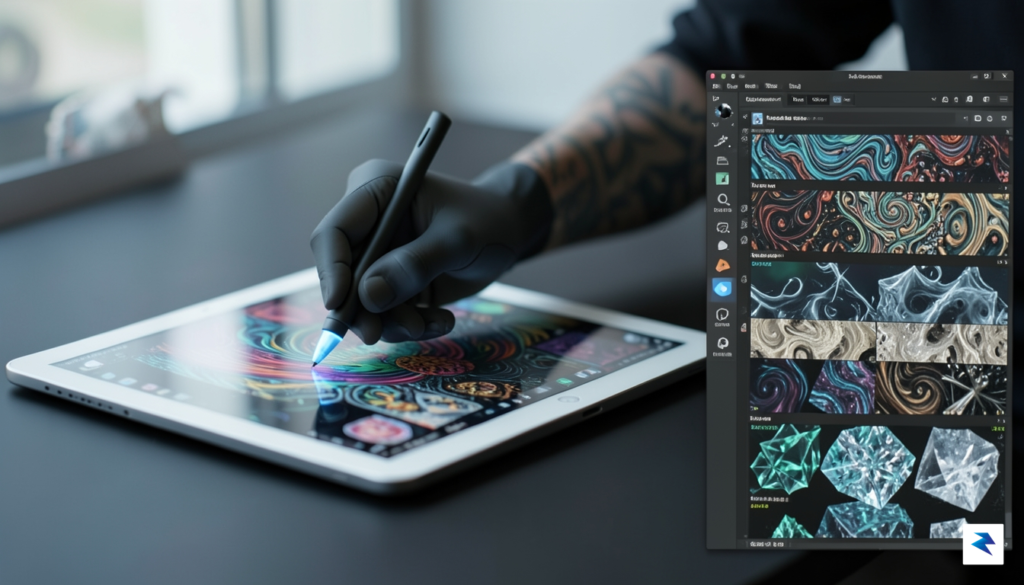
For creative professionals, this shift toward “instant iteration” is nothing short of a paradigm shift in daily workflow efficiency. Consider the process of refining a complex composition: previously, adjusting the lighting or spatial arrangement of an AI-generated element meant waiting several seconds—or even minutes—for the model to re-render. With the near-zero latency provided by lightweight, high-performance models, creators can now scrub through variations in real-time. Whether it is adjusting the hue of a specific asset, experimenting with intricate texture overlays, or fine-tuning the composition of a layout, the feedback loop is now tight enough to support true creative flow. This immediacy allows for a level of experimentation that was previously impossible, as artists can iterate through dozens of visual permutations in the time it once took to generate a single draft.
“True creative spontaneity is killed by latency; when the tool responds as quickly as the mind thinks, the distinction between manual drafting and AI assistance effectively vanishes.”
This democratization of high-fidelity creative workflows ensures that high-end AI capabilities are no longer reserved for those with massive render farms or high-latency cloud subscriptions. By enabling rapid previewing of complex visual data, designers can maintain their creative momentum without having to break their focus to accommodate the limitations of their hardware. This evolution marks the transition of AI from a “batch-processing” tool into a fluid, interactive partner. As we move forward, the ability to see the immediate impact of every stylistic decision will empower a new generation of creators to push the boundaries of visual fidelity, making professional-grade creative work faster, more intuitive, and significantly more accessible to everyone.

Efficiency in artificial intelligence is no longer merely a technical milestone; it has become a fundamental financial imperative. For years, the barrier to entry for high-quality generative imaging was tied to the prohibitive cost of cloud-compute subscriptions, which forced businesses to pay a premium for every single pixel generated. The emergence of models like the Nano Banana 2 Lite signals a paradigm shift, moving the focus from raw power to cost-effective, optimized inference. By drastically reducing the computational footprint required to produce high-fidelity imagery, developers can now embed sophisticated creative tools directly into their existing software stacks, effectively eliminating the “subscription tax” that previously hindered scalability for smaller operations.
Small-to-medium enterprises (SMEs) stand to gain the most from this transition toward lean infrastructure. When the cost-per-generation drops to a negligible level, content production ceases to be a luxury item reserved for large corporations with massive budgets and instead becomes a standard operational utility. Companies can now automate the creation of marketing assets, personalized social media content, and dynamic product catalogs without the fear of ballooning cloud invoices. This democratization of high-end image generation allows smaller teams to compete with industry giants by scaling their creative output at a fraction of the historical cost.
The true value of AI optimization lies not in the speed of the model, but in the accessibility of the technology for businesses that operate on tight margins.
Furthermore, the shift toward optimized models opens the door to offline-capable enterprise tools, which represent a significant leap in data security and reliability. By enabling local execution on consumer-grade hardware, businesses can keep proprietary creative assets within their own private networks rather than transmitting sensitive data to third-party cloud providers. This reduction in infrastructure overhead allows developers to build more resilient, standalone applications that function independently of external connectivity. Ultimately, this move toward leaner models isn’t just about saving money; it is about providing companies with the autonomy to integrate AI into their workflows in a way that is both financially sustainable and operationally secure.

The allure of near-instantaneous image generation is undeniable, yet the emergence of lightweight architectures like Nano Banana 2 Lite brings the classic tension between speed and sophistication to the forefront of AI development. When we prioritize latency—the time it takes for a model to process a prompt and render an image—we are inherently making compromises in model complexity. These Lite models operate on a stripped-down parameter set, which effectively limits their ability to capture the nuanced lighting, complex anatomical structures, and fine-grained textures that full-scale diffusion engines command with ease. While a lightweight model might conjure a basic composition in milliseconds, it often lacks the “world knowledge” required to maintain internal consistency when asked to render intricate scenes or subtle stylistic flourishes.
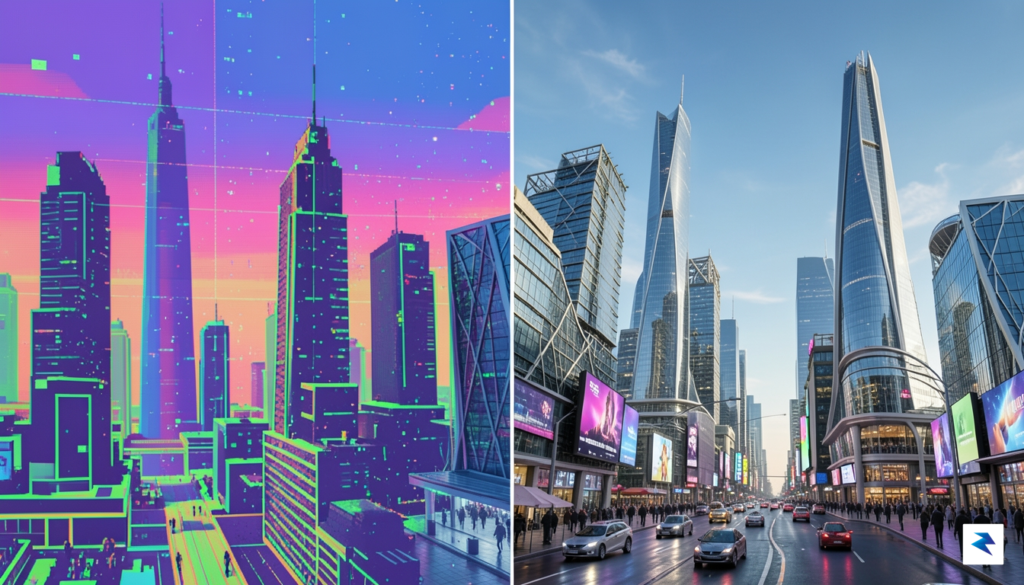
To understand the limitation, consider the role of neural capacity in prompt adherence. Full-scale, cloud-based engines are trained on massive datasets that allow them to interpret abstract concepts and multi-layered instructions with high fidelity. Conversely, compressed models often struggle with “concept bleeding,” where the AI conflates different elements of a prompt, or “semantic drift,” where the generated output misses the mark on specific artistic requirements. When pushing these optimized models to their absolute limits, users will frequently notice artifacts such as warped edges, repetitive patterns, or a lack of depth in the background elements. These visual trade-offs are the direct cost of shrinking a massive neural network to fit onto a local device, such as a smartphone or a laptop’s onboard hardware.
The strategic deployment of AI imaging should mirror a professional design workflow: use the lightweight model for rapid ideation and the high-fidelity engine for the polished final product.
Establishing a strategic framework for your workflow is essential for achieving professional results. We recommend adopting a tiered approach to image generation:
Ultimately, the future of AI imaging is not about choosing between speed and quality, but rather understanding how to synthesize the two. By recognizing that Lite models are purpose-built for velocity rather than precision, creators can avoid the frustration of expecting high-end results from lightweight architecture. When managed correctly, this symbiotic relationship between on-device efficiency and cloud-based power provides the most flexible, professional-grade pipeline available to modern digital artists.

The emergence of streamlined, highly efficient models like the Nano Banana 2 Lite suggests that we are witnessing the final phase of AI’s transition from a flashy, cloud-dependent luxury to a silent, foundational utility. For years, generating high-fidelity imagery required massive server farms and significant latency, effectively tethering the creative process to a stable internet connection. By shrinking these capabilities directly onto mobile hardware, Google is signaling a paradigm shift where sophisticated image synthesis becomes as fundamental to the smartphone experience as the camera lens itself. This integration signifies that AI will no longer be an app you open, but rather a persistent layer of intelligence that anticipates intent, corrects composition in real-time, and enhances visual storytelling without the user ever needing to prompt the machine.

Looking toward the next decade, this trajectory will fundamentally reshape how we define portable hardware. We are entering an era where processing power is no longer just about raw clock speeds or battery efficiency, but rather the density of a device’s neural engine. Future smartphones will likely be designed with dedicated silicon architectures specifically optimized for local generative tasks, allowing for instantaneous image manipulation that bypasses the cloud entirely. This evolution promises a future where privacy and performance coexist; because the data never leaves the device, users can enjoy the benefits of advanced generative tools without the lingering security concerns associated with uploading personal images to third-party servers. As these hardware capabilities mature, we can expect “pro-grade” editing and creation to become standard features accessible to anyone with a mid-range device.
The true measure of technological maturity is not how powerful a tool becomes, but how invisible it eventually turns. When AI image generation becomes a background process, the focus shifts from the technology itself to the human creativity it empowers.
Ultimately, the democratization of high-end image generation is the most profound takeaway from this development. By lowering the barrier to entry, these advancements dismantle the technical gatekeeping that once kept professional-grade visual effects, style transfers, and complex compositions in the hands of trained experts. We are rapidly approaching a threshold where the intent to create is the only necessary prerequisite for producing high-quality imagery. As this technology permeates the mainstream, the digital landscape will likely see an explosion of creativity that is no longer inhibited by the limitations of hardware or the high cost of specialized software. The future of mobile imaging is not about more megapixels; it is about the synthesis of human vision and on-device machine intelligence working in perfect, silent harmony.
You must be logged in to post a comment.