Roblox Goes Mobile: How AI is Changing Game Creation Forever
The Evolution of Game Development: From Code to Conversation For the better part of three decades, the world of game development was…
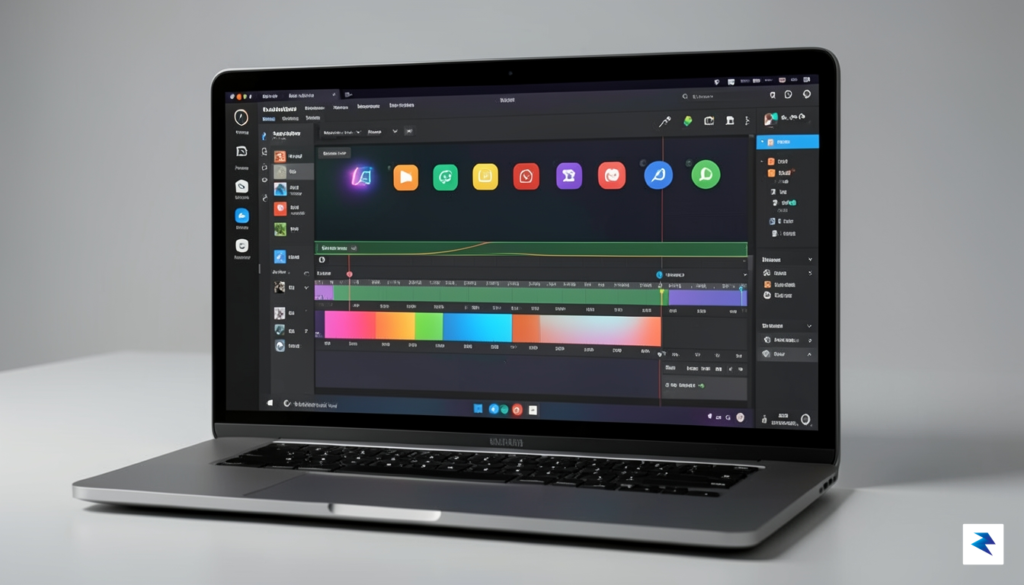
When Google first introduced Vids, it was positioned as a streamlined utility designed to help teams capture ideas and share updates without the friction of complex editing software. For a long time, the digital workspace has been dominated by static slide decks and long-form documents, which often fail to convey the nuance, tone, and personal connection required for effective remote collaboration. By anchoring Vids within the Workspace ecosystem, Google provided a sandbox for professionals to assemble video assets, but the process remained largely manual, requiring users to record their own audio and visuals to maintain a human touch.
The landscape of professional communication is now undergoing a radical transformation as Google pivots this platform from a basic video organizer into a sophisticated, generative AI powerhouse. This shift represents more than just a software update; it is a fundamental rethinking of how information is synthesized and delivered in a professional setting. By integrating advanced artificial intelligence, Google is empowering users to generate high-quality video content from simple prompts, effectively lowering the barrier to entry for creators who lack traditional production skills. The platform no longer functions as a mere repository for clips but as a creative partner that can draft scripts, suggest visuals, and orchestrate the flow of a narrative.

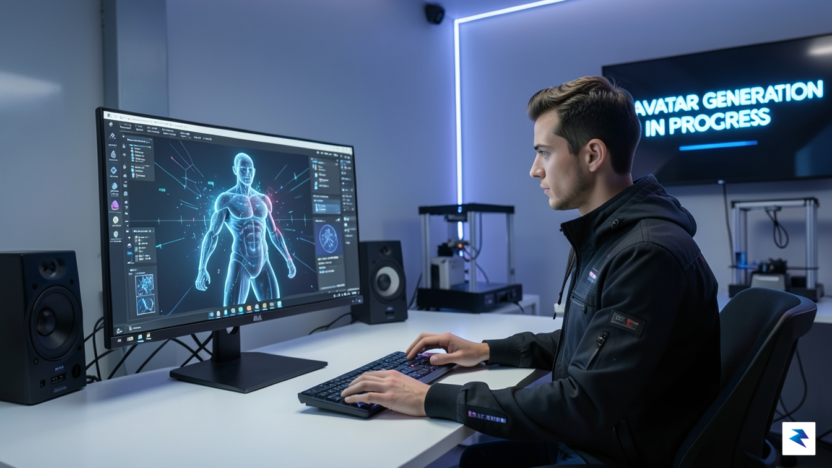
The most compelling leap forward in this evolution is the introduction of personalized AI avatars, which effectively bridge the persistent gap between dry, static presentations and engaging, dynamic video content. Previously, professionals were forced to choose between the efficiency of text-based updates and the high effort of recording high-definition video. With these new capabilities, users can create lifelike representations that mirror their presence, allowing for consistent messaging across global teams without the need for repeated, time-consuming recording sessions. This technology enables a new level of scalability, where a single subject matter expert can “appear” in multiple training modules or project updates simultaneously, all while maintaining a polished and professional aesthetic.
The integration of AI avatars transforms the video medium from a costly production into an accessible, real-time communication tool that keeps teams connected and informed.
As we move further into this era of AI-augmented productivity, the role of the creator is shifting from manual laborer to creative director. Google Vids is clearly leaning into this trend, providing the infrastructure for users to oversee the output of intelligent systems rather than building every frame from scratch. By blending the ease of Workspace integration with the raw power of generative models, the platform is setting a new standard for how companies conduct internal communications, project management, and knowledge sharing, ensuring that every message is not just heard, but effectively visualized.
Creating a digital twin of yourself has transitioned from a complex cinematic process reserved for high-budget studios to a streamlined, accessible feature within Google Vids. The workflow begins by uploading a short, clear reference video of yourself speaking directly to the camera. This foundational footage serves as the blueprint for the AI, allowing the system to map your unique facial movements, expressions, and natural speaking cadence. Once the model processes this data, it essentially “learns” your likeness, enabling you to generate professional-grade video content simply by typing out your script rather than manually performing every take.
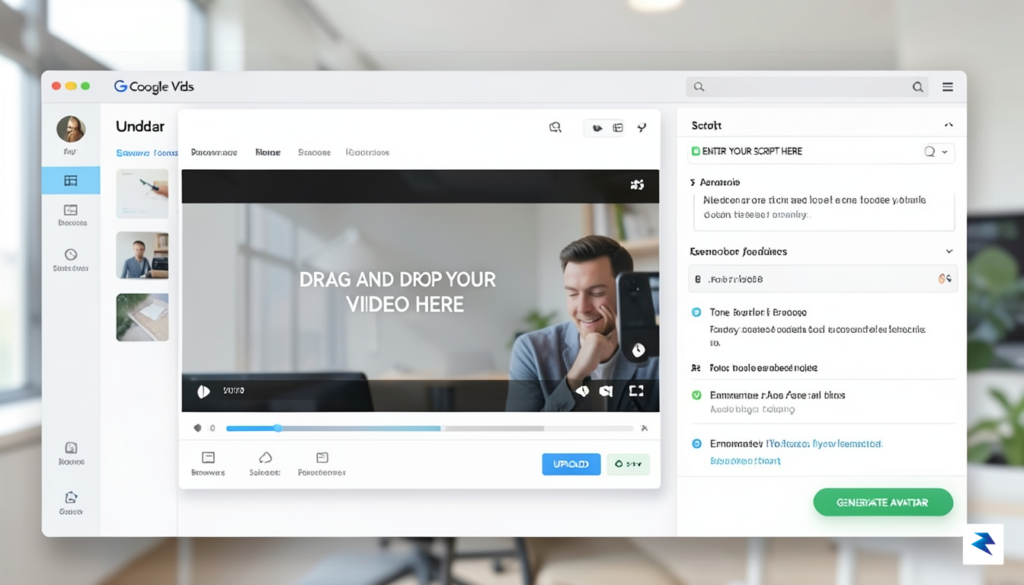
Beyond mere visual replication, the magic of this technology lies in its sophisticated voice synthesis capabilities. The platform doesn’t just animate your face; it mirrors your vocal characteristics, ensuring that the generated speech sounds authentic and fits your personality. By integrating these synthetic voice models with your visual avatar, Google removes the friction of multiple retakes, lighting adjustments, or background noise concerns that typically plague traditional video recording. For non-technical users, this means that updating a corporate announcement or a training module can be done in seconds, as you simply edit the text and let the AI perform the heavy lifting.
The core advantage of this feature is scalability: you can produce a dozen localized versions of a presentation or update a video with a corrected sentence without ever stepping in front of a camera again.
The implementation process is designed specifically for efficiency and ease of use, ensuring that even those without a background in video production can achieve a polished result. After the initial setup phase—where the AI calibrates your avatar—you are presented with a straightforward interface where you can input text, select various tones, and refine the output. The system manages the complex synchronization between your lip movements and the synthesized audio automatically, creating a seamless presentation that maintains high visual fidelity. This democratization of video creation empowers professionals to maintain a consistent digital presence, allowing them to communicate effectively across global teams without the logistical burdens of standard production setups.
At the heart of the latest evolution in Google Vids lies Gemini Omni, a sophisticated multimodal engine that fundamentally transforms how creators approach video production. Rather than forcing users to manually stitch together disparate clips or hunt for generic stock footage, Gemini Omni acts as an intelligent creative partner that interprets complex prompts in real-time. By processing both text instructions and uploaded reference materials, the model builds a cohesive narrative structure that understands the nuances of tone, pacing, and visual intent, ensuring that the final output feels like a singular, unified vision rather than a collection of disjointed segments.
One of the most significant advantages of this integration is the AI’s ability to maintain ironclad visual and thematic consistency across an entire project. In traditional editing workflows, creators often struggle to keep lighting, color grading, and character appearance uniform when transitioning between scenes. Gemini Omni mitigates this friction by serving as a central authority that anchors every frame to your original input parameters. Whether you are generating an educational explainer or a corporate update, the model ensures that the visual identity remains stable, effectively eliminating the “stutter” that often occurs when merging disparate AI-generated assets.
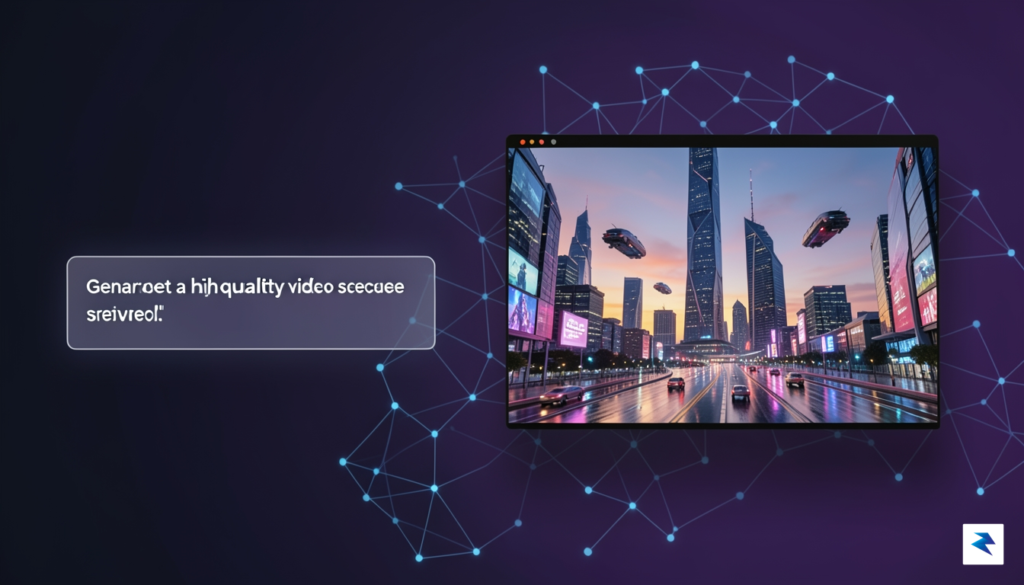
Beyond maintaining consistency, Gemini Omni drastically reduces the manual labor associated with the most tedious aspects of video production, such as asset selection and timeline synchronization. By analyzing your script or outline, the AI can automatically suggest or generate relevant visual content that matches the cadence of your narration. This removes the “blank page” syndrome and the hours typically spent scrubbing through databases to find the right B-roll. As a result, the creative burden shifts from the technical execution of editing to the higher-level strategic task of storytelling.
The true genius of Gemini Omni lies in its capacity to translate raw concepts into polished visual language, allowing creators to focus on their message rather than the mechanics of production.
Furthermore, the model’s multimodal prowess extends to its understanding of context, allowing it to adapt to various styles—from professional and minimalist to vibrant and energetic. Because it processes information holistically, it can anticipate when to introduce visual flourishes or when to lean into a more reserved, professional aesthetic. By offloading the heavy lifting of composition, alignment, and asset procurement to this underlying engine, Google Vids empowers users to produce high-fidelity content at a fraction of the time, effectively democratizing professional video production for creators of all skill levels.

The integration of AI-powered video creation tools into corporate workflows marks a significant departure from traditional, resource-heavy production methods. Rather than relying on expensive external crews, studio rentals, and weeks of post-production editing, businesses can now generate professional-grade visual content in a matter of hours. This shift is particularly transformative for internal communications, where executives can record updates or policy changes using AI avatars that maintain a consistent, polished appearance. By utilizing these tools, companies can ensure that their messaging remains professional and engaging without the logistical burden of coordinating multiple production schedules across different office locations.
Beyond internal updates, the scalability of AI video is a game-changer for corporate training and development programs. Instead of filming a single, static video that may become obsolete as software or procedures evolve, learning and development teams can now generate localized training modules in multiple languages with minimal effort. This ability to rapidly update content ensures that employees across global offices receive accurate, high-quality information that is culturally tailored to their specific market. Furthermore, this method of production drastically lowers the cost per video, allowing organizations to invest their budgets into more comprehensive curriculum development rather than logistics and equipment.

Sales and marketing departments also stand to gain a substantial competitive advantage through the implementation of personalized video outreach. Rather than sending generic email blasts, sales professionals can leverage AI to create bespoke video introductions for high-value prospects, addressing them by name and referencing specific industry pain points. This level of customization, which was previously impossible to achieve at scale, significantly increases engagement rates and humanizes the digital sales process. When a prospect receives a video that feels tailored specifically to their needs, the likelihood of a positive response increases, effectively shortening the sales cycle.
The true value of AI-driven video lies in its ability to democratize high-end production, turning every employee into a potential creator while maintaining strict brand consistency and professional standards.
Ultimately, the transition toward AI-assisted video production is about operational agility. In a fast-paced market, the companies that can communicate their value propositions, train their teams, and reach their customers the fastest are the ones that thrive. By minimizing the friction between a message’s conception and its visual delivery, businesses can maintain a constant, high-quality stream of content that resonates with modern audiences without the traditional overhead that once limited such initiatives.
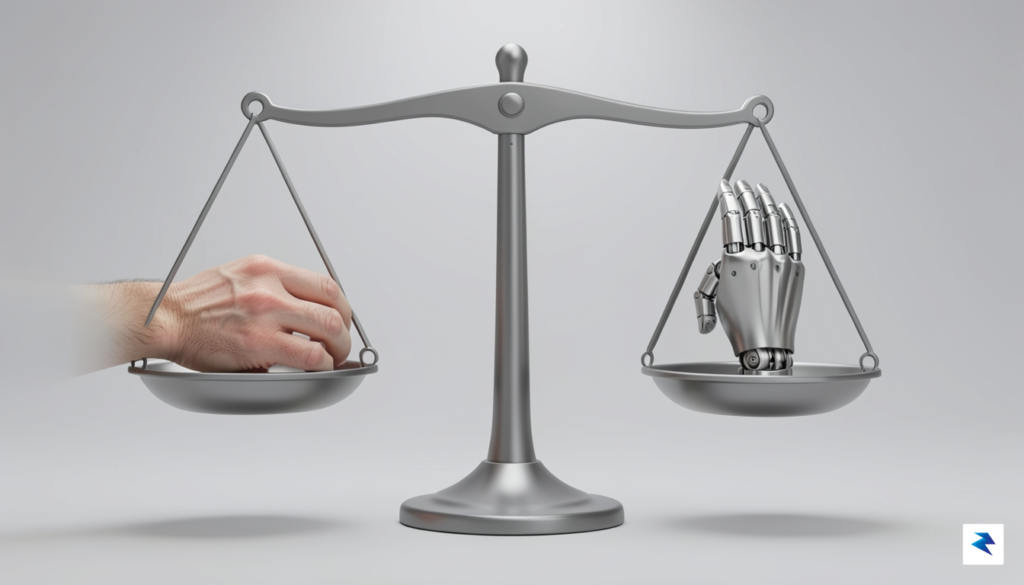
As the barrier between authentic human performance and synthetic media continues to dissolve, the integration of AI avatars into professional workflows brings a renewed urgency to the conversation surrounding digital ethics. While the ability to generate a lifelike digital twin offers unparalleled convenience for corporate communications and training modules, it also necessitates a commitment to radical transparency. When a viewer interacts with a video, they deserve to know whether the person speaking is a real individual recording a message or an algorithm rendering a likeness. To maintain the foundational bond of trust between content creators and their audiences, users of these tools must prioritize clarity regarding the nature of the media they distribute.
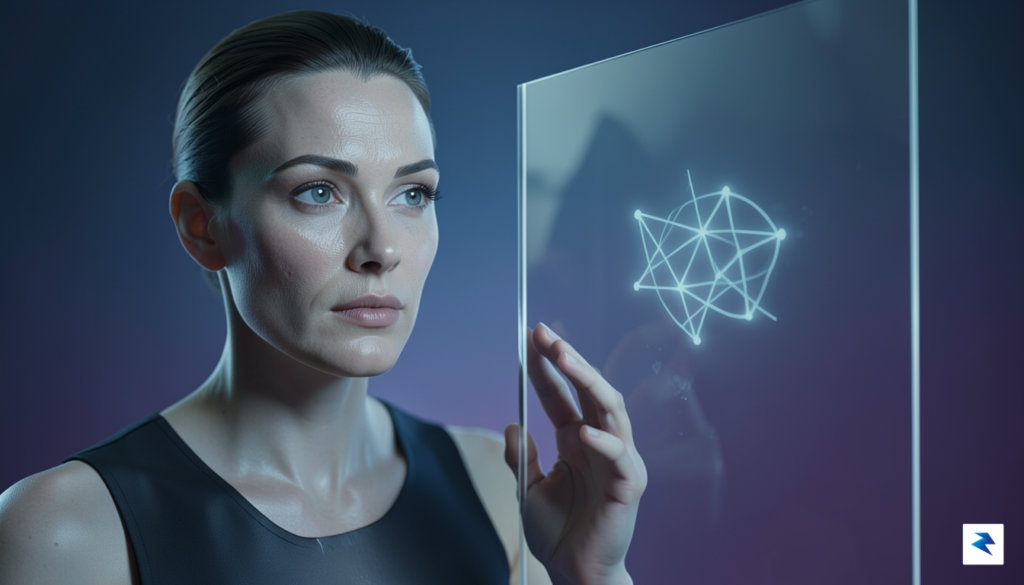
Google has implemented essential safeguards, such as embedded watermarking, to help distinguish AI-generated assets from traditional footage. These digital identifiers act as a crucial layer of metadata, ensuring that even as content is shared across various platforms, the origin remains traceable. However, technology alone cannot solve the ethical complexities of synthetic identity. Best practices for businesses should include a clear disclosure policy—whether through a simple on-screen graphic at the start of a video or a note in the description—that explicitly identifies the use of AI avatars. By proactively acknowledging the technology behind the production, organizations can foster a culture of honesty that protects their brand reputation against accusations of deception or manipulation.
Transparency is not merely a legal checkbox; it is the cornerstone of professional credibility in an era where synthetic media can easily be mistaken for reality.
Beyond the immediate need for disclosure, there are significant privacy concerns regarding the biometric data required to create these high-fidelity avatars. Training an AI model on a person’s unique facial expressions, voice cadence, and physical gestures involves processing sensitive personal information that requires stringent protection protocols. Users should be mindful of where their biometric data is stored, how long it is retained, and who has access to the underlying model. It is essential to ensure that consent is both informed and revocable; no individual should have their digital likeness utilized without continuous, explicit permission. As we embrace these powerful generative tools, the goal must always be to augment human capability rather than replace human accountability, ensuring that the technology serves the user without compromising individual privacy or public integrity.
You must be logged in to post a comment.