
Beyond the Algorithm: How to Reclaim Your Autonomy from Surveillance Capitalism
Understanding the Architecture of Surveillance Capitalism At its core, surveillance capitalism marks a fundamental departure from the…
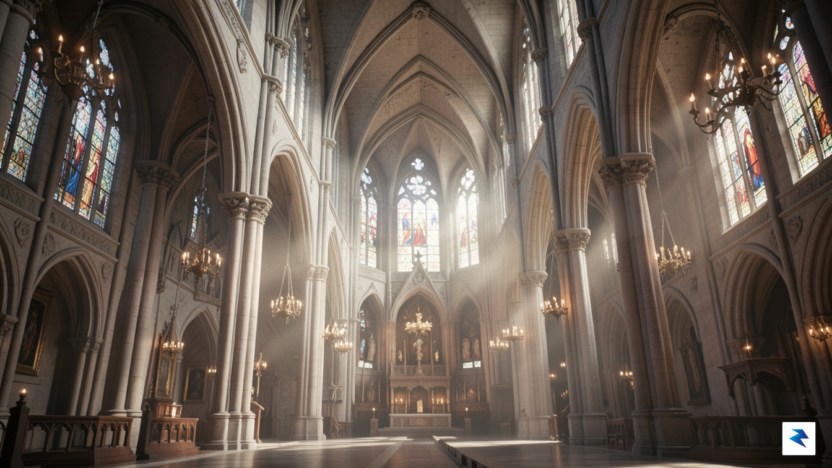
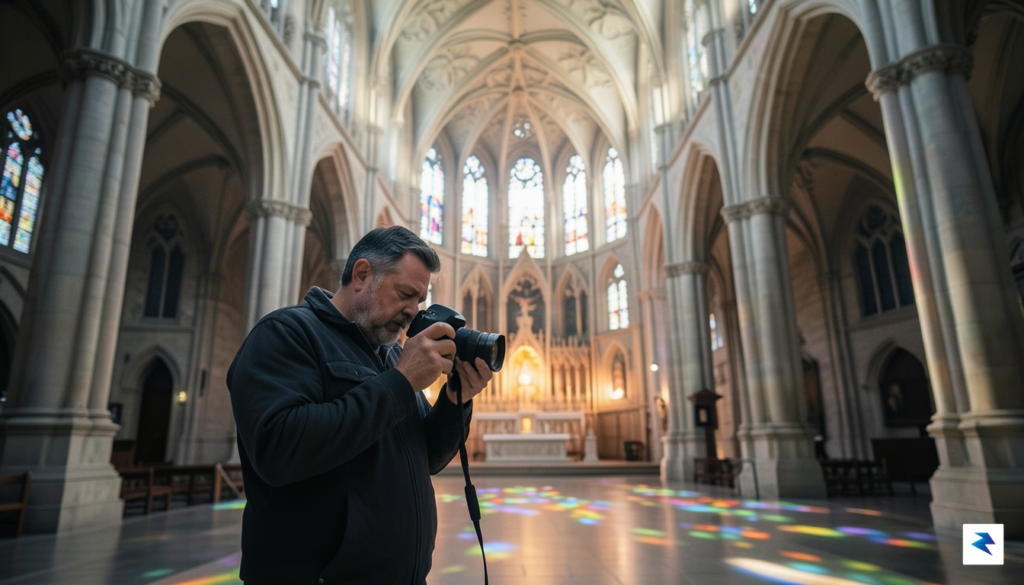
For many decades, the noble pursuit of preserving historical landmarks often relied on tools that, while groundbreaking in their time, now seem inherently limited. Capturing the grandeur and intricate details of ancient cathedrals, venerable castles, or historic cityscapes typically involved static photographs, architectural blueprints, and, more recently, rudimentary low-polygon 3D models. These methods, while valuable for documentation, frequently struggled to convey the true texture, depth, and atmospheric presence of a site. The subtle play of light on centuries-old stone, the rich patina of aged wood, or the complex geometry of vaulted ceilings often got lost in translation, leaving much to the imagination rather than providing a truly immersive experience. This meant that the digital representations, while useful, were often mere shadows of the physical realities they sought to preserve.
Today, we are witnessing a profound paradigm shift in how humanity captures and safeguards its shared heritage. The advent of sophisticated 3D rendering technologies, particularly novel approaches like Gaussian Splatting, is revolutionizing the field, moving us far beyond flat documentation towards hyper-realistic, immersive digital twins. This cutting-edge methodology allows for the creation of incredibly detailed and visually rich virtual environments that faithfully replicate the real world with unprecedented fidelity. Instead of approximations, we can now generate digital models that capture every nuance, from the subtle imperfections of a weathered facade to the intricate carvings of an ornate archway, offering a truly lifelike experience that was previously unattainable.
Few subjects better illustrate the transformative power of these new digital tools than an architectural masterpiece like Grace Cathedral in San Francisco. This iconic structure, with its stunning Gothic Revival architecture, intricate stained-glass windows, and expansive interiors adorned with murals and sculptures, presents a formidable challenge for traditional preservation methods. Its sheer scale and the complexity of its design, from the towering spires to the delicate filigree, demand a level of detail that conventional photography or basic 3D modeling simply cannot deliver. Capturing Grace
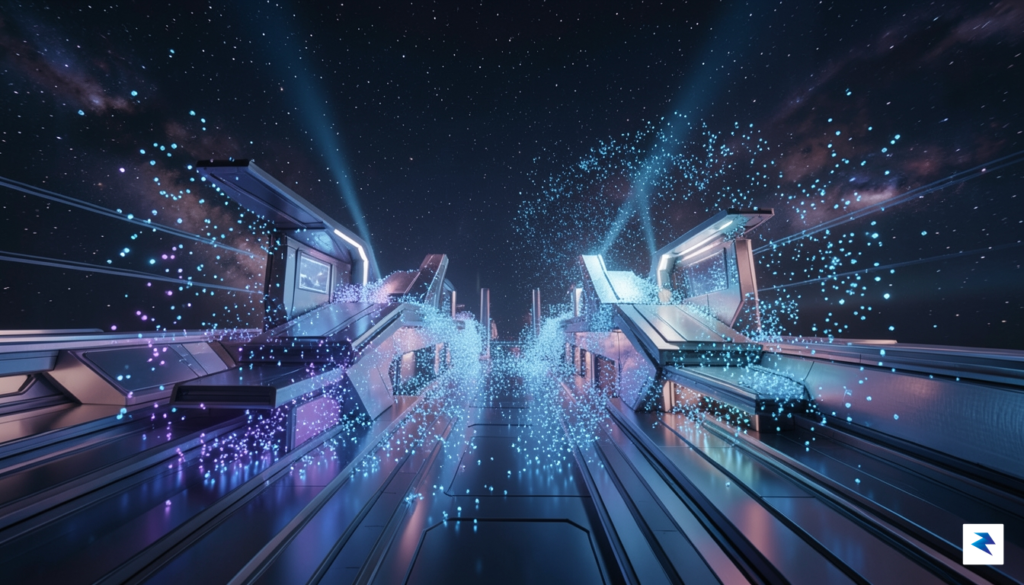
At its core, Gaussian Splatting represents a departure from the rigid geometric constraints that have defined 3D computer graphics for decades. Traditional 3D modeling relies on polygon meshes—essentially a skeleton of connected triangles—to define surfaces. While effective, meshes struggle to capture the complex, translucent, or microscopic details of real-world spaces like the intricate stained glass or ornate vaulted ceilings of a cathedral. Instead of building these structures from hard edges, Gaussian Splatting treats a scene as a dense cloud of millions of tiny, semi-transparent 3D “blobs” or ellipsoids. By optimizing the position, rotation, scale, and opacity of these thousands of Gaussians, the technology reconstructs a visual scene that maintains photographic fidelity without needing a heavy, manually constructed polygon skeleton.
The distinction between this method and Neural Radiance Fields (NeRFs) is particularly notable for anyone interested in high-performance digital environments. While NeRFs revolutionized the field by using neural networks to “learn” how light behaves in a space, they were notoriously computationally expensive, often requiring significant time to render a single frame. Gaussian Splatting sidesteps this bottleneck by moving away from purely implicit neural representations toward an explicit, rasterizable format. This means the computer can process these Gaussian points using standard graphics hardware, allowing for real-time navigation. Where a NeRF might stutter or require cloud-based processing to render, a Gaussian Splat can be explored fluidly on consumer-grade hardware, transforming the experience from watching a pre-rendered video into truly “walking” through a captured space.
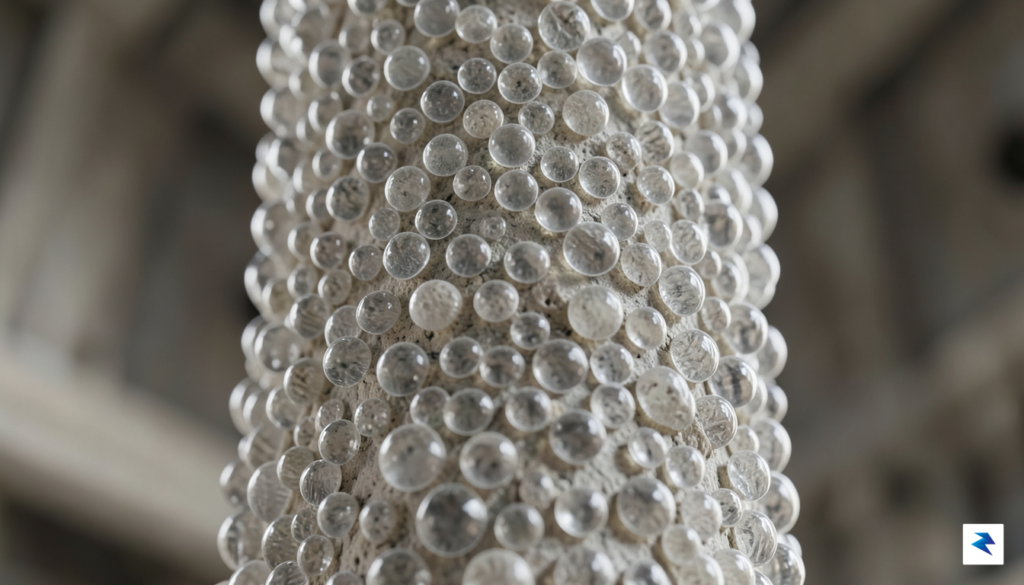
Gaussian Splatting bridges the gap between the static, rigid geometry of the past and the fluid, light-responsive digital environments of the future.
Beyond performance, the true magic of this technique lies in how it handles light and texture. In a traditional mesh-based model, light reflections are often faked using pre-baked textures or shaders that look “flat” when viewed from an angle. Because a Gaussian Splat is essentially a volumetric point cloud, it inherently captures the way light interacts with different surfaces—the subtle glint of gold leaf, the soft diffusion of light through marble, and the complex shadows cast by hanging chandeliers. By adjusting the view-dependent properties of each Gaussian, the system mimics the way our eyes see light reflecting off surfaces, resulting in a depth and realism that feels genuinely lifelike. This shift doesn’t just improve image quality; it fundamentally changes the accessibility of high-fidelity 3D environments, making it possible to preserve and share complex architectural landmarks with unprecedented precision.
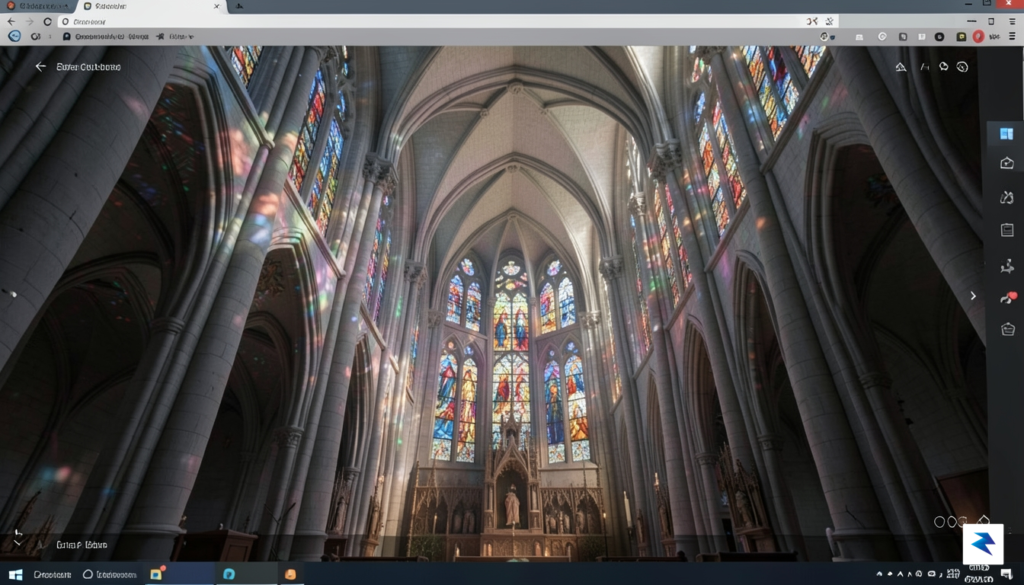
Stepping into the digital replica of Grace Cathedral is an exercise in genuine awe, transcending the typical limitations of browser-based 3D models. Unlike traditional photogrammetry, which often leaves surfaces looking like melted wax or jagged polygons, the Gaussian Splatting technique preserves the cathedral’s intricate architectural soul. As you navigate the nave, the towering vaulted ceilings maintain a crisp, organic sense of depth that feels remarkably grounded. The light appears to filter through the stained glass with a soft, diffused quality, capturing the way shadows stretch across the stone floor—a testament to how effectively this technology mimics the subtle physics of natural radiance rather than relying on harsh, synthetic rendering.
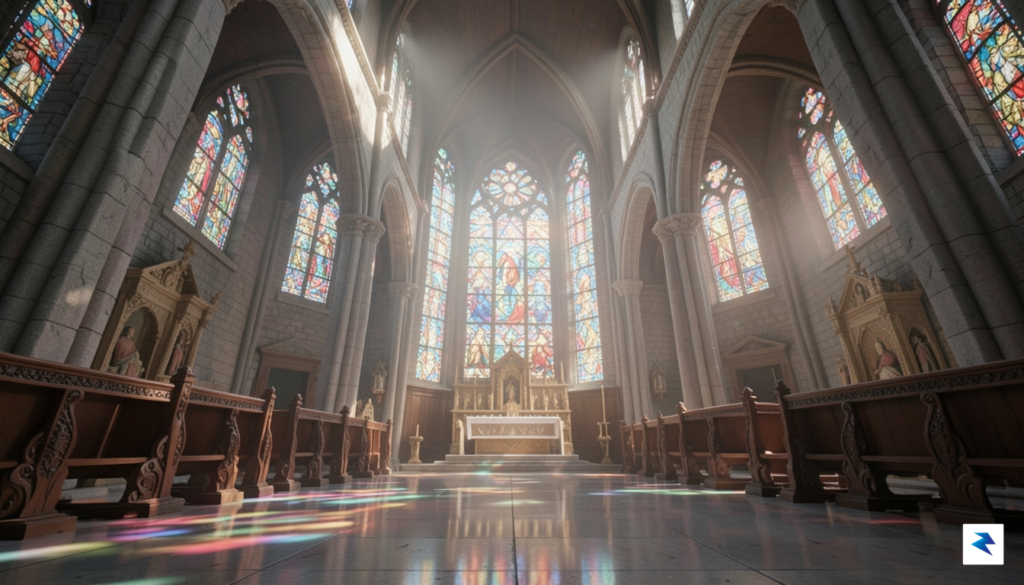
The true triumph of this project lies in its fidelity to texture and atmosphere. When zooming in on the ornate carvings or the specific weave of the tapestries, the detail holds up with a clarity that invites closer inspection, mirroring the experience of walking the space in person. This is not merely a flat image wrapped around a geometric frame; it is a point-based representation that allows for complex light scattering, which is essential for capturing the spiritual weight of a Gothic-style interior. By focusing on the interplay between the cool, dark stone and the warm, vibrant colors of the glass, the developers have successfully translated the cathedral’s “presence” into a digital format that feels alive.
The integration of Gaussian Splatting allows for a level of visual fidelity that bridges the gap between static photography and immersive architectural walkthroughs, making the cathedral feel tangible rather than clinical.
From a technical standpoint, the user interface remains refreshingly minimalist, prioritizing the visual data above all else. Navigation is intuitive, requiring only basic input to glide through the transepts or hover beneath the soaring arches. Because the experience is web-based, the threshold for entry is incredibly low; there is no need for high-end hardware or bulky software downloads, which democratizes the ability to visit such a site. This accessibility is a vital component of the project’s success, as it ensures that the grandeur of Grace Cathedral is not locked behind an expensive barrier, but is instead open to anyone with a browser and an internet connection. By stripping away the clunky menus found in traditional 3D engines, the project allows the viewer to simply exist within the architecture, fostering a quiet, contemplative experience that feels surprisingly respectful of the physical space it seeks to replicate.
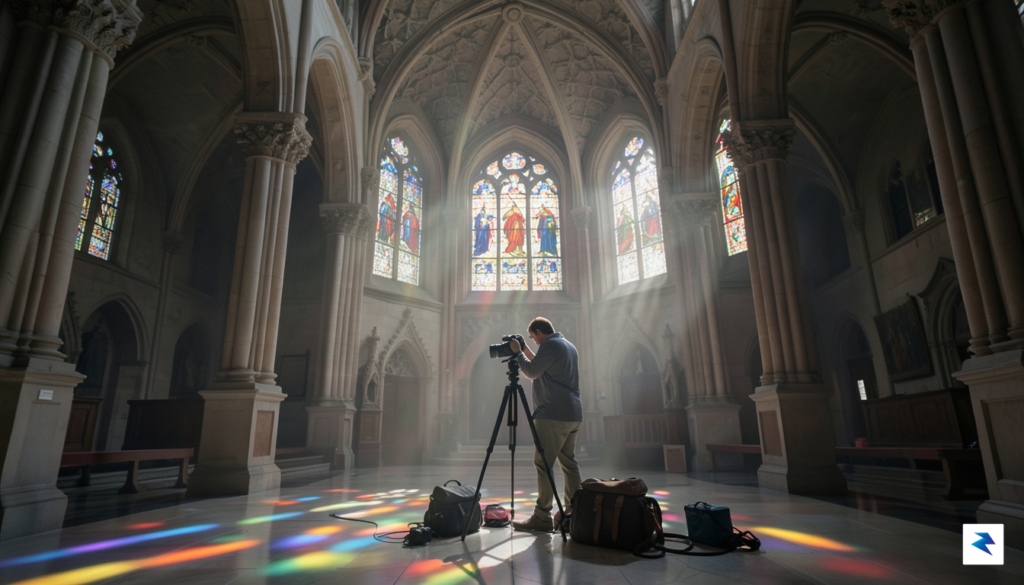
Capturing the architectural majesty of Grace Cathedral in three dimensions required a Herculean effort that began long before the first line of code was written. The primary hurdle during the data acquisition phase was the sheer scale of the interior, which necessitated a strategic photography plan to ensure total coverage without sacrificing image resolution. Because the cathedral is bathed in ever-changing light filtered through intricate stained glass, maintaining consistent exposure across thousands of frames was a significant logistical complication. The team had to meticulously map the geometry, accounting for the dizzying height of the nave and the deep, shadowed recesses of the side aisles, ensuring that every angle was captured with enough overlap for the software to anchor its spatial calculations accurately.
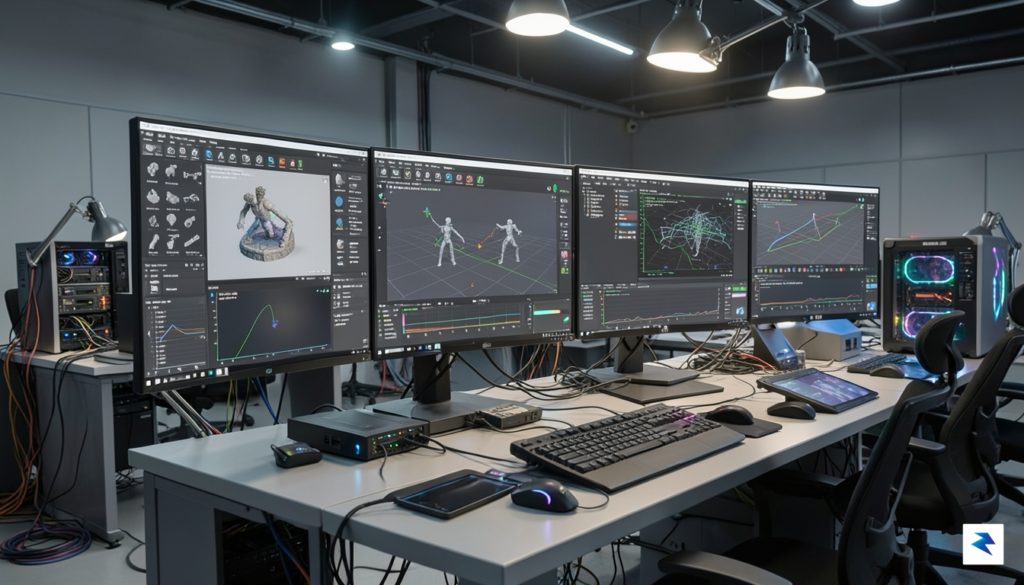
Once the massive dataset of imagery was collected, the team transitioned into the sophisticated post-processing pipeline required for Gaussian Splatting. Unlike traditional photogrammetry, which builds a rigid mesh, Gaussian Splatting represents the space as a cloud of millions of learnable 3D Gaussians. This process involves training a model to optimize these splats until they align perfectly with the source photographs, a compute-intensive task that demands significant graphical processing power. Throughout this phase, the team had to continuously refine the loss functions to ensure that the light transport—specifically the way reflections danced off the marble floors and golden altars—remained convincing to the human eye.
The core of the project’s success lies in the balance between raw data density and the iterative refinement of the splat parameters, which allows the digital twin to retain the cathedral’s ethereal atmosphere rather than appearing as a static, pixelated model.
One of the most persistent technical enemies in this project was the emergence of “floaters”—erroneous, ghostly artifacts that appear as disconnected noise in the 3D scene. These glitches often arise when the algorithm misinterprets specular reflections or lens flare as solid geometry. To combat this, the team implemented a rigorous filtering strategy, manually pruning outliers and employing density-based optimization algorithms to collapse stray points that lacked sufficient spatial context. By fine-tuning these optimization parameters, they were able to strip away the “digital haze,” resulting in a crisp, high-fidelity experience that allows viewers to navigate the cathedral’s vast interior with a sense of presence that feels indistinguishable from reality.
The successful digitization of landmarks like Grace Cathedral via Gaussian Splatting serves as a powerful harbinger for the future of global exploration. We are rapidly transitioning from an era of flat, static photography into a period of volumetric fidelity, where the nuance of light, texture, and architectural depth can be captured and rendered with stunning precision. As the technical barriers to entry—specifically the costs associated with high-end photogrammetry and computational processing—continue to plummet, we can expect a democratization of digital heritage. This shift ensures that the world’s most fragile and remote locations are no longer reserved for the privileged few, but are instead accessible to anyone with a web browser, effectively bridging the gap between physical distance and intellectual curiosity.
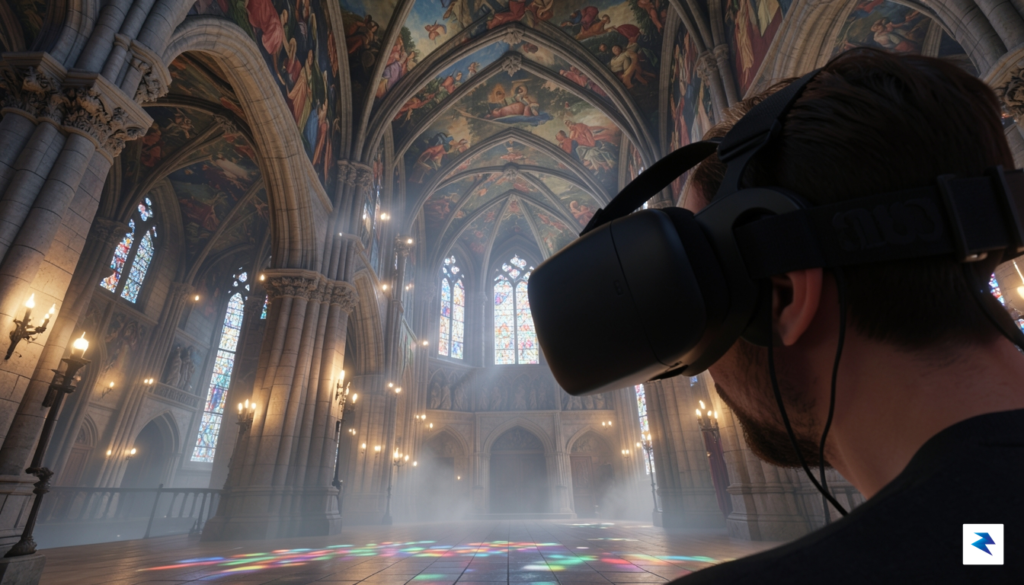
Beyond simple sightseeing, this technology holds profound implications for architectural preservation and historical education. By creating high-fidelity “digital twins” of heritage sites, we provide future generations with a permanent record that can withstand the ravages of time, natural disasters, or urban decay. Educators can lead students through the nave of a cathedral or the ruins of an ancient city, allowing them to examine stonework, stained glass, and structural geometry in ways that physical tours could never permit. This pedagogical shift transforms history from a dry recitation of dates and facts into a tangible, immersive experience, fostering a deeper empathetic connection to the cultures and craftsmanship of the past.
The true potential of digital tourism lies in its ability to break down the physical and economic walls that currently gatekeep the wonders of our world.
Furthermore, the integration of Virtual and Augmented Reality will redefine the boundaries of accessibility for individuals with physical or financial limitations. Travel often requires significant physical stamina and disposable income, excluding millions from witnessing the architectural marvels of the world. Through immersive rendering, those with mobility challenges can traverse narrow staircases, stand on precarious balconies, or explore vaulted ceilings that would otherwise remain invisible. As web-based rendering engines become more robust, we anticipate a future where AR overlays allow users to “visit” these locations from their own living rooms, experiencing the scale and majesty of these sites in full 3D. This isn’t merely about replacing travel; it is about expanding the definition of what it means to experience the world, ensuring that the legacy of human achievement is preserved and enjoyed by all, regardless of circumstance.
You must be logged in to post a comment.