
Inside the Digital Twin: Exploring Grace Cathedral Through Gaussian Splatting
The Evolution of Digital Heritage For many decades, the noble pursuit of preserving historical landmarks often relied on tools that, while…
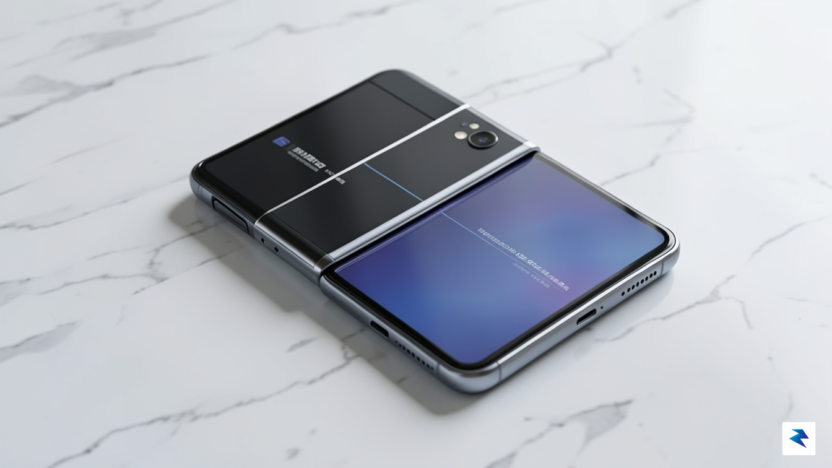
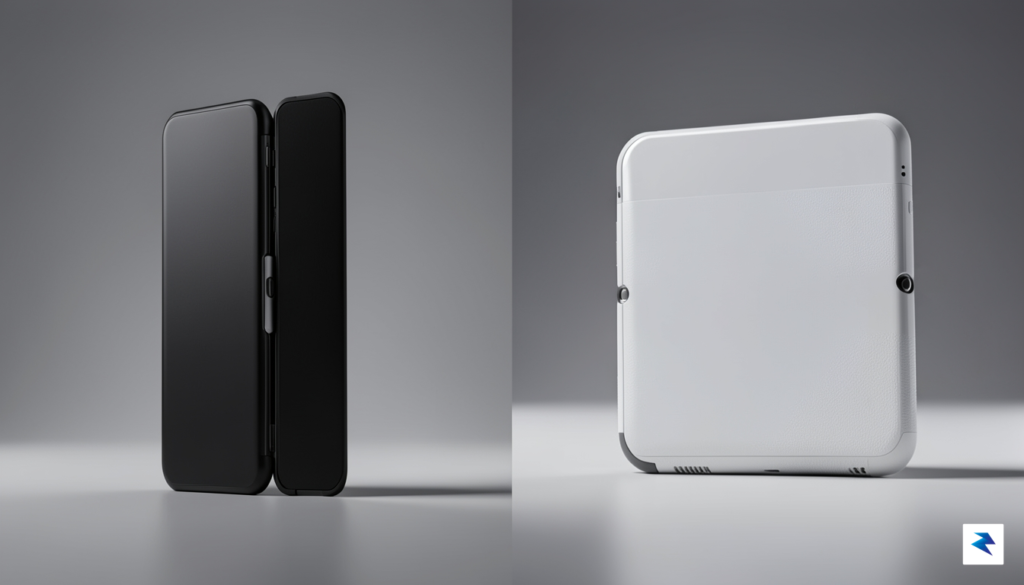
For years, the Samsung Galaxy Z Fold series has been defined by its signature tall, narrow cover screen. While this unique aspect ratio served a purpose—making the device easy to hold and operate with one hand—it inevitably led to a cramped typing experience and awkward app scaling. Users frequently found themselves relegated to using the outer display for quick tasks, only to be met with tiny keyboards and truncated text. By moving toward a wider, more conventional aspect ratio, Samsung is finally acknowledging that ergonomics are about more than just grip; they are about usability, efficiency, and the seamless integration of a smartphone into daily life.
The impact of this design shift on the user experience cannot be overstated. A wider cover screen fundamentally changes how we interact with our devices, beginning with the keyboard. When the screen width increases, the virtual keys gain enough space to mimic the layout of a standard flagship smartphone, drastically reducing the number of typos that have historically plagued the Fold experience. Furthermore, media consumption and app compatibility will see a massive improvement. Many Android applications are optimized for standard rectangular screens; by adopting a wider footprint, the Fold 8 will ensure that content—from social media feeds to productivity suites—displays as intended without the need for aggressive cropping or letterboxing.
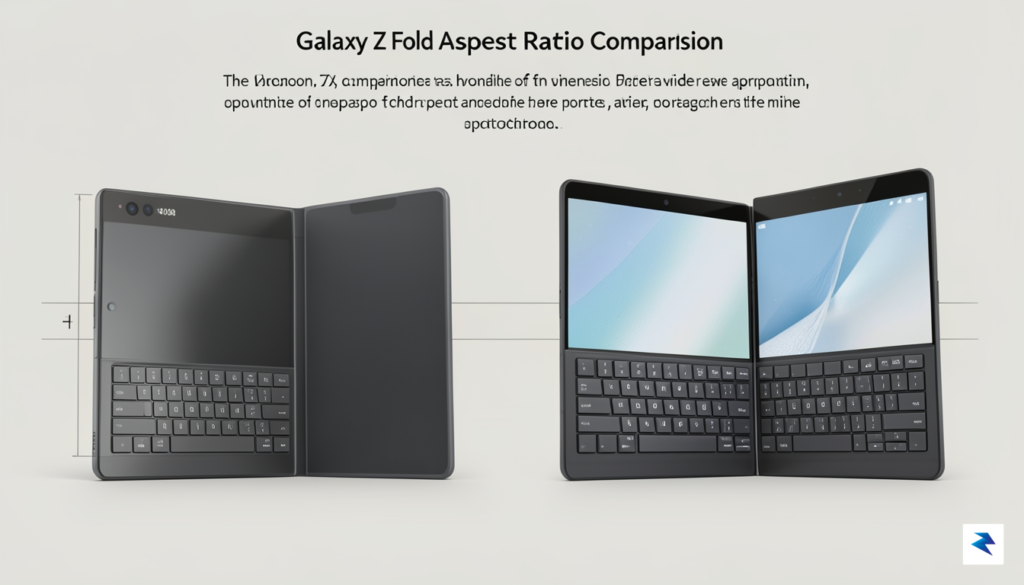
This pivot is far from an isolated design choice; it is a calculated response to the intensifying pressure from international competitors. Manufacturers like OnePlus and Honor have successfully disrupted the market by offering foldables with wider, more “normal” cover displays right out of the gate. These competitors proved that consumers prioritize a device that feels like a premium, standard phone when closed, rather than a specialized remote control. By evolving its design language, Samsung is signaling that it is listening to its power users, who have long demanded a device that balances the utility of a tablet-sized inner display with the day-to-day functionality of a conventional handset.
The transition to a wider aspect ratio represents the most significant refinement in the Z Fold’s history, effectively closing the gap between cutting-edge innovation and practical, everyday comfort.
Ultimately, the move toward a wider display is a maturing of the foldable category. While the early generations of the Z Fold were essentially prototypes for early adopters, the Galaxy Z Fold 8 appears to be moving toward a more refined, consumer-centric philosophy. By prioritizing a form factor that feels natural, intuitive, and comfortable, Samsung is not just refreshing its hardware; it is ensuring that the foldable experience remains the gold standard in a market that is no longer content with compromises.

The most anticipated hardware shift in the upcoming Galaxy Z Fold 8 centers on a fundamental rethinking of its display architecture. While previous iterations focused on iterative design, current leaks suggest that Samsung is finally addressing the ergonomic limitations of its cover screen by adopting a wider aspect ratio. This shift is not merely cosmetic; it is supported by the integration of advanced LTPO (Low-Temperature Polycrystalline Oxide) panel technology, which allows for a more dynamic and power-efficient refresh rate. By scaling from 1Hz to 120Hz more fluidly, the display ensures that high-intensity tasks remain smooth while preserving battery life during static usage. Furthermore, rumors indicate a significant push toward higher peak brightness levels, potentially reaching new industry benchmarks to ensure that the foldable remains perfectly legible even under direct, harsh sunlight.
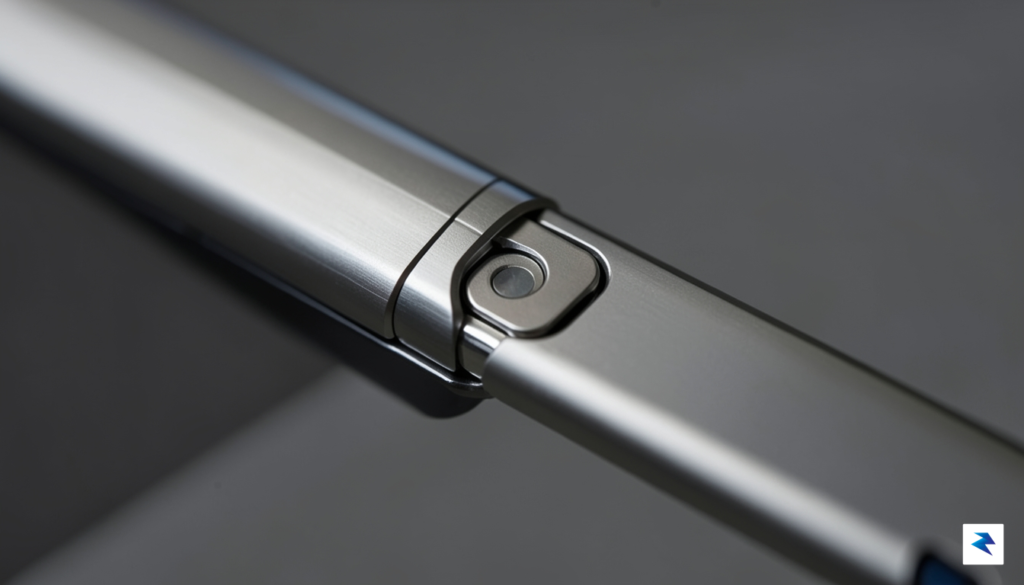
Beyond the raw specifications of the panel, the mechanical heartbeat of the device—the hinge—is undergoing a critical evolution. Samsung’s refined “waterdrop” hinge design has been a hallmark of their recent success, yet the Z Fold 8 aims to push these structural boundaries further. By utilizing a more robust, reinforced alloy, the company is looking to reduce the internal stress on the ultra-thin glass (UTG) layer during the folding process. This mechanical evolution is designed to mitigate the persistent challenge of crease visibility, which remains the primary aesthetic hurdle for foldable devices. Through the application of new material science and a revised tension-distribution system, Samsung hopes to create a flatter, more seamless transition across the center of the screen that feels virtually imperceptible to the touch.
The integration of advanced structural materials suggests that Samsung is prioritizing long-term durability as much as visual fidelity, marking a departure from the fragile nature of early-generation foldables.
Ultimately, these refinements speak to a maturing market where consumers demand more than just novelty; they expect the same level of reliability found in traditional flagship smartphones. The combination of increased display width, a more sophisticated hinge mechanism, and superior panel brightness represents a holistic approach to hardware design. By focusing on both the durability of the internal folding mechanism and the clarity of the outer display, Samsung is effectively positioning the Z Fold 8 as a true powerhouse for productivity. As we move closer to the official launch, it becomes increasingly clear that these granular improvements to material science and display technology are the keys to maintaining the brand’s premium status in a competitive landscape.
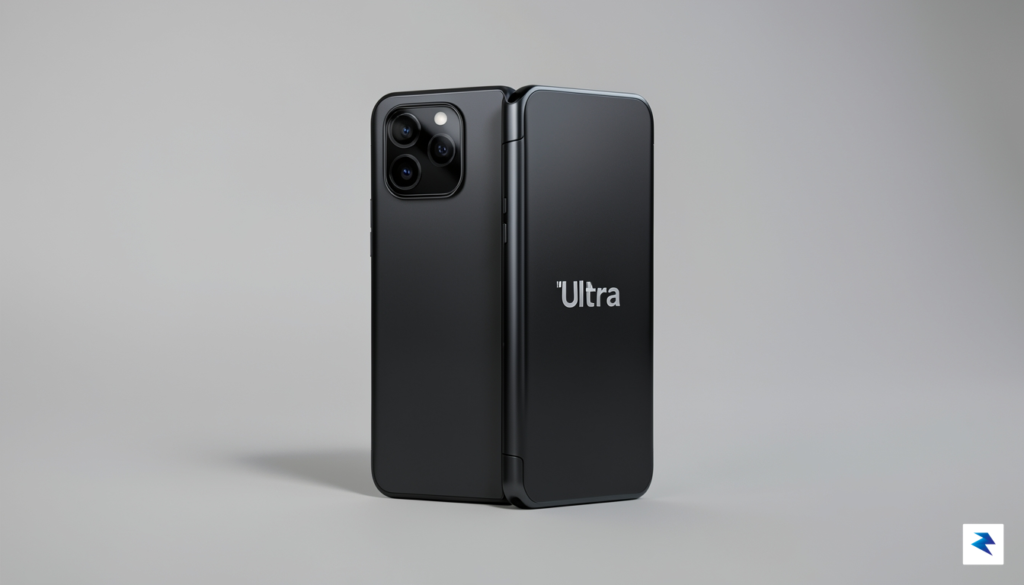
Perhaps the most compelling narrative surrounding the next generation of foldables is the persistent whisper of an “Ultra” variant joining the lineup. For years, Samsung has maintained a relatively streamlined approach to its book-style foldables, but the industry shift toward extreme segmentation suggests that a change is imminent. By potentially splitting the flagship series, Samsung appears to be positioning itself to capture a specific demographic: power users who refuse to compromise on camera optics, chassis thickness, or premium aesthetics. This strategic pivot mirrors the immense success of the Galaxy S24 Ultra, which proved that consumers are more than willing to pay a premium for a device that pushes the boundaries of current mobile hardware capabilities.
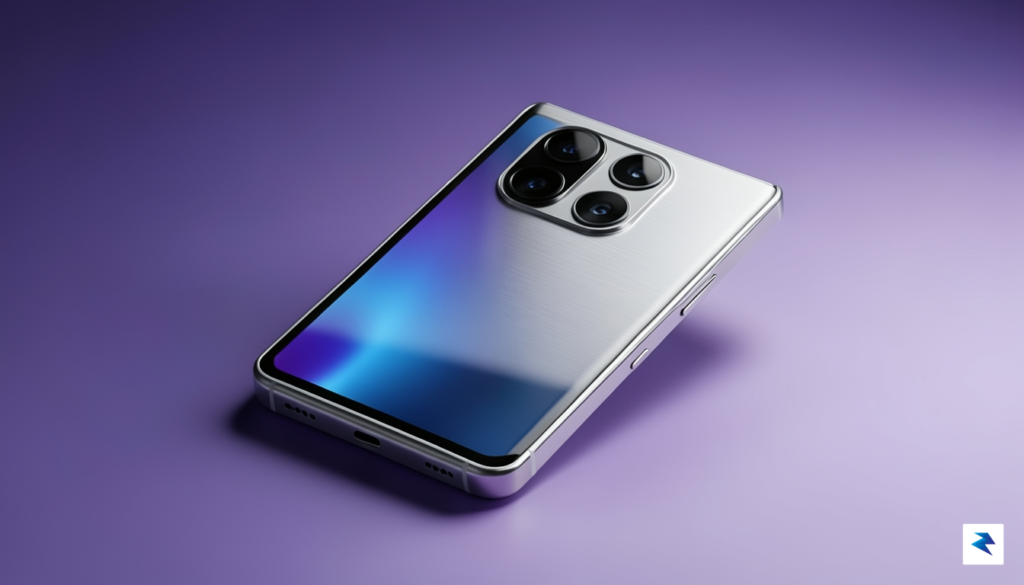
The reasoning behind a tiered strategy is fundamentally rooted in the physical limitations of current foldable engineering. A standard Galaxy Z Fold model must balance weight, battery life, and hinge durability, often leading to compromises in the camera module to keep the device from becoming too bulky. An “Ultra” model, however, could be designed with a primary focus on high-end photography and an even slimmer profile, utilizing advanced materials like titanium or experimental alloys to maintain structural integrity without the added heft. While the standard Fold would remain the quintessential productivity tool for the masses, the Ultra would serve as a showcase for Samsung’s most cutting-edge R&D, likely featuring sensors and image processing capabilities that rival or exceed those found in the S-series flagships.
The introduction of an Ultra-tier foldable could signify a maturation of the market, where Samsung moves beyond simply perfecting the hinge to delivering a truly bespoke experience for those who demand the absolute best in mobile technology.
Furthermore, this segmentation aligns with a broader trend in the tech industry where flagship products are no longer “one-size-fits-all.” We have seen this with Apple’s Pro and Pro Max labeling and Google’s own expansion into the Pixel Fold ecosystem. By introducing an Ultra tier, Samsung effectively creates a clear hierarchy that guides consumers toward the device that best fits their specific needs. Those who prioritize a lighter, more portable workhorse will still find the standard model enticing, while enthusiasts and creative professionals will be drawn to the Ultra’s superior imaging stack and refined industrial design. If the rumors hold true, this expansion could be the definitive catalyst that finally convinces holdouts to trade their traditional slab-style smartphones for the limitless potential of a premium foldable ecosystem.

While the physical dimensions of the Galaxy Z Fold 8’s rumored wider display are grabbing headlines, the true potential of this hardware shift lies in how Samsung evolves its software experience. A broader aspect ratio effectively breaks the long-standing constraints of the “narrow” cover screen, forcing a fundamental rethink of how One UI manages window distribution and spatial organization. When users have more horizontal real estate, the current multi-window system—which often feels cramped or overly vertical—can finally breathe, allowing for side-by-side app pairings that feel more like a traditional desktop environment than a scaled-up mobile interface.
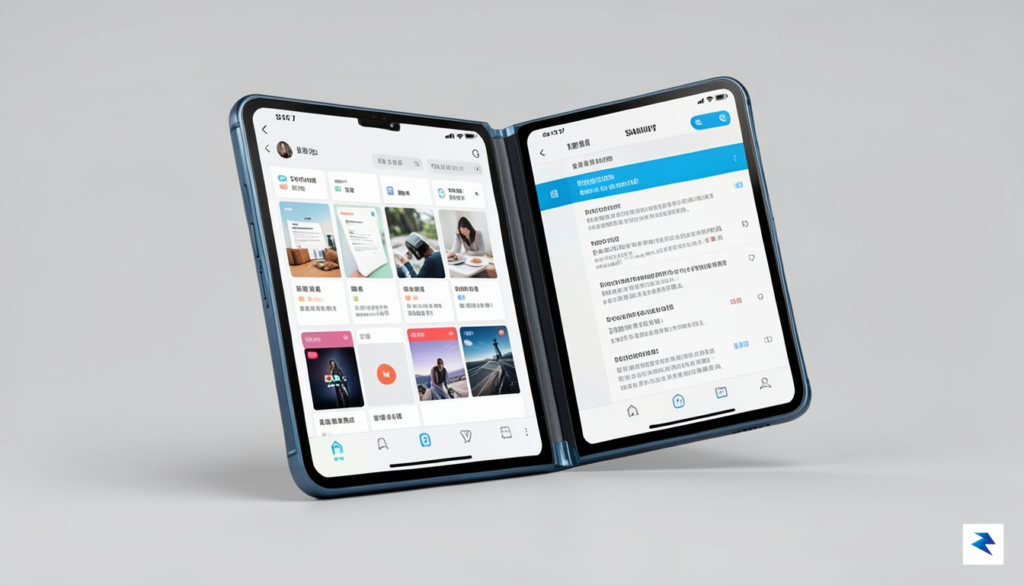
This transition requires more than just scaling; it demands a significant optimization of app responsiveness. For years, the foldable market has struggled with apps that either stretch awkwardly or leave unsightly dead space on the edges of the display. By moving toward a wider canvas, Samsung is essentially challenging developers to embrace “adaptive UI” design, where applications don’t just expand, but rearrange their internal content to take advantage of the extra width. We expect to see One UI leverage this by introducing more granular controls for the Taskbar and improved gestures for floating windows, ensuring that the software is as fluid as the physical device itself.
Ultimately, the premium price point of the Fold series cannot be justified by folding hinges and high-end processors alone. Consumers are paying for a productivity machine, and software refinement is the bridge that turns a gimmick into an essential tool. If Samsung succeeds in making the transition between the cover screen and the expansive main display seamless—ensuring that app states, window positioning, and task workflows persist without hesitation—the Z Fold 8 will set a new benchmark for mobile computing.
The success of the next generation of foldables hinges on the marriage of physical ergonomics and software intelligence; hardware creates the opportunity, but One UI defines the utility.
As Samsung continues to refine its ecosystem, the focus must shift from simply showing “more content” to providing “smarter content.” Whether through AI-driven window snapping or more intuitive multi-tasking presets, the wider display is the canvas, but it is the software that will determine whether the Z Fold 8 feels like a natural evolution or merely a hardware refresh. By prioritizing these software integrations, Samsung can ensure that the user experience is as robust and versatile as the physical device, truly cementing its position at the top of the foldable hierarchy.

The foldable smartphone landscape has undergone a dramatic transformation over the past few years, evolving from a niche playground for early adopters into a fiercely contested arena. For a long time, Samsung held a near-monopoly on the category, setting the industry standard with its Z Fold and Z Flip iterations while competitors were still struggling to perfect the hinge mechanism. However, that era of comfortable dominance has officially ended. Today, manufacturers like OnePlus, Google, and various Chinese tech giants have introduced hardware that not only matches Samsung’s durability but frequently surpasses it in terms of industrial design, particularly regarding device thickness and screen aspect ratios.
This surge in competition has placed immense pressure on Samsung to pivot away from its incremental update cycle. The market is no longer satisfied with minor internal spec bumps; consumers are now demanding hardware that feels as sleek as a standard flagship phone when folded. Competitors have successfully capitalized on this desire by releasing devices that feature significantly wider outer displays, which provide a much more natural typing experience and better app compatibility compared to the narrow, “candy bar” aesthetic that defined earlier Fold generations. By listening to these market signals, Samsung is clearly positioning the Z Fold 8 as a strategic response—a direct move to reclaim the narrative that it remains the innovative leader of the foldable revolution.
The success of the Z Fold 8 will serve as a bellwether for Samsung’s ability to balance its legacy design language with the aggressive, user-centric innovations currently defining the high-end mobile sector.
Ultimately, the upcoming release is a critical test of Samsung’s long-term vision. To maintain its market leadership, the company must prove that it can offer a hardware experience that feels cohesive and polished, rather than just technically impressive. The shift toward a wider display is not merely a cosmetic adjustment; it is a fundamental acknowledgment that the “foldable” label is no longer a justification for compromised ergonomics. If Samsung can successfully integrate this wider form factor with its superior software ecosystem and robust multitasking features, it will likely stabilize its grip on the premium market. Failure to do so, however, could signal a permanent shift in consumer loyalty toward newer, more agile competitors who are proving that the future of mobile productivity lies in a wider, more accessible view.
You must be logged in to post a comment.