
The $3.2 Trillion AI Frenzy: Is the Corporate Deal-Making Boom Built to Last?
The AI-Driven M&A Resurgence: A Decade-High Milestone The global corporate landscape is currently experiencing a seismic shift in capital…
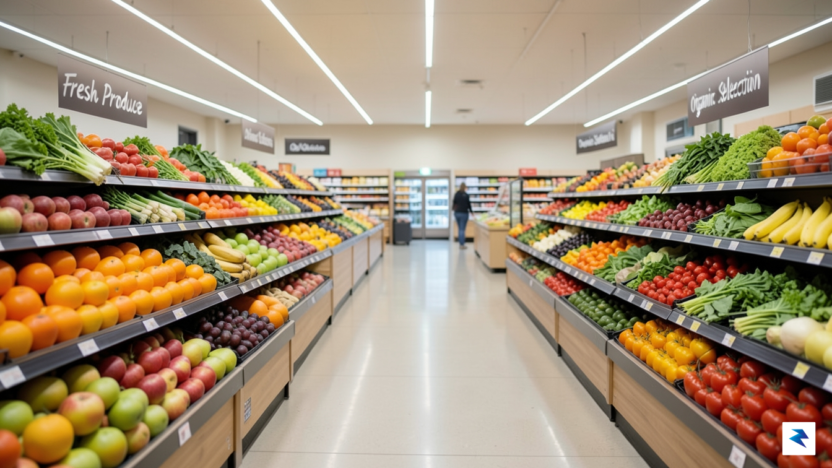
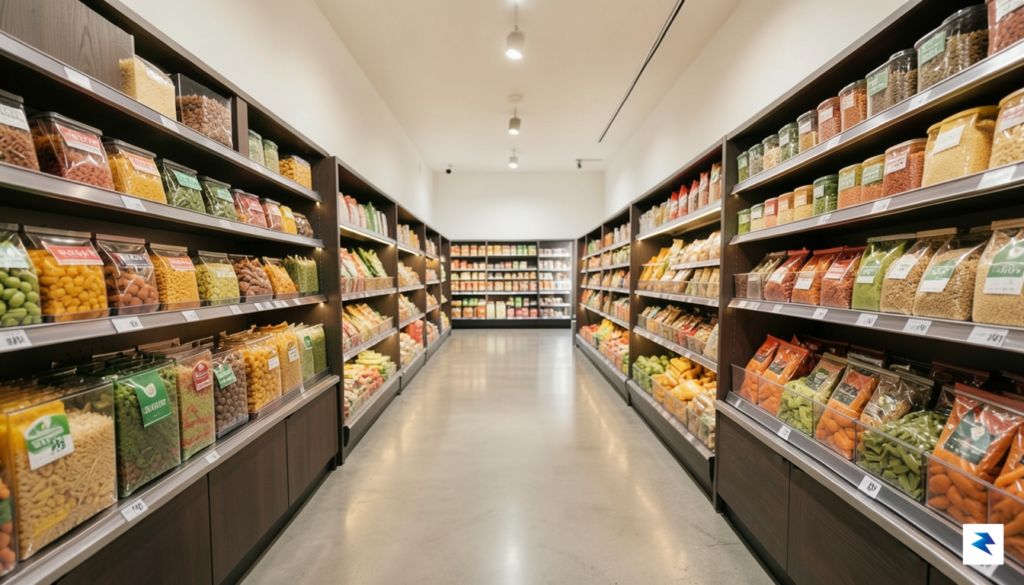
After years of relentless price hikes that left many household budgets strained, the tide is finally beginning to turn in the aisles of your local supermarket. Major national retailers are increasingly rolling back prices on essential staples—such as milk, eggs, bread, and select pantry goods—in a calculated effort to lure back shoppers who have grown weary of soaring grocery bills. This shift marks a notable departure from the rapid, across-the-board inflation that characterized the post-pandemic era. However, while these discounts offer a welcome reprieve, they are not necessarily a sign of broad economic deflation; rather, they represent a strategic adjustment by corporations that are desperate to maintain their market share in a cooling economy.
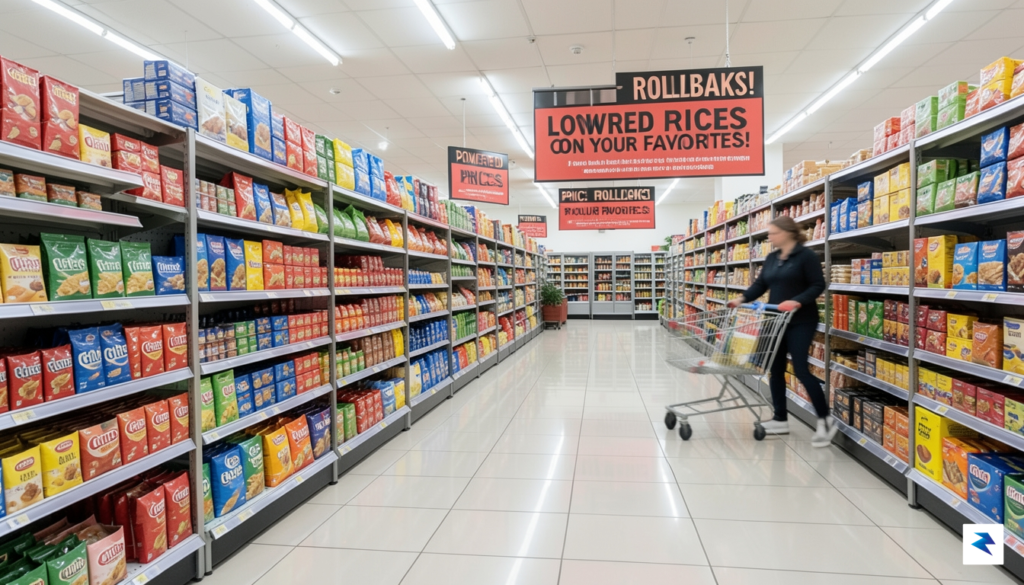
The driving force behind these price adjustments is a significant psychological shift in consumer behavior. Faced with high interest rates and the lingering impact of cumulative inflation, shoppers have become hyper-vigilant, often opting for private-label brands, bulk buying, or trading down to discount grocers to make ends meet. Consequently, retailers are feeling the pressure to defend their foot traffic. When consumers feel the pinch, they are less likely to engage in “impulse buys,” which are the lifeblood of grocery store profitability. By lowering prices on the items that families purchase most frequently, stores are attempting to cultivate a sense of value and reliability, hoping to stabilize customer loyalty before the competition wins them over.
Retailers are essentially fighting a war for the “value-conscious” shopper, using staple items as loss leaders to ensure that their stores remain the primary destination for weekly household errands.
It is important for the average consumer to look beyond the headlines and understand the nuance behind these discounts. While a reduced price tag on a carton of eggs is objectively positive, these reductions are often targeted rather than universal. Retailers are being highly selective, focusing their markdown efforts on goods that have the highest visibility and the most frequent turnover. Consequently, while your basic staples might see a modest decline, the cost of processed goods, specialty items, and non-food essentials may remain stubbornly high. Navigating this new environment requires a more discerning eye; shoppers must remain aware that while the era of unchecked, rapid price spikes may be slowing, the grocery landscape remains a complex environment where price consistency is far from guaranteed.
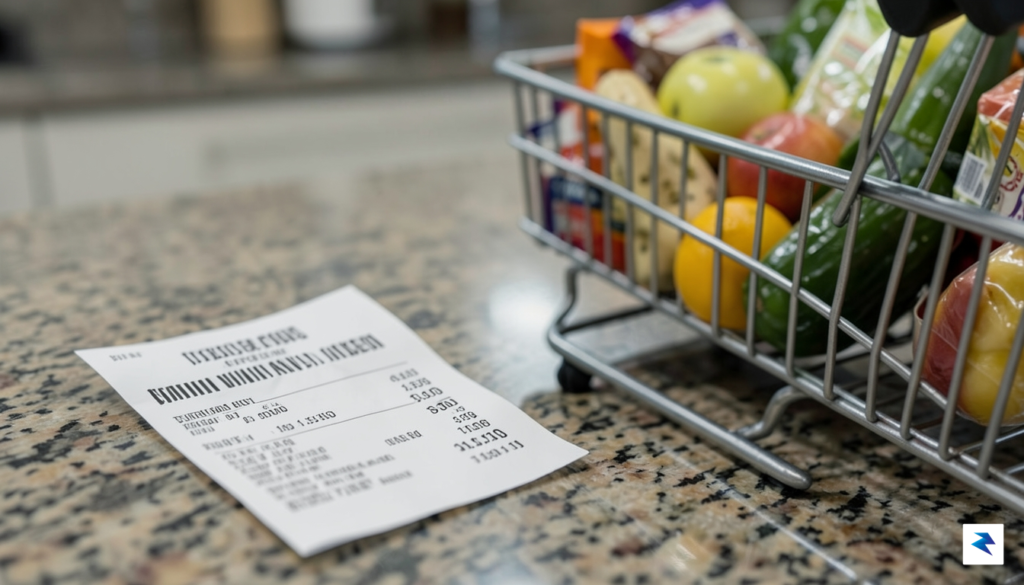
When you walk down the aisles of your local supermarket and spot a neon-yellow “rollback” sticker on a gallon of milk or a discounted price tag on a carton of eggs, the immediate psychological relief is palpable. These individual price cuts feel like a victory against the relentless tide of inflation, signaling that the era of skyrocketing grocery bills might finally be cooling off. However, there is a profound disconnect between the price of a single commodity and the final tally displayed on your receipt at the checkout counter. This phenomenon, often referred to as the “basket effect,” explains why shoppers frequently experience the frustration of seeing lower individual prices while their total monthly expenditure remains stubbornly high.
The reality is that while supermarkets are indeed lowering prices on high-volume staples to attract foot traffic, these items often represent only a fraction of the total grocery bill. A discount on a gallon of milk or a loaf of bread might save a household a few dollars, but those savings are frequently swallowed up by the persistent, high costs of other essential categories. Processed goods, frozen entrees, and specialty health foods have seen more permanent price hikes that rarely fluctuate with the temporary promotional cycles of commodity staples. Because these items are frequently the ones that pad out a weekly shopping list, their elevated price floors anchor the total cost of the basket, effectively neutralizing the modest savings gained from the discounted items.
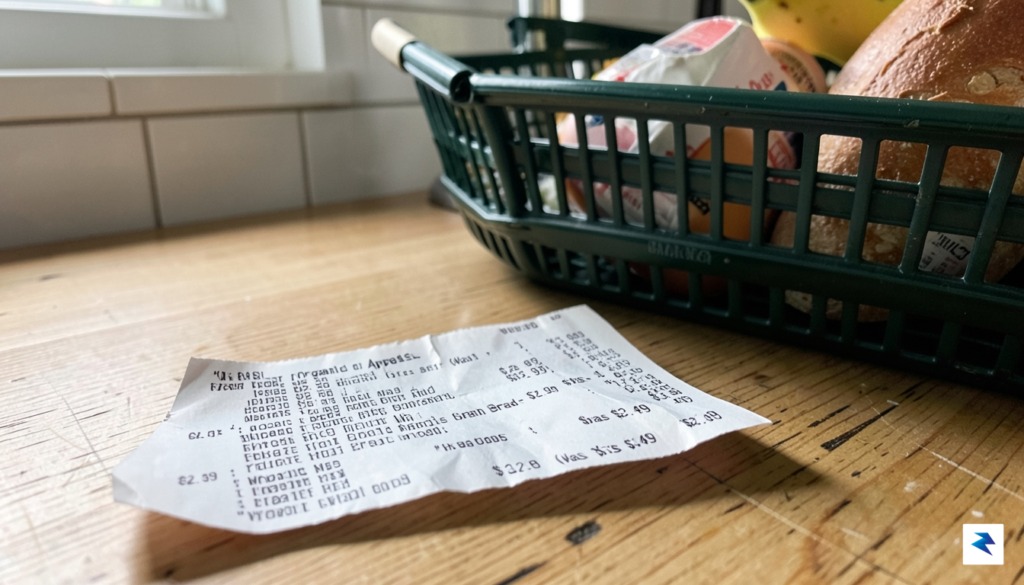
The “basket effect” suggests that focusing on the price of individual items obscures the broader structural inflation affecting the entire inventory, particularly in non-food essentials and convenience-focused products.
Furthermore, we must account for the creeping influence of non-food essentials—such as paper towels, cleaning supplies, and personal care products—which have seen significant, long-term price increases over the past few years. These items are rarely the focus of aggressive price-slashing campaigns, yet they are unavoidable components of a typical household’s recurring grocery run. When consumers account for these high-margin goods alongside the premium or organic products that have become staples in modern diets, the “discount” on a few pantry commodities feels increasingly negligible. Ultimately, systemic cost-of-living factors, including supply chain overhead and labor costs, ensure that while retailers might offer strategic discounts to remain competitive, the baseline cost of maintaining a household remains elevated, leaving many families wondering why their budgets feel just as tight as they were before the price corrections began.
When shoppers see advertisements for slashed prices on staples like milk, eggs, or produce, it is natural to interpret these shifts as a sign of broad economic cooling. However, it is vital to distinguish between a genuine macroeconomic trend toward deflation—where the general price level of goods and services across the entire economy consistently declines—and the localized, tactical discounting currently favored by major grocery chains. True deflation is often a symptom of sluggish economic growth, low consumer demand, and falling production costs that ripple across every sector. In contrast, today’s grocery price cuts are a surgical response to a fiercely competitive marketplace where retailers are fighting to maintain their share of the consumer’s wallet.
At the heart of this retail strategy lies the concept of the “loss leader.” By intentionally pricing select essential items at or below cost, grocery stores aim to lure foot traffic away from discount-focused competitors and deep-discount warehouses. The goal is not to lower the price of the entire supply chain, but rather to establish a reputation for affordability that encourages shoppers to fill their carts with higher-margin items while they are already in the store. Consequently, while the price of your weekly carton of eggs might temporarily plummet, the overall cost of a full grocery haul often remains elevated as retailers balance those marketing-driven discounts with consistent pricing on thousands of other non-promotional goods.
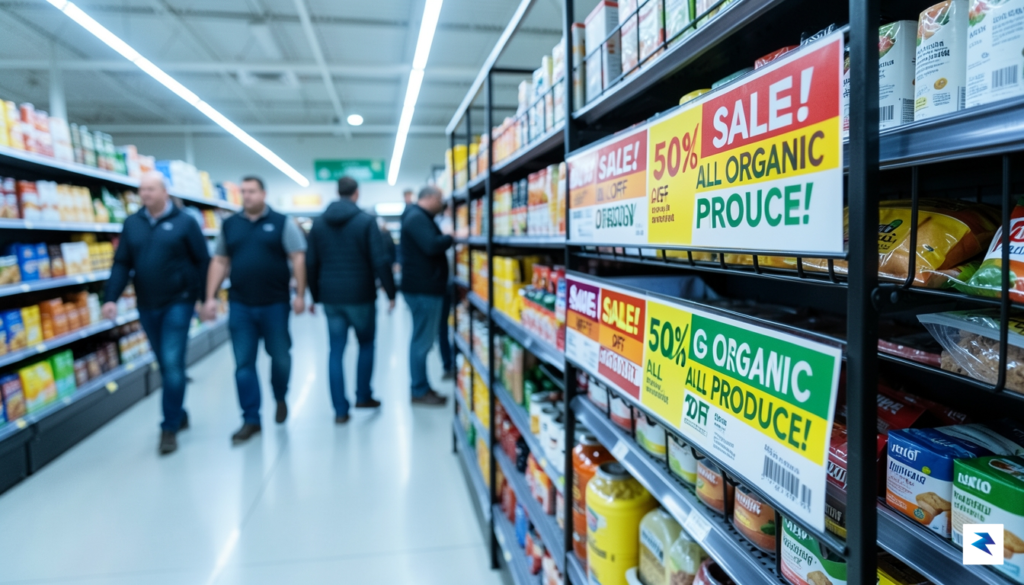
Retailers are not signaling a broad collapse in wholesale costs; they are investing in customer loyalty by absorbing margin hits on high-visibility items to protect their long-term market position.
Distinguishing between these two phenomena is essential for managing personal financial expectations. Sustainable cost reductions in the grocery aisle would require a fundamental shift in the global supply chain, such as lower fuel prices, stabilized fertilizer costs, or improved agricultural yields that drive down the cost of goods sold for every vendor. Instead, what we are witnessing is a strategic pivot toward promotional volume. These temporary marketing tactics are designed to lure shoppers back into the habit of frequenting traditional stores rather than turning exclusively to budget-focused alternatives. For the consumer, this means that while your grocery budget might see minor relief on specific items today, it does not necessarily indicate that the inflationary pressures of the past few years have permanently receded from the broader economy.

The modern grocery experience has shifted from a routine errand into a calculated exercise in financial preservation. Faced with persistent inflation and tightening household budgets, shoppers are increasingly adopting a clinical, data-driven approach to the weekly haul. Gone are the days of mindless brand loyalty or placing items in the cart based on habit; today’s consumers are scrutinizing unit prices with surgical precision. This transition reflects a broader trend where value is prioritized over familiarity, forcing even the most established household names to compete more aggressively for a spot on the kitchen pantry shelf.
One of the most significant shifts in this environment is the rising dominance of private-label or store-brand products. Once viewed as an inferior alternative, private labels have gained immense traction as retailers improve quality while maintaining significant price gaps compared to national brands. Shoppers are now discovering that these house brands often feature identical ingredients and manufacturing standards, making the decision to switch a matter of logic rather than sacrifice. By opting for store-brand staples—ranging from dry goods to frozen vegetables—families are effectively insulating their budgets against the premium markups historically associated with big-name marketing campaigns.
“Value-seeking has moved from a temporary reaction to a permanent lifestyle change, with consumers treating every grocery trip as an opportunity to optimize their household spending.”
Beyond brand switching, consumers are fundamentally restructuring how they shop by embracing bulk purchasing and eliminating impulse buys. Many households have moved toward a “stock-up” mentality, prioritizing non-perishable goods that offer long-term savings through volume discounts. This disciplined strategy is complemented by the decline of the casual impulse purchase; shoppers are sticking strictly to digital or handwritten lists to avoid the “aisle creep” that often inflates a grocery bill by double-digit percentages. To support this level of discipline, mobile apps and real-time price-tracking tools have become essential instruments in the modern shopper’s arsenal. These digital aids allow users to check circulars, compare prices across multiple retailers, and leverage loyalty rewards programs before they even step through the automatic doors. By utilizing these technologies, the modern shopper is no longer just a passive consumer, but an empowered agent actively navigating the marketplace to extract the maximum possible value from every dollar spent.
While the recent wave of price cuts across major retail chains offers a necessary reprieve for strained household budgets, shoppers should be wary of viewing this as a return to the pre-inflationary status quo. Economists suggest that we have likely reached a “new normal”—a stabilized but permanently elevated plateau where food costs remain significantly higher than they were just a few years ago. Supply chain complexities, labor costs, and climate-related impacts on global harvests ensure that food prices are unlikely to see a dramatic, sustained downward trajectory. Instead, consumers should prepare for a landscape defined by moderate fluctuation rather than sharp declines, necessitating a shift in how we approach our weekly grocery runs.

To navigate this financial environment effectively, adaptability must become the cornerstone of your household budgeting strategy. Rather than relying on the hope that prices will return to historic lows, proactive pantry management can significantly dampen the impact of lingering inflation. By maintaining a rotating inventory of shelf-stable staples—purchased in bulk when they hit promotional price points—you create a buffer against the intermittent price spikes that characterize the current market. Furthermore, developing a deeper understanding of seasonal price fluctuations allows you to align your meal planning with the natural harvest cycles of fresh produce, which remains the most reliable way to lower your average receipt total throughout the year.
The most effective defense against fluctuating food costs is a shift from reactive shopping to strategic consumption: buy what is in season, store what is on sale, and plan meals around the inventory you already have.
Beyond tactical shopping, long-term financial health requires a more rigorous approach to grocery budgeting. Consider implementing a “unit price” mindset; by checking the price per ounce or per serving rather than the sticker price, you can bypass the marketing tricks that often obscure value. Additionally, prioritizing private-label brands over national names frequently yields savings of 20% to 30% without sacrificing nutritional quality. Ultimately, by treating grocery spending as a dynamic expense that requires constant calibration, you can protect your purchasing power even when the broader economic indicators remain uncertain. Adapting your habits today will not only ease the immediate burden on your wallet but will also build resilience against the inflationary pressures that appear set to define the retail environment for the foreseeable future.
You must be logged in to post a comment.