
The New Era of Natural AI: OpenAI’s Voice Models Explained
The Evolution of Human-AI Interaction For over a decade, the landscape of voice-activated technology has been defined by a rigid,…
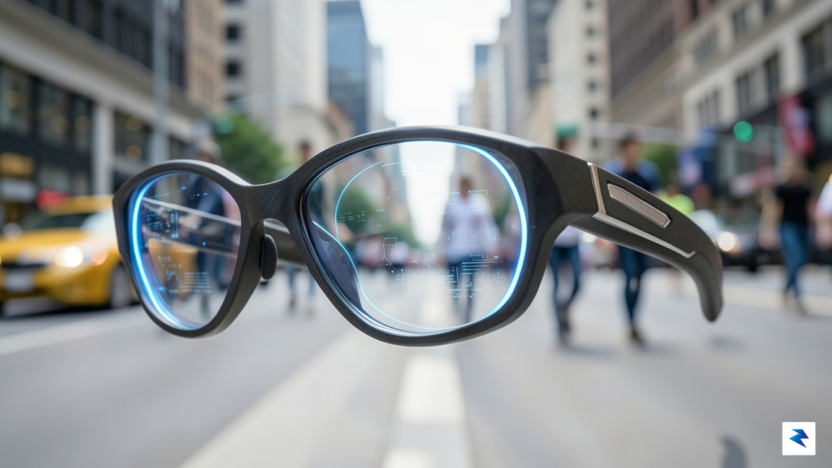

Meta’s latest firmware update for its Ray-Ban smart glasses attempts to address a persistent, uncomfortable reality: the inherent friction between seamless wearable technology and the fundamental human right to privacy. By introducing new software safeguards designed to detect and deter surreptitious recording, Meta is ostensibly playing the role of a responsible gatekeeper. Yet, for many observers, these measures feel less like a transformative shift in corporate ethics and more like a calculated public relations maneuver. The challenge lies in the device’s very design; the glasses are intended to be inconspicuous, blending into daily life so perfectly that they eventually become invisible to both the wearer and those they encounter. When technology is engineered to disappear, it inherently undermines the social contract of consent, making it nearly impossible for a bystander to distinguish between a casual fashion accessory and a sophisticated, always-ready surveillance tool.
This tension creates a profound paradox that no amount of firmware patching can truly resolve. On one hand, Meta markets these devices as tools for effortless connection—a way to capture memories or consult an AI assistant without tethering oneself to a smartphone screen. On the other hand, the form factor is precisely what makes the hardware so invasive. Because the glasses look like standard eyewear, the visual cues that typically signal a camera is active—such as a smartphone being held up or a dedicated recording device—are absent. While Meta has implemented a small LED light to signal when video is being captured, this remains an imperfect solution in a world where lighting conditions, angles, and human oversight can easily obscure such subtle indicators. Consequently, the burden of maintaining privacy is shifted onto the public, who are forced to navigate a world where they can no longer assume they are unobserved.
The core of the privacy debate isn’t just about whether a light blinks, but whether a company built on the monetization of personal data should be the one defining the boundaries of our public and private spaces.
Ultimately, these updates invite us to look beyond the hardware and examine the engine driving Meta’s broader AI strategy. We must ask whether these privacy safeguards are genuine attempts to protect the user or merely a veneer of security applied to a business model that is fundamentally data-hungry. Meta’s history of data harvesting suggests that every interaction, image, and query processed through these glasses potentially feeds back into a larger machine learning ecosystem designed to profile and target. When the device acts as an extension of an AI assistant, it becomes a probe into the wearer’s environment, capable of analyzing surroundings in ways that extend far beyond a simple video recording. By framing the conversation around “recording safeguards,” Meta successfully narrows the scope of the debate, distracting from the more significant, long-term implications of normalizing perpetual, AI-driven environmental scanning in our daily lives.
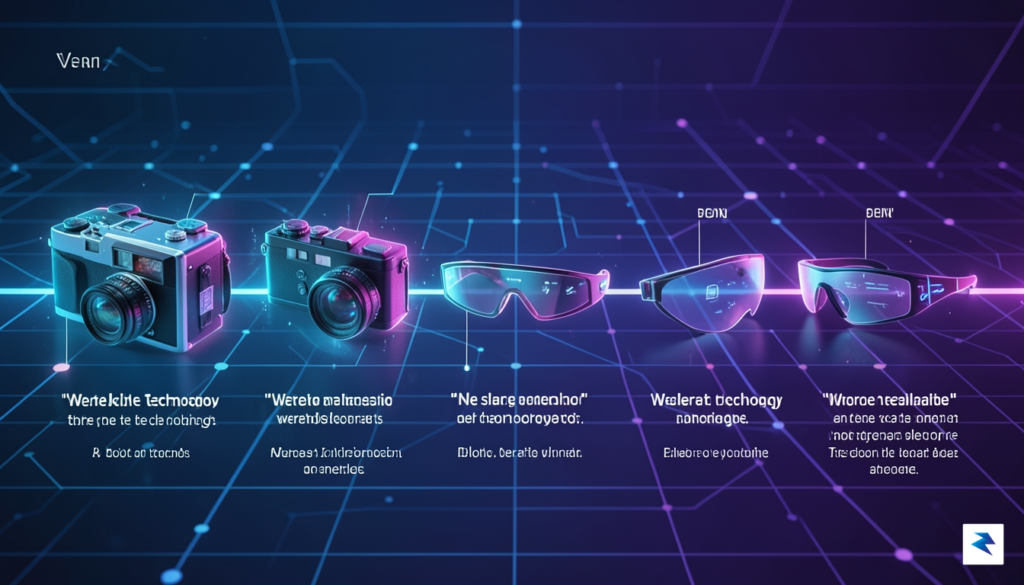
The trajectory of wearable camera technology has shifted dramatically from the awkward, experimental days of the early 2010s to the sleek, integrated devices we see today. When Google Glass first hit the scene, it was met with intense public backlash, famously birthing the derogatory term “Glasshole” for early adopters who wore the bulky, conspicuous hardware in social settings. At the time, the mere presence of a head-mounted camera felt like a glaring intrusion; the device was physically cumbersome and impossible to ignore, acting as a constant, visible reminder that one was being watched. Public anxiety centered on the novelty of the tech and the ambiguity of its intent, leading to widespread resistance that effectively pushed wearable cameras into the shadows for several years.
Fast forward to the current era, and the narrative has been fundamentally rewritten by companies like Meta. By partnering with iconic fashion brands like Ray-Ban, Meta has successfully transitioned wearable cameras from “gadgets” into “lifestyle accessories.” This aesthetic polish is a deliberate departure from the past; the goal is to make the technology invisible. When a camera is seamlessly embedded into the frame of a stylish pair of sunglasses, it sheds the stigma of surveillance and adopts the guise of everyday fashion. However, this normalization comes at a significant cost to public anonymity, as bystanders can no longer easily discern who is recording and who is simply wearing glasses to shade their eyes from the sun.
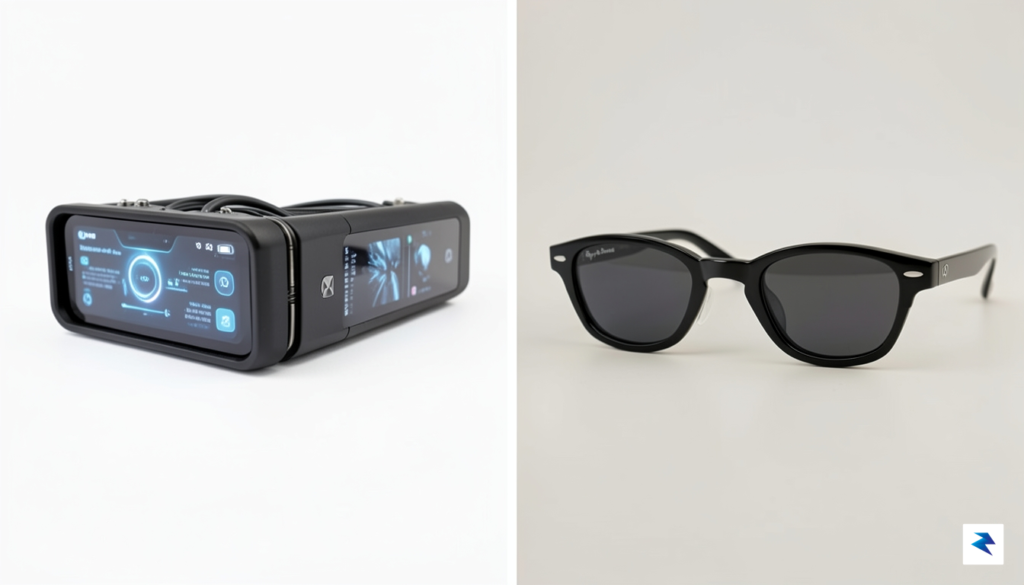
The danger inherent in this iteration is not merely the camera itself, but the AI-integrated ecosystem that sits behind it. Unlike the rudimentary recordings of the past, today’s smart eyewear acts as a data-gathering node that feeds directly into advanced machine learning models. Because the device is now perceived as a non-threatening, fashionable item, it is far more likely to be worn in private spaces, intimate gatherings, and crowded public squares without triggering the same alarm bells that accompanied earlier prototypes. We have moved from a society that feared the “Glasshole” to one that is increasingly oblivious to the presence of high-definition, AI-connected lenses.
The most effective surveillance is that which hides in plain sight; by turning cameras into fashion, companies have bypassed the social friction that once served as a natural check on invasive technology.
Ultimately, this evolution represents a quiet erosion of the social contract regarding privacy. As these devices become more popular, the expectation of being “off-camera” in public effectively disappears. When recording becomes a passive, background activity—rather than a deliberate, conscious act—the threshold for what is considered an acceptable level of surveillance drops precipitously. We are entering an era where the hardware is so polished and “normal” that we have largely stopped asking whether we want to be recorded, and have instead defaulted to a state of constant, ambient visibility.

The sleek frames of Meta’s latest smart glasses promise a future of seamless augmented reality, yet beneath the fashionable exterior lies a sophisticated engine designed for continuous ingestion of the physical world. By incorporating high-definition cameras, microphones, and location sensors, these devices do more than just capture a fleeting moment for social media; they function as persistent data-gathering nodes. Every glance, conversation, and geographical waypoint becomes a raw input for Meta’s multimodal artificial intelligence models. While the company emphasizes user control, the sheer volume and variety of data being harvested—ranging from visual recognition of personal environments to the nuance of user-led voice queries—suggests a strategy that prioritizes training data over mere convenience.
This relentless data collection serves as the lifeblood for Meta’s broader AI ambitions, feeding a machine that thrives on behavioral patterns and environmental context. When a user interacts with these glasses, they aren’t just utilizing an accessory; they are effectively training Meta’s AI to better understand human intent and physical surroundings. This creates a challenging paradox for the consumer: the more useful the AI becomes through personalization, the more invasive the data requirements must be. Even if the hardware includes small LED indicators or privacy toggles, these features struggle to mask the underlying reality that the primary product being manufactured is not the eyewear, but the comprehensive digital profile of the user’s daily life.
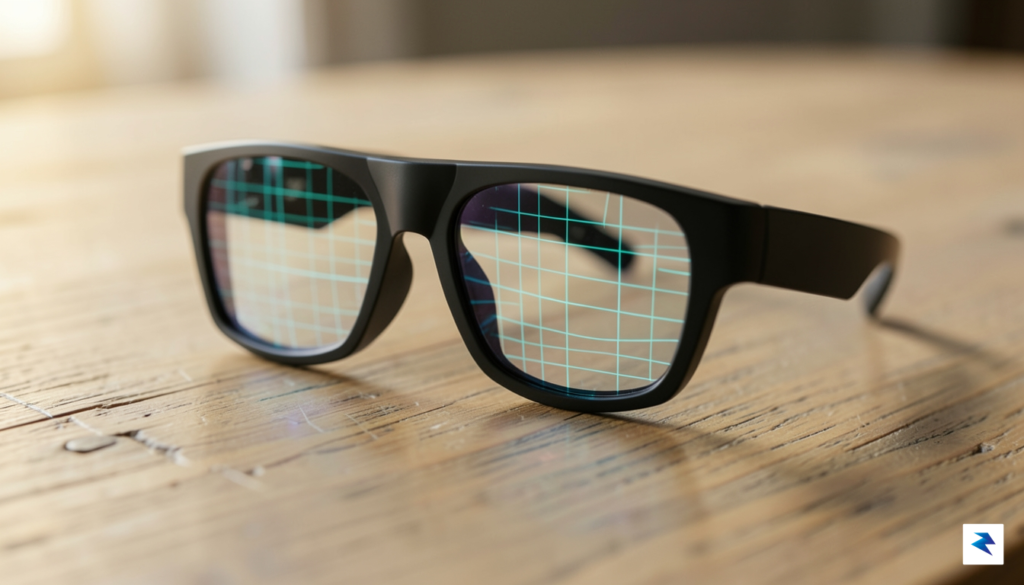
Ultimately, Meta’s history of privacy challenges makes it difficult to view these “safeguards” as anything more than a temporary bridge to wider adoption. History has shown that as AI capabilities expand, the definitions of what constitutes “essential” data collection often shift to accommodate new features, leaving the user with less control than they initially believed. By turning every wearer into a mobile sensor, Meta is constructing a vast, proprietary map of the real world that no other company currently possesses. This structural reliance on constant data ingestion suggests that the company’s push for privacy-centric marketing is not necessarily a change in business philosophy, but rather a necessary PR layer designed to mitigate the friction of integrating surveillance technology into the fabric of everyday human interaction.
The true cost of the device is not reflected in the price tag, but in the granular, real-time data stream that fuels the company’s dominance in the AI landscape.
For the average consumer, the convenience of hands-free interaction and instant visual information is undeniably attractive, yet it comes at the expense of a fundamental shift in privacy boundaries. When a device is designed to “see” what the user sees, the distinction between a private moment and a data-collection opportunity begins to vanish. Unless there is a significant movement toward local, decentralized processing—where data never leaves the device—these glasses will continue to function as the perfect tool for an organization built on the monetization of personal behavior. The question remains whether the public is willing to trade the sanctity of their personal environment for the novelty of an AI-powered lens, or if the growing awareness of data harvesting will eventually force a necessary reckoning with the tech giants behind these frames.

The rapid acceleration of artificial intelligence capabilities, particularly when integrated into personal hardware like smart glasses, has created a significant chasm between technological innovation and the legislative frameworks designed to govern it. While developers push the boundaries of what these devices can see, hear, and process, the legal system struggles to keep pace, leaving both users and the general public vulnerable to unprecedented forms of AI-powered monitoring and data collection. This regulatory vacuum means that the ethical implications of wearing and operating such advanced devices in public spaces are largely uncharted territory, raising profound questions about privacy, consent, and the very nature of public interaction.
Currently, there exists a notable absence of specific laws directly addressing AI-integrated personal recording and analysis hardware. Existing privacy statutes, often crafted in an era predating ubiquitous smart devices, may offer some general protections, but they frequently fall short when confronting the nuanced capabilities of AI glasses. For instance, laws concerning photography or audio recording in public rarely account for real-time biometric analysis, emotional recognition, or continuous data streams that can be compiled to create highly detailed profiles of individuals. This legal ambiguity creates a gray area where manufacturers can deploy powerful surveillance tools without clear guidelines on data retention, sharing, or the mandatory disclosure to those being observed, thereby eroding fundamental expectations of privacy in everyday life.
Consequently, the ethical burden often falls squarely on the shoulders of the users who choose to wear these devices in public. An individual donning AI-enabled glasses might inadvertently become an agent of pervasive surveillance, recording or analyzing others without their explicit knowledge or consent. This scenario challenges the social contract of public spaces, where people generally expect a reasonable degree of anonymity and freedom from constant scrutiny. While a wearer might argue they are merely experiencing the world through a new lens, the individuals they encounter have no practical means of knowing if they are being recorded, identified, or having their personal data processed by an unseen algorithm. This inherent imbalance fosters distrust and can lead to uncomfortable social interactions, contributing to the “creepy” perception that manufacturers are eager to dispel.
The lack of proactive regulation, coupled with the potential for widespread data collection and privacy breaches, inevitably sets the stage for significant legal repercussions. As these technologies become more prevalent, the likelihood of class-action lawsuits brought by individuals whose privacy has been violated or whose data has been misused will undoubtedly increase. These legal challenges could center on unauthorized data collection, the creation of persistent digital records without consent, or even the discriminatory application of AI analysis. Governments, too, will eventually be compelled to intervene, either through new legislation specifically tailored to AI hardware or by expanding the mandates of existing regulatory bodies like the Federal Trade Commission (FTC) or data protection authorities. The imperative is clear: a robust legal framework is desperately needed to balance the undeniable benefits of technological innovation with the fundamental right to privacy and the protection of civil liberties in an increasingly AI-permeated world.


As we stand on the precipice of a new era defined by ubiquitous augmented reality, the boundary between the private individual and the public sphere is becoming increasingly porous. We are moving toward a world where smart glasses act not merely as accessories, but as persistent, sensory-augmented extensions of our digital identity. In this landscape, the responsibility for maintaining personal privacy will inevitably shift from the manufacturer to the user. While companies like Meta emphasize hardware safeguards and indicator lights, these measures are often insufficient against the sheer scale of ambient data collection. Consequently, consumers must cultivate a higher level of digital literacy to navigate environments where every pair of glasses could potentially be a recording device.
To protect your autonomy in an age of constant observation, you must adopt a more proactive stance toward your digital footprint. Start by auditing the permissions of your wearable devices with the same rigor you apply to your smartphone; if an application does not require access to your camera or microphone to function, disable it immediately. Furthermore, develop the habit of practicing “analog awareness.” Just as you might be cautious about sensitive conversations in public, be mindful that smart glasses can capture audio and visual data from a distance, making the concept of a private conversation in a public space largely obsolete. When in doubt, assume you are being recorded, and manage your personal data exposure accordingly.
The true cost of convenience is the gradual erosion of the “right to be forgotten” in public spaces, where our every movement can be indexed and analyzed by AI-powered hardware.
Ultimately, the decision to integrate these devices into our daily lives requires a sober cost-benefit analysis. We are trading the sanctity of public anonymity for the undeniable efficiency of real-time information, navigation, and seamless digital interaction. While the promise of AR is transformative, it is vital to remember that technology often outpaces legislation and social norms. By staying informed, advocating for stricter data transparency, and remaining skeptical of the “creepy” factor inherent in constant surveillance, we can ensure that we remain masters of our own digital narrative rather than mere subjects of a data-gathering machine. The convenience of the future is tempting, but it should not come at the permanent expense of our fundamental privacy.
You must be logged in to post a comment.