
The Hidden Cost of AI: Texas Data Centers and the Fossil Fuel Boom
The Hidden Infrastructure Behind the AI Boom The digital revolution, once conceptualized as an ethereal "cloud" floating effortlessly above…
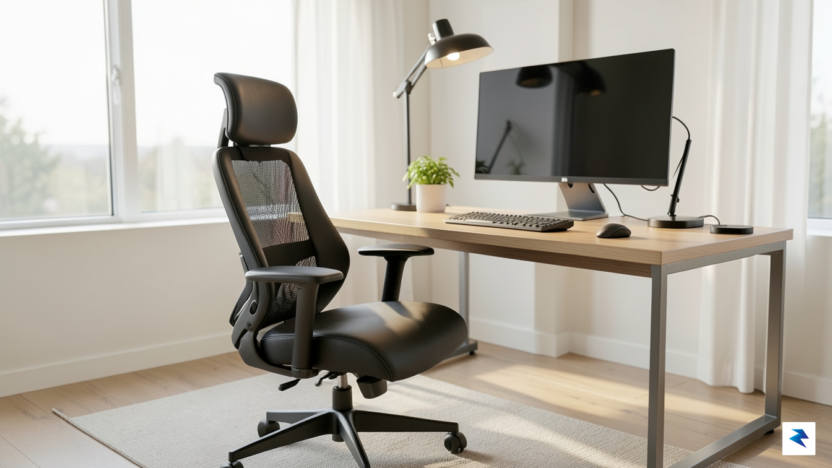
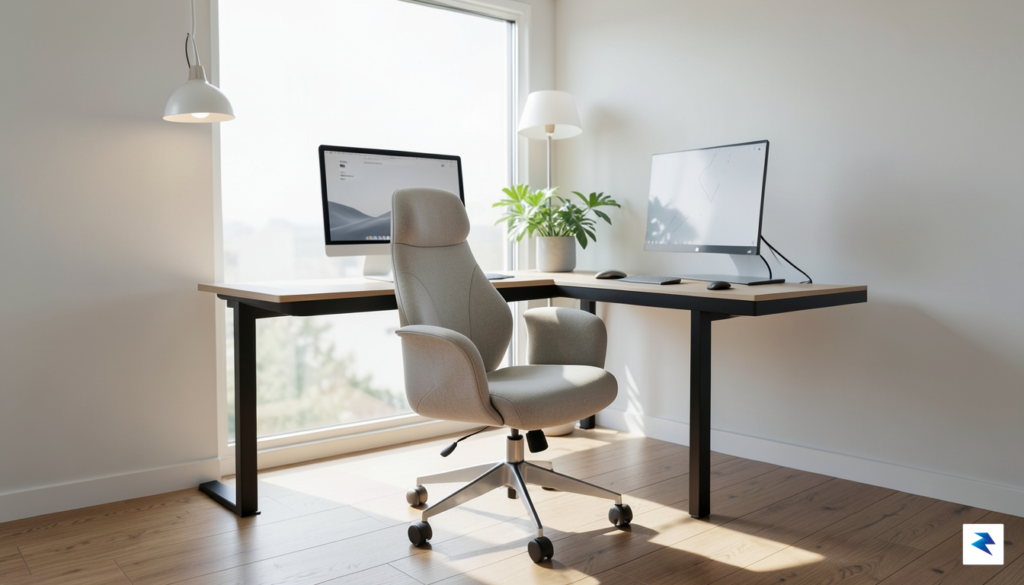
For decades, the standard office chair has been built upon a rigid, one-size-fits-all philosophy that assumes the human body is designed to remain static for eight hours a day. These traditional designs prioritize a formal, upright posture, often trapping users in a single, unyielding position that fails to account for the natural shifts and micro-movements we instinctively crave. By forcing the spine into a singular alignment, these chairs frequently lead to muscle fatigue, joint stiffness, and a persistent, nagging discomfort that distracts from productive work. The reality of modern office life is that we rarely sit still; we fidget, we lean, we stretch, and we constantly adjust our weight, yet our furniture has historically refused to adapt to this dynamic reality.
As the conversation around workplace wellness has evolved, so too has our understanding of “active sitting.” The rigid, upright chair is rapidly losing favor to designs that embrace movement, recognizing that the best posture is often the next posture. Active sitting encourages users to engage their core and distribute their weight differently throughout the day, which can significantly reduce the strain associated with sedentary work. By moving away from the constraints of traditional furniture, we open the door to a more intuitive way of working, one that validates our natural desire to change positions rather than suppressing it.

This shift in perspective is exactly where the Amseatec Criss Cross Office Chair enters the narrative. Designed specifically for those who find traditional seating restrictive, this chair acknowledges that many of us are “active sitters” who prefer non-traditional postures—such as sitting cross-legged, tucked to the side, or perched on the edge of the seat. By removing the inhibiting armrests and providing a wider, more versatile base, the Amseatec chair transforms the office environment from a place of physical restriction into a space of fluid freedom. It isn’t just a piece of furniture; it is a tool designed to support the way we actually live and work, proving that you do not have to sacrifice comfort for a professional aesthetic.
The most ergonomic chair is not the one that dictates your posture, but the one that empowers you to change it whenever your body demands a shift.
Ultimately, the evolution of ergonomic seating is about reclaiming our comfort in an environment that has long prioritized form over function. Whether you are someone who constantly shifts your legs or simply values the ability to move freely without bumping into restrictive hardware, the Amseatec Criss Cross chair represents a necessary departure from the status quo. It invites a more liberated approach to the workday, ensuring that your furniture works for you, rather than against you, as you navigate your professional tasks.
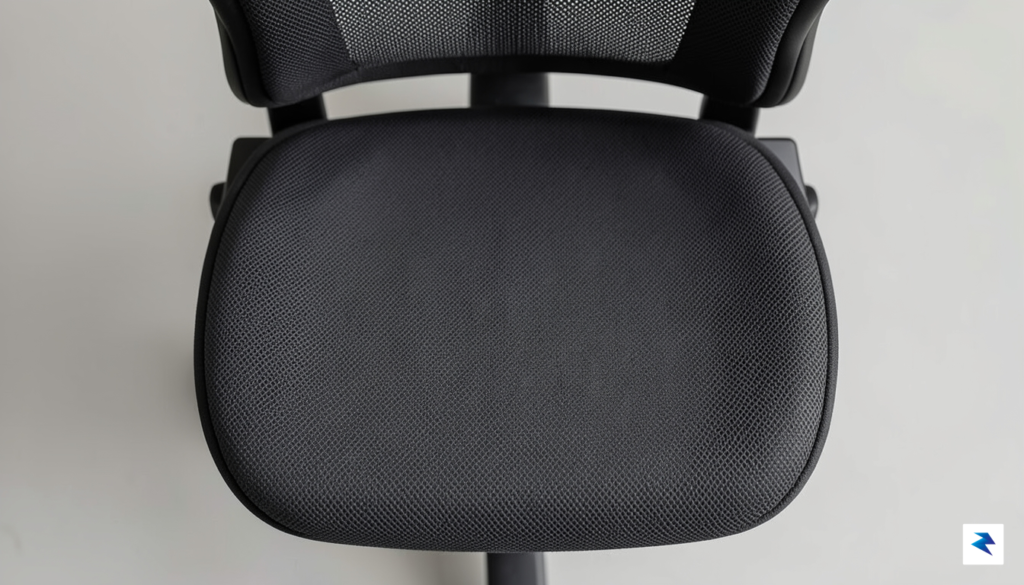
At the heart of the Amseatec’s appeal is a radical departure from the rigid, constrained geometry that defines the traditional office chair. By prioritizing a generous, extra-wide seat base, Amseatec has created an environment that doesn’t just hold the body in place but allows it to exist naturally. Most standard office chairs feature fixed armrests that act as physical barriers, effectively forcing the user into a single, static orientation. In contrast, the Amseatec’s armless design eliminates these side constraints entirely, opening up the workspace to accommodate a wider variety of body types and, more importantly, a wider variety of human behaviors.
The mechanics of this design choice are rooted in the necessity of movement. Human bodies were not designed to remain in a fixed, 90-degree position for eight hours a day; rather, we are built to shift, stretch, and adjust. When you provide ample surface area, you empower the user to change their posture throughout the day—whether that means sitting cross-legged, tucking one foot beneath a thigh, or simply shifting weight from side to side. This freedom of movement is essential for long-term health, as it prevents the muscle fatigue and pressure point buildup that occur when soft tissues are compressed against the unforgiving edges of a narrow seat.
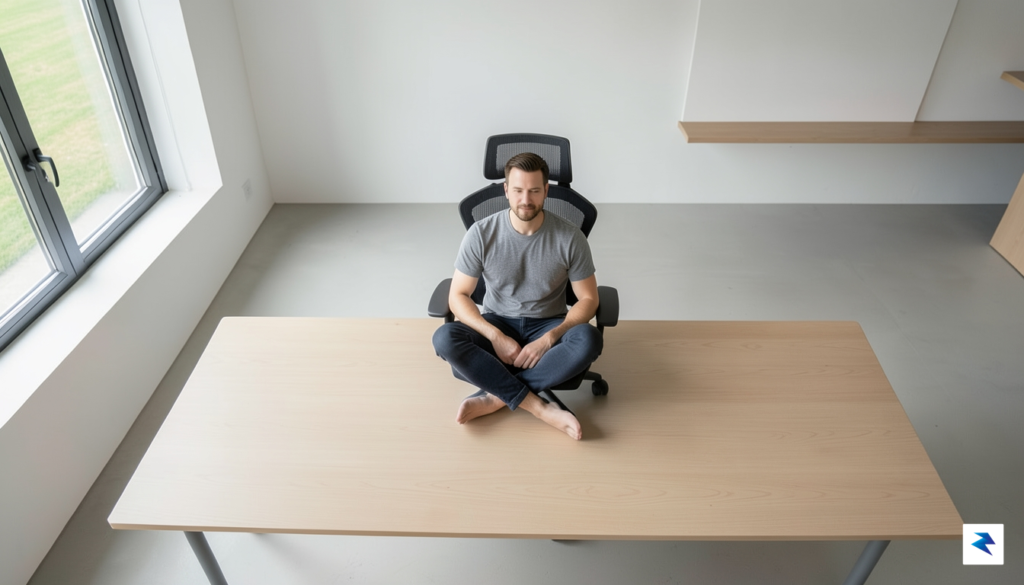
Furthermore, the removal of armrests serves as a functional upgrade for those who frequently transition between different tasks. Without rigid side barriers, the user gains a significant amount of legroom and lateral space, which makes it far easier to pivot toward a secondary monitor, lean back for a phone call, or adjust one’s position to reach for equipment on a desk. This fluidity is supported by the chair’s generous dimensions, which ensure that no matter how you decide to sit, the seat remains beneath you, providing consistent support. By fostering these micro-adjustments, the chair actively encourages the body to remain dynamic rather than static.
The true luxury of the Amseatec isn’t just in its cushioning, but in its refusal to dictate how you should occupy your own space. By removing the physical boundaries of the traditional chair, it transforms the act of sitting from a restrictive necessity into a comfortable, adaptable experience.
Ultimately, this design philosophy recognizes that “ergonomics” is not a one-size-fits-all metric based on a static silhouette. Instead, it acknowledges that comfort is a living, breathing process that requires constant micro-corrections. Whether you are a fidgeter who needs to keep your legs moving to stay focused, or you simply prefer a seat that doesn’t feel like a cockpit, the extra-wide platform provides a level of freedom that standard task chairs simply cannot replicate. It is a thoughtful synthesis of form and function that treats your workspace as a sanctuary for your physical well-being rather than just a place to park your body.
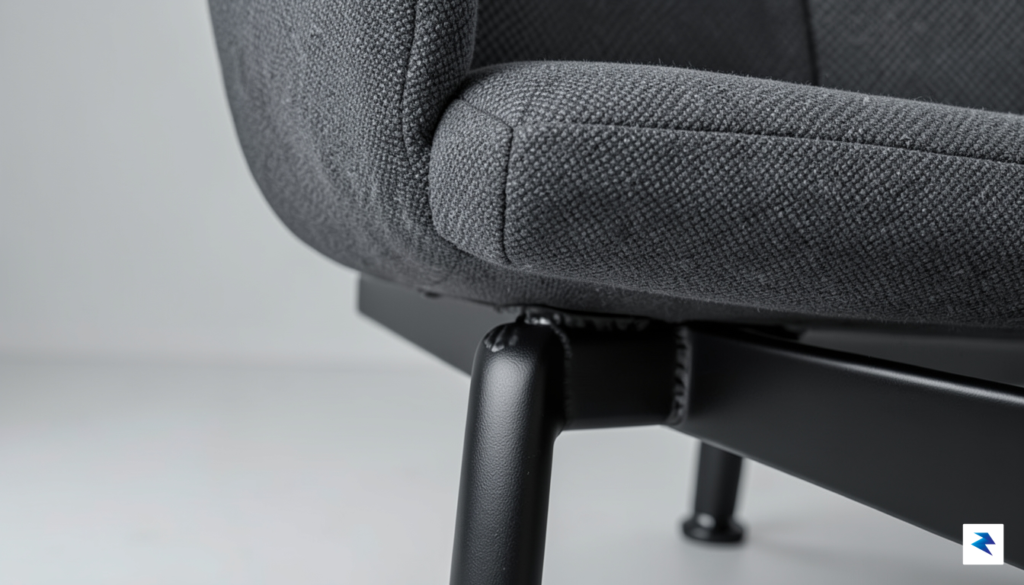
When assessing the Amseatec Criss Cross chair, the first thing that stands out is the departure from the rigid, over-engineered frameworks typically found in standard mid-range task chairs. The build quality feels surprisingly robust for a design that prioritizes open-concept seating over traditional ergonomic containment. The heavy-duty base provides a solid foundation that prevents wobbling even when shifting weight frequently, which is essential given that this chair is designed to accommodate various postures, including cross-legged sitting. The upholstery fabric is durable and textured enough to withstand daily friction, while the seat padding density strikes a balance between firm support for long work sessions and enough softness to prevent pressure points on the thighs.
However, the design philosophy behind this chair involves a deliberate trade-off. By removing the traditional side armrests, Amseatec has created a wide, unobstructed seat pan that offers unparalleled freedom of movement. For those who enjoy tucking their legs under them or shifting positions throughout the day, this is a major upgrade in flexibility. On the flip side, users who rely heavily on forearm support during intense typing tasks may find the lack of adjustable armrests to be a noticeable drawback. Without the ability to align your elbows at a 90-degree angle with the desk surface, you might find yourself needing to adjust your workstation setup—specifically your keyboard tray or desk height—to compensate for the lack of built-in arm support.
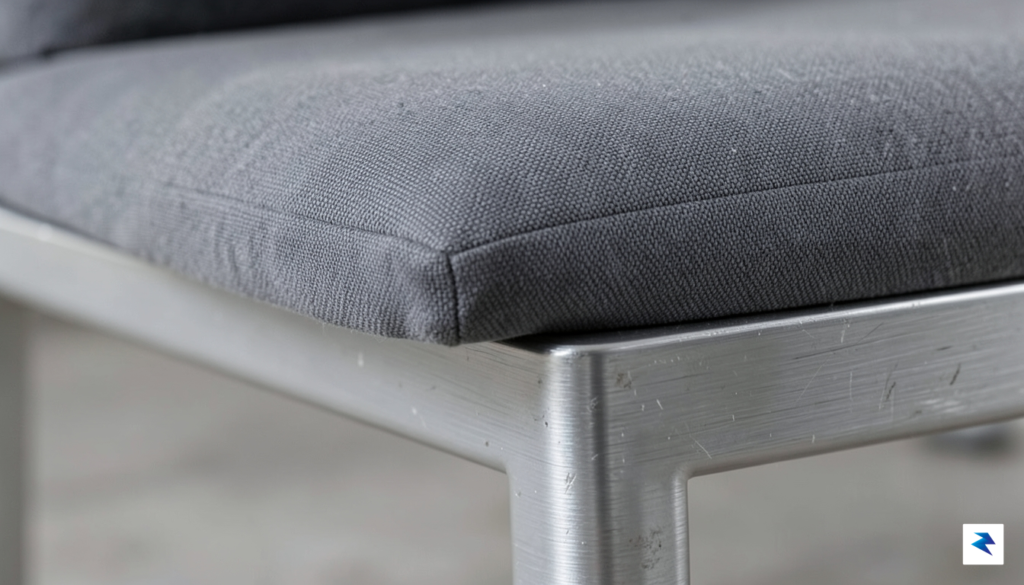
The trade-off here is clear: you are sacrificing the ergonomic “hugging” sensation of a traditional task chair in exchange for the physical freedom to sit exactly how you want.
When comparing this model to standard office furniture in the same price bracket, the build quality holds up impressively well. While high-end ergonomic chairs often feature complex synchro-tilt mechanisms and 4D armrests, the Amseatec opts for simplicity and structural integrity in the areas that matter most. The hydraulic lift feels responsive and smooth, suggesting that the internal components are built to handle the extra lateral pressure that comes with a “criss-cross” seating style. If your primary goal is to escape the confines of a restrictive chair and you are comfortable maintaining your own posture without external arm support, the structural reliability of this chair makes it a compelling, reliable addition to a modern home office.

Transitioning from a traditional, restrictive office chair to the Amseatec Criss Cross model feels less like a furniture upgrade and more like a fundamental shift in how you inhabit your workspace. For those accustomed to chairs that dictate a rigid, ninety-degree posture, the first few days can feel surprisingly foreign. You might find yourself unconsciously bracing for the lack of side bolsters or worrying about sliding off the edge, but this initial “transition period” quickly gives way to a sense of physical liberation. Once your body realizes it is no longer confined to a single fixed position, the persistent muscle fatigue that often plagues the mid-afternoon slump begins to dissipate, replaced by the ability to tuck a leg, shift your weight, or simply stretch out without obstruction.
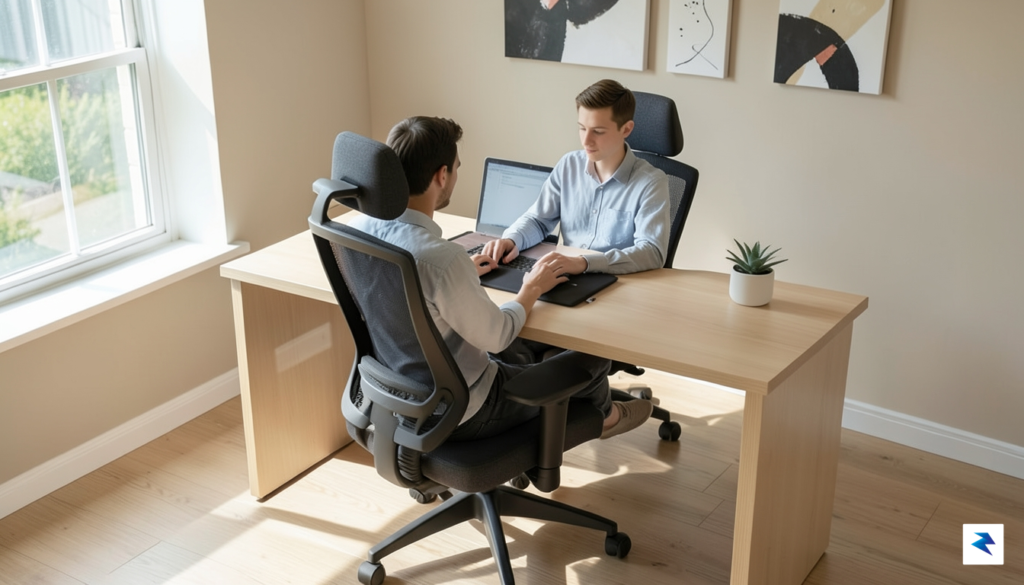
The true genius of this design lies in its support during these non-standard postures. Most ergonomic chairs rely on aggressive lumbar curves that only work if you are sitting perfectly upright; however, the Amseatec provides a more forgiving, expansive base that supports the lower back even when you are perched sideways or sitting in a lotus position. Because the seat pan is intentionally wider and lacks traditional restrictive armrests, your hips and pelvis are free to rotate and adjust throughout the day. This freedom is essential for preventing the stiffness that usually settles into the lower back after hours of static sitting, as the chair essentially invites your spine to find its own natural alignment rather than forcing it into a predetermined mold.
The Amseatec transforms the desk chair from a rigid tool into a versatile platform, proving that the best ergonomic position is often the one you haven’t tried yet.
Furthermore, the chair acts as a catalyst for constant micro-movements, which are vital for maintaining healthy circulation and joint mobility. Rather than locking yourself into a single, straining position for three hours at a time, you find yourself naturally transitioning between sitting cross-legged, kneeling on one side, and leaning back to read. These subtle shifts act as constant, low-impact adjustments that keep your muscles engaged and prevent the “locked-up” feeling so common in traditional office setups. By removing the physical barriers between you and your work, the Amseatec encourages an intuitive fluidity that makes long hours at a desk feel significantly less punishing, ultimately turning the workday into a more dynamic and comfortable experience.
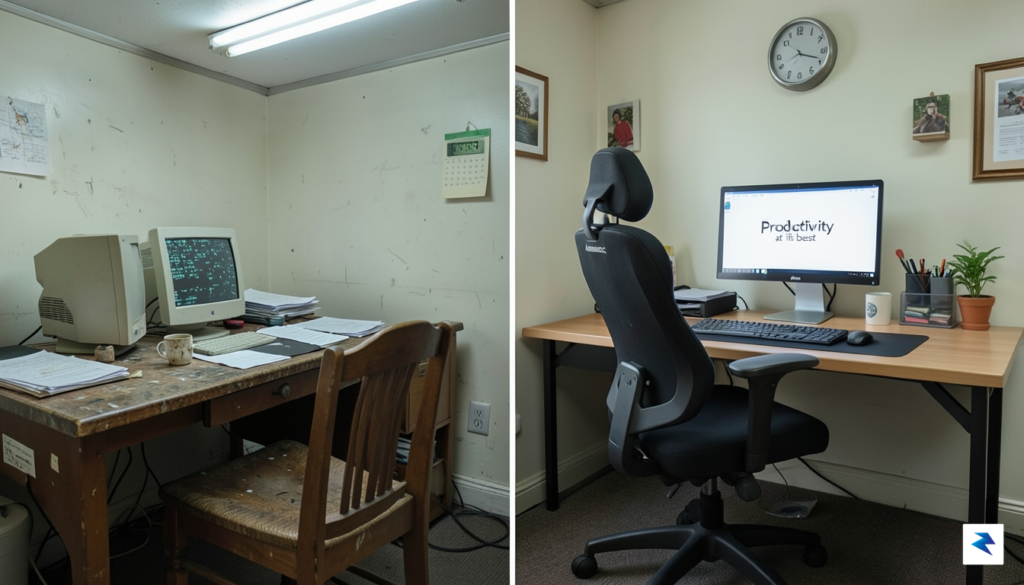
Determining whether the Amseatec Criss Cross chair belongs in your personal workspace requires an honest assessment of your daily movement patterns and long-term comfort priorities. This chair is undeniably tailored for the “active sitter”—those individuals who feel stifled by the rigid constraints of traditional ergonomic thrones and find themselves constantly shifting, tucking a leg under, or sitting cross-legged throughout the day. If your productivity is fueled by the ability to change positions frequently, the wide, armless design of the Amseatec offers a level of liberation that standard office chairs simply cannot match. It transforms the often-static experience of desk work into a more fluid, dynamic process, catering specifically to creators and remote professionals who prioritize movement over fixed posture.
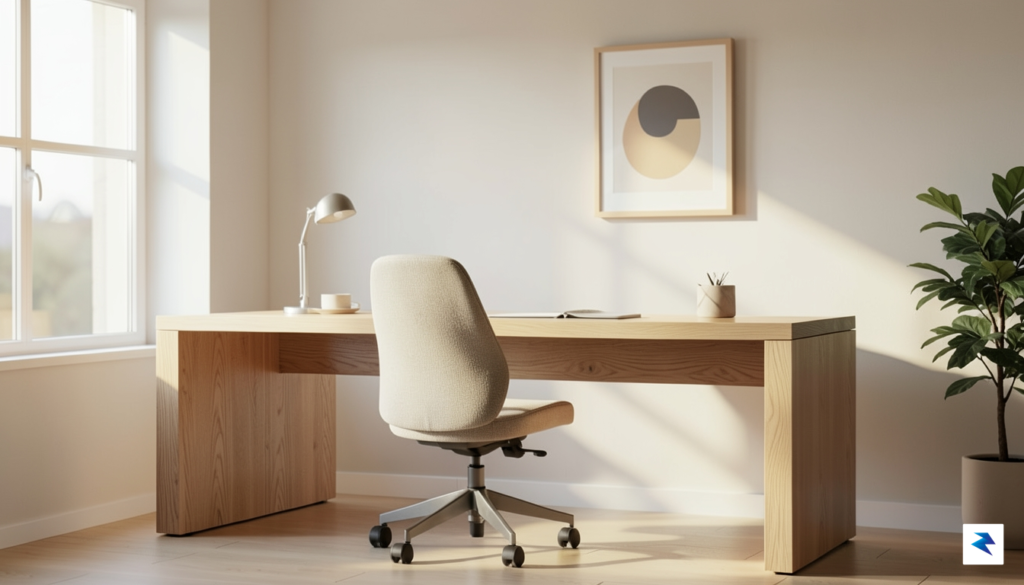
However, it is essential to recognize the trade-offs inherent in this unique design. The Amseatec is not a medical-grade ergonomic solution; if you suffer from chronic back pain or require aggressive, adjustable lumbar support to maintain a specific spinal alignment, this chair may leave you wanting more. The absence of traditional armrests and the purposefully open frame mean you won’t have a place to rest your elbows during long typing sessions, which can lead to fatigue for some users. Those who spend eight to ten hours a day strictly anchored to a keyboard might find the lack of structured support to be a significant drawback compared to high-end, task-specific chairs that offer multi-point adjustability.
The Amseatec excels where others fail: it removes the physical boundaries of the seat pan, allowing for a diverse range of postures that keep the body engaged during long hours at the desk.
When considering the value proposition, the Amseatec hits a “sweet spot” for many home office setups. It is priced as a mid-range investment, offering better build quality and aesthetic appeal than budget-tier furniture, without the exorbitant price tag of premium professional-grade ergonomic models. For the budget-conscious user who values versatile furniture that doubles as a stylish accent piece, the price-to-value ratio is excellent. Ultimately, if you are looking for a chair that prioritizes comfort through flexibility rather than rigid mechanical support, the Amseatec is likely the missing piece of your productivity puzzle. It bridges the gap between a decorative lounge chair and a functional task chair, making it a perfect fit for the modern, multi-functional home environment.
You must be logged in to post a comment.