
Why the Strait of Hormuz Crisis Could Spike Your Gas Prices
As shipping traffic in the Strait of Hormuz drops, global oil prices are rising. Understand the geopolitical risks and the potential impact on…
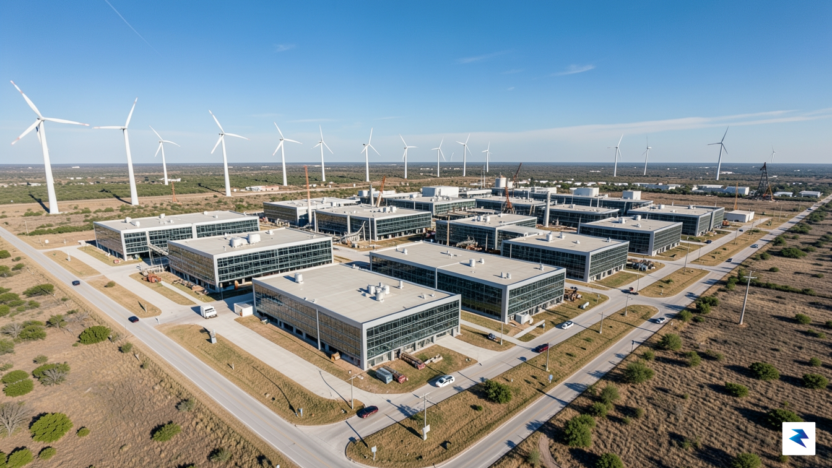
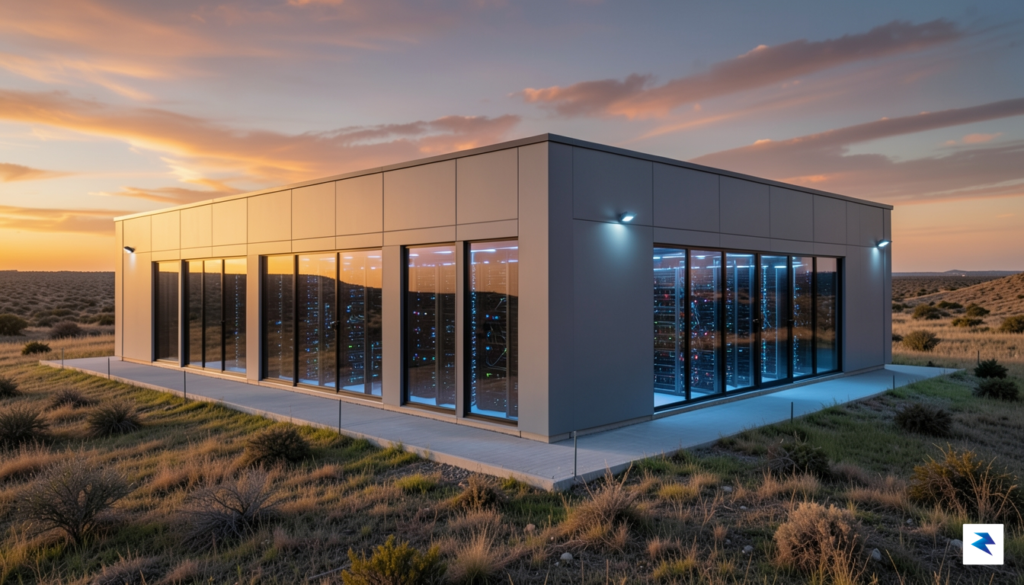
The digital revolution, once conceptualized as an ethereal “cloud” floating effortlessly above our daily lives, has grounded itself in the most literal sense. As the race for artificial intelligence supremacy accelerates, the demand for massive, high-density computing power has hit an inflection point, transforming the wide-open spaces of the Texas plains into a sprawling industrial frontier. What was once empty ranch land is rapidly being repurposed into colossal data centers—windowless, fortress-like structures that hum incessantly with the cooling fans required to keep thousands of high-performance servers from overheating. These facilities are the physical manifestation of our obsession with generative AI, machine learning, and real-time data processing, proving that the digital age is far more material and resource-intensive than the glossy marketing of tech giants would have us believe.
Texas has emerged as the premier staging ground for this new era of infrastructure, largely due to a confluence of favorable conditions that make it a developer’s dream. The state offers an abundance of affordable, wide-open land, coupled with a notoriously deregulated energy market that provides the flexibility and low costs necessary to sustain 24/7 operations. Furthermore, the Texas grid’s relative independence from federal oversight allows these massive consumers of electricity to scale quickly, often bypassing the bureaucratic hurdles that might stymie such projects in other states. Consequently, a digital gold rush is underway, drawing in hyperscale corporations that view the Lone Star State as a blank canvas upon which to build the engines of the future.
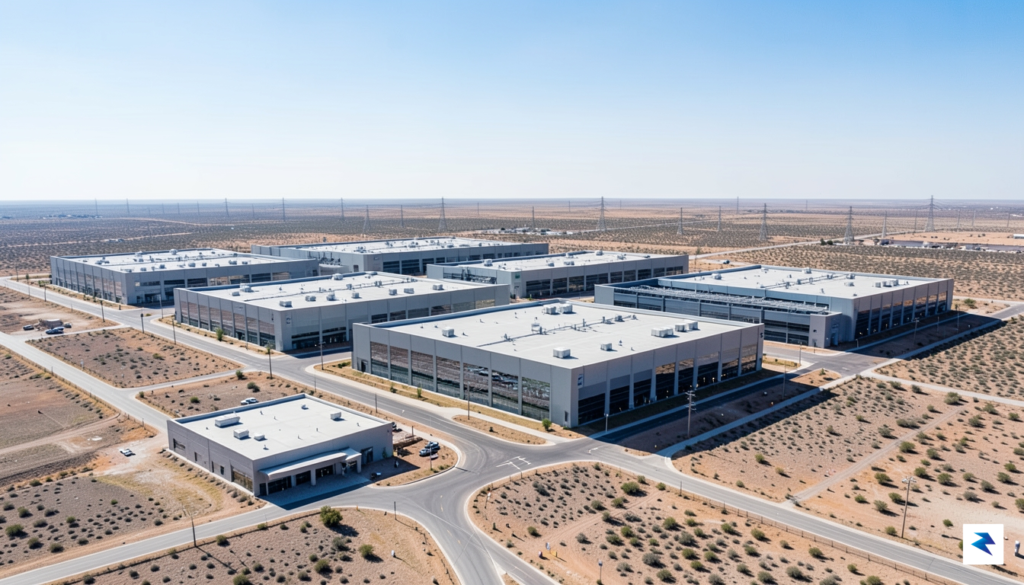
However, this rapid, unchecked expansion carries significant tangible consequences for local communities that often remain hidden behind high perimeter fences and security gates. As these data centers proliferate, they place an unprecedented strain on the local electrical grid, forcing municipalities to balance the energy needs of residents against the insatiable appetite of machines. The impact is not merely a matter of infrastructure capacity; it is a question of environmental and economic sustainability that affects the very fabric of the region. Local residents are beginning to witness the trade-offs firsthand, as the promise of high-tech jobs is increasingly tempered by concerns over skyrocketing utility bills, the diversion of water resources for server cooling, and the persistent, low-frequency drone that has become the new soundtrack of the rural Texas countryside.
The transition toward an AI-driven economy is shifting from a software-based competition to a physical battle for energy and space, permanently altering the landscapes and resource management priorities of the American Southwest.
Ultimately, the transformation of the Texas landscape serves as a stark reminder that every query entered into an AI chatbot has a physical address. By tethering the future of human innovation to the finite resources of a single state, the tech industry is creating a centralized dependency that may have long-term repercussions for both the environment and the stability of the grid. As we continue to lean into the promises of the AI boom, we must reconcile the invisible costs of the hardware supporting it, acknowledging that the digital age is, in fact, an era defined by heavy, energy-hungry, and land-intensive machinery.

The rapid expansion of data centers across the Texas landscape is not merely a result of market demand; it is a calculated navigation of a regulatory environment that remains uniquely permissive. Unlike traditional industrial projects that must undergo exhaustive environmental reviews and public hearings, many data center operators have discovered how to operate in the gray zones of Texas energy policy. By framing their massive, power-hungry warehouses as standard commercial buildings rather than heavy industrial facilities, these companies effectively sidestep the rigorous oversight that usually governs large-scale infrastructure. This regulatory vacuum allows developers to move with unprecedented speed, often breaking ground long before local communities fully grasp the scope of the energy and water demands these facilities will impose.
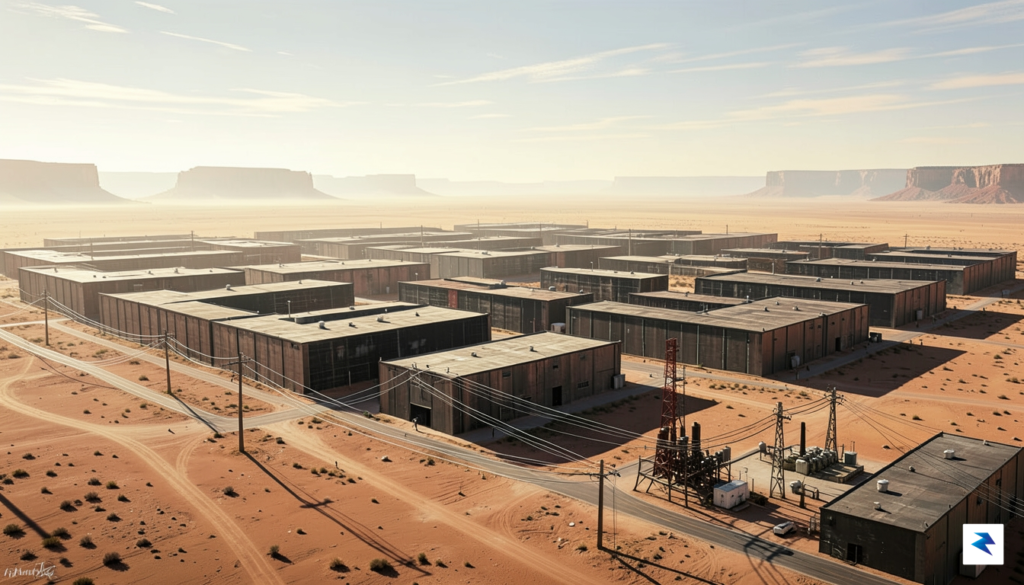
Central to this strategy is the rise of “behind-the-meter” power generation. By situating their data centers directly adjacent to private power plants or gas supply lines, operators can bypass the traditional electrical grid’s distribution requirements. Because this energy is consumed on-site rather than being routed through public utilities, these facilities often escape the stringent scrutiny of the Public Utility Commission of Texas (PUC). While a conventional power plant project would be subject to extensive air quality permitting and public impact assessments, a data center that generates its own electricity behind the meter creates a bypass that effectively treats massive fossil-fuel burning engines as a private business expense rather than a public utility.
The classification of these facilities as commercial entities rather than critical energy infrastructure creates a dangerous precedent, allowing for the massive consumption of resources without the corresponding public accountability required of traditional power producers.
This discrepancy creates a lopsided playing field that favors private tech interests over the stability of the state’s already strained grid. While residents and traditional manufacturers are subject to fluctuating utility regulations and grid-wide mandates, data centers can operate under localized, private agreements that prioritize their uptime above all else. This “off-the-grid” approach means that the environmental externalities—such as noise pollution, localized air emissions, and massive water consumption for cooling systems—are rarely aggregated or evaluated as part of a comprehensive regional plan. Consequently, Texas is seeing a fragmented industrial boom that operates in the shadows of oversight, leaving local municipalities with little power to contest the environmental costs until the infrastructure is already fully operational and locked into the landscape.
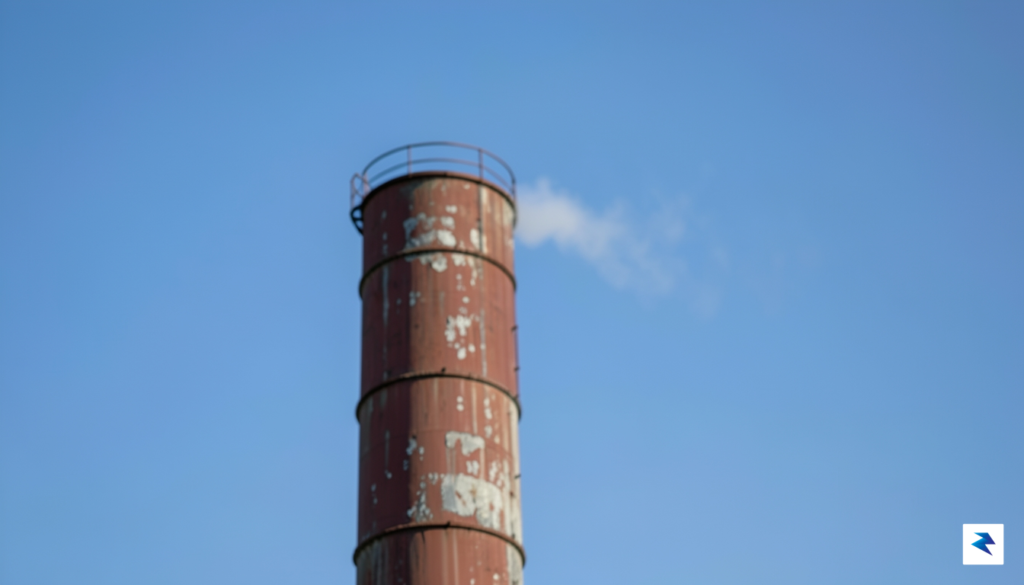
While the digital transformation of our economy is often framed as a clean, intangible shift, the reality on the ground in Texas tells a much grittier story. As massive data centers proliferate across the state to meet the insatiable appetite of artificial intelligence, many operators are bypassing the strained municipal power grid by installing massive on-site fossil-fuel generation plants. These facilities rely heavily on diesel-powered backup generators and natural gas turbines to ensure constant uptime, effectively turning high-tech server farms into localized power stations. This shift is creating a significant environmental burden, as the constant hum of cooling fans is now accompanied by the exhaust of heavy-duty combustion engines, fundamentally altering the air quality in previously quiet neighborhoods.
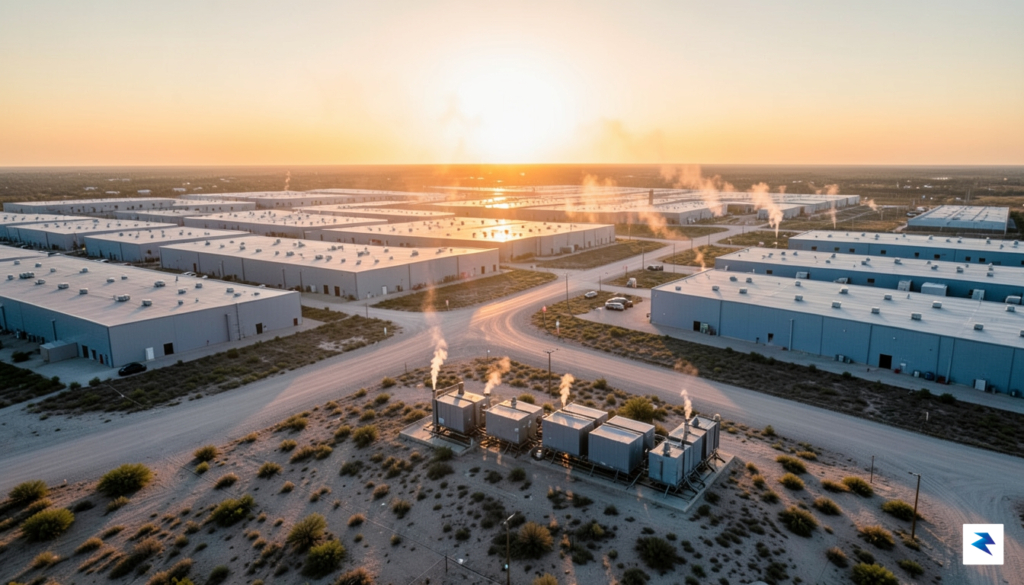
The primary concern for local residents is the release of nitrogen oxides (NOx) and fine particulate matter (PM2.5), pollutants that are known to have severe consequences for human health. When these generators kick into high gear—whether during peak demand or routine testing cycles—they emit concentrated bursts of smog-forming compounds that settle into the surrounding environment. For communities living in the shadow of these facilities, the long-term public health risks are increasingly difficult to ignore. Chronic exposure to these pollutants has been scientifically linked to higher rates of asthma, cardiovascular disease, and reduced lung function, particularly in children and the elderly who reside in the immediate vicinity of these industrial zones.
The transition to an AI-driven economy should not come at the expense of our ability to breathe clean air. When industrial-scale energy production is moved into suburban or rural neighborhoods, the local community assumes a health risk that is never reflected in the price of their digital services.
Beyond the immediate respiratory concerns, the cumulative impact of these emissions on local ecosystems is creating a growing point of contention between technology giants and the residents they neighbor. Unlike traditional power plants, which are often subject to rigorous oversight and situated far from residential centers, these distributed data centers operate as a patchwork of localized pollution sources. Because they are frequently classified differently than utility-scale plants, they often face less stringent regulatory scrutiny regarding their total emissions output. As a result, many Texans now find themselves living in a state of perpetual environmental uncertainty, wondering what the long-term, systemic impact of living next to these “always-on” fossil fuel burners will be for their families and their land.
Ultimately, the rise of Texas as a data center hub forces us to confront a difficult question: how much are we willing to sacrifice for the sake of technological acceleration? By prioritizing seamless uptime for algorithmic processing over the air quality of local communities, the current expansion model is creating a hidden deficit that will be paid for in medical bills and degraded environmental health for years to come. If this trend continues without significant investment in cleaner, grid-integrated energy solutions, the “cloud” will continue to cast a very heavy, very real shadow over the state of Texas.
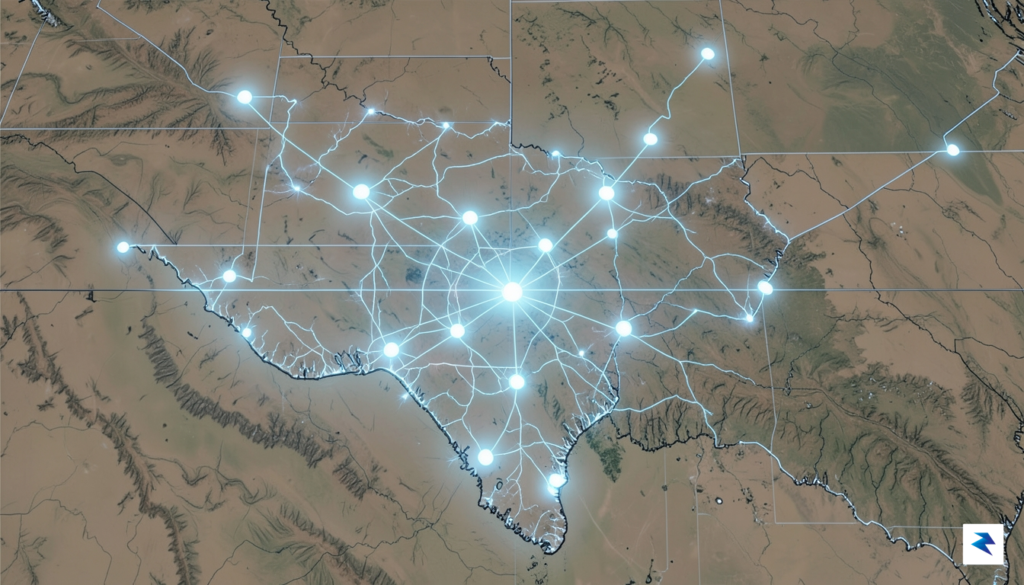
Texas has long worn its energy independence as a badge of honor, yet the rapid proliferation of massive data centers is pushing the Electric Reliability Council of Texas (ERCOT) grid to its absolute breaking point. While these facilities are marketed as engines of economic growth, their appetite for electricity is insatiable, often rivaling the consumption of entire small cities. This creates a dangerous paradox: in a state that produces more power than any other in the nation, residents are increasingly left to wonder if the lights will stay on during the next extreme weather event. The sheer volume of energy requested by these hyperscale facilities threatens to outpace the rate at which new, sustainable generation can be brought online, creating a precarious dependency that favors private profit over public reliability.
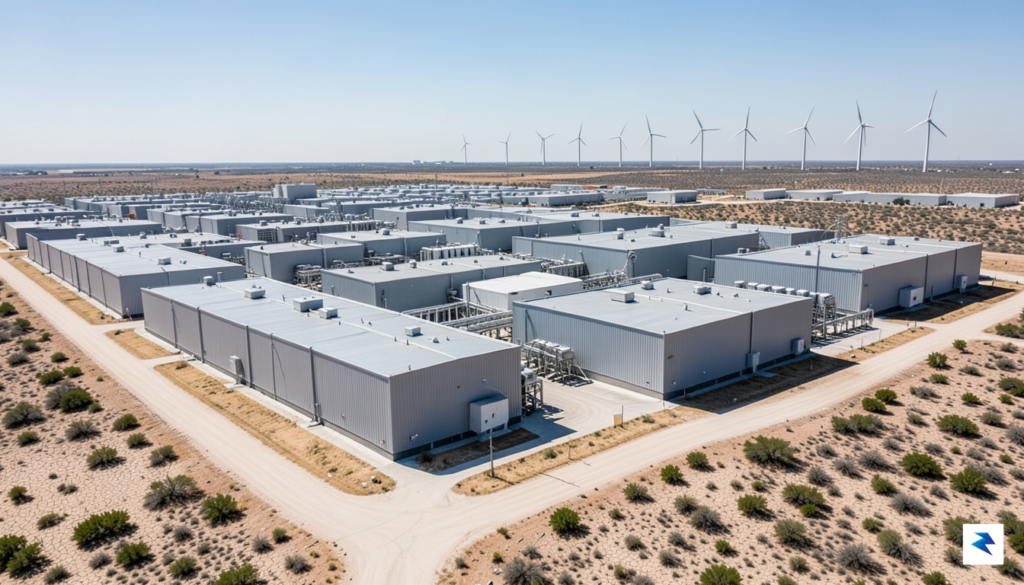
The financial ripple effects of this industrial expansion are already being felt by everyday Texans through their utility bills. When data centers demand massive, consistent baseload power, they tighten the reserve margins of the grid, which inherently drives up peak-load pricing. Because electricity markets operate on supply and demand, these enormous commercial loads force the grid to rely on more expensive, less efficient “peaker” plants during periods of high demand. Consequently, while tech giants often negotiate private, discounted rates for their energy, the average household is left to absorb the higher costs associated with maintaining a stressed, volatile grid. It is a classic case of privatized gain and socialized risk, where the burden of grid instability is shifted onto the shoulders of the public.
The tension between industrial growth and grid reliability is not merely an engineering challenge; it is a fundamental policy failure that prioritizes the digital infrastructure of the future over the basic energy security of the present.
To mitigate these concerns, some companies have implemented “load-shifting” strategies, promising to dial back their consumption during periods of extreme grid stress. However, critics argue that these measures are largely insufficient and serve more as public relations maneuvers than structural solutions. Even with sophisticated demand-response programs, the continuous, 24/7 nature of artificial intelligence processing and cloud computing makes it nearly impossible for these facilities to throttle down without significant operational disruption. Furthermore, the reliance on these voluntary load-shedding agreements creates a “black box” of energy management, where the public remains largely in the dark about just how much capacity is being held in reserve for corporate interests versus residential survival.
Ultimately, the conflict pits the immediate, profit-driven urgency of the digital age against the long-term mandate of a public utility. As the state continues to court these massive investments, Texas must decide whether its grid is a commodity to be auctioned off to the highest bidder or a foundational public service that guarantees stability for its citizens. Until there is a regulatory framework that mandates energy transparency and ensures that infrastructure expansion does not come at the expense of local affordability, the quiet invasion of these data centers will remain a significant, under-reported threat to the state’s energy future.
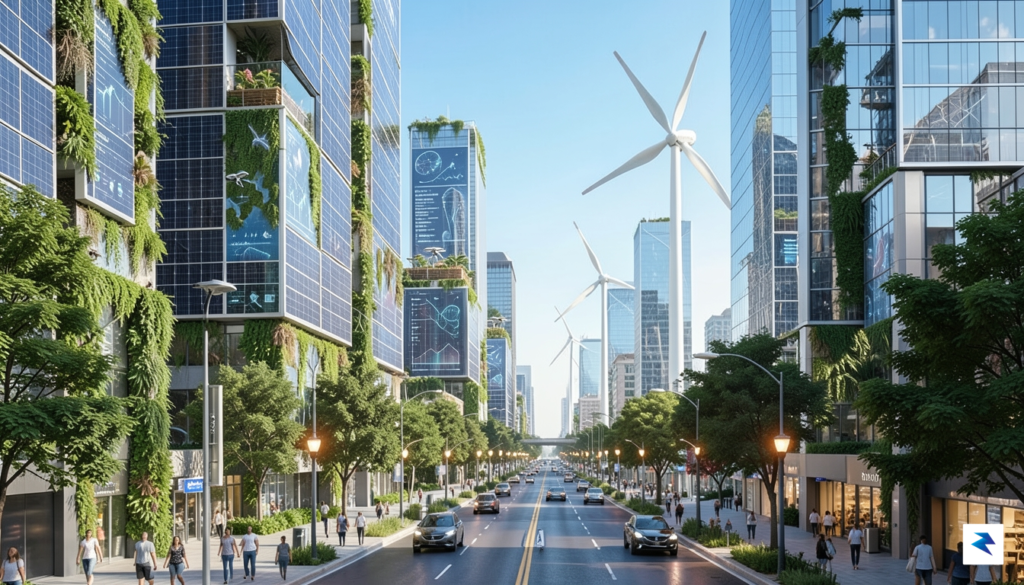
The rapid proliferation of data centers across the Texas landscape does not have to be an inevitable march toward environmental degradation. While the state’s current regulatory framework has largely prioritized rapid economic growth and low barriers to entry, a more sustainable future is achievable through a fundamental shift in oversight. Policymakers must transition from a passive, hands-off approach to one that mandates transparency and environmental accountability. This could begin with the implementation of strict zoning regulations that prevent the clustering of energy-intensive facilities in areas already struggling with grid instability or water scarcity. Furthermore, state mandates requiring data center operators to offset their total energy consumption with localized renewable power—rather than relying on remote carbon credits—would ensure that these digital hubs contribute to, rather than drain, the regional power supply.
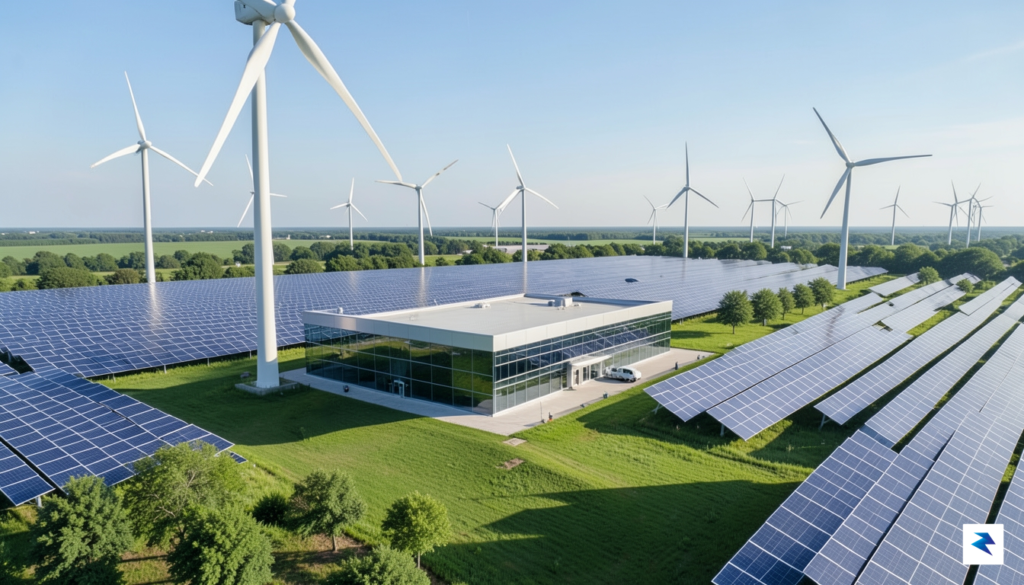
Beyond government intervention, the tech giants driving this infrastructure boom must embrace a more rigorous standard of corporate responsibility. The concept of “Green AI” must move beyond marketing buzzwords to become a core operational metric, forcing companies to prioritize algorithmic efficiency and heat-recycling technologies. By investing in liquid cooling systems or waste-heat recovery projects that can provide heating for nearby industrial or residential developments, companies can significantly lower their environmental footprint. When corporations are held to these measurable sustainability benchmarks, technological progress no longer needs to come at the direct expense of the local climate or public health.
True sustainability in the digital age requires that the energy cost of every query and calculation be transparently accounted for, ensuring that our technological gains do not compromise the foundational resources of our communities.
Finally, building a balanced future requires shifting the power dynamic back to the communities that host these industrial giants. Establishing community-led oversight committees would provide residents with a meaningful platform to review proposed developments, demand environmental impact studies, and ensure that water usage and emission levels remain within safe, regulated bounds. When local stakeholders are involved in the planning process, the tension between economic development and environmental preservation can be negotiated in real-time. Technological progress is a vital component of the modern economy, but it must be governed by a commitment to stewardship that protects the long-term viability of the Texas environment for generations to come.
You must be logged in to post a comment.