
Charged for Fuel You Already Bought? How to Dispute Rental Car Fees
The Hidden Reality of Rental Car Fuel Policies Most travelers operate under the assumption that the "Full-to-Full" fuel policy is a simple,…
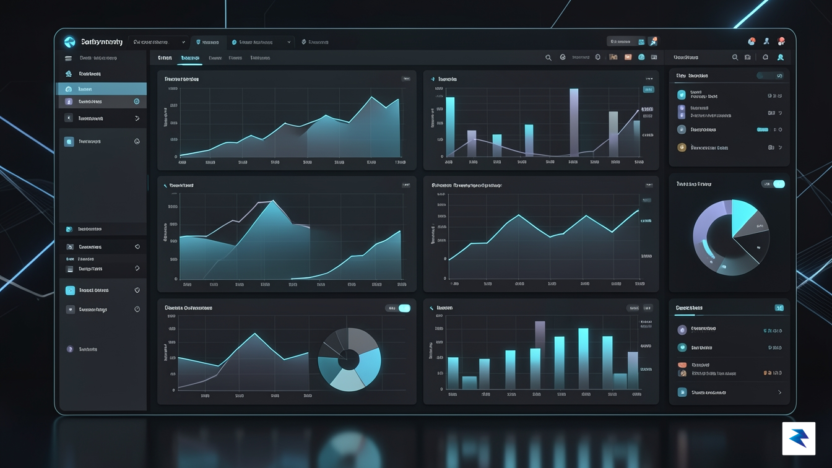
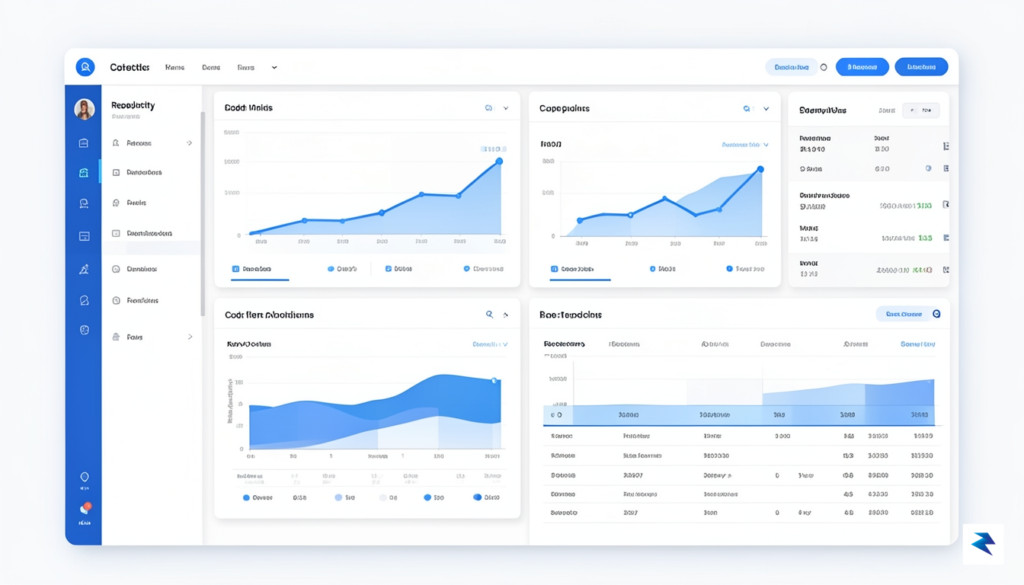
For most engineering teams, GitHub is the undisputed heartbeat of the software development lifecycle, serving as the central repository for code, history, and collaboration. However, while its native analytics offer a convenient high-level snapshot—such as basic commit frequency or contributor leaderboards—they frequently fall short when it comes to providing meaningful, actionable intelligence. Engineering managers and lead developers often find themselves hitting a wall of superficial data that fails to capture the nuanced realities of team dynamics, bottlenecks in the code review process, or the health of long-term architectural maintenance. Relying solely on these default metrics often obscures the “why” behind the code, leaving leadership to guess at the underlying friction points that hinder productivity.
This is where the philosophy of developer anthropology becomes essential. Instead of viewing a codebase as a static collection of files and pull requests, we must begin to perceive it as a complex, living ecosystem of human interaction. Every commit, comment, and review is a social signal that reflects how a team communicates, learns, and solves problems together. By shifting our perspective from simple output metrics to a more holistic, anthropological view of software development, we can uncover patterns in how knowledge is distributed across a team, identify silos that threaten project continuity, and recognize the invisible labor that often goes unrewarded in traditional analytics.
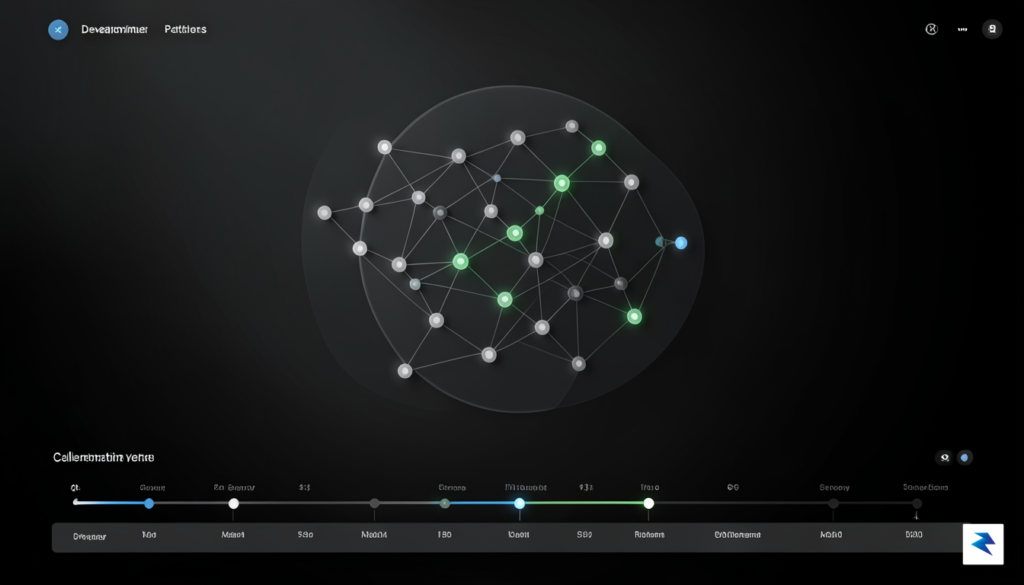
To bridge this analytical gap, Devthropology was built to go far beyond the surface-level metrics provided by standard platforms. It is designed for modern engineering teams that recognize that their most valuable assets are not just the lines of code written, but the velocity and quality of the human collaboration behind them. By processing granular repository data into deep, multi-dimensional insights, Devthropology allows managers to move past vanity metrics and instead focus on the high-impact factors that actually drive developer experience and project stability.
True engineering excellence is found not in the quantity of commits, but in the health and sustainability of the human ecosystem that builds the product.
The necessity for this level of detail cannot be overstated in today’s distributed and fast-paced development environments. When teams are disconnected or overwhelmed by technical debt, standard GitHub charts lack the granularity to pinpoint exactly where the friction originates. Devthropology empowers leaders to transform raw repository data into a strategic roadmap, enabling them to make evidence-based decisions about team structure, resource allocation, and workflow improvements. Ultimately, this tool turns the repository from a mere storage solution into a mirror reflecting the true operational health of the organization.
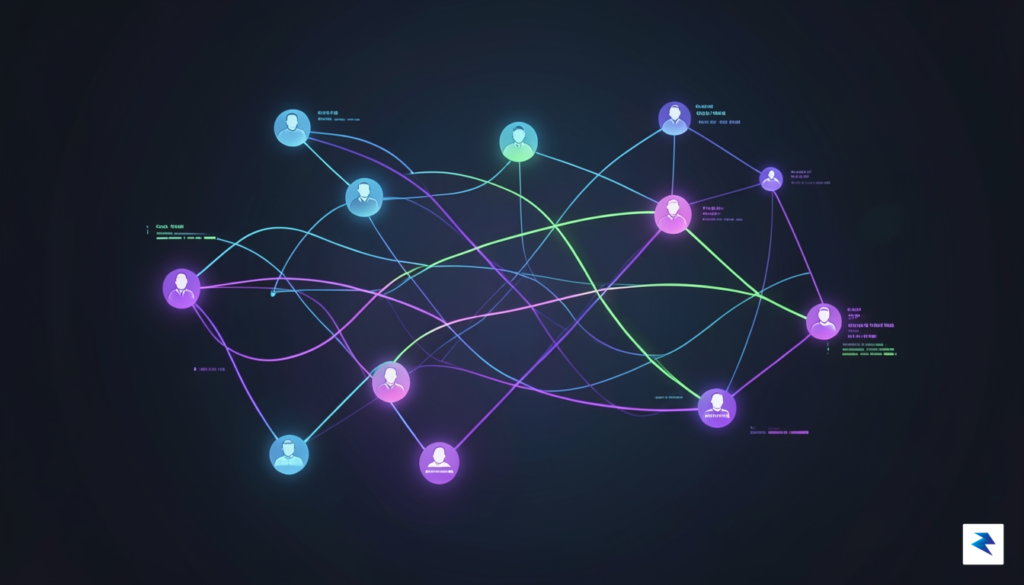
Traditional metrics often reduce a developer’s contribution to a single, misleading number: the commit count. While high volume might look impressive on a dashboard, it frequently masks the reality that code is rarely a solitary endeavor. Devthropology challenges this reductionist approach by treating every contributor as a multifaceted participant who exists in a constant duality: the author who writes the logic and the reviewer who ensures its integrity. By shifting our focus toward this dual-role model, we begin to see that a repository is not just a collection of files, but a living ecosystem defined by the flow of information between these two essential personas.
The core philosophy here is that an individual’s true impact on a codebase is measured as much by their guidance as by their output. When we analyze the feedback loops inherent in pull requests, we uncover the hidden dynamics of mentorship and knowledge distribution that keep a project healthy. If a senior engineer writes very little code but spends hours providing thoughtful, constructive feedback to junior team members, their value is immense; yet, traditional tools often overlook this “invisible” work. By tracking the nuance of these interactions, we can finally quantify the invisible labor that prevents technical debt and scales engineering teams effectively.

To move beyond surface-level stats, we utilize specific metrics that translate human interaction into actionable data. Effective Approval serves as a primary indicator of confidence, distinguishing between a rubber-stamp review and a substantive engagement that improves the final product. When we weigh the depth of comments against the frequency of change requests, we gain a clear view of how knowledge is being shared across the team. This process reveals which contributors are acting as gatekeepers of quality and which are effectively leveling up the team’s collective skill set through rigorous, pedagogical critique.
The strength of a codebase is not found in the velocity of its commits, but in the maturity of the conversations that precede the merge.
Furthermore, the metric of Review Rounds offers a window into the friction within the development process. A high number of rounds might suggest a lack of clear requirements or a breakdown in communication, whereas a single, highly detailed round indicates high alignment and technical synergy. By observing these patterns, teams can identify bottlenecks before they slow down delivery. Ultimately, viewing contributors as both authors and reviewers allows engineering leaders to foster a culture of shared ownership, where the focus shifts from individual performance to the collective health and long-term sustainability of the software itself.
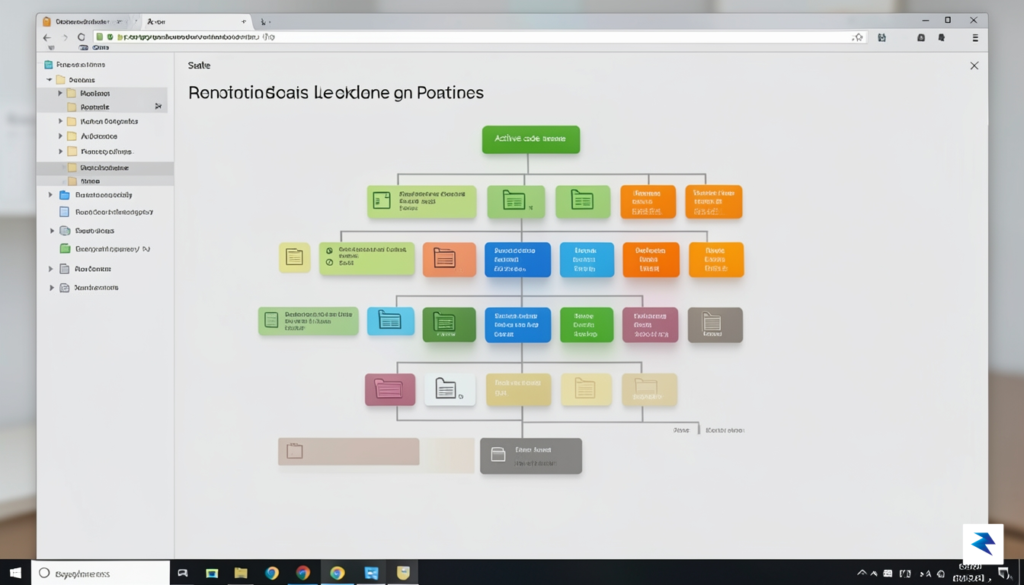
Traditional repository explorers often provide a static snapshot of a project’s current state, showing little more than a directory tree and the most recent commit. However, true repository health requires a temporal dimension that standard GitHub interfaces fail to capture. By utilizing an advanced file graph technology, this platform maps the lifecycle of your codebase, tracking how files move, rename, and evolve over time. This historical context is vital because it transforms a simple file listing into a narrative, allowing engineering leads to distinguish between code that is actively maintained and code that has been silently gathering dust, even if it appears “current” in a standard file browser.
One of the most significant challenges in managing technical debt is identifying the “ghosts” in your codebase—sections of logic that were critical years ago but are now touched primarily by developers who have since moved on to other teams or projects. When code is modified primarily by people who are no longer around to explain the original intent, it often becomes a bottleneck for feature development. By surfacing the “human history” of specific modules, the platform highlights these high-risk areas before they become critical failures. This allows teams to prioritize refactoring not just based on complexity, but on the diminishing institutional knowledge surrounding that specific file.
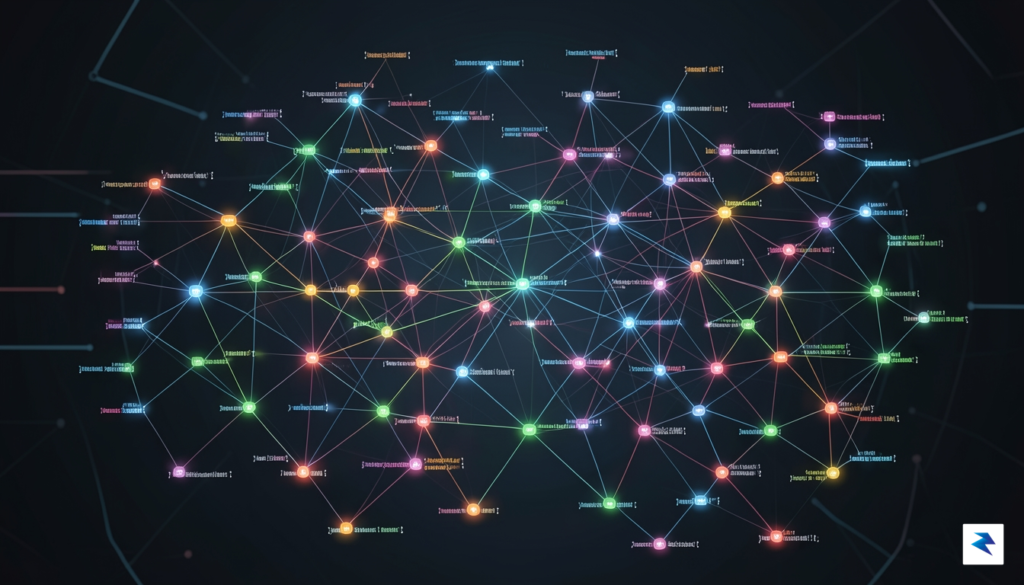
Beyond identifying stale code, the platform excels at mapping file-change dependencies, which reveals the hidden connective tissue of your software architecture. Many developers find that a seemingly isolated change in a peripheral utility file triggers unexpected ripples throughout the entire application. By visualizing these dependencies, you gain a clear view of which files act as “hotspots” or architectural bottlenecks that require frequent, high-risk interventions. Understanding these relationships is essential for making data-driven decisions about when to decouple modules or when to invest in a more robust testing suite for core components.
The most dangerous code is not necessarily the poorly written code, but the code that no one on the current team fully understands or remembers creating.
Ultimately, shifting from basic pull request statistics to this deep-dive approach provides a clearer trajectory for your engineering efforts. Instead of reacting to individual PRs, you can proactively address architectural decay by identifying patterns that lead to long-term maintenance burdens. Whether you are planning a major migration or simply trying to optimize your daily workflow, having a comprehensive view of how your files change, who changes them, and how they interact with the rest of your system is the difference between blindly shipping code and strategically engineering a sustainable, healthy codebase.
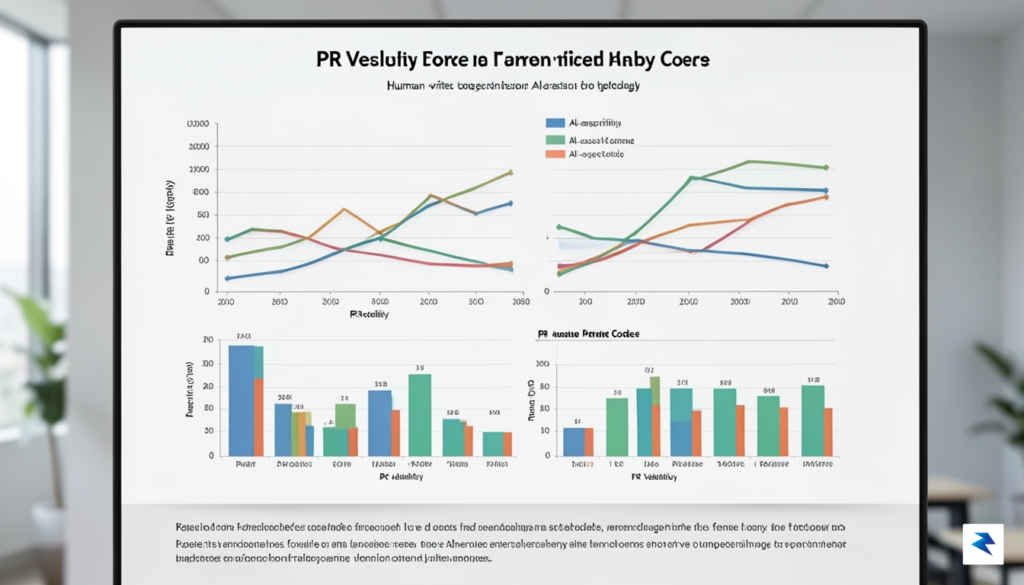
The widespread adoption of AI coding assistants has fundamentally altered the rhythm of software development, turning what was once a manual, line-by-line craftsmanship into a high-speed generation process. While the promise of faster shipping is undeniable, engineering leaders are now faced with a new, complex challenge: distinguishing between genuine productivity gains and a surge in superficial code volume. Devthropology addresses this by providing granular visibility into pull request (PR) size trends, allowing teams to see exactly how AI-generated diffs impact the overall codebase. By tracking the delta between traditional manual commits and AI-assisted contributions, managers can identify if their developers are simply churning out more code, or if that code is effectively moving the product needle forward.
One of the most critical metrics within this framework is the correlation between PR size and approval latency. When AI tools facilitate the rapid generation of large, multi-file changes, they can inadvertently create a bottleneck in the review process. A massive PR often requires more cognitive load for a reviewer, leading to slower feedback loops and increased context switching. Devthropology illuminates these friction points by mapping PR throughput against review turnaround times. If the data shows that an increase in AI usage corresponds with longer idle times for PRs, teams have a clear signal that their current review process—or their reliance on AI-generated volume—needs refinement to prevent shipping delays.
The true measure of engineering velocity in an AI-augmented world is not how much code is written, but how effectively that code moves through the pipeline to production.
To optimize these workflows, it is essential to move beyond vanity metrics and focus on the quality of code integration. Developers can leverage these insights to adjust their AI prompting strategies, perhaps by breaking down features into smaller, more granular tasks that are easier to review and test. By monitoring these trends over time, teams can create a balanced ecosystem where AI acts as a force multiplier rather than a source of technical debt. This data-driven approach allows for a proactive culture where engineering managers can pivot away from “more code is better” and toward a model of sustainable, high-velocity shipping that values both speed and maintainability.
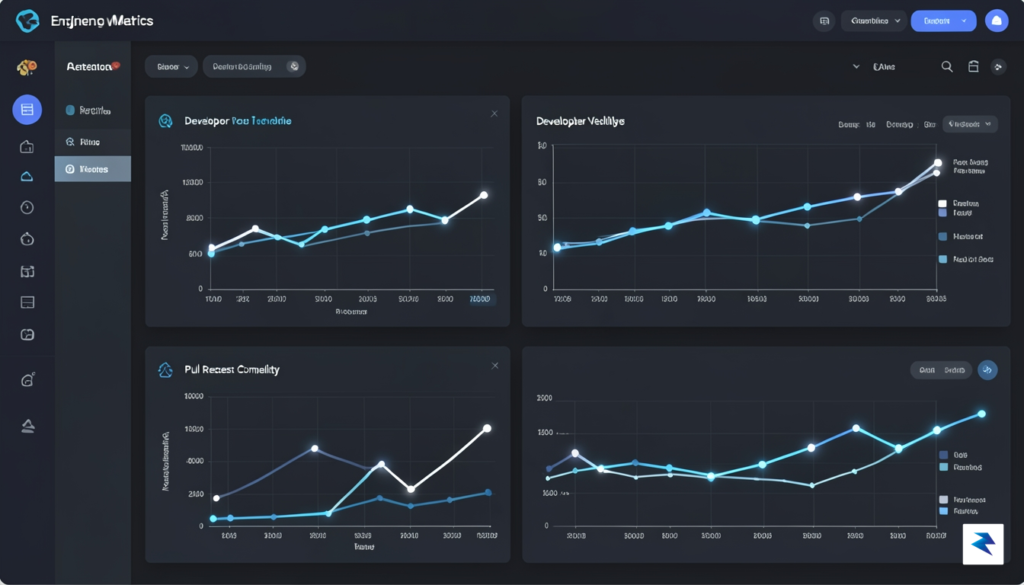
Ultimately, the objective is to cultivate a development environment where the tooling serves the developers’ needs rather than dictating a frantic pace that compromises quality. By utilizing specialized trend analysis, teams can gain a nuanced understanding of their specific bottlenecks. Whether it involves refining the granularity of commits or adjusting the team’s review policy to handle larger batches, these actionable insights empower organizations to navigate the complexities of modern software development with confidence and precision. Instead of guessing how AI influences output, teams can now ground their strategic decisions in the reality of their own GitHub repository data.

At the heart of any successful engineering organization lies the complex, often invisible web of human interactions that dictate how code moves from an idea to a deployed feature. Devthropology moves beyond simple commit counts by deploying a sophisticated interaction scoring algorithm that maps these relationships in real-time. By analyzing pull request comments, code reviews, and collaborative commits, the platform calculates a “collaboration density” score for every contributor. This quantitative approach transforms abstract social dynamics into a tangible map, allowing managers to see exactly where knowledge is being shared effectively and where it is stagnating.
The utility of these relationship maps goes far beyond mere observation; they serve as an early warning system for team health. By visualizing communication flows, you can immediately identify isolated contributors who may be struggling in a silo, as well as high-collaboration “hubs” who might be at risk of burnout due to an unsustainable volume of review requests. When a specific developer becomes the sole bottleneck for critical project feedback, the map highlights this dependency, empowering leads to redistribute the workload or initiate cross-training sessions. This proactive intervention ensures that projects remain resilient, preventing the kind of knowledge hoarding that often leads to technical debt or long-term team friction.
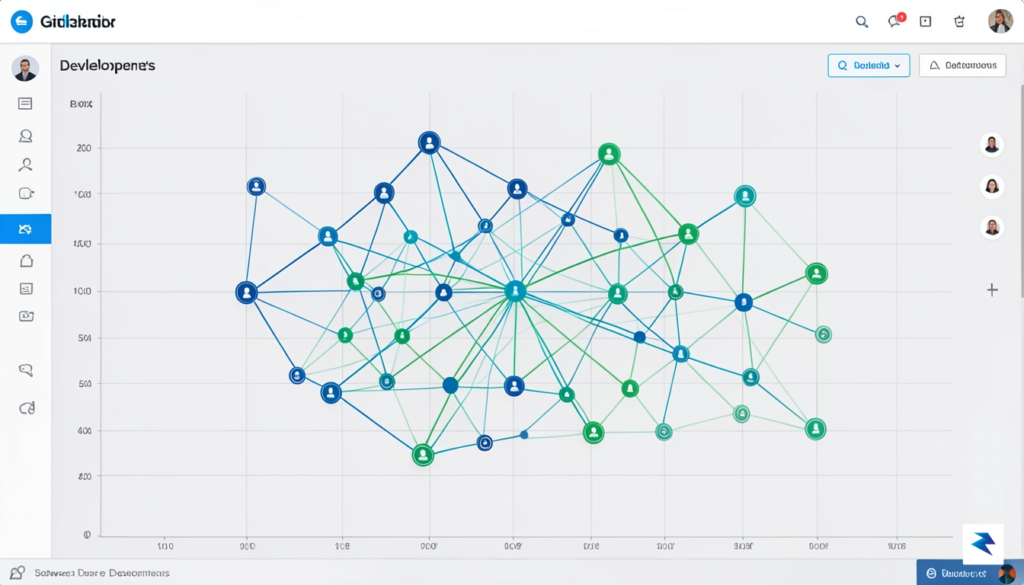
To leverage these insights for strengthening team unity, it is essential to distinguish between healthy collaboration and forced interaction. The mapping tool allows you to identify patterns such as “review-only” silos, where team members interact purely through transactional feedback rather than collaborative problem-solving. By identifying these gaps, leadership can foster a more inclusive culture through targeted mentorship pairings or by rotating pair-programming partners. Strengthening these connections is not about tracking activity for the sake of oversight, but rather about creating a social architecture that supports sustainable development.
“True team health is found in the balance between individual focus and collective synergy. Mapping these dynamics allows us to support the people behind the code before a bottleneck becomes a barrier.”
Ultimately, these maps act as a mirror for your development process. When you can see the density of your team’s connection points, you can make informed decisions about how to cultivate a more resilient, communicative, and efficient engineering culture. Whether you are addressing hidden silos or ensuring that your senior engineers are effectively mentoring junior team members, the ability to visualize these dynamics changes the conversation from anecdotal assumptions to evidence-based team management.

In the modern landscape of software development, where technical complexity grows alongside the geographic distribution of teams, engineering managers are increasingly tasked with navigating a sea of abstract metrics. Moving beyond simple commit counts or pull request velocity, true operational excellence requires a deeper understanding of the human-code interface. By leveraging sophisticated analytical frameworks, leaders can transition from reactive firefighting to proactive strategy, treating repository data not just as a log of activity, but as a diagnostic tool for team health and project trajectory. This shift toward actionable intelligence empowers managers to identify bottlenecks before they manifest as technical debt or developer burnout, ensuring that the development process remains sustainable and efficient.

The transition to remote-first and hybrid working models has further amplified the need for granular visibility into how code actually moves through an organization. Without the benefit of spontaneous desk-side check-ins, leaders often lack visibility into the subtle friction points that impede progress. When data is properly contextualized, it serves as a bridge, offering insights into collaboration patterns, cross-team dependencies, and the actual cognitive load placed on individual contributors. By grounding management decisions in concrete repository insights, teams can foster a culture of radical transparency that rewards impact over mere activity, effectively aligning individual efforts with broader business objectives.
Data-driven engineering is not about surveillance; it is about providing the visibility necessary to clear the path for your team to do their best work.
Ultimately, the long-term impact of adopting more intelligent repository analysis extends far beyond the immediate sprint. By quantifying the realities of the development lifecycle, organizations can make evidence-based decisions regarding resource allocation, tool adoption, and process refinement. This evolution in management style minimizes the guesswork typically associated with long-term planning, allowing leaders to forecast delivery timelines with greater precision. As the industry continues to evolve, the ability to synthesize GitHub data into meaningful narratives will become the definitive hallmark of high-performing engineering organizations, distinguishing those who simply manage code from those who truly nurture the ecosystems that create it.
You must be logged in to post a comment.