
Paradigm’s $1.2B Pivot: Why the Crypto Giant is Betting on the Technical Frontier
The Paradigm Shift: Expanding Beyond Crypto Since its inception, Paradigm has been synonymous with the maturation of the blockchain industry,…

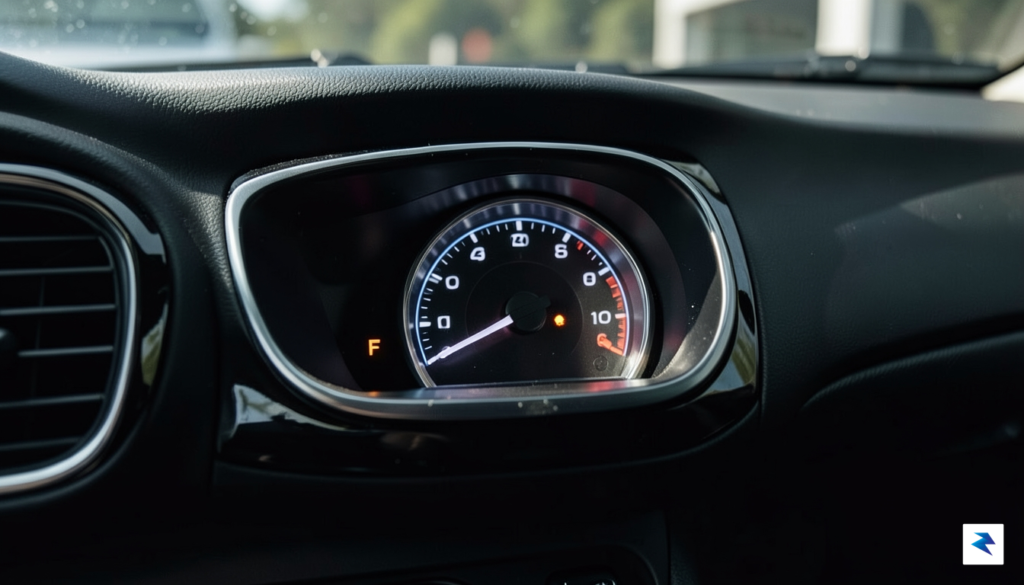
Most travelers operate under the assumption that the “Full-to-Full” fuel policy is a simple, foolproof arrangement: you pick up the vehicle with a topped-off tank and return it in the exact same condition. While this seems straightforward, the operational reality is far more nuanced, often serving as a breeding ground for unexpected billing discrepancies. Rental agencies typically require proof of refueling within a short distance—often 10 to 15 miles—of the return location. If you refuel too far from the drop-off point, the needle on the gauge may drop slightly during the final leg of your journey, leading the attendant to mark the vehicle as “less than full” even if you technically added the necessary amount of gas earlier.
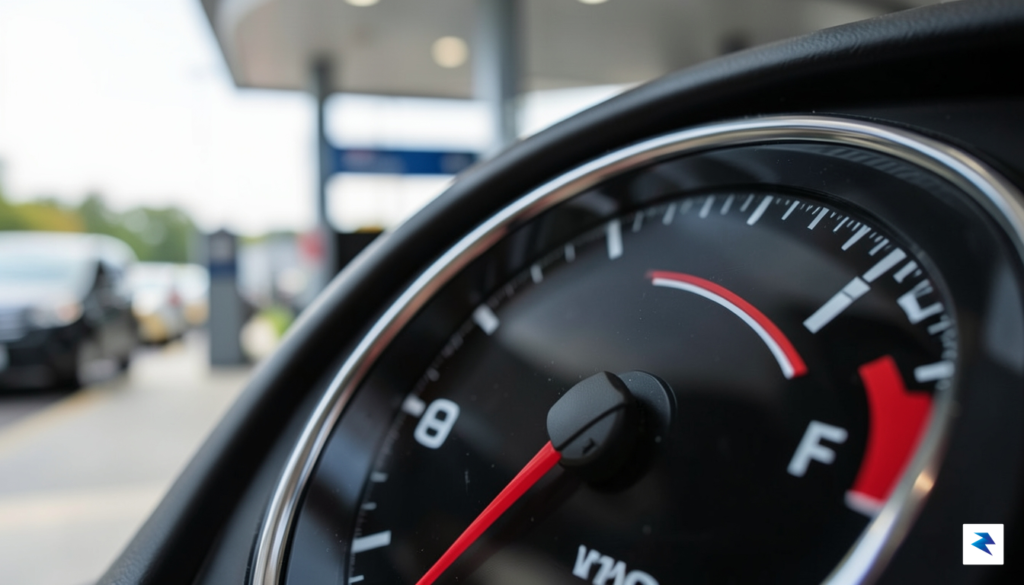
Beyond the logistical challenges of timing your final stop, the inherent conflict between manual fuel pumps and digital dashboard sensors is a frequent culprit for surprise surcharges. Modern vehicles often feature non-linear fuel gauges, meaning the “full” position on your dashboard might be triggered by a sensor that registers a tank as “full” slightly before the pump’s automatic shut-off mechanism kicks in. When you “top off” the tank to ensure it is absolutely brimming, the sensor may not calibrate correctly, or conversely, the pump may click off prematurely, leaving you with a tank that is 95% full but looks “missing” to an eagle-eyed rental agent. These minor variances are rarely malicious, yet they frequently trigger automated refueling fees that include a hefty “convenience” markup on top of the actual cost of the gas.
Pro Tip: Always keep your final fuel receipt clearly visible or attached to your rental agreement. This documentation is your strongest evidence if you need to challenge a charge later, as it provides a timestamped record of exactly when and how much fuel was purchased.
Furthermore, the choice between a “Full-to-Full” policy and a “Pre-paid” fuel option often confuses consumers at the rental counter. While pre-paying for a full tank of gas might seem like a time-saver, it essentially locks you into paying for the entire capacity of the tank regardless of how much fuel you actually consume. If you return the vehicle with a quarter-tank of gas left, you have effectively gifted that fuel to the agency with no possibility of a refund. On the other hand, failing to comply with the “Full-to-Full” agreement results in the agency applying their own market-indexed fuel rate, which is notoriously higher than local pump prices. Understanding these policies before you drive off the lot is essential; once you sign the contract, the burden of proof rests entirely on you to ensure the gauge reflects a full tank upon return.

To understand why your rental car bill might suddenly reflect a fuel charge you know you didn’t earn, you have to look past the individual transaction and consider the sheer scale of the operation. Rental agencies prioritize high-volume turnover; their business model relies on moving thousands of vehicles through return lanes in a matter of hours. Because time is the most expensive commodity in a rental lot, the inspection process is designed for speed rather than microscopic precision. When a vehicle is returned, staff members are often tasked with scanning the fuel gauge at a glance while juggling multiple other duties, such as checking for body damage or logging mileage. In this high-pressure environment, if the needle on the fuel gauge is even a hair’s breadth below the “full” mark, the automated system is programmed to err on the side of the company, effectively adopting an “assume the worst” billing strategy to avoid potential revenue leakage.
This automated flagging process creates a ripple effect that hits your wallet harder than just the cost of a few gallons of gasoline. Most rental agreements stipulate that if a car is returned with less fuel than it started with, the company does not simply charge the market price for the missing fuel; they apply an inflated “refueling service charge” that can be two or three times higher than the local pump price. This administrative fee is tacked on to cover the logistical overhead of having an employee drive the vehicle to a service station, wait in line, and pump the gas. Consequently, even a minor discrepancy—perhaps caused by a faulty fuel sensor or a pump that clicked off too early—triggers a massive, pre-set penalty fee that is difficult to navigate once the car has been processed and moved into the cleaning queue.
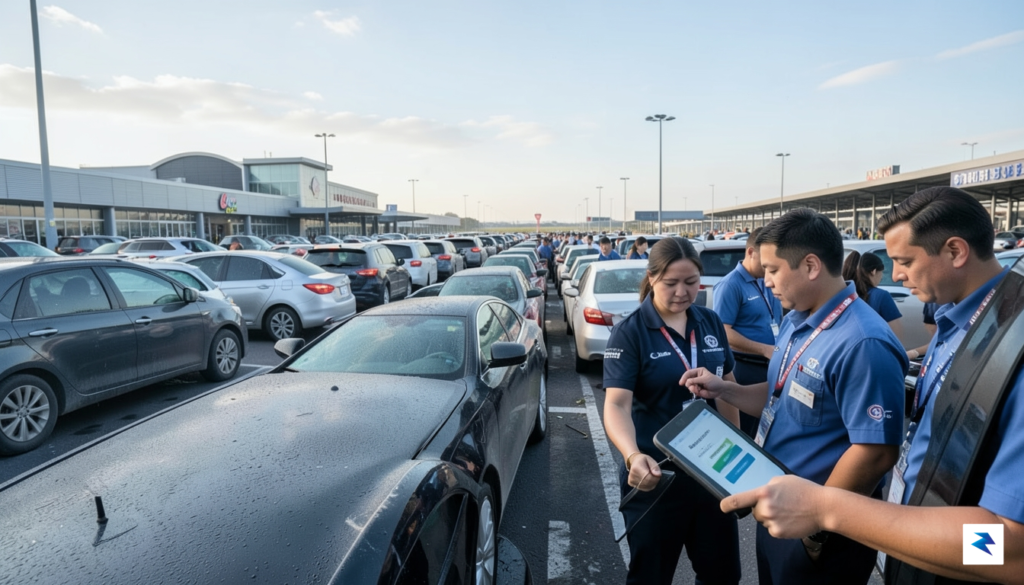
The burden of proof in the rental car industry almost exclusively rests on the shoulders of the consumer, turning every return into a potential dispute if you lack the right documentation.
Because these systems are designed to finalize charges instantly, the burden of proof shifts entirely to the consumer the moment the vehicle leaves your possession. Once the car is moved from the return lane to the maintenance area, it becomes nearly impossible to verify the fuel level at the exact moment it was scanned, as the agency will have already topped it off or moved it to another section of the lot. This is why rental companies often default to their digital records, which are rarely scrutinized for human error. Without a timestamped receipt from a gas station within a few miles of the return location, you are effectively fighting an uphill battle against a data-driven system that is designed to prioritize the agency’s internal metrics over individual customer disputes.

If you find yourself staring at an unexpected fuel charge on your final receipt, it is essential to remain calm and approach the situation with a structured, data-driven mindset. You are far from powerless in this scenario, as rental companies rely on the assumption that most customers will simply accept the charge rather than undergo the effort of a formal appeal. The key to turning a losing situation into a successful refund lies entirely in your ability to present irrefutable evidence that contradicts the company’s claim.
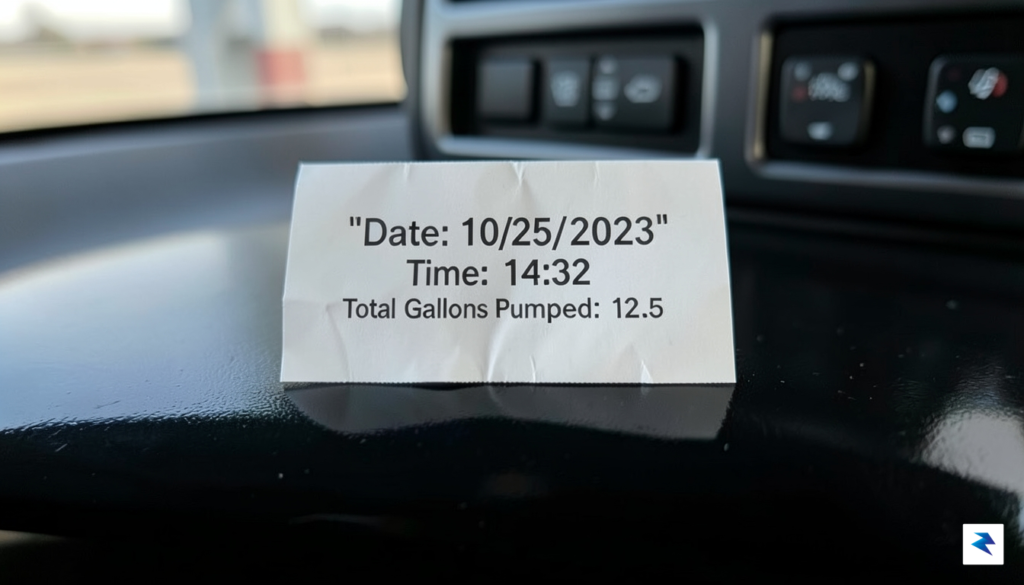
Your primary defense is the fuel receipt itself. When you refuel your rental, ensure the receipt is not just tossed into the glove box, but kept securely in your possession. This document is your strongest piece of evidence because it includes a precise timestamp, the location of the station, and the exact volume of fuel purchased. If the timestamp on your receipt falls within a reasonable window—usually within 10 to 15 miles or 30 minutes of your return time—it serves as a definitive record that you honored your rental agreement. Without this physical or digital proof, you are essentially asking the company to take your word against their automated system, which is a battle that rarely ends in the customer’s favor.
Beyond the receipt, you should proactively document the state of the vehicle at the exact moment of drop-off. Before leaving the lot, take clear, time-stamped photos of the dashboard showing the fuel gauge clearly resting at or above the “Full” line. It is also beneficial to capture a wide-angle shot of the car’s exterior to establish the setting, effectively proving that the vehicle was returned in the required condition. These images provide a visual narrative that creates a direct link between the fuel you purchased and the state of the car at the time of surrender.
To be successful in your dispute, always keep your refueling receipt and take a photo of the fuel gauge at the return location. These two items, when combined, create a “paper trail” that is difficult for any customer service department to ignore.
When you are ready to reach out, use a formal, professional tone to ensure your inquiry is treated with the seriousness it deserves. You can use the following template to structure your communication:
By shifting the conversation from a subjective disagreement to a factual review of evidence, you remove the guesswork for the service representative. Once you have submitted these materials, follow up if you do not receive a confirmation email within 48 hours. Persistence is often the final hurdle, but with your documentation in hand, you are well-equipped to recover your funds.
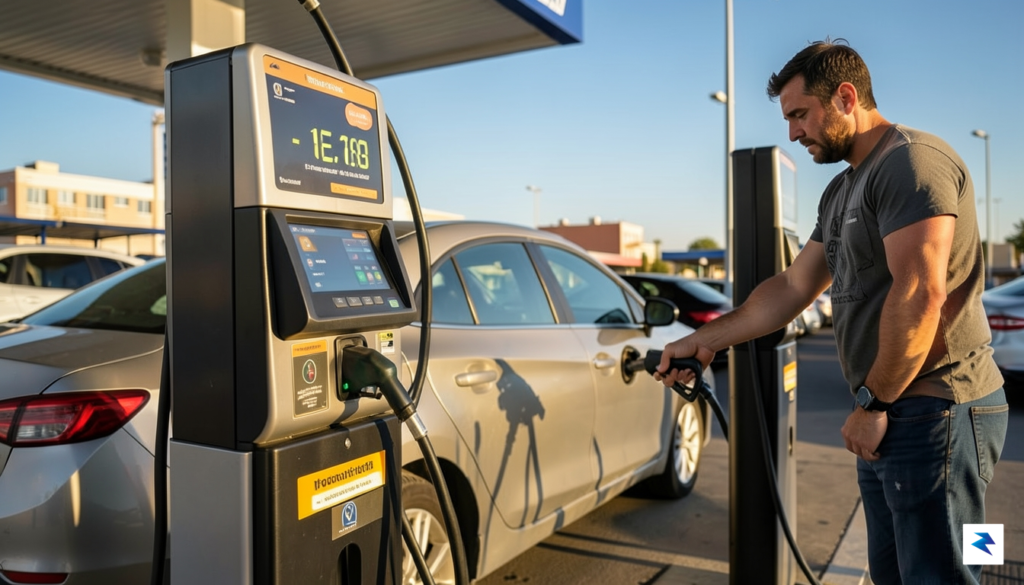
The most effective strategy for avoiding unexpected fuel surcharges is to embrace a “trust but verify” mindset during every stage of your rental return. Many travelers assume that as long as the gas gauge needle is hovering near the “F” mark, they are safe from penalties. However, rental agencies often use high-resolution fuel sensors or strict internal policies that can trigger a fee if the tank is even slightly off-full. To mitigate this risk, make it a standard practice to fuel your vehicle within a five-mile radius of the drop-off location. By filling up immediately before arrival, you ensure that the engine has not consumed enough fuel to drop the gauge below the threshold, effectively neutralizing any argument the rental agent might have regarding your compliance with their refueling policy.
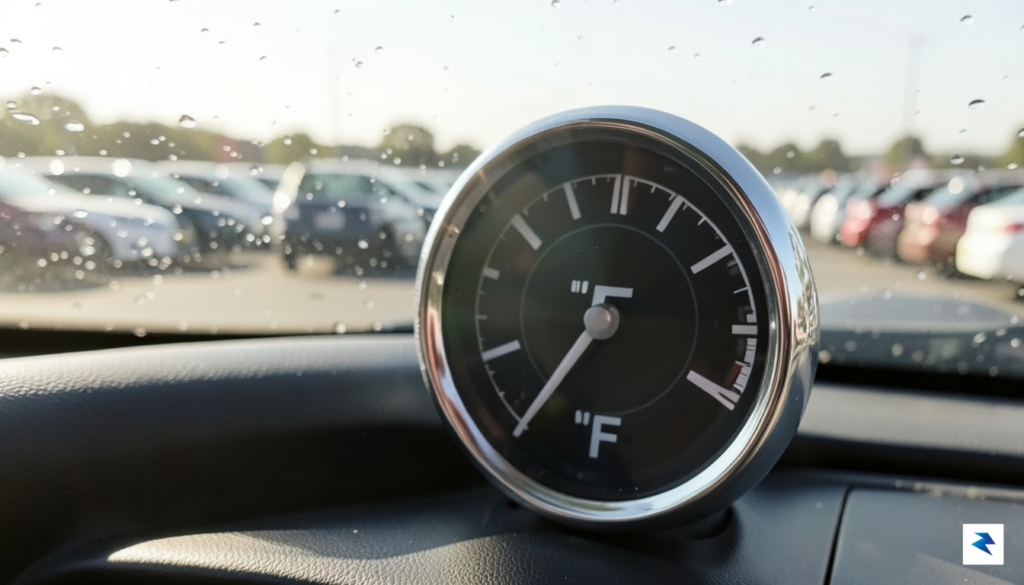
Once you have topped off your tank, it is vital to treat your gas receipt as a critical legal document rather than mere trash. Keep the receipt tucked securely in the glove box or your wallet until the moment you have physically handed over the keys and confirmed your check-in. This receipt serves as your primary evidence if a dispute arises later; it provides the date, the exact time of purchase, and the location, all of which are necessary to prove that you fulfilled your contractual obligation. Without this physical proof, you are essentially at the mercy of the rental company’s internal reporting, which is far more difficult to challenge once you have already left the premises.
The best defense against a surprise billing error is a digital or paper trail that confirms the car was returned under the exact conditions stipulated in your rental agreement.
Finally, never leave the rental return lot without requesting a formal “zero balance” receipt from the agent. While many locations now offer automated “express return” kiosks or mobile check-ins, these systems can occasionally be prone to errors if the sensor fails to register the tank level correctly. By speaking directly to an agent and asking for a printed receipt confirming that there are no additional charges on your account, you gain an immediate opportunity to address any discrepancies before they are processed by the billing department. If the agent notes a fuel charge, you can present your gas receipt right there at the counter, often resolving the issue in seconds rather than spending weeks navigating a complex corporate dispute process.

Navigating the complex web of international car rental regulations requires more than just a valid driver’s license; it necessitates a firm grasp of the legal protections afforded to consumers in the jurisdiction where you signed your rental agreement. In the United States, rental car disputes are largely governed by state-level consumer protection laws and the specific terms of service outlined in your contract, which often favor the rental agency’s internal policies. Conversely, many European countries operate under much stricter consumer rights directives, such as the EU’s Unfair Contract Terms Directive, which provides a stronger legal shield against hidden fees and arbitrary fuel charges. When you travel abroad, the difference between these regulatory frameworks can determine whether a disputed charge is a minor clerical error or an expensive, unavoidable legal hurdle.

If you find yourself facing an unjust charge for fuel you clearly replenished, the path to resolution often begins with your credit card issuer rather than the rental agency itself. Many premium credit cards offer comprehensive travel protections that include assistance with “service not rendered” disputes. By initiating a chargeback, you are essentially tasking your bank with investigating whether the rental company failed to uphold their end of the contract. However, credit card companies require ironclad documentation; therefore, you must retain your final fuel receipt, timestamped photos of the fuel gauge upon return, and the official vehicle inspection report provided at the drop-off location.
Key Takeaway: Always photograph the dashboard fuel gauge and the receipt of your final gas station purchase before leaving the rental lot. This digital paper trail is your strongest defense when challenging erroneous corporate billing.
When direct communication with the rental company’s customer service department fails, it is time to consider escalating the issue to external regulatory bodies. In the United States, this might involve filing a complaint with the Federal Trade Commission (FTC) or your state’s Attorney General office, both of which track patterns of deceptive business practices. For rentals occurring within the European Union, the European Consumer Centre (ECC-Net) provides invaluable mediation services for cross-border disputes. While these processes can be time-consuming, they are essential for holding multinational corporations accountable for systemic billing errors. Knowing when to pivot from a simple customer service email to a formal regulatory complaint can save you hundreds of dollars and prevent the rental company from continuing these practices against future travelers.
You must be logged in to post a comment.