
Devthropology: Transforming GitHub Data Into Actionable Engineering Insights
Beyond the Default: Why GitHub Insights Need an Upgrade For most engineering teams, GitHub is the undisputed heartbeat of the software…
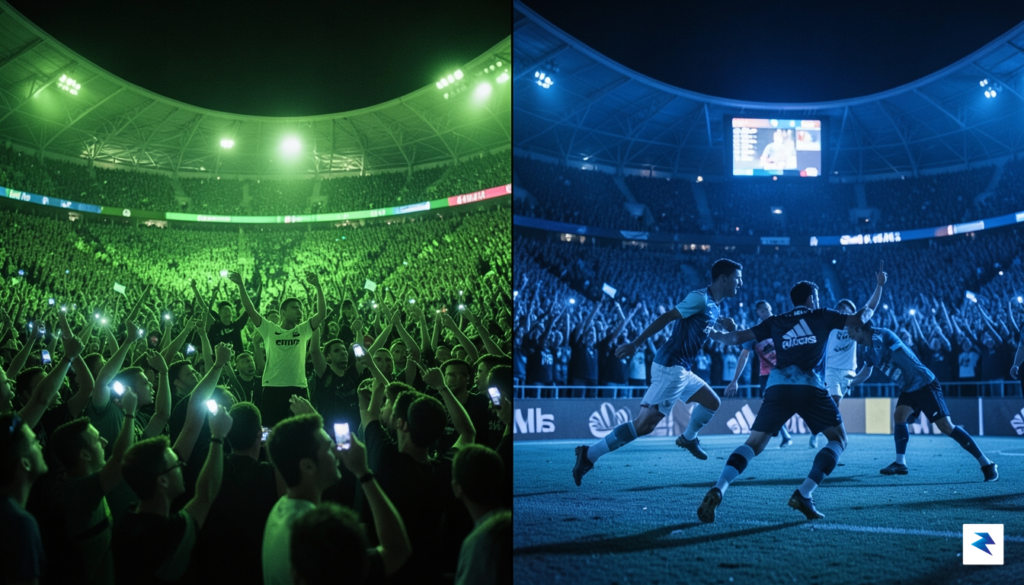
For decades, the global sportswear landscape has been defined by a relentless, high-stakes game of chess between two titans: Nike and Adidas. While they compete for market share across every major sport, nowhere is this rivalry more palpable or strategically vital than on the world’s greatest stage: the FIFA World Cup. This tournament serves as the ultimate arena for these giants, acting as a singular event where pure cultural impact converges with multi-billion-dollar revenue streams. Unlike the Olympics or domestic league seasons, the World Cup captures the undivided attention of billions of people simultaneously, transforming a month of competition into a concentrated period of brand positioning that can dictate consumer trends for years to come.
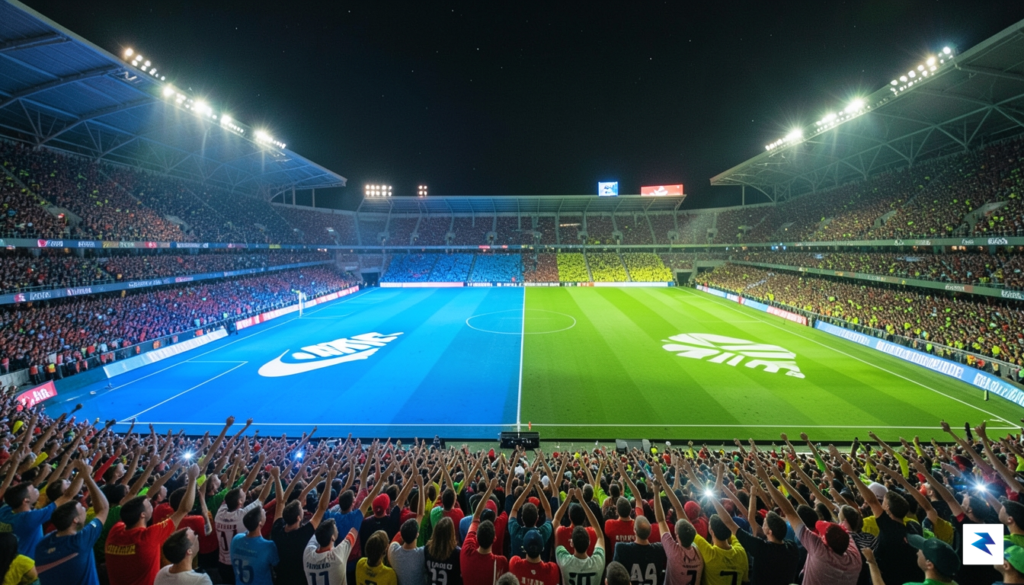
The historical context of this rivalry is rooted in deep-seated competition for the soul of the sport. Adidas, with its long-standing partnership with FIFA, has traditionally held the role of the tournament’s official sponsor, providing the match balls and official kits. Conversely, Nike has mastered the art of “guerrilla marketing,” frequently sponsoring the most popular individual superstars and underdog national teams to steal the spotlight through cultural relevance rather than official affiliation. This divergence in strategy creates a unique return on investment; while Adidas secures prestige and proximity to the governing body, Nike prioritizes the psychological connection between elite athletes and the consumer. Consequently, the World Cup becomes a battle between the authority of tradition and the allure of modern, star-driven iconography.
The World Cup is not merely a sporting event; it is the most significant retail catalyst in the sportswear industry, where brand visibility on the pitch directly correlates to the lifestyle choices of the global consumer.
Ultimately, the psychological impact of seeing a logo emblazoned on the chest of a tournament-winning hero cannot be overstated. When a brand’s gear is worn by the player hoisting the trophy, it transcends the boundaries of performance apparel and becomes an essential component of the fan’s identity. This transition from the pitch to the street is where the real profit lies. Whether it is through the sale of replica jerseys, training gear, or lifestyle footwear inspired by national colors, the World Cup provides an unparalleled opportunity for these companies to cement their presence in the everyday lives of consumers. By the time the final whistle blows, the competition between Nike and Adidas has done more than determine the best team in the world—it has reshaped the hierarchy of the global sportswear economy.
The era of relying solely on static billboards and pitch-side hoardings to capture the attention of a global audience has effectively come to an end. Today, the rivalry between Nike and Adidas has transformed into a sophisticated battle for total consumer immersion, moving far beyond the traditional sponsorship model. These corporate giants no longer view themselves merely as manufacturers of athletic apparel, but as architects of a comprehensive lifestyle ecosystem that engages the fan from the moment they check their phones in the morning until the final whistle blows. By leveraging hyper-personalized social media campaigns and influencer-led storytelling, both brands ensure that their presence is woven into the very fabric of the fan experience, making the sport feel inseparable from the gear worn to enjoy it.
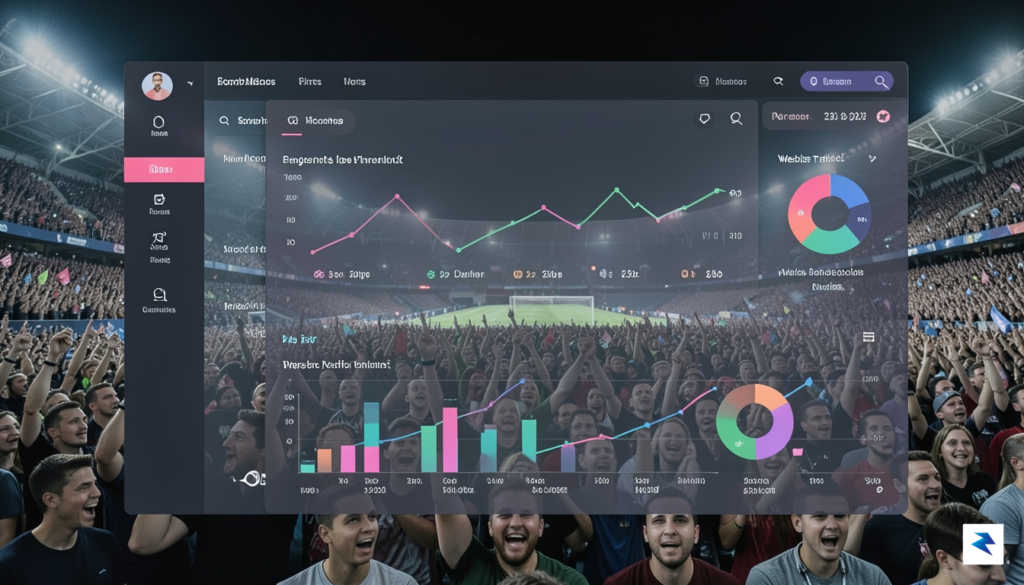
Central to this strategic evolution is the sophisticated use of data analytics, which dictates every move in the high-stakes chess game of athlete and team endorsements. Rather than simply betting on the most popular players, these brands now utilize granular performance data and social sentiment tracking to identify the next generation of global icons. By analyzing which athletes resonate most deeply with specific demographics—from Gen Z trendsetters in urban centers to traditional soccer enthusiasts in emerging markets—Nike and Adidas can allocate their marketing budgets with surgical precision. This data-driven approach allows them to build long-term narratives around their ambassadors, turning individual players into pillars of brand identity that transcend the boundaries of the stadium.
The modern sponsorship isn’t just about presence; it is about predictive influence, where the brand anticipates the fan’s cultural journey before they even take the field.
Furthermore, the line between high-performance soccer apparel and everyday street fashion has become increasingly blurred, creating a lucrative “lifestyle” category that keeps the brands relevant throughout the entire year, not just during the tournament season. Modern kits are now designed with aesthetic versatility in mind, featuring colorways and silhouettes that look just as comfortable at a high-end streetwear boutique as they do on the pitch. This shift toward lifestyle-integrated design encourages fans to wear their team loyalty as a badge of personal style rather than just a uniform for match day. By collaborating with fashion designers and cultural influencers, Nike and Adidas have successfully repositioned soccer gear as a staple of the global wardrobe, ensuring that their brand dominance persists long after the final trophy has been lifted.


For decades, the United States served as the final frontier for the global game, a massive, untapped audience that remained largely skeptical of the sport the rest of the world calls football. However, the narrative has shifted dramatically in recent years, fueled by a surge in popularity among Gen Z and millennial demographics who view soccer not as an imported novelty, but as a central pillar of their cultural identity. As the momentum builds toward the 2026 World Cup hosted on North American soil, Nike and Adidas recognize that the U.S. is no longer just a secondary market; it is the most critical battleground for future growth. The race to capture the hearts and wallets of this emerging fan base is a high-stakes chess match where cultural relevance is the ultimate currency.
Nike, leveraging its massive domestic infrastructure and deep-seated roots in American sports culture, has leaned heavily into the “lifestyle” aspect of soccer. By treating the sport as an extension of streetwear and urban fashion, the Swoosh has successfully integrated soccer kits into the everyday wardrobes of American youth. Conversely, Adidas leans into its storied European heritage, emphasizing its historical authenticity and technical legacy that dates back to the very origins of the sport. While Nike attempts to make soccer feel like a native American phenomenon, Adidas positions itself as the gatekeeper of true, global soccer tradition, providing a “premium” experience for the sophisticated fan who values international pedigree.
“The American soccer landscape is currently in a state of rapid, irreversible maturation, making it the most valuable real estate for sportswear giants looking to define the next generation of global sports consumerism.”
The competitive intensity is perhaps most visible in the aggressive pursuit of Major League Soccer (MLS) partnerships. Both brands are working tirelessly to build grassroots loyalty, knowing that an American fan who identifies with a local club today is a customer for life. Adidas, as the long-standing official outfitter for the entirety of MLS, has spent years embedding its brand into the DNA of domestic stadiums and youth academies. Nike, meanwhile, has countered by signing high-profile individual players and investing heavily in localized marketing campaigns that celebrate the unique, diverse communities surrounding American clubs. This tactical tug-of-war ensures that every jersey sold and every youth camp sponsored serves as a strategic foothold in a country that is rapidly shedding its reputation as a soccer backwater to become one of the sport’s most influential engines.
Beyond the billion-dollar marketing campaigns and the spectacle of the pitch, the true battleground for Nike and Adidas lies in the microscopic engineering of the modern football boot. Every major tournament serves as a high-stakes laboratory where the world’s elite athletes test the limits of friction, weight, and energy return. Nike’s focus on Flyknit technology and aerodynamic textures has pushed the boundaries of how thin a material can be while maintaining structural integrity, while Adidas continues to refine its Predator series by integrating Strikeskin rubber fins for precision ball control. These technical specifications are not merely aesthetic choices; they represent a grueling arms race to shave milliseconds off a player’s reaction time, providing the marginal gains necessary to dominate in high-pressure environments.
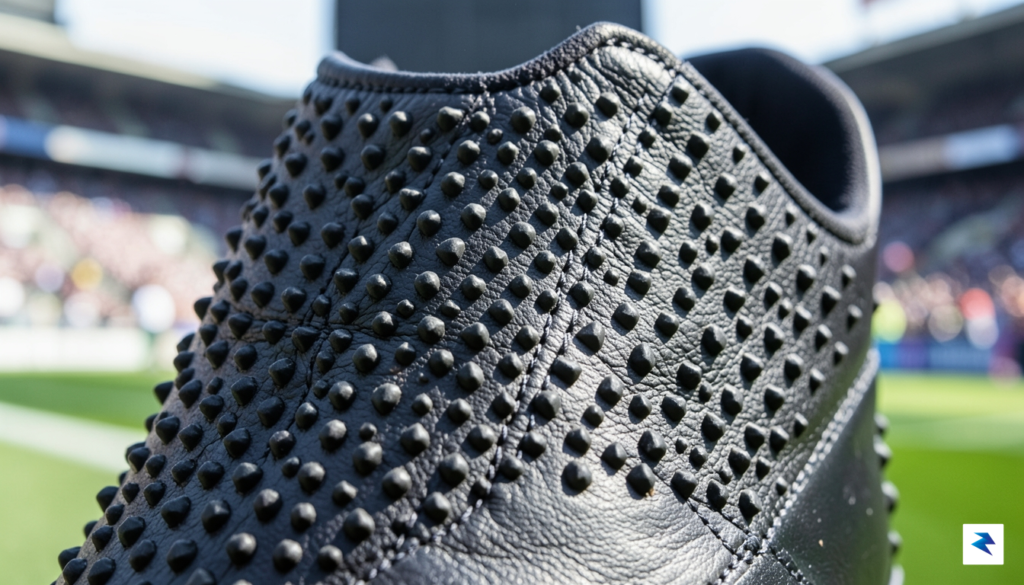
The pressure to innovate is no longer limited to performance metrics; it is increasingly tethered to the global demand for sustainable manufacturing. Both giants are under intense scrutiny to transition away from virgin plastics, leading to a surge in the use of recycled polyester, bio-based yarns, and carbon-neutral synthetic leathers. This shift is particularly challenging because high-performance gear must remain durable enough to withstand the violent forces of a ninety-minute match on turf or grass. By successfully integrating eco-friendly materials into their flagship models, these brands demonstrate that sustainability can coexist with elite performance, effectively setting a new industry standard that filters down to the recreational player.
The technical evolution of the boot is the ultimate proof of concept; when a professional star secures a tournament victory, the boots they wear become the blueprint for every amateur player looking to replicate that success.
This cycle of innovation creates what marketers call the “halo effect,” where the consumer’s purchase intent is directly tied to the performance of their favorite superstars. When a fan watches a goal scored by a player wearing a specific silhouette, they subconsciously attribute that success to the technology on the player’s feet. Consequently, the boots seen on the broadcast become the must-have products in local sporting goods stores worldwide. By constantly iterating on weight reduction through advanced carbon-fiber plates and optimizing surface grip for varying weather conditions, Nike and Adidas ensure that their products remain the primary tools for both the world’s best professionals and the millions of enthusiasts who aspire to mirror their greatness on the field.
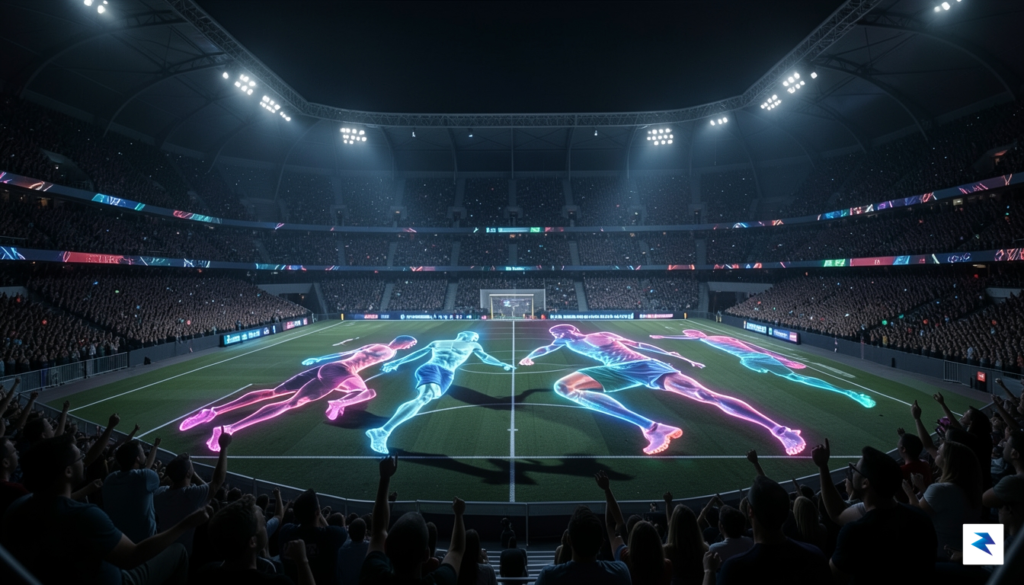
The traditional era of plastering a brand logo onto a jersey is rapidly receding into the rearview mirror, replaced by an aggressive race to own the digital ecosystem surrounding the athlete. As technology fundamentally rewires how fans consume the World Cup—shifting from passive television viewing to immersive, multi-platform engagement—Nike and Adidas are pivoting from being mere kit suppliers to becoming the primary gatekeepers of the global soccer experience. This transition is moving the goalposts of sports sponsorship away from static billboards and toward hyper-personalized, direct-to-consumer digital touchpoints that exist 365 days a year, rather than just during the 90 minutes on the pitch.

Central to this evolution is the integration of digital assets and Web3 technologies into the fan journey. Both giants are experimenting with tokenized fan experiences, digital collectibles, and exclusive virtual spaces that allow supporters to interact with their favorite clubs in ways previously impossible. By leveraging blockchain-backed loyalty programs, these brands are turning spectators into active participants who own a piece of their team’s history. This strategy effectively creates a closed-loop economy where the brand acts as the primary platform for engagement, ensuring that the consumer remains within their digital ecosystem long after the final whistle of a tournament has blown.
The future of sports marketing will not be won by the brand with the most visibility, but by the brand that best integrates itself into the daily digital fabric of the fan’s life.
Looking ahead, the Nike-Adidas duopoly is poised to tighten its grip on the industry by transforming from retail manufacturers into data-driven technology companies. As they continue to bridge the gap between physical performance gear and virtual identities, their rivalry will dictate the technological standards for the entire sports world. We can expect a future where the purchase of a physical jersey grants immediate access to a digital twin in a metaverse arena, or where performance data from a player’s smart-cleat informs the personalized training content delivered directly to an amateur athlete’s mobile app. Ultimately, this battle for supremacy is no longer about who wins the World Cup; it is about who builds the most compelling digital bridge between the world’s most iconic athletes and the millions of fans who refuse to stay on the sidelines.
You must be logged in to post a comment.