The World Cup’s Ultimate Rivalry: Nike vs. Adidas in the Battle for Supremacy
The Billion-Dollar Battleground: Nike vs. Adidas at the World Cup For decades, the global sportswear landscape has been defined by a…
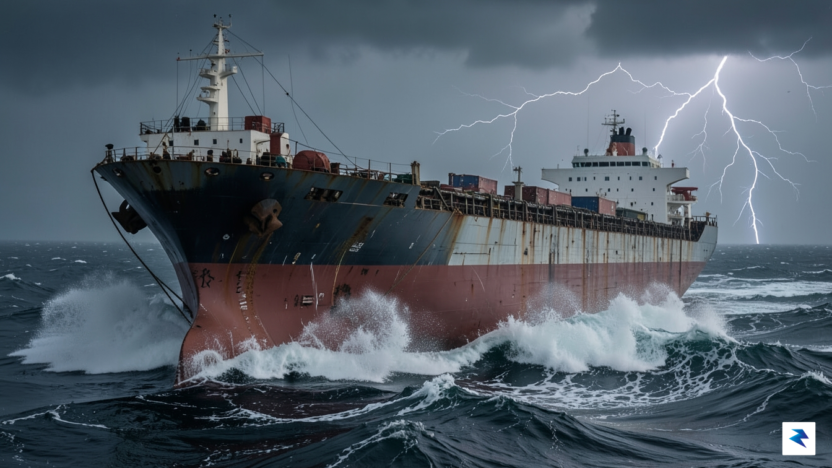
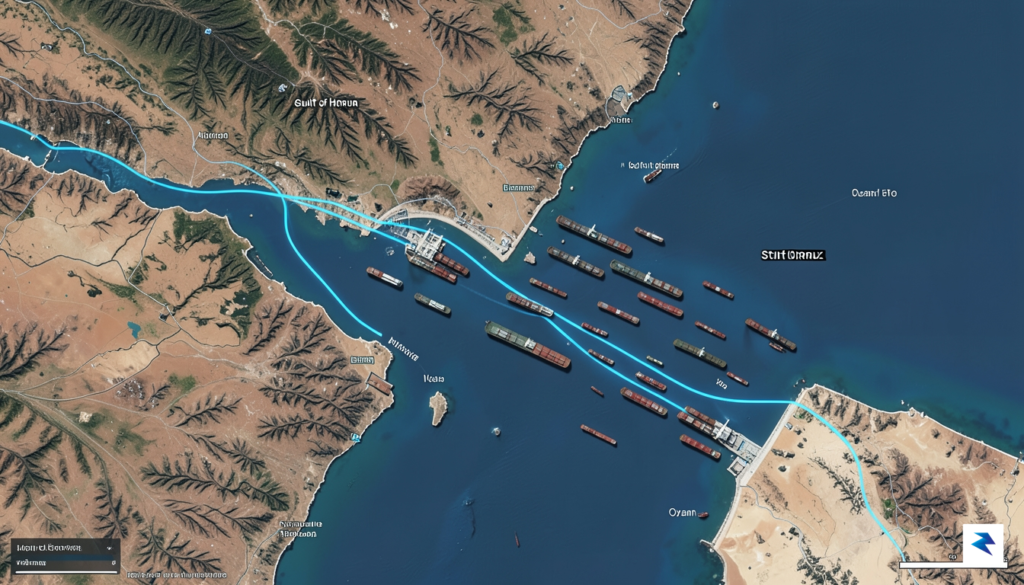
Stretching just 21 miles at its narrowest point, the Strait of Hormuz acts as the world’s most vital maritime artery for the global energy trade. Connecting the Persian Gulf with the Gulf of Oman and the Arabian Sea, this narrow passage serves as the primary gateway for crude oil and liquefied natural gas (LNG) exiting the Middle East. Because of its unique geography, there are no viable large-scale alternatives for the massive tankers that traverse these waters daily. Consequently, any geopolitical tension or localized slowdown in this region sends immediate shockwaves through international markets, as traders recognize that the world’s energy security is essentially tethered to a single, highly vulnerable corridor.
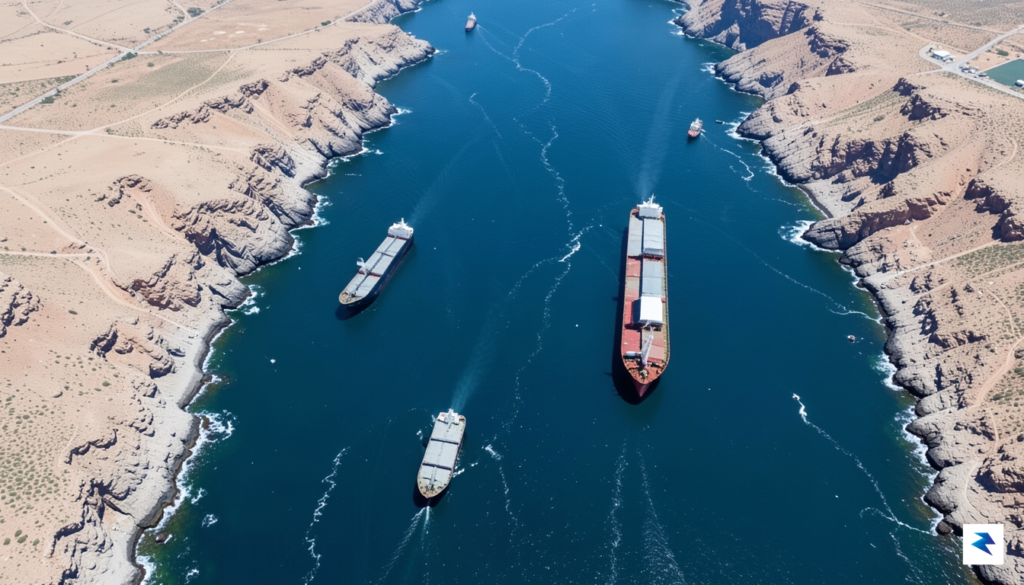
The sheer volume of petroleum passing through this chokepoint is staggering, accounting for nearly 20% of global daily petroleum consumption. On an average day, approximately 20 to 21 million barrels of oil flow through the Strait, bound for thirsty markets across the globe. This massive transit includes the majority of oil exports from major producers such as Saudi Arabia, Iraq, the United Arab Emirates, and Kuwait. Without the reliable throughput of these tankers, global supply chains would face an immediate and catastrophic shortage that no amount of strategic reserve release could fully mitigate in the long term.
The Strait of Hormuz is not just a geographic feature; it is the central nervous system of the global energy economy, where the slightest disruption can trigger a worldwide inflationary surge.
The dependency of Asian and European markets on this specific route cannot be overstated. While the United States has increased its domestic production significantly over the past decade, Asian economies—most notably China, India, Japan, and South Korea—remain heavily reliant on Middle Eastern oil to power their industrial sectors and transport networks. European nations, currently navigating a complex energy transition and diversifying away from other suppliers, also look to the Gulf to stabilize their own internal energy reserves. Because these regions lack the infrastructure to bypass the Strait via pipeline, they remain structurally vulnerable to any instability within the waterway. When shipping traffic slows or insurance premiums spike due to regional threats, the resulting cost increases are passed directly to the consumer, manifesting as higher prices at the fuel pump and increased costs for manufacturing and shipping goods globally.
Ultimately, the Strait of Hormuz represents a rare point of failure in an otherwise diversified global energy infrastructure. While technological advancements have allowed for greater efficiency in oil production, they have not reduced the physical necessity of this maritime chokepoint. As long as the world remains powered by hydrocarbons, the stability of this 21-mile stretch of water will remain a primary concern for policymakers, investors, and everyday citizens alike, serving as a constant reminder of how interconnected and fragile our modern energy landscape truly is.
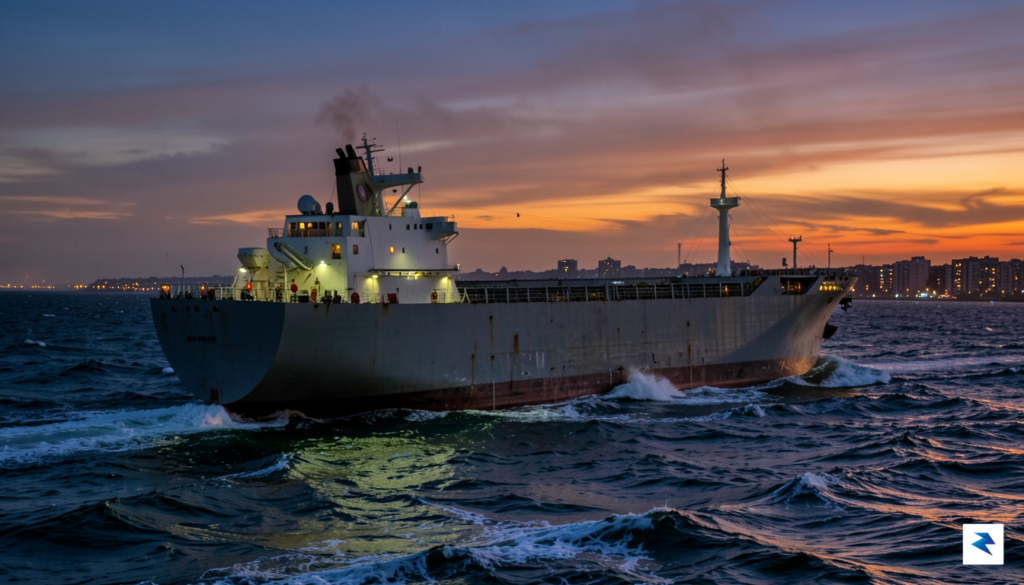
The Strait of Hormuz serves as the world’s most critical maritime chokepoint, acting as a vital artery for nearly one-fifth of global oil consumption. When localized military tensions flare, the immediate reaction from the global shipping industry is not merely a cautious slowdown, but often a complete recalculation of risk. Recent data showing a halving of vessel traffic highlights a stark reality: shipping companies prioritize the safety of their crews and multi-million dollar assets above the efficiency of established trade routes. As geopolitical friction intensifies, the primary barrier to transit becomes the prohibitive cost of marine insurance. Underwriters, facing the prospect of damaged hulls or seized cargo, drastically spike premiums for vessels entering high-risk zones, effectively forcing operators to weigh the potential profit of a delivery against the near-certainty of exorbitant financial overheads.
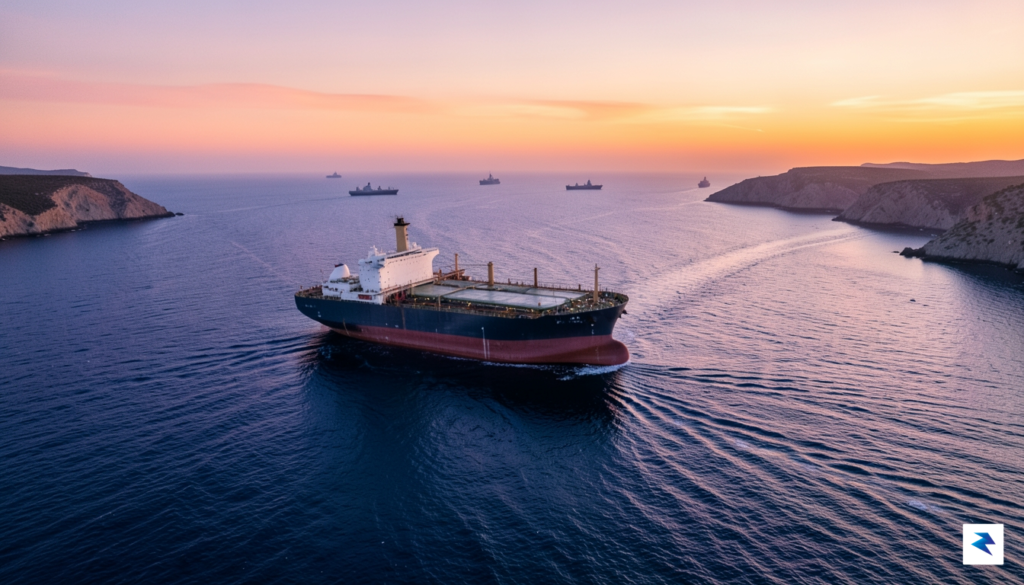
This decision-making process often leads to a pervasive “wait-and-see” strategy that paralyzes regional logistics. When fleet operators are uncertain about the security of the passage, they frequently choose to anchor their tankers in neutral waters rather than risk entering the narrow, contested channel. This tactical pause is not a decision made lightly, as the idle time represents massive lost revenue and disrupts the delicate “just-in-time” delivery schedules that refineries rely upon. Consequently, the bottleneck effect is amplified, creating a ripple of delayed shipments that extends far beyond the Middle East. For large-scale tankers, the alternative to waiting is a long, expensive rerouting process, such as navigating around the Cape of Good Hope, which adds thousands of miles and weeks of transit time to the journey, inevitably driving up the final cost for consumers globally.
The volatility of the Strait of Hormuz is a reminder that the global energy market is tethered to the stability of a few narrow channels. A shift in military posture in the region translates almost instantly into a tangible disruption at the gas pump.
Ultimately, the logistical nightmare of rerouting represents a fundamental shift in how we must view global supply chain resilience. Moving a supertanker is not as simple as changing a delivery route for a truck; these vessels are designed for specific, high-efficiency corridors. When conflict forces them to deviate, the sheer volume of fuel consumed for the longer voyage, combined with the extended duration of the trip, forces oil companies to adjust their pricing models to cover these unforeseen operational burdens. As long as the Strait remains a site of geopolitical posturing, the global economy will remain vulnerable to these sudden, sharp spikes in transit costs, proving that even localized military friction has the power to dictate the rhythm of the international energy market.
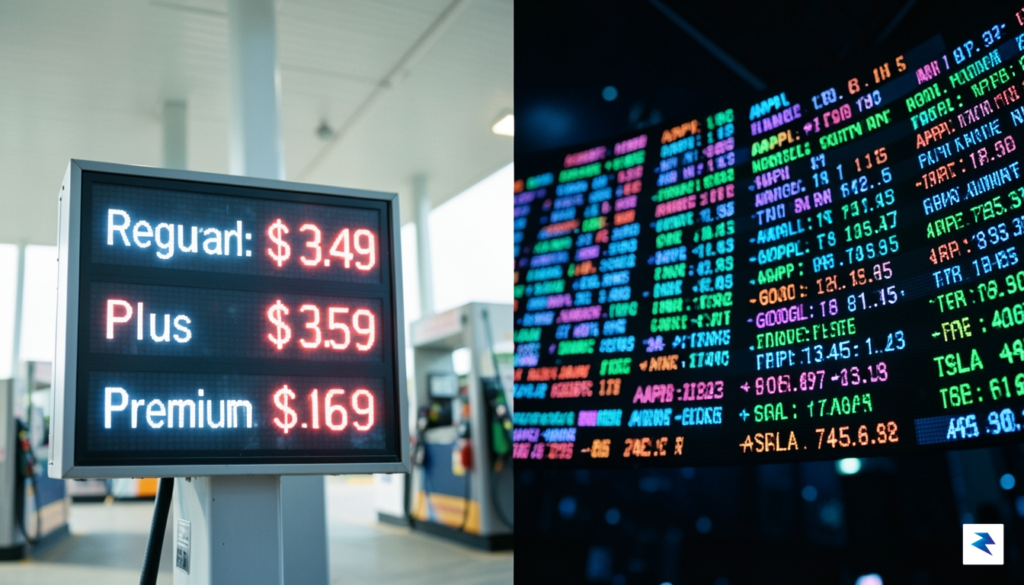
When tension flares in the Strait of Hormuz, the impact is rarely confined to the geopolitical sphere; instead, it travels with remarkable speed through the complex machinery of global energy markets. Because this narrow waterway serves as the world’s most critical maritime chokepoint for petroleum transit, any indication of restricted traffic immediately rattles the futures market. Traders, operating on the principle of risk management, begin bidding up the price of crude oil contracts the moment shipping delays or security threats are reported. This reflexive surge is often driven by speculative fear rather than an immediate physical shortage, yet it functions as the primary catalyst for the rising costs that eventually manifest at your local fueling station.
The transition from a barrel of crude oil to a gallon of gasoline is governed by an intricate supply chain that relies on predictable, steady flows. When uncertainty permeates the market, refineries must recalibrate their operations to account for potential supply disruptions. If the prospect of tankers being delayed or rerouted becomes a reality, the cost of acquiring feedstocks rises, forcing refiners to pass these elevated operational expenses down the line to wholesalers and, ultimately, retailers. Because gasoline pricing is highly sensitive to the cost of crude oil—which accounts for a significant portion of the price at the pump—any sustained upward pressure on global oil benchmarks almost guarantees that consumers will see higher numbers on digital gas station signs within a matter of days or even hours.
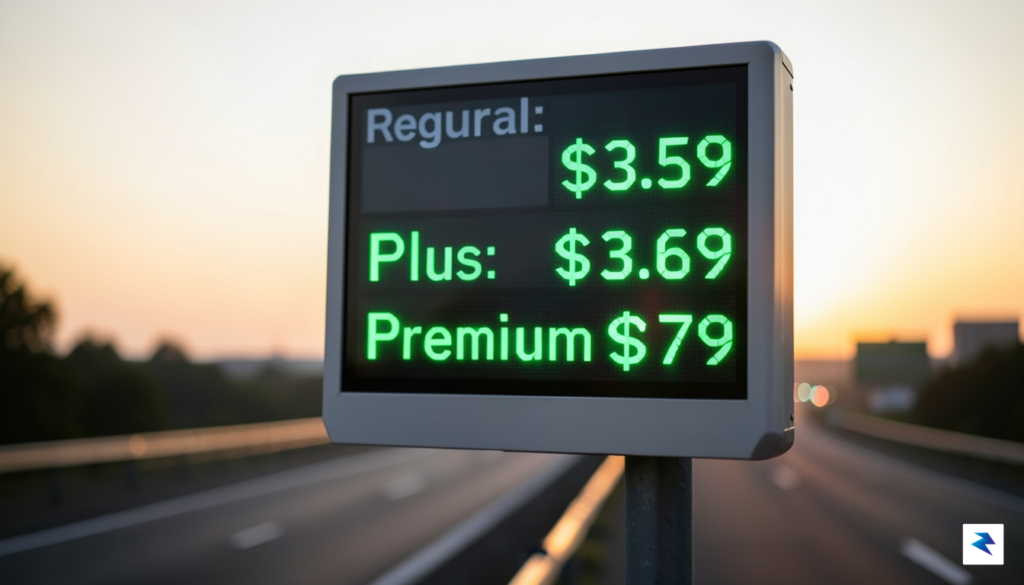
The volatility in the Strait of Hormuz acts as an immediate ‘risk premium’ that energy traders bake into the price of oil, long before a single tanker is actually delayed.
It is essential to distinguish between long-term structural supply issues and these short-term speculative spikes. Structural issues, such as a permanent decline in production capacity, generally lead to a slow, grinding increase in costs. Conversely, the situation in the Strait of Hormuz is characterized by acute, sentiment-driven volatility. Even if the actual volume of oil flowing through the Strait remains largely intact, the mere threat of a bottleneck forces market participants to hedge against a worst-case scenario. Refineries, which operate on thin margins and rely on just-in-time delivery systems to maintain inventory, react to these market signals by preemptively raising prices to protect themselves against the volatility of the commodities market. Consequently, the average driver finds themselves bearing the financial burden of this global uncertainty, as the localized cost of gasoline becomes a direct reflection of the perceived stability of international shipping lanes.
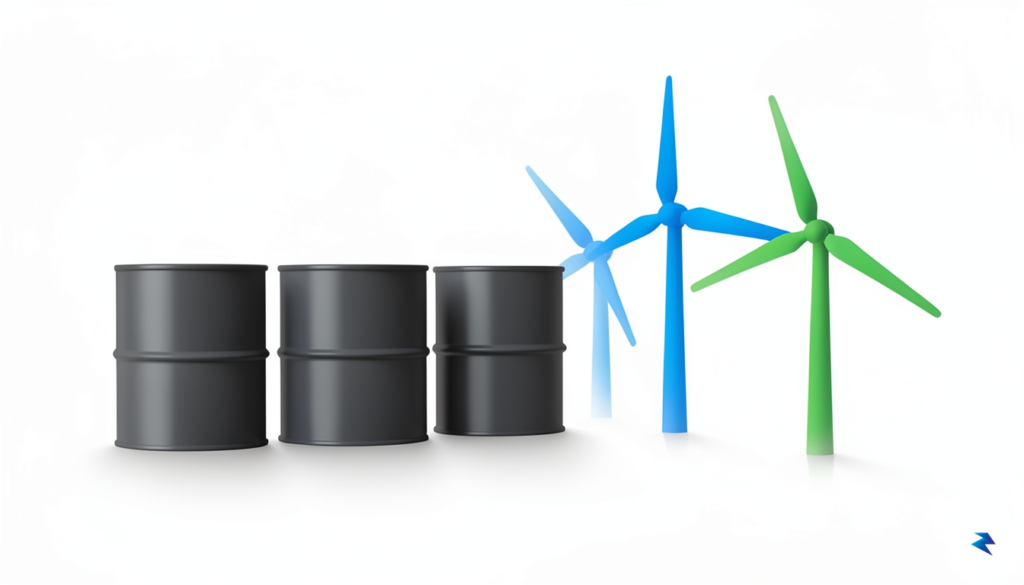
The persistent instability surrounding the Strait of Hormuz has served as a jarring wake-up call for global energy planners, highlighting the precarious nature of relying on narrow maritime corridors for the world’s oil supply. As nearly a fifth of total global oil consumption passes through this single chokepoint, any disruption inevitably triggers a ripple effect that touches everything from household fuel costs to the price of consumer goods. Consequently, nations are being forced to re-evaluate their long-term energy security strategies, shifting away from a reliance on fragile, concentrated transit routes toward a more resilient and diversified infrastructure. This transition is not merely a reaction to current events, but a fundamental rethinking of how energy independence is maintained in an increasingly fragmented geopolitical landscape.
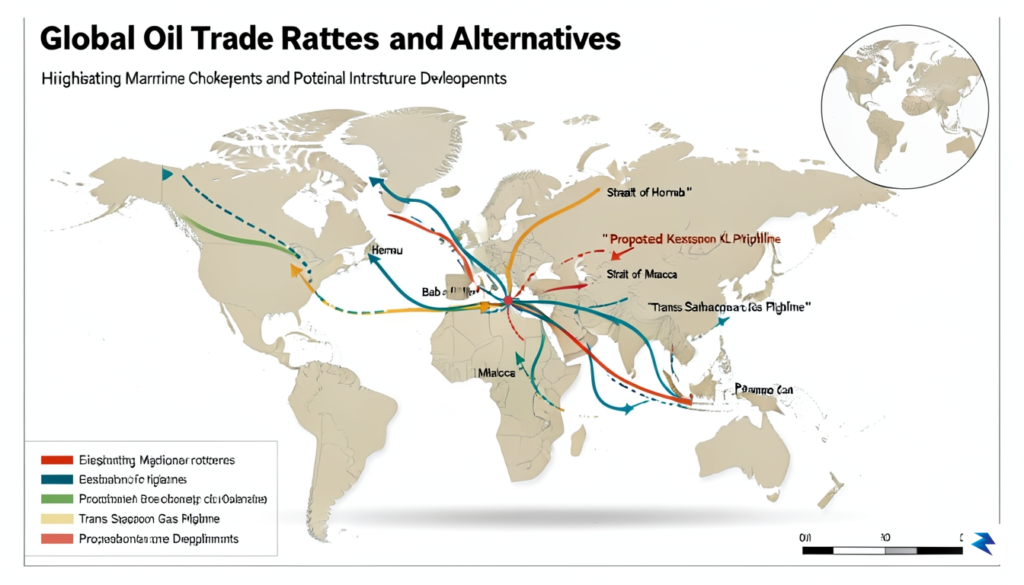
To mitigate these systemic risks, many energy-importing countries are aggressively pursuing a strategy of route diversification. This involves expanding pipeline networks that bypass high-risk zones, as well as investing in rail and land-based infrastructure that can provide a buffer when maritime traffic is compromised. Furthermore, the role of strategic petroleum reserves has never been more critical; these stockpiles act as a crucial shock absorber, providing the necessary breathing room for markets to stabilize during acute supply shocks. By maintaining robust national reserves, governments can effectively signal to the market that they are prepared to withstand temporary blockades, thereby curbing the speculative panic that often exacerbates price volatility.
Energy security is no longer just about the availability of oil; it is about the reliability of the delivery mechanism. Diversification is the ultimate hedge against geopolitical maneuvering.
Beyond simply shuffling logistics, the broader conversation is shifting toward the necessity of regional energy independence and the acceleration of cleaner energy transitions. While the current global infrastructure remains heavily tethered to fossil fuels, the push for local energy self-reliance—through expanded domestic production and a faster shift toward renewables—is gaining momentum. This is a delicate balancing act; moving too quickly could risk energy shortages during the transition, yet sticking strictly to the status quo ensures that the global economy remains vulnerable to the next major transit disruption. Ultimately, the future of energy security will likely be defined by a hybrid approach, where traditional oil dependencies are slowly traded for a multifaceted energy mix that prioritizes regional stability over the unpredictable efficiency of singular global supply chains.
You must be logged in to post a comment.