
Amseatec Criss Cross Office Chair Review: Freedom for Every Sitting Style
Introduction: The Evolution of Ergonomic Seating For decades, the standard office chair has been built upon a rigid, one-size-fits-all…


For over a decade, the landscape of voice-activated technology has been defined by a rigid, transactional dynamic. Early pioneers like Siri and Alexa transformed our daily routines by managing simple tasks, yet they frequently relied on a stilted, turn-taking architecture that felt more like issuing commands to a machine than engaging in a dialogue. Users were forced to pause, wait for a specific “listening” tone, and adhere to precise syntactical structures to ensure their requests were understood. This artificial cadence often led to a frustrating cycle of misinterpretations and mechanical delays, creating a psychological barrier that kept AI firmly relegated to the status of a utility rather than a companion.
OpenAI’s latest advancement marks a profound departure from this historical limitation, ushering in an era of fluid, bidirectional communication that mirrors the nuance of human interaction. Unlike the “request-response” models of the past, these new voice capabilities allow for simultaneous processing and active listening, enabling the AI to detect the subtle emotional cues, hesitations, and interruptions that define authentic human speech. When a conversation no longer requires a rigid “stop-and-start” rhythm, the interaction feels significantly more organic, allowing for spontaneous adjustments and real-time collaborative thinking that were previously impossible to achieve with standard voice assistants.

This shift toward conversational fluidity is fundamentally changing the user relationship with technology, moving it from a cold, functional exchange toward a more empathetic partnership. When an AI can grasp the cadence of a user’s voice, respond to emotional modulation, and maintain a coherent flow without awkward silences, the cognitive load on the user decreases significantly. This creates a powerful psychological effect: as the friction of “operating” the technology disappears, user trust begins to flourish. When communication feels natural, we are naturally inclined to share more complex ideas, seek nuanced advice, and integrate the technology into our personal lives with greater ease.
The true evolution of AI isn’t just about the accuracy of the data it retrieves, but the seamless, human-like grace with which it delivers that information back to us.
Ultimately, this technical evolution serves as a bridge between cold computation and meaningful connection. By prioritizing natural cadence and responsive, real-time engagement, developers are finally overcoming the “uncanny valley” of voice interaction that has hampered adoption for years. As these models become more adept at sensing the rhythm of our intent, we are entering a phase where the AI acts less like a command-line interface and more like a fluid participant in our daily lives, fundamentally altering how we think about the boundary between human intuition and machine intelligence.

The latest advancements from OpenAI mark a profound shift in how we interact with artificial intelligence, moving beyond the familiar, somewhat stilted exchanges of the past. The core of this transformation lies in a groundbreaking approach to processing conversational input and output, effectively dismantling the “walkie-talkie” paradigm that has long defined AI dialogue. Previously, interacting with an AI often involved speaking, pausing while the system processed your entire utterance, and then waiting for a complete, generated response. This sequential, turn-taking mechanism, while functional, inherently created a noticeable delay that disrupted the natural flow of human conversation.
What sets these new voice models apart is their revolutionary architecture, which treats audio input and output not as discrete, separate stages but as a singular, continuous stream. Traditional AI voice systems typically operate in a pipeline: first, speech-to-text converts your spoken words into written text; second, a large language model (LLM) processes this text to formulate a response; and third, a text-to-speech engine converts that textual reply back into spoken audio. Each of these steps introduces its own latency, cumulatively building up to the awkward pauses we’ve come to expect. The new models, however, are designed to integrate these functionalities much more tightly, processing and generating concurrently rather than sequentially.
This paradigm shift enables the model to begin formulating a response almost as soon as you start speaking, without needing to wait for your entire sentence to be completed or fully transcribed. Imagine a human conversation where your interlocutor doesn’t wait for your full thought to finish before they start processing and even anticipating your meaning; that’s the level of responsiveness these models strive for. By leveraging sophisticated predictive algorithms and advanced streaming capabilities, the AI can generate segments of its audio response in parallel with your incoming speech. This concurrent processing dramatically reduces the total round-trip time, bringing latency down to mere milliseconds—a delay virtually imperceptible to the human ear.
The implications of achieving millisecond-level latency are profound for natural dialogue flow. When an AI can respond with such immediacy, the conversation feels less like an interaction with a machine and more like speaking with another person. Interruptions are handled gracefully, as the system can dynamically adjust its output based on new incoming speech, rather than rigidly completing a pre-planned utterance. This fluidity allows for spontaneous back-and-forth exchanges, fostering a sense of presence and genuine conversational partnership. It’s a leap from merely understanding and responding to truly engaging in a dynamic, real-time dialogue.
This technical marvel is achieved through an intricate dance of advanced neural network architectures that are optimized for speed and efficiency. Instead of monolithic processing blocks, these models employ highly parallelized components capable of handling multimodal data—audio, context, and potential responses—simultaneously. They are trained on vast datasets to predict not just the next word, but the next sound, the next intonation, and even the likely conversational intent, all while continuously taking in new vocal input. This end-to-end optimization, from the acoustic signal to the generated voice, fundamentally redefines the mechanics of AI communication, paving the way for interactions that are not just intelligent, but genuinely intuitive and human-like.


The most profound shift introduced by these new voice models lies in their capacity to function as a seamless, real-time linguistic bridge, effectively dissolving the barriers that have historically fragmented global communication. Unlike traditional translation applications, which often force users into a stilted, stop-and-start rhythm of typing text or waiting for segmented processing, this technology facilitates a fluid, continuous conversation. By processing speech in near-instantaneous cycles, the model allows individuals to speak naturally in their native tongue while the listener receives a translated version that retains the original speaker’s intent, cadence, and even their emotional inflection. This shift from robotic, literal word-swapping to a more nuanced, expressive delivery represents a fundamental leap forward in how we connect across cultural divides.
For the global business community, this capability is nothing short of revolutionary. High-stakes negotiations, cross-border team collaborations, and international client relations often hinge on the subtle subtext of a conversation—the confidence in a voice, the hesitation before a difficult answer, or the warmth of a building rapport. Previous translation tools often stripped away these vital emotional cues, leaving participants with a cold, mechanical representation of the dialogue. Now, leaders can maintain the integrity of their tone, ensuring that the human element of their message remains intact throughout the interaction. This fosters a level of trust and clarity that was previously impossible to achieve without the presence of a professional human interpreter.
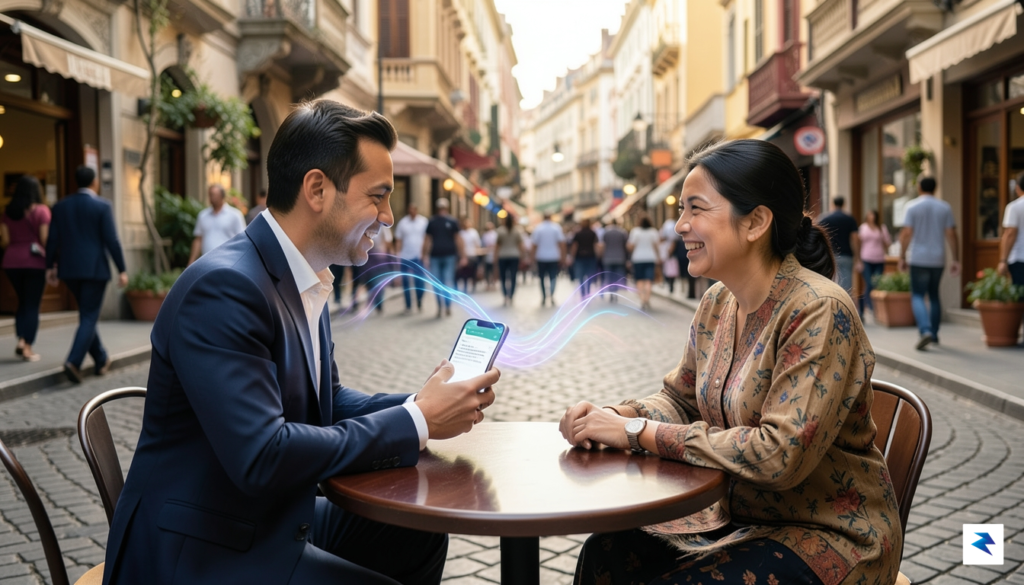
Personal travel and cultural immersion also stand to benefit immensely from this evolution in AI capability. Navigating a foreign country often involves more than just asking for directions; it requires the ability to share stories, understand local customs, and form genuine connections with people from different walks of life. When language is no longer a rigid barrier, travelers can engage in authentic, spontaneous conversations with locals, moving far beyond the scripted exchanges mandated by traditional phrasebooks. This technology enables a deeper kind of exploration, where the user can express their personality, humor, and empathy, knowing that the AI will translate not just the vocabulary, but the spirit of their message.
The true power of this technology is not merely in the translation of words, but in the preservation of the human connection, ensuring that tone and intent travel just as clearly as the message itself.
Ultimately, by removing the friction of manual input and the lag of segmented processing, these voice models invite us to participate in a more interconnected world. We are moving toward a future where language is a gateway rather than a gatekeeper, allowing for a richness of dialogue that respects our diverse linguistic heritage while enabling us to understand one another with unprecedented precision. As these models continue to integrate into our daily lives, they promise to bridge the gap between simple comprehension and true, empathetic communication, regardless of the distance or language that might otherwise stand in our way.

The evolution of AI toward truly natural, conversational voice models marks a profound turning point for digital accessibility. For individuals living with visual impairments, the traditional reliance on screen readers often feels like a sterile, mechanical experience that lacks the nuance of human connection. By mimicking the rhythm, warmth, and cadence of actual human speech, these new models transform the AI from a mere data processor into a responsive companion. This shift allows users to navigate complex software and manage daily tasks through intuitive dialogue rather than laboriously navigating menu hierarchies or deciphering dense text-based feedback.
Beyond visual accessibility, these advancements serve as a vital bridge for individuals with motor skill limitations or conditions that make tactile interaction—such as typing or swiping—difficult or impossible. When technology can interpret intent through vocal inflections and respond with appropriate emotional resonance, it removes the physical barrier between the user and the digital world. This “humanization” of the interface means that users no longer need to adapt their communication style to fit the rigid constraints of a machine; instead, the machine adapts to the natural, idiosyncratic ways in which humans express themselves.
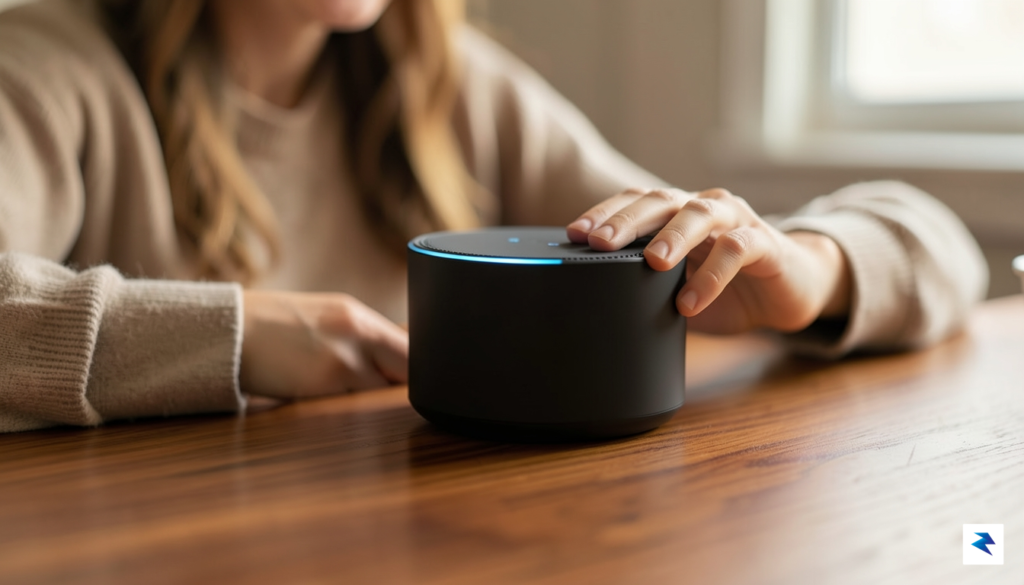
By reducing the friction of traditional input methods, natural voice interaction shifts the focus from “operating a device” to “engaging in a conversation,” significantly lowering the cognitive load required to utilize powerful digital tools.
Reducing cognitive load is perhaps the most understated benefit of this transition toward naturalistic AI. For many, interacting with complex software requires a significant amount of mental energy to translate ideas into the exact, logical syntax that computers typically demand. When an AI can understand conversational flow, tone, and context, it handles the heavy lifting of interpretation, allowing users to focus entirely on the substance of their request rather than the mechanics of the interface. This creates a more inclusive digital landscape where technology empowers users of all abilities to achieve their goals with far less frustration and fatigue, ultimately making the digital realm a more welcoming space for everyone.
As voice technology achieves a level of fidelity that is virtually indistinguishable from human speech, the security landscape must undergo a fundamental transformation. For years, voice biometrics have served as a convenient layer of authentication for banking, secure systems, and private account access, relying on the assumption that a unique vocal signature is difficult to replicate. However, with the emergence of models capable of capturing emotional inflection, breathing patterns, and subtle nuances, these traditional barriers are becoming increasingly porous. Organizations must now look toward multi-factor authentication methods that move beyond the voice alone, as the risk of sophisticated “vishing” (voice phishing) attacks—where bad actors use AI to impersonate authority figures—grows more pronounced. The industry is currently at a crossroads where the convenience of voice-activated security must be weighed against the reality that our vocal identity is no longer a static, immutable password.
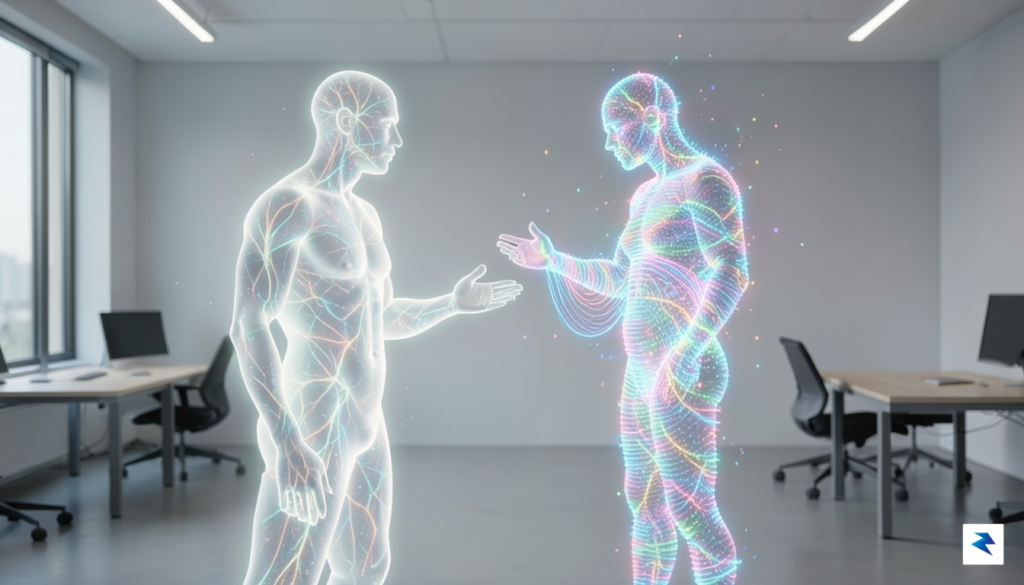
Beyond the security of our data, we must confront the psychological implications of interacting with entities that mimic human empathy with such alarming precision. As these AI models become fixtures in our daily lives, there is a legitimate concern regarding the formation of parasocial bonds—one-sided relationships where users project human qualities onto a digital assistant. When an AI can laugh, hesitate, or offer comforting tones in real-time, the human brain is naturally inclined to attribute intent and companionship to the software, which can lead to social isolation or an unhealthy reliance on synthetic support. We are entering an era where the distinction between a utility and a companion is blurring, necessitating a robust framework for transparency. It is imperative that these systems identify themselves clearly to users, ensuring that people are always aware they are engaging with a machine rather than a sentient peer.
Ultimately, the responsibility rests on both developers and users to cultivate a digital ecosystem where technological advancement does not come at the cost of human authenticity or personal security.
To navigate this transition safely, industry leaders and regulators must collaborate to establish clear guidelines regarding the watermarking of synthetic audio. If society can adopt a standard where AI-generated voices carry an invisible, detectable signature, we can preserve the benefits of natural language interaction while mitigating the threat of malicious deepfakes. Simultaneously, we must encourage digital literacy, teaching users to approach emotionally resonant AI interactions with a healthy degree of skepticism. By fostering an environment of radical transparency and evolving our security protocols, we can embrace the benefits of this naturalistic voice technology without sacrificing the integrity of our personal identities or our real-world social foundations. The future of human-AI dynamics should be defined by empowerment and accessibility, provided we remain vigilant about the psychological and ethical boundaries of our synthetic creations.
You must be logged in to post a comment.