Fired for Efficiency: The Google Workspace CLI Controversy Explained
The Incident: When Innovation Becomes a Liability The tech industry was recently rattled by the case of a Google software engineer whose…
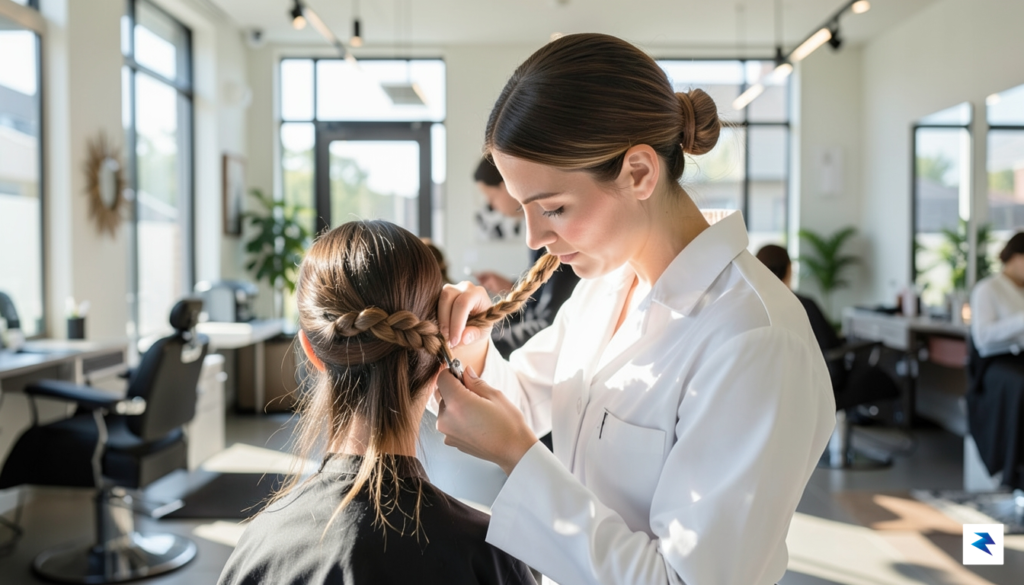
For generations, the hair braiding industry has functioned on a model that is increasingly incompatible with the pace of modern life. The industry standard—often colloquially referred to as the “six-hour appointment”—has long been accepted as a necessary sacrifice for those seeking intricate, protective styles. This duration is not merely an inconvenience; it represents a fundamental bottleneck in the beauty sector, where the manual nature of the craft has remained largely untouched by the digital and mechanical advancements seen in almost every other service-based industry. Both the client and the stylist are effectively held hostage by the constraints of human dexterity, leading to a system defined by scheduling fatigue and limited accessibility.
The physical toll this manual process exerts on professional braiders is often overlooked, yet it is a primary driver of industry burnout. Stylists spend their days hunched over, performing thousands of repetitive, high-tension micro-movements that place immense strain on the wrists, neck, and lower back. Conditions like carpal tunnel syndrome, chronic repetitive strain injuries, and debilitating fatigue are common occupational hazards for professionals who are forced to rely solely on their hands to execute complex patterns. Without a shift toward technological support, the industry risks losing a significant portion of its skilled workforce to physical exhaustion, further widening the gap between the high demand for quality braiding and the limited availability of healthy, sustainable service providers.
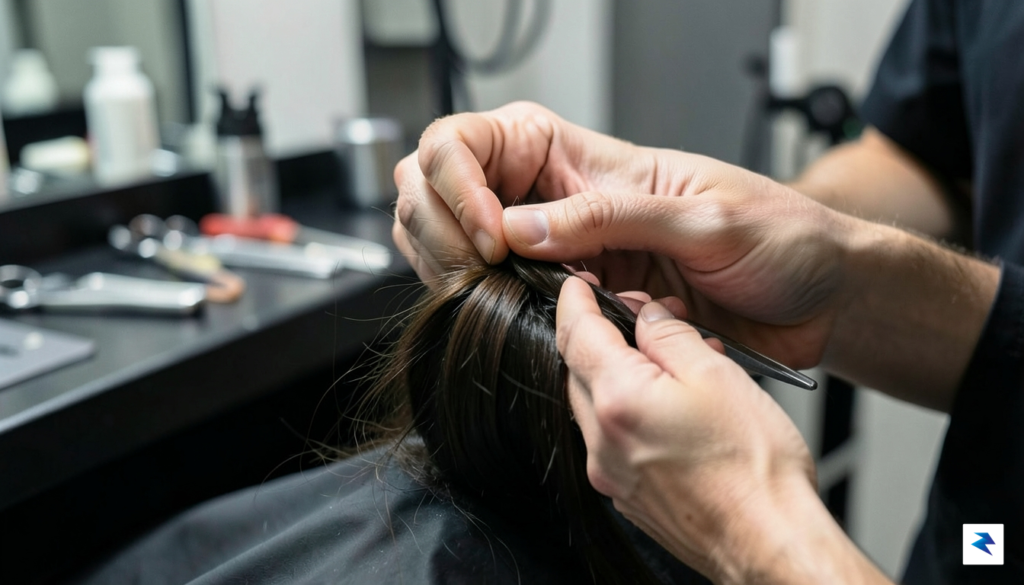
Furthermore, the current demand-supply gap is profound. As braiding evolves from a traditional cultural necessity into a global fashion phenomenon, the market has seen a surge in interest that the existing manual-only model simply cannot scale to meet. Consumers are increasingly seeking efficiency without compromising on the structural integrity or aesthetic quality of their hair, creating a ripe environment for innovation. The beauty industry has historically been slow to integrate automation into services that require a “human touch,” but the braiding sector has reached a tipping point where traditional methods are no longer sufficient to support growth. Technological intervention is no longer a luxury; it is a necessity to bridge the divide between archaic, time-consuming processes and the modern consumer’s expectation for speed, consistency, and professional wellness.
The transition toward tech-enabled braiding is not about replacing the art of the stylist, but rather about removing the physical and temporal barriers that have stifled the industry’s potential for decades.
By reimagining the mechanics of hair styling, we are entering a new era where the focus shifts from the endurance of the stylist to the precision of the output. This evolution promises to transform the salon experience from a day-long ordeal into a streamlined, high-quality service. As we look ahead, the integration of specialized technology serves to protect the health of the practitioners while opening the door for a more inclusive, accessible, and scalable future for hair care.
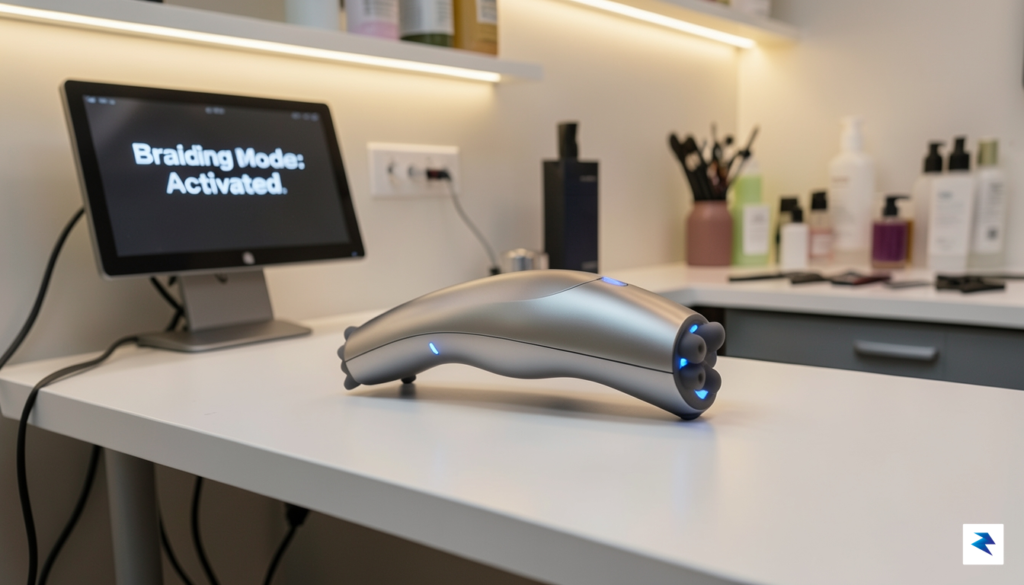
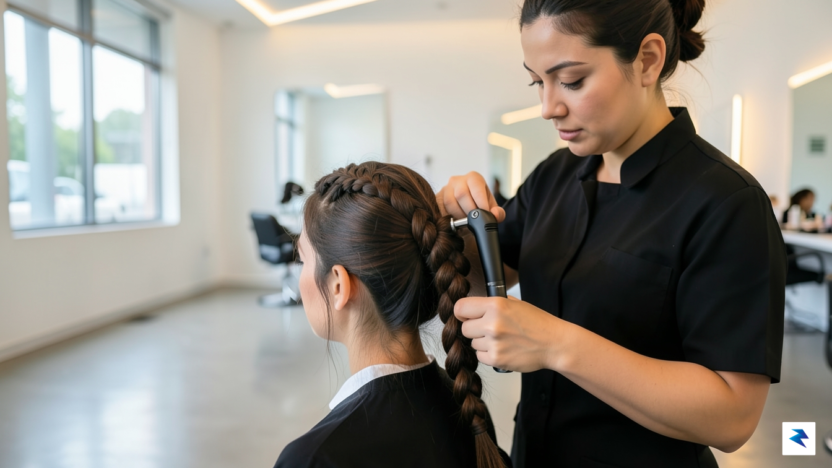
At its core, the HaloBraid device is engineered not as a replacement for the human touch, but as a sophisticated mechanical partner designed to augment the capabilities of professional stylists. By offloading the most physically taxing and repetitive aspects of braiding—the constant, rhythmic manipulation of strands—the device functions as a high-precision assistant that handles the heavy lifting. This design philosophy acknowledges that while the artistry of hair styling is inherently human, the labor-intensive nature of long-form braiding often leads to fatigue and inefficiency. By automating these mechanical motions, the system allows the stylist to focus their attention on parting, sectioning, and the final aesthetic touches that define a premium salon experience.
The technical brilliance of the device lies in its ability to adapt to a vast spectrum of hair textures and lengths, a feat that has historically been the primary hurdle for salon automation. The engineers behind HaloBraid have implemented a proprietary tension-control system that mimics the nuanced grip of a human hand, ensuring that the braid remains uniform without causing unnecessary strain on the scalp. Whether dealing with fine, silky hair or coarse, tightly coiled textures, the device uses sensory feedback loops to adjust its mechanical movements in real time. This ensures that every section is managed with consistent pressure, maintaining structural integrity while preserving the health and natural pattern of the client’s hair.
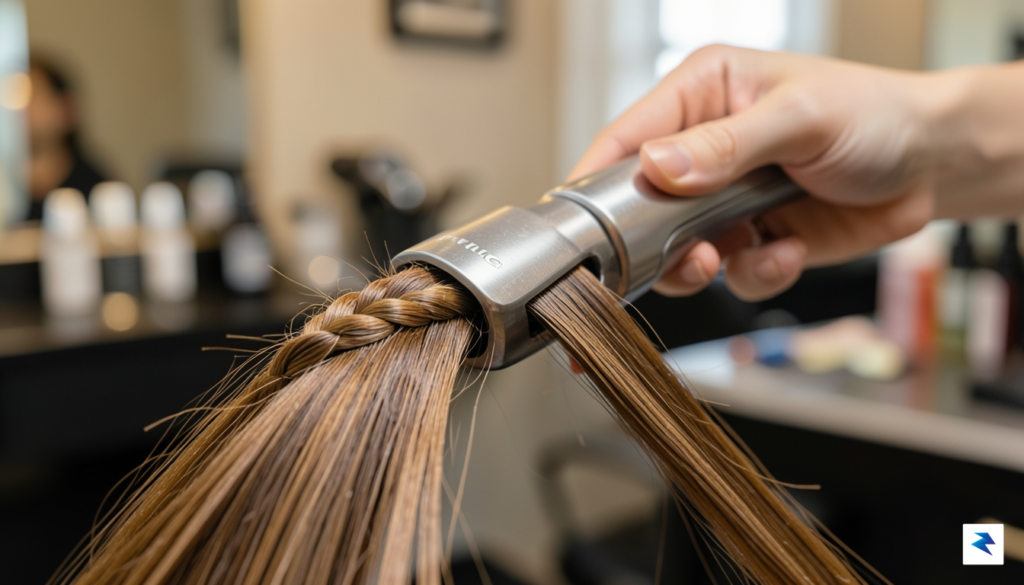
Integrating this technology into the existing salon workflow is a seamless process, designed to complement rather than disrupt the traditional professional environment. Stylists maintain full control over the process, using the device to expedite the repetitive braiding segments while retaining the authority to intervene for styling adjustments or complex pattern variations. This collaboration ensures that quality control remains at the highest level; the machine handles the labor, while the expert handles the vision. By slashing the time required for elaborate styles, salons can effectively double their throughput without sacrificing the bespoke quality their clients expect, ultimately transforming the salon chair from a place of endurance into a place of efficient, high-end service.
The goal of HaloBraid is to liberate the stylist from the clock, allowing them to provide a more comfortable, ergonomic, and creative environment for their clients by automating the mechanical monotony of the craft.
Ultimately, the device serves as a bridge between age-old beauty traditions and modern mechanical efficiency. By standardizing the foundation of the braid, the system ensures that every client receives a consistent result, effectively eliminating the human error that can occur after hours of intricate labor. As this technology becomes a staple in high-volume salons, the industry is poised to see a significant shift in how braiding services are priced and scheduled, marking a new era where professional expertise is amplified by the precision of modern engineering.
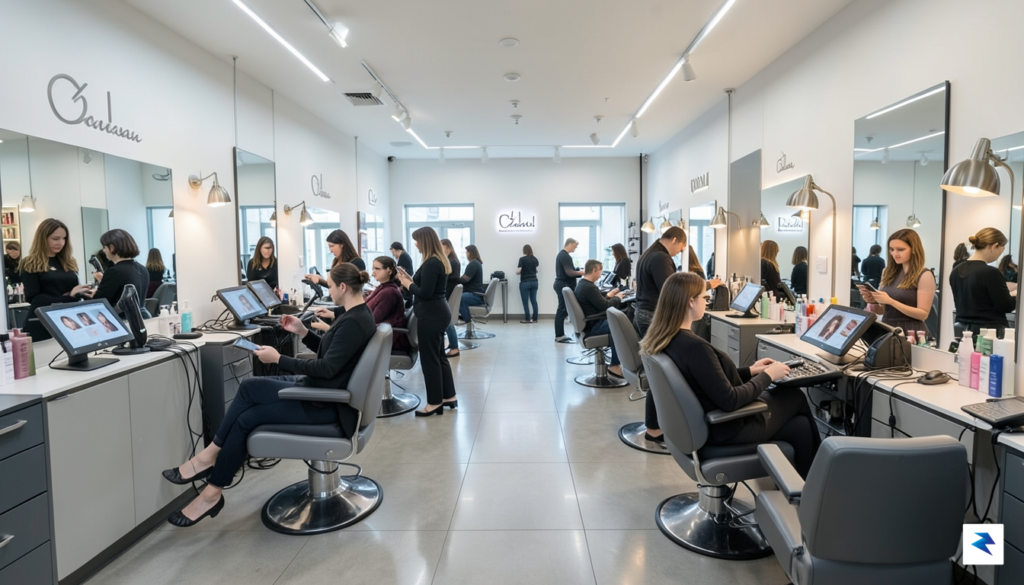
In the bustling world of beauty, time is not just money; it is the ultimate currency. Salon owners and independent stylists continually grapple with the challenge of maximizing their appointment books while delivering meticulous, high-quality services. Historically, intricate braiding styles have represented a significant bottleneck, often tying up a stylist and a salon chair for six hours or more. This extended duration severely limits a salon’s daily capacity, directly impacting potential earnings and operational efficiency. The advent of groundbreaking technology like HaloBraid, however, presents a pivotal shift, transforming this constraint into an unparalleled opportunity for financial growth and enhanced productivity across the entire industry.
By dramatically slashing the time required for complex braiding appointments, HaloBraid directly addresses the core limitation of salon capacity. Imagine a salon that previously could accommodate only two to three extensive braiding sessions per day. With this innovative technology, that same chair and stylist can now potentially serve five to eight clients within the same timeframe, depending on the specific style. This exponential increase in service throughput doesn’t just represent a marginal improvement; it unlocks a profound new revenue potential. More appointments mean a higher volume of transactions, translating into significantly greater daily, weekly, and monthly earnings for the salon, without needing to expand physical space or extend operating hours.
The economic benefits extend directly to the individual stylists as well, offering a clear path to increased personal income. An independent stylist, no longer limited by the laborious hours required for traditional braiding, can now complete a greater number of high-value services each day. This enhanced productivity means more clients served, more service fees collected, and consequently, a substantial boost in their take-home pay. For many stylists, this translates into achieving higher earning targets without the physical strain of longer workdays, fostering greater job satisfaction and professional longevity. The ability to manage a denser appointment schedule also provides stylists with increased flexibility and control over their income potential.
Beyond direct revenue generation, integrating such efficiency technology into salon operations also contributes to a significant reduction in overhead costs and an overall improvement in operational efficiency. Longer appointments incur higher utility costs, from electricity for lighting and styling tools to water for shampooing and rinsing. Furthermore, the opportunity cost of a salon chair being occupied for half a day is substantial; that chair could be generating revenue from other, quicker services. By optimizing service durations, salons can reduce their per-client operational expenditures, streamline scheduling, and ensure that valuable resources—both human and material—are utilized to their fullest potential, minimizing idle time and maximizing profitability.
Finally, the ability to offer faster, high-quality braiding services is a powerful tool for client retention and market expansion. In today’s fast-paced world, many potential clients might shy away from intricate styles due to the extensive time commitment involved. HaloBraid removes this barrier, making beautiful, complex braids accessible to busy professionals, parents, and anyone with a demanding schedule. Happier clients who experience quicker, more convenient services are more likely to become repeat customers and enthusiastic advocates, driving organic growth through word-of-mouth referrals. This competitive advantage not only secures existing clientele but also broadens the salon’s appeal to an entirely new demographic, solidifying its position as a modern, client-centric beauty destination.
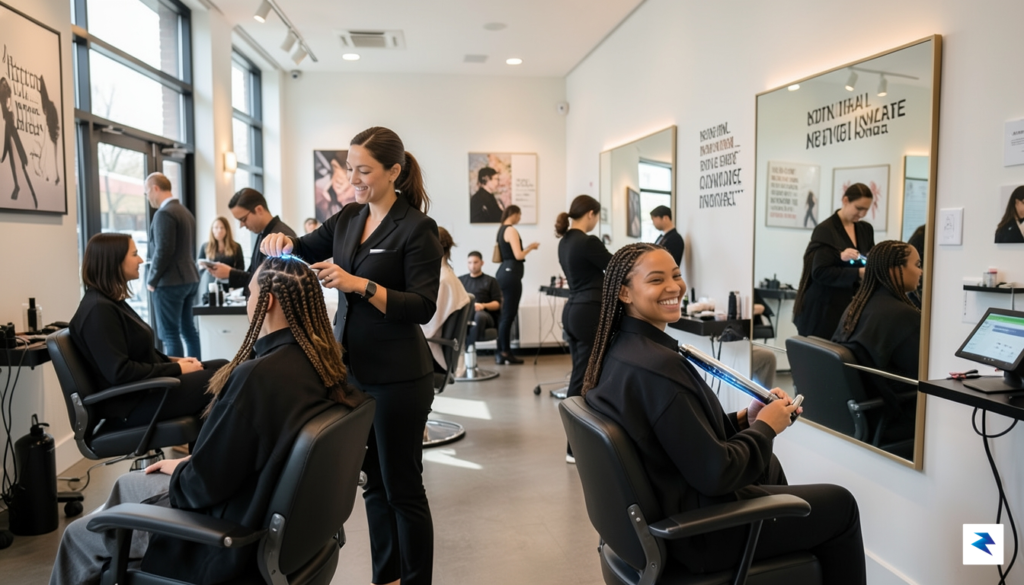
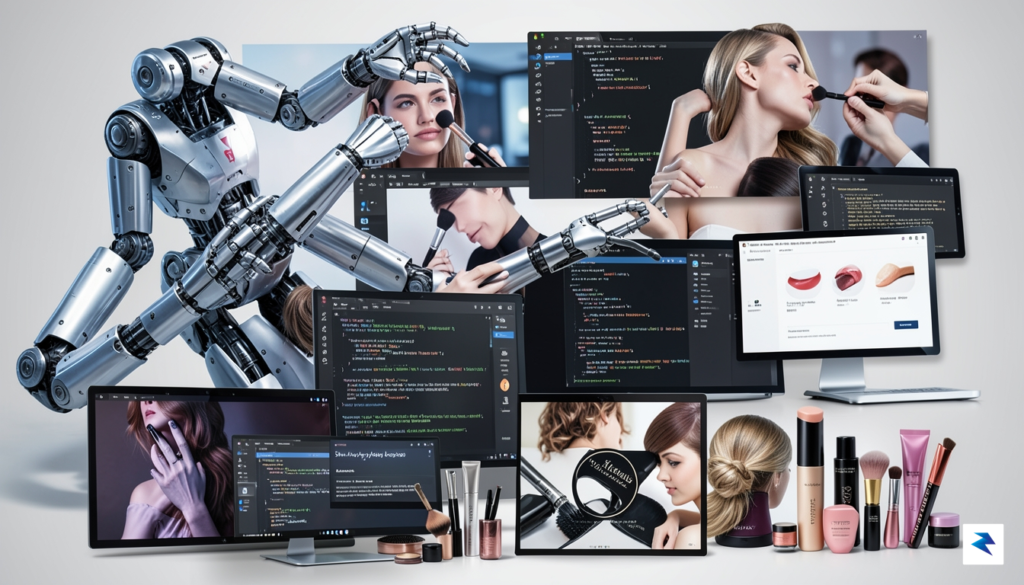
The beauty industry is currently undergoing a structural metamorphosis, shifting from a sector defined primarily by digital marketing and e-commerce apps toward a new frontier of hardware-driven physical transformation. For decades, personal care services like braiding, cutting, and styling have remained largely manual, labor-intensive crafts that have resisted the efficiency gains seen in other service sectors. However, venture capital firms are increasingly recognizing that the next “unicorn” in beauty won’t just be another platform for booking appointments; it will be the technology that fundamentally alters how those services are delivered. By injecting capital into companies that integrate robotics and automation into the salon chair, investors are betting on a future where consistency, speed, and precision become the new standards of the consumer experience.
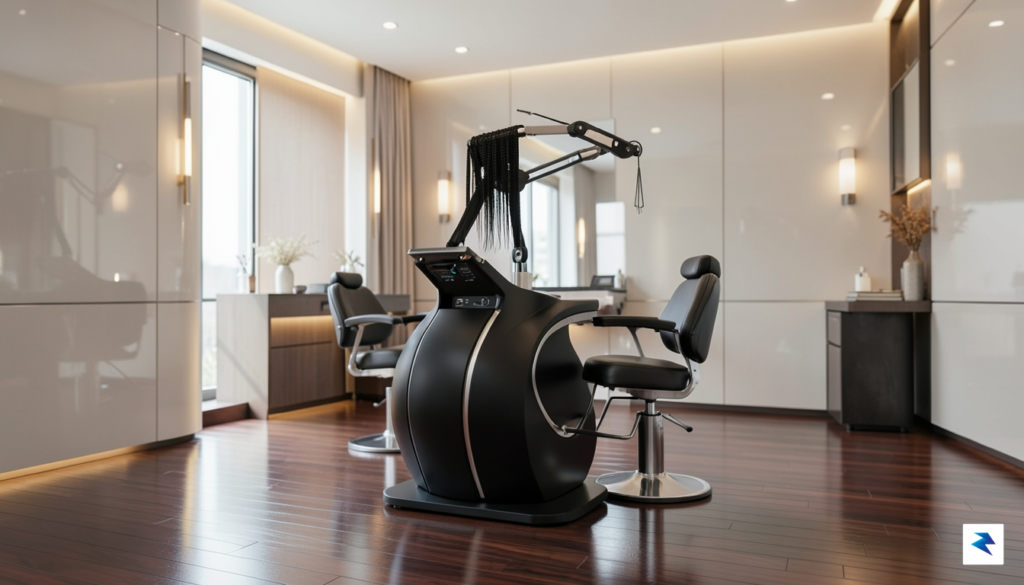
This trend parallels the broader movement toward “robotics-assisted” personal services, which we have already witnessed in fields ranging from automated coffee preparation to precision medical procedures. Just as automation has allowed for a higher degree of repeatability and time-saving in specialized tasks, hardware like HaloBraid’s technology seeks to alleviate the physical strain on stylists while simultaneously reclaiming hours of time for the client. The traditional six-hour salon appointment is an artifact of a bygone era, one that fails to align with the demands of the modern, time-strapped consumer. By offloading repetitive, technically demanding manual labor to specialized machinery, salons can evolve into hybrid spaces where technology handles the foundational work, allowing human stylists to shift their focus toward high-value creative consulting and personalized care.
The integration of robotics into the salon isn’t about replacing the human touch; it’s about amplifying the capabilities of the stylist and providing a better, more efficient service for the modern client.
Looking ahead to the next decade, we can expect this shift toward automation to redefine the very culture of salon spaces. As these technologies mature, the barrier to entry for complex, time-consuming styles will drop significantly, democratizing access to high-end beauty treatments that were previously cost-prohibitive or physically exhausting for the average person to maintain. Furthermore, this transition will likely push salon owners to upgrade their infrastructure, turning traditional shops into tech-forward hubs that leverage data and precise engineering to deliver reliable results every single time. As venture capital continues to pour into this vertical, we are witnessing the birth of an era where the “experience” of a beauty appointment is no longer synonymous with waiting; instead, it is becoming a streamlined, modern service that respects the client’s most valuable asset: their time.
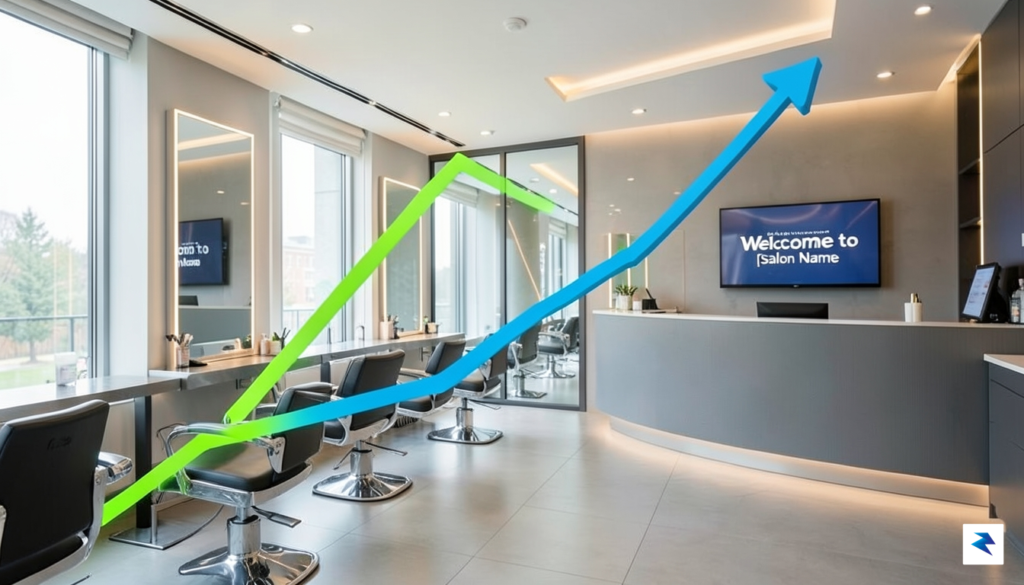
The recent $7 million funding round led by Seven Seven Six marks a significant milestone in the venture capital landscape, specifically highlighting a growing appetite for hardware-driven innovation within the beauty sector. Alexis Ohanian’s firm, known for its strategic focus on technologies that challenge legacy industries, recognizes that the traditional hair salon experience has remained largely stagnant for decades. By backing HaloBraid, Seven Seven Six is signaling that the path to true scalability in beauty lies not just in software apps or digital marketing, but in engineering solutions that fundamentally alter how services are performed. This investment reflects a broader institutional confidence that high-touch, labor-intensive industries are prime candidates for technological disruption.
Investors are increasingly pivoting toward what many once considered “boring” or traditional service industries because these sectors possess high, consistent demand that remains immune to the volatility of purely digital trends. While tech-heavy SaaS platforms often struggle with customer acquisition costs, the beauty industry benefits from a built-in, recurring customer base that values time and convenience above all else. By applying modern robotics and hardware precision to the complex task of braiding, HaloBraid is effectively bridging the gap between artisan-level craftsmanship and industrial efficiency. This shift represents a move toward the “industrialization of services,” where the goal is to standardize the quality of a luxury treatment while drastically reducing the time commitment required from the consumer.
The marriage of precision hardware and beauty services isn’t just about speed; it’s about unlocking a new category of scalability that allows providers to serve more clients without sacrificing the integrity of the work.
Looking ahead, the roadmap for HaloBraid is focused on a rigorous product launch strategy that prioritizes both technical reliability and user experience. The capital infusion will be directed toward refining their proprietary hardware, expanding manufacturing capabilities, and establishing a presence in key urban markets where the demand for time-saving beauty solutions is highest. As the company transitions from the prototype phase to full-scale market deployment, the focus will remain on proving that automated assistance can coexist with, and even elevate, the role of human stylists. By removing the repetitive, time-consuming aspects of the process, HaloBraid aims to empower salon professionals to focus on creative customization rather than grueling manual labor, ultimately setting a new standard for the modern salon environment.
You must be logged in to post a comment.