
CBS News and the Missing Ombudsman: Why Silence During the 60 Minutes Crisis Matters
The Role of the Ombudsman in Modern Journalism Historically, the news ombudsman served as a vital, independent bridge between a news…


For nearly four decades, the International Brotherhood of Teamsters functioned as a primary target of federal law enforcement, operating under a 1989 consent decree that fundamentally altered the union’s internal operations. This landmark legal agreement was born out of a massive civil racketeering lawsuit aimed at purging decades of influence by organized crime syndicates, which had long infiltrated the highest echelons of the union’s leadership. By subjecting the Teamsters to a rigid framework of court-appointed oversight, the federal government sought to ensure that the voice of the rank-and-file worker would no longer be stifled by corrupt interests, effectively installing an external watchdog over one of the most powerful labor organizations in American history.
The primary mechanism for this transformation was the Independent Review Board (IRB), a body tasked with investigating allegations of misconduct, financial impropriety, and improper associations with criminal elements. Over the years, this oversight evolved into a sophisticated monitoring system that maintained rigorous checks on union elections and internal disciplinary procedures. Because of this intervention, the union was forced to professionalize its governance and implement internal reforms that were once deemed impossible. This long-standing presence of federal monitors became a permanent fixture of the labor landscape, creating an environment where every major decision or election was subject to potential scrutiny from outside authorities.
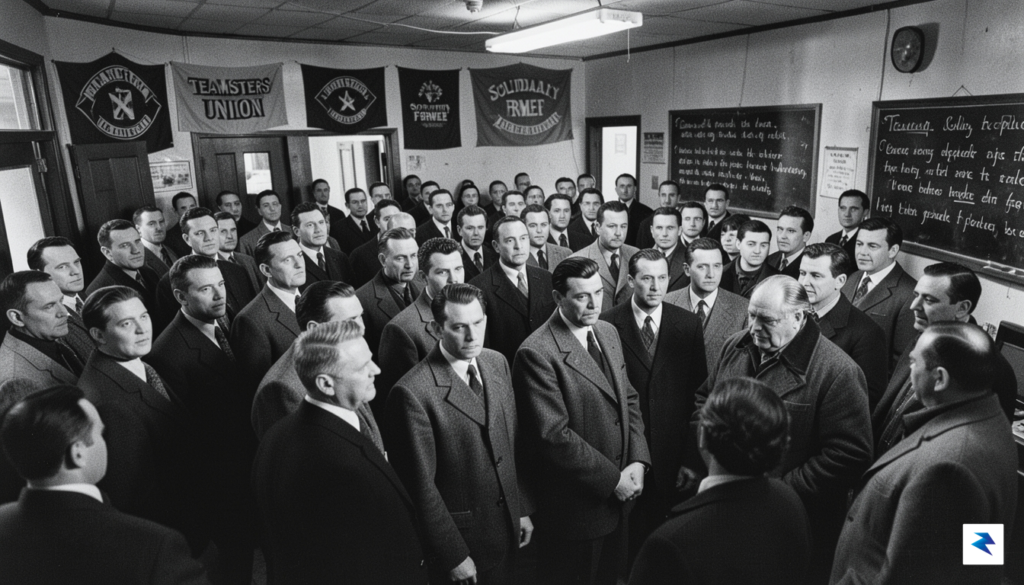
The recent decision to terminate this federal oversight represents a profound shift in power dynamics, signaling a move from external accountability toward full self-governance. By transitioning away from the consent decree, the government is essentially betting that the internal reforms solidified over the last thirty-five years have become deeply embedded in the union’s cultural DNA. This shift is not merely a bureaucratic adjustment; it is a test of whether the modern Teamsters leadership can uphold the standards of integrity and transparency without the constant threat of federal intervention. As the union regains full control over its own affairs, the labor community is left to grapple with the reality that the primary responsibility for preventing corruption now rests entirely on the shoulders of the membership and its elected representatives.
The conclusion of this oversight program serves as a milestone in American labor history, marking the end of a unique experiment in federal monitoring that redefined the relationship between organized crime, the justice system, and the American worker.
Ultimately, the significance of this move lies in the newfound autonomy granted to the Teamsters. While supporters argue that the union has successfully purged its past, critics and skeptics remain watchful, wondering if the removal of the oversight apparatus might eventually lead to a regression in democratic norms. The history of the 1989 decree will remain a central point of reference for labor historians, serving as a cautionary tale about the vulnerability of unions to external exploitation and a testament to the effectiveness of structural reform. Moving forward, the success of this transition will be measured by the union’s ability to foster a culture of accountability that persists even in the absence of the monitors who once stood as the final barrier against corruption.
At the heart of this transition lies the strategic maneuvering of Teamsters President Sean O’Brien, whose ascent to leadership was built upon a platform of modernizing the union’s image and restoring its autonomy. During his campaign, O’Brien argued vehemently that the long-standing federal consent decree—a relic of a bygone era defined by corruption and organized crime influence—had become an unnecessary burden that hindered the union’s ability to function as a modern labor powerhouse. By positioning the termination of this oversight as a primary goal of his presidency, O’Brien sought to demonstrate that the Teamsters had evolved into a transparent, democratic institution capable of self-policing its own affairs without the intervention of government monitors.
To achieve this, O’Brien leaned into an unconventional political strategy, engaging directly with the Trump administration to present a case for administrative modernization. Rather than relying on traditional litigation, O’Brien leveraged his rapport with President Trump to frame the oversight issue as a matter of organizational maturity and national labor policy. This direct line of communication proved instrumental in shifting the federal perspective; the administration eventually accepted the argument that the union had successfully purged its bad actors and installed rigorous internal safeguards. Consequently, this alignment between the labor leader and the executive branch signaled a significant pivot in how federal authorities interact with organized labor, prioritizing the union’s internal integrity reforms over historical bureaucratic suspicion.

The political implications of this alliance are profound, creating a complex narrative for the broader labor movement. Critics and supporters alike have scrutinized the relationship, questioning whether the end of federal oversight represents a genuine triumph of internal reform or a risky political bargain. However, for O’Brien, the move was essential to unshackling the union from decades of legal scrutiny, allowing the leadership to focus resources on organizing and collective bargaining rather than costly compliance measures. By successfully navigating these high-stakes negotiations, O’Brien has cemented his legacy as a leader who pushed the Teamsters into a new chapter of independence, though the long-term impact on the union’s governance remains a subject of intense interest for labor observers.
The termination of the consent decree is not merely a bureaucratic victory; it is a declaration of maturity for the Teamsters, signaling that the union is ready to govern itself in a new, modern era of labor relations.
Ultimately, this shift highlights the power of pragmatic coalition-building in the modern political landscape. Whether this move will serve as a template for other unions seeking to shed federal mandates remains to be seen, but the Teamsters’ experience demonstrates that change often requires a combination of internal institutional transformation and the willingness to engage with political power structures that exist outside the traditional labor-management paradigm.
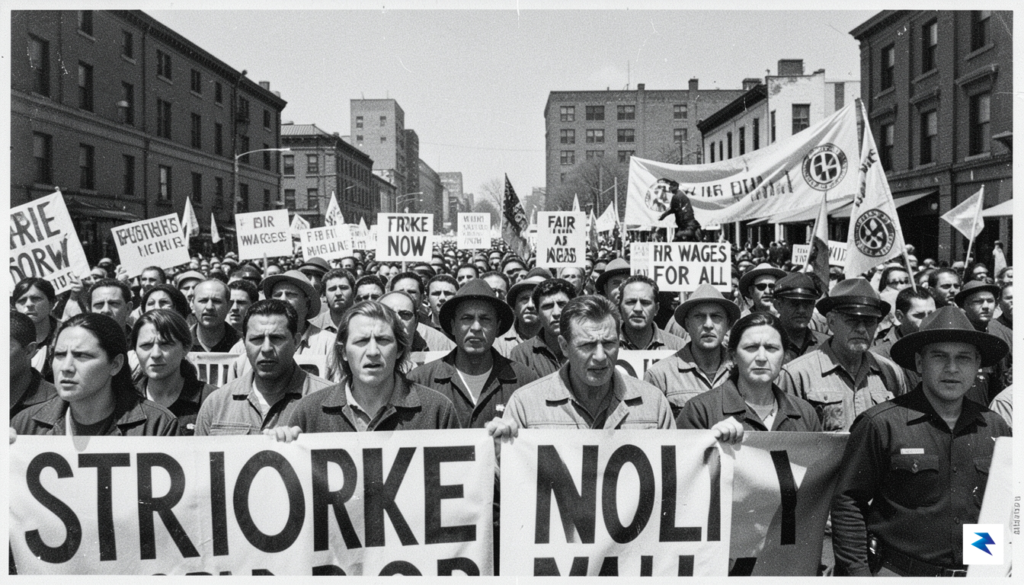
To understand the gravity of the current shift in federal supervision, one must first confront the reality of the Teamsters as they existed in the mid-20th century. For decades, the International Brotherhood of Teamsters served as a primary vehicle for organized crime to infiltrate the American economy. Through the control of massive pension funds and the power to paralyze key transportation hubs, mob figures exerted an influence that reached far beyond the picket line. The corruption was systemic, effectively turning a labor institution into a shadow organization that prioritized the interests of the La Cosa Nostra over the well-being of its own membership.
By the late 1980s, the federal government had reached a breaking point, concluding that internal reform was impossible due to the deep-seated nature of this infiltration. In 1988, the Department of Justice filed a landmark civil lawsuit under the Racketeer Influenced and Corrupt Organizations (RICO) Act, alleging that the union’s leadership had effectively surrendered its autonomy to organized crime families. The lawsuit painted a damning picture of rigged elections, the systematic looting of local treasuries, and the violent suppression of dissenters who dared to challenge the status quo. This litigation did not merely target a few rogue actors; it was an existential challenge to the entire governance structure of the union.
The resulting 1989 consent decree was a revolutionary legal intervention designed to sever these illicit ties once and for all. This settlement imposed a level of federal scrutiny never before seen in American labor history, effectively placing the union under a judicial microscope. Key mechanisms included:
The 1989 consent decree represented the most significant federal intervention in the affairs of a labor union, aiming to transition the Teamsters from a compromised entity into a transparent, member-driven institution.
Over the subsequent decades, these rigorous oversight measures successfully purged hundreds of mob-connected officials and fundamentally altered the culture of the union’s leadership. What began as a desperate attempt to excise a cancer of corruption eventually paved the way for a more accountable labor organization. However, the legacy of that era remains a cautionary tale of how easily institutional power can be subverted when oversight fails. As the federal government now steps back, the history of this decree serves as a reminder of the vigilance required to protect the interests of the working class against those who would exploit their collective strength for personal or criminal gain.

The departure of federal oversight marks a pivotal transition for the International Brotherhood of Teamsters, shifting the burden of institutional integrity from government-appointed monitors to the union’s own internal mechanisms. While the union’s current leadership maintains that they have successfully institutionalized robust ethical safeguards and internal investigative processes, the transition has not been without its detractors. Critics, including veteran labor activists and former federal monitors, argue that the decades of oversight served as a vital structural buffer against the return of entrenched power imbalances. They contend that without the threat of external intervention, the union risks drifting back toward historical vulnerabilities where dissent was stifled and transparency was treated as an optional luxury rather than a core requirement.
The primary concern among watchdog groups is the potential emergence of an accountability vacuum. Even with constitutional amendments designed to protect local autonomy and ensure fair elections, these rules are only as effective as the willingness of leadership to enforce them. Former oversight officials have cautioned that the cultural change within the union must be deep enough to withstand the pressures of internal politics, which often favor centralized control over democratic participation. If the internal disciplinary boards lack the teeth or the political independence to challenge high-ranking officials, the safeguards meant to replace federal intervention could effectively become symbolic, leaving the rank-and-file without a meaningful path for recourse when grievances arise.
Ultimately, the future of the union’s democratic health rests squarely on the shoulders of its membership. The true test will be whether the rank-and-file can maintain a vigilant culture of engagement that forces leadership to remain accountable to the shop floor. This requires a sustained commitment to active participation in local elections, attendance at union meetings, and a dedication to the rigorous oversight of pension funds and collective bargaining practices.
The resilience of a union is not found in its bylaws alone, but in the active, informed, and persistent participation of the members it represents.
If the membership remains passive, the structural protections now in place may prove insufficient to prevent the backsliding that many fear. However, if the culture of democratic vigilance takes firm root, the end of federal oversight could serve as a genuine coming-of-age moment for the Teamsters, proving that the organization is capable of self-governance without the need for external policing. Whether this transition leads to a more empowered, transparent labor movement or a return to insular power structures remains the defining question of this new era.
The dissolution of the federal consent decree marks a watershed moment in the landscape of American labor relations, signaling a pivotal shift in the government’s appetite for long-term institutional intervention. For decades, the presence of federal monitors within the International Brotherhood of Teamsters served as a constant reminder of the state’s authority to intervene when private organizations succumb to internal corruption. By choosing to terminate this oversight, the federal government is effectively signaling a transition toward a “self-policing” model, where the burden of integrity is placed squarely on the shoulders of union leadership and their internal democratic processes. This decision will undoubtedly send ripples through other labor organizations currently navigating similar regulatory arrangements, potentially emboldening them to seek their own pathways to independence from federal scrutiny.

From a legal standpoint, the termination of this decree establishes a compelling precedent regarding the temporal limits of government monitoring. Historically, these interventions were viewed as necessary, albeit intrusive, measures to safeguard members’ rights and ensure democratic fairness. However, by setting a clear exit strategy after decades of progress, the government is acknowledging that federal oversight cannot—and perhaps should not—be a permanent fixture in the private sector. Legal scholars and labor experts are now closely watching how this exit affects the broader accountability framework. If other unions successfully leverage this precedent to shed their own oversight, the federal government may find itself with significantly reduced leverage in future cases of institutional malfeasance, forcing a reevaluation of how authorities combat systemic corruption without resorting to indefinite monitoring.
The shift from external supervision to internal accountability represents a fundamental gamble: it trusts that the mechanisms of union democracy are now robust enough to resist the influences that necessitated the original intervention.
Ultimately, the departure of federal monitors leaves the labor community at a crossroads, balancing the virtues of organizational autonomy against the persistent need for accountability. While the Teamsters’ leadership views this autonomy as a hard-won victory for sovereignty, critics argue that the removal of independent eyes could invite complacency or the gradual return of old vulnerabilities. The success or failure of this transition will serve as a bellwether for future government-private sector relationships. If the union maintains its integrity through its own internal checks and balances, this move will be hailed as a successful model of deregulation. Conversely, should issues resurface, it may be viewed as a reckless experiment that prioritized institutional independence over the fundamental protection of the rank-and-file membership. The coming years will reveal whether this “self-policing” standard is a viable path forward or a risky departure from necessary guardrails.
You must be logged in to post a comment.