
Tesla Texas Crash: Evaluating the Role of Driver Input and FSD Technology
Understanding the Tesla Texas Crash Controversy The tragic collision involving a Tesla Model 3 and a private residence in Texas has ignited a…
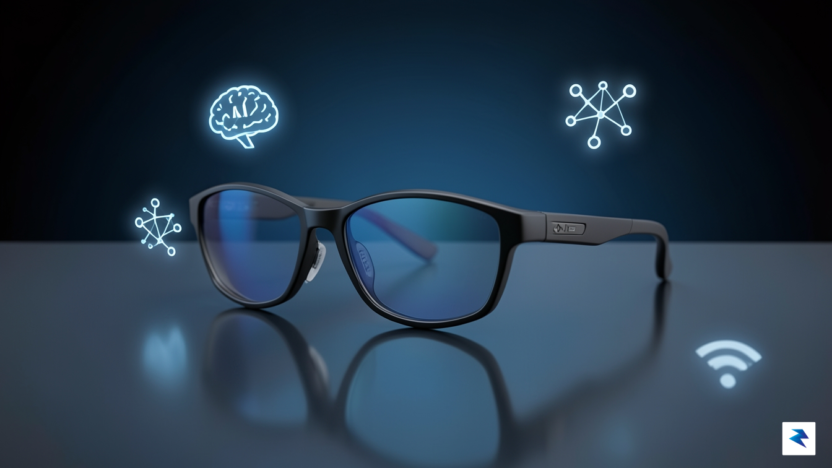
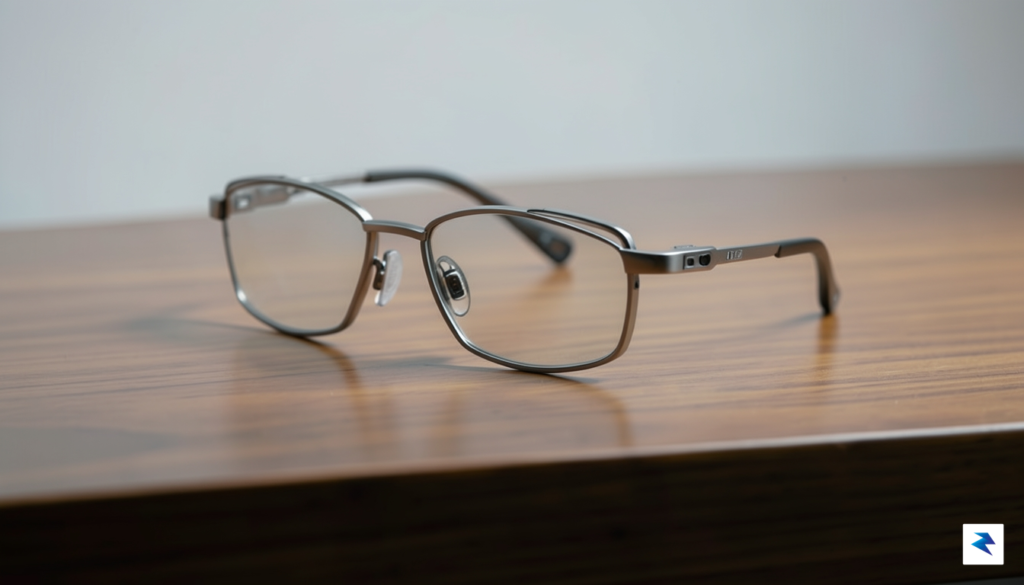
Meta’s journey into wearable technology has seen a notable evolution, transitioning from initial, more experimental collaborations to a clear strategic pivot towards mass-market adoption. The introduction of its new, more affordable smart glasses under the Meta brand marks a significant departure from the earlier Ray-Ban Meta Stories, which, while innovative, served primarily as a testing ground for integrating digital capabilities into everyday eyewear. This latest iteration signals a deliberate move away from high-end, niche hardware designed for early adopters, towards consumer technology that aims to be accessible and ubiquitous. By taking the branding fully in-house and focusing on a more competitive price point, Meta is laying the groundwork for a broader appeal, positioning its smart glasses as a viable, everyday accessory rather than a luxury gadget.
This strategic shift is rooted in the powerful business logic of democratizing smart eyewear. Lowering the barrier to entry, both in terms of cost and perceived complexity, is crucial for Meta to achieve its ambitious goal of dominating the wearable computing space. The company understands that widespread adoption hinges on accessibility, making these devices affordable enough for a significant segment of the global population. Furthermore, by integrating enhanced audio, improved camera capabilities, and more seamless AI interaction directly into the glasses, Meta is not just selling a device; it’s cultivating an ecosystem. This approach mirrors the trajectory of smartphones, where initial high costs gave way to affordability, ultimately leading to unparalleled market penetration and cementing their role as indispensable tools for daily life.
Crucially, Meta is placing a significant bet on smart glasses over virtual or augmented reality headsets for long-term, daily AI interaction. While headsets like the Quest offer profound immersive experiences, their current form factor often limits them to specific use cases, tending to isolate users from their immediate physical environment. Smart glasses, conversely, are designed for constant, unobtrusive integration into daily life, allowing users to remain present and engaged with the world around them while still benefiting from real-time digital assistance. They offer a more socially acceptable and physically comfortable way to access AI, capture moments, and interact with information hands-free, making them ideal candidates for becoming ubiquitous AI companions that seamlessly augment reality without overshadowing it. This distinction is vital for Meta’s vision of ambient computing, where technology fades into the background, always available but never intrusive.
Ultimately, Meta’s long-term vision for these smart glasses transcends mere photographic or audio capabilities; they represent the company’s commitment to a future where artificial intelligence is a constant, helpful presence in our daily lives. By making these devices affordable and integrating them seamlessly into everyday routines, Meta aims to transform how we interact with information, communicate, and experience the world. These glasses are designed to be a gateway to a more interconnected, digitally enhanced reality, serving as a primary interface for future AI models that can provide real-time information, translate languages, offer contextual assistance, and even facilitate more intuitive social interactions. This strategic pivot is not just about selling more hardware; it’s about establishing the foundational layer for Meta’s next era of computing, deeply embedded in the fabric of daily human experience.

Meta’s latest smart glasses represent a significant pivot in wearable technology, moving decisively away from the bulky, overt gadgetry of previous generations and even their own Quest headsets. The core design philosophy here is one of seamless integration and everyday wearability, meticulously crafted to resemble traditional eyewear while subtly embedding advanced technology. This approach prioritizes aesthetics and comfort above all else, ensuring that users can wear these glasses throughout their day without feeling self-conscious or burdened by an unconventional device. The objective was clear: create smart glasses that blend effortlessly into daily life, making the technology virtually invisible.
A crucial aspect of achieving this goal is the physical form factor, which has been engineered to be remarkably lightweight and comfortable for extended periods. Weighing in at a mere 48 grams, these glasses are only slightly heavier than many standard prescription frames, a testament to Meta’s commitment to user comfort. The frames are constructed from high-quality, durable materials that feel premium to the touch, balancing robustness with a featherlight presence on the face. Thoughtful design choices, such as optimized weight distribution and comfortable nose pads, minimize pressure points, allowing for true all-day wear without discomfort. This ergonomic excellence ensures that the smart features enhance, rather than hinder, the natural experience of wearing glasses.
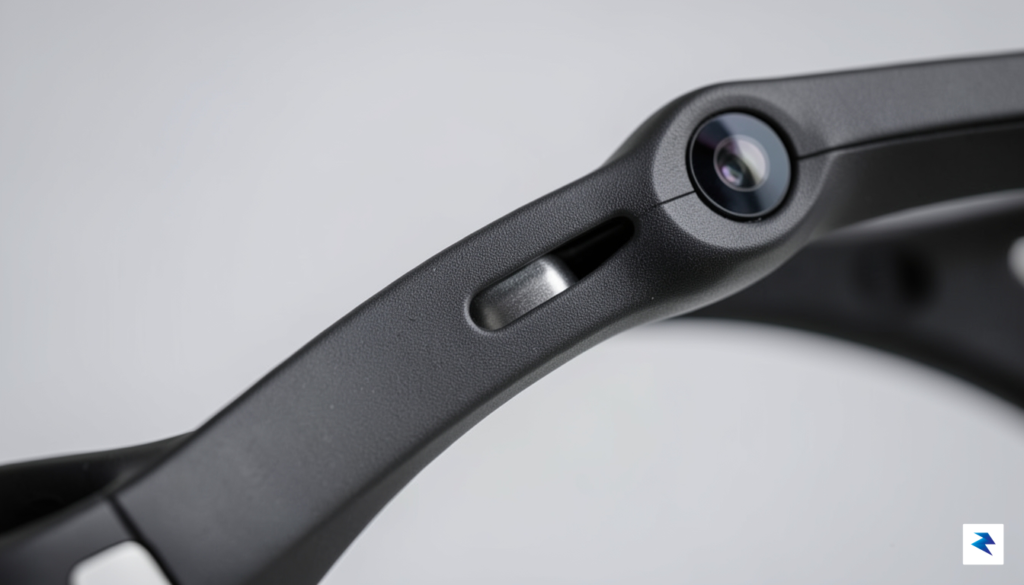
Beneath the familiar exterior lies a sophisticated array of miniaturized electronics, seamlessly integrated without adding bulk or compromising the sleek lines of the frames. The engineering challenge involved packing high-quality cameras, microphones, and speakers into temples no thicker than those on conventional glasses. For instance, the ultra-wide 12MP camera is discreetly placed to capture high-resolution photos and 1080p videos from a first-person perspective, while five integrated microphones enable clear voice commands and superior audio recording. Furthermore, open-ear speakers are cleverly built into the temples, directing sound towards the user’s ears while minimizing leakage, allowing for private audio experiences and natural conversations simultaneously. This meticulous integration highlights a significant leap in miniaturization technology.
Customization also plays a pivotal role in these glasses’ appeal, as Meta offers a variety of lens options and color palettes to suit individual styles and needs. Users can choose from prescription lenses, polarized sunglasses, or transitional lenses, ensuring practical utility beyond their smart features. The frames themselves come in a range of sophisticated colors and finishes, allowing individuals to select a pair that complements their personal aesthetic, further cementing their status as a fashion accessory rather than a mere gadget. This blend of personalized style and cutting-edge functionality is key to their mass-market appeal, inviting a broader audience to embrace smart eyewear.
Despite their accessible price point, the build quality and durability have not been overlooked. The glasses boast an IPX4 water resistance rating, offering protection against splashes and light rain, making them suitable for various everyday activities. This robust construction ensures that while the technology is advanced, the physical product remains resilient enough for daily wear and tear. Meta has carefully balanced material choices and manufacturing processes to deliver a product that feels substantial and well-made, defying expectations often associated with more budget-friendly tech. Ultimately, the new smart glasses stand as a testament to intelligent engineering trade-offs, providing high-quality optics, reliable battery life, and a comfortable, stylish design without the prohibitive cost typically associated with such integrated devices.

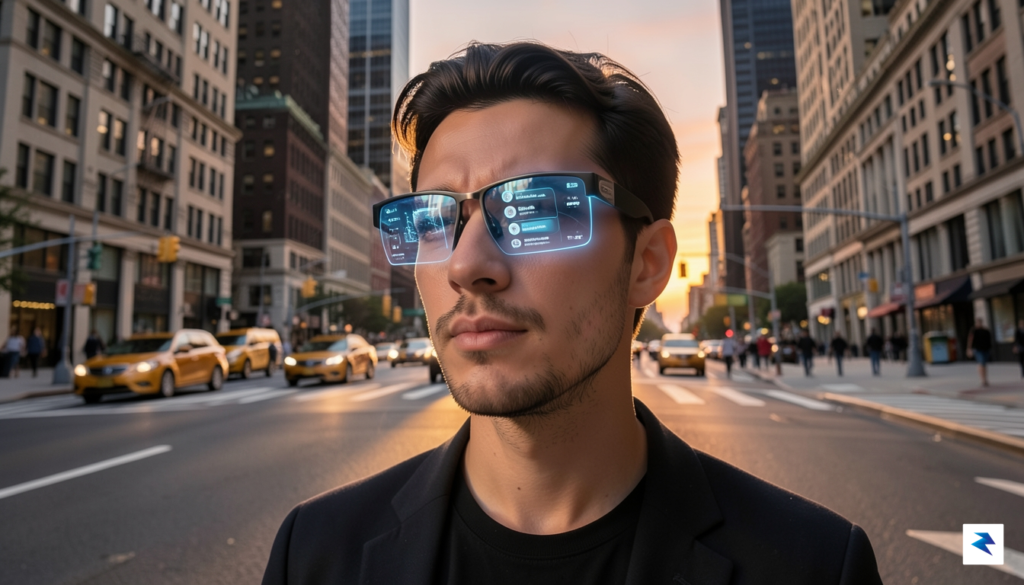
While the sleek new hardware provides a compelling foundation, the true transformative power of Meta’s latest smart glasses lies not just in their physical form, but in the sophisticated, multimodal AI engine that breathes intelligence into them. These glasses are designed from the ground up to be an AI-first interface, fundamentally shifting the paradigm from a mere camera to a proactive digital assistant embedded seamlessly into your visual and auditory world. They represent a significant leap towards a future where technology doesn’t just respond to commands, but actively understands and assists, bridging the gap between the user, their environment, and the vast expanse of digital information in real-time.
At the core of this experience is a highly intuitive voice-command interface, allowing users to interact with the device naturally and hands-free. Instead of fumbling with screens or buttons, a simple spoken prompt can initiate a call, snap a photo, or begin a live stream. This natural language processing is robust enough to understand context and intent, making interactions feel less like talking to a machine and more like conversing with a knowledgeable assistant. This constant, effortless access to information and capabilities ensures that users can remain engaged with their physical surroundings while simultaneously tapping into the digital realm, whether it’s for quick queries or more complex tasks.
However, the AI’s capabilities extend far beyond just understanding spoken words; it possesses the unique ability to “see” and interpret the world through the glasses’ integrated camera. This visual environment analysis transforms the device from a passive recorder into an active observer and interpreter. Imagine walking through a new city and asking the glasses to identify a landmark, translate a menu in real-time, or even provide directions based on what you’re looking at. The AI can process visual data, recognize objects, text, and even faces (with appropriate privacy considerations), providing instant, contextual information directly to the user. This “Look and Ask” functionality fundamentally redefines how we interact with information about our surroundings, making the invisible visible and the unknown knowable with unprecedented ease.

Beyond direct inquiries, the software deftly handles multitasking and notifications, ensuring information is delivered efficiently without becoming overwhelming. The AI intelligently filters and prioritizes alerts, displaying subtle visual cues or auditory prompts that keep the user informed without disrupting their current focus. Whether it’s a new message, an upcoming calendar event, or a relevant piece of information related to what the user is currently viewing, the system strives to deliver it in the least intrusive yet most effective manner possible. This delicate balance of visibility and discretion is crucial for an AI interface that is meant to augment, not distract from, real-world interactions.
Crucially, the responsiveness of this multimodal AI engine is paramount for real-world usability. Meta has focused heavily on optimizing the speed and minimizing the latency of AI responses. From the moment a voice command is given or a visual query is initiated, the processing happens almost instantaneously, delivering results within milliseconds. This low-latency performance is vital for applications like real-time translation, navigation assistance, or quick information lookups, where delays would undermine the seamless, hands-free experience. The goal is to make the AI feel less like a tool you use and more like an extension of your own perception and knowledge, ready to assist with nearly imperceptible swiftness.

Meta’s strategic pivot with its latest smart glasses marks a significant shift in its ambition to penetrate the mainstream consumer market. By introducing a substantially more affordable price point compared to previous iterations and high-end competitors, the company is consciously dismantling one of the most formidable barriers to entry for novel technology: cost. This deliberate pricing strategy aims to transition the product from a niche gadget for tech enthusiasts and early adopters into an accessible device for everyday individuals, fostering wider acceptance and integration into daily life. The goal is clear: make smart eyewear an approachable upgrade rather than an intimidating, expensive experiment, thus democratizing access to this evolving technology.
The impact of this lower price point on market adoption cannot be overstated. High initial costs often relegate innovative tech to a select few, limiting feedback loops and slowing down the product’s evolution and public perception. By making these glasses more attainable, Meta significantly reduces the perceived financial risk for potential buyers. Consumers are more likely to experiment with a device that doesn’t demand a premium investment, opening the door for a broader demographic – from students and young professionals to busy parents and social media enthusiasts – to experience hands-free photography, integrated audio, and AI assistance. This approach is crucial for building a critical mass of users, which in turn fuels developer interest and the creation of more compelling applications, ultimately accelerating the product category’s maturity.
Furthermore, Meta is rolling out these glasses with a focused global strategy, initially launching in key markets such as the United States, Canada, the UK, and select European countries. This phased approach allows the company to fine-tune its distribution, marketing, and support infrastructure while gauging initial consumer response in diverse cultural contexts. Availability through both online channels and major retail partners ensures broad reach, making it convenient for consumers to purchase and experience the product firsthand. This multi-channel distribution is vital for establishing a strong market presence, allowing potential buyers to interact with the device before committing, which is particularly important for a product that integrates so intimately with one’s personal style and daily routine.
When evaluating the value proposition, these smart glasses carve out a unique space that challenges existing devices. Unlike smartwatches, which primarily offer notifications and health tracking on the wrist, Meta’s glasses integrate seamlessly into the user’s field of vision and hearing, providing a more immersive and natural interface for capturing moments, listening to audio, and interacting with AI. They offer a hands-free experience for photography and video that no smartphone can truly replicate, making them a compelling tool for content creators and those who cherish spontaneous capture. Moreover, for the millions who already wear traditional prescription glasses, these smart glasses present an opportunity to consolidate devices, upgrading their daily eyewear with smart capabilities without adding another gadget to carry. This integration with a familiar form factor is a powerful differentiator, pushing beyond the ‘extra device’ paradigm to become a more fundamental part of personal tech.

The competitive landscape also sees a significant shake-up. While high-end augmented reality (AR) glasses from other companies often target enterprise or specialized professional use cases with hefty price tags, Meta is positioning its product as a lifestyle accessory. This direct appeal to the consumer market, coupled with an accessible price, puts pressure on traditional electronics manufacturers and even premium eyewear brands. The value proposition extends beyond mere technological features; it’s about enabling new forms of social interaction, personal expression, and convenient access to information, all wrapped in a stylish, everyday package. By offering a compelling blend of utility, design, and affordability, Meta is not just introducing a new product but actively shaping the future of mainstream wearable technology, aiming to make smart glasses as common as smartphones.

As wearable technology moves from niche hobbyist gear to mainstream accessories, the integration of cameras and AI into everyday eyewear brings profound questions regarding personal privacy and public boundaries. Meta has attempted to address these concerns head-on by embedding visible hardware safeguards directly into their latest devices. Most notably, the glasses feature a physical LED light that illuminates whenever the camera is actively recording or streaming, serving as a clear, real-time signal to those in the user’s vicinity. While this hardware-level indicator is designed to foster transparency, the social friction surrounding being “recorded” in public spaces remains a significant hurdle for widespread adoption, forcing a broader societal conversation about consent in the digital age.
Beyond the physical indicators, Meta provides a robust suite of software controls that allow users to manage their data intake and storage preferences. Users maintain the ability to toggle features off, delete captured snippets, and restrict how their interactions with the onboard AI are processed. Despite these granular controls, critics remain wary of how AI-driven vision—which continuously analyzes the wearer’s surroundings to provide context-aware information—might inadvertently collect data on bystanders who never consented to being part of a digital training set. This tension between the utility of augmented reality and the sanctity of private space will likely remain a central theme as the hardware becomes more capable and less conspicuous.

The ethical challenge of smart eyewear is not merely about the hardware, but about establishing a new social contract where technology enhances human experience without eroding the expectation of privacy in public life.
Looking toward the future, the roadmap for this technology suggests a rapid evolution from simple capture devices to sophisticated AI assistants that can “see” and interpret the world in real-time. As these glasses transition into multimodal tools capable of translating languages, identifying objects, or providing turn-by-turn navigation through heads-up displays, the ethical complexity will only increase. Meta’s future success will depend as much on its ability to build public trust as it does on the technical prowess of its silicon. Ultimately, the industry must move toward a future where privacy is not just an optional setting, but a foundational design principle, ensuring that as our vision is augmented, our personal boundaries remain firmly intact.
You must be logged in to post a comment.