Inside the Black Box: What HackerRank’s Open-Source ATS Reveals About Resume Scoring
The Evolution of ATS: Beyond the Black Box For the better part of three decades, the Applicant Tracking System (ATS) has functioned as the…
For many decades, the public’s perception of robots was largely shaped by their industrial counterparts: powerful, precise machines confined within safety cages on factory floors. These mechanical workhorses excelled at repetitive, high-volume tasks, from welding car chassis to assembling electronics, executing pre-programmed sequences with tireless efficiency. Their environment was meticulously controlled, often sterile, and designed specifically for their limited operational parameters. While revolutionary in manufacturing, these robots were essentially specialized tools, incapable of independent navigation, adapting to unforeseen obstacles, or interacting dynamically with their surroundings. Their strength lay in unwavering consistency within a highly structured domain, a stark contrast to the fluid, unpredictable world outside their designated workspaces.
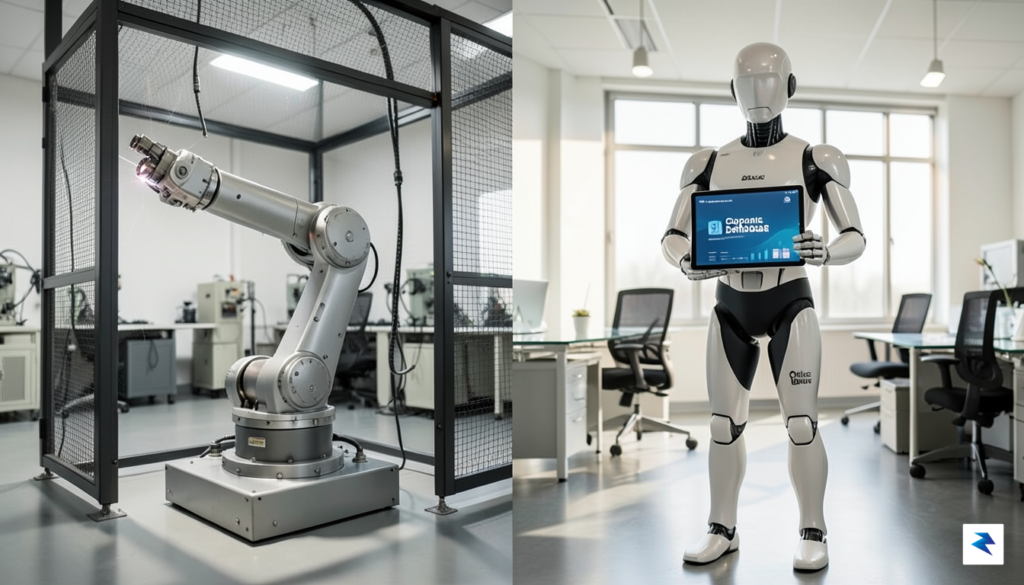
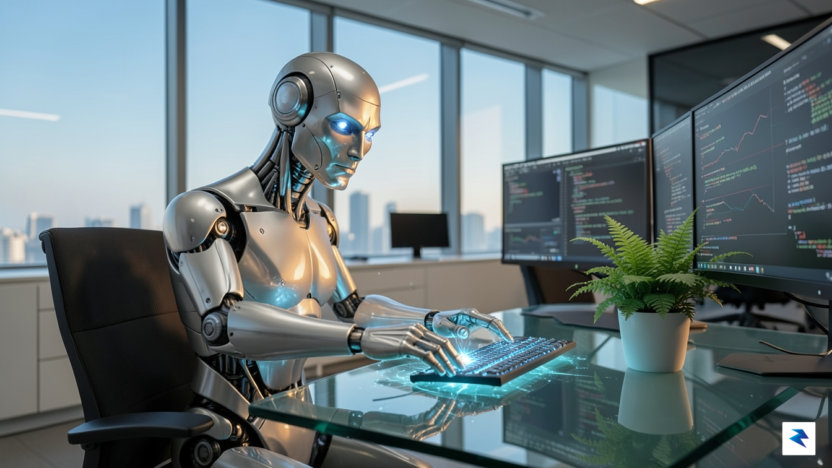
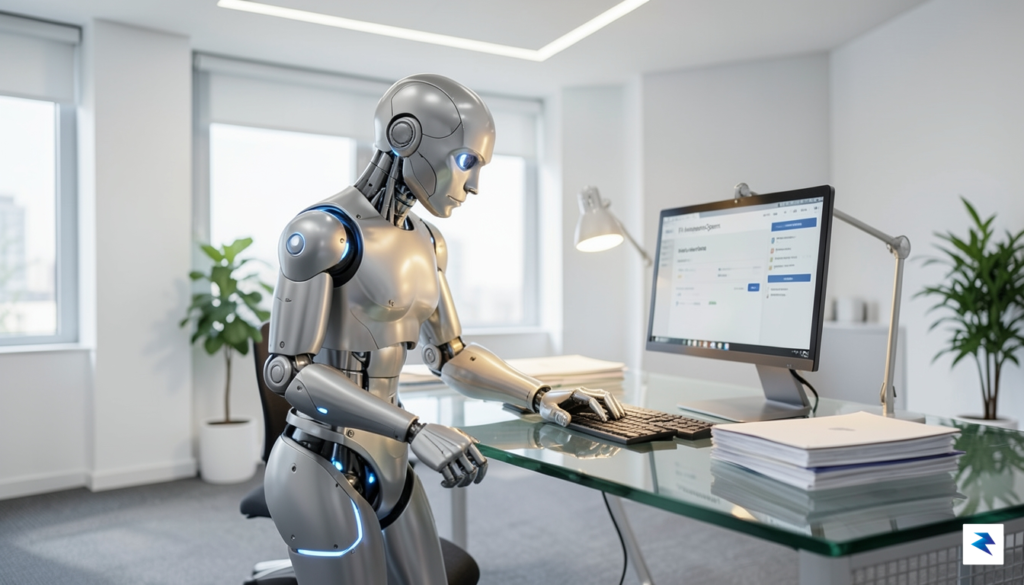
However, we are now witnessing a profound paradigm shift in the world of robotics, moving beyond the factory floor and into the complex, unstructured environments of daily life, particularly the modern office. This transition marks the emergence of what we call ‘General Purpose’ robots – machines designed not for a single, repetitive function, but for a diverse array of tasks that demand adaptability, spatial awareness, and nuanced interaction. Unlike their industrial predecessors, which operated in carefully predictable zones, these new robotic entities are engineered to navigate the unpredictable terrain of an office, engaging with human co-workers, interpreting dynamic situations, and handling a variety of assignments that were once firmly in the human domain. This represents a fundamental rethinking of robotic utility, from specialized automation to versatile, intelligent assistants.
The decision to develop robots with a humanoid form factor for office environments is not arbitrary; it’s a strategic response to the inherent design of our world. Offices are built for humans, filled with objects, tools, and infrastructure scaled to human dimensions. Therefore, a robot designed to operate seamlessly within such a space benefits immensely from human-like mobility, dexterity, and perception. Consider the challenges: opening standard doors, retrieving items from shelves, operating common office equipment like printers or coffee machines, and even subtly interpreting human body language during an interaction. These tasks demand a level of dexterity, judgment, and environmental understanding far beyond the scope of traditional industrial arms, requiring capabilities to perceive, understand, and react to a dynamic human-centric environment.
Crucially, this evolution is not merely about mechanical form but is deeply intertwined with breakthroughs in artificial intelligence, machine learning, and advanced sensor fusion. These sophisticated AI capabilities empower general-purpose robots to learn from their surroundings, adapt to novel situations, and even anticipate needs, moving far beyond rigid programming. The office, with its constant flow of information, varied human interactions, and ever-changing tasks, presents the ultimate frontier for AI-driven labor. It’s a real-world testbed for true autonomous intelligence, where robots must demonstrate not just precision, but also common sense, problem-solving, and the ability to integrate smoothly into human workflows. This shift fundamentally redefines the potential scope of automation, bringing intelligent, adaptable assistance right to our desks.
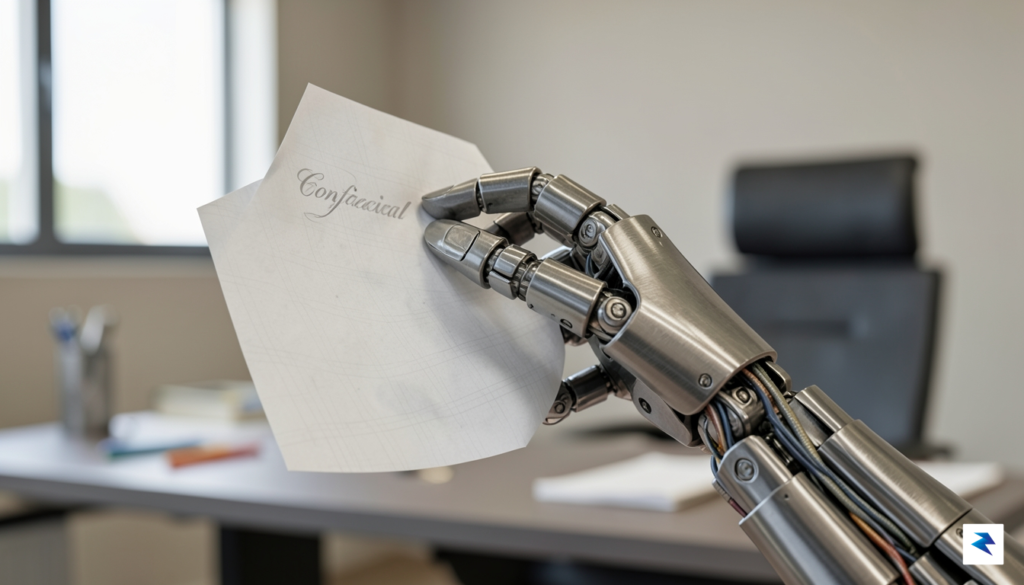
For decades, the field of robotics was hamstrung by the rigid limitations of hard-coded programming. Engineers were forced to map out every coordinate, joint angle, and kinetic variable for even the simplest tasks, a process that was not only excruciatingly slow but also fragile. If an object was moved even a few centimeters from its intended position, a hard-coded robot would often fail, unable to adapt to the minor variances inherent in the physical world. Flexion Robotics has effectively shattered this bottleneck by moving away from deterministic scripts and toward a paradigm defined by adaptive machine learning.
The core of this breakthrough lies in the transition from explicit instruction to imitation learning. Instead of writing lines of code to define a reach-and-grasp motion, researchers now utilize sophisticated sensors to capture the nuance of human movement. By feeding these human-led demonstrations into neural networks, the robots learn to generalize the underlying goal of a task rather than simply memorizing a path. This allows the humanoid to adjust its grip or trajectory in real-time, effectively “feeling” its way through a workspace with a fluidity that mirrors biological movement, rather than the jerky, mechanical precision of its predecessors.
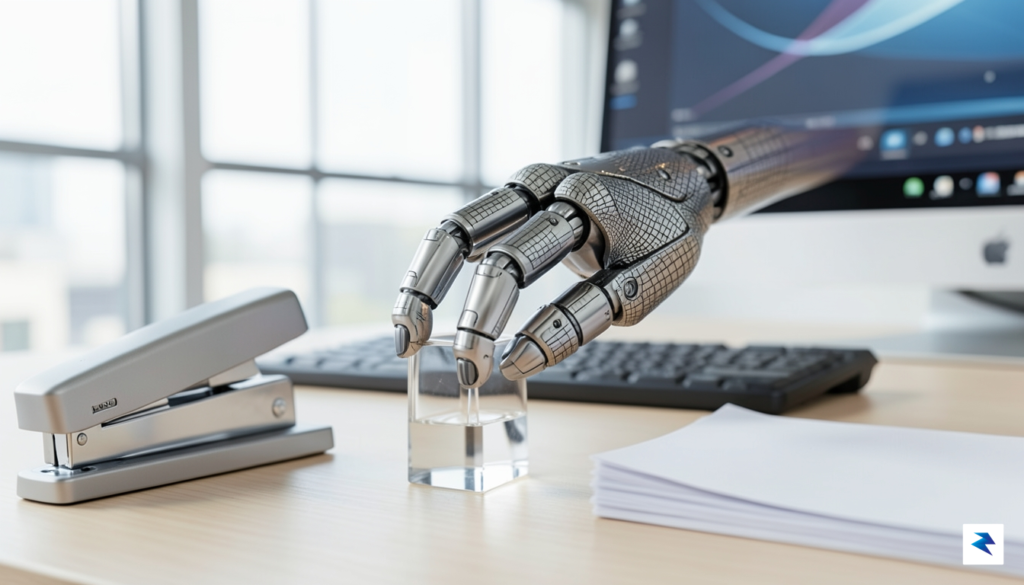
To accelerate this learning process, Flexion Robotics relies heavily on the power of synthetic data generated within high-fidelity simulation environments. Training a robot in the physical world is time-consuming and prone to hardware wear, but in a digital sandbox, the company can simulate millions of scenarios in a matter of hours. These virtual environments allow the robot to encounter edge cases—such as dropping a pen or navigating a cluttered desk—without the risk of damage. Once the robot masters these digital simulations, the learned policies are “transferred” to the physical chassis, enabling it to hit the ground running on its first day in the office.
The true innovation isn’t just in the hardware, but in the robot’s ability to interpret intent from observation, transforming the machine from a pre-programmed tool into an intuitive collaborator.
This leap in imitation learning is fundamentally changing how we perceive physical labor in white-collar settings. Because these systems are designed to learn by watching, they are inherently more flexible than traditional automation; they can be “re-trained” for new tasks simply by observing a different human process. This adaptability is the final piece of the puzzle, allowing humanoids to move beyond repetitive, low-skill chores and start handling the unpredictable, multifaceted nature of modern office work. By bridging the gap between human dexterity and machine scalability, Flexion is proving that the future of the workplace isn’t about better code—it is about better learning.
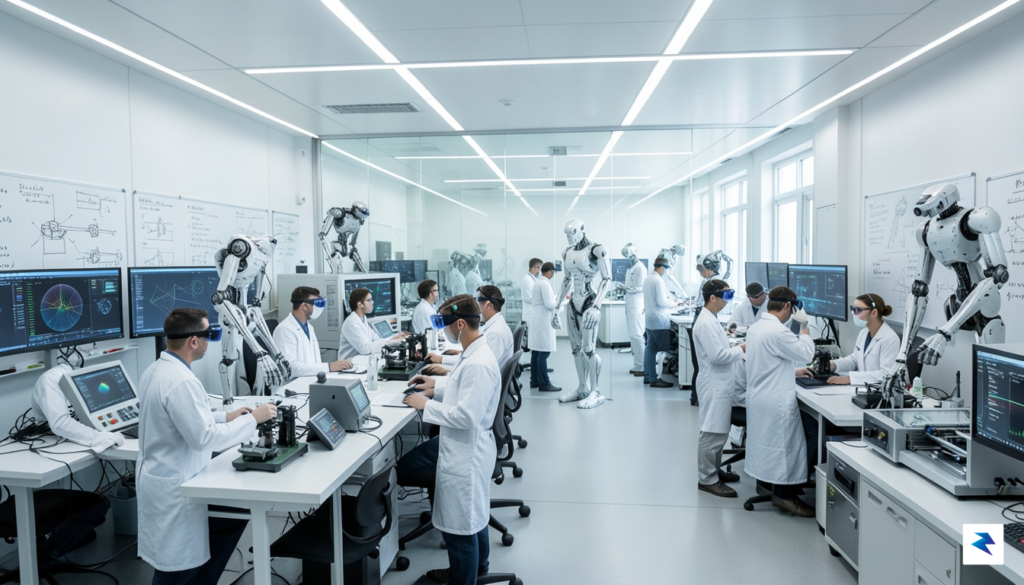
The genesis of Flexion Robotics represents a significant pivot in the trajectory of artificial intelligence, moving away from pure digital interaction and into the chaotic, unscripted environment of the modern office. The startup was founded by a core team of elite engineers who cut their teeth within the high-stakes laboratories of Nvidia. During their tenure, these developers were instrumental in perfecting the hardware-software symbiosis that currently powers the world’s most advanced autonomous vehicle fleets. By migrating from the structured lanes of self-driving cars to the unpredictable hallways of a corporate workspace, these founders are bringing a sophisticated, battle-tested engineering philosophy to the challenge of humanoid mobility.
Central to their methodology is the application of massive GPU-accelerated simulation environments, specifically leveraging the underlying architectures found in platforms like Isaac Gym. In the past, training a humanoid to navigate a workspace meant relying on slow, incremental real-world testing that was prone to hardware damage and human error. However, by utilizing the same high-fidelity physics engines that Nvidia pioneered, the team at Flexion can run millions of simultaneous simulations. This allows their robots to “experience” the equivalent of decades of office administration—handling everything from shifting piles of paperwork to navigating crowded breakrooms—all within a compressed digital timeframe before ever touching a physical floor.
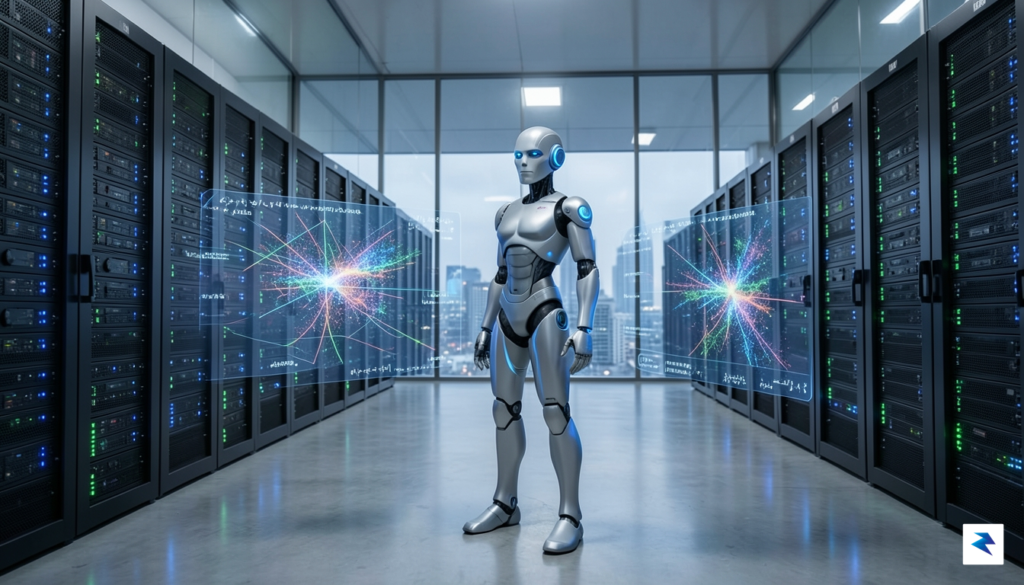
This pedigree is far from incidental; it is a defining characteristic that sets Flexion apart in an increasingly crowded AI startup landscape. While many competitors are focused on developing “brains” that live exclusively in the cloud, these founders prioritize the integration of physical intelligence through high-performance compute power. They understand that office environments are not static grids; they are dynamic, messy, and filled with social nuance. By applying the rigorous standards of autonomous vehicle development to the physical form of a humanoid, they are solving for the “long tail” of edge cases—those rare, unexpected moments that usually cause less-refined robots to fail or freeze in their tracks.
The transition from autonomous driving to office robotics is not merely a change in scenery; it is a fundamental shift in how we teach machines to coexist with humans in shared, unstructured spaces.
Ultimately, the marriage of Nvidia-grade simulation with humanoid hardware suggests that the future of administrative labor will be defined by speed and adaptability. The founders’ history of working with parallel processing and accelerated computing has provided them with a unique toolkit to overcome the latency issues that have long plagued robotics. As they refine their algorithms, the result is a machine that does not just follow a rigid, pre-programmed routine, but rather perceives and reacts to its environment with a level of fluidity that feels distinctly human. By bringing this Silicon Valley expertise to the humble office intern, Flexion Robotics is effectively closing the gap between static software agents and a truly collaborative physical workforce.
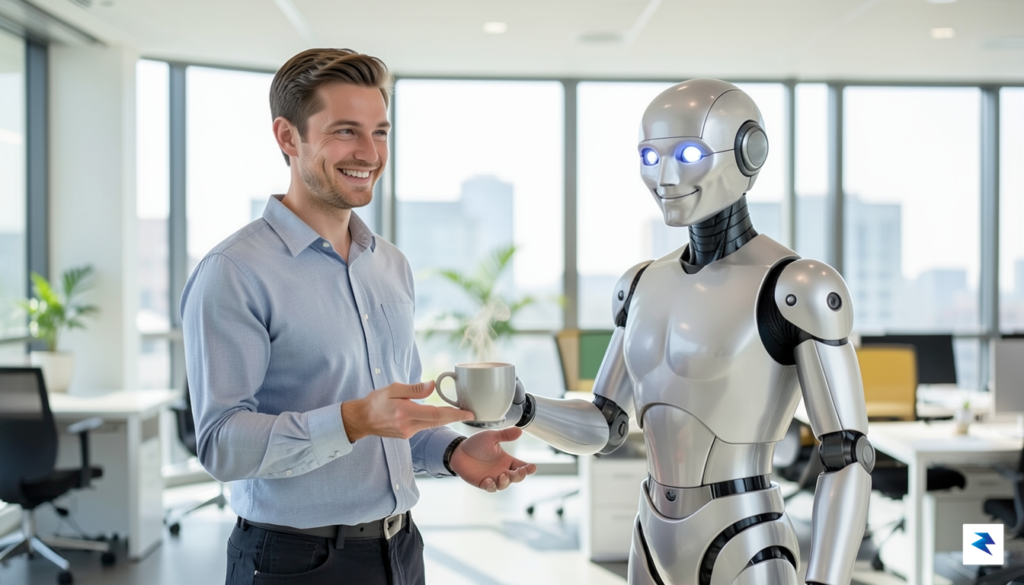
The integration of humanoid robotics into the corporate landscape is not a prelude to a workforce exodus, but rather an evolution in how we define productivity. By shifting the focus from total automation to human-in-the-loop systems, companies can leverage these machines as force multipliers rather than replacements. In this symbiotic model, the robot acts as an tireless assistant, absorbing the friction of daily operational tasks—such as inventory management, mail distribution, and the physical organization of archives—that typically drain the cognitive energy of human staff. By delegating these repetitive, low-complexity duties to a humanoid intern, employees are liberated to dedicate their time to high-level strategy, creative collaboration, and the nuanced interpersonal work that machines simply cannot replicate.
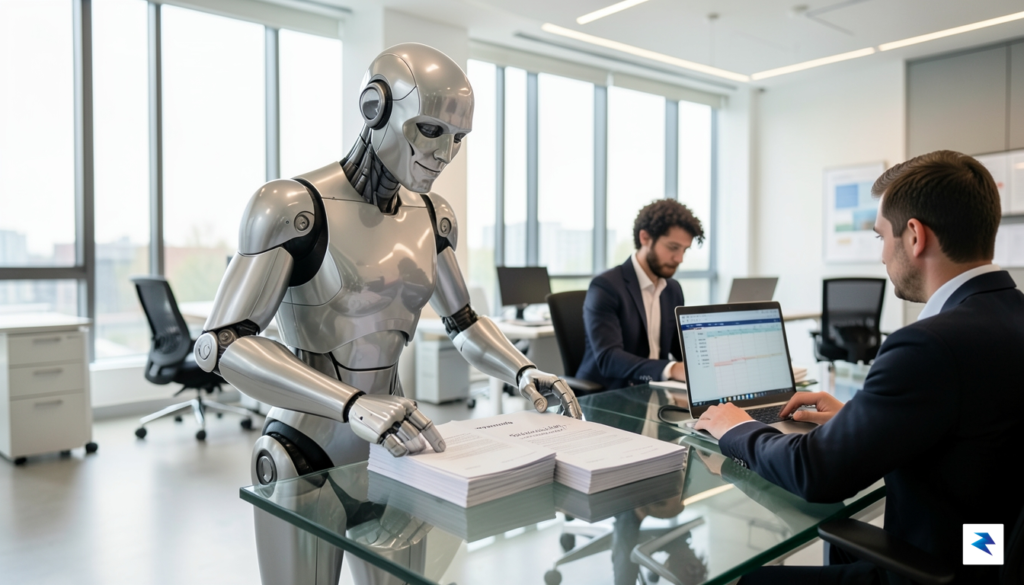
For modern enterprises, the utility of a humanoid intern lies in its ability to navigate environments built specifically for human bodies. Unlike traditional stationary industrial robots, these units can traverse office hallways, operate standard elevators, and interact with typical furniture, making them uniquely suited for the chaotic infrastructure of an office. However, this level of autonomy is currently bound by significant hardware constraints, including battery life, processing speed, and the complexity of unstructured physical environments. Because a robot may struggle to distinguish between a “discarded” document and a critical contract, the necessity for human oversight remains paramount. This creates a supervised loop where the human provides the intent and high-level judgment, while the robot executes the labor-intensive physical steps.
The true value of an office humanoid isn’t found in its ability to act independently, but in its capacity to act as a reliable, physical extension of a human worker’s workflow.
Looking ahead, the successful deployment of these systems will depend on our ability to design workflows that favor collaboration over competition. We must view these robots as apprentices that require training, monitoring, and periodic course correction. As machine learning models improve, these interns will become increasingly adept at anticipating needs, such as proactively restocking conference rooms or clearing cluttered common areas before a meeting begins. Ultimately, the goal is to cultivate an office ecosystem where the mundane is handled by the mechanical, allowing the human workforce to thrive in the areas that matter most: strategy, empathy, and innovation.
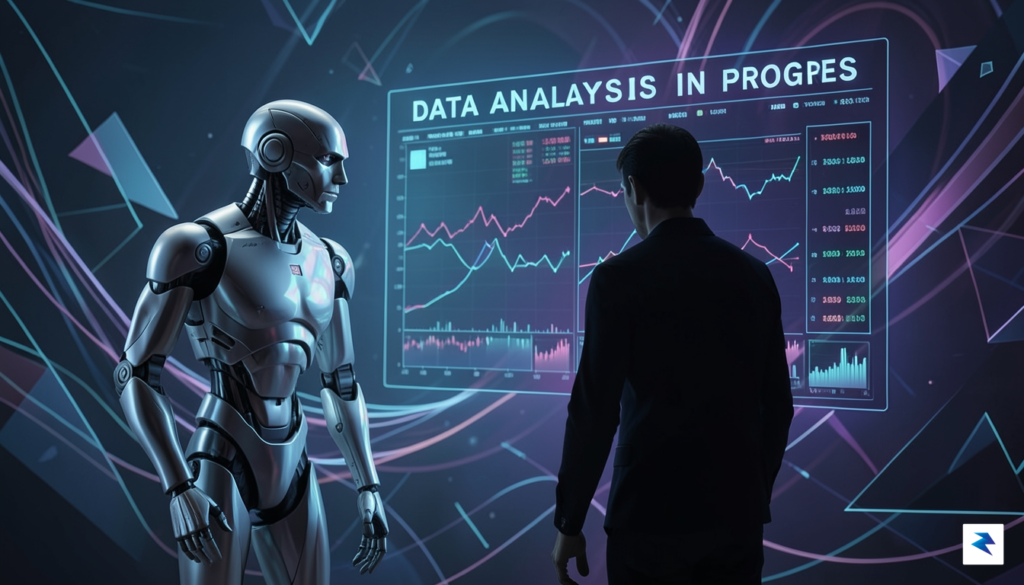
The integration of humanoid robots into the professional environment inevitably triggers a complex debate regarding the future of human labor. While the prospect of delegating repetitive or physically demanding tasks to autonomous interns promises a surge in operational efficiency, it simultaneously raises valid concerns about workforce displacement. History suggests that technological revolutions often dismantle existing job categories, yet they frequently pave the way for entirely new industries and roles that we cannot yet fully envision. The challenge, therefore, lies not in the technology itself, but in our collective ability to manage this transition, ensuring that human workers are empowered to evolve alongside their synthetic counterparts rather than being discarded by them.
From an economic perspective, the primary argument in favor of robotic office integration centers on productivity gains and the potential for a more robust bottom line. By automating the mundane, error-prone aspects of office administration, companies can redirect human talent toward creative, strategic, and interpersonal endeavors—areas where human intuition and emotional intelligence remain far superior to any algorithm. However, this shift requires a deliberate commitment to reskilling the existing workforce. Without comprehensive training programs and accessible educational pathways, the economic benefits of automation risk being concentrated at the top, potentially widening the wealth gap and leaving a significant portion of the labor force behind in an increasingly digitized economy.
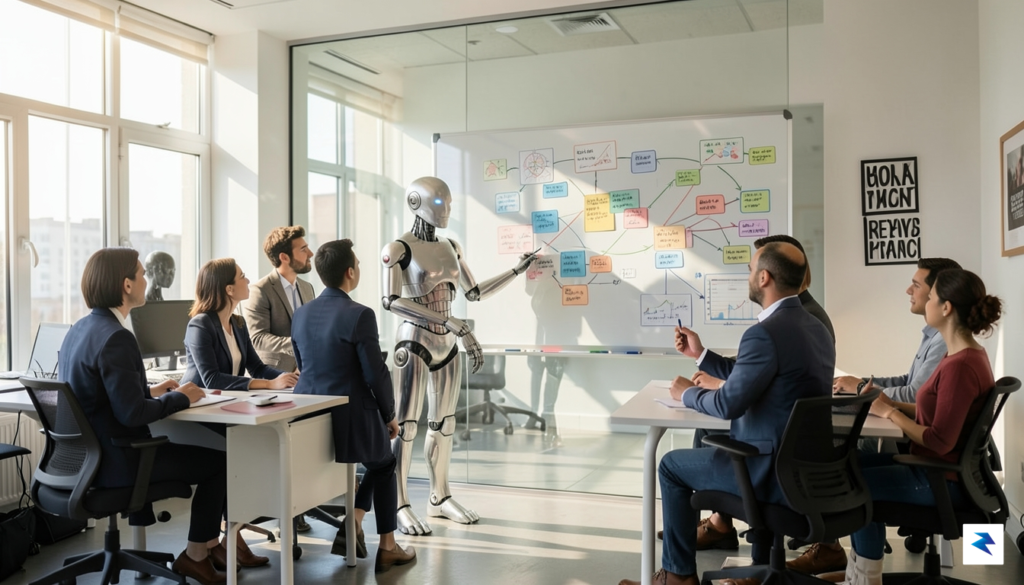
The true measure of this technological advancement will not be found in the speed at which a robot can file paperwork, but in how effectively we integrate these tools to augment, rather than replace, the human experience in the workplace.
Ultimately, the successful adoption of humanoid robotics necessitates a proactive approach to policy and ethical governance. Policymakers, industry leaders, and labor advocates must collaborate to establish frameworks that prioritize long-term social stability over short-term cost-cutting measures. This includes contemplating new labor protections, social safety nets for those in transition, and ethical guidelines that define the appropriate boundaries of robotic interaction within sensitive professional environments. By addressing these implications with foresight and transparency, we can steer the trajectory of workplace automation toward a future that values both the unparalleled efficiency of the machine and the irreplaceable contributions of the human spirit.
You must be logged in to post a comment.