
Meet the New Office Intern: How Flexion Robotics Is Training Humanoids
The Rise of General-Purpose Office Robotics For many decades, the public's perception of robots was largely shaped by their industrial…
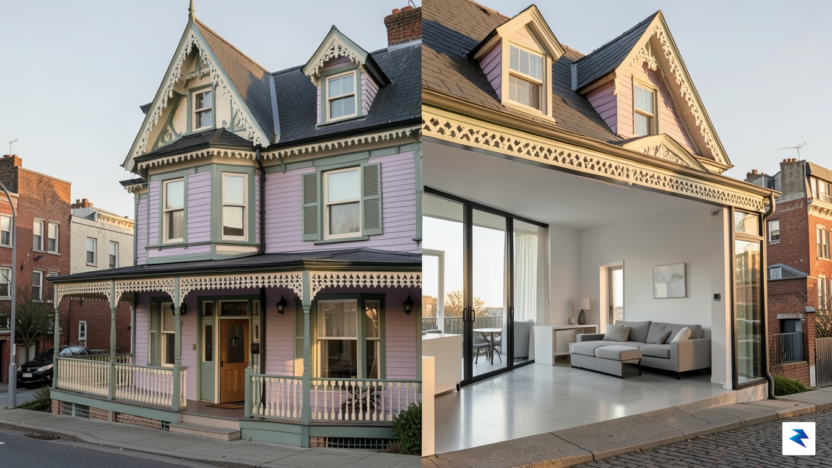

For many years, the traditional bed-and-breakfast was dismissed as a fading relic of the hospitality industry, often unfairly caricatured as dust-covered parlors and lace doilies. As the digital revolution ushered in the era of platform-based short-term rentals, the travel landscape shifted toward a model of efficiency and anonymity. However, this rapid expansion has led to a noticeable homogenization of the rental market. Today, travelers often find themselves in cookie-cutter apartments that, while functional, lack any connection to their surroundings. This sea of gray interiors and generic furniture has left many guests craving a more authentic, grounded connection to the places they visit, creating a perfect opening for the modern B&B to reclaim its relevance.

The contemporary B&B has pivoted away from the tired tropes of the past, embracing a strategy of “niche luxury” that relies heavily on the power of architecture and storytelling. Rather than competing with the sheer volume of listings on mass-market platforms, innkeepers are curating immersive environments that turn a simple overnight stay into a cultural experience. By leveraging the unique histories of their buildings—whether it is a converted 19th-century mill or a stately colonial estate—these hosts offer a sense of place that a standard urban apartment simply cannot replicate. Guests are no longer just booking a bed; they are choosing to inhabit a narrative, supported by an innkeeper who serves as a local concierge, historian, and culinary guide all in one.
The core differentiator between a managed rental and a boutique B&B is the difference between a transaction and a relationship; one provides a key, while the other provides a gateway to a destination.
Ultimately, the contrast between the two models comes down to the philosophy of the guest experience: standardization versus curation. While short-term rental platforms prioritize a frictionless, automated check-in process that minimizes human interaction, the revitalized B&B model leans into the personal touch. Innkeepers are increasingly focusing on hyper-local amenities, such as breakfasts sourced from regional farms or partnerships with local artisans, which foster a genuine sense of belonging. This intentionality creates a high-touch environment that resonates deeply with travelers who are tired of the transactional nature of modern tourism. By marrying the comfort of luxury hospitality with the intimacy of a private home, the new generation of B&Bs is proving that human connection remains the most valuable commodity in the travel industry.

At the heart of the modern travel debate lies a fundamental divide: the distinction between genuine hospitality and mere accommodation. When you book a traditional bed-and-breakfast, you are not simply securing a place to sleep; you are entering into a service-oriented relationship. Innkeepers function as de facto concierges, offering a level of human interaction that transforms a standard trip into a curated experience. From the moment you arrive, there is a physical presence to greet you, answer questions about the neighborhood, and provide those nuanced, local insights that never make it into generic travel guides. Whether it is navigating the best time to visit a local landmark or securing a last-minute dinner reservation at a hard-to-reach bistro, the innkeeper acts as a bridge between the guest and the authentic pulse of the destination.
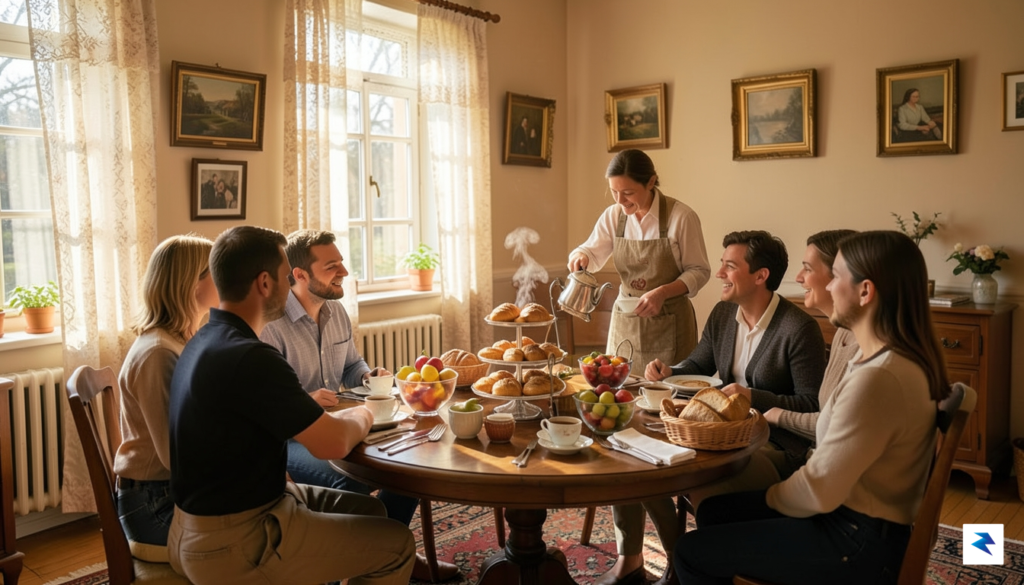
Conversely, the rise of the short-term vacation rental market has popularized the “remote check-in” model, which prioritizes efficiency and anonymity over engagement. In these DIY-style rentals, the guest is often left to navigate the property entirely on their own, relying on digital lockboxes and automated welcome messages. While this autonomy is undoubtedly convenient for those who crave complete privacy, it shifts the burden of troubleshooting directly onto the traveler. If the Wi-Fi drops, the heating system malfunctions, or a key code fails to register, the guest is often forced to engage in a frustrating cycle of messaging through an app, waiting for a remote host who may be located in an entirely different time zone. In this transactional environment, the guest is essentially their own property manager, responsible for managing the quirks and maintenance needs of their temporary home.
The primary value proposition of the B&B experience is the reduction of traveler friction; while an Airbnb provides a space, a B&B provides a solution to the inevitable challenges of being away from home.
Beyond simple convenience, the daily maintenance and personalized care found in a B&B create a sense of security that is difficult to replicate in an automated rental. Because professional innkeepers are deeply invested in the reputation of their establishment and the comfort of their guests, they maintain a standard of service that covers everything from crisp, fresh linens to immediate assistance during emergencies. There is a palpable difference in knowing that if an issue arises, you can simply walk downstairs to find a solution, rather than staring at a smartphone screen hoping for a notification. For many travelers, this human touch is the defining factor that justifies the price difference, turning a simple vacation into a restorative experience backed by someone who truly cares about the quality of your stay.

When you step through the front door of a traditional bed-and-breakfast, you are often entering a space that has been meticulously vetted, inspected, and held to rigorous professional standards. Unlike the decentralized nature of peer-to-peer vacation rental platforms, B&Bs are frequently subject to stringent local, state, and regional hospitality regulations. These establishments are usually required to adhere to strict fire codes, health department sanitation mandates, and comprehensive insurance requirements that protect the guest from the moment they arrive until the moment they depart. This regulatory framework provides an essential baseline of safety that is often missing in the world of independent rentals, where an individual host’s interpretation of “preparedness” can vary wildly from one property to the next.

The core of this distinction lies in the concept of brand reputation versus the ephemeral nature of individual user reviews. On large booking platforms, a host’s rating is entirely dependent on the experiences of previous guests, which can be subjective, influenced by personality clashes, or occasionally manipulated. While reviews are undoubtedly useful, they do not offer the same guarantee of institutional accountability that a legacy B&B provides. A professional innkeeper has a vested interest in maintaining a long-standing reputation within their community and industry associations, as their livelihood depends on a consistent, high-quality experience that transcends the whims of a single guest’s feedback. This institutional pressure ensures that cleaning protocols, maintenance schedules, and guest services are performed with professional rigor rather than amateur enthusiasm.
True hospitality is not merely about providing a room; it is about providing a predictable, professional environment where safety and comfort are never left to chance.
Furthermore, many bed-and-breakfasts belong to regional or national associations that enforce their own internal quality control measures. These organizations often conduct site visits to ensure that members maintain high standards of cleanliness, guest interaction, and property upkeep. By choosing a B&B, you are essentially opting for a vetted experience where the “unknowns” of travel are minimized. In an era where travelers are increasingly wary of “ghost listings” or properties that look vastly different in reality than they do online, the institutional weight of a professionally managed B&B offers a level of peace of mind that is difficult to replicate in the unregulated landscape of modern vacation rentals.

When deciding between a traditional bed-and-breakfast and a vacation rental, the sticker price is rarely the final word on your actual vacation expenses. Airbnb listings often entice travelers with low nightly rates that can look incredibly attractive at first glance, but these prices frequently mask a variety of hidden costs. Once you factor in mandatory cleaning fees, service charges, and the necessity of purchasing your own groceries or dining out for every meal, the “budget-friendly” rental can quickly approach, or even exceed, the cost of a full-service inn. In contrast, bed-and-breakfasts typically operate on an inclusive model where the price covers your lodging, a curated gourmet breakfast, and often additional perks like afternoon tea or personalized local recommendations. By choosing an inn, you are essentially paying for a predictable, all-in-one package that eliminates the stress of daily logistics and unexpected line items.
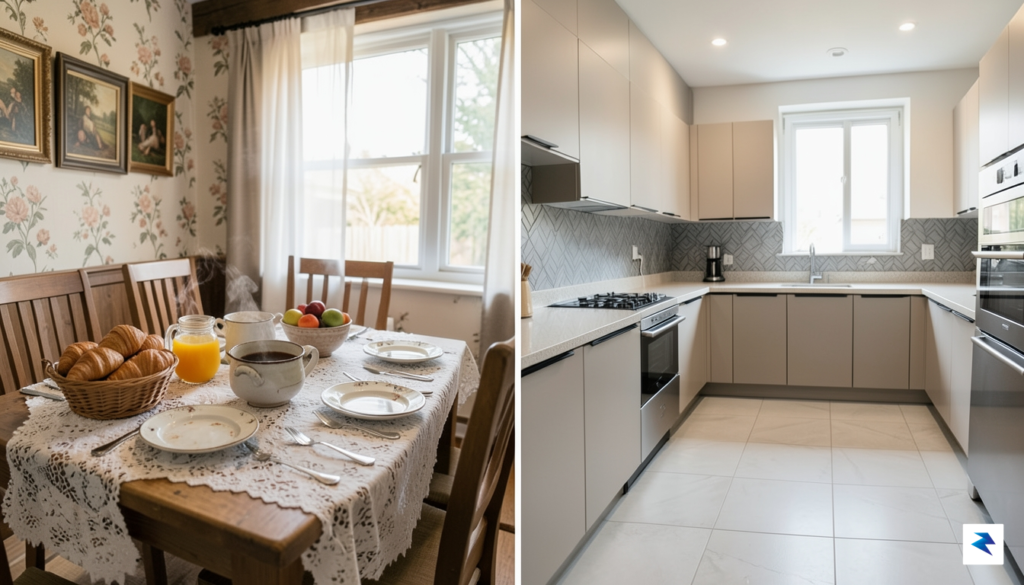
Beyond the raw economics, your choice should be deeply informed by your specific needs and what stage of life you are currently in. For families or larger groups, the value proposition of a vacation rental often centers on utility and space. Having access to a full kitchen, a private backyard, and separate bedrooms allows parents to maintain a semblance of home-like routine, which can be invaluable when traveling with children who require specific meal times or early bedtimes. The ability to do laundry and prepare snacks on-site provides a level of autonomy that a traditional inn simply cannot replicate, making rentals a practical sanctuary for those who prioritize infrastructure and privacy over formal hospitality.
The true value of a stay is found in the intersection of your logistical requirements and the emotional recharge you seek from your time away.
Conversely, couples, solo travelers, and those looking to disconnect from the “work” of daily life often find that the service-oriented atmosphere of a bed-and-breakfast provides a superior return on investment. If your goal is to be pampered, learn about the local culture from an innkeeper who knows the hidden gems of the area, and enjoy a stress-free morning without the need to shop or clean, the value of that time is immeasurable. The social environment of an inn—often fostered through shared common spaces or communal breakfast tables—offers a unique opportunity for connection that is rarely found in the isolated experience of a private rental. Ultimately, the decision comes down to whether you view your accommodation as a functional base of operations or as an integral, service-rich component of the vacation experience itself.

Deciding between a boutique bed-and-breakfast and a private rental comes down to the fundamental question of what you want your daily rhythm to look like while away from home. If your primary travel goal is to immerse yourself in the culture of a destination through local interaction, a bed-and-breakfast is often the superior choice. These establishments are ideal for special occasions, such as anniversaries or romantic getaways, where the focus is on being pampered. Guests at a B&B benefit from the expertise of onsite hosts who can offer curated recommendations, handle breakfast logistics, and provide a level of personalized service that turns a standard trip into a memorable experience. You are essentially paying for the convenience of hospitality and the comfort of a structured, curated environment.
Conversely, if your travel style prioritizes independence and logistical flexibility, a private rental through platforms like Airbnb is likely the better fit. Rentals are particularly advantageous for longer stays where you might require a full kitchen to prepare your own meals, or for large families and groups who need communal living areas and multiple bedrooms to maintain privacy. The autonomy of having your own key and the absence of house rules—such as set breakfast times or shared common areas—allows you to treat the property as a temporary home rather than a hotel room. When you need a “home base” that accommodates a specific lifestyle or a longer duration, the space and utility of a rental are often unmatched.

The best choice depends on whether you view your accommodation as a service provider or a private sanctuary.
Regardless of which platform you choose, the burden of verifying quality falls on the traveler, so it is essential to look beyond the curated marketing photos. Always start by reading the most recent reviews, paying close attention to comments regarding cleanliness, noise levels, and the responsiveness of the host or manager. If a property has a high volume of reviews but several negative ones regarding the same issue—such as poor Wi-Fi or uncomfortable bedding—it is a red flag that the management may be struggling with consistency. Furthermore, look for verified traveler photos in the reviews section; these unfiltered snapshots often provide a much more accurate representation of the furniture, the view, and the overall maintenance of the property than the polished professional shots found in the listing gallery.
Finally, do not hesitate to communicate directly with the host or property manager before finalizing your reservation. A quick inquiry about check-in procedures, local parking availability, or specific amenities can reveal a great deal about the professionalism of the host. If they respond promptly and clearly, it is a strong indicator that you will be well-supported during your stay. If the communication is evasive or delayed, consider it a warning sign and look for an alternative that offers better transparency and peace of mind.
You must be logged in to post a comment.