B&B vs. Airbnb: Which Experience is Actually Worth Your Money?
The Evolution of the B&B Experience For many years, the traditional bed-and-breakfast was dismissed as a fading relic of the hospitality…
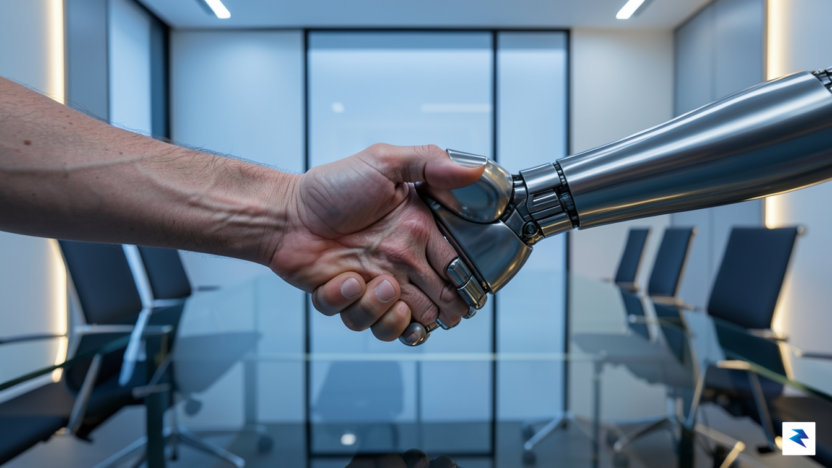
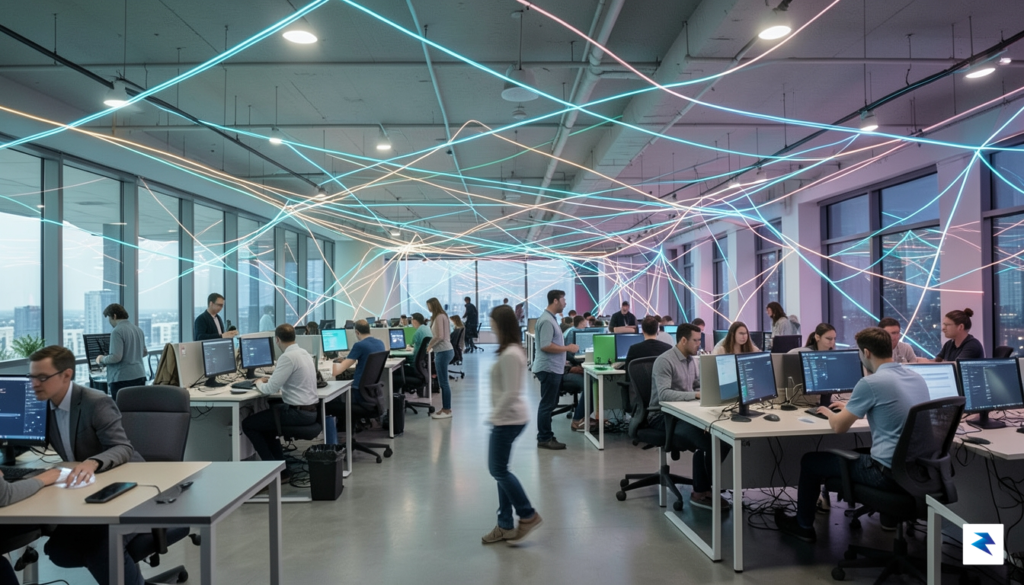
For many corporate leaders, the allure of the “AI-first” organizational model is rooted in the promise of frictionless scaling. The prevailing narrative suggests that by offloading rote tasks to synthetic agents, companies can achieve a perpetual state of hyper-productivity, where output velocity increases while overhead costs plummet. However, this singular focus on speed often masks a deeper, more volatile reality: the integration of AI is not merely a tool upgrade, but a fundamental restructuring of the workplace ecosystem. When organizations prioritize the sheer volume of AI-generated deliverables, they frequently overlook the hidden operational friction that emerges when human workflows are forced to synchronize with algorithmic pace.
The gap between advertised productivity gains and real-world results is widening due to what can be described as the “complexity trap.” While an AI might produce a report or a line of code in seconds, the downstream effects—verifying accuracy, maintaining brand alignment, and managing the inevitable technical debt—often consume more time than the original task would have required if handled by a human specialist. Instead of simplifying work, AI integration often adds a layer of oversight that demands high-level cognitive labor. Organizations are discovering that they are trading one set of bottlenecks for another; where there was once a shortage of output, there is now a surplus of noise that requires complex, expensive human intervention to filter and curate.

The true metric of success for AI integration shouldn’t be how fast a task is completed, but how much value is preserved across the entire lifecycle of a project. Speed without structural integration is simply a faster way to create disorganization.
To navigate this shift, leaders must shift their focus from velocity to complexity management. We are moving away from an era where technology was a passive tool and into one where AI functions as an unpredictable, semi-autonomous participant in the corporate hierarchy. This requires a transition from viewing AI as a “productivity multiplier” to viewing it as a new variable in an already complex system. When we treat AI integration as a simple speed hack, we fail to account for the erosion of institutional knowledge and the subtle degradation of team dynamics that occurs when human judgment is systematically sidelined. Ultimately, true competitive advantage will not go to the companies that adopt AI the fastest, but to those that can successfully navigate the structural complexities and maintain operational integrity in an increasingly automated landscape.
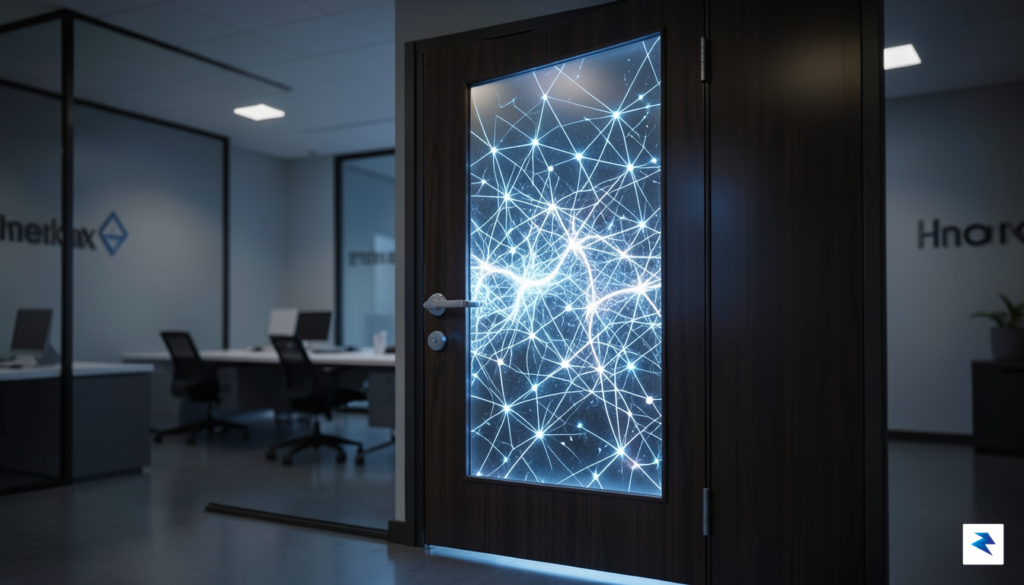
When organizations integrate artificial intelligence into their daily operations, they often focus on the measurable metrics of productivity—speed, cost-reduction, and output volume. However, the true peril lies in what experts call the “unknown unknowns”: the cascading, second-order effects of delegating cognitive labor to software that no vendor brochure ever mentions. These are the risks that exist outside of our current planning horizons, manifesting not as technical bugs, but as fundamental shifts in the underlying fabric of organizational behavior. Because these consequences are invisible until a failure occurs, they represent a systemic vulnerability that traditional risk management frameworks are ill-equipped to address.

Consider how the quiet introduction of an AI-driven project management tool might inadvertently restructure an entire team’s decision-making hierarchy. When an algorithm begins to suggest task priorities or evaluate performance metrics, it subtly shifts power away from human managers and toward the developers of the model. Over time, employees may begin to prioritize “optimizing for the algorithm” rather than focusing on the actual quality of their work or the strategic goals of the company. This transformation happens incrementally, creating a culture where intuition and creative dissent are slowly replaced by algorithmic conformity, ultimately eroding the very innovation that the AI was supposed to support.
The most profound risks of AI adoption are not found in the software’s limitations, but in the ways it silently rewrites the social contracts and communication flows that hold a workplace together.
Furthermore, internal communication flows often become distorted when automated systems act as intermediaries. If AI agents become the primary gatekeepers of information, the serendipitous, horizontal exchanges that define healthy corporate cultures can be stifled. Employees may stop consulting their peers, instead deferring to the “objective” output of a system that lacks context, empathy, and situational awareness. This creates a dangerous feedback loop: as human interactions decrease, the system’s data becomes increasingly narrow, leading to decisions that are technically efficient but socially and strategically tone-deaf. By the time leadership notices a decline in morale or a breakdown in collaborative spirit, the shift has often become so deeply embedded in the daily workflow that it is nearly impossible to reverse without significant disruption.
To mitigate these hidden threats, organizations must move beyond the hype and adopt a posture of “active curiosity.” This means treating every AI deployment as an ongoing experiment rather than a static upgrade. Leaders should actively seek out the friction points where human judgment and machine logic collide, as these are often the first indicators of an emerging “unknown unknown.” By fostering an environment where employees feel safe reporting the strange, subtle ways that technology is altering their work, companies can begin to map these invisible risks before they escalate into structural failures.

The allure of artificial intelligence in the workplace often centers on efficiency, yet this rapid integration brings a subtle, corrosive side effect: the erosion of the very human intuition that defines professional mastery. As we delegate increasingly complex tasks to algorithms, we inadvertently slip into a state of “automation bias,” a psychological phenomenon where individuals trust the machine’s output over their own judgment, even when the data is flawed or ambiguous. This reliance creates a dangerous “black box” environment where the underlying logic of a decision becomes opaque. When employees stop interrogating the “why” behind an AI’s recommendation, they cease to engage with the nuance of their own work, effectively outsourcing their critical thinking to a system that lacks context, ethics, and lived experience.
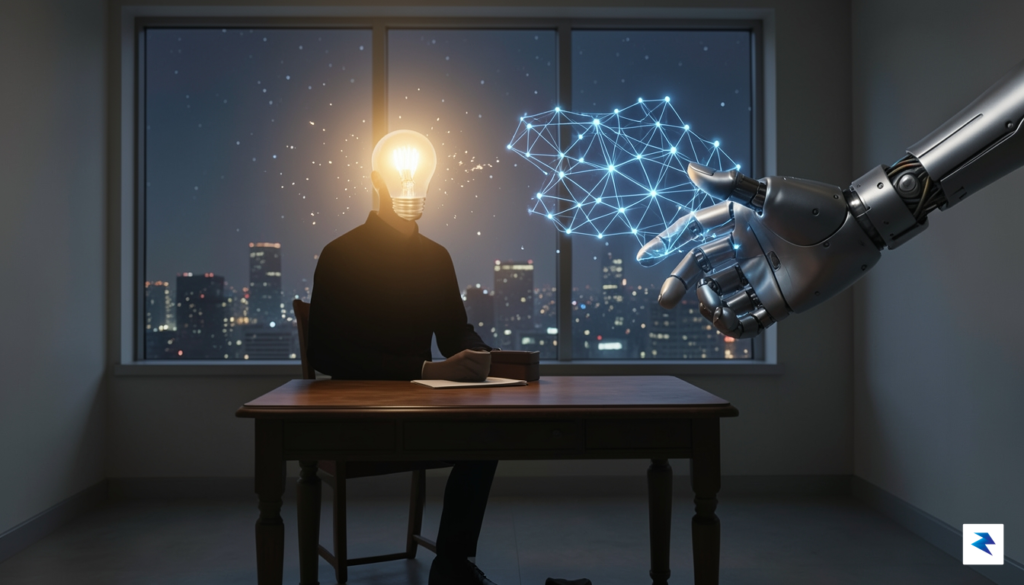
This trend toward automation leads to a profound “deskilling” of the workforce, particularly among junior employees who may never develop the fundamental expertise required to spot algorithmic errors. If a novice relies on a tool to draft reports, code software, or analyze financial trends from day one, they never learn the painstaking, granular processes that build deep domain knowledge. Over time, this creates a vulnerability within the organization; when the AI fails—as it inevitably does during edge cases or unexpected market shifts—the human workforce may lack the foundational skills necessary to intervene or correct the course. True professional expertise is forged through the trial and error of manual execution, and by bypassing these stages, we risk cultivating a generation of workers who are adept at using tools but incapable of understanding the craft.
True expertise is not found in the speed of an answer, but in the wisdom to question the premise of the question itself.
To mitigate these risks, organizations must move beyond the “set it and forget it” mentality and strictly enforce “human-in-the-loop” protocols. Maintaining high-stakes professional judgment requires an intentional commitment to friction; we must design workflows where the AI provides the data, but the human provides the synthesis, the critique, and the final accountability. This means encouraging employees to treat algorithmic suggestions as a starting point for investigation rather than an objective truth. By prioritizing human oversight, we ensure that technology serves as a lever for our capabilities rather than a replacement for our intellect. Ultimately, protecting the human element in professional decision-making is not about resisting innovation, but about ensuring that we remain the architects of our own progress, capable of guiding the machine rather than being steered by it.

When organizations treat artificial intelligence as the primary repository for operational expertise, they inadvertently initiate a quiet, dangerous process of intellectual atrophy. For decades, institutional memory—the collective wisdom, unspoken shortcuts, and historical context embedded within a team—served as a company’s most resilient asset. Today, however, that knowledge is increasingly being funneled into large language models and proprietary AI black boxes. While this offers immediate efficiency, it creates a dangerous dependency; as employees rely on machines to dictate processes, they gradually lose their grasp on the why behind the how. When humans no longer perform the core mechanics of a task, they lose the ability to troubleshoot when the machine inevitably delivers a flawed result or fails to grasp a nuanced situational change.
This erosion of human expertise fosters a fragile organizational structure that is highly susceptible to systemic collapse. If the AI model undergoes a shift due to algorithm updates, data poisoning, or “model drift,” an organization that has offloaded its foundational knowledge may find itself paralyzed. Without a cadre of employees who deeply understand the underlying principles of their workflows, the company lacks the internal intuition required to identify when the AI has veered off course. The result is a workforce that can execute tasks but cannot explain them, leaving the organization vulnerable to catastrophic errors that they are no longer equipped to diagnose or correct independently.
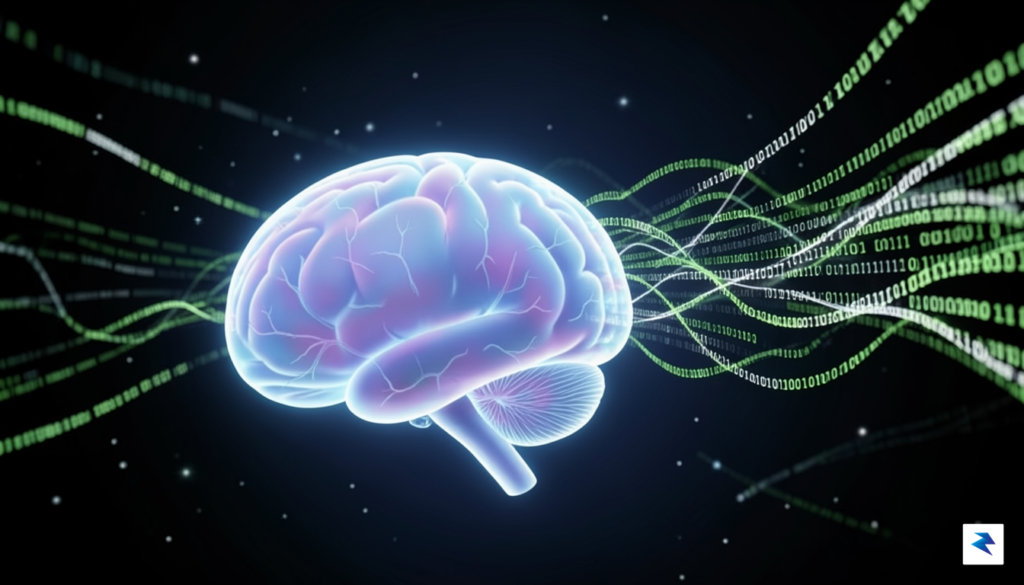
True institutional memory is not merely a collection of data; it is the human capacity to understand the context, history, and intent behind every decision made within an organization.
Furthermore, the long-term stability of a company is fundamentally tied to the mentorship and cross-pollination of ideas that occur between experienced veterans and new hires. If junior employees are trained to interact with an interface rather than a mentor, the lineage of specialized knowledge is severed. They learn to prompt the machine, but they never learn the silent, informal lessons that only come from hands-on mastery and exposure to previous organizational failures. By outsourcing our internal “how-to” manuals to an automated system, we are effectively trading the long-term adaptability of our teams for a fleeting sense of speed. If we continue on this path, we risk building companies that operate like high-speed machinery—efficient until they break, at which point no one in the building knows how to repair the engine.
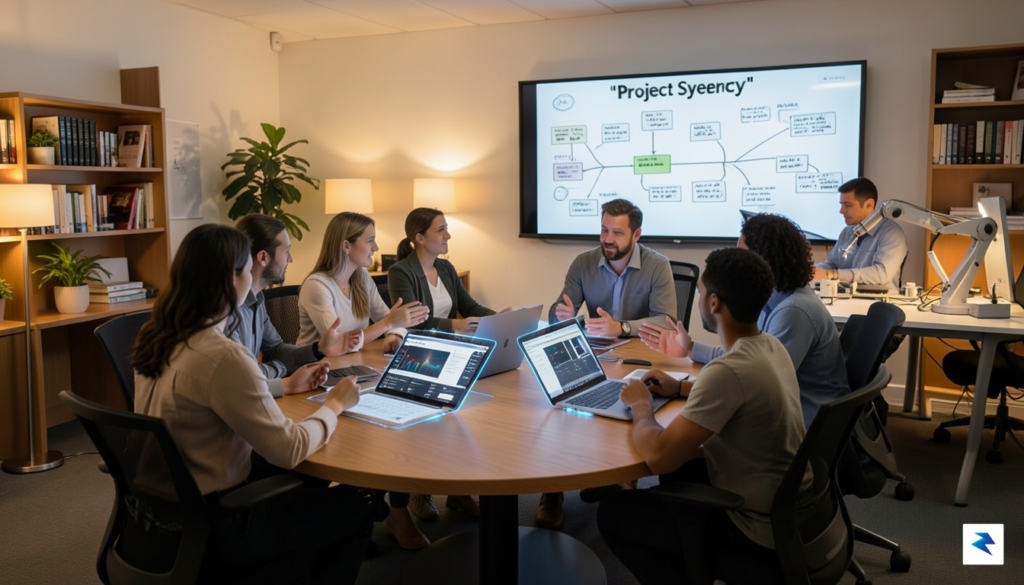
To navigate the shift toward an AI-integrated workplace, leaders must move beyond the siren song of immediate efficiency gains and prioritize a framework of conscious implementation. Short-term optimization often masks a dangerous erosion of internal institutional knowledge, as teams become overly reliant on algorithmic outputs without understanding the underlying logic. Instead of viewing AI as a total replacement for cognitive labor, organizations should treat these tools as specialized extensions of human capability. A sustainable strategy requires a fundamental shift: viewing human critical thinking not as an obstacle to speed, but as the essential infrastructure that ensures safety, ethics, and long-term organizational health.
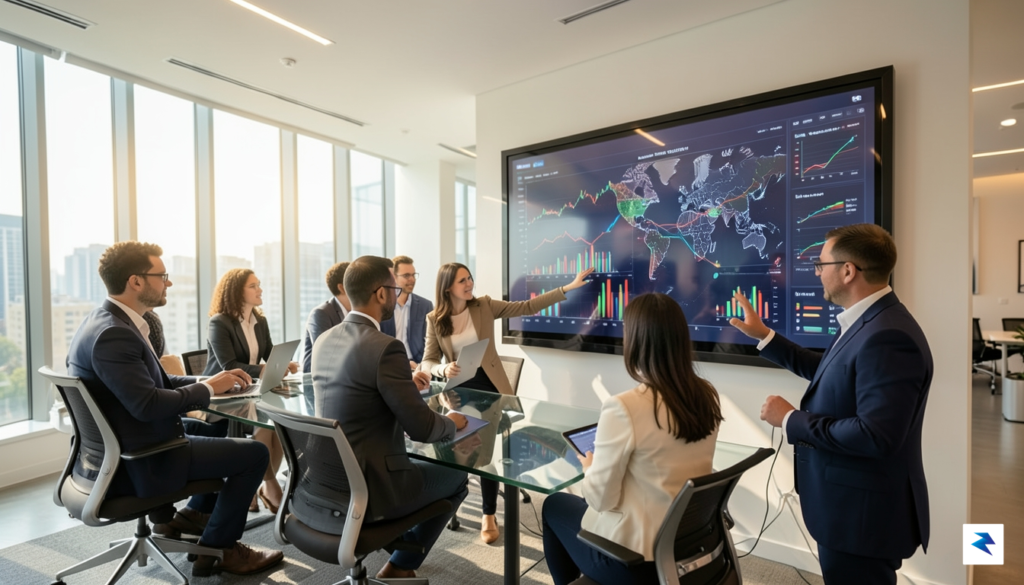
A proactive audit strategy is the first step toward this more resilient future. Leaders should begin by mapping out workflows where human intuition—such as empathy, nuance, and ethical judgment—is currently being outsourced to machines. By conducting regular “impact audits,” companies can identify where the loss of human oversight creates hidden risks, such as algorithmic bias or a decline in creative problem-solving. This isn’t about halting progress; rather, it is about establishing “human-in-the-loop” protocols where AI serves as the engine for data synthesis, while the human element remains the final arbiter of intent, strategy, and cultural fit.
True organizational resilience is found in the synthesis of machine precision and human wisdom, ensuring that technology serves the mission without dismantling the cognitive culture that built it.
Furthermore, the long-term viability of an AI-powered workplace depends entirely on continuous, intentional professional development. As routine tasks are automated, the value of the human workforce shifts toward high-order activities like cross-functional collaboration, complex decision-making, and emotional intelligence. Companies must invest in training programs that move beyond basic software literacy, focusing instead on developing deep domain expertise and critical inquiry skills. When employees are trained to interrogate the “why” behind an AI’s suggestion, they remain the masters of the workflow rather than passive recipients of automated output.
Ultimately, the goal is to build a culture where technology is a catalyst for human potential rather than a substitute for it. When leaders view their workforce as the primary asset that AI must serve, they create a robust environment capable of weathering technological disruption. By anchoring implementation in human-centric principles, organizations can avoid the pitfalls of hollow automation and instead foster a future where technology and human ingenuity thrive in tandem.
You must be logged in to post a comment.