DeepMind CEO Calls for FINRA-Style AI Regulation: Is It Enough?
The Case for Independent Oversight in AI Development The rapid acceleration of frontier artificial intelligence models has propelled the…

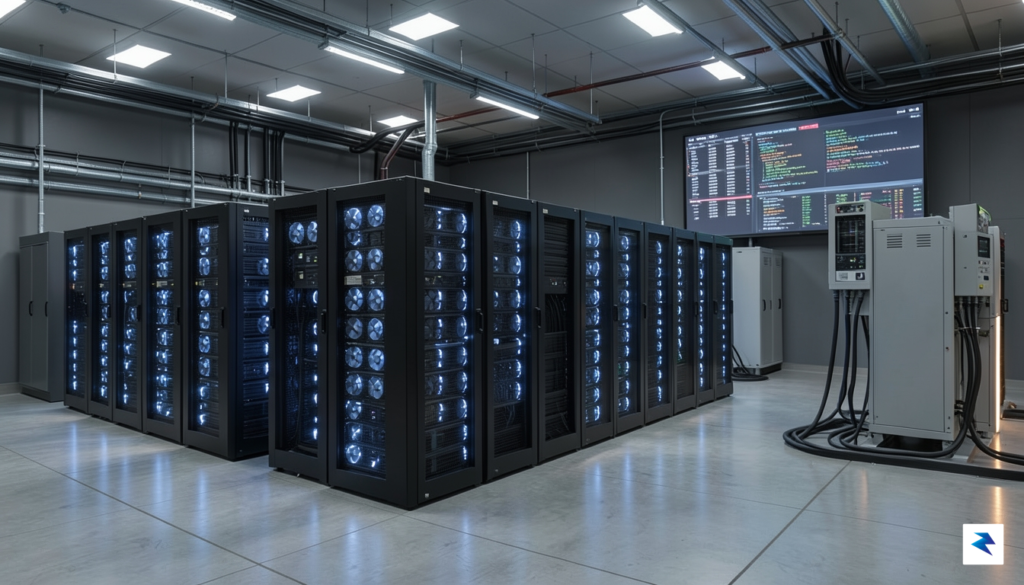
For years, Hut 8 defined its identity through the lens of Bitcoin mining, a capital-intensive pursuit that relies heavily on price volatility and the periodic “halving” of block rewards. While this strategy generated significant growth during bull markets, it also tethered the company’s fortunes to the unpredictable nature of cryptocurrency prices. By transitioning toward AI infrastructure, Hut 8 is fundamentally altering its business model from one of speculative commodity extraction to a predictable, recurring revenue stream. This shift acknowledges that while Bitcoin mining remains profitable, the explosive demand for high-performance computing (HPC) creates a more stable, long-term valuation moat for companies that own the underlying physical assets.
The core of this transformation lies in the repurposing of power capacity, which has effectively become the “new oil” of the 21st century. In the past, Hut 8’s massive fleet of electrical infrastructure was optimized strictly for hashing, but the industry is now realizing that this same electricity is the most valuable bottleneck for artificial intelligence. AI server farms require consistent, high-density power to operate massive arrays of GPUs, and securing this level of energy is becoming increasingly difficult due to grid constraints. Consequently, mining companies are uniquely positioned to act as landlords for the AI revolution, providing the critical physical infrastructure that tech giants and cloud providers desperately need.
The pivot to AI infrastructure is not merely a diversification tactic; it is an evolution that treats electricity as a foundational resource for the future of digital intelligence rather than just a fuel for hashing.
The market’s reaction to this diversification has been overwhelmingly positive, as evidenced by recent analyst upgrades that emphasize the higher valuation multiples typically afforded to AI-focused data centers compared to crypto-miners. Investors are beginning to recognize that by pivoting, Hut 8 is insulating itself from the boom-and-bust cycles of digital assets while simultaneously tapping into the unprecedented capital expenditure budgets of the AI sector. This transition does not happen overnight; it requires a meticulous recalibration of existing facilities to handle the distinct thermal and power density requirements of AI hardware. However, as Hut 8 continues to execute this strategic pivot, it is successfully rebranding itself as a foundational player in the backbone of the global compute economy, moving far beyond its origins as a pure-play cryptocurrency miner.
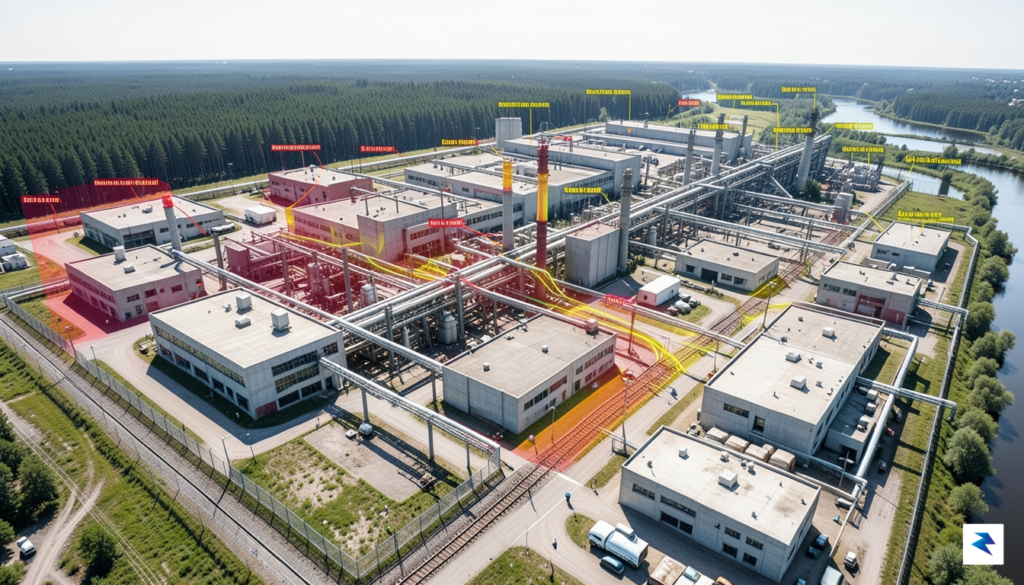
At the heart of Hut 8’s aggressive strategic pivot lies the Beacon Point facility, a site that analysts increasingly view as the cornerstone of the company’s transition from a pure-play Bitcoin miner to a diversified digital infrastructure provider. Unlike traditional mining rigs that are optimized primarily for hashing power, Beacon Point offers the expansive, high-density electrical footprint required to sustain modern artificial intelligence clusters. By retrofitting its infrastructure to support high-performance computing (HPC), Hut 8 is effectively future-proofing its assets against the inherent volatility of the cryptocurrency markets, ensuring that its physical capacity remains relevant in an economy dominated by the insatiable demand for AI processing.
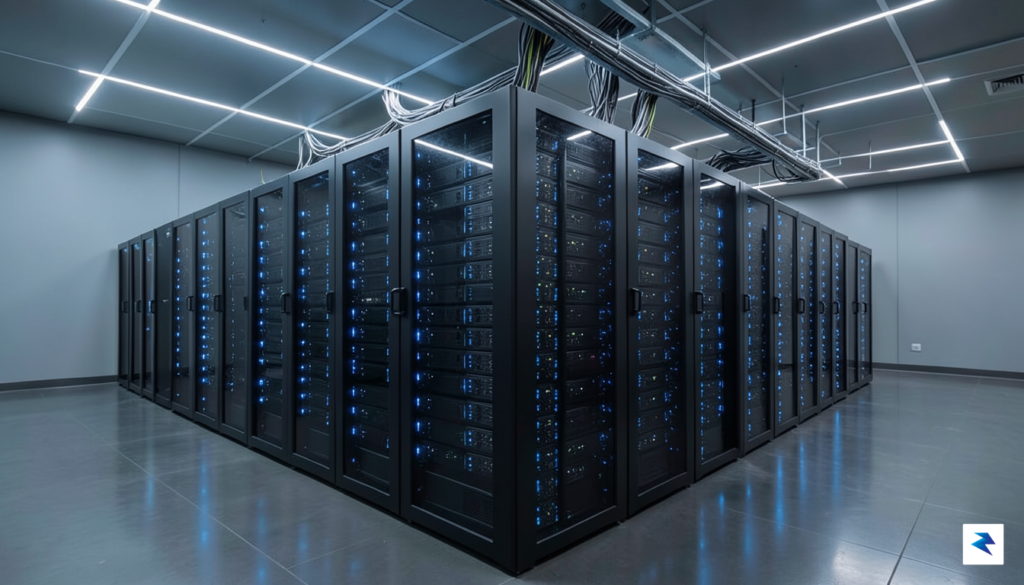
The technical specifications of the Beacon Point site are what truly distinguish it as a transformative asset for the company. The facility is equipped with specialized power distribution systems capable of handling the massive, continuous electrical loads necessitated by next-generation GPUs, such as the NVIDIA Blackwell series. Beyond raw power, the site integrates advanced liquid-cooling capabilities that are essential for maintaining the operational stability of high-thermal-output AI hardware. This sophisticated thermal management is a significant upgrade from the air-cooling methods used in standard crypto-mining, allowing Hut 8 to host enterprise-grade equipment that requires a delicate, climate-controlled environment to prevent hardware degradation and maximize uptime.
Beacon Point is not merely an electricity consumer; it is an optimized compute ecosystem designed to bridge the gap between traditional mining and the lucrative world of AI data centers.
Furthermore, the project’s infrastructure is bolstered by robust connectivity and fiber-optic backbones, ensuring low-latency data transmission that is non-negotiable for AI model training and inferencing tasks. This technical versatility allows Hut 8 to move away from the “all-or-nothing” revenue model of Bitcoin mining and instead pursue long-term service agreements typical of the cloud and AI infrastructure sector. By securing predictable, recurring revenue streams through multi-year contracts with AI developers, the company is effectively de-risking its financial profile. This pivot toward a utility-like business model is precisely why market analysts have begun to re-evaluate the company’s valuation, recognizing that the long-term value of a stable, AI-ready data center far exceeds the speculative nature of volatile cryptocurrency mining operations.
The aggressive upward revision of Hut 8’s price target to $165 by Benchmark analyst Mark Palmer represents a critical turning point in how Wall Street perceives the company. For years, the market treated Hut 8 primarily as a volatile proxy for Bitcoin prices, tethering its valuation strictly to the fluctuating value of its digital asset reserves and mining hash rate. However, this new valuation framework marks a definitive departure from that narrow scope, reflecting a broader realization that the firm has successfully repositioned itself as a diversified digital infrastructure provider. By leveraging its existing energy assets and technical expertise to power high-performance computing (HPC) and artificial intelligence workloads, Hut 8 is shedding the “crypto-miner” label in favor of a more stable, premium-valued identity.
Central to Palmer’s methodology is the transition toward a “sum-of-the-parts” (SOTP) valuation model. This analytical approach breaks the company into two distinct business units: the legacy self-mining and managed services segment, and the rapidly scaling AI and data center infrastructure arm. By isolating the AI segment, analysts can assign a valuation multiple that aligns with high-growth technology and data center REITs rather than the cyclical, often discounted multiples typically afforded to Bitcoin miners. This separation is vital because it allows the market to reward the company for the long-term, recurring revenue streams generated by its data center leases, which are significantly more predictable than the rewards earned from blockchain validation.

The re-rating of Hut 8 signals that investors are no longer looking at the company through the lens of pure crypto volatility, but as an essential utility provider in the burgeoning AI infrastructure market.
This re-rating phenomenon is effectively bridging the valuation gap that has historically plagued mining firms. In the past, companies that owned vast power capacity were often ignored if they didn’t demonstrate high Bitcoin yields. Today, the scarcity of power-rich infrastructure capable of supporting AI clusters has turned the tables. Because Hut 8 possesses the specialized power infrastructure and electrical engineering capabilities required for large-scale GPU deployment, it has become a prime target for institutional capital seeking exposure to the AI hardware boom. Consequently, as the market begins to value the company’s power assets at a premium, the $165 target serves as a benchmark for what investors believe the stock is worth once the market fully prices in the sustainability and scalability of its non-crypto business segments.
Ultimately, this shift in perception suggests that the future of Hut 8 lies in its versatility. By maintaining its mining operations as a cash-flow-generating engine while pivoting its physical footprint toward the compute needs of the AI revolution, the company is insulating itself from the extreme boom-and-bust cycles of the cryptocurrency market. If the company continues to execute on its infrastructure-first strategy, this valuation adjustment may only be the beginning, as the firm transitions from a speculative crypto asset into a fundamental pillar of the global digital compute ecosystem.

Transitioning from a pure-play Bitcoin mining operation to a diversified AI infrastructure provider is an ambitious evolution, yet it is fraught with significant technical and financial hurdles. The primary challenge lies in the physical and architectural retrofitting of legacy mining facilities. Cryptocurrency mining data centers are engineered for high-density power consumption and basic cooling, but they often lack the sophisticated liquid cooling, advanced networking, and redundant power infrastructure required for high-performance computing (HPC) clusters. Retrofitting these environments to accommodate sensitive GPU arrays involves more than just a plug-and-play installation; it requires a complete overhaul of thermal management systems and data throughput capabilities to ensure the hardware operates within the strict parameters required for artificial intelligence workloads.
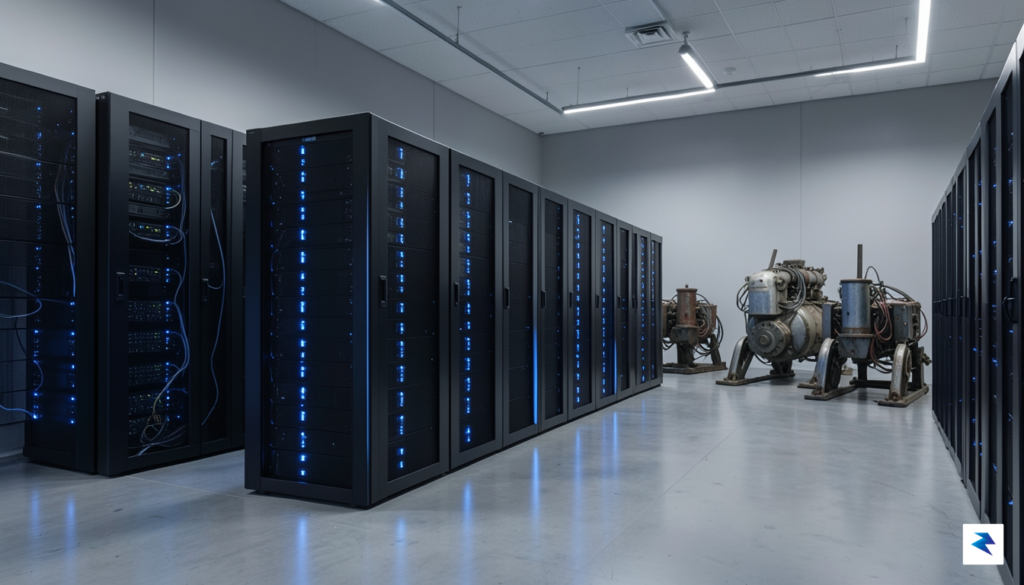
Beyond the technical complexities, Hut 8 faces a formidable capital expenditure (CAPEX) burden. Unlike the relatively modular and depreciating nature of ASIC miners, AI infrastructure requires massive, up-front investments in high-end graphics processing units and proprietary software stacks. This reliance on third-party GPU manufacturers, primarily industry titans like NVIDIA, creates a supply chain dependency that can impact margins if hardware availability tightens or costs fluctuate. Furthermore, the company must manage this debt-heavy investment cycle while navigating the inherent volatility of the cryptocurrency market, which traditionally serves as their primary revenue engine. Balancing these massive infrastructure costs against the slower, more methodical revenue streams of enterprise AI contracts requires a disciplined approach to cash flow management.
The competitive landscape presents perhaps the most daunting long-term risk for the hybrid model. Hut 8 is entering a market dominated by hyperscale cloud providers—such as Amazon Web Services (AWS), Google Cloud, and Microsoft Azure—that possess virtually unlimited capital, massive R&D budgets, and global distribution networks. While Hut 8 aims to carve out a niche in high-performance infrastructure, it must compete directly against these giants on price, reliability, and service levels. Whether the company can maintain healthy margins while offering competitive pricing remains an open question for market analysts.
The success of this pivot depends less on the hardware itself and more on the company’s ability to differentiate its service offerings in a market where scale is often the primary competitive advantage.
To succeed, the company must prove that its specialized focus can offer agility and customized support that larger providers might lack. However, investors should remain cognizant that the shift toward AI is a long-term play. Success will not be measured by quarterly Bitcoin production alone, but by the company’s ability to successfully integrate high-density compute services into its portfolio without diluting its balance sheet or compromising its operational efficiency in the volatile digital asset sector.

The transition from a pure-play crypto miner to a diversified high-performance computing (HPC) infrastructure provider represents a fundamental shift in Hut 8’s business model, creating a multi-year growth trajectory that analysts are increasingly recognizing. Over the next 24 months, the company’s ability to execute on its ambitious scaling roadmap will be defined by its agility in securing high-demand power assets. In an industry where electricity is the ultimate currency, Hut 8’s existing portfolio of power-heavy facilities provides a distinct moat. By leveraging these sites to host massive GPU clusters and specialized data center hardware, the company is effectively bypassing the long lead times that traditional data center operators face, positioning itself as a vital, ready-to-deploy node in the global AI supply chain.
Strategic partnerships will serve as the primary engine for this expansion. Rather than attempting to build every facet of its infrastructure in isolation, Hut 8 is signaling a move toward collaborative ventures that bridge the gap between energy management and high-compute demand. These alliances are essential for de-risking the massive capital expenditure required to upgrade legacy mining facilities into modern AI-ready data centers. As compute demand from hyperscalers continues to outpace available grid capacity, Hut 8’s ability to offer “turnkey” power solutions will likely command a premium valuation. Investors should view this not merely as an infrastructure play, but as a strategic arbitrage on the scarcity of power-dense environments required for large language model (LLM) training and inference.
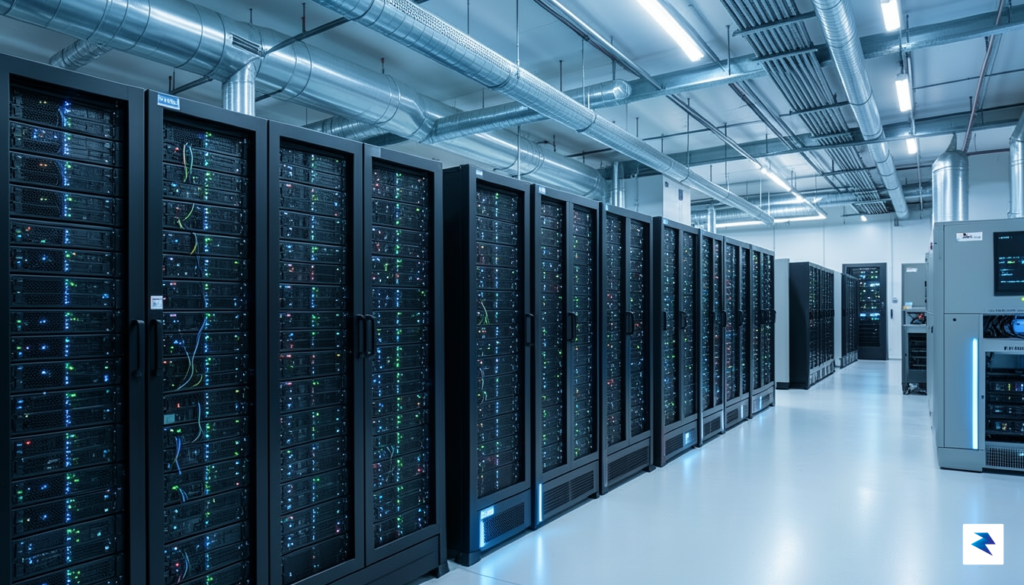
Hut 8’s long-term viability hinges on its evolution from a hardware operator into a strategic partner for the AI sector, where power grid management is as crucial as the processing power itself.
Looking further ahead, the company’s long-term success will be dictated by its operational discipline in managing its power portfolio. The next two years will be a stress test for their ability to balance fluctuating energy costs with the high-margin revenue streams associated with AI hosting. If Hut 8 can successfully demonstrate that its infrastructure can provide consistent, reliable uptime for enterprise-level clients, the market is likely to re-rate its stock based on recurring data center revenue rather than the volatility of crypto markets. This pivot transforms the company from an asset-heavy commodity player into a critical piece of the digital architecture that powers the modern AI era, effectively insulating it from the cyclical nature of its past operations.
You must be logged in to post a comment.