
Hut 8 Targets $165: Why the AI Pivot Is Reshaping Its Valuation
The Strategic Shift: From Bitcoin Mining to AI Infrastructure For years, Hut 8 defined its identity through the lens of Bitcoin mining, a…
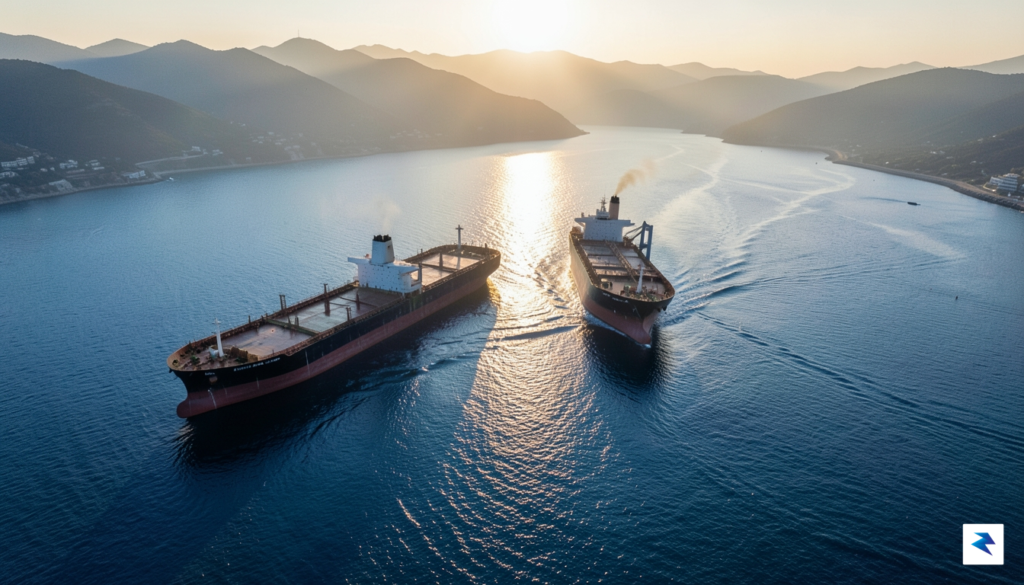
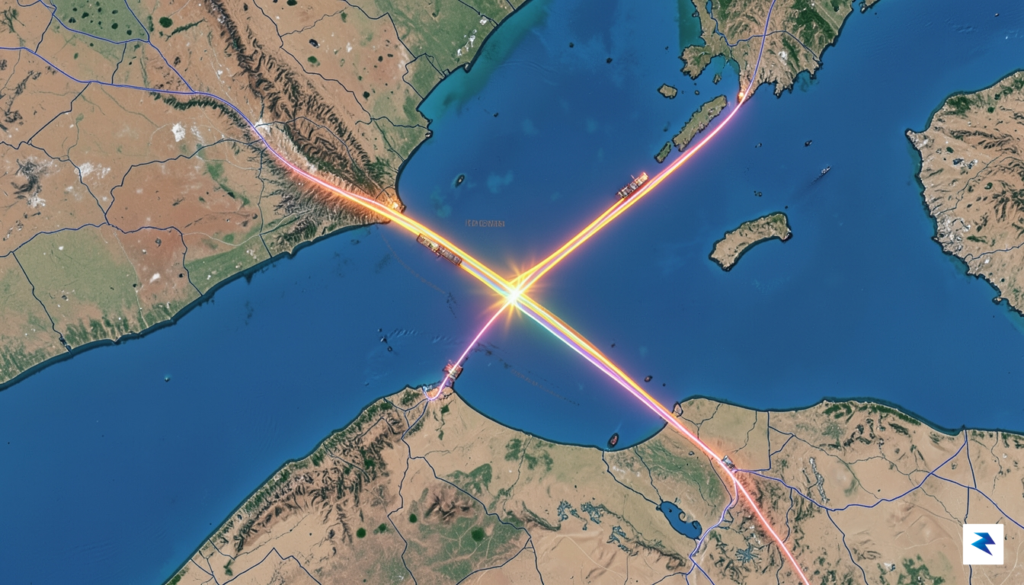
The Strait of Hormuz is far more than a mere geographic feature; it acts as the primary jugular vein for the global energy market. Connecting the oil-rich Persian Gulf to the Gulf of Oman and the broader Indian Ocean, this narrow waterway sees roughly 20 to 30 percent of the world’s total petroleum consumption pass through its waters every single day. For nations across Asia and Europe, the Strait is essentially irreplaceable. While there are land-based pipelines that offer some limited relief, the sheer volume of crude oil and liquefied natural gas (LNG) transported via massive tankers makes this maritime passage the central nervous system of global energy security. Any disruption here does not merely cause a localized price hike; it ripples outward to trigger inflation and supply chain volatility across every industrialized economy on Earth.
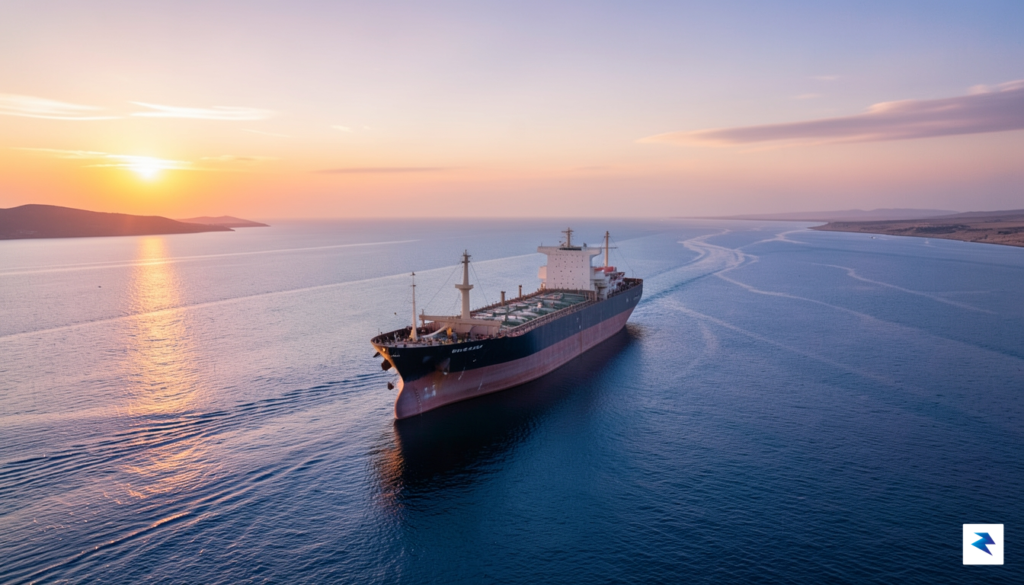
Historically, the stability of this critical chokepoint has been maintained by a long-standing commitment from the United States Navy. By upholding the doctrine of “freedom of navigation,” the U.S. has functioned as a global guarantor, ensuring that maritime traffic can flow unimpeded regardless of regional geopolitical tensions. This role is widely viewed as a “global public good,” where the U.S. presence effectively discourages state actors from using the Strait as a bargaining chip or a tool for economic coercion. Because the passage is as narrow as two miles wide in some shipping lanes, it is uniquely vulnerable to blockades, naval harassment, or the threat of maritime mines. Without a credible deterrent force patrolling these waters, the cost of maritime insurance for commercial vessels would skyrocket, effectively imposing a “risk tax” on every barrel of oil destined for global markets.
The stability of the Strait of Hormuz is not just a regional concern for Middle Eastern powers; it is a fundamental pillar of the post-World War II economic order, upon which global energy prices and industrial productivity rely.
Understanding this dependency reveals why any shift in American policy regarding the Strait is met with such intense international anxiety. When the U.S. signals a potential retreat or a change in its commitment to protecting these shipping lanes, the immediate reaction is not just diplomatic—it is financial. Investors and energy traders operate on the assumption that the Strait will remain open, an assumption built entirely on the expectation of U.S. naval hegemony. If that assumption is challenged, the resulting uncertainty forces energy markets to price in a “fear premium,” leading to immediate spikes in oil and gas futures. Consequently, the Strait remains the ultimate litmus test for global economic stability, proving that even a small change in rhetoric can have outsized consequences for the world’s financial health.
For decades, the United States maintained a consistent posture regarding the Strait of Hormuz: it functioned as the world’s self-appointed guarantor of freedom of navigation, viewing the uninterrupted flow of oil as a global public good essential to economic stability. However, recent rhetoric indicates a profound pivot away from this bedrock principle of collective security. Instead of viewing military presence as a strategic necessity to uphold international order, the current discourse increasingly frames maritime protection as a service that must be purchased. This move toward a transactional model suggests that the U.S. no longer views its naval dominance as a commitment to its allies, but rather as a commercial asset that should be leveraged for domestic economic gain.
The core of this transformation lies in the explicit suggestion that Gulf nations should provide direct financial investment into the United States in exchange for a continued military umbrella. By tying the presence of carrier strike groups and patrol vessels to specific quid-pro-quo arrangements, the U.S. is effectively dismantling the post-World War II security architecture that emphasized regional stability over immediate monetary return. Critics argue that this shift signals a retreat from the role of a global hegemon toward that of a mercenary-style actor, potentially encouraging regional powers to seek security guarantees elsewhere if they determine that Washington’s protection is too costly or unreliable. This departure from long-standing bipartisan norms risks fracturing the delicate diplomatic ties that have kept the Strait open during periods of extreme volatility.
The transition from a strategic guarantor to a transactional protector fundamentally alters the calculus for every nation reliant on the Strait of Hormuz. When security is commodified, the stability of the global economy becomes subject to the fluctuations of political negotiation rather than the predictable rule of international maritime law.
This approach has inevitably led international observers to draw uncomfortable parallels to a protection racket, where the price of keeping the peace is subject to the whims of the provider. Such a perception is deeply damaging; it undermines the legitimacy of U.S. naval operations and may embolden adversaries who see a weakening of the traditional alliance structure. If the guarantee of safe passage is no longer an inherent right under international law but a premium service, then the risk premium for global shipping and insurance will undoubtedly rise. By pivoting to this transactional investment-based model, the U.S. is not merely changing its foreign policy strategy—it is introducing a new, unpredictable variable into the global economic landscape that could make energy markets significantly more volatile in the years to come.
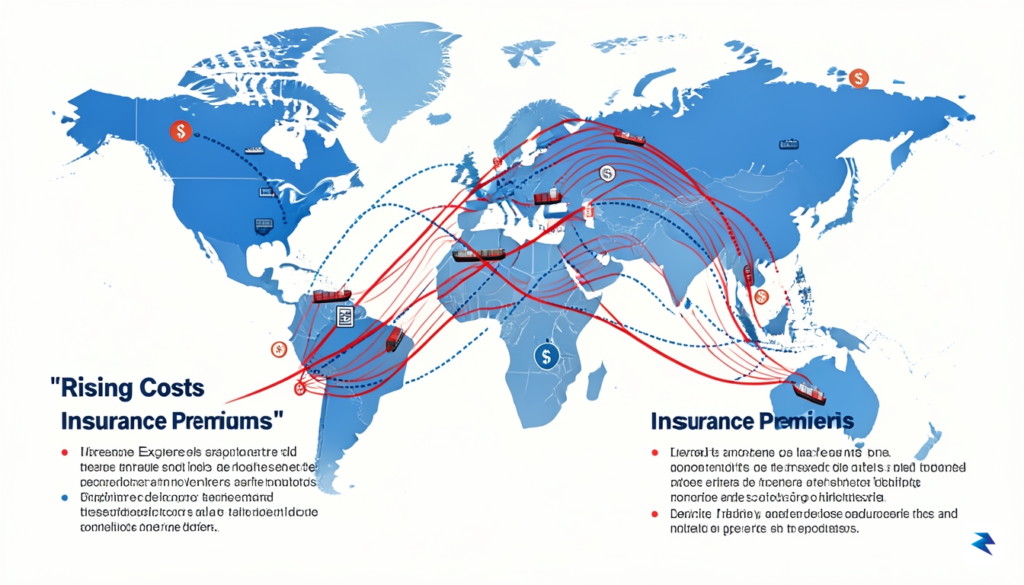
The stability of the Strait of Hormuz is the linchpin of global energy security, as nearly one-fifth of the world’s total oil consumption transits through this narrow maritime corridor daily. When U.S. policy toward the region shifts from a consistent guarantee of free passage to a conditional stance tied to transactional deals, the shipping industry is forced to recalibrate its risk models almost overnight. For maritime insurers, consistency is the bedrock of predictable pricing; when geopolitical commitments become volatile, the immediate reaction is an upward spike in “war risk premiums.” These additional costs are not absorbed by the shipping conglomerates themselves but are instead passed directly down the supply chain, inevitably manifesting as higher freight rates that burden global trade.
Beyond the immediate increase in insurance overheads, this policy uncertainty creates a pervasive “fear premium” that ripples across energy markets. Because the Strait serves as the primary artery for Middle Eastern crude oil and liquefied natural gas (LNG), any perceived weakening of security guarantees causes traders and investors to hedge against potential disruptions. When the security of this vital chokepoint is treated as a bargaining chip rather than a strategic imperative, the resulting unpredictability fuels volatility in oil futures. Consequently, refineries and utility providers must pay more to secure consistent supply, a cost dynamic that eventually reaches the consumer at the gas pump and in electricity bills.
The transition from a policy of guaranteed maritime security to one of conditional protection fundamentally alters the risk-reward calculation for every vessel operating in the Persian Gulf.
The long-term economic consequences extend further into the logistical planning of multinational corporations. Shipping companies, faced with the prospect of inconsistent naval protection, may be forced to reroute vessels or reduce the frequency of their transits, both of which erode the efficiency of global supply chains. This disruption is particularly acute for economies in Asia and Europe that rely heavily on energy imports from the Gulf. When the international community can no longer rely on a predictable U.S. presence in the region, the resulting structural instability incentivizes a move toward more expensive, less efficient energy alternatives, ultimately slowing industrial growth and exerting inflationary pressure on the global economy at large.
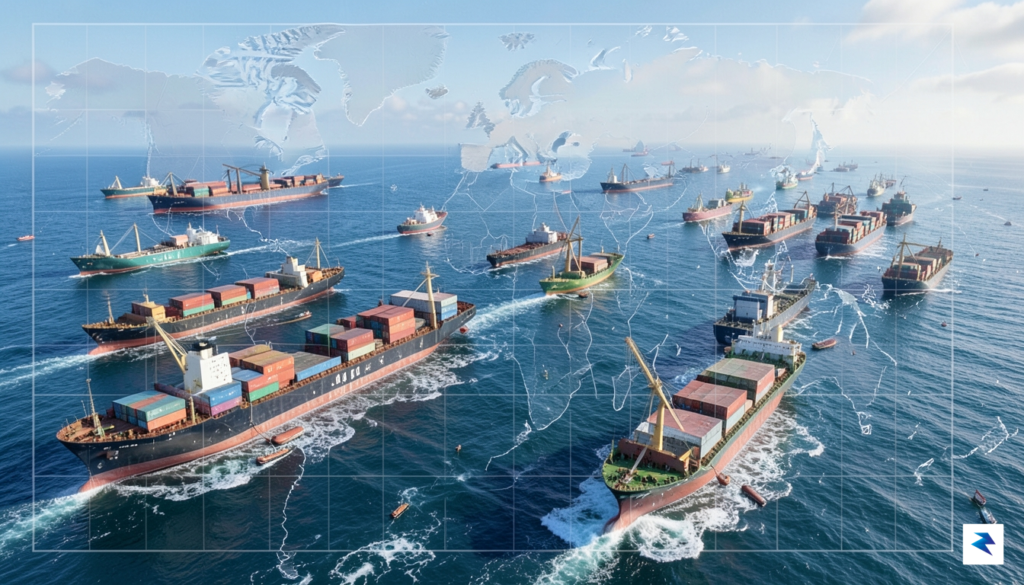
The most profound danger inherent in a “pay-to-play” approach to maritime security is not confined to the immediate volatility of the Persian Gulf; rather, it lies in the catastrophic precedent such a model sets for the rest of the world. For decades, the stability of the global economy has rested on the foundational principle of the “global commons,” which posits that international waters are a shared resource, accessible to all and protected by a collective commitment to freedom of navigation. By introducing the concept that the protection of these lanes is a transactional service rather than a shared international responsibility, the framework of global commerce is fundamentally altered. If the world’s most powerful naval force begins conditioning maritime safety on financial tribute, it inadvertently signals to other regional powers that the high seas can be treated as private toll roads, effectively eroding the established norms that have prevented large-scale maritime conflict since the mid-20th century.
This shift risks triggering a dangerous “domino effect” across other critical maritime chokepoints, such as the Strait of Malacca, the Suez Canal, or the Bab el-Mandeb. If nations begin to view naval security as a revenue-generating asset, we may soon see a proliferation of protectionist strategies where coastal states demand exorbitant “security fees” from commercial shipping companies in exchange for safe passage. Such a fragmented system would create a chaotic, tiered global economy where only the wealthiest nations and corporations can afford to transit essential goods. Furthermore, this trend poses a direct threat to the United Nations Convention on the Law of the Sea (UNCLOS), which was specifically designed to codify the rights and duties of nations regarding the world’s oceans.
The transition from a rules-based order to a transactional security model risks turning the free flow of goods into a series of geopolitical bargaining chips, ultimately raising the cost of living for consumers worldwide through unpredictable shipping surcharges.
When powerful actors abandon the multilateral enforcement of maritime law in favor of bilateral transactionalism, they undermine the very legal architecture that keeps global trade predictable and relatively affordable. As these protectionist strategies become normalized, the likelihood of maritime disputes escalating into kinetic conflicts increases, as nations may feel compelled to defend their “sovereign” shipping lanes with force rather than diplomacy. By dismantling the long-standing consensus that the high seas are a shared global good, we risk entering an era of maritime enclosure, where the freedom of the seas is sacrificed on the altar of short-term political leverage. This would not only jeopardize the efficiency of global supply chains but could also permanently alter the geopolitical landscape, making the world significantly more dangerous for every nation that relies on the unhindered movement of vessels across the globe.
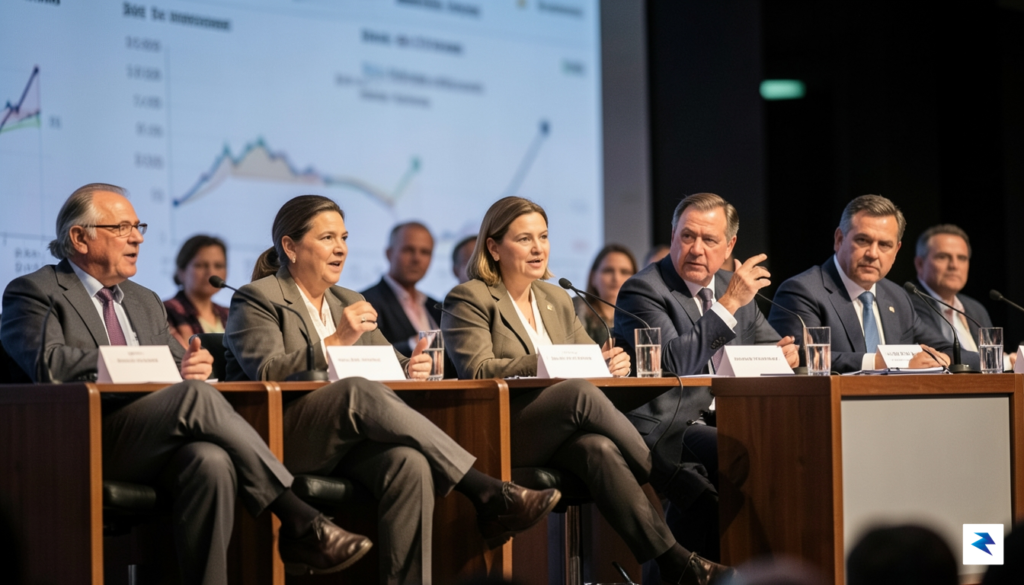
The recent pivot in U.S. policy regarding the Strait of Hormuz has sent shockwaves through the maritime logistics sector, leaving industry experts scrambling to assess the implications of a more transactional approach to regional security. For decades, the global economy has relied on the implicit promise of open shipping lanes, a guarantee that kept insurance premiums stable and transit schedules predictable. However, shipping analysts now warn that the current unpredictability is forcing firms to treat transit through the Gulf as an “at-risk” endeavor. When security is no longer viewed as a systemic global public good but rather as a conditional service, the resulting volatility in shipping costs and insurance surcharges threatens to ripple outward, ultimately increasing the price of energy and consumer goods for end-users worldwide.
Beyond the immediate logistics challenges, geopolitical analysts are deeply concerned about the “self-help” regional military build-up currently accelerating across the Gulf. Because key allies no longer view U.S. security guarantees as ironclad or permanent, regional powers are increasingly investing in their own independent naval capabilities and defensive systems to protect their vital oil export infrastructure. While this shift might seem like a natural evolution toward regional autonomy, it creates a more crowded and dangerous maritime environment. An influx of advanced weaponry and uncoordinated patrols increases the probability of miscalculation, accidental skirmishes, or tactical errors that could spiral into a broader conflict, further destabilizing the fragile balance of power in the region.
The transition from a reliable security umbrella to a transactional model forces nations to prioritize unilateral defense, which ironically makes the Strait of Hormuz more dangerous for everyone involved.
Looking toward the horizon, the outlook remains precariously balanced between the possibility of diplomatic de-escalation and the reality of continued volatility. Some optimistic observers suggest that if the U.S. policy shift forces regional actors to engage in direct, localized security dialogues, it could potentially lower long-term tensions by removing the “outside mediator” variable. However, most experts lean toward a more pessimistic view, arguing that the lack of a credible, overarching security framework creates a vacuum that will inevitably be filled by opportunistic maneuvers and aggressive posturing. Unless a new multilateral consensus can be forged that restores confidence in the freedom of navigation, the global economy must prepare for a future defined by higher risk premiums and the persistent threat of supply chain disruptions in one of the world’s most critical maritime chokepoints.
You must be logged in to post a comment.