
New U.S. Policy on Strait of Hormuz Security Sparks Global Economic Concerns
The Strategic Importance of the Strait of Hormuz The Strait of Hormuz is far more than a mere geographic feature; it acts as the primary…


The sheer magnitude of 570 security vulnerabilities addressed in a single update cycle is not merely a statistical anomaly; it serves as a stark indicator of the expanding complexity inherent in the modern digital infrastructure. As Microsoft continues to integrate cloud-based services, legacy architecture, and interconnected third-party dependencies, the attack surface for Windows environments has grown exponentially. This record-breaking volume of Common Vulnerabilities and Exposures (CVEs) highlights the immense challenge of maintaining a secure ecosystem where every minor software integration or peripheral support feature can potentially introduce a gateway for malicious actors. Consequently, IT administrators are no longer just managing simple OS updates; they are overseeing a sprawling web of interconnected software that requires constant, vigilant maintenance.

For IT security teams, this influx of patches necessitates a fundamental shift in how they approach vulnerability management. Historically, patch cycles were viewed as routine maintenance tasks that could be scheduled during low-traffic windows; however, the velocity of these threats now demands a more aggressive, risk-based prioritization strategy. Because it is physically impossible for most organizations to test and deploy 570 distinct updates simultaneously without risking operational downtime, teams must rely on sophisticated triage processes. They are forced to evaluate which vulnerabilities pose the most immediate threat to their specific environment, often leaving critical systems in a state of fragile equilibrium while they work to close the most dangerous gaps first.
The record-breaking volume of patches acts as a sobering reminder that security is a dynamic, ongoing process rather than a static destination, requiring constant vigilance in an era of persistent cyber threats.
Furthermore, the trend toward consolidated, massive patch releases changes the operational burden on internal help desks and system administrators. When hundreds of updates are bundled together, the risk of “patch fatigue” becomes a genuine concern, as the sheer volume can lead to human error or the accidental skipping of critical security protocols. This creates a challenging environment where the pressure to stay updated often clashes with the necessity for stability and uptime. Organizations must now invest in automated deployment tools and rigorous regression testing to manage this influx, ensuring that while they bolster their defenses, they do not inadvertently break the essential business applications their employees rely on every single day.

When we peel back the layers of a record-breaking patch cycle, we find that the vast majority of these 570 vulnerabilities fall into a few recurring categories that have haunted software developers for decades. Among the most critical are Remote Code Execution (RCE) flaws, which essentially grant an attacker the ability to run arbitrary commands on a target system. When coupled with Privilege Escalation vulnerabilities, which allow a standard user to gain administrative control, the security posture of an entire network can collapse in a matter of seconds. Additionally, Information Disclosure bugs remain a persistent nuisance, as they allow malicious actors to quietly harvest sensitive data—such as cryptographic keys or user credentials—by exploiting gaps in how software handles memory and internal communications.

The persistence of these flaws is deeply rooted in what experts call “legacy code debt.” Modern Windows environments are built upon a foundation of code that stretches back years, if not decades, often incorporating architectural decisions made long before the current threat landscape existed. As Microsoft adds new features to maintain competitive advantages, they must integrate them into this existing, often fragile, codebase. This inevitably leads to unforeseen interactions between legacy subsystems and modern interfaces, creating “blind spots” where security protocols fail to translate properly. Consequently, even the most rigorous automated testing cannot always predict how these disparate layers will behave when faced with novel exploitation techniques.
The complexity of the Windows ecosystem is a double-edged sword; while it offers unparalleled compatibility for enterprise software, it also provides an expansive attack surface that is inherently difficult to secure entirely.
Furthermore, the sheer complexity of modern software architectures exacerbates these issues. Today’s operating systems are no longer monolithic entities but rather massive, distributed ecosystems of microservices, drivers, and API integrations. Each of these components acts as a potential gateway for an attacker if the communication between them is not perfectly sanitized. Because IT environments are rarely static, the continuous stream of updates and third-party integrations ensures that the attack surface is constantly shifting. This creates a perpetual game of “whack-a-mole,” where securing one component may inadvertently introduce a regression or a new dependency issue elsewhere, necessitating the very record-breaking patch cycles we see today.
Ultimately, addressing these vulnerabilities requires more than just reactive patching; it demands a fundamental shift in how we perceive software resilience. While Microsoft continues to pour resources into proactive security measures like memory safety and hardware-backed isolation, the inherent legacy of the OS remains a primary challenge. Understanding that these vulnerabilities are a symptom of architectural complexity rather than mere developer oversight is the first step for IT teams in building a more robust defense-in-depth strategy. By focusing on patch prioritization and strictly limiting administrative privileges, organizations can mitigate the impact of these recurring flaws even as the underlying software continues to evolve.

Managing a massive influx of 570 security updates requires moving beyond manual, ad-hoc administration and embracing a rigorous, systematic methodology. The sheer volume of these patches makes it impossible for IT teams to apply them simultaneously across an entire organization without risking widespread system instability. Instead, the most effective strategy involves implementing a phased deployment architecture, often referred to as “deployment rings.” By categorizing endpoints—starting with a small group of IT-managed test devices, moving to a pilot group of tech-savvy power users, and finally rolling out to the broader workforce—teams can identify conflicts or performance regressions before they impact mission-critical business operations.
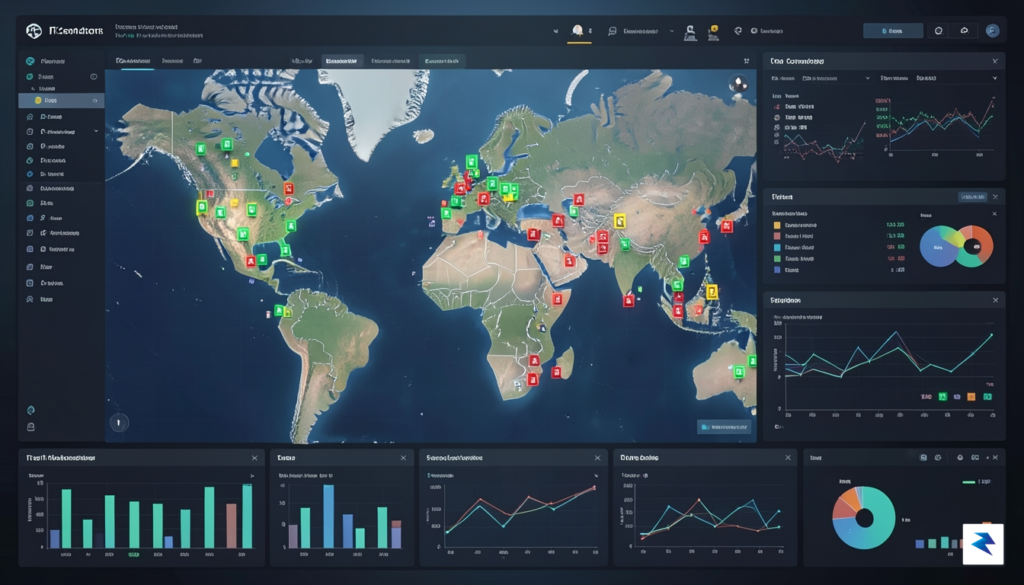
To orchestrate this complexity, organizations must leverage robust automated patch management solutions such as Microsoft Intune or Windows Server Update Services (WSUS). These platforms allow administrators to define precise rules for installation, including maintenance windows that prevent reboots during high-productivity hours. Automation not only reduces the human error associated with repetitive tasks but also provides centralized visibility, allowing security teams to track the compliance status of every machine in the fleet. When an enterprise manages hundreds of updates at once, having a live dashboard that highlights failed deployments is essential for rapid troubleshooting and remediation.
Before any deployment commences, establishing a comprehensive backup and rollback protocol is a non-negotiable safety net. Even when patches are rigorously tested, environmental variables can sometimes lead to unexpected software conflicts or boot loops. Ensuring that current system images and critical data are securely backed up allows IT teams to initiate a swift recovery process if a specific update triggers a failure. Furthermore, prioritizing patches based on the severity of the vulnerability is crucial; security teams should focus their initial efforts on “Critical” and “Exploited” vulnerabilities before moving on to lower-risk or elective patches.
Best Practice Tip: Always document the testing phase. If a patch causes a specific line-of-business application to crash, that insight should be stored in a shared knowledge base to prevent other teams from wasting time on the same troubleshooting steps.
Finally, communication remains a pillar of effective patch management. Transparency with end-users regarding upcoming reboots and the necessity of these updates can significantly reduce help desk ticket volume. When employees understand that a brief maintenance window is the only thing standing between their workstation and a potential security breach, they are far more likely to cooperate with the update cycle. By combining intelligent automation, a disciplined ring-based rollout, and proactive backup strategies, IT departments can transform a daunting administrative burden into a streamlined, repeatable security process that maintains business continuity while fortifying the network perimeter.

The sheer volume of vulnerabilities being disclosed on a monthly basis reveals a hard truth: organizations that rely exclusively on a “patch-and-pray” methodology are fighting a losing battle. While applying security updates remains a critical hygiene task, it is inherently reactive, leaving a window of exposure between the discovery of a flaw and the successful deployment of a fix. To truly secure the modern enterprise, IT teams must pivot toward a proactive security-first mindset that assumes breaches are possible and works to prevent them before a patch is even required.
Adopting a “Defense in Depth” strategy is the cornerstone of this transition. Rather than placing all of one’s faith in a single perimeter firewall or a timely software update, organizations should implement multiple, overlapping layers of security controls. When an attacker manages to bypass one layer, the secondary and tertiary defenses—such as network segmentation, robust identity management, and endpoint detection—should be sufficient to contain the threat. By diversifying security investments, companies ensure that a single unpatched vulnerability does not lead to a catastrophic full-system compromise.

The goal of a proactive posture is not to eliminate patching, but to neutralize the impact of an exploit even if the patch hasn’t been applied yet.
Central to this proactive approach is the implementation of a Zero-Trust architecture. In a legacy environment, once a user or device gained access to the network, they were often implicitly trusted. Zero-Trust flips this model on its head by requiring continuous verification of every request, regardless of where it originates. By enforcing strict access controls and the principle of least privilege, organizations significantly limit the “blast radius” of any single vulnerability. Even if an attacker finds a way into a system via an unpatched bug, the lack of lateral movement capabilities effectively traps them, preventing the escalation of the attack.
Beyond architecture, organizations must become ruthless about minimizing their attack surface. Every piece of unused software, every open port, and every unnecessary service represents a potential entry point for malicious actors. By auditing the environment and decommissioning legacy systems that no longer serve a business purpose, IT teams reduce the number of variables they need to protect. Hardening systems—which involves disabling non-essential features and enforcing strict configuration standards—ensures that even if an attacker attempts to exploit a known vulnerability, the system’s locked-down state may prevent the exploit from executing successfully.
Ultimately, patching is merely one layer of a much larger, more sophisticated security program. When organizations view security through the lens of resilience rather than just maintenance, they become much harder targets. By shifting resources toward proactive hardening and behavioral monitoring, IT leaders can move away from the constant, exhausting cycle of emergency patching and toward a more stable, defendable, and secure operational environment.

Patching is undeniably the first line of defense, but in an era where security researchers and malicious actors alike are uncovering hundreds of vulnerabilities simultaneously, relying solely on updates is a dangerous gamble. To truly fortify a Microsoft environment, IT teams must shift toward a proactive hardening strategy that minimizes the attack surface before a vulnerability is even announced. This requires a multi-layered approach that transforms the operating system from a default, feature-rich configuration into a lean, restricted fortress tailored to specific business requirements.
The most effective way to prevent exploitation is to remove the components that attackers love to target. Administrators should start by auditing Group Policy Objects (GPO) to enforce rigorous security baselines, such as those provided by the CIS Benchmarks or Microsoft’s own Security Compliance Toolkit. Beyond policy settings, you must aggressively disable unnecessary services, legacy protocols like SMBv1, and unused Windows features such as PowerShell 2.0 or outdated print spooling components. By stripping away non-essential functions, you remove the very code paths that attackers often leverage to achieve privilege escalation or lateral movement.

Hardening extends deep into the realm of identity and execution control. Implementing the principle of Least Privilege is no longer optional; every user and service account should operate with the bare minimum permissions required for their task. Furthermore, moving beyond static defenses requires the deployment of modern Endpoint Detection and Response (EDR) or Extended Detection and Response (XDR) solutions. These tools are critical because they do not rely on known signatures; instead, they utilize behavioral analytics to flag anomalous patterns, such as a sudden surge in credential harvesting attempts or unauthorized process injections, effectively neutralizing zero-day threats before a vendor patch is ever released.
Pro-Tip: Hardening is not a “set it and forget it” project. Regularly rotate administrative credentials and review active session logs to ensure that your security posture remains resilient against evolving tactics, techniques, and procedures (TTPs).
Finally, your environment must be observable. You cannot protect what you cannot see, so centralizing logs from your Windows endpoints into a Security Information and Event Management (SIEM) system is vital. Configure your environment to alert on suspicious activity, such as unusual PowerShell execution, unauthorized changes to the Registry, or multiple failed authentication attempts originating from a single host. By combining a hardened OS configuration with active, real-time telemetry, you create a robust defense-in-depth strategy that protects your organization even when the next wave of large-scale vulnerabilities inevitably hits.
You must be logged in to post a comment.