
Telstra Outage: How a Software Glitch Paralyzed Australian Infrastructure
Understanding the Anatomy of the Telstra Outage At its core, the recent disruption to Telstra’s infrastructure was far more complex than a…


For decades, the global financial operations of massive industrial conglomerates have relied on the entrenched architecture of legacy banking systems. Traditional interbank transfers and the SWIFT network, while reliable, are frequently plagued by systemic bottlenecks, including lengthy settlement times, high intermediary fees, and a lack of real-time visibility into liquidity positions. For a multinational titan like Hyundai, moving capital across borders and subsidiaries often meant navigating a labyrinth of regulatory hurdles and banking hours that simply do not align with the 24/7 nature of global commerce. By pivoting toward internal stablecoin transfers, the company is effectively bypassing these antiquated friction points in favor of a decentralized, high-efficiency infrastructure that operates on the speed of code rather than the pace of bureaucratic institutions.

This strategic adoption of blockchain technology represents more than a mere technological experiment; it is a fundamental reengineering of corporate treasury management. By leveraging stablecoins—digital assets pegged to fiat currencies—Hyundai can facilitate near-instantaneous internal settlements, drastically reducing the “float” time where capital is otherwise trapped in transit. This shift allows for unprecedented precision in cash flow forecasting and liquidity optimization. Furthermore, because these transactions are recorded on a distributed ledger, the company gains a transparent, immutable audit trail that significantly enhances compliance and internal oversight. In the context of modernizing treasury operations, this move transforms financial management from a reactive, batch-processed task into a proactive, real-time strategic advantage.
The integration of blockchain into Hyundai’s financial architecture signals a broader paradigm shift, proving that even the most established industrial giants can successfully embrace decentralized systems to achieve operational excellence.
Perhaps most importantly, Hyundai’s decision serves as a bold statement within South Korea’s historically conservative industrial landscape. As one of the country’s leading chaebols, Hyundai’s willingness to pioneer the use of stablecoins provides a roadmap for other major enterprises that have been hesitant to move beyond traditional banking. By validating blockchain as a viable, secure tool for institutional-scale finance, the company is effectively setting a new standard for corporate innovation in the region. This transition not only modernizes their internal financial mechanics but also positions them at the vanguard of a global movement toward tokenized enterprise assets, likely triggering a cascade of adoption among peers who are eager to shed the inefficiencies of legacy financial systems.


At the core of Hyundai’s new financial infrastructure lies a sophisticated private ledger system designed to replace the friction-heavy traditional banking rails that have long dictated corporate treasury operations. By leveraging a stablecoin pegged to a sovereign currency, the company effectively creates a closed-loop liquidity environment where capital can move across international borders without waiting for the opening hours of domestic banks or the sluggish verification processes of the SWIFT network. This mechanism functions by tokenizing fiat reserves held in corporate accounts, turning them into digital assets that move across a private blockchain. Because these transfers occur on a 24/7 basis, subsidiaries in different time zones can access liquidity instantly, ensuring that cash-rich divisions can support operations in regions facing immediate capital requirements without the traditional two-to-three-day settlement delay.
It is essential to distinguish this internal stablecoin mechanism from the volatile nature of public cryptocurrencies like Bitcoin or Ethereum. Unlike decentralized tokens that fluctuate based on speculative market sentiment, the assets used within Hyundai’s framework are strictly pegged to stable fiat currencies, ensuring that a single token consistently represents a fixed, predictable value. For treasury managers, this stability is paramount; it allows the company to maintain precise accounting records and mitigate the risk of exchange rate slippage that often plagues international wire transfers. By insulating these transactions from the volatility of the public crypto markets, the corporation retains the benefits of blockchain efficiency—such as atomic settlement and transparent auditing—while stripping away the financial unpredictability that typically keeps conservative enterprises away from digital assets.
The true innovation here is not the technology itself, but the application of digital efficiency to the rigid, legacy-bound world of corporate treasury management.
Maintaining a private, internal ledger system requires a robust multi-layered security architecture that is far more stringent than standard retail crypto wallets. Hyundai employs a combination of hardware security modules and multi-signature authorization protocols to ensure that every movement of capital is verified by multiple internal stakeholders before the transaction is finalized on the ledger. Because the network is permissioned, the company retains absolute control over who can initiate, validate, and audit the flow of funds, effectively creating a “walled garden” that is immune to external hacks or unauthorized protocol changes. This rigorous security posture ensures that even as the company gains the speed and agility of a decentralized network, it does not sacrifice the institutional integrity or regulatory compliance necessary for a global automotive giant operating in dozens of jurisdictions simultaneously.
Ultimately, this transition represents a broader shift toward “programmable treasury,” where capital is no longer a static asset sitting in a dormant bank account but a dynamic, liquid resource that can be deployed at the speed of code. By automating the movement of funds through smart contracts, Hyundai can optimize its global cash position in real-time, reducing the need for costly external credit lines and minimizing the amount of idle capital held in various international branches. As this system matures, it may well provide a blueprint for other multinational conglomerates looking to modernize their financial operations, proving that blockchain technology can provide real, tangible utility when applied with caution, control, and a clear focus on operational efficiency.
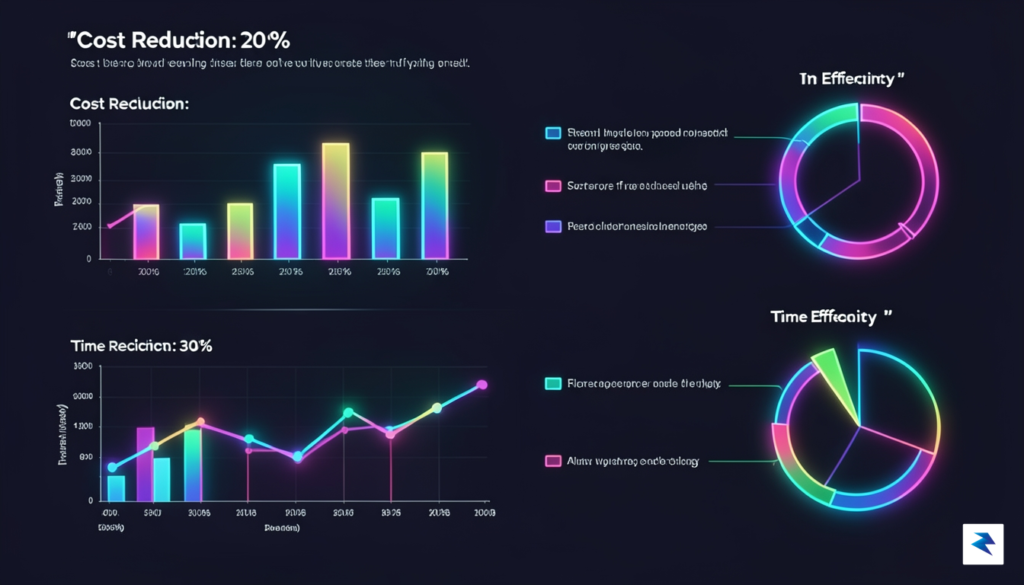
For a global automotive powerhouse like Hyundai, the traditional mechanisms of cross-border finance have long been plagued by the friction of legacy banking systems. By adopting internal stablecoin transfers, the company is effectively bypassing the labyrinthine network of correspondent banks that typically process international payments. In the conventional fiat model, every transfer between regional offices is subject to a series of intermediary fees, currency conversion spreads, and clearing delays that erode margins. Stablecoins, by contrast, function as a direct digital value transfer, stripping away these redundant layers and allowing the company to retain capital that would otherwise be lost to institutional transaction costs.
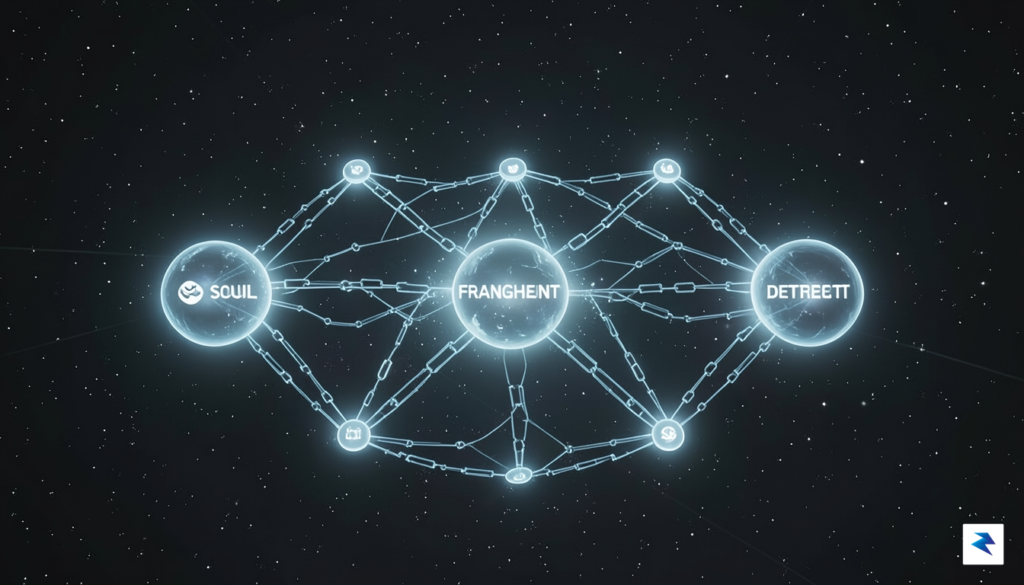
Beyond the immediate reduction in banking fees, the shift to stablecoin settlements offers a transformative advantage in capital velocity, particularly when navigating the high-stakes volatility of global currency markets. In the automotive industry, where supply chain expenditures involve thousands of vendors across disparate time zones, waiting days for a traditional wire transfer can be detrimental. Stablecoins facilitate near-instantaneous settlement, ensuring that funds are available for immediate operational use regardless of market hours or holiday closures. This agility allows financial managers to react to sudden fluctuations in exchange rates or supplier demand with unprecedented precision, effectively neutralizing the risk of capital being “trapped” in the transit of international banking pipelines.
The transition to blockchain-based internal settlement represents more than a technological upgrade; it is a fundamental shift in how multinational corporations manage liquidity and mitigate the risks associated with global supply chain dependencies.
Furthermore, the integration of stablecoins into internal accounting processes provides a level of granular transparency that is difficult to achieve with fiat-based legacy systems. Because blockchain transactions are recorded on an immutable, shared ledger, every movement of capital across Hyundai’s subsidiaries is verifiable in real-time, significantly simplifying the complexities of intercompany reconciliation and financial auditing. This heightened visibility is critical for a firm of Hyundai’s scale, as it allows leadership to monitor cash flow with absolute clarity. By optimizing how funds move throughout their international ecosystem, the company is not just improving its bottom line; it is establishing a more resilient, transparent, and responsive financial infrastructure capable of supporting the next decade of automotive innovation.

Navigating the complex landscape of South Korea’s financial ecosystem requires a delicate balance between aggressive technological innovation and unwavering adherence to national monetary policy. For a conglomerate as vast as Hyundai, the decision to pilot internal stablecoin transfers is not merely a technical upgrade; it is a calculated foray into a highly scrutinized regulatory territory. The Financial Services Commission (FSC)—South Korea’s primary financial watchdog—maintains a stringent oversight framework designed to protect the integrity of the won and prevent systemic economic volatility. Consequently, any corporate entity attempting to integrate blockchain solutions must ensure that their digital assets do not inadvertently undermine the central bank’s authority or trigger concerns regarding capital flight.
The core of this regulatory challenge lies in Anti-Money Laundering (AML) and Know Your Customer (KYC) requirements. Because digital assets offer the potential for rapid, borderless transactions, regulators are deeply concerned about the risk of illicit usage, such as tax evasion or the laundering of corporate funds. Hyundai has had to work extensively with legal experts to design a closed-loop system that operates strictly within existing frameworks. By tethering their internal stablecoin to specific business processes—such as supply chain payments or internal intercompany settlements—the company effectively limits the token’s circulation to a controlled environment. This approach is intended to demonstrate to the FSC that the project is a tool for operational efficiency rather than a speculative financial instrument that could destabilize the broader market.

By prioritizing transparency and working in lockstep with existing financial statutes, Hyundai is attempting to build a blueprint for how traditional industrial giants can safely bridge the gap between legacy finance and decentralized ledger technology.
Beyond the immediate legal hurdles, security remains the paramount concern for any large-scale corporate adoption of blockchain. The technical architecture must be resilient enough to withstand sophisticated cyber threats while maintaining the high-speed throughput necessary for global automotive operations. To address this, the company has implemented multi-layered encryption and rigorous validation protocols, ensuring that every transfer is verifiable and immutable. These measures serve a dual purpose: they protect the company’s internal assets from bad actors and satisfy the FSC’s demand for high-standard data protection. As the pilot progresses, the ability of this digital framework to withstand regulatory audits will likely determine whether other major South Korean corporations feel emboldened to follow suit or if they will remain cautious observers of this high-stakes experiment.

Hyundai’s bold leap into internal stablecoin transfers is far more than a technical experiment; it is a signal that the era of friction-heavy corporate finance is drawing to a close. By leveraging blockchain technology to settle internal transactions, the automotive giant is effectively establishing a blueprint for other South Korean chaebols—the massive, family-run conglomerates that define the nation’s economy. As Samsung, LG, and SK see the efficiency gains Hyundai achieves through near-instant, low-cost cross-border settlements, a domino effect is inevitable. These entities, which often operate as sprawling ecosystems of subsidiaries across diverse international markets, stand to gain the most from replacing traditional banking rails with programmable, stable digital assets that operate 24/7 without the delays of legacy clearinghouses.
This shift represents the birth of what could be termed “Corporate DeFi,” a specialized subset of decentralized finance tailored for high-volume, enterprise-grade operations. Unlike the speculative volatility often associated with retail cryptocurrency, corporate stablecoin usage is defined by predictability, transparency, and strict compliance. As this technology matures, we can expect to see a move toward automated treasury management, where smart contracts trigger payments based on real-time supply chain data rather than manual invoicing. This transition will likely force a fundamental shift in the role of the traditional CFO over the next decade. No longer confined to the role of a retrospective accountant, the modern financial officer will evolve into a “protocol architect,” overseeing the liquidity of digital asset pools and managing the risk parameters of automated, blockchain-based settlement frameworks.
The integration of stablecoins into corporate treasury operations is not merely an optimization of current processes; it is a paradigm shift that redefines the speed of global trade and the nature of capital movement.
Looking further ahead, the wider enterprise adoption of this technology will likely dismantle the archaic silos currently hindering international trade finance. When major corporations begin to settle directly with one another using interoperable stablecoins, the reliance on intermediary correspondent banks will diminish, significantly lowering the cost of doing business globally. This move by Hyundai suggests that the future of international trade will be built upon the foundation of programmable money, where liquidity is always accessible and settlement risk is virtually eliminated. As this becomes the new standard, companies that fail to adopt these digital infrastructure upgrades may soon find themselves at a severe competitive disadvantage, struggling to match the agility and capital efficiency of their blockchain-enabled peers.

You must be logged in to post a comment.