
China’s Economy at a Crossroads: Understanding the 4.3% Growth Reality
The Current State of China’s Economic Slowdown The recent announcement of 4.3% GDP growth marks a definitive inflection point for the world's…
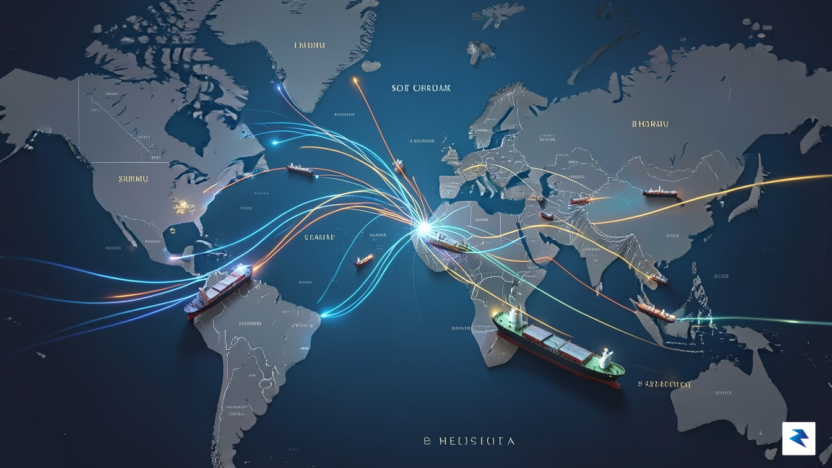

The recent implementation of a stringent blockade surrounding Iranian ports marks a definitive pivot in the current administration’s foreign policy, signaling a transition from localized pressure to a comprehensive containment strategy. Unlike the more reactive posture observed during the April skirmishes, where the focus remained largely on de-escalation and temporary containment of regional flashpoints, this new blockade is characterized by a deliberate, long-term tightening of the maritime supply chain. By systematically targeting the logistical infrastructure that facilitates Iranian energy exports, the U.S. is signaling that the era of “maximum pressure” has evolved into a more surgical, yet far-reaching, economic architecture designed to isolate Iran from global trade networks.
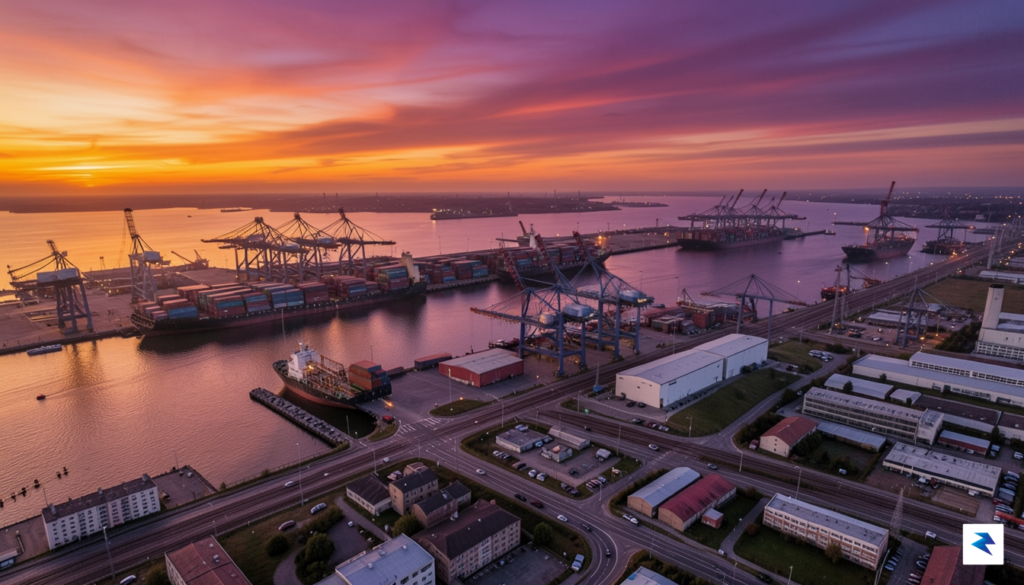
To understand the gravity of this shift, one must compare the current strategic environment with the climate of the previous spring. The April incident was primarily defined by tactical maneuvering and a desire to prevent a broader regional conflict, often resulting in temporary disruptions that the market quickly absorbed. In contrast, the current policy framework appears to be rooted in a structural commitment to curtailing Iran’s influence by drying up its primary revenue stream: oil exports. This is not merely a retaliatory measure; it is a calculated attempt to rewrite the rules of engagement in the Persian Gulf, effectively forcing international shipping companies, insurers, and buyers to choose between access to the American financial system and the discounted barrels originating from Iranian terminals.
The shift from reactive containment to proactive economic strangulation represents a fundamental change in how the United States utilizes its naval and financial superiority to influence energy markets.
This escalation brings to light the administration’s clear diplomatic objectives: to force Tehran back to the negotiating table from a position of profound economic weakness. By restricting the flow of oil, the U.S. is testing the limits of Iran’s domestic resilience and its ability to find “shadow” buyers in an increasingly bifurcated global market. Furthermore, this approach acknowledges that previous sanctions regimes were often weakened by loopholes and illicit transshipments. By coupling maritime surveillance with intensified pressure on third-party intermediaries, the current strategy seeks to eliminate the plausible deniability that has historically allowed Iranian crude to reach international refineries. As these policies take hold, the market reaction will likely be dictated not by the threat of immediate military conflict, but by the tangible, long-term risk of a diminished supply of crude oil hitting the global balance sheet.
When geopolitical tensions last flared in April, the global oil market displayed a surprising degree of resilience, largely because it was insulated by a substantial safety net of inventories. At that time, nations held deeper reserves, and commercial stockpiles remained at levels that allowed traders to absorb supply-side shocks without triggering panic. Today, however, that buffer has significantly eroded. The current landscape is characterized by a precarious thinness in both state-held strategic reserves and commercial oil inventories, leaving the global energy system dangerously exposed to even minor disruptions in the Strait of Hormuz or elsewhere in the Persian Gulf.
The United States Strategic Petroleum Reserve (SPR), once the world’s most formidable insurance policy against supply chain volatility, has been drawn down to levels not seen in decades. While recent efforts to replenish these stocks are underway, the pace of refill has been hampered by sustained market pricing, meaning that the government’s ability to stabilize the market through emergency releases is far more limited than it was just twelve months ago. Because the global market relies on these reserves as a psychological and physical anchor, their depletion creates a vacuum; when traders see that the “emergency brake” is no longer fully functional, they become significantly more reactive to negative headlines, leading to greater intraday price volatility.

Furthermore, the relationship between spare capacity and price sensitivity has reached a critical inflection point. Spare capacity—the volume of oil that producers can bring online on short notice—is currently concentrated in a handful of OPEC+ nations, and the political willingness to utilize that capacity remains inconsistent. When spare capacity is high, the market views production outages as manageable inconveniences; when it is low, as it is today, every barrel of oil removed from the market is priced as a potential scarcity event. This sensitivity is compounded by shifting demand forecasts, which suggest that global consumption remains robust despite concerns over a potential economic slowdown. As demand stays elevated while supply remains constrained, the market loses the flexibility needed to pivot when a blockade or conflict disrupts the flow of crude.
The exhaustion of global buffers means that the market no longer has the luxury of absorbing a major supply shock without immediate, aggressive reactions at the gas pump.
Ultimately, the convergence of these factors creates a high-stakes environment where the margin for error has almost vanished. Earlier in the year, the market could look toward inventory surpluses to dampen the impact of Iranian-related tensions. Now, with those surpluses largely liquidated to meet ongoing demand, the energy sector is operating in a “just-in-time” supply paradigm. In this climate, any new blockade or escalation in the region acts not as a manageable geopolitical hurdle, but as a direct threat to the physical availability of crude, forcing prices upward as participants scramble to secure their energy security in an increasingly fragile market.
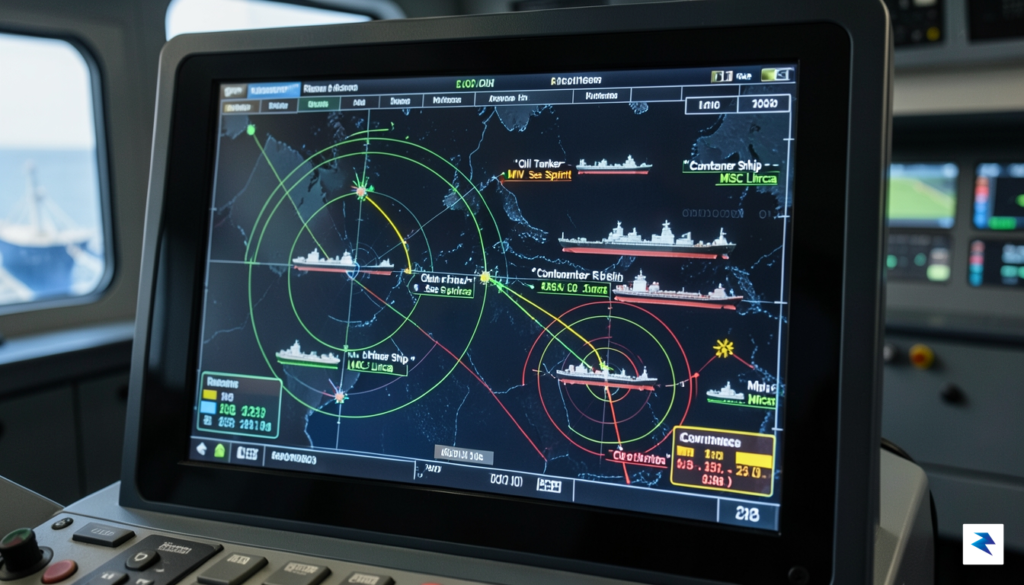
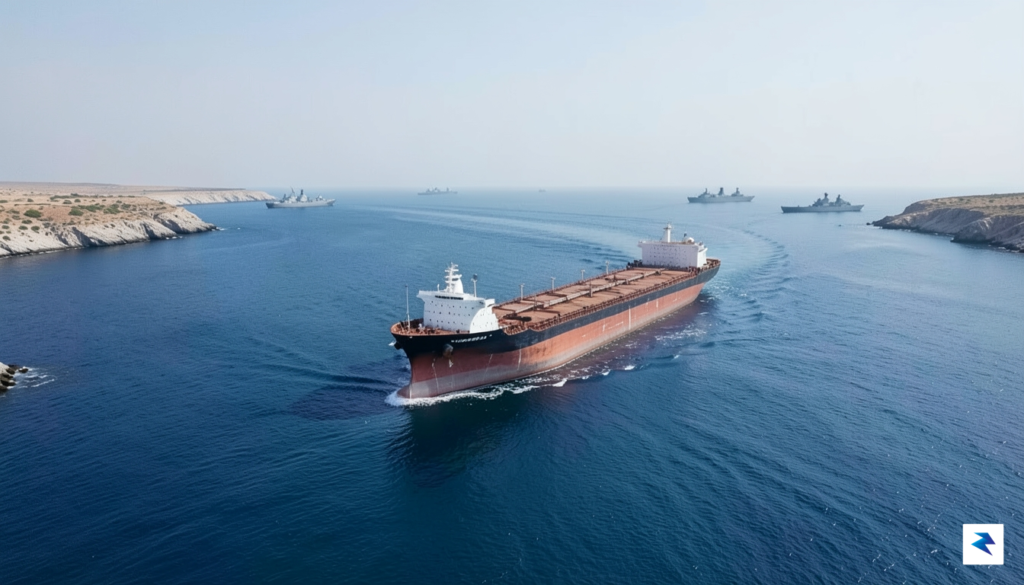
The Strait of Hormuz is not merely a geographic passage; it is the jugular vein of the global energy economy, facilitating the transit of approximately one-fifth of the world’s total oil consumption. When geopolitical tensions escalate into a blockade, the immediate ripple effect is felt most acutely in the specialized world of maritime insurance. Underwriters, facing an environment of extreme uncertainty, have begun to recalibrate “War Risk Insurance” premiums, which are surcharges added to standard shipping costs when vessels enter high-threat zones. As the perceived likelihood of vessel seizure or collateral damage rises, these premiums can skyrocket from negligible fractions of a percent to double-digit percentages of a cargo’s total value, effectively squeezing the margins of every entity involved in the supply chain.
Logistical complexities further compound these financial burdens. When shipping companies deem the primary transit corridor too perilous, they are forced to weigh the costs of rerouting tankers around the Arabian Peninsula or through alternative, often less efficient, maritime channels. This rerouting adds thousands of miles to individual voyages, burning through vast quantities of bunker fuel and dramatically increasing the time it takes for crude oil to reach refineries in Europe and Asia. Such delays disrupt the “just-in-time” delivery models that global energy markets rely on, leading to localized shortages and inventory volatility that can send panic-driven price spikes rippling through the commodities exchanges.
The financial impact of a blockade is not limited to the tankers themselves; it is a systemic tax on the entire global economy, as the ‘risk premium’ is baked into the price of every barrel before it even reaches a port.
To mitigate these threats, the presence of international naval forces has become an essential, if costly, component of maintaining the flow of energy. Escort missions and increased patrols are designed to deter aggression, yet their presence serves as a constant reminder that the region remains a powder keg. This persistent state of heightened security creates a psychological and financial “risk premium” on every barrel of oil transported through the region. Traders are forced to factor in not just the supply-and-demand fundamentals of the oil market, but also the potential for a sudden, unpredictable shutdown of the waterway. Consequently, even without a physical attack, the sheer threat of blockade ensures that energy markets remain in a state of elevated tension, where the cost of doing business is permanently inflated by the volatility of the Strait.
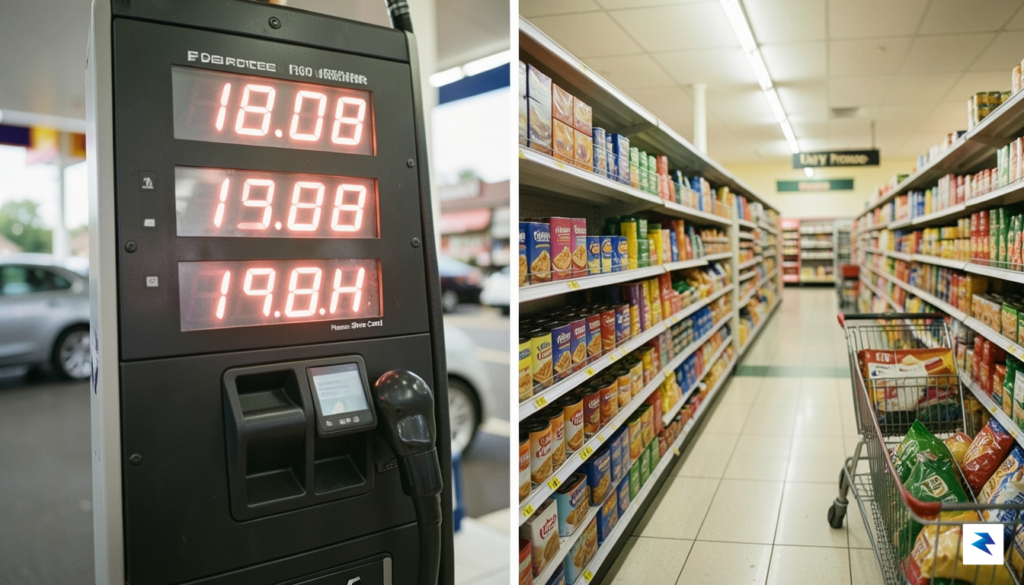
The connection between crude oil benchmarks and the average household budget is often misunderstood as a simple relationship between a refinery and a gas station pump. While retail gasoline prices are the most immediate and visible indicator of market volatility, they represent only the first layer of a much deeper economic ripple effect. When geopolitical tensions—such as a potential blockade on Iranian oil exports—threaten global supply chains, the resulting price spikes function as a “stealth tax” on the entire economy. Because energy acts as the fundamental input for almost every sector of modern commerce, an increase in the cost per barrel inevitably flows through the supply chain, transforming energy scarcity into widespread inflationary pressure.
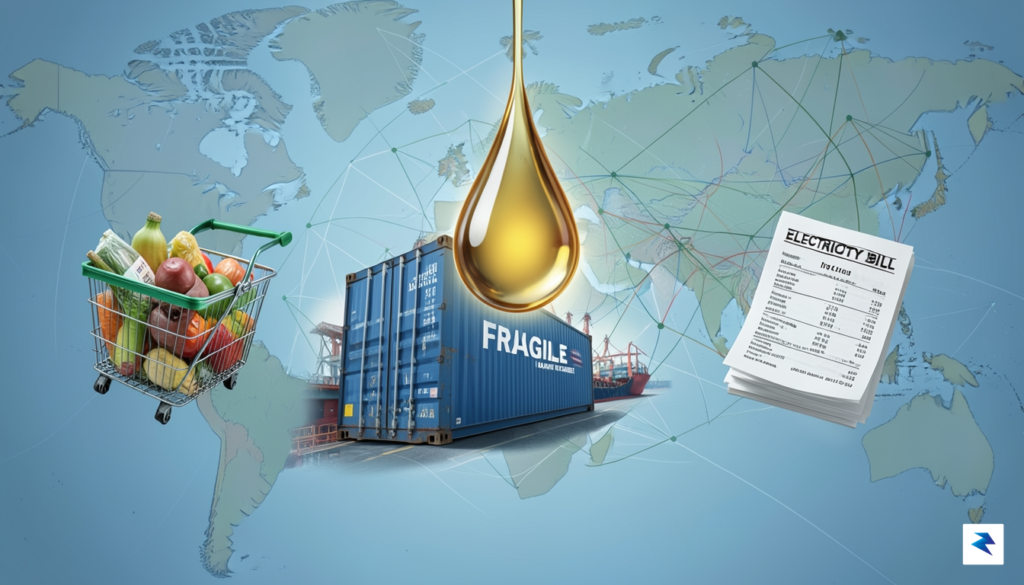
Transportation costs serve as the primary conduit for this economic shift. Diesel fuel, which powers the vast majority of long-haul trucking, shipping vessels, and rail freight, is even more sensitive to supply shocks than standard gasoline. When freight operators face higher overhead costs due to elevated fuel prices, those expenses are almost immediately passed down to the consumer in the form of higher price tags on everything from fresh produce to electronics. This creates a compounding effect: the cost of manufacturing an item rises because of industrial energy needs, and the cost of delivering that item rises because of logistics expenses. Consequently, the price of goods on retail shelves climbs, creating a scenario where households are forced to pay more for basic necessities while their overall purchasing power diminishes.
Beyond the immediate price of goods, sustained high energy costs exert a significant drag on household discretionary spending. When a larger portion of a family’s monthly income is diverted to cover rising utility bills, home heating costs, and transportation, there is less capital available for non-essential consumption. This reduction in discretionary spending can lead to a cooling effect on the broader economy, as businesses in the retail, leisure, and service sectors see a dip in demand. Furthermore, the global food supply chain is particularly vulnerable to these fluctuations; since industrial agriculture relies heavily on oil-derived fertilizers and fuel-intensive machinery, energy spikes essentially act as a multiplier for global food inflation. Ultimately, a blockade that constricts oil supply does not just change the numbers on a ticker tape—it forces a fundamental rebalancing of the average family’s financial priorities.
Energy costs are the hidden architecture of the consumer economy; when the foundation shifts due to supply instability, the impact is felt in every grocery aisle and household budget across the globe.
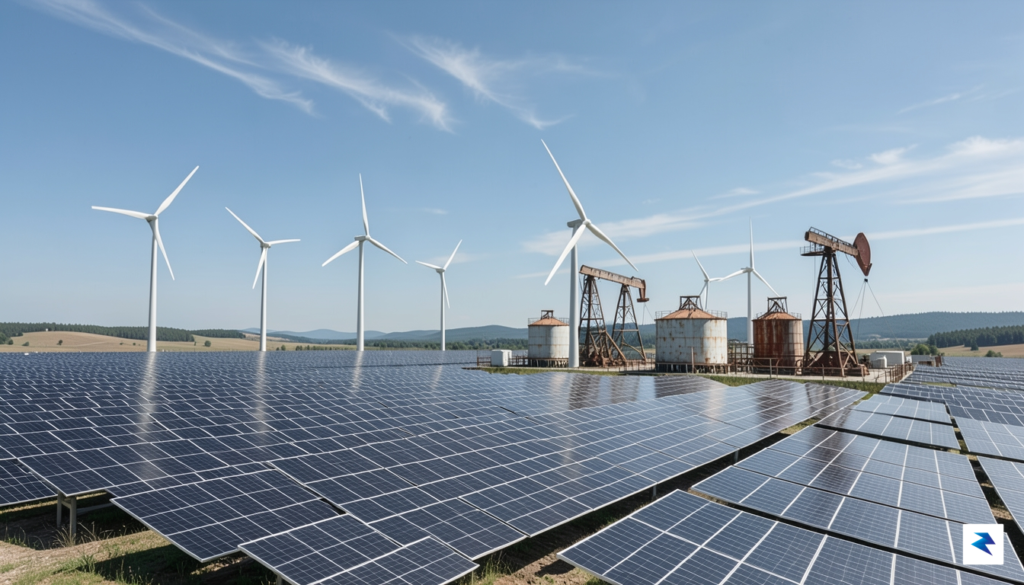
The recurring volatility in the Middle East, punctuated by renewed tensions and blockades, has served as a sobering wake-up call for global powers regarding the fragility of their energy supply chains. For decades, many nations operated under the assumption that global markets would remain sufficiently interconnected to absorb localized shocks. However, the current geopolitical climate is forcing a rapid pivot toward energy diversification. Countries are no longer viewing oil independence merely as an economic goal, but as a fundamental pillar of national security. By moving away from a single-source dependency, governments are attempting to build a strategic hedge that can withstand the unpredictable swings of maritime chokepoints and regional diplomatic ruptures.
This shift is manifesting in a two-pronged strategy: aggressive support for domestic production and a broader geographic scattering of import sources. While some nations are doubling down on fossil fuel extraction to insulate themselves from international price spikes, others are recognizing that domestic production alone is insufficient to meet modern demand. Consequently, we are seeing a renewed emphasis on regional energy alliances and investments in infrastructure that bypass traditional, vulnerable transit routes. This balancing act—between extracting more at home and securing reliable, diversified partners abroad—is fundamentally altering the landscape of international energy trade.
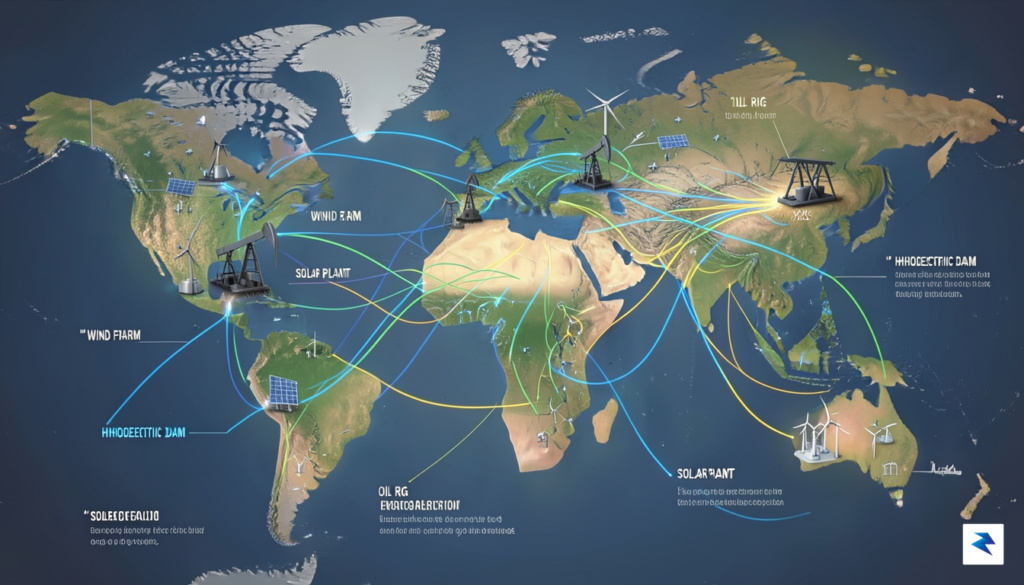
The transition toward energy security is no longer a slow-moving policy goal; it has become a necessary reactive measure to the erratic nature of global geopolitical instability.
A central question remains: will these short-term price shocks accelerate or delay the global transition to alternative energy sources? The debate is split. On one hand, high oil prices act as a direct tax on consumers, which can diminish the capital available for green investments and lead to a desperate, short-term push for cheaper fossil fuels to stave off inflation. Conversely, these moments of instability highlight the inherent risks of a carbon-reliant economy. Many policy experts argue that the current blockade scenarios demonstrate that renewable energy is not just an environmental imperative, but a security one. By localizing power generation through solar, wind, and nuclear energy, nations can effectively reduce their exposure to foreign policy decisions and distant maritime conflicts.
Looking ahead, the geopolitical outlook suggests a world defined by “energy sovereignty.” We are likely to see a permanent shift where energy policy is integrated directly into defense and intelligence planning. While global oil markets will continue to exist, they will be increasingly supplemented by decentralized energy grids and regional resource sharing. Ultimately, the nations that thrive in this new era will be those that successfully decouple their economic stability from the unpredictable bottlenecks of the Middle East, favoring resilience and self-reliance over the precarious convenience of globalized oil dependence.
You must be logged in to post a comment.