
When AI Becomes Family: The New Frontier of Human Intimacy
The Evolution of Artificial Intimacy For decades, our relationship with technology was defined by a clear, transactional boundary: we provided…
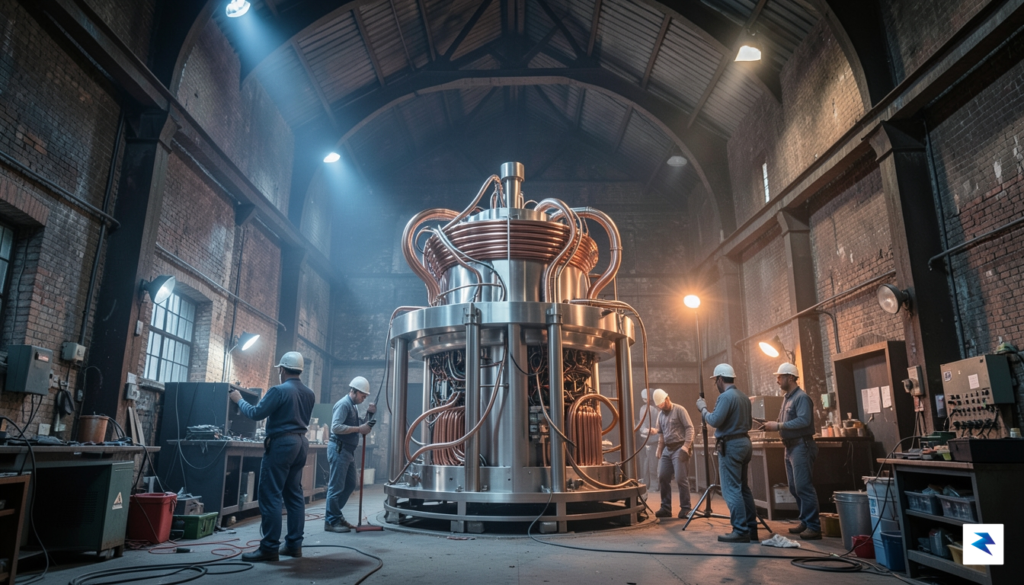
For decades, the pursuit of commercial fusion energy was synonymous with “Big Science”—massive, multi-billion dollar projects like ITER in France or the National Ignition Facility in California. These endeavors were characterized by their isolation, housed within purpose-built, government-funded laboratory complexes that required years of planning, specialized heavy-duty infrastructure, and massive logistical coordination. While these facilities have been essential for proving the fundamental physics of plasma containment, their sheer scale and bureaucratic complexity often acted as a bottleneck, keeping the dream of a fusion-powered grid trapped in a cycle of slow-moving academic research.
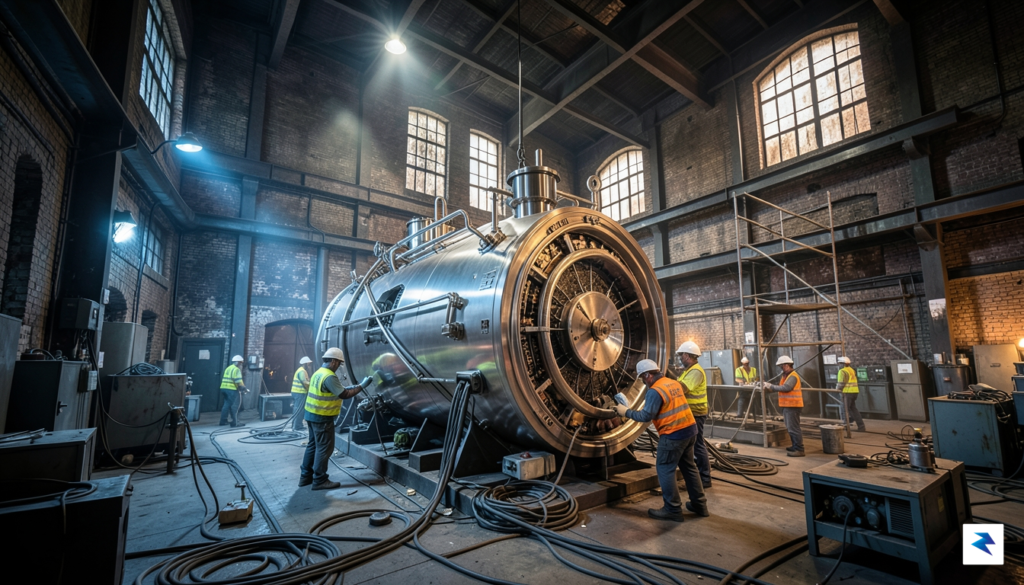
Today, the landscape is undergoing a radical transition. Agile startups like Realta Fusion are adopting a “new-space” philosophy, moving away from the sterile, custom-built environments of the past and toward the pragmatic realities of industrial reuse. Instead of waiting years for greenfield construction and battling complex zoning regulations for new scientific sites, these companies are scouting for existing footprints that offer the structural integrity and power connectivity necessary for high-energy experiments. By breathing new life into structures like the historic Oscar Mayer factory in Madison, Wisconsin, these organizations are demonstrating a masterclass in capital efficiency.
Repurposing existing industrial infrastructure does more than just save time; it allows startups to bypass the “valley of death” between laboratory physics and commercial deployment by focusing capital on engineering and hardware rather than site development.
Choosing an old industrial factory over a pristine laboratory setting is not merely a cost-saving measure; it is a strategic decision to accelerate the development timeline. These spaces often come pre-equipped with high-capacity electrical grids, heavy-duty floor loading capabilities, and expansive floor plans designed for assembly lines—features that are surprisingly well-suited for the modular assembly of fusion hardware. Furthermore, by embedding themselves in existing industrial hubs, startups can tap into local manufacturing supply chains and technical talent pools that are already accustomed to heavy engineering. This shift represents a broader maturation of the fusion sector, signaling that the technology is finally moving out of the realm of theoretical physics and into the tangible, gritty world of industrial manufacturing, where the ultimate goal is not just a scientific breakthrough, but a scalable, replicable energy product.
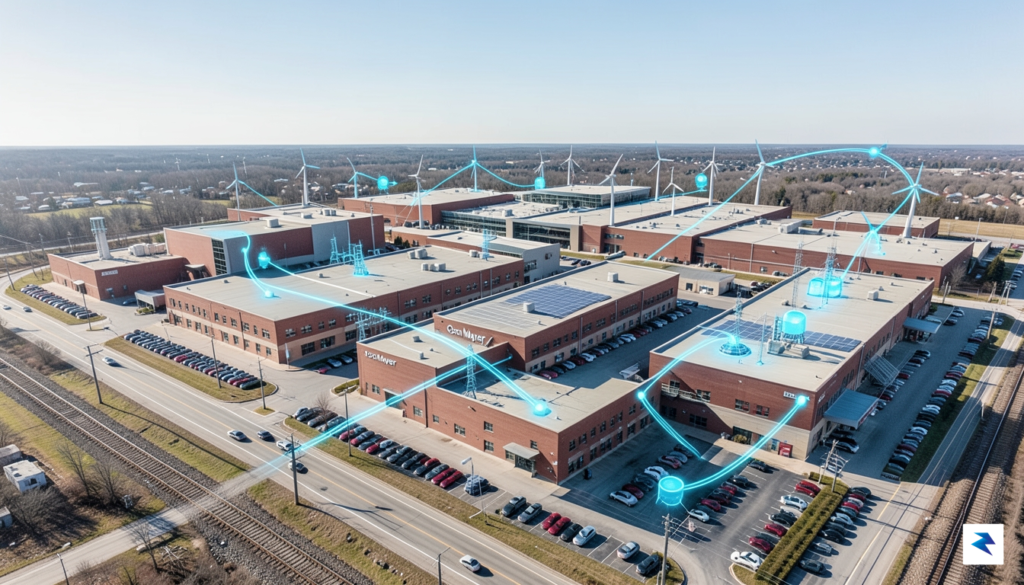
Choosing the site of a decommissioned Oscar Mayer plant for a cutting-edge fusion reactor might seem like an unconventional pivot, but for Realta Fusion, it represents a masterclass in industrial repurposing. The facility was never merely a factory; it was a massive food production hub designed to handle heavy industrial loads, featuring the robust electrical infrastructure and structural bones essential for high-energy experiments. By inheriting this specialized footprint, the team avoided the prohibitive costs and delays of building from the ground up, allowing them to channel their resources directly into plasma physics rather than laying foundational concrete and massive power conduits. The site’s inherent capacity to manage significant power draws—a legacy of its decades as a high-throughput manufacturing center—provides an immediate, reliable lifeline for the intense energy demands inherent in magnetic confinement experiments.
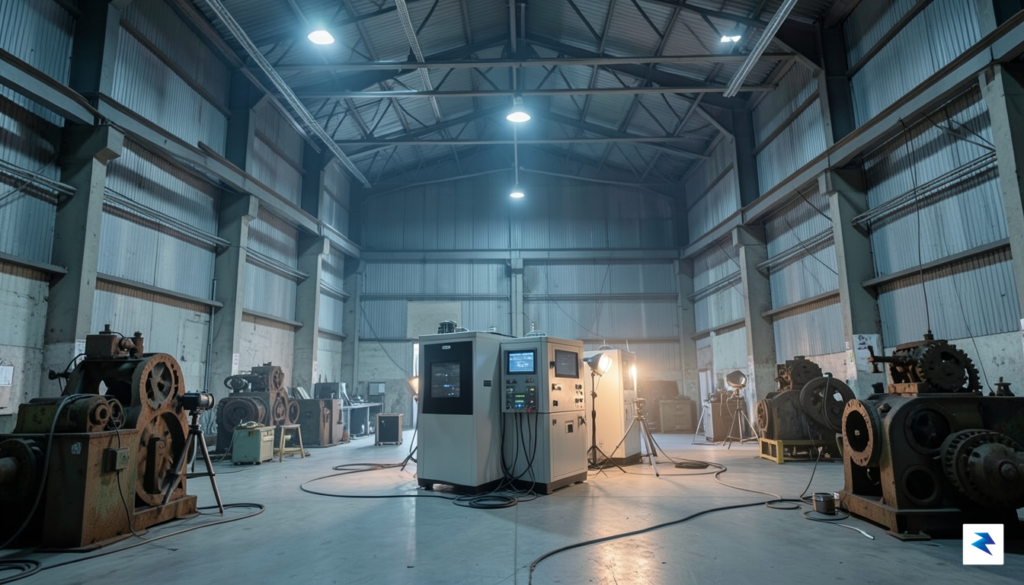
Beyond the physical advantages of the building, Madison offers a rare, high-density ecosystem of intellectual and technical capital. The city is home to the University of Wisconsin-Madison, a world-class institution with a legacy in plasma physics and fusion research that spans several decades. This proximity creates a seamless pipeline for top-tier engineering talent, allowing Realta to cultivate a workforce that is already steeped in the complexities of magnetic fields and advanced materials. When you combine this academic rigor with the region’s deep roots in skilled manufacturing, you get a unique workforce capable of transitioning from traditional engineering challenges to the precision demands of fusion energy. This synergy between university research and hands-on industrial expertise is exactly what the industry requires to move fusion from a theoretical model to a functional reality.
The strength of our location isn’t just in the bricks and mortar; it’s in the proximity to the brilliant minds at UW-Madison and a regional workforce that knows how to build complex, heavy machinery.
Furthermore, the regional power grid accessibility in Wisconsin serves as a silent, essential partner in the project’s feasibility. Fusing hydrogen isotopes into helium at the temperatures required for energy production demands not just specialized technology, but a power grid that can support intermittent, massive spikes in energy consumption. The Madison area’s existing energy distribution network, refined over years of serving industrial corridors, provides the necessary stability for these rigorous experiments. By choosing a location that is already integrated into a robust power landscape, Realta Fusion avoids the logistical nightmare of upgrading local grid infrastructure, effectively accelerating their research timeline by years. Ultimately, the choice of the Oscar Mayer site is a calculated strategic move that marries the industrial history of the Midwest with the future of global clean energy.
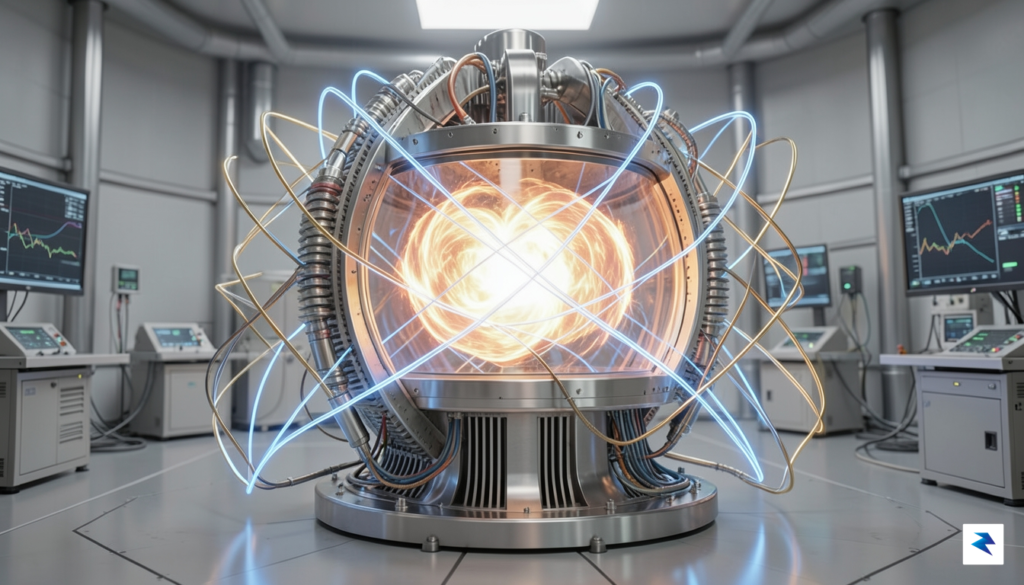
While the fusion energy sector has long been dominated by the tokamak—a complex, donut-shaped machine that relies on a continuous loop of plasma—Realta Fusion is charting a different course. Their design utilizes magnetic mirror technology, a linear approach to plasma confinement that functions much like a high-speed transit tunnel rather than a circular racetrack. In a mirror machine, powerful magnetic fields act as “plugs” at either end of a straight vacuum chamber. These fields are intensified at the ends, creating a force that reflects the high-energy particles back toward the center, effectively trapping them in a confined space long enough to induce the fusion process.
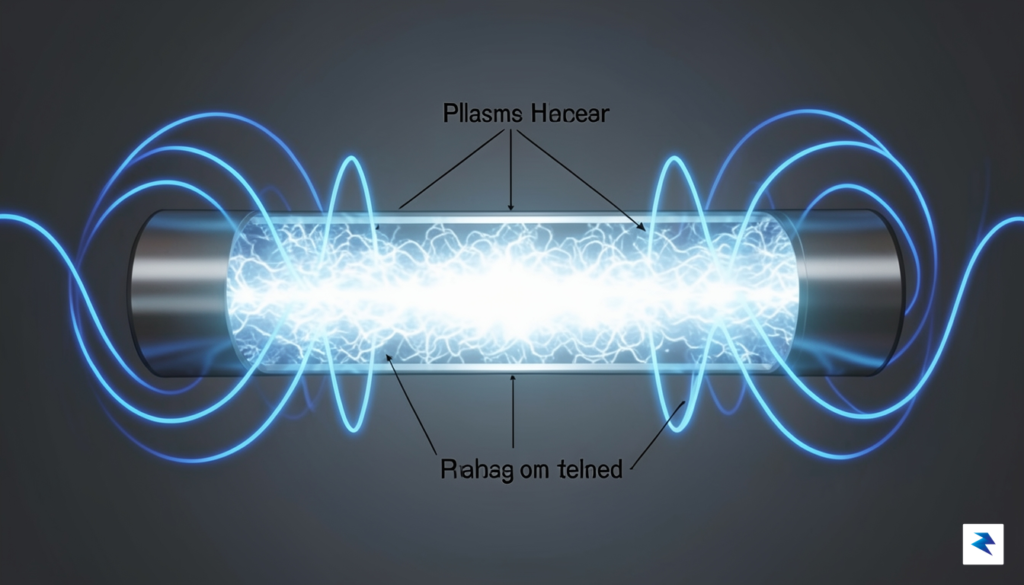
The concept of the magnetic mirror is not entirely new; in fact, it was one of the earliest geometries explored during the mid-20th century by researchers at Lawrence Livermore National Laboratory. During those experimental years, early mirror machines struggled with plasma stability, as the particles would often leak out of the ends faster than they could fuse. Because the physics of the era couldn’t keep the plasma perfectly balanced, the industry largely shifted its focus toward the more stable, circular geometry of the tokamak. However, Realta Fusion is betting that the primary obstacles of the past were not due to the inherent flaws of the mirror geometry itself, but rather the limitations of the technology available at the time.
The revival of the magnetic mirror design rests on the premise that modern engineering can solve the stability problems that defeated researchers fifty years ago.
Today, the landscape has been fundamentally transformed by two major advancements: computational modeling and high-temperature superconductors (HTS). With modern supercomputers, engineers can now simulate the chaotic behavior of plasma with unprecedented precision, allowing for the design of magnetic field geometries that prevent the “leakage” that plagued earlier experiments. Furthermore, the development of high-temperature superconductors allows Realta to generate the incredibly intense magnetic fields required to trap fusion fuel without the massive, prohibitive energy costs of traditional electromagnets. These materials enable a more compact, efficient, and robust reactor design that makes the linear approach not only theoretically sound but commercially viable.
By moving away from the sprawling, massive infrastructure required for traditional tokamak facilities, Realta’s linear mirror reactor promises a more modular and scalable path to energy production. This approach simplifies the maintenance of the reactor components, as the straight-line configuration allows for easier access to the internal parts compared to the cramped, inaccessible interior of a donut-shaped chamber. By marrying the classic simplicity of the mirror machine with the sophisticated materials science of the 21st century, Realta is effectively reimagining a discarded chapter of fusion history as the cornerstone of our future energy grid.
Transitioning from a successful laboratory prototype to a utility-scale power plant is often referred to in the clean-tech industry as crossing the “Valley of Death.” For a company like Realta Fusion, the challenge lies in moving beyond the physics of simply achieving a fusion reaction toward the engineering of a machine that can operate autonomously for months or even years at a time. While the current setup in a repurposed factory proves the feasibility of their core magnetic confinement technology, a commercial reactor must be robust enough to integrate seamlessly into a modern electrical grid, providing consistent, reliable baseload power without the intermittent hiccups that characterize smaller experimental setups.
Engineering a commercial-grade reactor requires addressing three monumental technical hurdles: efficient heat extraction, long-term neutron flux management, and sustained plasma stability. Extracting the intense thermal energy produced by the fusion reaction—without damaging the structural integrity of the vessel—is a feat of materials science that requires cooling systems far more advanced than those used in traditional fission plants. Furthermore, the relentless barrage of high-energy neutrons produced during fusion can cause internal components to become brittle over time, necessitating the development of new, radiation-hardened materials. Maintaining plasma stability for long durations is equally daunting, as even the slightest fluctuation in magnetic pressure can terminate the reaction, creating a persistent challenge for the automated control systems that must manage these conditions in real-time.
Beyond the complex physics and mechanical engineering, Realta Fusion must navigate a labyrinthine regulatory framework. Because fusion energy is a nascent technology, existing nuclear regulations are largely designed for fission reactors, which operate under very different safety and waste profiles. Realta is currently working in tandem with policymakers and independent oversight bodies to establish a clear, science-based pathway for licensing fusion facilities. This public-private partnership is essential; without a standardized regulatory roadmap, the immense capital investment required for utility-scale deployment would be impossible to secure. The goal is to prove that fusion is not just a scientific curiosity, but a safe, manageable asset that can be insured, permitted, and operated by utilities alongside wind, solar, and battery storage.
The leap from an experimental prototype to a commercial energy provider is fundamentally a challenge of reliability: can we prove that fusion can deliver power with the same unwavering consistency that the world has come to expect from the electrical grid?
Ultimately, the transition from the “Hot Dog Factory” experiment to a commercial energy utility hinges on the ability to demonstrate that fusion power is economically competitive. This requires not only technical breakthroughs in heat and plasma management but also the creation of a modular design that can be manufactured at scale. By focusing on streamlined construction and simplified maintenance procedures, Realta aims to lower the barrier to entry for energy providers. If they can solve the durability and regulatory puzzles, they won’t just be building a machine; they will be establishing the blueprint for the next century of global energy production.
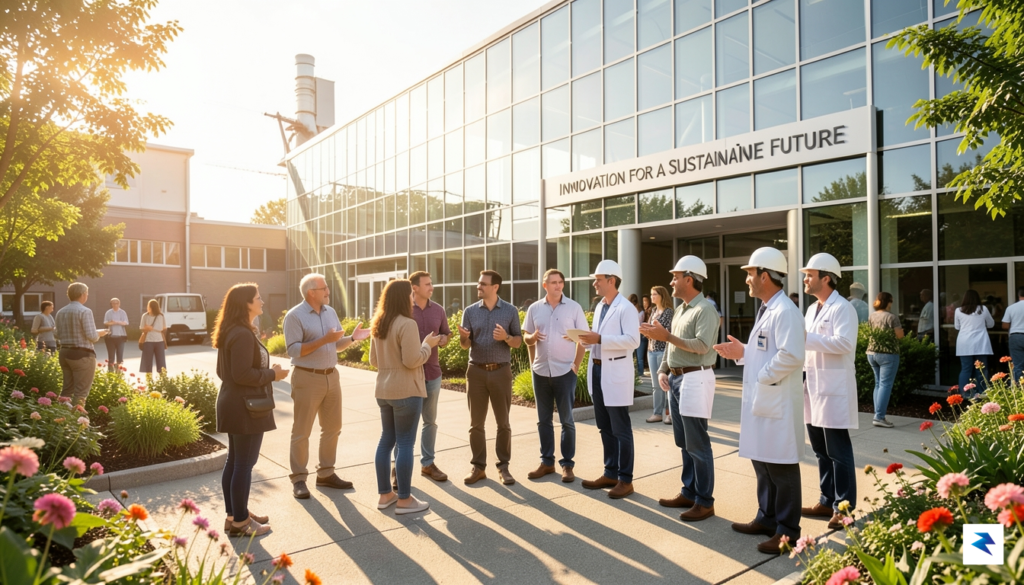
The transformation of the former Oscar Mayer plant into a hub for fusion energy represents a tectonic shift in Madison’s industrial identity. For decades, this site served as a cornerstone of traditional food processing, providing stable employment for generations. However, as the facility sat dormant, it became a symbol of a bygone manufacturing era. Now, by pivoting to Realta Fusion’s cutting-edge reactor technology, the city is effectively trading the legacy of meat processing for the future of clean, infinite energy. This transition is not merely a change in output; it is a fundamental upgrade to the regional workforce, moving from manual labor roles to high-tech positions that demand advanced expertise in engineering, plasma physics, and materials science.
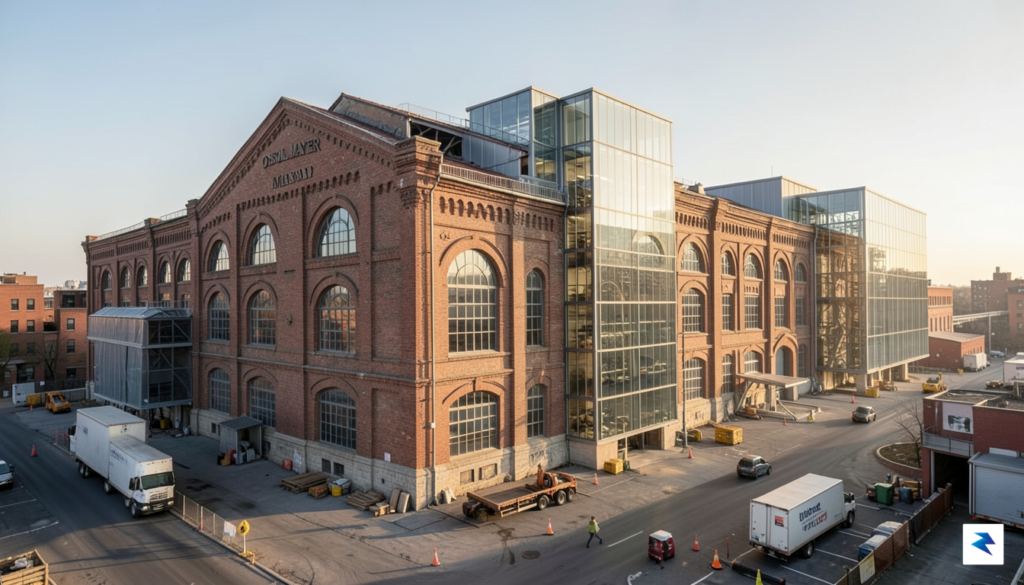
Beyond the direct employment opportunities offered by the research team, this project acts as a catalyst for a burgeoning “fusion-adjacent” ecosystem. When a high-tech anchor tenant moves into a community, it often draws a cluster of specialized suppliers, software developers, and maintenance firms that support the primary operation. This ripple effect could turn Madison into a specialized corridor for clean energy technology, attracting venture capital and academic talent that might otherwise gravitate toward coastal hubs. By fostering a local environment where specialized manufacturing and green-tech startups can thrive, the city is positioning itself to become a permanent fixture in the global decarbonization movement.
The repurposing of the Oscar Mayer site is about more than just physics; it is about building a scalable model for how post-industrial cities can reclaim their economic vitality through the lens of climate-positive innovation.
Local residents, while initially curious about the nature of a fusion reactor in their backyard, are increasingly viewing the project as a long-term environmental win. The shift from a fossil-fuel-reliant economy to one powered by the prospect of clean fusion energy aligns with the community’s broader goals of sustainability and environmental stewardship. By repurposing existing industrial infrastructure rather than breaking ground on greenfield sites, the project minimizes its environmental footprint and preserves the architectural character of the area. As the community looks toward the future, the sight of a fusion reactor emerging from the shell of an old factory serves as a powerful reminder that the path to a carbon-free world often starts by reinventing the foundations we already have.

The transformation of the former Oscar Mayer facility into a hub for cutting-edge nuclear physics represents far more than a clever repurposing of industrial real estate; it is a fundamental shift in how we conceive of base-load power. As nations across the globe grapple with aggressive decarbonization targets, the traditional model of massive, centralized power plants has become increasingly vulnerable to grid instability and lengthy construction delays. By proving that fusion technology can be housed within existing industrial footprints, Realta Fusion is effectively drafting the blueprint for a decentralized energy future. If this pilot project succeeds, it will demonstrate that fusion is not destined to remain an elusive, multi-decade laboratory dream, but rather a practical, modular solution that can be deployed where the energy is actually needed.
The vision of “modular fusion” changes the economic and safety calculus of clean energy entirely. Unlike conventional fission reactors, which require vast containment structures and complex cooling systems that take years to permit and build, modular fusion plants are designed to be smaller, safer, and significantly more agile. These units could be mass-produced in factories and shipped to locations near industrial centers or aging power grids, minimizing the need for extensive new transmission infrastructure. This scalability would allow for a plug-and-play approach to carbon-free electricity, offering a reliable alternative to fossil fuels that can operate continuously, regardless of weather conditions or the limitations of battery storage technology.
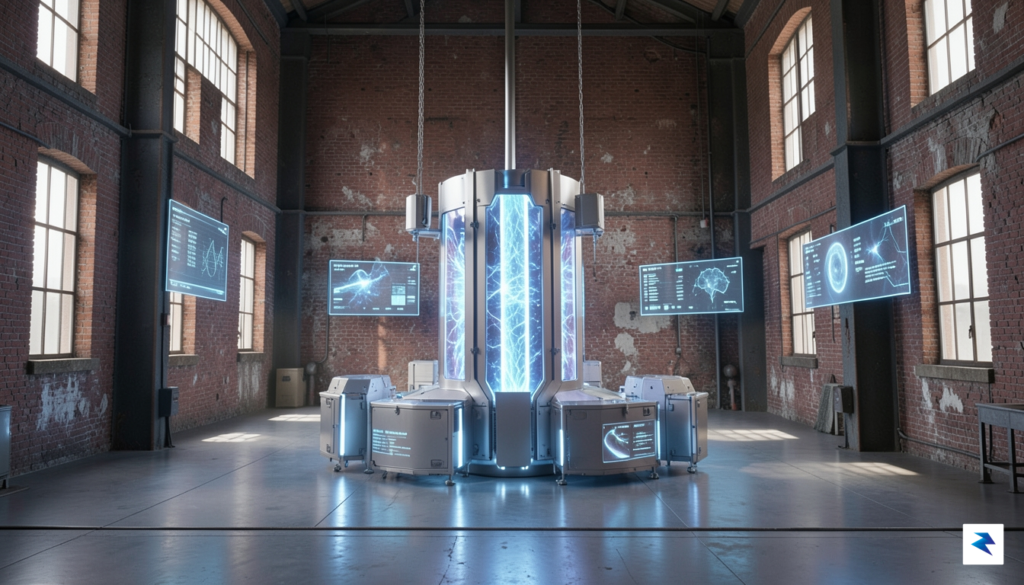
The path to net-zero is paved with breakthroughs in engineering that turn industrial legacy into innovation. Realta’s experiment is the ultimate test of whether we can modernize the grid not by tearing everything down, but by retrofitting the foundations of the past to power the breakthroughs of the future.
Ultimately, the race to commercialize fusion is the defining technological challenge of our time. The narrative of a startup utilizing an old hot dog factory to solve the world’s energy crisis is a powerful testament to the ingenuity and risk-taking inherent in the American energy sector. It underscores a shift toward a more scrappy, entrepreneurial approach to physics that values speed and utility over bureaucratic inertia. As we look toward a future where energy scarcity is no longer an inevitability, the lessons learned in this single, repurposed facility could ripple across the global grid, providing a roadmap for how we might finally achieve a truly sustainable and abundant energy landscape.
You must be logged in to post a comment.