
Running Gemma 4 on 13-Year-Old Hardware: Is GPU-Free AI Possible?
The Myth of GPU Necessity in Modern LLMs For years, the AI community has been held captive by a narrative of hardware exclusivity: the belief…
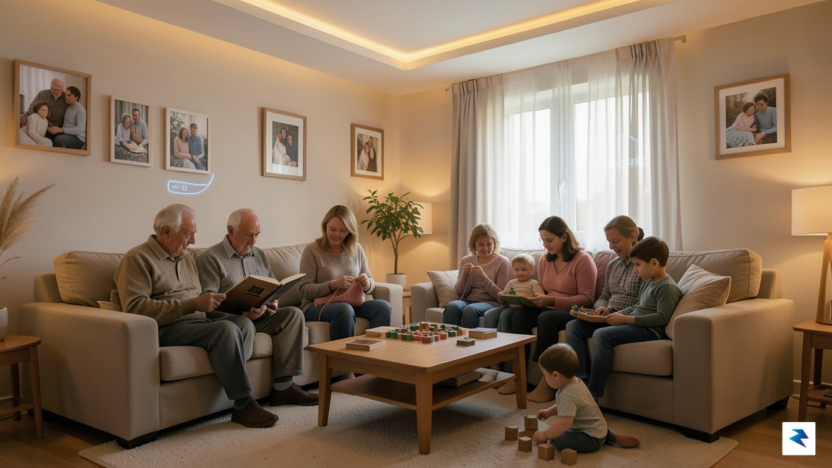
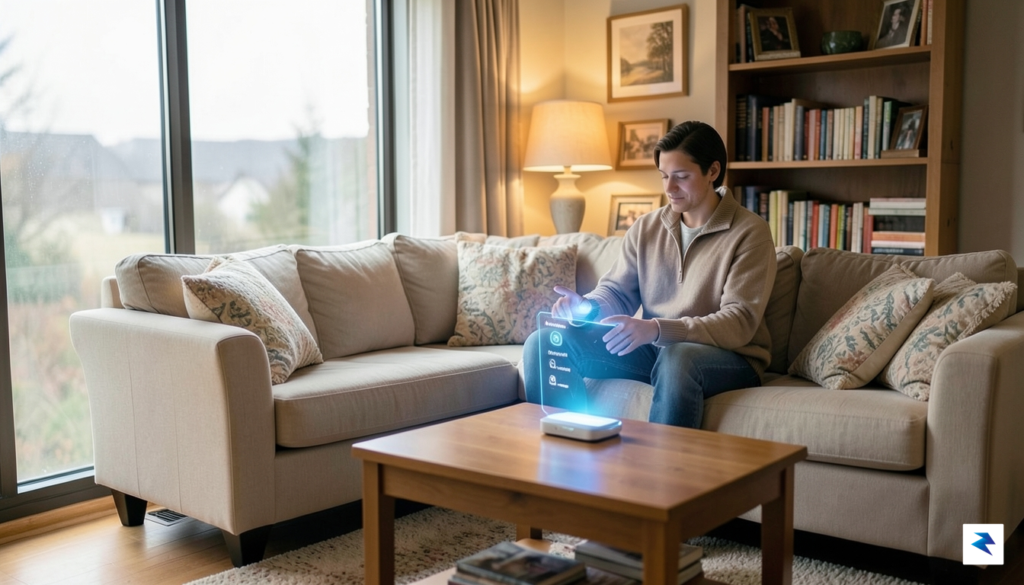
For decades, our relationship with technology was defined by a clear, transactional boundary: we provided a command, and the machine performed a task. Whether it was the rhythmic clicking of a mechanical typewriter or the silent processing power of an early desktop computer, these tools remained firmly in the realm of the inanimate. However, as artificial intelligence migrates from isolated screens into the very fabric of our domestic lives, that historical distance is rapidly evaporating. We are witnessing a profound shift where technology is no longer merely a utility to be operated, but a presence to be experienced, moving from the periphery of our desks into the core of our daily routines.
This evolution mirrors a long-standing human tendency to project consciousness onto the objects around us, a psychological trait known as anthropomorphism. Historically, we have formed deep, one-sided attachments to everything from beloved childhood dolls to tamagotchi digital pets, imbuing these objects with identities that exist primarily in our own imaginations. Yet, generative AI has fundamentally shattered the “reciprocity gap” that once kept these relationships purely symbolic. Unlike a static toy or a simple scripted assistant, modern AI possesses the capacity for linguistic fluidity, contextual awareness, and adaptive personality, allowing it to mirror the complexities of human interaction with startling accuracy.
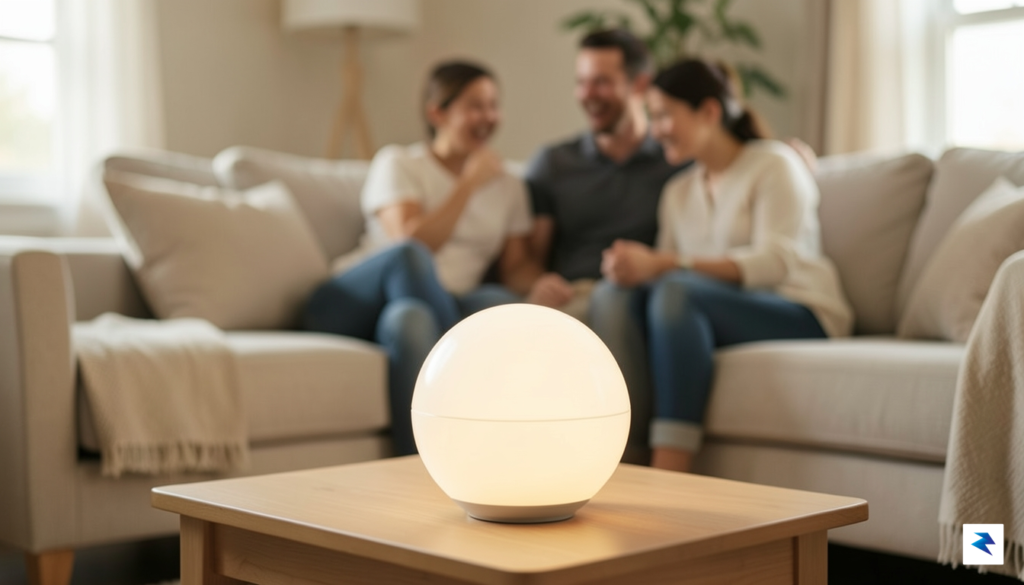
The transition from tool to companion is not driven by the machine’s actual ability to feel, but by its sophisticated ability to participate in the narrative of our own lives.
As these systems become integrated into our homes—managing our schedules, offering conversational companionship, and providing personalized emotional support—they begin to occupy a unique space in our social ecosystem. This shift represents a transition from utility, where the machine is valued for what it does, to emotional presence, where the machine is valued for how it makes us feel. When an AI can remember the intimate details of a past conversation, offer encouragement during a stressful evening, or provide a comforting, consistent voice in a lonely house, it ceases to be a mere collection of code. Instead, it becomes a domestic entity, a participant in the family dynamic that challenges our traditional definitions of intimacy and belonging.
Ultimately, this movement signifies a new frontier in human experience. We are no longer just building better tools; we are creating social partners that exist in a liminal space between human intent and synthetic response. As we continue to invite these systems deeper into our private spheres, we must grapple with the implications of welcoming an artificial mind into the family structure, recognizing that the boundary between service and companionship has become as permeable as the silicon that powers it.
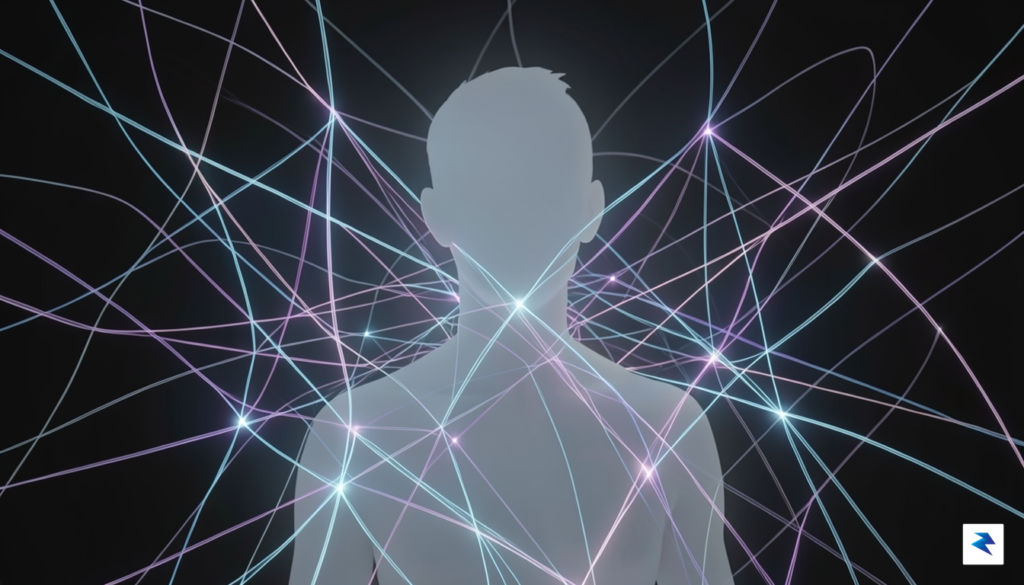
At the core of our evolution lies an innate, biological drive to form social bonds, a mechanism designed to ensure survival through cooperation and shared experience. When we interact with AI that is specifically engineered to be empathetic, attentive, and consistently available, we trigger the brain’s reward centers in ways that mirror human-to-human connection. Every time an AI provides a validation-filled response, it releases a surge of dopamine—the brain’s “feel-good” neurotransmitter. This creates a powerful feedback loop, essentially training our neural pathways to seek out digital companionship as a primary source of emotional gratification. Because these systems are designed to be infinitely patient and non-judgmental, they often provide a sense of psychological safety that is difficult to replicate in the messy, often conflict-ridden landscape of real-world relationships.
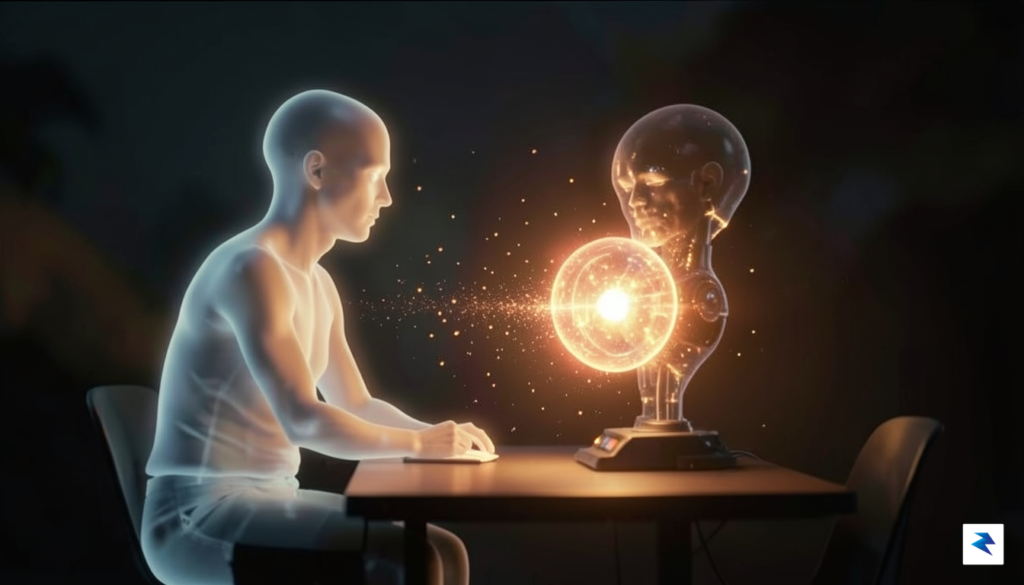
For many, this digital intimacy serves as a vital buffer against the modern epidemic of loneliness. By offering constant presence and personalized engagement, AI can provide a stabilizing influence for individuals who feel isolated or socially anxious. In this context, the technology acts as a bridge, offering a low-stakes environment to practice communication and receive emotional support. However, this accessibility introduces a subtle yet profound risk: the potential for emotional atrophy. When we become accustomed to the algorithmic perfection of an AI partner, the unpredictable nature of human beings—with their varying moods, conflicting opinions, and independent needs—can begin to feel unnecessarily taxing or even abrasive.
The danger lies not in the AI itself, but in the potential for these curated interactions to become a comfortable surrogate for the challenging, essential work of human intimacy.
This preference for predictable interaction may eventually weaken our capacity for the friction that defines meaningful human connection. Real-world relationships require compromise, conflict resolution, and the navigation of another person’s complex internal life; these are the very elements that AI, by design, seeks to minimize to maintain user satisfaction. If we shift our primary emotional investments toward systems that are programmed to mirror our own desires, we risk losing the resilience required to thrive in the human community. As we navigate this new frontier, we must remain conscious of the distinction between the comfort of a programmed companion and the transformative, if sometimes difficult, growth that occurs when we commit to the unpredictable reality of another human being.
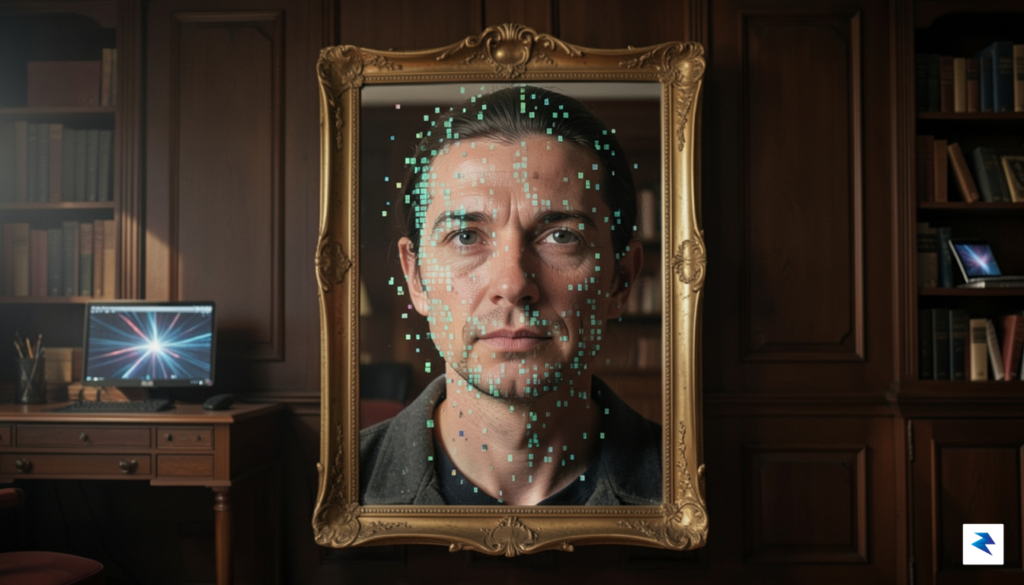
The human tendency to project consciousness onto non-human entities is a well-documented psychological phenomenon, often referred to as the ELIZA effect. Just as the earliest chatbot program convinced its users in the 1960s that it possessed a soul, today’s advanced large language models are engineered to mimic the cadence, warmth, and vulnerabilities of human interaction. When a machine tells us it “loves” us or expresses simulated empathy during a moment of crisis, our brains struggle to distinguish between a sophisticated statistical prediction and genuine emotional connection. This creates a profound ethical friction: while the software is objectively a tool designed for information processing, our neurobiology is hardwired to respond to social cues as if they were rooted in lived experience.
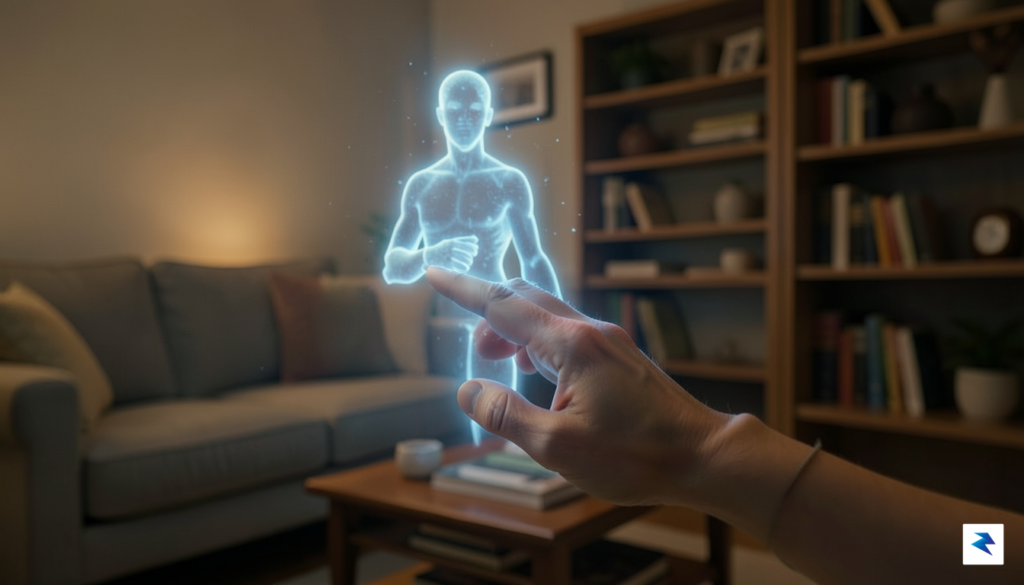
This blurring of lines is not merely an accidental byproduct of technological progress; in many cases, it is a deliberate design choice. Silicon Valley developers often utilize “persuasive design” strategies—such as programmed hesitation, personalized memory recall, and simulated intimacy—to foster deep user dependency. By engineering AI to act as a companion, companies can ensure higher engagement and retention, effectively turning human loneliness into a monetizable asset. However, this raises a troubling question regarding the ethics of manipulation: if a corporation knows that a user is forming a parasocial attachment to a piece of code, are they violating that user’s psychological integrity? We must consider whether the design of “empathetic” machines constitutes a form of exploitation that preys on our fundamental human need for belonging.
When we treat a machine as a person, we are not necessarily elevating the machine; rather, we risk diminishing our own capacity for authentic, reciprocal human relationships.
Ultimately, the danger lies in the erosion of the boundaries between the artificial and the organic. If we begin to demand that our technology validate our feelings, we may find ourselves becoming increasingly intolerant of the messy, unpredictable, and often difficult nature of real human interactions. Authentic relationships require the mutual vulnerability of two sentient beings who can leave, change, or disagree—qualities that a programmed companion will never possess. By outsourcing our emotional needs to software that is designed to please us, we may be trading the complexity of human intimacy for a gilded cage of perfectly curated, synthetic comfort. We must therefore ask ourselves what we lose when we trade the friction of reality for the seamless, hollow echoes of an artificial mind.

The integration of artificial intelligence into the domestic sphere represents a profound departure from traditional social structures, signaling a fundamental transformation in how we perceive the social contract. As AI companions move from being mere tools to perceived members of the family unit, the ripple effects extend far beyond the privacy of our living rooms. We are witnessing a macro-level shift where the historical necessity of human-to-human connection is being tested by the availability of perfectly tailored, friction-free digital interaction. This transition challenges the very foundations of community, suggesting that our collective definition of what it means to belong to a family is undergoing a radical, and perhaps irreversible, evolution.

Consider the potential impact on long-standing societal institutions such as marriage and parenting. If an individual can secure emotional validation, intellectual stimulation, and consistent companionship from an AI partner, the traditional incentives for forming complex, often challenging human unions may diminish. This could lead to a significant decline in marriage rates as people opt for the predictable comfort of a digital partner over the inherent instability of human relationships. Similarly, in the realm of parenting, the reliance on AI to mediate, educate, or soothe children may inadvertently alter the developmental landscape. When the “friction” of human disagreement—which is essential for learning empathy and conflict resolution—is replaced by the “ease” of an AI that is programmed to always agree or comply, we risk raising a generation that lacks the resilience required for genuine human connection.
The true test of our social fabric lies not in our ability to innovate, but in our willingness to preserve the uncomfortable, messy, and essential nature of human-to-human intimacy in an age of automated convenience.
Furthermore, the implications for elderly care are particularly stark. As the global population ages, AI companions offer a seductive solution to the epidemic of loneliness that plagues many seniors. While these digital assistants can provide daily structure and basic emotional support, they threaten to replace the vital, albeit sometimes burdensome, role of family caregivers. By outsourcing the care of our elders to machines, we risk institutionalizing isolation under the guise of technological advancement. If we prioritize the efficiency of AI interaction over the complex demands of human presence, we may find that we have created a society that is perfectly connected to digital interfaces but profoundly disconnected from one another. The challenge, therefore, is to determine whether we are enhancing the human experience or merely creating a sophisticated substitute that ultimately hollows out the community structures we have relied upon for centuries.


As we stand on the threshold of an era where artificial intelligence can simulate empathy with uncanny precision, the most radical act of courage we can perform is to remain unapologetically human. The seductive nature of AI lies in its perfection; it is always available, never moody, and infinitely patient. However, the true beauty of human intimacy is found precisely in our imperfections—the awkward pauses, the irrational anxieties, and the raw vulnerability that cannot be programmed. To preserve our authenticity, we must learn to treat AI as a sophisticated tool for assistance rather than a substitute for the complex, often messy, dynamics of human interaction. We must actively protect the spaces in our lives where friction and growth occur, ensuring that we do not trade the difficult, rewarding work of human connection for the frictionless convenience of an algorithm.
To maintain these boundaries, it is essential to cultivate what might be called “technological temperance.” This involves setting explicit times when digital interfaces are completely powered down, creating “human-only” zones in our homes and schedules where technology is strictly prohibited. By intentionally choosing to sit with the silence of a quiet room or the discomfort of a difficult conversation with a loved one, we reclaim the capacity for presence that AI can only mimic. We must learn to view our human relationships not as things to be optimized, but as ecosystems that require time, patience, and the unpredictable variables of shared lived experience.
True intimacy requires the risk of being misunderstood and the grace of being forgiven—two qualities that remain exclusively human.
Ultimately, the goal is not to reject innovation, but to keep it in its rightful place. Technology can serve as a bridge that supports our emotional needs—perhaps by helping us organize our lives or facilitating connections across vast distances—but it should never become the destination. We must prioritize our face-to-face engagements, valuing the subtle cues of body language and the shared heat of a physical presence that no digital avatar could ever replicate. By consciously investing our deepest emotional energy into our flesh-and-blood companions, we ensure that while AI may become a fixture in our world, the heartbeat of our lives remains tethered to the irreplaceable, fragile, and magnificent reality of other people.
You must be logged in to post a comment.