From Hot Dogs to Fusion: Inside Realta’s Bold Energy Experiment
The Evolution of Fusion Research: From Laboratories to Industrial Spaces For decades, the pursuit of commercial fusion energy was synonymous…
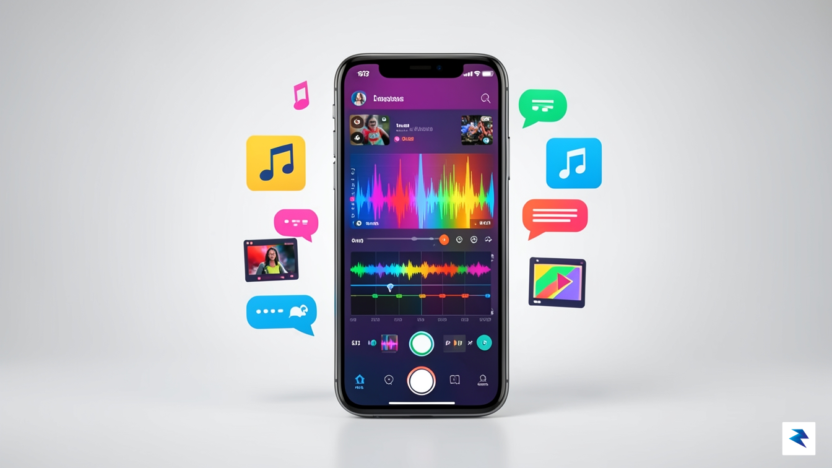

The modern digital landscape has shifted aggressively toward short-form video, transforming platforms like TikTok, Instagram, and YouTube Shorts into the primary arenas for human connection and brand discovery. In this high-stakes ecosystem, the pressure to maintain a consistent presence—often requiring daily uploads—has birthed a relentless “creator economy.” For influencers and casual users alike, the algorithmic demand for constant updates feels less like a creative outlet and more like a full-time job, leaving many feeling perpetually behind the curve. While the desire to share moments has never been higher, the technical hurdle of keeping up with this rapid-fire pace remains a significant source of frustration for those without a dedicated production team.
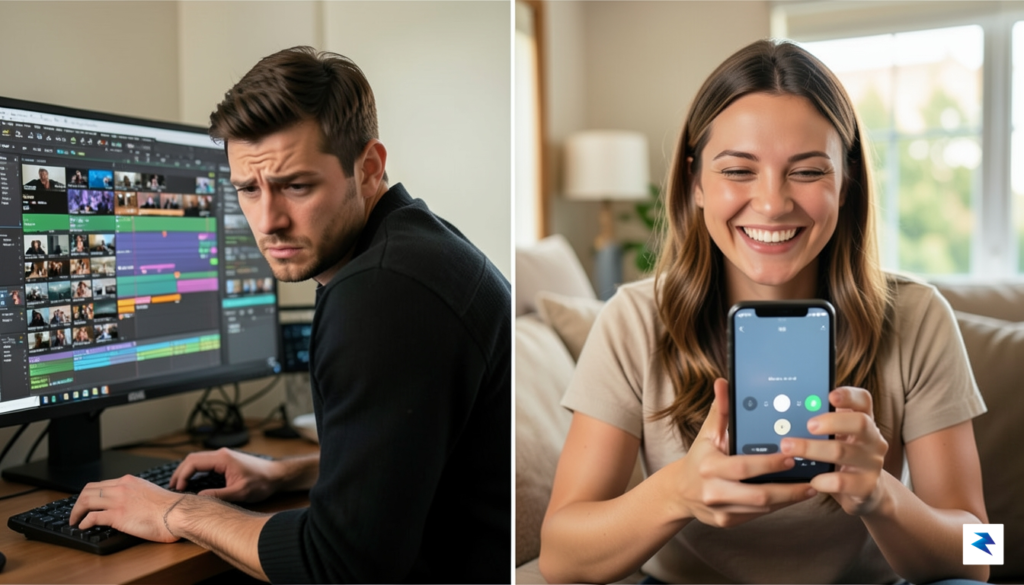
For years, the gold standard for video production has been anchored in professional-grade software like Adobe Premiere Pro or Final Cut. While these tools offer unparalleled precision, they are increasingly becoming overkill for the average user who simply wants to turn a weekend trip or a candid moment into an engaging reel. The steep learning curve, combined with the time-consuming nature of manual cutting, color grading, and audio syncing, creates a massive friction point. Most creators are not professional editors; they are individuals trying to bridge the gap between capturing a memory and presenting it in a way that resonates with their audience. When the barrier to entry involves hours of manual labor, the result is often a backlog of unused footage gathering digital dust in a smartphone’s camera roll.
The most significant challenge for today’s creator isn’t a lack of content, but rather the overwhelming friction between capturing a moment and effectively sharing it with the world.
This reality has sparked a necessary evolution in how we approach media production, favoring mobile-first, automated solutions over traditional desktop suites. We are witnessing a fundamental shift toward software that prioritizes speed, intuitive AI assistance, and aesthetic polish without requiring a degree in film editing. By offloading the tedious tasks of trimming, sequencing, and rhythm-matching to intelligent algorithms, creators can finally focus on the storytelling aspect rather than the technical execution. This transition toward AI-powered automation is not merely a convenience; it is the democratization of video production, allowing anyone to transform raw, unfiltered camera roll clips into high-quality, social-ready content that keeps pace with the relentless demands of the modern feed.
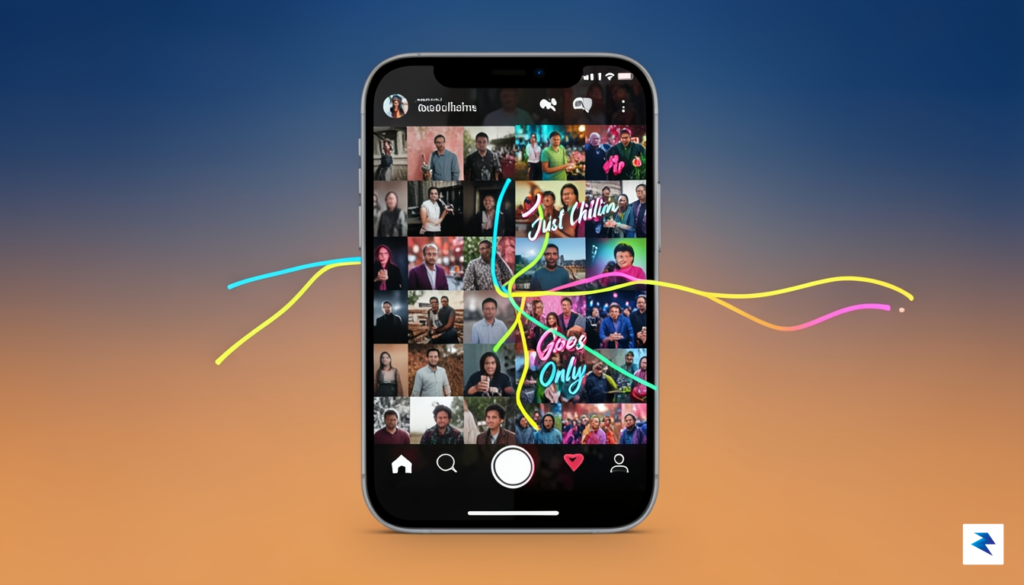
The modern creator’s greatest obstacle is rarely a lack of footage; rather, it is the overwhelming paralysis caused by a camera roll filled with hundreds of unorganized, raw clips. Reelful addresses this by effectively eliminating the “blank canvas” problem that stops many aspiring influencers before they even begin. Instead of forcing you to stare at a daunting, empty timeline in a complex editing suite, the platform acts as an intelligent partner that sifts through your digital clutter. By automating the most tedious aspects of the production process, it allows you to transition from having a collection of scattered memories to possessing a polished, shareable asset in mere minutes.
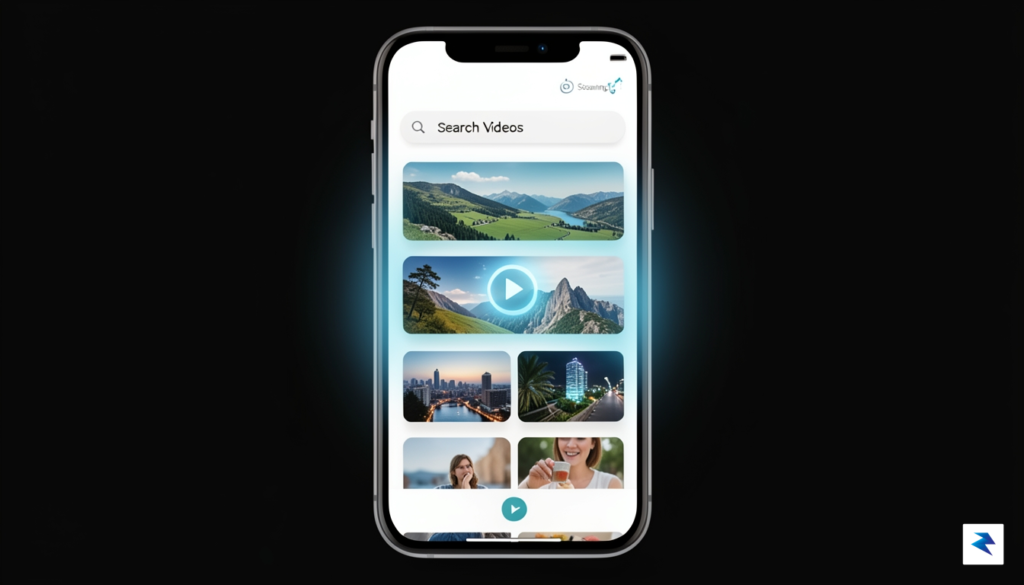
The user journey begins with a simple selection process where you choose the raw footage you want to highlight. Once the clips are imported, the AI engine takes over, performing a deep analysis of your content to identify the most compelling visual moments, action sequences, and high-energy segments. It intelligently discards shaky or unusable frames, effectively acting as an automated editor that understands the nuance of visual storytelling. This phase is critical because it removes the cognitive load of scrubbing through hours of footage manually, ensuring that you are only working with the best possible material.
By automating the heavy lifting of clip selection and pacing, Reelful allows creators to focus on their unique narrative voice rather than getting bogged down in the technical minutiae of frame-by-frame cutting.
Once the core segments are identified, the platform handles the structural assembly with remarkable precision. It automatically arranges your clips to match the tempo of trending audio, ensuring that transitions align perfectly with the rhythm of the music. The AI manages the pacing of the edit by adjusting the duration of each clip to maintain viewer retention, a vital metric for social media success. Furthermore, it applies professional-grade transitions that feel seamless and intentional, effectively removing the jarring jumps often seen in amateur edits. By handling these technical adjustments, Reelful ensures that the final product looks like it was meticulously crafted by a professional editor, even if you have zero experience in video production. Through this streamlined workflow, the focus shifts entirely from the “how” of editing to the “what” of your story, making consistent content creation feel effortless.

At the heart of modern content creation lies a fundamental shift: we are moving away from manual, frame-by-frame editing toward an era of intent-based curation. Reelful leverages advanced generative AI to look beyond simple metadata or timestamps, effectively “watching” your camera roll to understand the emotional and visual context of your footage. By analyzing movement patterns, identifying peaks in action, and even detecting the presence of key subjects, the software transforms a chaotic collection of files into a cohesive sequence. This isn’t merely about trimming clips to fit a specific length; it is about the AI recognizing the narrative arc inherent in your raw material, ensuring that the most impactful moments take center stage.
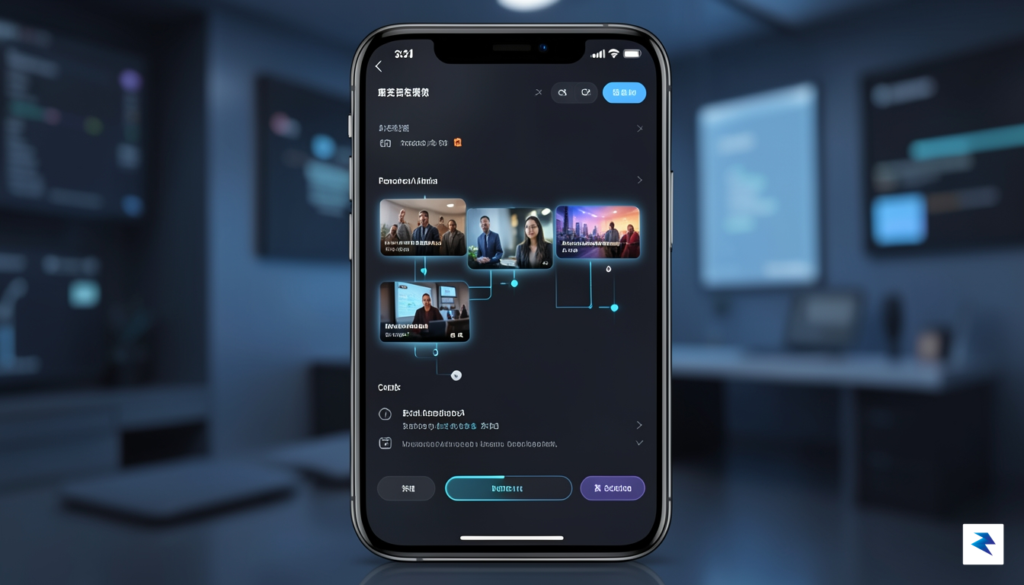
The true power of this technology lies in its ability to suggest narrative flows that a human might overlook in the heat of the moment. When you record a series of clips at an event or during a vacation, your brain often struggles to synthesize them into a compelling thirty-second story. Reelful’s algorithms act as a sophisticated editor, identifying the “hook,” the “climax,” and the “resolution” of your footage by weighing visual intensity against pacing requirements. By understanding the intent behind the video—whether it is a high-energy transition for a workout video or a sentimental sequence for a travel diary—the AI provides a structural foundation that makes the final result feel intentional rather than haphazardly assembled.
The marriage of human instinct and machine precision creates a new paradigm where the tool acts as a tireless co-pilot, handling the heavy lifting of assembly so the creator can focus entirely on the artistic vision.
It is important to recognize that this automation does not equate to the removal of the human element; instead, it serves to augment it. By offloading the tedious task of sifting through hundreds of files, the creator is freed to act as a director rather than a technician. The AI functions as a collaborative partner, suggesting potential edits and transitions that the user can accept, reject, or fine-tune. This balance ensures that while the process becomes significantly faster and more efficient, the final output remains deeply personal. Ultimately, by using AI to handle the mechanical structure, creators can dedicate their limited time to refining the story’s voice, ensuring that every video resonates with its intended audience on a more meaningful level.
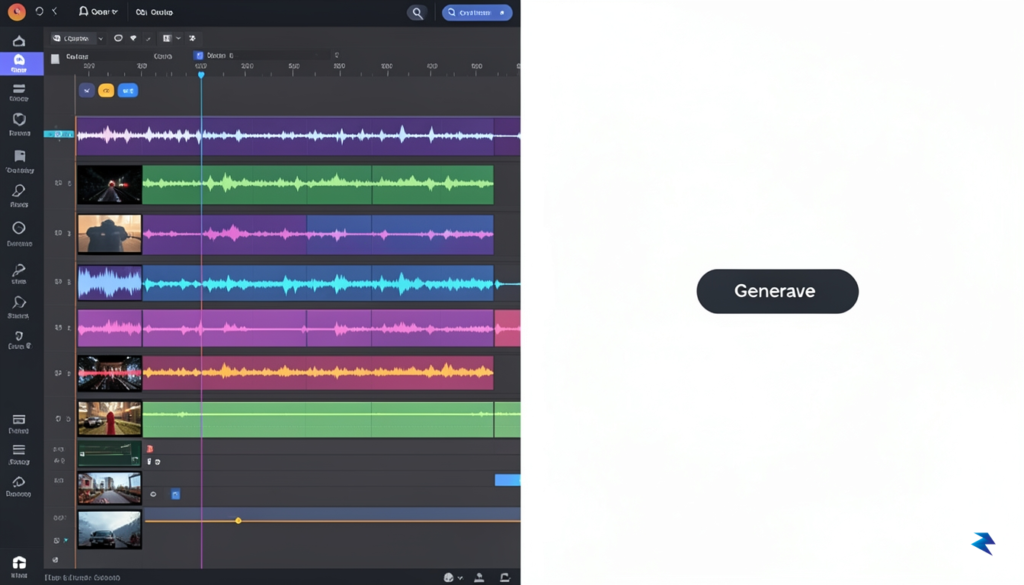
Creating high-quality short-form content has long been gated by a steep technical learning curve that discourages many potential creators. Between the specific demands of varying aspect ratios, the nuance of optimal bitrates, and the tedious nature of frame-accurate captioning, the process often feels more like professional video editing than casual content creation. For the average user, the friction created by these technical requirements is often the primary reason they fail to maintain a consistent posting schedule. When the barrier to entry involves troubleshooting export settings or struggling with complex non-linear editing software, the original spark of creativity is frequently lost in the shuffle.
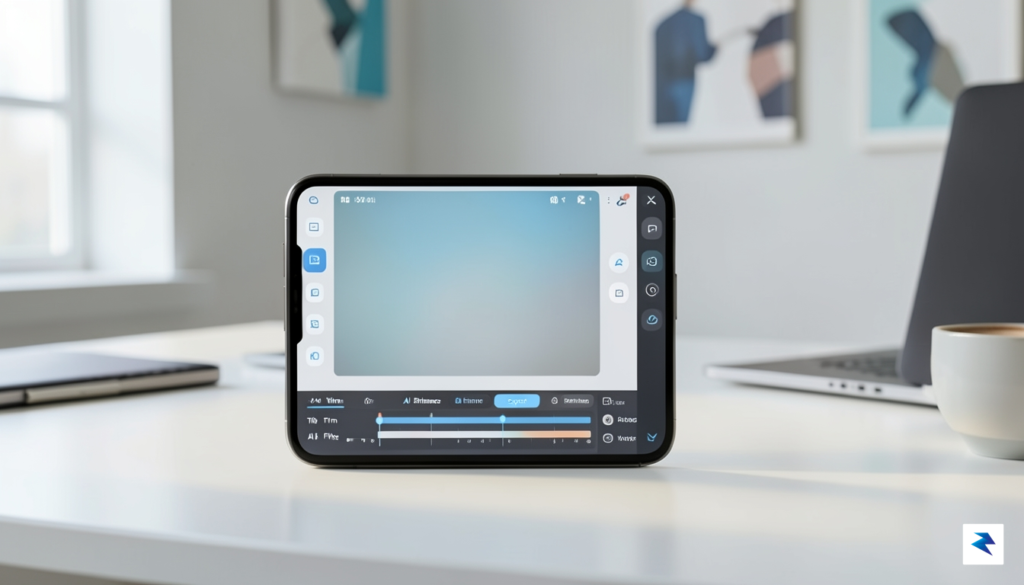
Automated tools are now fundamentally changing this dynamic by standardizing the technical output of your camera roll. Instead of worrying about whether your video meets the specific, often hidden, bitrate requirements of platforms like TikTok or Instagram, AI-driven solutions handle the heavy lifting behind the scenes. These tools automatically transcode media, ensure proper vertical alignment, and apply professional-grade color correction, allowing your footage to look polished regardless of your technical proficiency. By abstracting away the complexities of codecs and resolution exports, these platforms ensure that your message remains the focal point rather than the medium itself.
Complexity is the silent killer of consistency. When the technical process is stripped away, creators are free to focus exclusively on their storytelling and audience engagement.
Furthermore, the integration of intelligent captioning and dynamic pacing into the automated workflow solves one of the most time-consuming pain points in modern social media: engagement retention. Viewers today expect high-speed, visually stimulating content that includes readable text overlays, a task that once required hours of manual keyframing. By leveraging AI to analyze the audio and visual flow of your raw clips, tools like Reelful can generate perfectly timed subtitles and scene transitions in seconds. This level of automation ensures that your videos are not only optimized for the algorithms that prioritize high-retention content but also accessible to audiences who consume videos on mute. Ultimately, removing these technical bottlenecks empowers you to move from raw footage to a polished, viral-ready asset without ever needing to master the complexities of a professional editing suite.

While AI tools like Reelful can dramatically accelerate your production timeline, the secret to viral success still lies in the human perspective you bring to the raw footage. To truly excel, start by adopting a “feed-first” filming habit: always capture more raw material than you think you need. By recording extra angles, b-roll shots of your surroundings, and candid moments, you provide the AI with a richer dataset to pull from, which ultimately results in a more dynamic final edit. When you have a surplus of footage, the algorithm has the freedom to select the most visually arresting clips, ensuring your short-form content feels polished and intentional rather than sparse or repetitive.
Once the AI has generated the foundational structure of your video, your next step is to inject a personal touch that distinguishes your brand from the sea of automated content. Generic AI-generated edits can sometimes feel sterile, so layering in your own voiceover or choosing a custom soundtrack that reflects your specific brand personality is essential. Furthermore, consider adding unique text overlays that highlight a specific insight or a witty remark. These personal flourishes act as a digital fingerprint, transforming a standard automated cut into a piece of content that feels authentically human and resonates deeply with your target audience.
The most successful creators use AI as a high-speed assistant, not a replacement for their unique creative voice.
Maintaining a consistent brand voice is the final pillar of a successful strategy. Even when you are experimenting with different video styles or trends, your audience should immediately recognize your content through your consistent tone, color palette, or specific style of humor. To achieve this, create a set of “brand rules” for yourself: decide on a consistent font style for your overlays, a preferred color scheme, and a specific cadence for your voiceovers. By embedding these standards into your workflow, you ensure that every video produced—whether it takes five minutes or an hour—feels like a cohesive part of your overall narrative. Consistency builds trust, and when your viewers know exactly what to expect from your digital presence, they are significantly more likely to engage, follow, and share your content across their own social circles.
You must be logged in to post a comment.