
Chromium 148 and Math.tanh(): How Your Browser Leaks Your OS
The Evolution of Browser Fingerprinting For decades, the humble browser cookie reigned supreme as the primary tool for websites to remember…
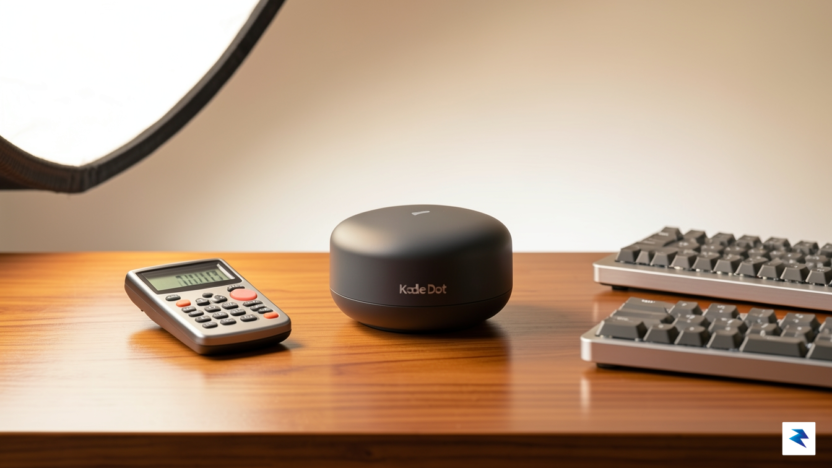
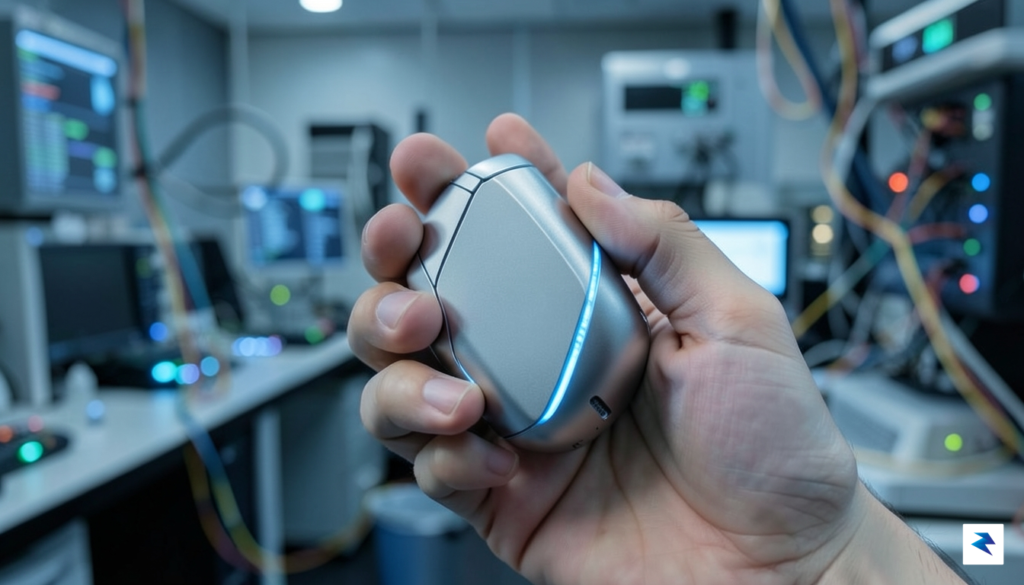
The landscape of portable computing is undergoing a significant transformation, moving beyond the traditional reliance on bulky laptops and towards a new era of specialized, highly capable pocket-sized hardware. For years, the notion of true on-the-go computing for complex tasks felt like a compromise, often requiring a heavy backpack filled with power banks, cables, and various peripherals. However, a growing demand for miniaturized power and integrated functionality is now driving innovation, ushering in devices that pack serious punch into form factors barely larger than a credit card.
While pioneers like the Raspberry Pi Zero undeniably democratized access to embedded systems and micro-computing, these bare-bones single-board computers often present their own set of challenges for truly mobile applications. Setting up a Pi Zero for fieldwork typically involves a tangled mess of external components: a portable display, a battery pack, a mini-keyboard, and a makeshift enclosure to protect it all. This modularity, while excellent for desk-bound prototyping, fundamentally limits their practical utility when you need a robust, self-contained tool that can be deployed instantly in diverse environments without fuss or excessive rigging. The need for a cohesive, all-in-one solution that retains expandability but minimizes external dependencies has become increasingly apparent.
This is precisely the gap that the Kode Dot so elegantly fills, emerging as a revolutionary tool poised to redefine what makers, pentesters, and geeks can accomplish in the palm of their hand. Far more than just another SBC in a case, the Kode Dot represents the vanguard of this new wave of integrated, portable platforms. It offers a compact yet powerful computing environment, designed from the ground up to be a self-contained unit capable of handling intricate tasks that previously demanded a much larger setup. Its thoughtful integration of hardware and software makes it a formidable contender, allowing users to move seamlessly between development, diagnostics, and deployment.
The Kode Dot isn’t just about shrinking technology; it’s about optimizing it for real-world, dynamic use cases. It empowers a diverse audience, from hardware tinkerers eager to experiment with custom circuits and IoT projects, to security researchers needing a discreet and potent device for penetration testing and network analysis, and even software hobbyists looking for a versatile platform for coding on the go. This device truly embodies the spirit of punching above its weight, providing a performance envelope that belies its diminutive size and fits comfortably into any pocket, ready to unleash its capabilities whenever inspiration or necessity strikes.
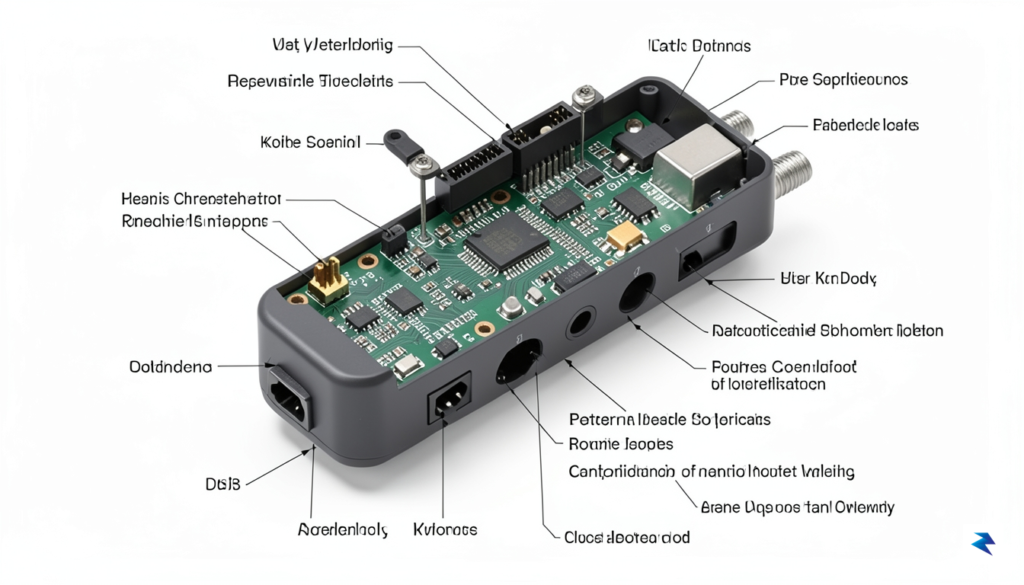
The Kode Dot emerges from a deeply considered design philosophy, prioritising functionality and reliability above all else. Its core architecture is a testament to the “function-first” mentality, meticulously balancing energy efficiency with the necessary processing power to perform complex tasks without compromise. This thoughtful integration ensures a remarkably stable and responsive environment, perfectly suited for running intricate scripts, rigorously testing network protocols, and managing diverse hardware interfaces, all while maintaining a form factor that entirely sidesteps the typical bulk associated with traditional mobile computing devices. It’s an engineering feat designed to be both potent and practical, ready for deployment in a myriad of scenarios from the lab to the field.
At the heart of the Kode Dot lies a robust ARM-based processor, specifically chosen for its optimal blend of performance and power consumption. This isn’t about raw, desktop-class computational brute force; rather, it’s about providing precisely the right amount of horsepower to execute advanced Python scripts, compile lightweight applications, and handle real-time data processing for network analysis or hardware interaction with seamless efficiency. Coupled with a generous allocation of RAM, the device ensures smooth multitasking and rapid execution of commands, preventing frustrating lag when you’re deep into a penetration test or iterating on a new maker project. Furthermore, ample onboard flash storage provides sufficient space for a custom operating system, a comprehensive suite of pre-installed tools, and plenty of room for user-developed applications and critical data logs.
A critical aspect of the Kode Dot’s design is its commitment to battery longevity, recognizing that field operations often occur far from convenient power outlets. The device incorporates a high-capacity, energy-dense battery, meticulously integrated to provide extended operational hours on a single charge. This careful power management allows users to conduct prolonged testing sessions, monitor remote sensors, or run time-intensive scripts without constantly worrying about dwindling power reserves. Whether you’re on a long reconnaissance mission or spending an afternoon tinkering with new electronics, the Kode Dot is engineered to keep pace with your demands, offering reliable power that truly supports its portable nature.
Beyond its internal processing and power systems, the Kode Dot excels in its versatile input/output capabilities, making it an indispensable tool for makers and pentesters alike. It features robust Wi-Fi and Bluetooth modules, enabling seamless wireless communication for network analysis, device pairing, and data transfer. A modern USB-C port serves multiple functions, facilitating high-speed data transfer, charging, and acting as a host for various peripherals or an interface for debugging. Crucially, the inclusion of accessible General Purpose Input/Output (GPIO) pins opens up a world of possibilities for hardware interfacing, allowing users to connect and control custom sensors, actuators, and other electronic components directly, thereby transforming the Kode Dot into a truly programmable hardware platform.
The physical construction of the Kode Dot reflects its intended use in challenging environments, striking an expert balance between rugged durability and user-friendly ergonomics. Encased in a resilient, impact-resistant shell, it is designed to withstand the rigors of daily use, from accidental drops to exposure to various elements, without compromising its internal components. Despite its robust build, the device maintains a remarkably compact and lightweight form factor, easily slipping into a pocket or tool kit. Thoughtful design elements, such as a crisp, readable display and tactile, programmable buttons, ensure that interaction is intuitive and efficient, whether you’re rapidly navigating menus or executing complex commands on the fly. This blend of tough exterior and intuitive interface ensures the Kode Dot is not just a powerful tool, but one that is genuinely a pleasure to use in any scenario.
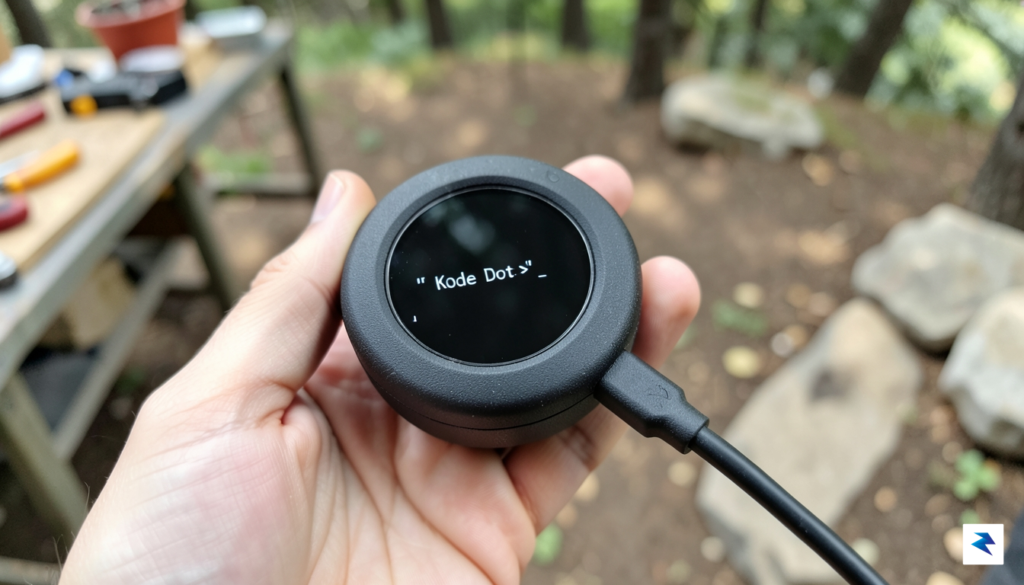

The Kode Dot truly shines as an indispensable bridge between your innovative code and the tangible world of physical hardware. This compact yet incredibly powerful device empowers makers and hardware enthusiasts to bring their most creative concepts to life, whether they are meticulously automating a complex home IoT network or meticulously building a bespoke sensor array for a niche application. Its deeply programmable nature ensures it can fluidly adapt to various roles, seamlessly transforming into a precise controller, a vigilant monitor, or an efficient data logger depending entirely on the specific demands of the project at hand. This inherent versatility makes it a cornerstone tool for anyone looking to transcend purely software-based solutions and delve into practical, interactive hardware deployments.
For those venturing into the exciting realm of IoT project prototyping, the Kode Dot offers an unparalleled platform for rapid development and iteration. Imagine effortlessly integrating custom sensors to monitor your home’s environmental conditions, from temperature and humidity levels to air quality, or creating intelligent systems that automatically manage your garden’s irrigation based on real-time soil moisture data. Its small form factor allows for discreet deployment and easy integration into existing smart home infrastructure, providing a robust backbone for your automated solutions. Furthermore, the ability to quickly test and deploy different code revisions directly on the device significantly accelerates the development cycle, turning ambitious ideas into functional prototypes in a fraction of the time.
Beyond typical home applications, the Kode Dot excels as a dedicated custom automation controller for more specialized scenarios and as a reliable companion for field data collection. Consider its utility in crafting bespoke control systems for intricate robotics projects, managing specific industrial processes, or even setting up an automated pet feeder with intelligent scheduling. When deployed in the field, its robust design and programmable logging capabilities make it ideal for long-term environmental monitoring, tracking wildlife movements, or collecting crucial data from remote locations where power and connectivity might be scarce. This flexibility means you’re not just limited to standard off-the-shelf solutions; instead, you gain the power to tailor automation to your exact requirements, regardless of the environment.
Moreover, the Kode Dot serves as an exceptional educational tool, making complex embedded programming concepts accessible and engaging for learners of all levels. It provides a hands-on sandbox for exploring the intricacies of embedded C or Python, allowing students and hobbyists alike to immediately see the tangible results of their code. Simple projects like blinking LEDs, reading input from various sensors, or controlling small motors become fundamental lessons in hardware interaction, fostering a deeper understanding of how software interfaces with the physical world. This direct feedback loop is invaluable for demystifying topics often perceived as daunting, encouraging experimentation and building confidence in aspiring engineers and developers.
One of the Kode Dot’s most compelling attributes is its remarkable ease of integration within diverse existing hardware ecosystems. Its thoughtful design ensures compatibility with a vast array of common sensors, actuators, and communication modules, eliminating the typical headaches associated with proprietary systems. Whether you’re connecting it to a Raspberry Pi for higher-level processing, integrating it into an Arduino-based setup as a specialized co-processor, or even using it standalone with its powerful onboard capabilities, the Kode Dot acts as a seamless extension to your existing toolkit. This open-ended approach to connectivity liberates makers to focus on the creative aspects of their projects rather than struggling with compatibility issues, ultimately fostering innovation and expanding the possibilities for imaginative hardware solutions.
The Kode Dot emerges as a formidable ally for security professionals, penetration testers, and red team operators, offering a uniquely discreet and portable platform for a wide array of security assessments. Its unassuming, pocket-sized form factor is perhaps its most significant advantage in this domain. Unlike carrying a bulky laptop or a more conspicuous tablet, the Kode Dot can be effortlessly integrated into an operator’s kit, allowing for seamless and unobtrusive deployment in environments where maintaining a low profile is paramount. This makes it an invaluable asset for physical penetration tests and red teaming exercises, where the goal is often to blend in and avoid drawing unwanted attention while gathering critical intelligence or testing network vulnerabilities on-site.

Delving deeper into its capabilities, the Kode Dot excels at local network reconnaissance. It empowers users to perform comprehensive scans for active hosts, open ports, and running services within a target network, providing a foundational understanding of the attack surface. Furthermore, its integrated wireless capabilities are a game-changer for on-the-go assessments. With robust Wi-Fi and Bluetooth scanning functionalities, the device can quickly identify nearby networks, enumerate connected devices, and even analyze traffic patterns, offering critical insights into wireless security posture. This ability to discreetly probe both wired and wireless environments makes it an incredibly versatile tool for initial footprinting and vulnerability identification, all from a device that fits comfortably in your palm.
Beyond mere scanning, the Kode Dot provides a robust environment for advanced protocol testing. Security researchers can leverage its processing power and flexible I/O to craft and execute custom packets, analyze protocol behavior, and identify weaknesses in various network services. What truly sets it apart is its support for running common penetration testing scripts and tools. Users can upload and execute their preferred Python scripts, Bash utilities, or even compile specialized C/C++ programs, effectively turning this tiny device into a powerful, specialized toolkit. This extensibility ensures that the Kode Dot can adapt to diverse testing scenarios, from exploiting known vulnerabilities to performing intricate data exfiltration tests, providing a level of adaptability typically reserved for larger, more cumbersome devices.
A Critical Reminder: The power of the Kode Dot for security testing comes with significant ethical responsibilities. It is designed solely for authorized security assessments and ethical hacking practices.
It is imperative to underscore the ethical implications associated with such a powerful device. The Kode Dot, like any sophisticated security tool, is designed for legitimate and authorized security testing purposes. Professionals leveraging its capabilities are expected to adhere strictly to ethical hacking principles, ensuring all activities are conducted with explicit permission from asset owners and within the bounds of legal frameworks. Responsible disclosure practices are paramount, emphasizing the importance of reporting identified vulnerabilities to the appropriate parties for remediation, rather than exploitation. This commitment to ethical conduct safeguards both the user and the integrity of the security community, promoting a responsible approach to cybersecurity.
Considering the depth and breadth of its security-focused features, the Kode Dot stands out as more than just a hobbyist’s gadget; it’s a serious contender for a permanent spot in any cybersecurity professional’s toolkit. Its blend of portability, power, and discretion offers an unparalleled advantage in scenarios ranging from corporate security audits to advanced red teaming operations. For those who require robust testing capabilities without the bulk or visibility of traditional equipment, the Kode Dot truly redefines what’s possible in the realm of pocket-sized penetration testing, proving that impactful security work doesn’t always require a hefty backpack.
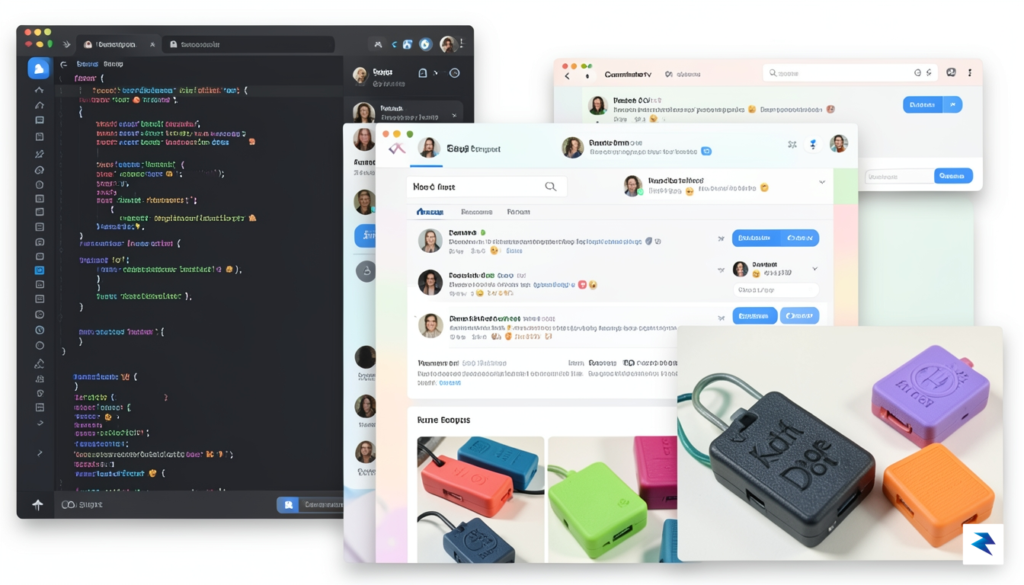
While the Kode Dot device itself boasts impressive hardware and a thoughtfully designed user interface, its true power, versatility, and enduring relevance are inextricably linked to its vibrant community, expansive open-source ecosystem, and inherent extensibility. This isn’t just another gadget; it’s a living platform, constantly evolving through the collective ingenuity of its users. The commitment to open-source principles from the outset has cultivated an environment where innovation isn’t just encouraged, it’s baked into the very fabric of the device, ensuring a lifespan and utility far beyond what any single development team could achieve.
At the core of this thriving ecosystem is Kode Dot’s fundamental open-source nature. Every line of code, every schematic, and even much of the documentation is readily available for inspection, modification, and improvement. This transparency builds immense trust, allowing users to understand exactly how their device operates, audit its security, and tailor it precisely to their needs. For pentesters, this means the ability to verify tools and customize payloads with confidence, while makers gain unparalleled freedom to integrate Kode Dot into complex projects, knowing they can adapt its behavior at a fundamental level. This collaborative foundation allows for rapid iteration and problem-solving, as a global community of experts contributes fixes, features, and new ideas.
The heartbeat of this community resonates across multiple platforms, primarily centered around active community forums, dedicated Discord channels, and a robust collection of GitHub repositories. These hubs are bustling with activity, from beginners seeking guidance to seasoned developers sharing groundbreaking projects. It’s here that the device truly transcends its initial design, with users constantly contributing new libraries, plugins, and even custom firmware that push the boundaries of what’s possible. Whether it’s a new script to automate a complex penetration test, a library for interfacing with an obscure sensor, or an entirely new operating mode, the collective output drastically expands Kode Dot’s functionality far beyond its original intent. This user-generated content ensures the device remains cutting-edge and adaptable to emerging challenges and creative applications.
Beyond software, the Kode Dot’s design champions both hardware and software extensibility, inviting developers to not only contribute to the existing software stack but also to forge entirely new hardware modules. The open hardware design facilitates the creation of custom add-on boards, sensors, and interfaces that can seamlessly integrate with the device’s expansion ports. Imagine a community-designed RF module for new frequency bands, a custom display for specific data visualization, or even 3D-printable enclosures that enhance its ruggedness or aesthetic. This modular approach means that if a particular functionality isn’t available out-of-the-box, the community has the tools and the freedom to build it, turning Kode Dot into a truly bespoke tool tailored to individual or niche requirements. This profound level of customizability ensures that the device can evolve alongside its users’ needs and the ever-changing technological landscape.
Engaging with the Kode Dot ecosystem is straightforward and highly rewarding, regardless of your skill level. Aspiring developers can dive into the GitHub repositories, contributing bug fixes, proposing new features, or even starting their own forks to experiment with novel ideas. More experienced users often take on the mantle of creating comprehensive guides, tutorials, and demonstration videos, enriching the knowledge base for everyone. The community fosters a welcoming atmosphere, making it easy to ask questions, share insights, and collaborate on projects. This dynamic interplay between the core developers and the passionate user base guarantees that the Kode Dot will continue to grow, adapt, and surprise, cementing its status not just as a tool, but as a genuine platform for continuous innovation and discovery within the maker and cybersecurity communities.


The Kode Dot emerges as a truly unique contender in the burgeoning landscape of portable tech tools, carving out a distinct niche for itself. It’s not merely another gadget; it’s a meticulously engineered bridge designed to connect the abstract world of code with tangible physical interactions. While it certainly won’t replace a full-fledged workstation for intensive development or large-scale penetration testing, its compact form factor and specialized capabilities make it an indispensable companion for specific, on-the-go tasks. Its strength lies in its ability to empower users to experiment, prototype, and interact with environments in ways that traditional devices simply cannot match, making it a compelling proposition for those who thrive on practical application.
On the positive side, the Kode Dot’s programmability and open-source nature are significant draws, fostering a vibrant community and endless customization possibilities. Its versatility, allowing it to act as anything from a custom HID device to an IoT controller or a portable network analysis tool, truly sets it apart. Furthermore, the robust hardware and thoughtful design ensure it can withstand the rigors of field use, providing reliable performance when it matters most. However, prospective users should be aware that mastering its full potential requires a foundational understanding of programming and system interaction, which might present a steeper learning curve for absolute beginners. Moreover, its specialized nature means its utility is highly dependent on the user’s specific projects and goals, rather than offering broad, general-purpose computing power.
When comparing the Kode Dot to popular alternatives like the Flipper Zero, their distinct philosophies become apparent. The Flipper Zero, while incredibly versatile itself, often focuses on predefined functions and protocols, making it accessible for a wider range of users seeking immediate utility for specific tasks like RFID emulation or sub-GHz communication. The Kode Dot, by contrast, leans heavily into raw programmability, offering a more fundamental, bare-metal approach to interaction. It invites users to build their own tools and define their own protocols, making it a more powerful platform for truly custom applications and experimental projects. This distinction means that while both are pocket-sized multi-tools, the Kode Dot serves as more of a blank canvas for deeper technical exploration.
Similarly, juxtaposing it with a Raspberry Pi highlights the Kode Dot’s unique form factor and targeted purpose. A Raspberry Pi, even in its smallest iterations, is a single-board computer designed for general-purpose computing, capable of running full operating systems and handling a wide array of software projects. It excels in permanent installations, robotics, or as a low-cost desktop alternative. The Kode Dot, however, prioritizes portability, immediate interaction, and direct interfacing with physical systems, often eschewing the overhead of a full OS for more efficient, dedicated operations. Its strength lies in its “grab-and-go” utility for specific field tasks or rapid prototyping where a larger, more power-hungry SBC would be impractical. It’s less about running a Linux desktop and more about being a highly adaptable hardware interface.
Ultimately, the Kode Dot isn’t for everyone, but for the right individual, it is an absolute game-changer. For hobbyists and makers, it offers an unparalleled platform for bringing imaginative projects to life, bridging software ideas with physical hardware in a truly hands-on manner. Students in computer science, engineering, or cybersecurity will find it an invaluable educational tool, providing practical experience in low-level programming, hardware interaction, and security concepts. For security professionals and pentesters, its discreet form factor and flexible programmability make it an exceptionally powerful tool for on-site assessments, rapid deployment of custom payloads, and specialized network diagnostics, offering capabilities that go beyond off-the-shelf solutions.
In essence, if your goal is to simply perform pre-defined functions, other devices might offer a quicker path. But if you crave deep control, customizability, and the ability to truly innovate and interact with the world around you at a fundamental level, the Kode Dot represents a significant leap forward. It’s an investment not just in a device, but in an ecosystem of learning, creation, and advanced utility that promises to unlock new possibilities for the modern tech enthusiast eager to push boundaries.
You must be logged in to post a comment.