
Kode Dot Review: The Ultimate Pocket Tool for Makers and Pentesters
Introduction: The Rise of Pocket-Sized Computing The landscape of portable computing is undergoing a significant transformation, moving beyond…

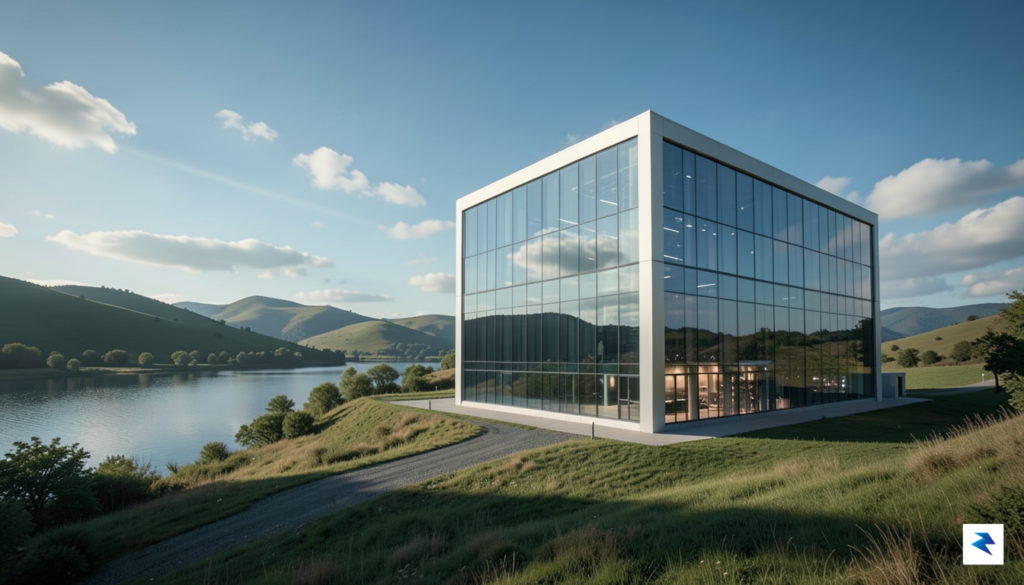
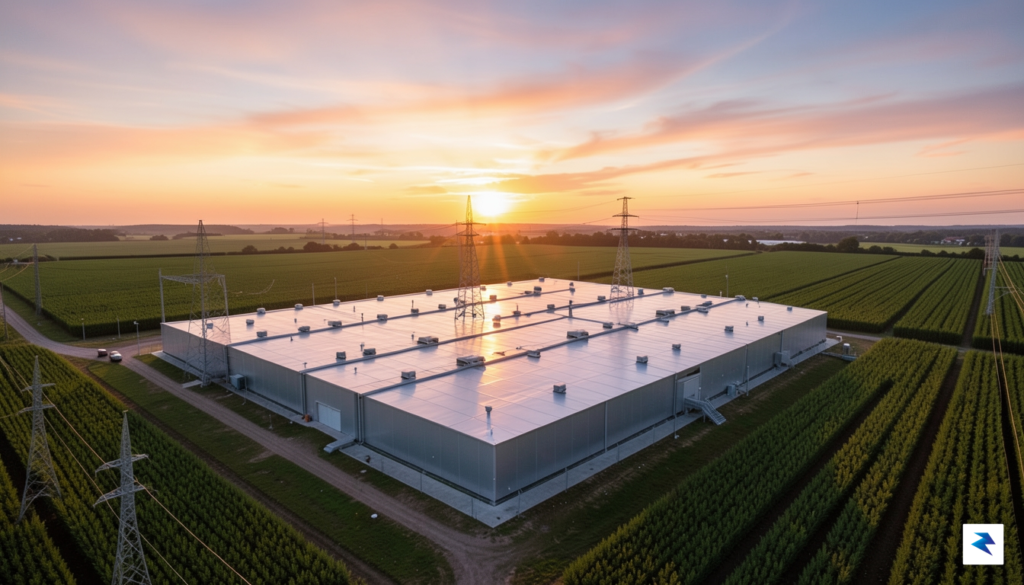
The rapid ascent of generative AI has fostered a narrative of seamless, cloud-based intelligence, yet the physical reality behind these digital miracles is increasingly terrestrial and heavy-handed. While users interact with intuitive chatbots and image generators, thousands of miles away, massive industrial complexes are being constructed at a breakneck pace to facilitate the heavy lifting of computation. Unlike the conventional internet, which largely relies on transmitting and storing data, AI operations require intense, sustained processing power. Training a single state-of-the-art large language model now consumes the equivalent energy of hundreds of homes over the course of a year, and that is merely the beginning; running these models for millions of daily queries creates a continuous, voracious demand for electricity that places an unprecedented strain on local power grids.

This surge in demand marks a fundamental shift in how we perceive digital infrastructure. Traditional internet traffic was manageable, often integrating quietly into existing urban or suburban landscapes. In contrast, the current AI infrastructure buildout is transforming quiet, rural corners of the world into specialized industrial hubs. These facilities, often spanning hundreds of thousands of square feet, are not just passive data warehouses; they are power-hungry engines that generate significant ambient noise, heat, and traffic. Consequently, the quietude of small communities is being traded for the hum of high-velocity cooling fans and the flicker of security lights, sparking a growing resentment among residents who feel their quality of life is being sacrificed for the sake of technological acceleration.
The transition from a decentralized digital experience to a hyper-centralized AI architecture has effectively turned power grids and local land-use policies into the primary frontlines of the modern tech war.
The friction is exacerbated by the often opaque nature of these developments. Tech giants frequently negotiate tax incentives and utility priorities behind closed doors, leaving local municipalities and residents to grapple with the long-term consequences of an infrastructure boom they did not request. As these data centers compete with local businesses and residential developments for limited electricity supplies and water resources for cooling, the initial promise of a high-tech future is being overshadowed by the immediate, tangible costs of sustainability and resource management. We are witnessing a collision between the infinite scalability of software and the finite constraints of physical geography, a conflict that will likely define the social and environmental politics of the next decade.


For decades, the physical footprint of the internet was defined by storage—vast, climate-controlled warehouses filled with spinning hard drives and tape libraries tasked with archiving the world’s digital history. These facilities were relatively passive, drawing steady, predictable amounts of power primarily to keep hardware cool and operational. However, the rise of generative artificial intelligence has fundamentally shifted the paradigm from static storage to intensive, real-time computation. Unlike traditional servers, modern AI training clusters utilize thousands of high-performance graphics processing units (GPUs) that must run at near-maximum capacity for weeks or even months at a time. This shift transforms a data center from a digital library into an industrial-scale engine, requiring a level of electricity consumption that rivals small cities.
The technical challenge lies in the sheer density of these operations. When a model is being trained, every single transistor on a chip is firing at high frequencies, generating significant heat and demanding a constant, uninterrupted surge of power. This creates a “compute-heavy” environment where the electrical load is not just high, but extremely volatile compared to standard server farms. Because these AI models require massive parallel processing, the power density—the amount of electricity required per square foot of floor space—has skyrocketed. Local utility providers are suddenly finding that their existing distribution networks, which were designed for residential neighborhoods and light commercial use, are incapable of delivering the sustained, high-voltage energy these hyperscale facilities demand.
The transition to AI-driven infrastructure is forcing a reconciliation between the digital age’s appetite for intelligence and the physical limitations of our electrical grids.
This surge in demand creates a precarious scenario regarding peak load management. Utility companies generally plan their infrastructure based on long-term projections of regional growth, but the sudden arrival of an AI data center can exhaust a grid’s capacity in a single project. When a facility demands hundreds of megawatts of constant power, it leaves little margin for error during heatwaves or extreme weather events, when residential and commercial demand also peaks. Consequently, grid operators are being forced to accelerate multi-year infrastructure upgrades, often placing the burden of these costs on local ratepayers or necessitating the construction of new natural gas or renewable power plants. This “power paradox” highlights a growing tension: as we seek to build the infrastructure of the future, we are increasingly bumping against the rigid, finite capacity of the physical world we inhabit today.
For years, the expansion of digital infrastructure moved forward with a quiet, almost invisible momentum, often tucked away in industrial zones or behind nondescript fencing. However, the recent surge in AI-driven data center development has shifted this dynamic, bringing massive, power-hungry facilities to the doorsteps of residential neighborhoods and quiet rural landscapes. As tech giants move to acquire expansive tracts of land to house their cooling systems and server racks, local communities are no longer willing to remain passive observers. A growing wave of grassroots activism is challenging the narrative that these projects are inevitable, forcing developers to contend with a public that is increasingly wary of the long-term consequences of “Big Tech” in their backyards.
The grievances driving this resistance are rooted in the tangible, everyday disruptions that residents anticipate once construction begins. Chief among these concerns is the unrelenting noise pollution generated by the massive cooling fans required to keep thousands of AI-processing chips from overheating. In many regions, the constant, low-frequency hum of these facilities has become a focal point of litigation and protests, as homeowners argue that the character of their quiet communities is being irrevocably altered by 24/7 industrial noise. Furthermore, the sheer scale of the water consumption required for modern liquid cooling systems has sparked deep alarm in areas already grappling with drought or strained municipal water supplies. When a data center demands millions of gallons of water daily, it inevitably sets up a zero-sum conflict between technological advancement and the essential needs of the local residents and farmers who rely on that same resource.
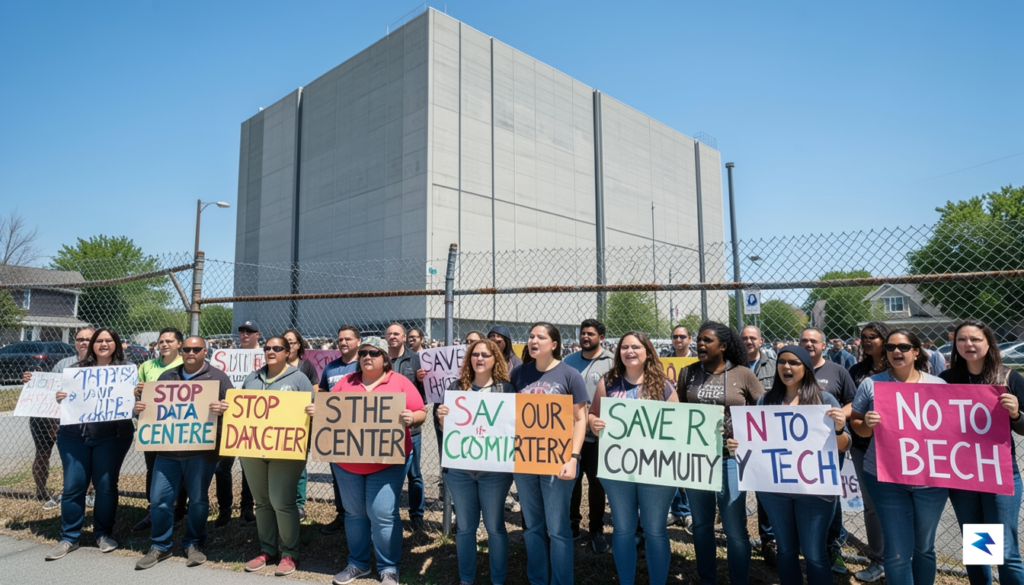
Beyond the immediate environmental and sensory impacts, there is a profound ideological conflict regarding land-use and the erosion of local identity. When tech corporations purchase hundreds of acres of agricultural or undeveloped land, they effectively carve out private, high-security enclaves that provide little to no benefit to the surrounding population. Unlike a retail center or a residential development, a data center creates very few long-term jobs, yet it imposes a heavy burden on local electrical grids and existing road infrastructure. This disparity has led to a surge in community-led organizations that are demanding greater transparency and stricter zoning oversight. These groups are finding that by banding together—sharing legal strategies, attending zoning board meetings in force, and utilizing social media to amplify their concerns—they can effectively stall projects that were once considered shoo-ins for approval.
The fight against these developments is fundamentally a struggle for agency; communities are demanding the right to determine the character of their own landscapes rather than having it dictated by the infrastructure requirements of Silicon Valley.
Ultimately, this pushback signifies a broader realization that the physical footprint of the digital world is not just a abstract concept—it is heavy, loud, and resource-intensive. As these grassroots movements gain traction, the “move fast and break things” ethos of the tech industry is colliding with the slow, deliberate pace of local governance and community preservation. We are entering an era where the social license to operate will be just as critical as land permits and energy contracts, signaling that the future of AI will be shaped as much by picket lines and town hall debates as it is by breakthroughs in machine learning.
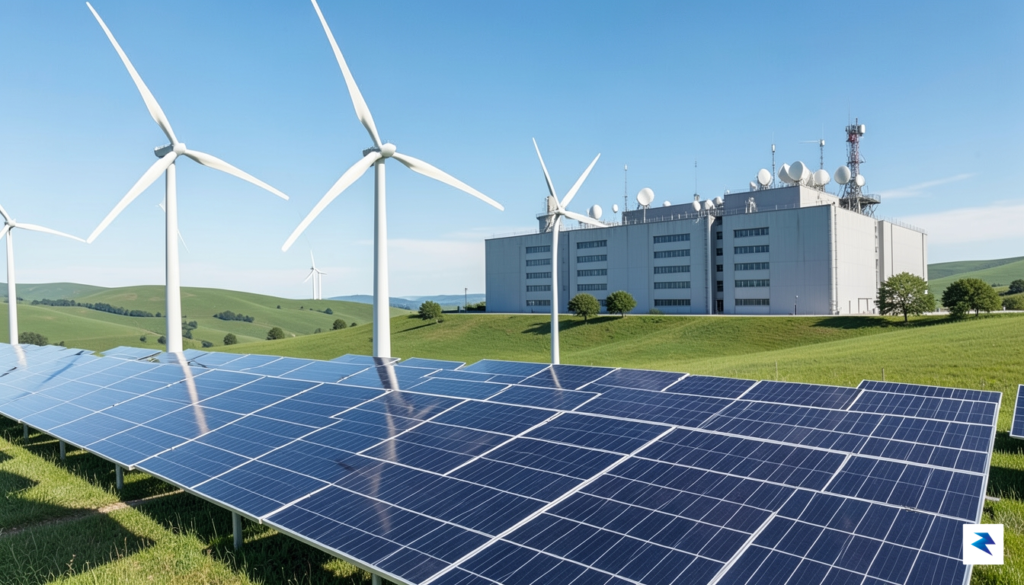
For years, the world’s largest technology firms have positioned themselves as the vanguard of the green energy transition. By signing massive corporate power purchase agreements and investing billions into wind and solar farms, companies like Google, Microsoft, and Amazon have claimed to be on a clear trajectory toward net-zero emissions. However, the meteoric rise of generative AI has fundamentally altered the math behind these sustainability pledges. As these companies scramble to build the massive data centers required to train and deploy complex large language models, the sheer scale of the electricity demand is beginning to eclipse their renewable energy portfolios, creating a widening gap between their public climate commitments and their physical carbon footprints.
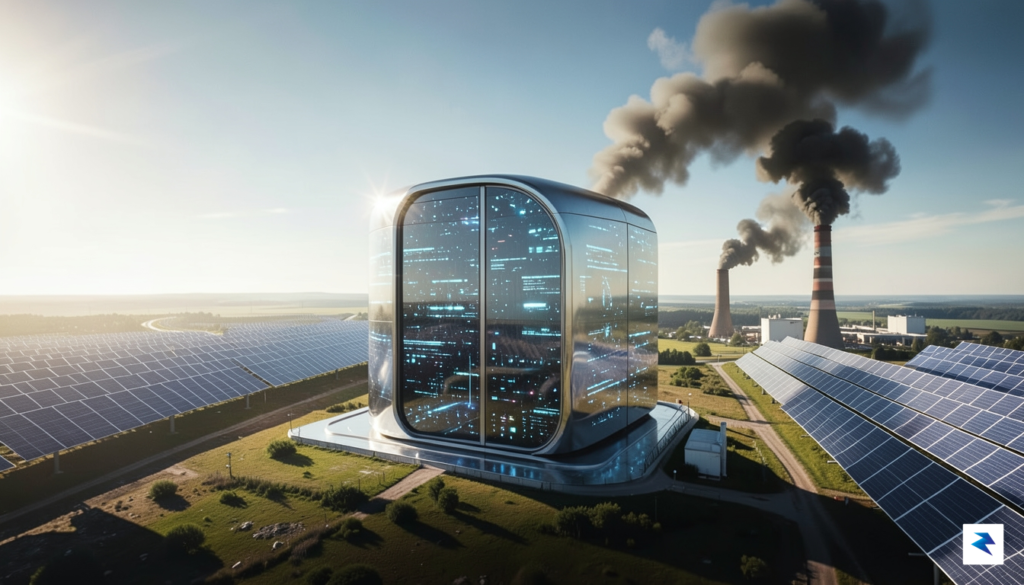
This sudden surge in energy consumption is forcing a painful retreat from long-standing climate milestones. Across the United States, utility companies are finding that the grid cannot support the power-hungry demands of AI server farms while simultaneously retiring aging fossil fuel infrastructure. Consequently, the decommissioning of coal and natural gas plants—essential steps for meeting international climate targets—is being indefinitely delayed. These power plants are being kept on life support specifically to feed the insatiable appetite of AI, effectively turning the clock back on years of environmental progress. What was once a transition toward a cleaner, electrified future is now being stalled by the urgent need to keep the lights on for the next generation of chatbots.
The reality of modern corporate sustainability is often obscured by a reliance on carbon offsets, which function as an accounting mechanism rather than a reduction in physical carbon output.
The tension is exacerbated by the industry’s heavy reliance on carbon accounting maneuvers. While firms often claim to be “carbon neutral” through the purchase of renewable energy credits or offsets, these financial tools do not change the fact that the electrons powering a data center in a region dependent on fossil fuels are still generated by burning coal or gas. When a tech giant claims to be “100% renewable” while drawing power from a grid that is still heavily reliant on hydrocarbons, they are participating in an accounting trick that masks the true environmental cost of their operations. As local communities and environmental advocates begin to push back, the tech industry faces a reckoning: they must either find a way to power AI with genuinely sustainable, localized energy sources, or admit that the current pace of AI development is fundamentally incompatible with their stated environmental goals.
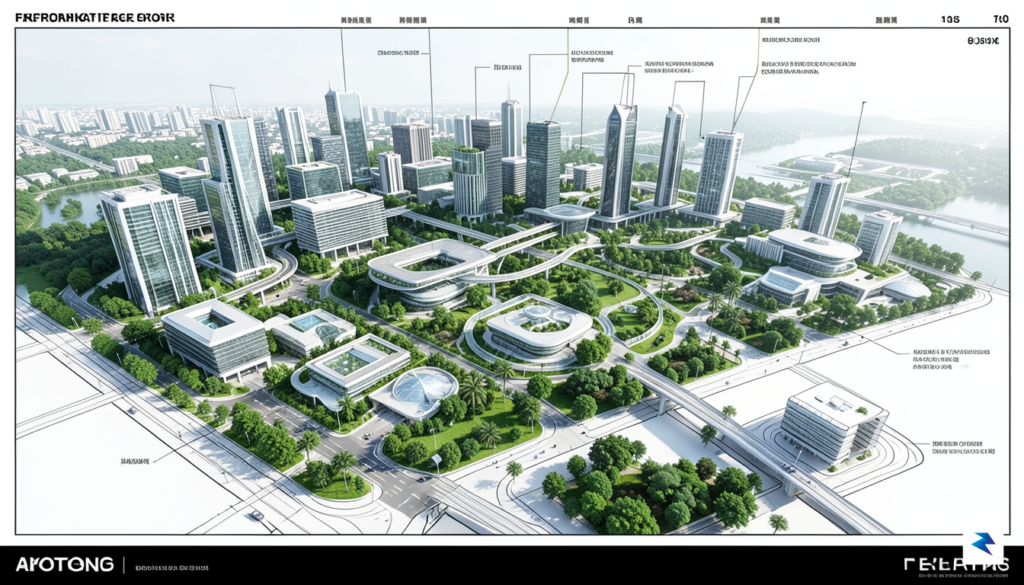
The rapid expansion of artificial intelligence infrastructure is no longer flying under the radar, and as communities push back against the gargantuan energy demands of these facilities, the conversation is shifting toward rigorous regulatory intervention. To address the strain on local power grids and water resources, policymakers are increasingly looking toward stricter zoning laws and mandatory, long-term environmental impact assessments. Rather than allowing data centers to be built in relative obscurity, new frameworks are being proposed to ensure that infrastructure planning is transparent, community-led, and integrated into regional climate goals. This shift represents a move away from the “move fast and break things” philosophy of the early tech era toward a more mature model of civic responsibility where resource consumption is scrutinized as heavily as software performance.
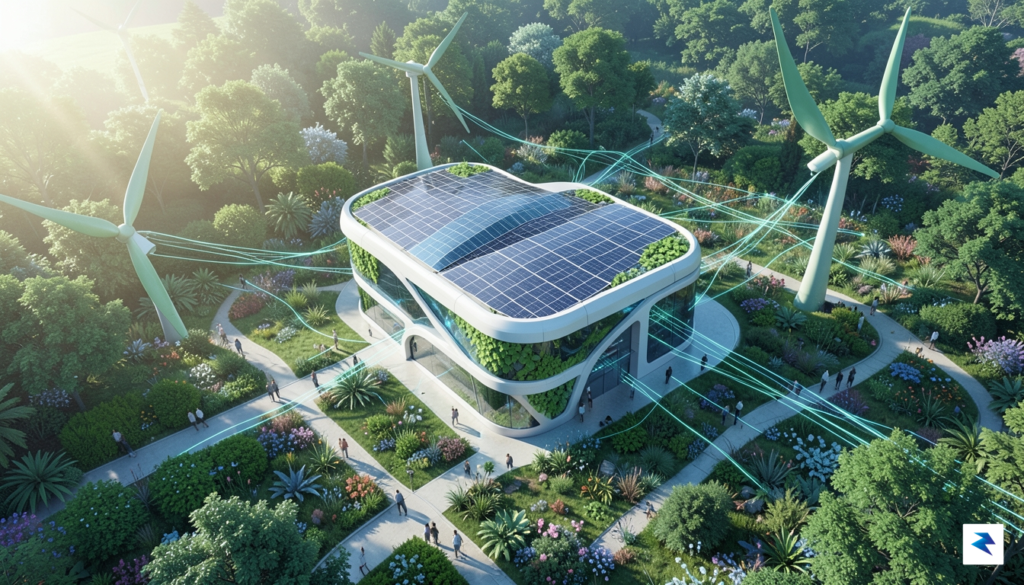
Innovation, however, cannot be limited to code; it must extend to the physical hardware and power sources that keep the digital world running. Industry leaders are beginning to explore technical solutions that reduce the reliance on overloaded municipal power grids. On-site microgrids, which allow data centers to generate and store their own electricity, are becoming an attractive solution for maintaining operations without destabilizing local supplies. Furthermore, the interest in modular nuclear reactors and advanced cooling technologies suggests that the industry is finally reckoning with its physical footprint. By prioritizing server hardware that offers higher compute-per-watt ratios, companies can significantly shrink their environmental impact while simultaneously lowering operational costs, proving that sustainability and high-performance computing need not be mutually exclusive.
True progress in the age of artificial intelligence will be measured not just by the sophistication of our models, but by our ability to integrate these massive computational engines into the physical world without exhausting the resources our communities depend on.
Ultimately, the future of AI development hinges on achieving a delicate equilibrium between technological ambition and the welfare of the public. If the industry chooses to resist regulatory oversight, it risks inciting a lasting backlash that could stall innovation through litigation and public outcry. Conversely, if tech giants embrace a collaborative approach—investing in green infrastructure, participating in open planning processes, and adhering to strict environmental standards—they can build a foundation of trust that supports long-term growth. Successfully scaling AI requires a fundamental recognition that these data centers are not just digital assets, but physical neighbors that must contribute positively to the ecosystems they inhabit.
You must be logged in to post a comment.