
The AI Power Struggle: Why Communities Are Fighting Back Against Data Centers
The Hidden Cost of the AI Revolution The rapid ascent of generative AI has fostered a narrative of seamless, cloud-based intelligence, yet the…
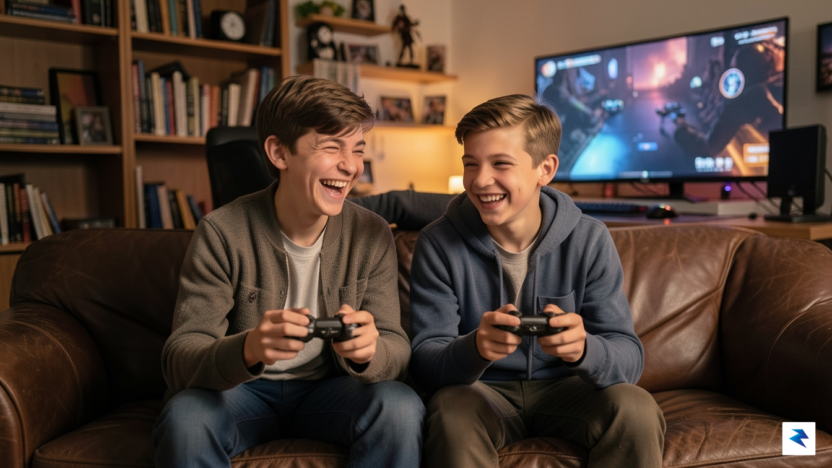
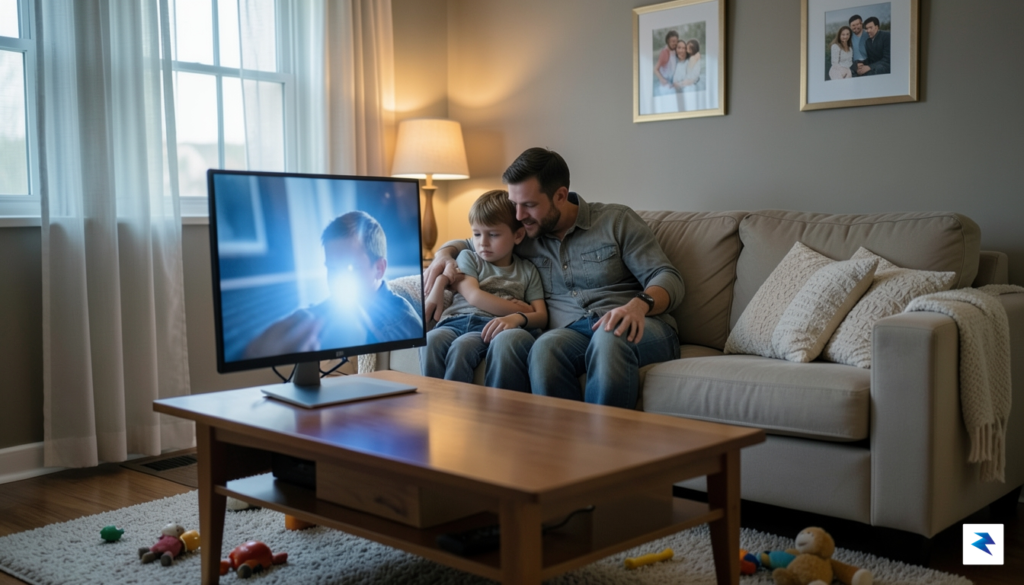
For many years, video games were relegated to the stereotype of a solitary, dimly lit bedroom activity—a quiet retreat where children retreated from the demands of the real world. However, as gaming has evolved into a more sophisticated, narrative-driven medium, it has also transformed into a vibrant landscape for family connection. The traditional dynamic of a parent acting as a passive observer, glancing over a child’s shoulder with mild curiosity, is rapidly shifting toward a more immersive, participatory experience. By stepping into the role of an active co-player, parents can dismantle the digital wall that often separates generations, finding a common ground that feels both authentic and exciting.
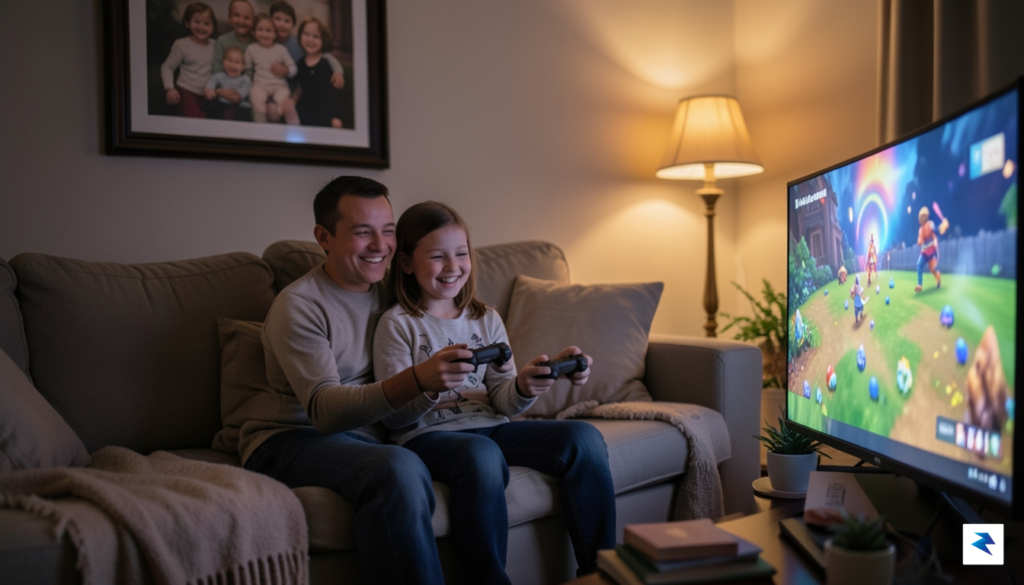
The transition from watching to playing is perhaps the most significant milestone in nurturing a shared language between a parent and child. When you pick up a controller, you aren’t just observing their hobby; you are entering their world on their terms, showing a genuine investment in the things that occupy their imagination. This shift creates an environment where the hierarchy of the household subtly dissolves, replaced by a collaborative partnership. In this space, the pressure to maintain a parental “expert” persona vanishes, allowing for a more vulnerable and playful interaction that is rarely found in the routine of homework, chores, or school schedules.
Co-op gaming acts as a digital sandbox where the lessons learned are not just about beating a high score, but about navigating challenges, compromising on strategies, and celebrating collective victories together.
This concept of “co-op parenting” through technology provides a unique opportunity to build trust and empathy in real-time. When navigating the puzzles of a game like Blue Prince, parents and children must communicate clearly, listen to each other’s perspectives, and support one another through moments of failure. These digital trials mirror the complexities of the real world, providing a safe, low-stakes environment to practice patience and teamwork. By sharing these experiences, families develop a shorthand of inside jokes, shared triumphs, and mutual understandings that transcend the mundane nature of everyday conversation. Ultimately, picking up a controller is not just about the game itself, but about the intentional choice to enter a space where you can experience growth, frustration, and success as equals.
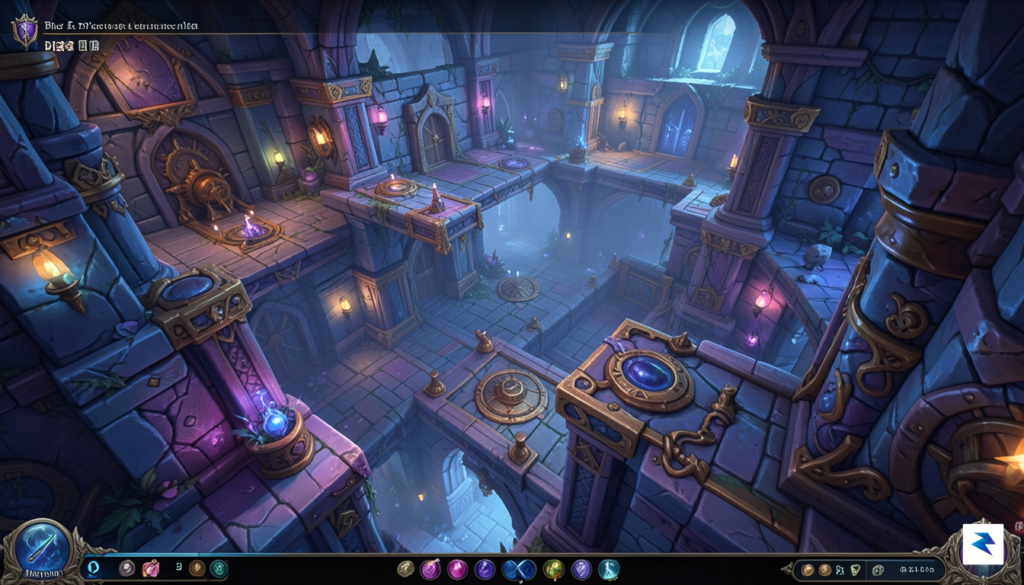
Not every video game is created equal when it comes to fostering a positive, shared experience between parents and children. Indeed, many popular titles, with their fast-paced action, complex controls, or competitive nature, can inadvertently create frustration rather than connection. This is precisely where a game like Blue Prince distinguishes itself, emerging as an exemplary gateway for multi-generational play. It offers a refreshing departure from the norm, meticulously designed to cultivate an an environment that prioritizes thoughtful engagement, collaborative effort, and meaningful dialogue over the often-chaotic demands of high-octane gaming.
One of Blue Prince’s most compelling attributes is its deliberately measured pace and serene atmosphere. Unlike games that demand split-second reflexes or punish players for minor missteps with immediate, often brutal, consequences, Blue Prince invites a more contemplative approach. There’s no frenetic combat to master, no timer ticking down to an inevitable, stressful failure. Instead, the game’s challenges unfold in a manner that encourages players to pause, observe, and discuss their next move without pressure. This low-stress environment is crucial for children, allowing them to absorb information and contribute ideas without feeling overwhelmed, and equally valuable for parents who might prefer a more relaxed gaming session.
The heart of Blue Prince’s appeal for family play lies in its core mechanics, which lean heavily into logical puzzle-solving rather than dexterity. Challenges often involve spatial reasoning, pattern recognition, or sequential problem-solving, all of which benefit immensely from multiple perspectives. A child might spot a subtle detail a parent overlooked, or a parent might guide a child through a sequence of steps they’ve helped deduce together. This collective mental workout transforms potential individual roadblocks into shared triumphs, reinforcing the idea that working together yields better results. Such a design inherently promotes patience, as solutions aren’t always immediately obvious and sometimes require a bit of trial and error, all within a forgiving framework.
Crucially, the game’s gentle rhythm and emphasis on mental engagement create an ideal backdrop for conversation. When the stakes aren’t sky-high and there’s no urgent need to react, the space opens up for genuine interaction. Parents can ask open-ended questions like, “What do you think we should try next?” or “Why do you think that

Beyond the sheer joy of shared laughter and collective cheers, cooperative strategy games like “Blue Prince” offer a rich, often underestimated, environment for fostering crucial cognitive development within the family. These interactive experiences transcend mere entertainment, transforming into dynamic learning laboratories where children, alongside their parents, actively engage with complex challenges. Every decision point, every intricate puzzle, and every strategic move within these digital worlds requires a thoughtful approach, compelling players to sharpen their minds in ways that traditional educational settings sometimes struggle to replicate.
When faced with a particularly difficult room or a multi-layered puzzle, the immediate instinct might be to rush, but strategy games inherently demand a pause for critical thinking. Players must analyze the current state, predict potential outcomes of various actions, and weigh the risks against the rewards. This isn’t just about moving pieces on a screen; it’s a rigorous exercise in problem-solving, pattern recognition, and long-term planning. Children learn to deconstruct complex problems into smaller, manageable parts, identifying dependencies and anticipating consequences several steps ahead, much like an architect planning a building or a scientist designing an experiment.
An invaluable aspect of playing these games collaboratively is the opportunity for verbalizing strategy. As a child explains their proposed move—”If we push this block here, then the path will open, but we’ll attract the enemy over there”—they are doing more than just stating an intention. They are articulating their entire thought process, laying bare their reasoning, and practicing logical argumentation. This externalization of internal thought is critical for developing metacognition, the ability to think about one’s own thinking. For parents, this provides a unique window into their child’s cognitive architecture, allowing for gentle guidance, prompting deeper consideration, and collaboratively refining strategies, thereby strengthening communication skills within the family unit.
Furthermore, the very nature of challenge-based games inherently incorporates ‘trial and error’ as a core learning mechanic. Not every strategy will succeed on the first attempt, and hitting a roadblock is an expected part of the journey. This constant cycle of attempting, failing, reflecting, and adjusting is a powerful teacher of resilience. Children learn that failure isn’t a definitive end, but rather a valuable piece of data. Each unsuccessful try reveals new information about the game’s mechanics or the puzzle’s intricacies, encouraging them to iterate on their approach rather than giving up. This iterative problem-solving builds mental fortitude and a persistent mindset, qualities that extend far beyond the game screen.
Parents play a pivotal role in modeling healthy responses to these inevitable setbacks. When a shared strategy doesn’t pan out, or a level proves particularly frustrating, a parent’s calm demeanor and constructive reaction can profoundly influence a child’s own emotional regulation. Instead of expressing frustration, a parent can demonstrate how to analyze what went wrong, perhaps by saying, “Well, that didn’t quite work as we planned. What did we learn from that attempt? How can we adapt our strategy for the next try?” This approach teaches children to view “losing” not as a personal failing, but as an opportunity for growth and a necessary step on the path to mastery, reinforcing the idea that perseverance and a positive attitude are key components of success in any endeavor.
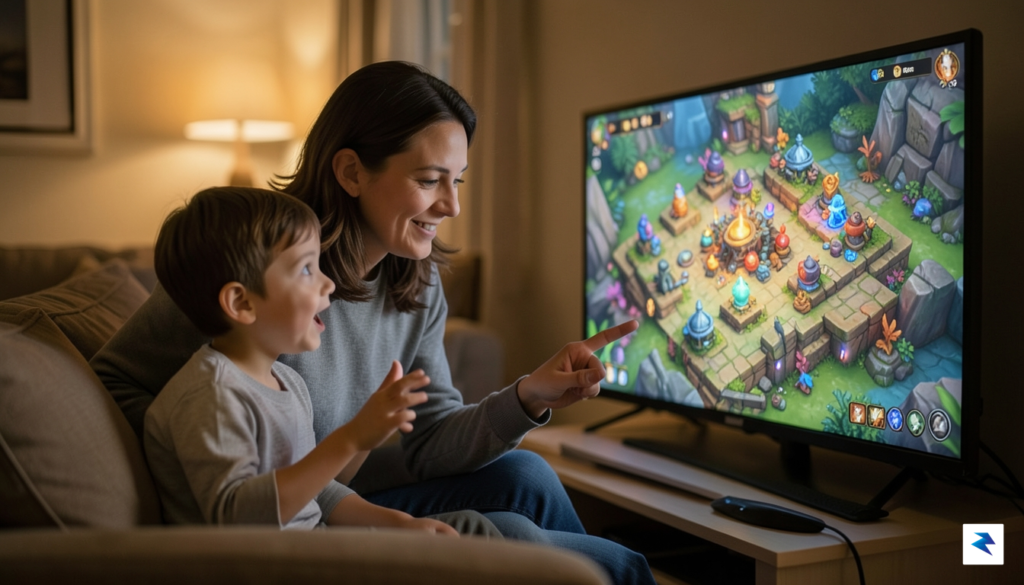

Engaging with a complex, puzzle-driven environment like Blue Prince offers far more than mere entertainment; it functions as a low-stakes training ground for the intricate landscape of human emotion. When a player hits a wall—a particularly grueling level that refuses to yield—the immediate surge of frustration is visceral. However, within the safety of a virtual world, families can transform these moments of irritation into lessons on emotional regulation. Instead of reacting impulsively, we found that pausing to breathe and reassessing our strategy allowed us to model patience for one another, turning a moment of potential conflict into a shared exercise in resilience.
The beauty of navigating these digital challenges together lies in the inherent empathy it demands. It is inevitable that one family member might grasp a game mechanic faster than another, creating a dynamic where the more experienced player must learn to offer support rather than criticism. By consciously choosing to guide rather than control, we foster an environment where struggling is seen as a necessary part of the learning process rather than a personal failing. This shift in perspective is profound: it teaches our children that their value is not tied to instant perfection, and it reminds adults that every player, regardless of age, deserves the grace to stumble while they figure things out.
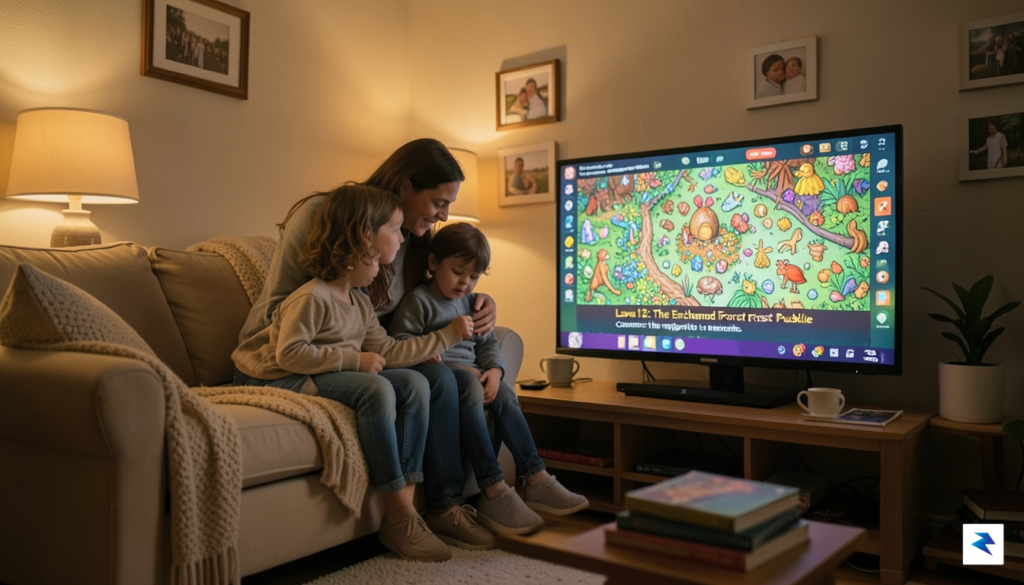
“Success in gaming is rarely about the victory screen; it is about the quiet persistence found in the moments before the breakthrough.”
When the team finally overcomes a hurdle that once seemed insurmountable, the resulting surge of shared success does more than just push us forward to the next stage. It reinforces a deep sense of mutual respect and builds tangible confidence in the child. Witnessing their own ability to solve problems—especially after a period of intense effort—instills a sense of agency that carries over into their academic and social lives. By celebrating these small, virtual triumphs together, we are not just playing a game; we are cultivating the emotional intelligence required to handle the real-world obstacles that lie ahead, armed with the knowledge that we have the patience and the partnership to solve them.
Establishing a consistent gaming ritual requires more than just picking up a controller; it demands a deliberate shift in how we prioritize our limited time as a family. In a world saturated with digital distractions that often pull us apart, carving out a dedicated “gaming night” creates a sanctuary where the only thing that matters is the shared objective on the screen. To begin, treat these sessions with the same reverence you would a sports practice or a music lesson. By setting a recurring time—perhaps every Friday evening after dinner—you provide your children with a reliable anchor in their otherwise busy, often fragmented schedules. This predictability allows everyone to mentally prepare to be fully present, transforming a simple activity into a cherished appointment that your family can look forward to all week long.
Of course, the longevity of this ritual depends heavily on the boundaries you set to keep the experience healthy and constructive. It is vital to frame these sessions as collaborative endeavors rather than competitive battlegrounds. When you approach a game like Blue Prince together, emphasize problem-solving, patience, and the joy of discovery over the singular goal of winning. If frustration begins to mount, view it as an opportunity to model emotional regulation; showing your children how to handle a setback with grace is a lesson that will serve them far beyond the digital realm. By keeping the atmosphere light, encouraging, and collaborative, you ensure that the ritual remains a positive association rather than a source of potential conflict or screen-time fatigue.
The true value of a gaming ritual isn’t measured by high scores or completed campaigns; it is measured by the conversations that happen in the margins of the gameplay.
As your children grow, these shared digital journeys will evolve into the foundational memories of their childhood, woven into the fabric of your relationship. While the games themselves may change—moving from simple puzzles to complex, narrative-driven adventures—the underlying ritual remains a powerful vehicle for communication. In the quiet moments between levels, you will find that barriers drop and children often open up about their lives, fears, and triumphs in ways they might not during a formal conversation at the dinner table. By investing this time now, you are not merely playing a game; you are building a bridge of trust and mutual understanding that will endure long after they have outgrown their favorite childhood titles, ultimately fostering a bond that matures alongside them.
You must be logged in to post a comment.