Does Code Quality Actually Matter to AI Coding Agents?
The Hidden Correlation Between Code Quality and AI Performance As artificial intelligence rapidly embeds itself into the core of software…

There’s a unique sting that accompanies the creation of something you pour your heart into, only for it to be met with silence. For many emerging creators, the sight of single-digit view counts or an empty comment section can feel like a profound personal failure. This experience often triggers a powerful wave of imposter syndrome, leading to questions like, “Am I good enough?” or “Is my voice even worth hearing?” It’s a natural human reaction to seek validation, and when it’s absent, the internal dialogue can quickly spiral into self-doubt, making it incredibly difficult to continue producing content, especially when the effort feels unrewarded.
However, what many perceive as a creative dead end is, in fact, often a crucial, albeit uncomfortable, incubation stage. This period of minimal viewership isn’t a void; it’s a fertile ground where the most significant and authentic creative growth frequently occurs, long before the public eye ever arrives. Think of it as the foundational training before the main event, a time when the pressure of external expectations is blessedly absent. It’s during these quiet stretches that creators can truly hone their craft, experiment fearlessly, and discover their true artistic identity without the distorting mirror of immediate public opinion.
Crucially, the absence of an immediate, vocal audience provides an invaluable clean slate for experimentation. When you’re not constantly chasing likes, shares, or trending topics, you’re free to explore niche interests, unconventional formats, or deeply personal narratives that might not initially appeal to a broad demographic. This freedom from the need for external validation is a profound gift, allowing you to develop a unique voice and style that is genuinely your own, rather than a diluted version tailored to mass appeal. It’s an opportunity to make mistakes, learn from them, and refine your approach in a low-stakes environment, which is essential for any meaningful creative development.
The ‘unseen’ phase is not a signal of failure, but a sacred space for uninhibited growth and the forging of an authentic creative identity.
This quiet period becomes a vital incubation chamber where creators can truly delve into the nuances of their craft. Without the constant feedback loop, you are forced to become your own primary critic and cheerleader, developing a stronger internal compass. You learn to trust your instincts, understand what truly resonates with you, and build resilience against future criticism. This deep self-reflection and independent exploration are paramount to developing a distinctive artistic signature that, once discovered, cannot be easily replicated or swayed by fleeting trends. It’s where the roots of your creative tree grow deep and strong, preparing it to withstand the storms of public scrutiny.
Ultimately, the phase of minimal viewership and low engagement should not be feared or dismissed as a sign of inadequacy. Instead, it should be embraced as a transformative crucible where genuine creative strength is forged. It is during these unobserved moments that creators lay the groundwork for future success, developing the confidence, the unique perspective, and the artistic muscle necessary to eventually capture and sustain an audience. Viewing this period as a dedicated training ground rather than a public performance can shift your entire mindset, turning perceived setbacks into invaluable opportunities for profound personal and creative evolution.


There is a pervasive, modern anxiety surrounding the “zero-view” count, yet this period of obscurity is arguably the most fertile ground for genuine artistic development. When your work exists outside the glare of a massive audience, you are effectively operating in a private beta phase. This lack of external pressure is not a failure; it is a profound form of unburdened creativity. Without the looming expectations of thousands of strangers, you are free to experiment with tone, structure, and medium in ways that would be far too risky if your reputation were already on the line. You can pivot, fail, and start over completely without the paralyzing fear of public judgment, allowing you to refine your craft in total silence.
Consider the trap that so many creators fall into when they experience viral success too early in their journey. When a specific format or topic hits a nerve immediately, the pressure to replicate that exact success often forces the creator into a rigid box. They become tethered to a formula that worked once, losing the ability to evolve because they are terrified of disappointing an audience that is now conditioned to expect a specific outcome. By contrast, those who spend their formative years in relative obscurity have the luxury of developing a unique, authentic voice. By the time they eventually find a larger audience, their identity is already forged, making their work far more resilient and much harder for competitors to replicate.

The freedom to fail in private is the single greatest competitive advantage a creator can possess; it is in these quiet moments that your true style is born, uncorrupted by the demand for algorithmic approval.
Furthermore, navigating the early days with low viewership forces you to focus on the intrinsic value of the work rather than the extrinsic rewards of engagement metrics. When you aren’t chasing likes or shares, you learn to listen to your own intuition. You begin to understand what actually resonates with you as a creator, which builds a foundation of creative integrity that is impossible to manufacture later. This period isn’t just about “getting better” at your craft; it is about discovering the boundaries of your own perspective. By the time you do reach a larger stage, you will have developed a depth of character and a clarity of purpose that makes your output feel substantial, deliberate, and undeniably yours.
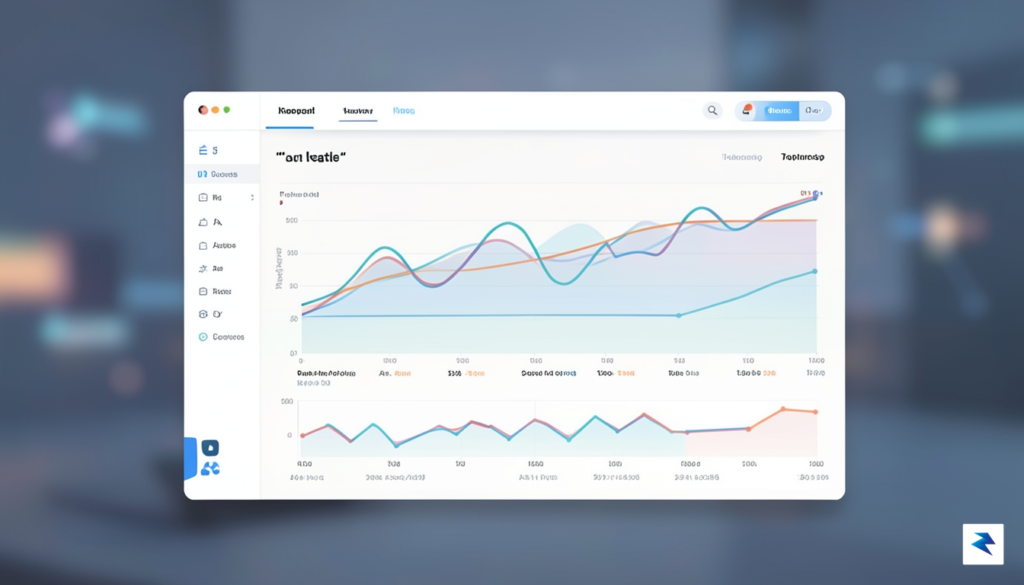
The digital landscape, for all its promise of connection and information, is fundamentally engineered to captivate attention and, subsequently, to quantify it. Platforms are meticulously designed to prioritize immediate engagement, presenting an irresistible cascade of likes, shares, and view counts that, on the surface, appear to be the ultimate arbiters of success. This immediate feedback loop often creates a powerful, almost addictive, psychological reward system, compelling creators to constantly chase higher numbers in the belief that these figures directly correlate with influence, value, or even professional validation. However, this ingrained obsession with easily digestible metrics can be a profound disservice, subtly steering creators away from their authentic purpose and towards a more superficial pursuit.
These readily available statistics—views, likes, social shares—are what we often term “vanity metrics.” They offer a fleeting sense of accomplishment, a quick dopamine hit that suggests your content is resonating widely. Yet, a high view count, for instance, might simply indicate a catchy headline or a trending topic, rather than a deep engagement with the substance of your message. Similarly, a flood of likes can be a passive gesture, often given without truly processing the content, or worse, driven by algorithms that push sensationalism over substance. While not entirely useless, these metrics primarily reflect superficial attention, acting more like applause during a fleeting performance rather than an indicator of a lasting impression or a genuine connection forged with the audience.
In stark contrast to these surface-level indicators are “impact metrics,” which delve much deeper into the actual resonance and value your content provides. These are the meaningful comments that spark genuine discussion, the direct messages from individuals expressing how your work has genuinely helped or inspired them, and perhaps most crucially, the consistent return of readers who actively seek out your next piece. Furthermore, impact metrics include the time spent engaging with your content, newsletter sign-ups, or even direct conversions if your content serves a business purpose. These are the indicators of an audience that is not just passively consuming, but actively investing their time, trust, and even their emotional energy into what you create, demonstrating a true impact that transcends mere visibility.
Unfortunately, the relentless pursuit of vanity metrics often leads directly to creator burnout and a significant dilution of content quality. The pressure to “go viral” or consistently achieve high numbers can compel creators to churn out material that chases fleeting trends, employs clickbait tactics, or sacrifices depth for broad appeal, inevitably leading to a loss of original voice and purpose. This constant striving for algorithmic favor can be mentally exhausting, as the goalposts are always shifting and the rewards often feel hollow, leaving creators feeling unfulfilled despite outwardly appearing “successful.” The creative well can quickly run dry when the focus shifts from genuine expression to mere numerical optimization.
The true measure of content success isn’t how many people glimpse your work, but how many people truly *see* it, internalize it, and are moved to action or reflection by it.
Moreover, this fixation on immediate, quantifiable feedback can fundamentally compromise the integrity of your creative output. When the primary objective becomes maximizing views or likes, the content itself often becomes a means to an end, rather than an end in itself. This can manifest as pandering to the lowest common denominator, oversimplifying complex ideas, or even adopting sensationalist tones that might attract clicks but alienate a discerning, loyal audience. Ultimately, such a strategy is unsustainable; it prioritizes fleeting attention over building a foundational community, leading to a content library that might be extensive in volume but shallow in meaningful impact, leaving both the creator and the audience feeling unsatisfied in the long run.


When you are just starting out, the siren song of viral vanity metrics can be deafening. It is easy to fall into the trap of believing that your worth as a creator is tethered to the number of people who happen to scroll past your content. However, the most sustainable path to growth involves abandoning the pursuit of mass reach in favor of radical depth. Instead of trying to speak to a stadium of strangers, shift your perspective to writing for an audience of one. When you create as if you are writing a letter to a single person who deeply needs your insight, your tone becomes more intimate, your advice becomes more practical, and your message resonates with a clarity that broad-reach content often lacks.

The concept of 1,000 True Fans remains the gold standard for modern creative success, even if the digital landscape has shifted toward algorithmic dominance. The premise is simple yet profound: you do not need millions of passive followers to sustain a career; you only need a core group of people who are genuinely invested in your journey. By prioritizing these “true fans,” you create a feedback loop where your audience feels seen and heard. This is not achieved by shouting into the void, but by showing up consistently. Intensity—like pulling an all-nighter to produce a single piece of “epic” content—often leads to burnout, whereas consistency builds a rhythm that allows your audience to anticipate, trust, and eventually rely on your presence.
Success is not measured by how many people saw your work, but by how many people took an action, changed a belief, or felt a sense of belonging because of what you created.
Fostering this level of interaction requires a deliberate shift in how you spend your time. Rather than spending hours obsessing over analytics or chasing trending audio, dedicate that time to the people already in your corner. Respond to every thoughtful comment with genuine curiosity, start conversations in your direct messages, and invite your readers to share their own struggles. When you treat your platform as a community forum rather than a broadcasting tower, you cultivate a sense of ownership among your followers. Over time, these individuals become your greatest advocates, sharing your work not because the algorithm told them to, but because they have a personal stake in your success.
Ultimately, a smaller, highly engaged audience is far more valuable than a massive, disconnected one. When your audience is small, you have the rare luxury of being able to experiment, fail, and evolve without the pressure of a public stage. Use this period of low visibility as a laboratory to refine your voice and sharpen your value proposition. By the time your reach naturally expands, you will have built a foundation of trust that no algorithm can take away from you. Remember that influence is not about reach; it is about the depth of the change you facilitate in the lives of those who choose to listen.

The digital age has democratized creation like never before, offering an incredibly low barrier to entry for anyone with a story to tell, a skill to share, or an idea to explore. Yet, this very accessibility often masks a far greater challenge: the exceptionally high barrier to persistence. Many creatives, fueled by initial enthusiasm, embark on their journey only to find their motivation flagging when the immediate, tangible rewards like high view counts or rapid engagement don’t materialize. It’s crucial to understand that your creative work possesses an intrinsic, long-term value that extends far beyond the fleeting moment of its initial publication. Embracing this truth is not just a strategic advantage; it’s a cornerstone for maintaining your sanity and sustaining your creative output over the years.
Think of your written content not as ephemeral posts, but as deposits into a long-term creative savings account, accumulating what can only be described as compounding interest. While a single article might not go viral overnight, its value doesn’t evaporate after a week. Instead, it continues to exist, discoverable by new audiences months or even years down the line through search engines, direct links, or internal navigation on your own platform. Each piece adds to a growing body of work, strengthening your authority and depth within your chosen niche. This cumulative effect means that even content generating modest traffic today can contribute significantly to your overall reach and impact over time, building a robust foundation that far outweighs the fleeting excitement of a viral hit.
This understanding naturally leads to prioritizing the creation of evergreen assets over chasing the ephemeral buzz of news cycles or fleeting trends. While there’s certainly a place for timely commentary, dedicating a substantial portion of your energy to content that remains relevant and valuable regardless of the date is a powerful strategy for longevity. Evergreen articles, tutorials, guides, or deep dives into foundational topics continue to attract new readers consistently, year after year, without requiring constant updates or re-promotion. They serve as reliable beacons, steadily drawing in an audience genuinely interested in the enduring subjects you cover, thereby building a more loyal and dedicated readership than those drawn in by momentary hype.
Navigating seasons of low growth or minimal engagement can be profoundly challenging for even the most dedicated creative. It’s easy to internalize low metrics as a reflection of your worth or the quality of your work, leading to burnout and self-doubt. To counteract this, it’s vital to develop a resilient mindset that detaches your creative output from immediate quantitative results. Focus instead on the joy of the creative process itself, the satisfaction of exploring an idea thoroughly, or the personal growth gained from mastering a new technique. Celebrate the small victories, like completing a challenging piece, receiving a thoughtful comment from a single reader, or simply showing up consistently.
Your creative journey is a marathon, not a sprint. The true measure of success lies in your ability to keep moving forward, learning, and evolving, regardless of the pace of external validation.
Maintaining strong mental health during these periods also involves setting realistic expectations, cultivating a supportive network, and practicing self-compassion. Understand that creative ebbs and flows are natural. Use quieter times not as a sign of failure, but as an opportunity for deeper reflection, experimentation, or skill development. By shifting your focus from external validation to internal motivation and the intrinsic rewards of creation, you build the kind of unwavering resilience that transforms low view counts from a deterrent into a quiet forge for enduring artistic strength.

You must be logged in to post a comment.