How Lionsgate Defied Hollywood Odds to Hit $1 Billion
The Billion-Dollar Milestone: Lionsgate’s Strategic Resurgence The achievement of Michael crossing the $1 billion threshold at the global box…
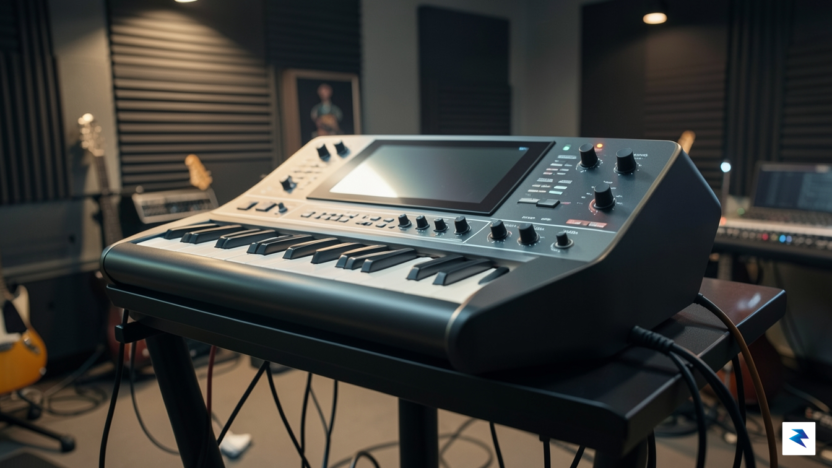
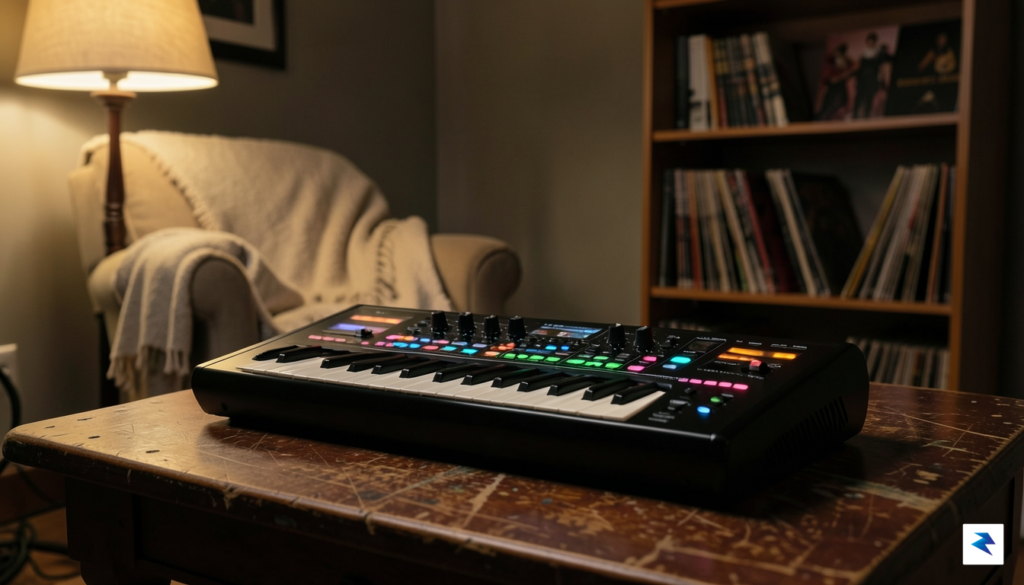
In early 2023, a fleeting, fifteen-second clip began to circulate through the digital veins of TikTok and Instagram, capturing the imagination of synth enthusiasts and casual listeners alike. The video showcased a sleek, translucent interface that seemed to turn physical touch into fluid, expressive sound, far removed from the rigid, black-and-white constraints of a traditional piano keyboard. It was the Nopia, a project that felt less like a piece of hardware and more like a glimpse into a science-fiction future. For a community accustomed to incremental updates in music technology, this viral moment suggested something entirely transformative: a tactile, intuitive way to sculpt audio that required no prior training in music theory, only the willingness to touch.
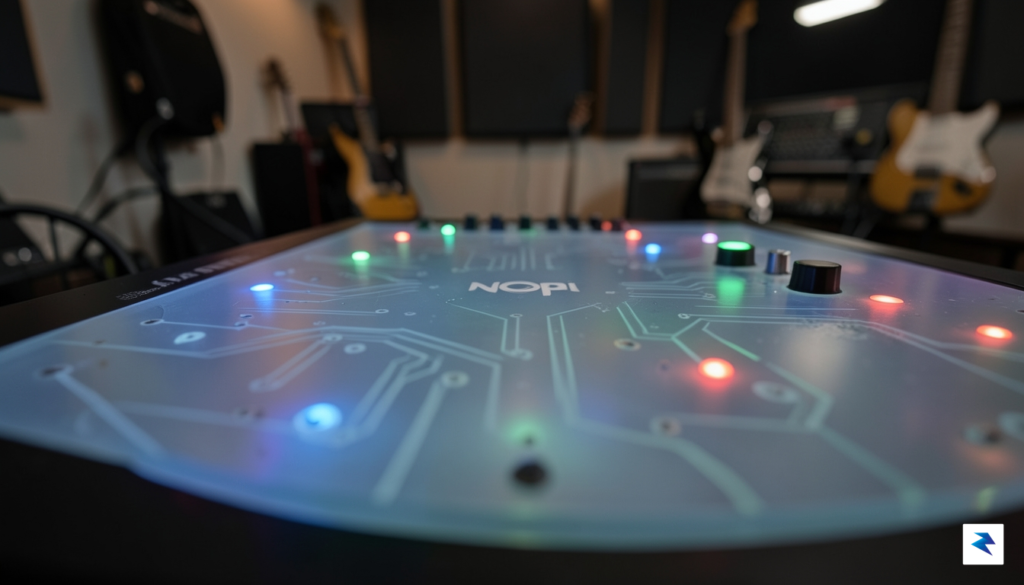
However, the transition from a viral social media sensation to a tangible, professional-grade instrument is a notoriously treacherous path. The “internet hype” cycle often moves at a blistering pace, demanding constant updates and instantaneous releases, while the reality of hardware engineering is defined by meticulous testing, supply chain hurdles, and the brutal physics of manufacturing. Creators Martin Grieco and Rocío Gal found themselves at the center of this tension, balancing the roar of an expectant global audience with the quiet, painstaking work of refining a prototype into a product that wouldn’t just look good on camera, but would actually hold up under the rigorous demands of a professional studio environment.
Managing this discrepancy between public expectation and developmental reality is perhaps the greatest challenge for modern hardware startups. When a project gains millions of views before the first production unit is even finalized, the pressure to “deliver or die” becomes overwhelming. Grieco and Gal had to navigate the delicate task of maintaining transparency without sacrificing the integrity of their design process. Their core vision was never just to create a gimmick, but to fundamentally change how humans interact with digital soundscapes. By prioritizing long-term playability over short-term marketing stunts, they have spent the last year ensuring that the final iteration of the Nopia lives up to the aesthetic promise that first captivated the internet.
The true challenge of the Nopia wasn’t just making it work—it was making it feel like a natural extension of the musician’s intent, ensuring that every touch translated into an emotionally resonant sound.
Today, as the team confirms that the instrument is “basically finished,” the narrative is shifting from one of speculative wonder to practical evaluation. The hype has successfully generated the interest needed to fund innovation, but now the instrument must prove that it is more than just a beautiful digital curiosity. By resisting the urge to rush a half-baked concept to market, the creators have demonstrated a commitment to craftsmanship that is increasingly rare in the age of rapid-fire social media trends. As we move closer to the official launch, the music tech world is watching closely to see if the reality of the Nopia can finally match the weight of its own digital legacy.
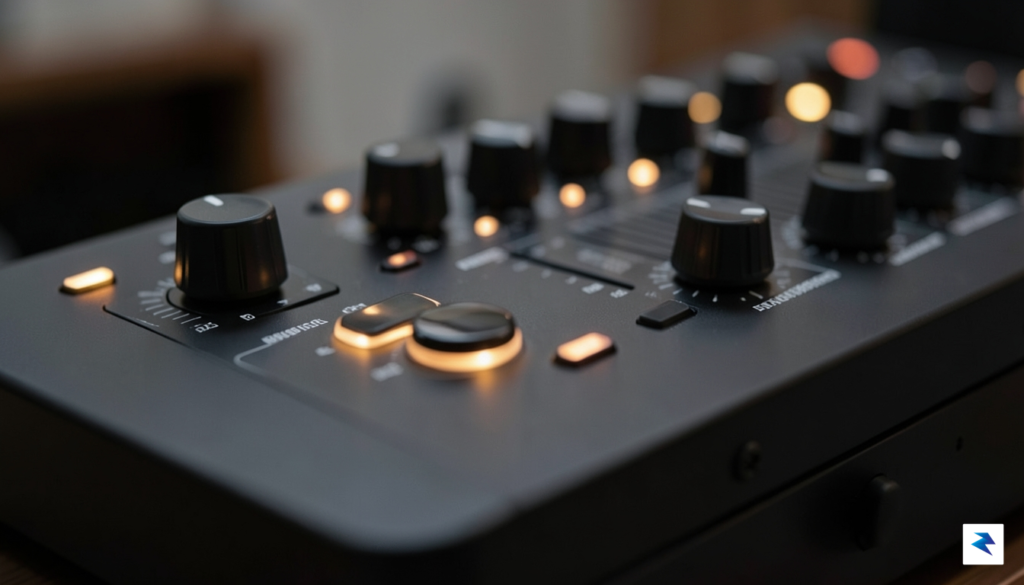
At its core, the Nopia represents a radical departure from the centuries-old legacy of the piano keyboard. While traditional MIDI controllers rely on a rigid, binary switch mechanism—where a key is either pressed or released—the Nopia embraces a continuous, fluid interface that prioritizes the nuances of human motion. Instead of a linear row of black and white plastic keys, the device presents a topography designed to respond to the subtlest shifts in pressure and position. This shift in physical form factor acknowledges that modern synthesis is capable of immense complexity, yet our input methods have remained largely stagnant, tethered to the mechanics of the 18th-century harpsichord. By rethinking how the hand engages with digital sound, the creators have transformed the controller from a simple trigger into a genuine extension of the performer’s intent.
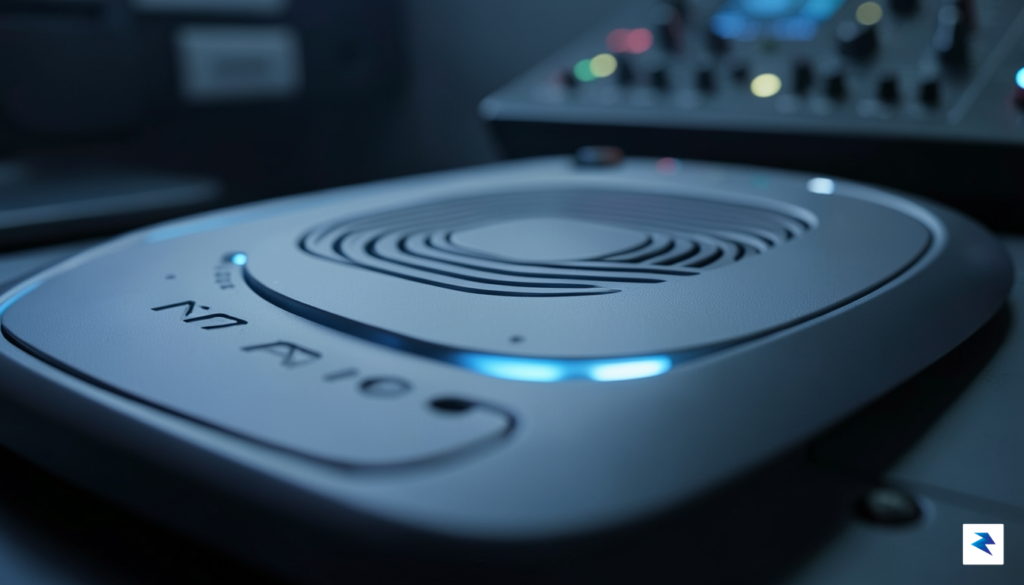
The true magic of this design lies in its obsession with expressivity. In standard synthesis, adding vibrato, filter sweeps, or volume swells typically requires mapping a mod wheel or an expression pedal, which often creates a disconnect between the player’s hands and the resulting timbre. The Nopia bridges this gap by integrating these parameters directly into the touch surface itself. Because the interface is designed to track multidimensional movement, musicians can manipulate pitch and texture simultaneously through intuitive gestures—sliding, pressing, or tilting their fingers across the surface. This tactile layout allows for performance techniques that were previously impossible on a standard keybed, turning sound design into an act of physical sculpture rather than mere data entry.
“The Nopia isn’t just about playing notes; it’s about shaping the air around them.”
Furthermore, this tactile revolution changes the way a user approaches sound design. When the interface is fluid, the barrier between the technical parameters of a synthesizer and the emotional output of the performer vanishes. Instead of menu-diving or clicking through endless software presets, the user can “play” the synthesis engine, responding to the sound in real-time as it evolves under their fingertips. This level of intimacy is what elevates the Nopia from a mere curiosity to a potentially essential tool for the modern composer. By favoring ergonomic flow over rigid mechanical switches, the instrument invites a more organic, improvisational style of creation that feels less like programming and more like playing an acoustic instrument with infinite sonic possibilities.
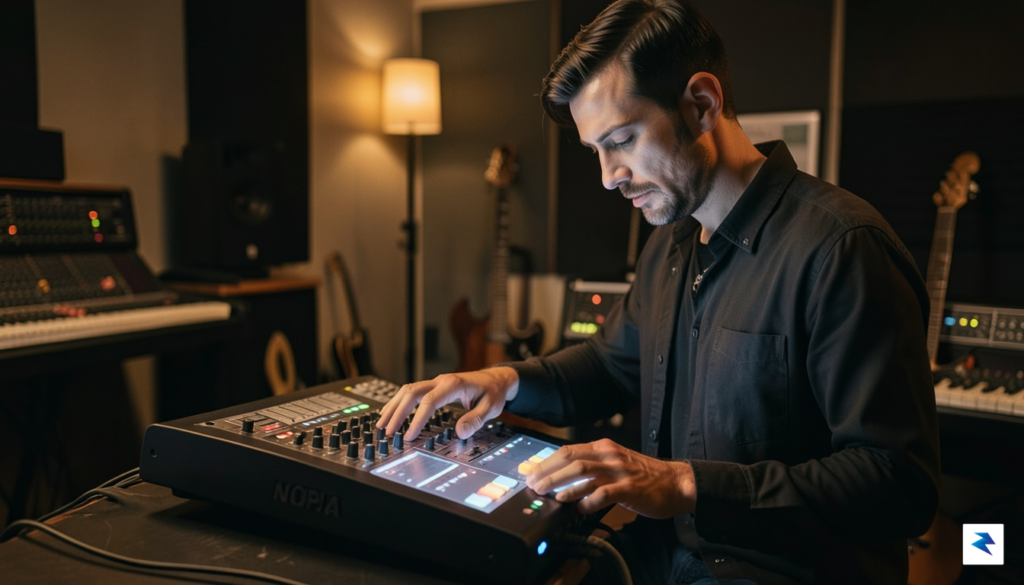
The Nopia represents a fascinating shift in how we conceive of musical interfaces, effectively acting as a bridge between the tactile, physical world of the piano and the ethereal, infinite potential of digital synthesis. For the classically trained pianist, the instrument offers a familiar point of entry; the keyboard action provides the weighted response and dynamic nuance required for expressive performance. Unlike typical MIDI controllers that can feel plastic or unresponsive, the Nopia prioritizes the physical connection between the performer’s fingers and the sound engine. This means a musician can sit down with a standard piano technique and immediately produce musical results without needing a degree in sound engineering.
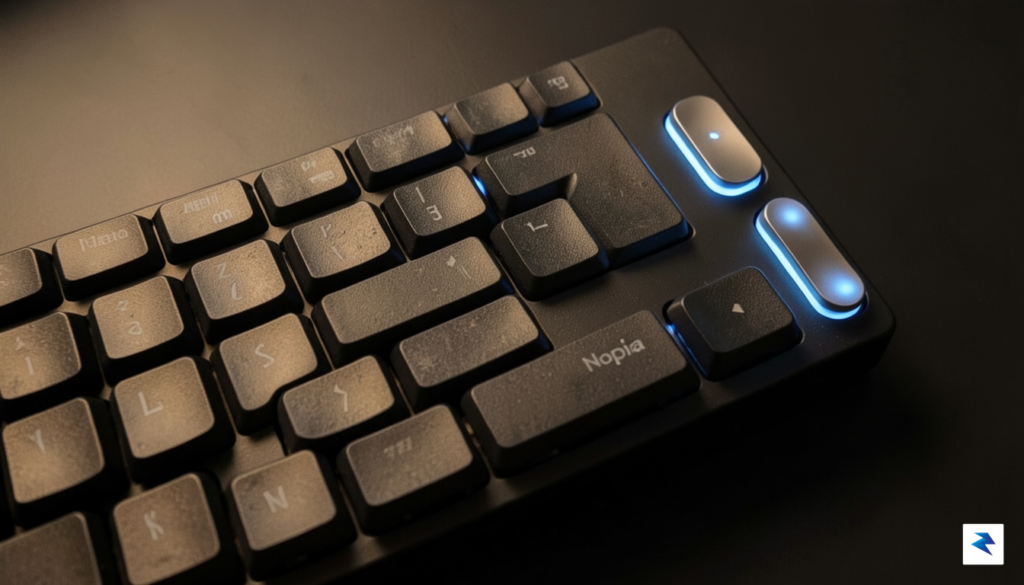
However, the true magic occurs when the player begins to lean into the instrument’s hybrid capabilities. While a pianist might initially use the Nopia to trigger standard piano patches, the integration of modular-style synthesis controls allows for a seamless transition into complex soundscapes. The design philosophy here encourages experimentation; users can maintain their traditional playing style while subtly layering in texture, modulation, or granular effects. This accessibility is the instrument’s greatest strength, as it removes the technical barrier that often prevents acoustic players from exploring the world of electronic music. You are not forced to abandon your roots to start shaping sonic textures; rather, you are invited to expand upon them in real-time.
The Nopia succeeds because it treats the keyboard not just as a trigger, but as a living, breathing extension of the sound design process.
For modern sound designers, the Nopia acts as a sophisticated laboratory. By mapping expressive performance data—such as velocity, aftertouch, and specific key positioning—to synth parameters, the instrument allows for a level of articulation that is rarely seen in traditional hardware synths. A user can morph a simple sine wave into a sweeping, cinematic pad simply by adjusting their touch on the keys, effectively “playing” the synthesis engine rather than just programming it. This fluidity makes it an invaluable tool for composers who need to bridge the gap between human emotion and digital precision. Whether you are performing a delicate solo or building a layered, evolving atmosphere for a film score, the Nopia provides a unified interface where the divide between the pianist’s soul and the synthesist’s brain finally begins to disappear.
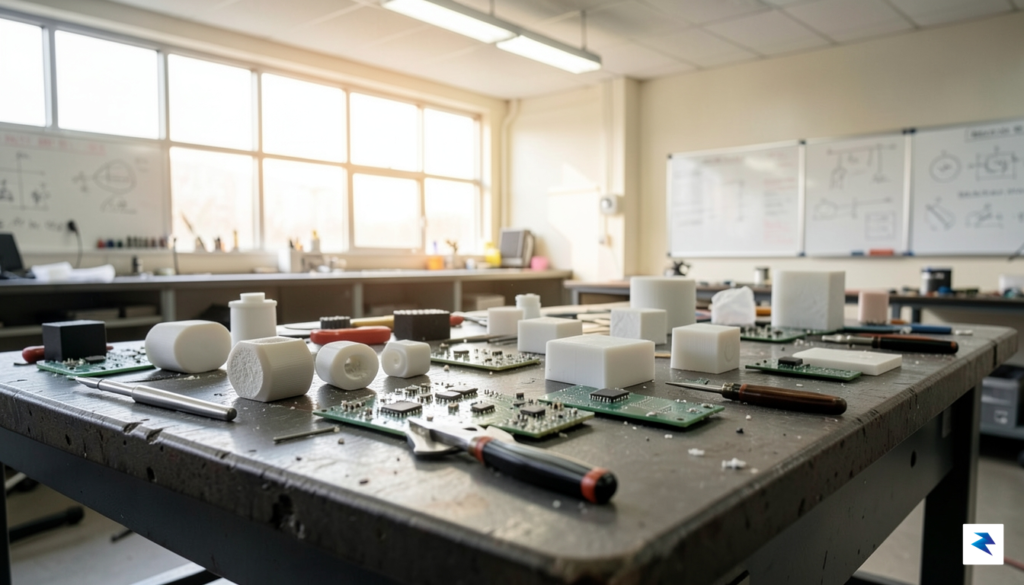
The journey from a captivating social media clip to a tangible, road-ready instrument is rarely a linear path, and for the team behind Nopia, it has been an exhaustive exercise in persistence. What often begins as a proof-of-concept prototype—held together by ingenuity and perhaps a bit of adhesive—must eventually undergo a brutal transformation to survive the rigors of mass production. This transition requires moving beyond the “it works on my desk” mentality to an environment where every component, from the tactile resistance of a knob to the latency of the digital signal path, must be scrutinized under the lens of professional manufacturing standards. The years spent in development were not merely about polishing the aesthetic, but about solving the complex architectural problems that arise when you attempt to scale a boutique design.
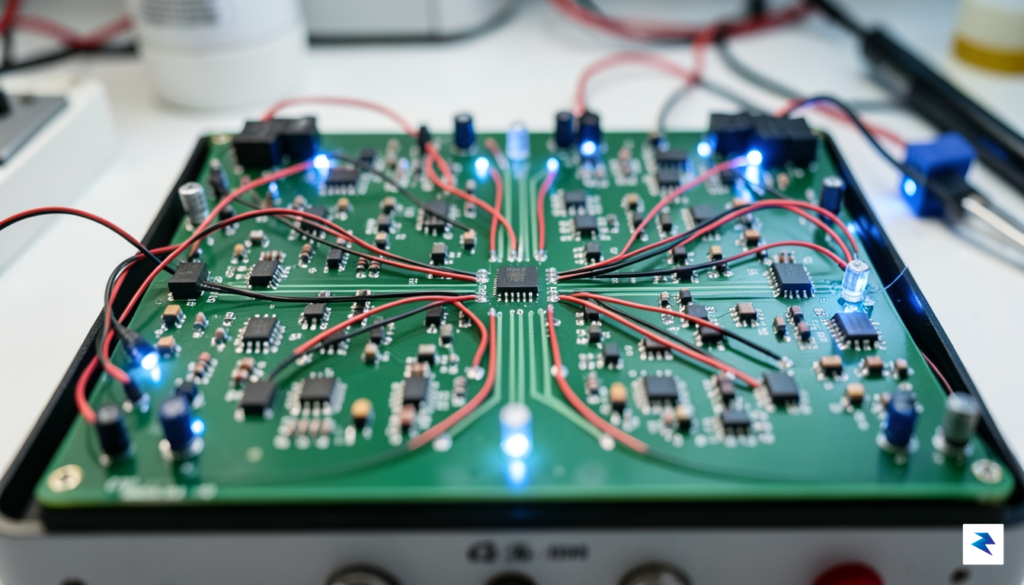
Engineering refinement is arguably the most demanding phase of this lifecycle, particularly when supply chain volatility remains a constant threat. The creators had to navigate a landscape of unpredictable component availability, forcing them to frequently re-evaluate their hardware specifications without compromising the instrument’s unique sonic character. Each time a chip or sensor became unavailable, it necessitated a redesign of the underlying circuit, essentially forcing the team to solve the same puzzle multiple times under increasingly difficult constraints. This cycle of troubleshooting and iterative testing ensures that the final unit is not just a novelty item, but a reliable tool capable of withstanding the wear and tear of touring musicians and studio producers alike.
The leap from a viral prototype to a production-ready instrument is defined not by the initial idea, but by the thousands of micro-decisions made during the manufacturing process to ensure reliability and longevity.
Quality control in the realm of indie hardware development introduces another layer of immense pressure. Unlike large-scale manufacturers with decades of established assembly lines, boutique developers must build their own testing protocols from the ground up to ensure that every single unit leaving the workshop meets the same exacting standards. This involves rigorous stress-testing of buttons, encoders, and thermal management systems to prevent the inevitable failures that plague less-refined electronic products. By embracing these challenges, the Nopia team has essentially transformed the public scrutiny of their viral rise into a catalyst for higher standards, ultimately proving that the time spent in the “developmental shadows” was a necessary investment to deliver a product that truly honors its original promise.
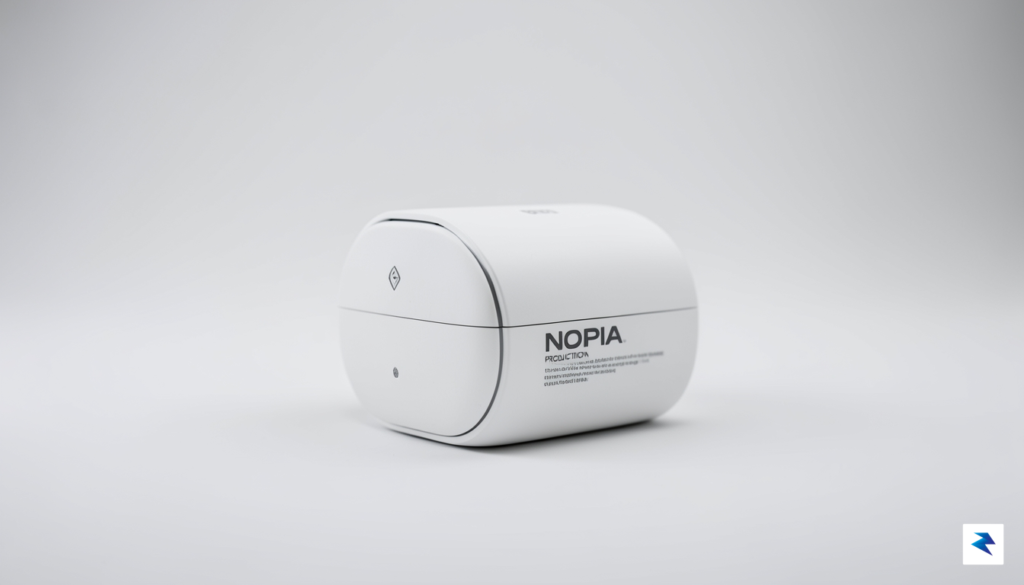
At the heart of the Nopia’s design is a commitment to tactile, expressive synthesis that bridges the gap between traditional keyboard aesthetics and cutting-edge digital sound engines. While official specifications are still being finalized for mass production, early demonstrations confirm a high-resolution touch-responsive interface that allows for nuanced polyphonic aftertouch and per-key modulation. This is complemented by a robust onboard sound engine capable of complex wavetable synthesis, physical modeling, and deep additive processing, ensuring that the instrument is more than just a novelty showpiece. For the modern studio, it promises seamless MIDI integration and a dedicated companion software suite that enables users to map intricate performance parameters without getting lost in endless sub-menus.
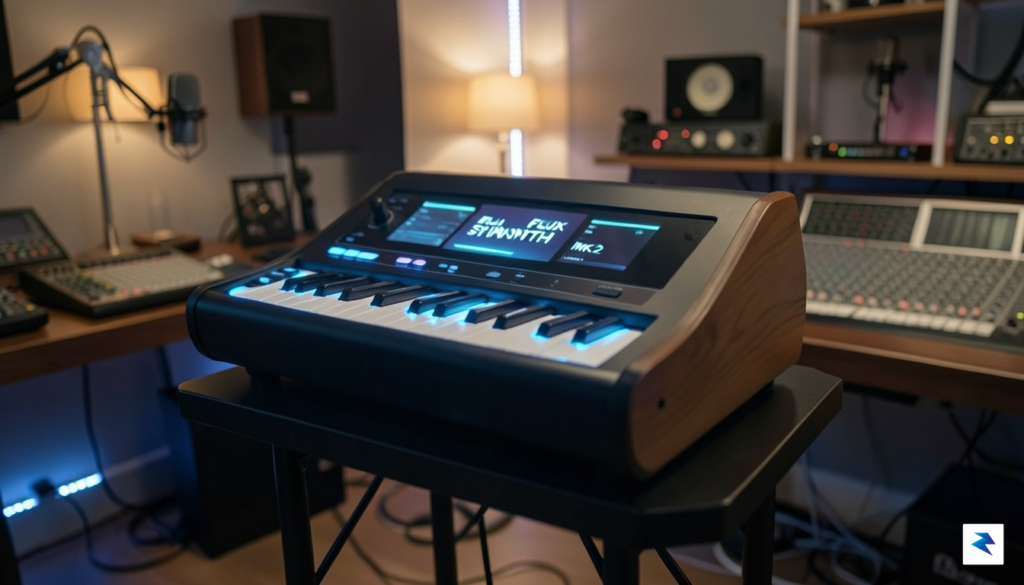
Regarding the financial investment, industry analysts suggest that the Nopia will be positioned in the “prosumer” bracket, likely competing with mid-to-high-range boutique synthesizers. While the developers have not yet pinned down a final MSRP, the projected pricing is expected to reflect the high-quality materials and bespoke hardware components required to achieve its unique form factor. Prospective buyers should anticipate a price point that positions it as a centerpiece instrument rather than a budget-friendly controller; however, the value proposition relies heavily on its ability to replace multiple specialized modules within a rig. Given the current supply chain climate and the complexity of the manufacturing process, it is wise for interested musicians to budget for potential premium shipping or import costs depending on their region.
Key Takeaway: The Nopia is designed for sound designers and keyboardists who prioritize physical expression and workflow efficiency over sheer sonic volume or traditional subtractive synthesis limitations.
The launch strategy is expected to follow a tiered rollout, prioritizing early supporters and those who have been tracking the project’s development through its long-term social media presence. As the team transitions from the prototype phase to full-scale commercial manufacturing, they will likely employ a reservation system to manage demand and ensure quality control. Musicians eager to integrate the Nopia into their setup should monitor official newsletters and waitlists closely, as initial batches are anticipated to sell out quickly due to the viral interest surrounding its unique design. Ultimately, this instrument is the ideal acquisition for experimentalists, film scorers, and live performers who need a highly playable, expressive controller that doubles as a powerhouse sound engine.
You must be logged in to post a comment.