Topcoat: Building Full-Stack Web Applications with Rust
The Rise of Full-Stack Rust Development For decades, the standard blueprint for web development has relied on a rigid bifurcation: a dynamic,…

In an increasingly digital world, the act of reading has undergone a profound transformation, largely thanks to e-readers. However, this convenience often comes at a hidden cost: a lack of true ownership and autonomy over our devices. Major players like Amazon Kindle and Kobo have cultivated powerful, yet restrictive, ecosystems designed to keep users tethered to their proprietary platforms. From DRM-laden books that cannot be easily transferred, to forced software updates that sometimes degrade performance, and hardware that is notoriously difficult to repair or modify, consumers frequently find themselves caught in a walled garden. This pervasive model restricts choice, limits interoperability, and ultimately dictates how and where we can access our own purchased content, creating a persistent frustration for many avid readers.
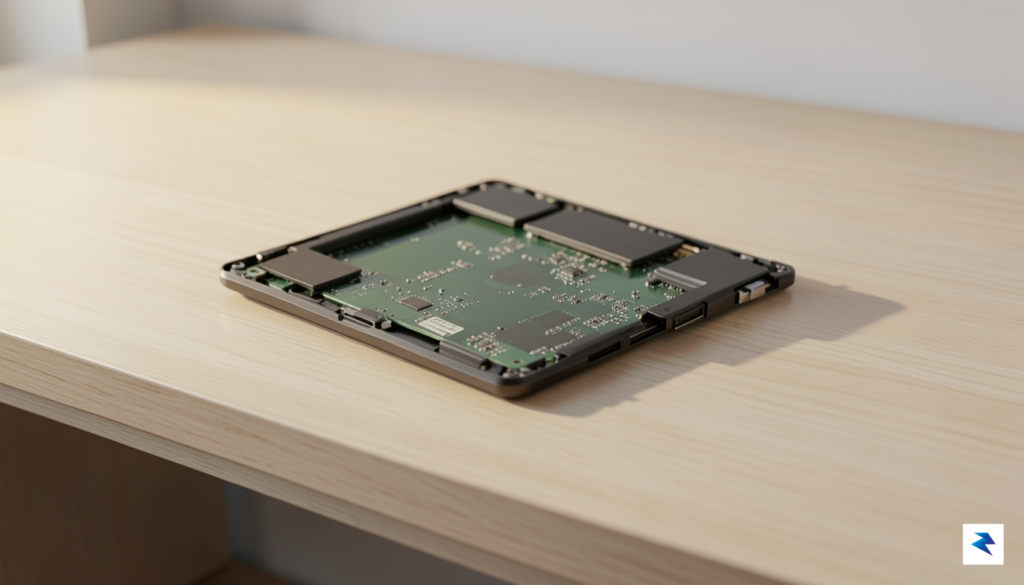
It is within this landscape of digital constraints that the Open Book Touch emerges, offering a refreshing and much-needed alternative. This innovative e-reader represents a direct challenge to the prevailing paradigm of locked-down devices and controlled ecosystems. Far from being just another gadget, it embodies a philosophical pivot towards user empowerment and open standards, consciously designed to put control back into the hands of the reader. Its very existence is a testament to the growing demand for transparency and freedom in our personal technology, paving the way for a more equitable digital future.
One of the most insidious aspects of the current e-reader market is the subtle, yet persistent, pressure towards planned obsolescence. Devices are often designed with limited lifespans, making repair difficult and encouraging consumers to upgrade frequently, contributing to electronic waste and financial strain. The Open Book Touch directly confronts this issue by embracing an open-source hardware approach. This design philosophy champions longevity and sustainability, ensuring that users are not forced into a cycle of constant replacement simply because a manufacturer decides to discontinue support or make parts unavailable. Instead, it fosters an environment where the device can evolve and be maintained over many years.
At its core, the Open Book Touch champions transparency, repairability, and the fundamental right to own one’s hardware completely. Every component, every line of code, is intended to be open for inspection, modification, and understanding by the community, fostering a level of trust and control unheard of in proprietary systems. This means users are empowered to diagnose issues, replace parts, or even enhance functionalities themselves, rather than being beholden to manufacturer-specific repair services or expensive upgrades. It fundamentally redefines the relationship between a user and their technology, shifting it from a consumer-vendor dynamic to one of true proprietorship and digital stewardship. This commitment to openness ensures that the device remains functional and relevant for as long as its owner desires.
Ultimately, the emergence of an open-source e-reader like the Open Book Touch is far more than just a niche tech development; it signifies a burgeoning movement towards greater user autonomy and digital preservation in the broader consumer electronics market. It’s a powerful statement against the digital walled gardens that have come to define so much of our online and offline experiences. By offering a device that respects user freedom, encourages modification, and prioritizes long-term viability over fleeting profits, the Open Book Touch is not just selling an e-reader; it is advocating for a future where our access to information and our ability to interact with our own devices are protected and preserved for generations to come. This shift represents a foundational change in how we perceive and interact with the tools that mediate our knowledge.
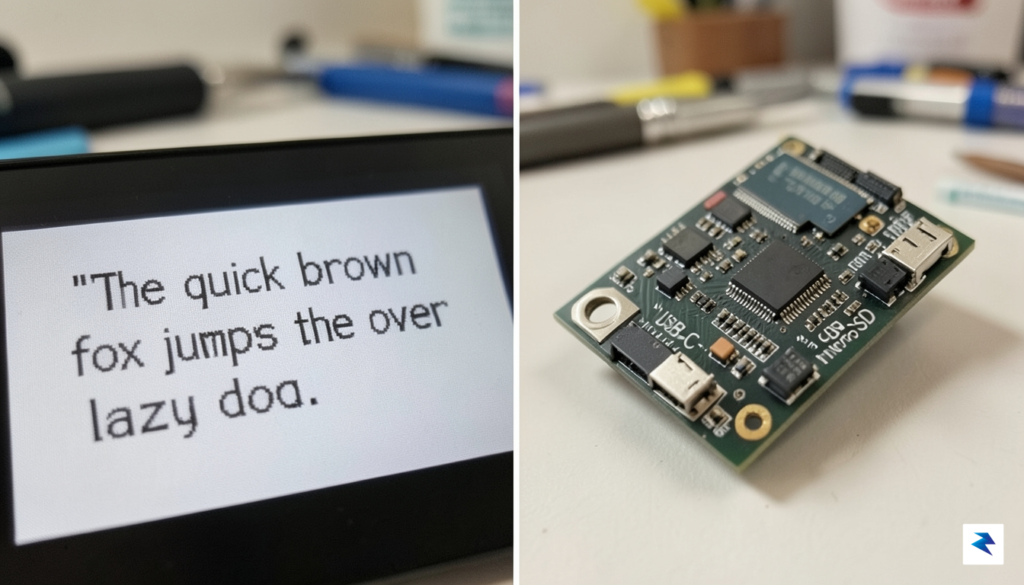
At the heart of the Open Book Touch lies a deliberate rejection of the “all-in-one” device philosophy that dominates modern consumer electronics. Instead of chasing high-refresh-rate LCDs or vibrant, power-hungry OLED panels, the hardware is centered around a high-contrast E-Ink display designed specifically to mimic the physical properties of paper. By utilizing electrophoretic ink technology, the device only consumes power when the image on the screen changes. This architectural choice makes it an exceptional tool for long-form reading, as it eliminates the eye strain associated with backlit displays and allows for weeks of battery life on a single charge, even with heavy daily usage.
The device is powered by a robust yet energy-efficient microcontroller architecture, purposefully selected to handle text rendering and PDF navigation without the overhead of a bloated, general-purpose operating system. Unlike tablets that juggle background processes, telemetry, and media streaming, the Open Book Touch focuses its computational cycles entirely on typography and page-turning latency. This specialized focus ensures that the reading experience remains fluid and responsive, providing the tactile satisfaction of a physical book while offering the convenience of digital storage. The modular nature of the internal components allows users to easily access the battery or swap out components, bridging the gap between an off-the-shelf consumer gadget and a custom-built hardware project.
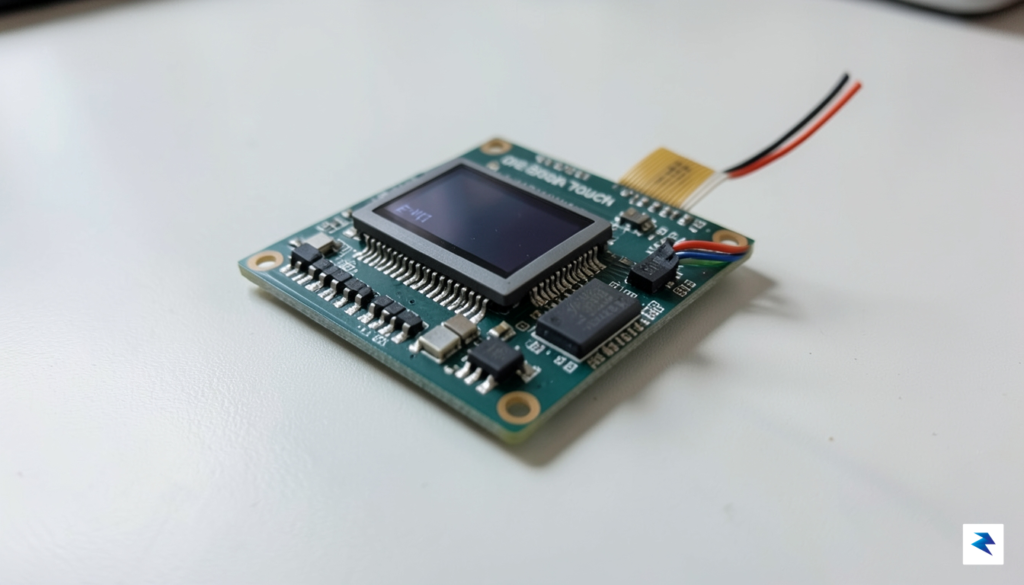
Integrating a touch interface into an E-Ink device presents a unique engineering challenge, as traditional capacitive layers often introduce glare or reduce the crispness of the text. To mitigate this, the designers implemented a specialized, high-transparency digitizer that preserves the matte finish of the screen. This allows for intuitive gesture-based navigation—such as tapping the edges to turn pages or pinching to adjust font sizes—without compromising the paper-like readability that is the device’s primary value proposition. Furthermore, the firmware is optimized to ignore accidental input while holding the device, ensuring that the interface remains unobtrusive and secondary to the act of reading itself.
The true power of an open-source reader lies not in its ability to do everything, but in its ability to do one thing perfectly: provide a distraction-free window into the written word.
By prioritizing hardware transparency and modularity, the Open Book Touch invites users to understand the machine they are reading on. The inclusion of physical buttons alongside the touch interface provides a reliable fallback for navigation, ensuring that the device remains functional even in environments where touch input might be difficult or undesirable. This thoughtful balance between modern touch-screen convenience and the reliable, low-power nature of E-Ink components creates a reading environment that is both technically sophisticated and deeply grounded in the traditions of literature.

In the modern digital landscape, the act of reading has quietly transformed from a private intellectual pursuit into a lucrative data-harvesting operation. Popular commercial e-readers act as sophisticated telemetry devices, meticulously logging every page turn, every highlighted sentence, and the precise duration spent on each chapter. This granular surveillance is rarely for the benefit of the reader; instead, it fuels the algorithmic engines of massive corporations, building detailed psychological profiles that can be leveraged for targeted advertising or predictive modeling. When you sync your device to a proprietary cloud, you are effectively granting a third party unrestricted access to your literary preferences, political inclinations, and personal curiosities.
The Open Book Touch represents a radical departure from this model by prioritizing local autonomy over cloud-dependent convenience. Because the hardware and firmware are entirely open-source, the device operates on a foundation of radical transparency. Unlike closed ecosystems where software updates can secretly introduce new tracking measures or backdoors, the Open Book Touch allows any user or developer to audit the code running on the machine. This means your reading habits never leave the physical device unless you explicitly authorize a transfer, ensuring that your library remains your own private sanctuary rather than a data set on a corporate server.
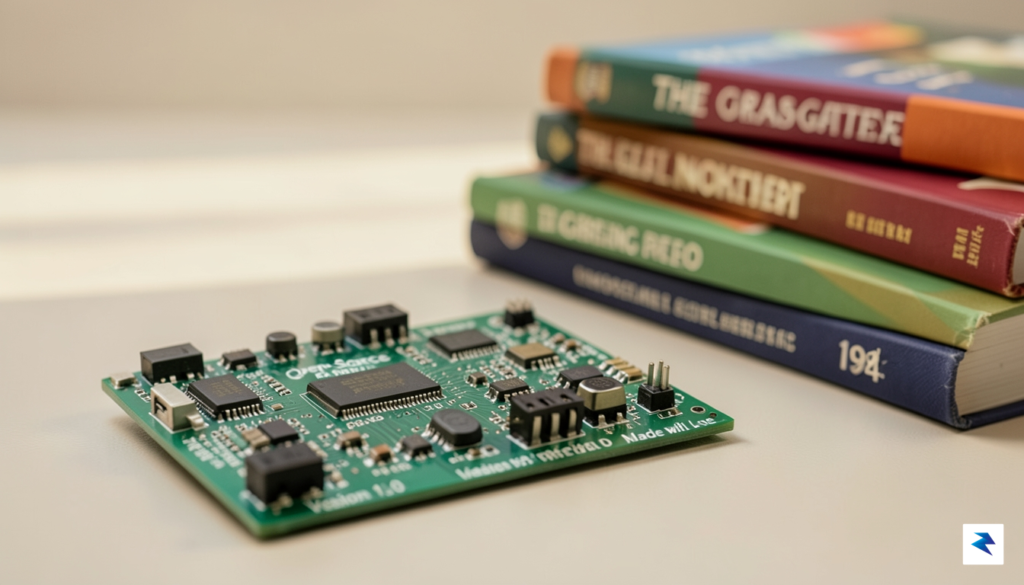
By moving to an open-source platform, you effectively eliminate the “phone home” mechanisms that plague mainstream hardware. In a typical proprietary environment, the device is constantly communicating with the manufacturer’s servers to verify licenses, push updates, or synchronize reading progress across devices—often without the user’s full understanding of what metadata is being transmitted. With the Open Book Touch, the architecture is designed to function strictly offline. This local-first approach ensures that your device remains a tool for enrichment rather than a silent observer in your home.
True digital privacy is not merely the absence of surveillance, but the presence of verifiable control over one’s own data and hardware.
Furthermore, the benefit of open-source firmware extends beyond just preventing telemetry; it provides a future-proof guarantee against planned obsolescence and forced feature changes. When you own the hardware and the software, you are not subject to the shifting whims of a corporate ecosystem that might decide to restrict your access to certain file types or alter your interface to prioritize paid content. By choosing open hardware, you are making a conscious decision to reclaim your digital sovereignty, ensuring that your reading experience remains personal, unmonitored, and entirely under your own command.
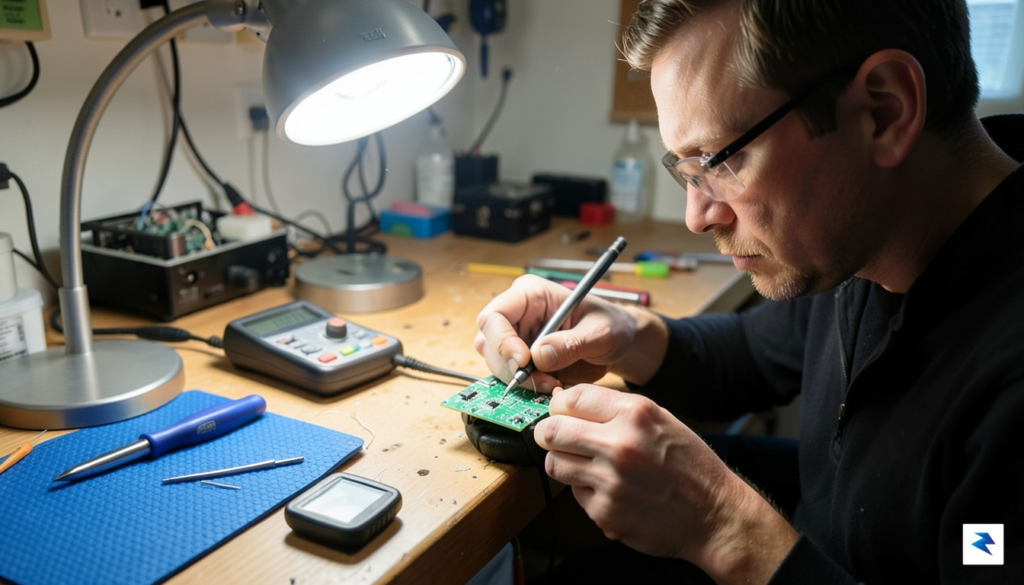
The true power of the Open Book Touch is not found in its factory-shipped state, but rather in the limitless horizon created by its open-source architecture. By providing full access to schematics and codebase, the project invites users to transition from passive consumers to active architects of their own reading experience. This DIY ethos means that your e-reader is not a static object defined by a corporate roadmap, but a living piece of hardware that can evolve alongside your personal requirements and technical skills. Whether you are a hobbyist looking to experiment with hardware peripherals or a developer seeking to refine the reading interface, the device serves as a blank canvas for innovation.
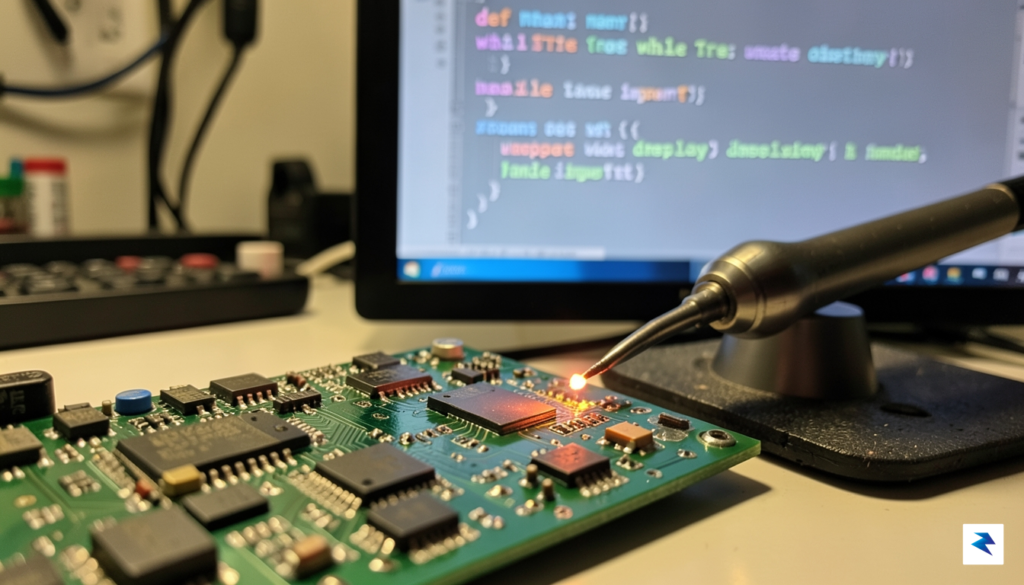
Software flexibility serves as the cornerstone of this customization potential. Because the firmware is entirely open, users are empowered to fundamentally alter how the device functions. You can easily tweak font rendering engines to prioritize extreme legibility, restructure the user interface to suit specific workflows, or even integrate entirely new features that commercial manufacturers have long ignored. This level of granular control is particularly transformative for accessibility. While mainstream devices often offer limited adjustments for users with visual impairments or specific motor needs, the Open Book Touch allows the community to build bespoke solutions—such as high-contrast themes, custom navigation shortcuts, or screen-reader integration—that ensure reading remains an inclusive experience for everyone.
The core philosophy of the Open Book Touch is simple: if you own the hardware, you should have the absolute freedom to shape the software that runs on it.
Furthermore, the collaborative nature of this ecosystem fosters a unique cycle of shared improvement. When a user develops a patch to optimize battery life or designs a more intuitive library management system, these enhancements can be easily contributed back to the community for others to implement. This shared knowledge base turns the act of modifying your e-reader into a communal pursuit, significantly lowering the barrier to entry for those new to DIY electronics. By stripping away the walled gardens typical of modern technology, the Open Book Touch ensures that your reading device remains repairable, upgradeable, and perpetually relevant, regardless of how much time has passed since its initial assembly.

Transitioning a project like the Open Book Touch from a community-driven prototype to a reliable, widely available consumer device presents significant logistical hurdles. For small-scale hardware initiatives, the primary obstacle is often the reliable sourcing of high-quality components at a reasonable cost. While tech giants leverage massive supply chains and bulk purchasing power to secure components, independent creators must often navigate fluctuating inventories and limited availability of specialized parts like e-ink displays. This scarcity can lead to inconsistent build quality or long lead times, which complicates the dream of widespread accessibility for those who are not deeply embedded in the maker community.
Beyond the complexities of manufacturing, there is the undeniable hurdle of the learning curve. Mainstream e-readers are designed with a “walled garden” approach, prioritizing seamless, out-of-the-box functionality that requires minimal technical intervention. In contrast, the Open Book Touch requires users to engage with hardware assembly, software configuration, or at least a higher level of digital literacy than the average consumer might possess. Bridging this gap is essential; if open-source hardware is to move beyond the niche circles of enthusiasts and tinkerers, it must find a way to offer a frictionless experience that feels intuitive to the general public without sacrificing the transparency and freedom that define the project.
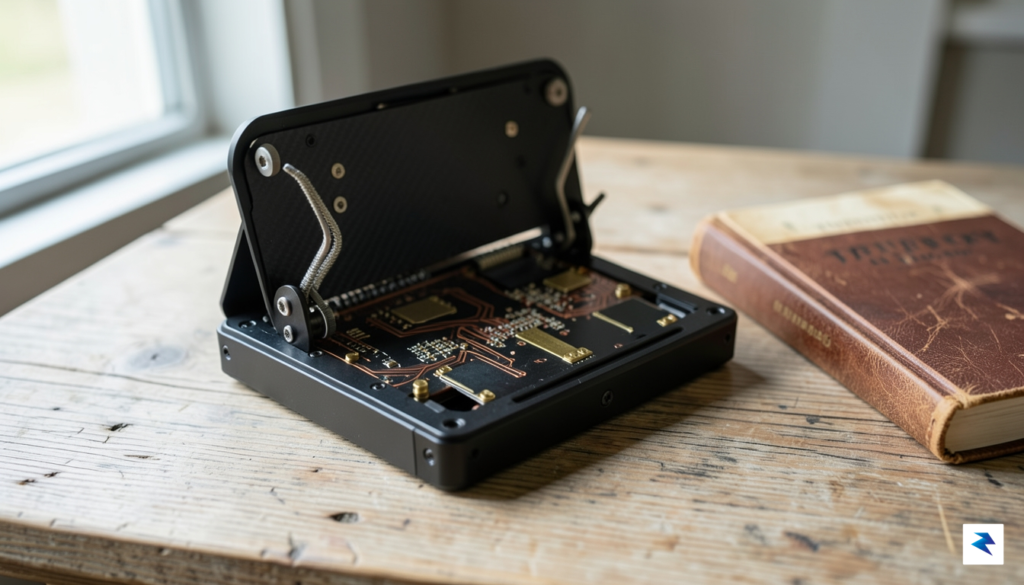
The true success of the open-source hardware movement lies not in displacing commercial giants, but in proving that technology can be repairable, modular, and entirely owned by the user.
Despite these challenges, the long-term outlook for independent e-readers is remarkably bright. Every iteration of a project like the Open Book Touch serves as a proof of concept, demonstrating that users are increasingly hungry for hardware that respects their privacy and longevity. As 3D printing and decentralized manufacturing become more sophisticated, the barriers to entry for hardware startups will inevitably lower, allowing for smaller batch productions that are both sustainable and economically viable. By shifting the focus away from planned obsolescence and toward modular design, these devices are setting a new standard for what a digital library should be.
Ultimately, the Open Book Touch is more than just a gadget; it is a catalyst for a broader shift in consumer electronics. By encouraging users to understand the “how” and “why” behind their device, the project empowers a new generation of digital citizens to demand more from their technology. If this movement continues to gain momentum, we may soon see a future where reading hardware is treated as a lasting tool rather than a disposable commodity, ensuring that our access to literature remains as open and enduring as the books themselves.
You must be logged in to post a comment.