Ninja Slushi Twist Review: Can You Really Make Café-Quality Slushies at Home?
Introduction: Beating the Heat at Home There is a specific, suffocating intensity to an NYC heat wave that transforms a simple walk to the…


While the name Jobs undoubtedly carries immense historical weight, evoking a profound legacy in technology and design, Reed Jobs is unequivocally charting a distinct and impactful path through the complex, high-stakes world of biotechnology venture capital. Far from resting on inherited laurels, he has meticulously cultivated an independent professional identity, one deeply rooted in scientific advancement and a profound dedication to solving some of humanity’s most pressing health challenges. His firm, Yosemite, stands as a testament to this singular vision, having rapidly transcended the ‘newcomer’ phase to establish itself as a serious and influential player in life sciences investing.
Reed’s journey into venture capital wasn’t a sudden leap but a deliberate evolution from a career already immersed in the intersection of science and philanthropy. Prior to founding Yosemite, he spearheaded health initiatives at the Emerson Collective, a social impact organization founded by his mother, Laurene Powell Jobs. In this role, he gained invaluable experience in identifying promising research, understanding the intricate landscape of biomedical innovation, and fostering collaborations between academia and industry. This foundational experience, particularly his deep dive into oncology research and venture philanthropy, provided the critical insights and relationships necessary to envision and launch a firm dedicated to transformative breakthroughs.
Yosemite was born from this unwavering commitment to accelerating scientific discovery, especially in areas like cancer treatment where the need is most urgent. From its inception, the firm distinguished itself by focusing on ‘deep tech’ within the life sciences – backing audacious ideas and groundbreaking research that often require significant long-term investment and specialized scientific understanding. This strategic focus, coupled with a rigorous due diligence process and a genuine passion for the underlying science, quickly earned Yosemite credibility and respect within the notoriously competitive biotech investing community, moving it beyond mere affiliation to genuine industry leadership.
Today, Yosemite has grown significantly from its humble beginnings, evolving into a robust organization with a dedicated team of 17 professionals. This expansion reflects not only the firm’s increasing portfolio and influence but also its capacity to provide comprehensive support to the innovative companies it partners with. Reed Jobs’ personal brand, therefore, has become intrinsically linked to the firm’s mission: a focused, impact-driven approach to venture capital that prioritizes scientific merit and potential for patient benefit above all else. His commitment to pushing the boundaries of oncology research, through strategic investments and philanthropic endeavors, clearly defines his professional legacy, setting him apart as a visionary leader in his own right.
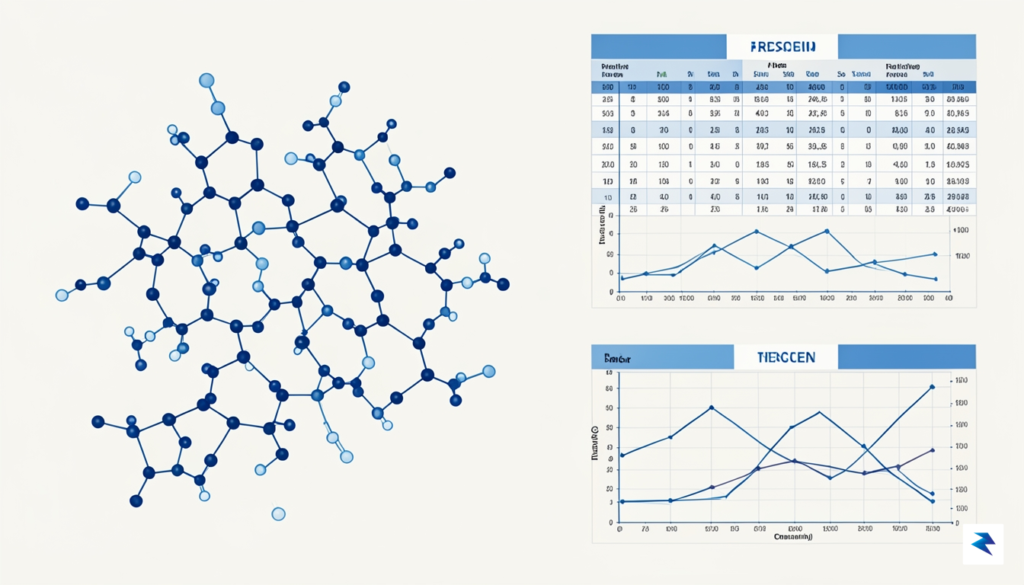
The pharmaceutical industry stands at a truly unique economic inflection point, characterized by a phenomenon widely known as the ‘patent cliff.’ This term describes a period where a significant number of blockbuster drugs – those generating billions in annual revenue for their creators – simultaneously lose their patent protection. When a drug’s patent expires, it opens the door for generic manufacturers to produce and sell bioequivalent versions at a fraction of the cost, often leading to a precipitous drop of 80% or more in the original drug’s sales within just a few years. This massive wave of expirations, particularly pronounced in the current decade, is creating an unprecedented vacuum in pharmaceutical revenues, compelling established giants to drastically rethink their research and development strategies and seek out new avenues for growth.
This particular window of time is therefore absolutely critical for venture capital and innovative biotech firms. The patent cliff doesn’t just represent a loss for big pharma; it signifies an enormous opportunity for disruption and the emergence of next-generation therapies. As traditional revenue streams diminish, vast amounts of capital and scientific talent become available, either directly within pharmaceutical companies seeking new pipelines or indirectly through increased investment in promising startups. Venture capitalists are keenly aware that the companies poised to fill this void with genuinely novel, high-impact treatments are the ones that will define the future of medicine and yield substantial returns. This strategic moment demands bold investment in transformative science, rather than incremental improvements on existing treatments.
Consequently, there’s a discernible shift occurring from traditional drug development paradigms to a more innovative, often curative, approach to biotech. For decades, drug discovery was largely a trial-and-error process, often resulting in treatments that managed symptoms rather than addressed the root causes of disease. However, the next generation of biotech innovation, which firms like Yosemite are strategically targeting, is fundamentally different. This new wave leverages breakthroughs in genomics, artificial intelligence, gene editing (like CRISPR), cell therapies, and personalized medicine to develop highly targeted, often curative, interventions. Rather than merely extending life or alleviating discomfort, these advanced therapies aim to fundamentally alter disease progression or even eradicate conditions entirely, moving beyond the symptomatic relief that many expiring blockbusters offered. Yosemite, for instance, is positioning itself at the forefront of this revolution, focusing on bringing these cutting-edge solutions to patients, thereby not just replacing lost revenue but redefining what healthcare can achieve.
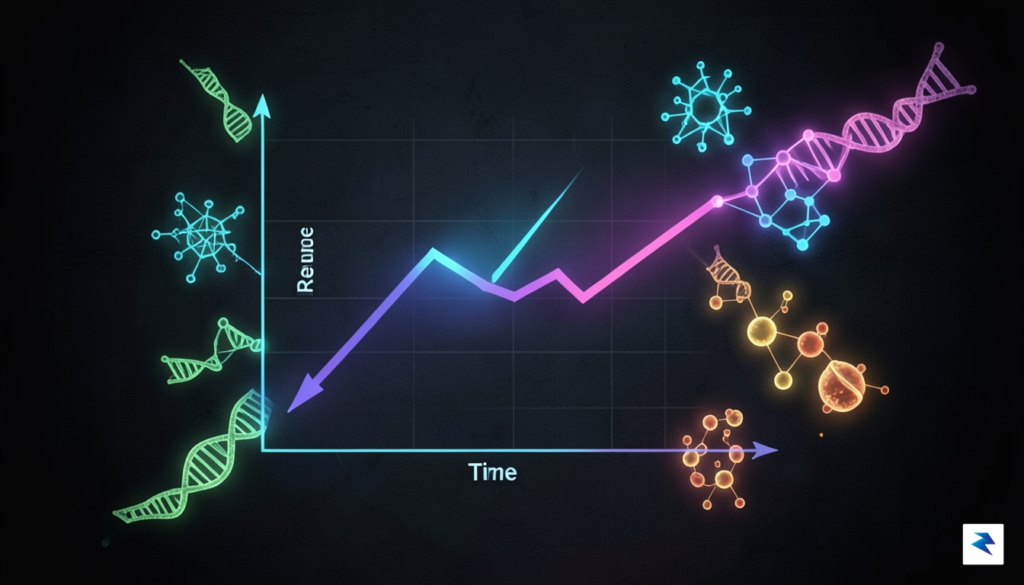
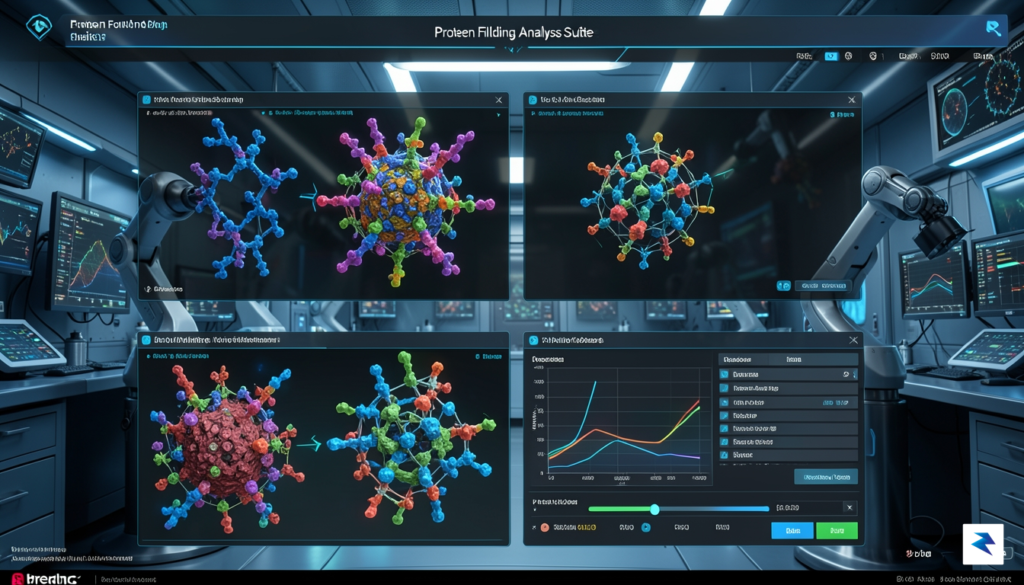
Artificial intelligence, once relegated to the realm of science fiction or niche academic pursuits, has rapidly evolved into an indispensable cornerstone of modern scientific endeavor, particularly within the ambitious ecosystem at Yosemite. For us, AI isn’t merely a tool for streamlining administrative tasks or optimizing internal processes; it stands as a fundamental pillar of our operational strategy and a critical driver of our investment decisions. We leverage machine learning and advanced computational methods not just as an adjunct, but as an intrinsic component of the entire drug discovery pipeline, fundamentally reshaping how we approach complex biological challenges and accelerate the journey toward groundbreaking medical solutions. This strategic integration is pivotal in our relentless pursuit of shortening the notoriously lengthy and costly drug development cycle.
The practical applications of AI in accelerating medical breakthroughs are profound and multifaceted. Machine learning algorithms, for instance, excel at sifting through astronomical volumes of genomic, proteomic, and clinical data, identifying subtle patterns and potential drug targets that would be virtually impossible for human researchers to discern manually. This capability dramatically streamlines the initial phases of research, quickly flagging promising molecular structures or biological pathways for further investigation. Beyond target identification, AI plays a crucial role in *de novo* drug design, predicting the efficacy and toxicity of lead compounds, and even modeling patient responses to potential therapies, thereby reducing the need for extensive wet-lab experimentation and significantly compressing the timelines traditionally associated with preclinical development.
Our commitment to AI extends deeply into how we evaluate and select potential portfolio companies. When assessing new ventures for investment, Yosemite places significant emphasis on the sophistication and strategic integration of their artificial intelligence frameworks. We look beyond mere claims of using AI, meticulously scrutinizing the underlying algorithms, the quality and breadth of their training data, and the tangible impact these systems have on their specific drug discovery processes. A company’s ability to demonstrate a robust, defensible AI strategy — one that genuinely enhances their research capabilities, accelerates their pipelines, or provides unique predictive insights — is a critical differentiator and a strong indicator of future success in the competitive biotech landscape. This rigorous evaluation ensures we invest in innovation that truly leverages the power of intelligent systems.
Crucially, this embrace of algorithmic speed and predictive power is not about replacing the invaluable human element within life sciences; rather, it’s about amplifying it. At Yosemite, we firmly believe that the most potent breakthroughs emerge from a symbiotic relationship between cutting-edge AI and profound human expertise. AI excels at handling repetitive, data-intensive tasks, identifying correlations, and generating hypotheses with unparalleled speed, thereby freeing our scientists and those in our portfolio companies to focus on higher-order thinking, creative problem-solving, experimental design, and the nuanced interpretation of complex biological phenomena. The human mind

Building a venture firm from the ground up, especially one dedicated to transforming healthcare, demands much more than simply accumulating a large capital base. It requires the meticulous construction of a specialized team, the cultivation of a distinctive culture, and the continuous refinement of a repeatable investment thesis capable of navigating the high-stakes world of biotech. Yosemite, having grown to seventeen dedicated team members, is now skillfully navigating the inherent complexities of achieving institutional scale while fiercely safeguarding its agile, founder-led ethos. This delicate balancing act involves not just managing growth, but strategically leveraging it to amplify their impact on scientific innovation and patient outcomes.
The strategic hiring process within a venture capital firm focused on science, particularly pre-revenue biotech, is inherently different from traditional investment models. Yosemite doesn’t just seek financial acumen; they recruit individuals with deep scientific backgrounds, clinical expertise, and a profound understanding of regulatory pathways and drug development. This means their team comprises former researchers, clinicians, and industry veterans who can dissect complex biological mechanisms and critically assess the viability of novel therapeutic approaches long before they reach human trials. The goal is to build a multidisciplinary brain trust capable of not only identifying groundbreaking science but also understanding its potential market impact and the intricate journey from lab bench to patient bedside.
As the firm expands, maintaining a high-performance, founder-led culture in a fast-moving market presents its own set of unique challenges. Yosemite strives to foster an environment where scientific rigor meets entrepreneurial urgency, preventing bureaucratic inertia from stifling innovation. This involves empowering team members with significant autonomy, encouraging robust scientific debate, and fostering a shared commitment to the firm’s overarching mission – to support ventures that genuinely have the potential to cure diseases. Transparency, intellectual honesty, and a collective passion for advancing human health are the cornerstones that help maintain agility and a unified vision, ensuring that even as the team grows, it operates with the cohesive spirit of a lean startup.
The cornerstone of Yosemite’s investment strategy lies in its rigorous process for identifying and vetting biotech startups long before they generate revenue. This early-stage focus demands an exceptionally high degree of scientific foresight and risk assessment, given the long development timelines and inherent uncertainties of biological research. The team employs a multi-faceted approach, commencing with exhaustive scientific due diligence to evaluate the novelty and validity of the underlying biology and technology. They meticulously assess intellectual property portfolios, scrutinize preclinical data, and critically evaluate the founding teams’ scientific leadership and execution capabilities. Furthermore, understanding the intricate regulatory landscape and potential market dynamics for nascent therapies is paramount, allowing Yosemite to identify truly transformative opportunities amidst a sea of promising but unproven concepts.


In the high-stakes world of venture capital, where swift returns often dictate investment strategies, Yosemite is charting a distinctly different course, particularly within the life sciences sector. Unlike many traditional VC firms that seek rapid exits and focus on short-term market trends, Yosemite embraces an investment horizon measured not in quarters, but in decades. This patient capital approach acknowledges the profound complexity and protracted timelines inherent in genuine medical innovation, especially in fields like drug discovery and therapeutic development. The firm understands that bringing a groundbreaking cure from laboratory bench to patient bedside can demand extensive research, rigorous clinical trials, and substantial financial commitment over many years, often far exceeding the typical five-to-seven-year investment cycle favored by conventional funds.
This long-term perspective is profoundly shaped by a vision that extends beyond mere market capitalization to impact the very fabric of human health. At its core, Yosemite’s mission is driven by the audacious ambition to cure diseases, not merely to manage symptoms or achieve incremental improvements. Reed Jobs, a key figure in the firm’s direction, has articulated a clear focus on tackling some of humanity’s most formidable medical challenges, particularly in oncology and other critical areas of healthcare. This isn’t just about funding promising startups; it’s about fostering an ecosystem where foundational scientific breakthroughs, no matter how long they take to mature, are given the resources and runway they need to fundamentally transform patient outcomes. The emphasis is squarely on scientific merit and the potential for transformative impact, rather than chasing fleeting industry fads.
Looking ahead, Yosemite intends to be a pivotal force in shaping the landscape of medical advancement over the next decade and beyond. By providing sustained, strategic investment, the firm aims to accelerate the development of therapies that could redefine what is medically possible. This influence extends beyond direct financial backing; it also involves nurturing a new generation of scientific entrepreneurs, bridging the gap between cutting-edge academic research and practical clinical application, and advocating for a more patient-centric model of healthcare innovation. The ultimate goal is to contribute significantly to a future where devastating illnesses, once considered incurable, become treatable and, eventually, preventable, thereby leaving an indelible mark on global health and well-being for generations to come.
You must be logged in to post a comment.