Should Tech Forums Flag AI-Generated Content? A Hacker News Debate
The Case for Transparency in the Age of Synthetic Content The digital landscape is rapidly evolving with the widespread adoption of Generative…
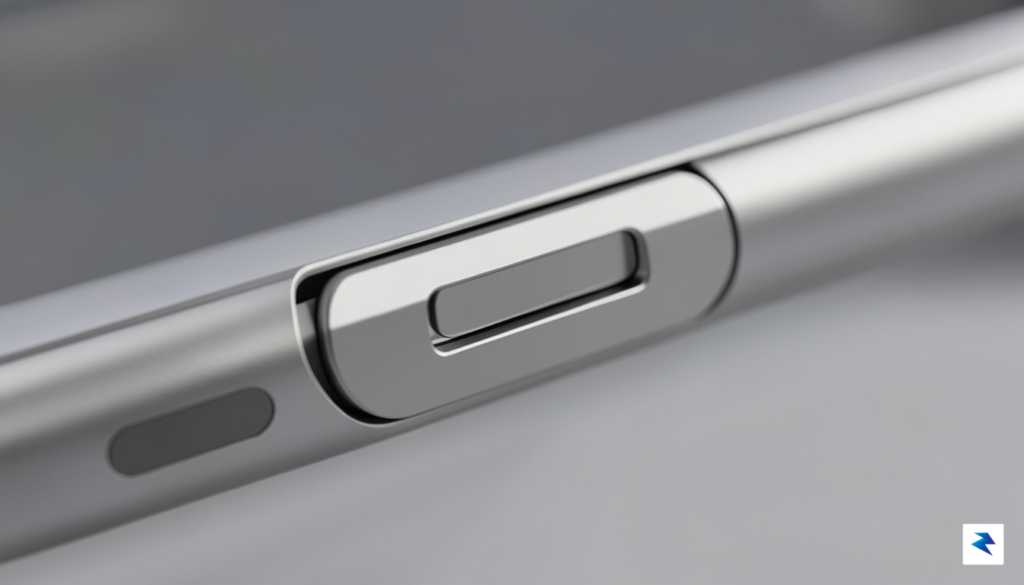
Samsung’s upcoming foldable iterations represent a calculated pivot from the experimental roots of the series toward a more mature, refined industrial aesthetic. With the Galaxy Z Fold 6 and Z Flip 6, the company is moving away from the rounded, pebble-like curves of previous generations in favor of a sharper, more squared-off design language. This shift is not merely cosmetic; it is intended to provide a more ergonomic grip and a sophisticated, premium feel that aligns with the brand’s top-tier monolithic slabs. By tightening the chassis tolerances, Samsung is effectively signaling that the foldable category has moved past its “early adopter” phase and is ready to compete head-on with traditional flagship smartphones in terms of build quality and structural integrity.
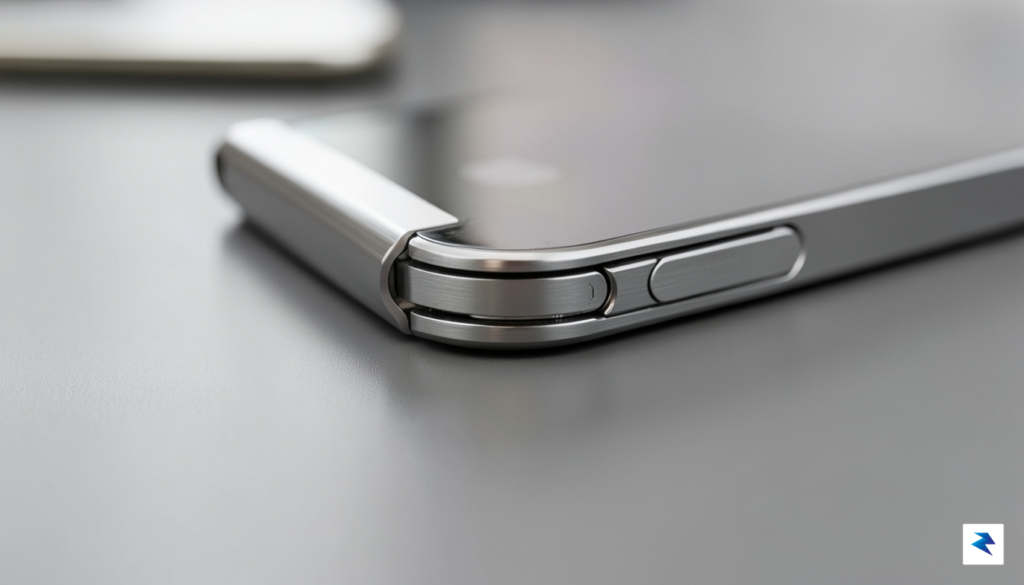
A primary focus for this year’s hardware cycle is a significant improvement in weight distribution and overall device thickness. Rumors suggest that through advancements in internal component miniaturization and a thinner display layer, the Galaxy Z Fold 6 will be notably lighter and more pocketable than its predecessor. This is a crucial evolution, as one of the most common consumer criticisms of the Fold series has been its heft compared to standard handsets. Furthermore, Samsung is reportedly refining the hinge mechanics to achieve an even tighter fold, which not only minimizes the gap when the device is closed but also plays a vital role in reducing the visibility and depth of the screen crease. By integrating new materials into the display stack, Samsung aims to offer a more seamless, glass-like experience that feels uniform to the touch.
The integration of enhanced hinge durability and refined display layering marks the most significant leap forward for Samsung’s foldable longevity since the introduction of the original Flex Hinge.
Durability remains the cornerstone of Samsung’s strategy to maintain its market dominance against an influx of global competitors. We expect to see advancements in the IP rating system, potentially pushing the boundaries of water and dust resistance to levels previously unattainable in moving-part devices. The implementation of stronger, aerospace-grade alloys for the chassis will likely bolster the internal frame against accidental drops and pressure, ensuring the device can withstand the rigors of daily use over several years. Additionally, the shift toward a more rigid hinge structure suggests that Samsung has successfully optimized the tension distribution across the display, which should translate to fewer instances of screen degradation over extended cycles of opening and closing.
Ultimately, these physical design changes reflect a company that is listening intently to user feedback while simultaneously pushing the boundaries of what is mechanically possible. By focusing on the “invisible” improvements—such as weight reduction and hinge longevity—rather than just headline-grabbing specs, Samsung is building a foundation that justifies the premium price point of these devices. As the competition heats up, these subtle yet impactful hardware refinements will likely be the deciding factor for consumers looking to transition from a traditional smartphone to the transformative utility of the foldable form factor.
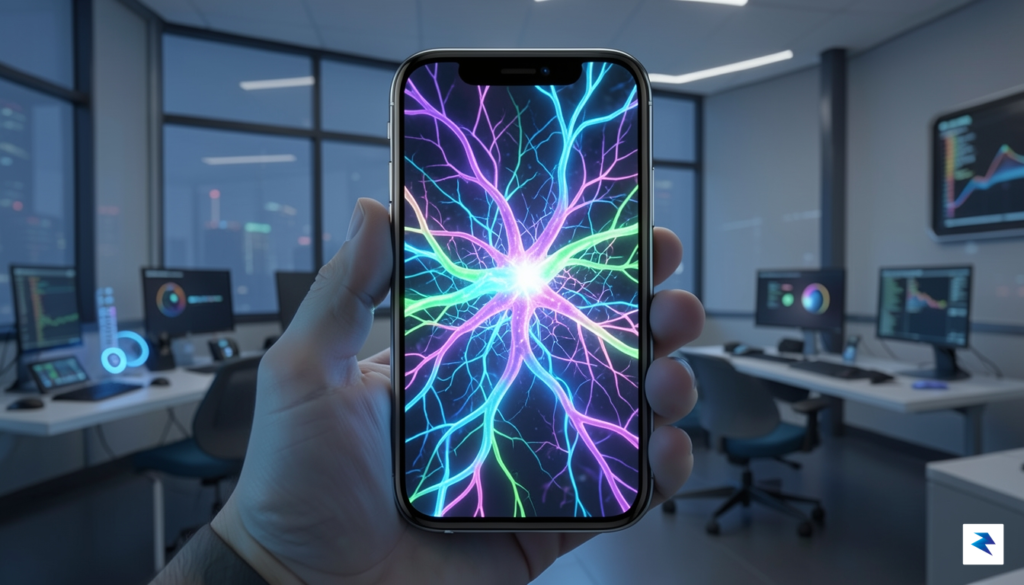
The upcoming launch marks a definitive shift in how Samsung approaches mobile intelligence, moving away from superficial gimmicks to deeply integrated, hardware-aware machine learning. By leveraging the unique geometry of the new foldable lineup, Samsung is positioning its devices as the ultimate canvas for generative AI. Unlike standard smartphones that rely heavily on cloud-based processing, the new Galaxy Z Fold 6 is expected to utilize advanced on-device processing. This approach not only enhances user privacy by keeping sensitive data local but also significantly reduces latency, ensuring that AI-driven tasks—such as real-time language interpretation during calls or video conferences—happen instantaneously, even when connectivity is spotty.
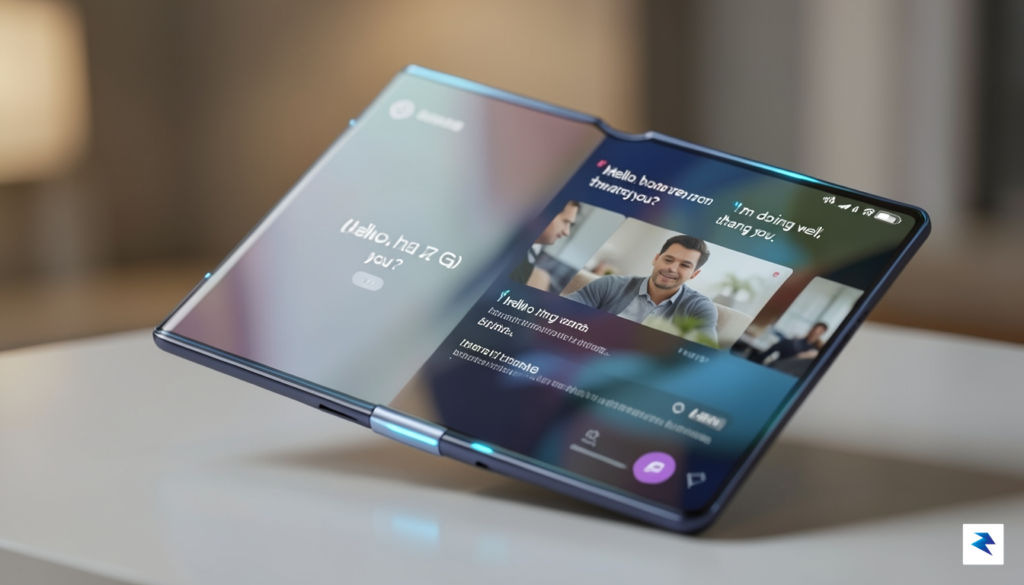
One of the most anticipated breakthroughs involves how Galaxy AI will transform the multitasking experience. By utilizing the expansive inner display of the Z Fold 6, Samsung is introducing context-aware features that analyze the content across multiple open windows simultaneously. For instance, the system can summarize a lengthy document on one side of the screen while providing a generative drafting tool on the other, seamlessly connecting the information flow between disparate applications. This level of workflow orchestration creates a fluid experience that differentiates the foldable form factor from traditional slab phones, effectively turning the device into a pocket-sized productivity powerhouse.
The true power of mobile AI lies not in the complexity of the algorithms, but in how seamlessly those tools integrate into the physical nuances of the hardware.
Beyond productivity, the integration of generative photo editing tools is set to take a massive leap forward. Samsung is reportedly refining its generative fill and object-removal capabilities to be more intuitive, allowing users to move, resize, or delete elements within a photo with near-perfect perspective matching. Because these features are designed to work in tandem with the foldable hinge, users can view their original image on one half of the screen and the AI-adjusted version on the other, facilitating side-by-side comparisons that were previously impossible. This hardware-software synergy ensures that the AI feels like an extension of the creative process rather than an external add-on.
Ultimately, this pivot toward integrated intelligence signifies that the future of the Galaxy brand is no longer just about raw specifications like processor speed or camera megapixel counts. Instead, it is about how the device “understands” the user’s intent. By combining high-performance on-device neural processing units with the versatile, multi-window landscape of foldable hardware, Samsung is crafting a platform where AI anticipates needs before they are explicitly requested. As we move closer to the July 22 event, it is clear that these enhancements are not merely upgrades; they are a fundamental reimagining of what a mobile device can achieve when it stops being a passive tool and starts acting as an intelligent partner.
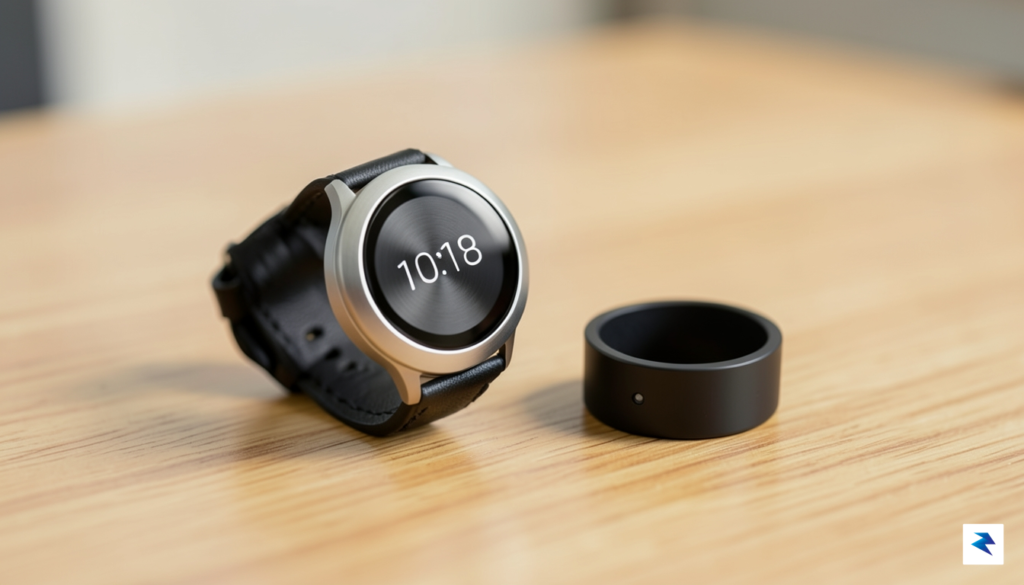
Samsung is poised to redefine the boundaries of personal wellness this July, shifting the focus of its wearable ecosystem from simple activity tracking to holistic health intelligence. The star of this expansion is undoubtedly the official retail launch of the Galaxy Ring, a device that promises to bridge the gap between high-end jewelry and medical-grade biometric monitoring. By removing the bulk of a traditional smartwatch, the Galaxy Ring leverages a sophisticated array of sensors designed to track heart rate variability, skin temperature, and respiratory patterns throughout the night. This minimalist approach addresses a significant pain point for many users who find standard watches too cumbersome for continuous sleep monitoring, ultimately providing a more seamless way to capture data during rest.
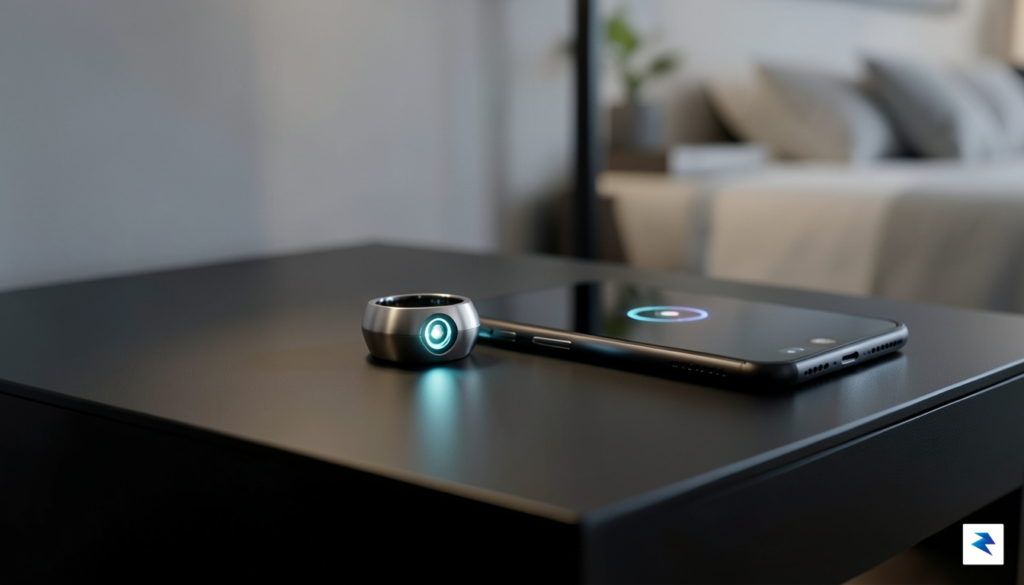
Complementing the new form factor, the latest iteration of the Galaxy Watch series is set to introduce significant hardware upgrades that prioritize longevity and diagnostic precision. Reports indicate that Samsung has optimized the internal architecture to support a more robust battery, which is essential for users who want to leverage the new AI-driven health insights without constant charging interruptions. Furthermore, these watches are expected to integrate advanced sensors capable of monitoring blood glucose trends and blood pressure with greater accuracy, moving closer to the goal of becoming a comprehensive preventative health companion. The synergy between these devices is further bolstered by the introduction of Galaxy AI, which synthesizes data from both the watch and the ring to provide a “Vitality Score.” This new metric evaluates your physical and mental readiness for the day ahead, offering personalized recovery advice that transforms raw numbers into actionable lifestyle guidance.
The integration of AI-powered health metrics marks a shift toward proactive wellness, where the ecosystem does not just report your statistics, but actively interprets your body’s recovery needs in real time.
Ergonomics remain at the forefront of this year’s design philosophy, ensuring that both the Galaxy Ring and the updated Watch series can be worn comfortably 24 hours a day. Samsung has refined the chassis materials to be both lightweight and exceptionally durable, catering to users who lead active, outdoor-focused lives as well as those who prioritize a premium aesthetic for professional settings. Beyond the physical improvements, the software experience is being overhauled to ensure that the stream of biometric data is presented in a way that is intuitive and easy to digest. By combining these advanced sensors with an intelligent, patient-centric interface, Samsung is positioning its latest wearables as the definitive choice for those who demand both technical sophistication and effortless daily wearability.

While the spotlight at the upcoming event is undoubtedly fixed on the latest iteration of Samsung’s foldable smartphones, a persistent undercurrent of speculation points toward the company’s long-awaited foray into the world of Extended Reality (XR). For months, tech analysts have been parsing through a trail of patent filings and supply chain whispers that suggest Samsung is developing a sophisticated wearable interface designed to challenge the current hegemony in the spatial computing market. Unlike the bulky, fully immersive VR headsets that have struggled to find mainstream adoption, these rumors increasingly lean toward a lightweight, glasses-based form factor that prioritizes all-day wearability and seamless integration with the existing Galaxy ecosystem.
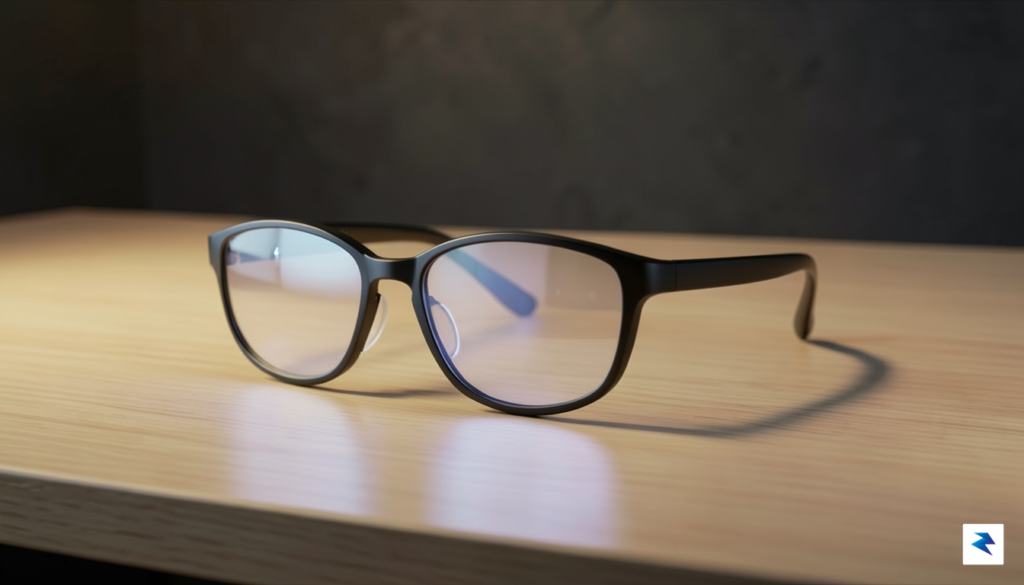
The credibility of these rumors is bolstered by Samsung’s strategic alliance with Google and Qualcomm, a trio that effectively mirrors the hardware-software-silicon pipeline required to build a viable XR platform. By leveraging Qualcomm’s specialized Snapdragon XR chipsets and Google’s robust Android-based XR operating system, Samsung is uniquely positioned to bypass the software growing pains that have hampered many of its competitors. Industry insiders suggest that this partnership is not merely a short-term project but a foundational shift aimed at creating a device that acts as a digital companion to your smartphone, rather than a standalone, isolated piece of technology.
The true test for Samsung’s entry into eyewear will not be the hardware itself, but how effectively they can bridge the gap between augmented reality utility and the aesthetic standards of everyday fashion.
It is important, however, to maintain a balanced perspective regarding what we might actually see on stage this July. While a full commercial launch of a revolutionary XR product seems unlikely given the current manufacturing landscape, the tech community is cautiously optimistic about a potential “soft tease” or a developer-focused preview. Such a move would serve to align third-party developers with Samsung’s vision well before the hardware reaches mass production. By distinguishing their approach—focusing on lightweight AR glasses that overlay digital information onto the real world rather than total VR immersion—Samsung could effectively carve out a niche that emphasizes productivity and connectivity over gaming-centric experiences.
Ultimately, whether we receive a concrete announcement or simply a cryptic hint about the future of wearable computing, the trajectory is clear: Samsung is clearly aiming to reclaim the innovation narrative. If they can successfully merge their expertise in high-resolution display panels with a truly comfortable design, these glasses could signal the end of the smartphone-only era. As we wait for the keynote to commence, the industry remains on high alert for any indication that Samsung is finally ready to pull back the curtain on its most ambitious hardware project in a decade.

The July 22 Galaxy Unpacked event represents far more than a routine hardware refresh; it serves as a definitive pivot toward the next decade of mobile computing. As the industry faces a plateau in traditional smartphone innovation, Samsung is banking heavily on the integration of generative AI to redefine what a handheld device can accomplish. By embedding sophisticated large language models directly into the silicon of the new Galaxy foldables, the company is attempting to shift the competitive landscape from raw hardware specifications to intelligent, software-driven utility. This transition is essential for Samsung, as it aims to justify premium pricing in a market where consumers are increasingly holding onto their older devices for longer periods.
The premium segment is currently witnessing a fierce battle for dominance, particularly as Chinese manufacturers like Honor, Xiaomi, and Vivo aggressively iterate on their own foldable designs. For years, Samsung enjoyed a relatively uncontested reign as the pioneer of the foldable form factor, but that era of exclusivity has ended. To maintain its lead, Samsung must prove that its hardware is not just thinner or more durable, but that it offers a cohesive, AI-powered ecosystem that its competitors cannot replicate. The strategy here is clear: by locking users into a proprietary suite of AI-enhanced tools—ranging from real-time translation features to advanced generative photo editing—Samsung hopes to build a “moat” that makes switching to a rival brand feel like a downgrade in intelligence and convenience.

The true measure of this launch will not be the folding mechanism itself, but how seamlessly the onboard AI anticipates user intent to turn a complex task into a single-tap interaction.
Furthermore, this shift toward AI-centric hardware reflects a broader industry recognition that the future of the smartphone is essentially becoming an “AI agent” that lives in our pockets. Samsung’s strategic focus on integrating these capabilities into foldable devices is intentional, as the larger, versatile screen real estate provides the perfect canvas for multitasking with intelligent assistance. Whether it is summarizing long documents on the fly or providing contextual suggestions based on a user’s calendar, the upcoming hardware is designed to make the smartphone an indispensable partner rather than just a communication tool. Ultimately, this launch is a calculated gamble that consumers are ready to prioritize artificial intelligence as the primary differentiator in their next upgrade cycle, setting the stage for a new standard in the premium mobile market.
You must be logged in to post a comment.