Galaxy Unpacked July 22: Your Comprehensive Preview of Samsung’s Next Era
The Evolution of the Foldable Form Factor Samsung’s upcoming foldable iterations represent a calculated pivot from the experimental roots of…

For years, Bolivia maintained a stringent stance against the digital asset market, characterized by a complete prohibition of cryptocurrency transactions that was enacted in 2020. However, the financial landscape of the nation is currently undergoing a profound metamorphosis as the government pivots away from isolationist fiscal policies toward a more inclusive, tech-forward framework. By officially lifting the ban on crypto transactions in 2024, the Central Bank of Bolivia has signaled a bold commitment to modernization, recognizing that the global financial paradigm is shifting beneath its feet. This strategic reversal is not merely a symbolic gesture; it represents a pragmatic response to the increasing demand for decentralized financial tools that can operate outside the constraints of traditional, often sluggish, banking infrastructure.
The momentum behind this transition is underscored by staggering growth figures that reveal how quickly the Bolivian public has embraced digital alternatives. Since the regulatory environment thawed, the country has witnessed a surge in activity, with transaction volumes now exceeding $430 million. This rapid adoption highlights a deep-seated motivation among local businesses and individuals to bypass the systemic bottlenecks associated with traditional currency exchanges. In a country where foreign currency liquidity can sometimes be restricted, stablecoins—specifically Tether’s USDT—have emerged as a vital bridge, allowing users to preserve value and conduct international trade with newfound efficiency and speed. The Central Bank’s willingness to contemplate the integration of USDT into the national payments system suggests that policymakers are prioritizing liquidity and financial resilience over historical skepticism.
The integration of digital assets into the national payment architecture serves as a strategic hedge against currency volatility and provides a gateway to seamless international commerce for the average citizen.
Ultimately, this pivot toward digital assets is driven by a desire for greater financial autonomy in an increasingly volatile global economy. By exploring the formal adoption of USDT, Bolivia is positioning itself to capitalize on the benefits of blockchain technology, such as reduced settlement times and lower transaction costs, which are essential for small and medium-sized enterprises. This evolution is not just about adopting a new currency; it is about rewriting the rules of the domestic financial ecosystem to foster greater inclusion for those previously underserved by legacy banking systems. As the government continues to evaluate the integration of these digital tools, the focus remains on creating a stable, secure, and technologically advanced framework that can support the country’s long-term economic aspirations.

In regions grappling with chronic currency devaluation and restricted access to international capital, Tether (USDT) has emerged as a functional lifeline rather than a speculative asset. Unlike Bitcoin, which is frequently categorized as “digital gold” due to its inherent price volatility, USDT is pegged to the U.S. dollar, providing the stability necessary for daily retail transactions. This price consistency allows merchants and consumers to engage in commerce without the fear that their purchasing power will evaporate overnight, effectively serving as a digital proxy for the greenback in environments where physical dollars are either scarce or heavily regulated by government capital controls.
The mechanism behind this utility is rooted in the efficiency of blockchain technology, which allows for near-instantaneous settlement across global borders. For many in Latin America, where traditional banking infrastructure can be cumbersome, expensive, or inaccessible to the unbanked population, USDT offers a streamlined alternative. By utilizing decentralized digital wallets, individuals can bypass the traditional “SWIFT” banking system—which often involves slow processing times and exorbitant intermediary fees—to send remittances home or pay for goods and services in real-time. This independence from traditional banking hours ensures that the economy remains fluid, even during weekends or public holidays when legacy financial systems typically grind to a halt.
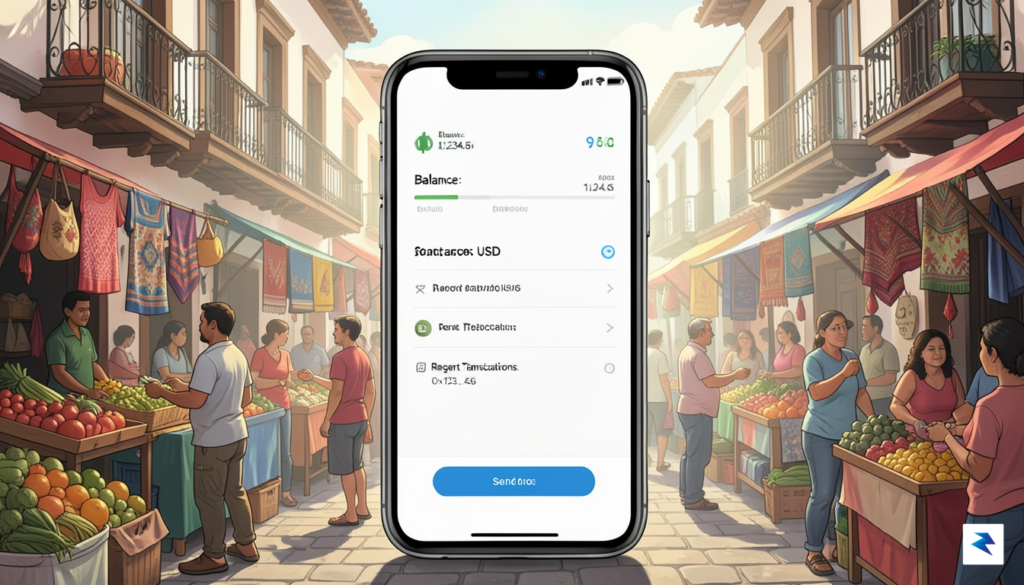
By decoupling daily transactions from the limitations of local currency and centralized banking, stablecoins empower citizens in inflationary economies to preserve the value of their labor and participate in the global digital marketplace.
Furthermore, the specific appeal of USDT in countries like Bolivia lies in its role as a bridge between the informal economy and the global financial landscape. When citizens lose confidence in their national currency, they naturally gravitate toward assets that offer a reliable store of value; however, the lack of a standardized digital currency often forces them into risky, high-volatility assets. USDT mitigates this risk by providing a familiar unit of account. As nations begin to weigh the integration of such assets into national payment systems, they are essentially acknowledging that digital stability is a critical component of economic sovereignty. By legitimizing these tools, governments can foster greater financial inclusion, enabling those previously excluded from the formal economy to protect their savings and transact with the rest of the world on equal footing.
Bolivia’s pivot toward integrating Tether’s USDT into its national payments infrastructure is far from a speculative gamble; it is a calculated response to a deepening macroeconomic crisis. For years, the country has grappled with a severe shortage of US dollars, a scarcity that has severely hampered the ability of local businesses to import essential goods and maintain stable supply chains. As traditional foreign exchange reserves dwindle, the government is increasingly forced to look beyond the rigid constraints of the conventional banking system. By exploring the adoption of stablecoins, Bolivia is effectively attempting to bypass the bottlenecks of the traditional financial apparatus, seeking a more fluid medium of exchange that can survive the pressures of a volatile domestic economy.
The rise of a “shadow” liquidity pool has become impossible for policymakers to ignore. As access to physical greenbacks has become increasingly restricted through official channels, both individual citizens and small-to-medium enterprises have turned to peer-to-peer (P2P) crypto exchanges to preserve their purchasing power and facilitate cross-border trade. This informal economy, while resilient, operates entirely outside the oversight of the central bank, leaving the state unable to monitor capital flows or collect necessary tax revenue. By bringing USDT into the fold of the national payments system, the government aims to bridge this gap, transforming a decentralized, unregulated flow of capital into a formalized, trackable, and taxable economic activity that can support state-level financial stability.

Furthermore, the persistent threat of inflationary pressure on the domestic currency has made digital assets an attractive hedge for the average Bolivian. When local currency loses value rapidly, the ability to store wealth in a dollar-pegged asset—even a digital one—provides a much-needed safety net for families and entrepreneurs alike. The government recognizes that it cannot simply legislate away the public’s desire for financial stability. Consequently, integrating USDT serves as a pragmatic compromise: it allows the state to provide the digital infrastructure citizens are already demanding while simultaneously maintaining a degree of control over the national monetary environment. In essence, this strategic shift is an admission that the future of commerce in Bolivia will be digitized, and that the state must adapt its financial architecture to retain its relevance in an era where liquidity is increasingly fluid and borderless.
The integration of stablecoins is not merely a technological upgrade, but a defensive economic maneuver designed to reclaim control over capital flows that have long since migrated to the digital periphery.
Ultimately, this move represents a broader trend among emerging economies facing similar liquidity constraints. By formalizing the use of USDT, Bolivia is positioning itself to benefit from the efficiency of blockchain technology, potentially reducing transaction costs and speeding up settlement times for international trade. If successful, this integration could provide a template for other nations struggling with currency devaluation, proving that even in the face of acute financial hardship, there are innovative ways to stabilize domestic commerce through the strategic adoption of digital assets.

Integrating a privately issued stablecoin like USDT into a sovereign national payments infrastructure is an unprecedented undertaking that requires a meticulous alignment between traditional monetary policy and decentralized ledger technology. For the Central Bank of Bolivia, the primary hurdle involves establishing a robust legal framework that defines the stablecoin’s status as a legitimate medium of exchange without compromising the nation’s monetary sovereignty. This process necessitates a collaborative regulatory sandbox where Tether’s infrastructure is stress-tested against the country’s existing banking protocols. By creating clear legal boundaries, the government can effectively bridge the gap between volatile local currency fluctuations and the stability offered by dollar-pegged digital assets, ensuring that any integration serves the public interest rather than solely private enterprise.
From a technical standpoint, interoperability remains the most significant challenge for the integration of USDT. The Central Bank of Bolivia must mandate that local commercial banking applications adopt standardized APIs capable of communicating with Tether’s smart contracts. This shift requires comprehensive cybersecurity mandates, ensuring that every transaction—whether occurring on a public blockchain or within a private, government-sanctioned layer—remains shielded from malicious actors. Furthermore, the government must implement stringent Know Your Customer (KYC) and Anti-Money Laundering (AML) protocols that mirror the rigor of global financial standards. By embedding these compliance requirements directly into the digital wallet architecture, officials can monitor illicit financial flows while maintaining the privacy and security of the average citizen.
The success of a state-sponsored stablecoin initiative hinges not on the technology itself, but on the ability of the central bank to enforce trust and transparency within a digital ecosystem that is inherently borderless.
To facilitate widespread adoption, the government may consider the development of state-operated custodial wallets that offer a user-friendly interface for the general population. Unlike self-custodial wallets, which require a high degree of technical literacy, these government-managed solutions would provide a familiar banking experience while operating on the underlying efficiency of the blockchain. Through this hybrid model, the state can provide institutional-grade security for user funds while simultaneously promoting financial inclusion for unbanked communities. Ultimately, this path toward integration reflects a proactive, albeit cautious, strategy to leverage the speed and low costs of blockchain technology to modernize the domestic financial landscape while keeping the mechanisms of oversight firmly under the control of national authorities.

Integrating a private, dollar-pegged asset like Tether (USDT) into the bedrock of a national payment infrastructure is a move that carries profound technical and systemic weight. At the forefront of these concerns is the issue of transparency regarding Tether’s reserve backing. Unlike a central bank digital currency (CBDC), which is issued and managed by a sovereign state with transparent accounting practices, USDT is managed by a centralized, private entity. Critics frequently point to the lack of real-time, audited evidence confirming that every token in circulation is matched by a corresponding liquid asset. For a developing economy like Bolivia, relying on a private company to underpin its financial stability introduces a “counterparty risk” that could be catastrophic should Tether’s reserves prove insufficient during a period of market volatility.
Beyond the fiscal opacity, there are substantial technical vulnerabilities associated with the smart contract architecture that powers USDT. Because the token operates across multiple blockchain networks, it is susceptible to the same risks that plague decentralized finance protocols, including smart contract bugs, bridge failures, and potential exploits that could freeze or drain assets. Relying on a third-party ledger for national commerce means that if the underlying blockchain experiences network congestion or a security breach, the state loses the ability to guarantee the functionality of its own payment rails. Furthermore, the reliance on a centralized entity creates a single point of failure; should regulators in the United States or elsewhere take punitive action against Tether, Bolivia’s entire payment system could be effectively “switched off” or frozen overnight.

“The integration of a foreign, privately issued stablecoin into a sovereign payment system is an unprecedented experiment that trades traditional currency controls for the perceived efficiency of global crypto-liquidity.”
The geopolitical dimension of this move cannot be ignored, as it invites significant scrutiny from international financial institutions like the International Monetary Fund (IMF) and the World Bank. These organizations have consistently warned developing nations against adopting volatile or privately managed crypto-assets as legal tender, citing risks to monetary policy independence and the potential for increased financial crimes. By bypassing traditional banking corridors, Bolivia may find itself at odds with global financial regulations, potentially leading to restricted access to international credit or harsher compliance requirements for its domestic banks. Ultimately, the government must weigh whether the convenience of Tether’s liquidity is worth the risk of distancing itself from the established global financial architecture, which remains the primary vehicle for trade and economic development on the world stage.

The potential integration of Tether’s USDT into Bolivia’s national payment infrastructure represents a bold departure from traditional monetary paradigms, signaling a shift toward a more agile, digital-first economy. By leveraging a stablecoin pegged to the U.S. dollar, Bolivia is effectively attempting to bypass the limitations of its domestic currency volatility and the inefficiencies of legacy banking systems. If successful, this experiment could serve as a powerful blueprint for other emerging markets across the Global South that are grappling with similar inflationary pressures and limited access to international liquidity. By positioning itself as an early adopter of blockchain-based financial tools, Bolivia is not merely updating its technology; it is actively rewriting its role in the global financial ecosystem.
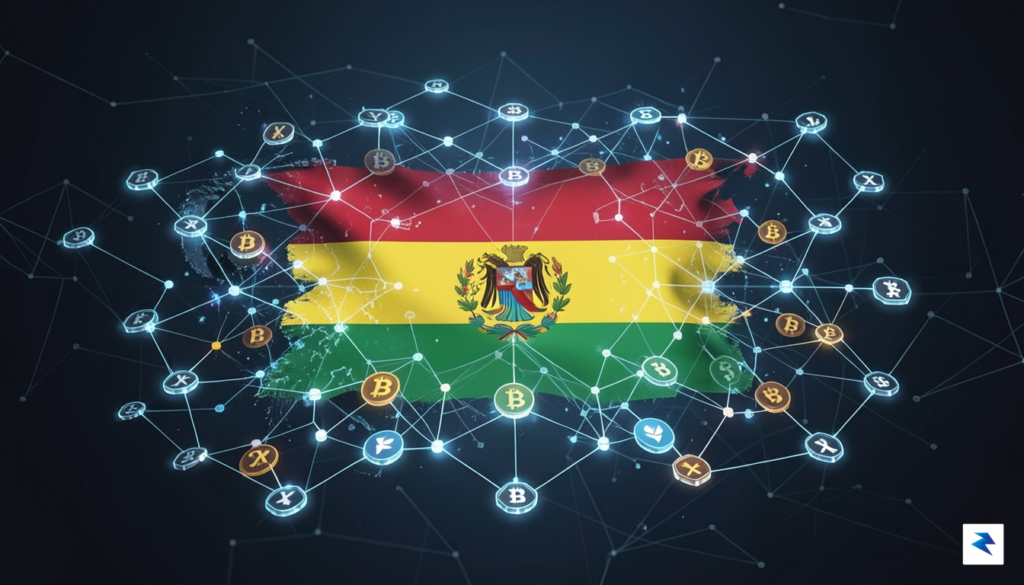
From an economic perspective, the long-term implications of this move could be transformative, particularly regarding the attraction of foreign direct investment. Investors who have historically shied away from the region due to currency instability may find the reliability of a dollar-backed digital asset to be a compelling incentive for entry. This shift could theoretically lower the cost of cross-border transactions for local businesses, fostering an environment where small and medium-sized enterprises can engage with global markets with unprecedented ease. Furthermore, as the nation streamlines its payment rails, it may inadvertently trigger a regional ripple effect, compelling neighboring countries to fast-track their own digital asset frameworks to remain competitive in an increasingly digitized South American landscape.
The integration of stablecoins into national infrastructure acts as a bridge, connecting localized economic activity to the efficiency and stability of global digital finance.
However, the path toward a fully integrated digital economy is not without its hurdles. Bolivia will face stiff competition from various regional initiatives, including the rise of Central Bank Digital Currencies (CBDCs) and private fintech alternatives already gaining traction in Brazil and Argentina. The ultimate success of this initiative depends heavily on the government’s ability to create a regulatory environment that balances innovation with consumer protection and systemic security. If the state can successfully navigate these challenges, it will likely secure a future where financial inclusion is expanded, transaction costs are minimized, and the economy is shielded from the most extreme shocks of traditional monetary volatility. Ultimately, this move could define Bolivia’s economic trajectory for the next decade, transforming it from a cautious observer into a proactive leader in the adoption of decentralized financial technology.
You must be logged in to post a comment.