OpenAI’s Codex Micro: Why a Physical Button Console Matters for Coders
Introducing the Codex Micro: OpenAI’s Pivot to Tangible Coding OpenAI has officially transitioned from the purely digital realm of large…

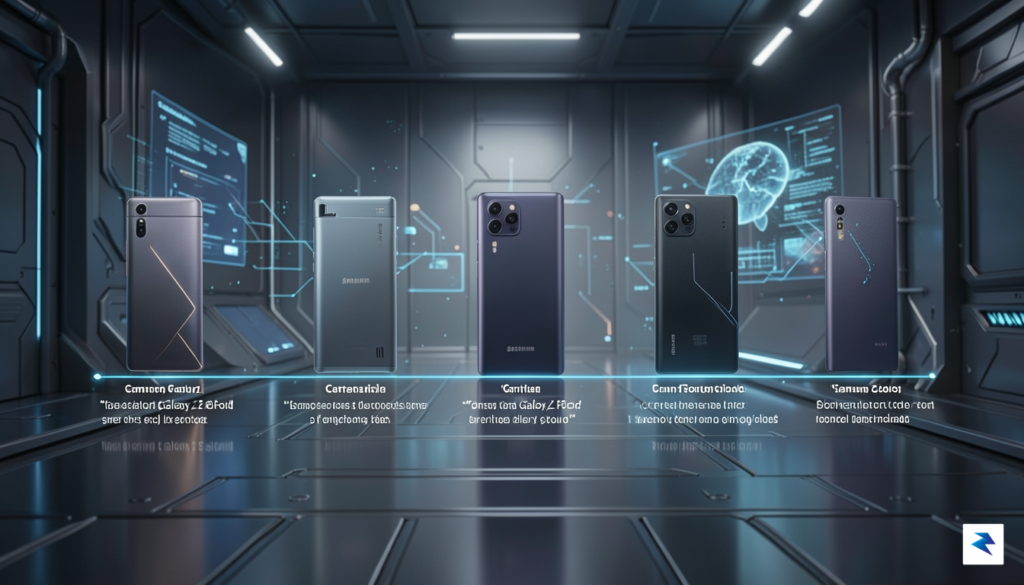
When the original Galaxy Fold first debuted, it felt less like a consumer product and more like a bold, precarious experiment in mobile engineering. Samsung spent those early, formative years obsessively refining the foldable formula, gradually evolving the line from a fragile proof-of-concept into the refined, productivity-focused powerhouse we recognize today. Each successive generation has brought critical improvements to the fold, replacing early screen protectors and exposed gaps with sophisticated water-drop hinges and reinforced, UTG (Ultra Thin Glass) displays. These architectural advancements have successfully transitioned the series from a niche novelty into a daily driver capable of handling the rigors of modern professional life, solidifying Samsung’s position as the clear market leader in the foldable space.
Despite this technical maturity, Samsung has faced a wave of intense pressure from Chinese OEMs like Honor, Vivo, and Xiaomi, all of whom have begun to challenge the company’s dominance with thinner hardware and more aggressive crease-reduction technology. In response, Samsung has relied on its unparalleled software ecosystem, consistently optimizing its One UI interface to make multitasking, drag-and-drop workflows, and app continuity feel second nature. However, as the hardware refinements have become more incremental, the market has reached a point of stagnation. Consumers and critics alike have begun to wonder if Samsung’s traditional book-style form factor has finally hit its physical limit, necessitating a more drastic departure from the design language that has defined the series for half a decade.
This context makes the recent buzz surrounding a potential “brand new shape” for the upcoming iteration so incredibly significant. For years, the Galaxy Z Fold series has adhered to a specific, narrow outer display profile that many users found polarizing, prioritizing handheld ergonomics over expansive viewing. By teasing a shift in this established geometry, Samsung is signaling that it is finally ready to move beyond simple component upgrades and address the fundamental structural complaints of its loyal user base. If the rumors regarding a wider aspect ratio or a thinner, more pocketable chassis prove true, it would represent the most radical transformation of the product line since its inception.
The true test for Samsung’s next foldable isn’t just about technical specifications; it is about proving that the company can reinvent its own flagship identity to stay ahead of an increasingly crowded global market.
Ultimately, the transition from the current generation to this teased redesign marks a pivotal moment in the history of mobile computing. Samsung is no longer just competing against its own past versions; it is fighting to define the future of the category it pioneered. As the industry watches closely, the anticipation builds around whether this mysterious new form factor will be a mere aesthetic refresh or a fundamental rethink of what a foldable smartphone can be when it is unburdened by the design constraints of the past.

The recent collaborative teaser between Samsung and the Marvel Cinematic Universe has ignited a firestorm of speculation, primarily because it deliberately obscures the hardware behind a veil of cinematic flair. By utilizing strategic lens flares and rapid, rhythmic cuts, the promotional material avoids giving us a clear, unobstructed look at the device’s chassis. However, even through this artistic obfuscation, the footage clearly signals a departure from the established design language of the previous Z Fold generations. The device appears to move away from the boxy, industrial aesthetic of its predecessors, hinting at a more refined, potentially thinner, and more ergonomic frame that prioritizes handling comfort alongside its signature productivity features.
One of the most telling visual cues is the deliberate “book-style” opening movement featured in the sequence. While the Z Fold series has always utilized this folding hinge mechanism, the fluidity and speed captured in this teaser suggest a mechanical evolution. Perhaps we are looking at a redesigned hinge that allows for a near-seamless transition when the device is unfolded, minimizing the infamous screen crease that has been a point of contention for enthusiasts for years. By choosing to hide the finer details, Samsung is effectively weaponizing curiosity, forcing the audience to scrutinize every frame for clues about the materials, the bezel thinness, and the rumored shift in aspect ratio that could finally make the cover screen feel like a standard smartphone display.

Samsung’s decision to partner with a pop-culture juggernaut like Spider-Man is a masterstroke in hardware marketing, serving to bridge the gap between technical enthusiasts and the general public. This strategy differentiates Samsung from competitors who often rely solely on dry spec-sheet reveals or traditional keynote presentations. By associating their next-generation foldable with the agility and high-tech gadgetry synonymous with the Spider-Man franchise, Samsung is positioning the Z Fold 8 as a lifestyle statement rather than just a utility tool. This emotional branding helps manage reader expectations by framing the device as a piece of “hero-grade” technology, suggesting that the upcoming iteration will be their most polished and capable model to date.
The true power of this teaser lies not in what it explicitly reveals, but in the narrative it builds: the Z Fold 8 is being positioned as a transformative leap rather than an incremental upgrade.
Ultimately, while we must remain cautious about interpreting marketing hyperbole as confirmed hardware specifications, the intensity of this campaign suggests a significant pivot. The shift in design language hinted at here implies that Samsung is listening to the core criticisms of the foldable market—namely, the desire for a slimmer, more conventional form factor. Whether this “brand new shape” represents a total architectural overhaul or merely a sophisticated refinement, it is clear that Samsung intends to dominate the conversation leading up to their next major launch event. As we wait for more concrete leaks, the teaser successfully keeps the tech community guessing, proving that mystery remains one of the most effective tools in a company’s arsenal when trying to generate genuine pre-launch momentum.
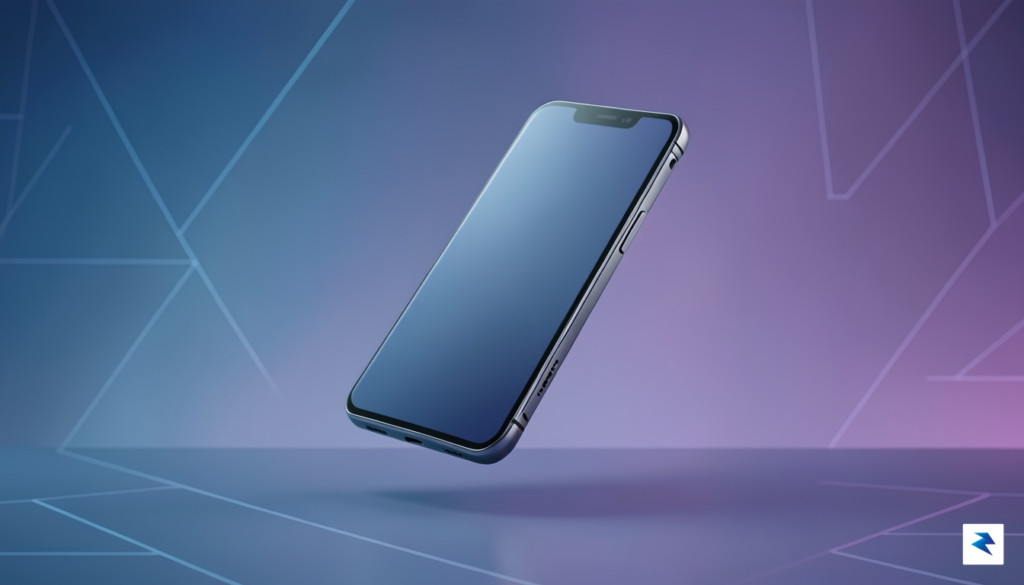
The murmurs surrounding the upcoming iteration of Samsung’s flagship foldable suggest that we are on the precipice of a departure from the established, narrow-profile aesthetic that has defined the series for years. For many users, the primary grievance with the current Fold lineup has been the outer display’s cramped aspect ratio, which often feels more like a remote control than a functional smartphone screen. By hinting at a “brand new shape,” Samsung appears to be acknowledging these ergonomic hurdles. A wider, more conventional aspect ratio would not only make the front screen significantly more comfortable for daily tasks like typing and web browsing, but it would also better align the device with the standard app ecosystems that are currently optimized for traditional handsets.
Beyond the dimensions of the screen, the industry is buzzing with speculation regarding the physical composition of the chassis. Reliable supply chain leaks indicate that Samsung may be moving toward a more premium, lightweight alloy—potentially titanium—to shed unnecessary bulk. This shift in material science is not merely a matter of luxury; it is a fundamental ergonomic necessity. As foldables have grown more complex, the challenge of maintaining a manageable weight while housing high-capacity batteries and advanced camera arrays has become a primary engineering bottleneck. A thinner, lighter frame would drastically improve one-handed usability, making the device feel less like a dense slab and more like a seamless extension of the user’s hand.
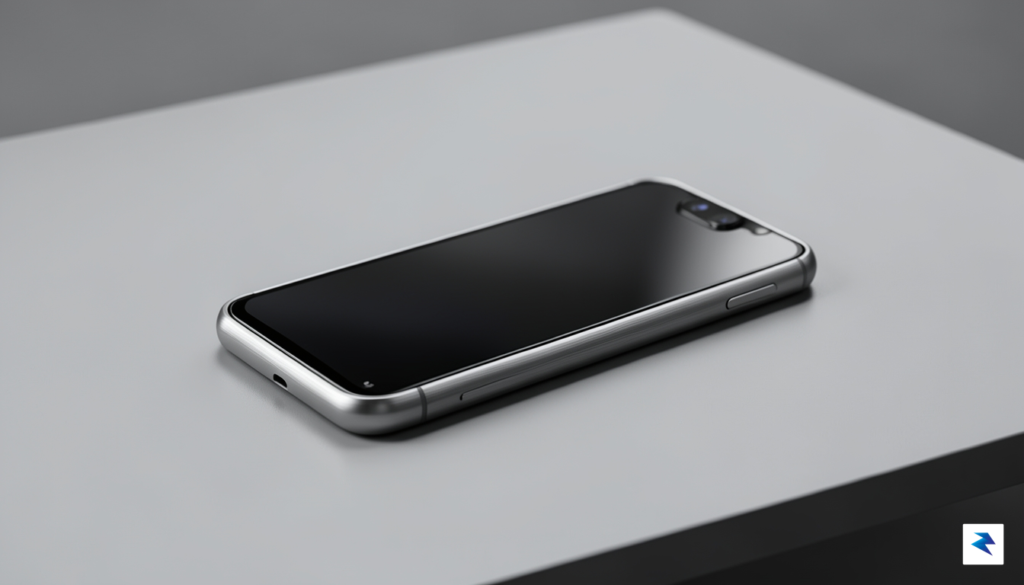
The transition toward a wider, thinner form factor represents the most significant ergonomic evolution in the history of the foldable category, potentially bridging the gap between tablet-like functionality and pocketable convenience.
Comparing these rumored updates to the current generation, it becomes clear that Samsung is aiming for a more balanced user experience. While the previous models focused on mechanical refinement and hinge durability, the “brand new shape” implies a shift toward overall harmony. If the device achieves a flatter, more uniform profile when folded, it will eliminate the awkward “gap” and uneven weight distribution that often characterize modern foldables. This holistic approach to design suggests that the next generation will be less about the novelty of the hinge and more about the maturity of a daily-driver device that no longer requires users to compromise on ergonomics in exchange for screen real estate.
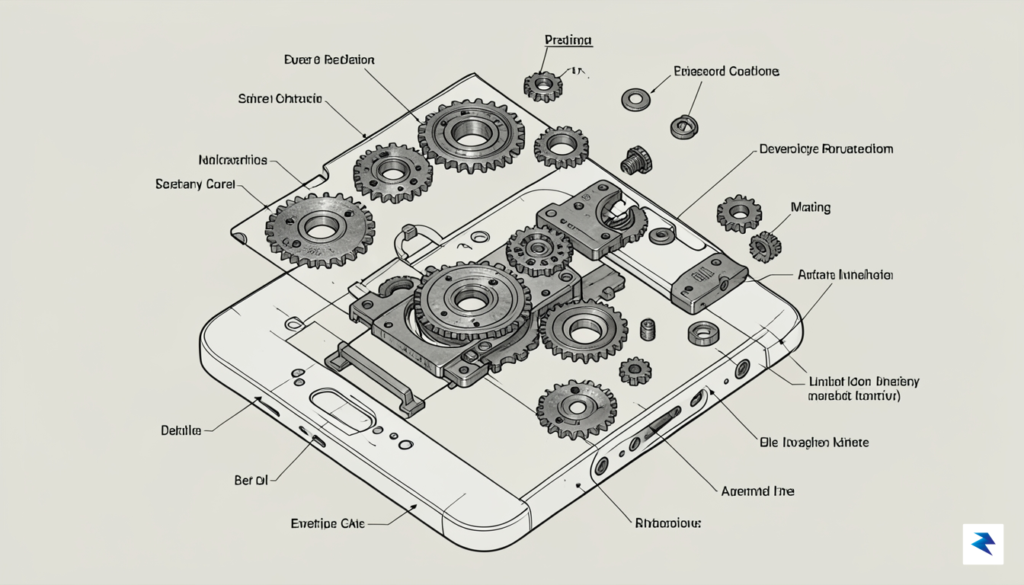
Redesigning the chassis of a foldable smartphone is far more complex than simply shaving a few millimeters off a standard slab phone. When engineers attempt to introduce a radical new form factor, they are essentially fighting against the fundamental laws of physics and material science. Every adjustment to the hinge geometry or the outer casing forces a complete overhaul of the device’s internal architecture, as there is virtually no “wasted” space inside a modern foldable. To accommodate a thinner frame or a shift in the device’s footprint, designers must rethink the placement of every capacitor, antenna, and sensor, often leading to a cascade of compromises that can impact everything from structural rigidity to signal reception.
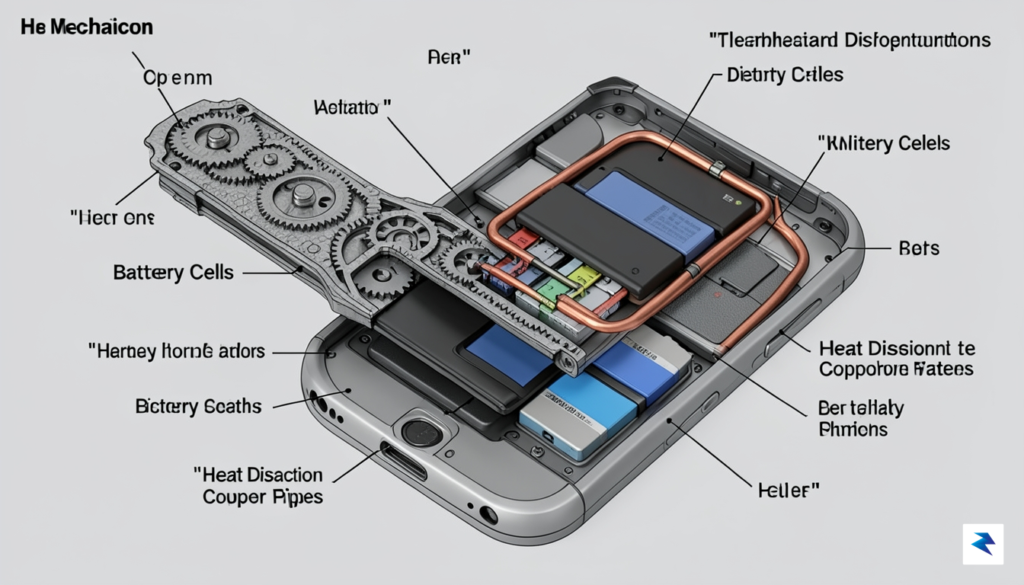
The most daunting hurdle remains the delicate balance between thermal management and battery capacity. In a foldable device, the battery cannot be a single, monolithic block; it must be split across both halves of the phone, linked by complex flexible printed circuits (FPCs) that endure thousands of folding cycles. When the shape changes, the surface area available for these battery cells fluctuates, and the pathways for heat dissipation are often constricted. Without adequate space for heat pipes or vapor chambers to effectively distribute warmth away from the processor, the device risks thermal throttling, which significantly degrades performance during intensive tasks like gaming or multitasking. Engineers must therefore innovate new ways to channel heat through the hinge assembly itself, turning a mechanical necessity into a functional cooling bridge.
Furthermore, the integrity of the flexible OLED panel is the ultimate litmus test for any new shape. The “crease” that users have come to accept as a necessary evil is a direct result of the radius at which the screen bends; changing the phone’s shape requires an entirely new hinge mechanism to ensure the display doesn’t over-stretch or compress during movement. If the bend radius is too tight, the organic light-emitting diodes can suffer from micro-fractures, leading to permanent dead pixels or lines across the screen.
True innovation in the foldable space isn’t just about making the device look different; it is about maintaining structural durability while pushing the boundaries of how thin, light, and powerful these components can be.
Ultimately, durability remains the greatest challenge for any “new” form factor. Introducing a non-traditional shape means subjecting the hinge to new stress points, which necessitates rigorous long-term testing to ensure the device won’t fail after a few months of daily use. While the visual appeal of a new design is what captures public interest, the true engineering victory lies in ensuring that the device remains as resilient as its predecessor, despite the radical shift in its physical geometry.

While the aesthetic shift teased in recent marketing materials has certainly captured the imagination of tech enthusiasts, the true test for the upcoming flagship will be its ability to deliver on long-standing user demands. Consumers are no longer satisfied with the novelty of a folding screen alone; they are now looking for a device that functions as a high-performance daily driver capable of replacing both a tablet and a premium smartphone. To maintain its dominance in the foldable market, Samsung must address three critical pillars of user experience: camera hardware, battery efficiency, and the seamless integration of productivity tools.
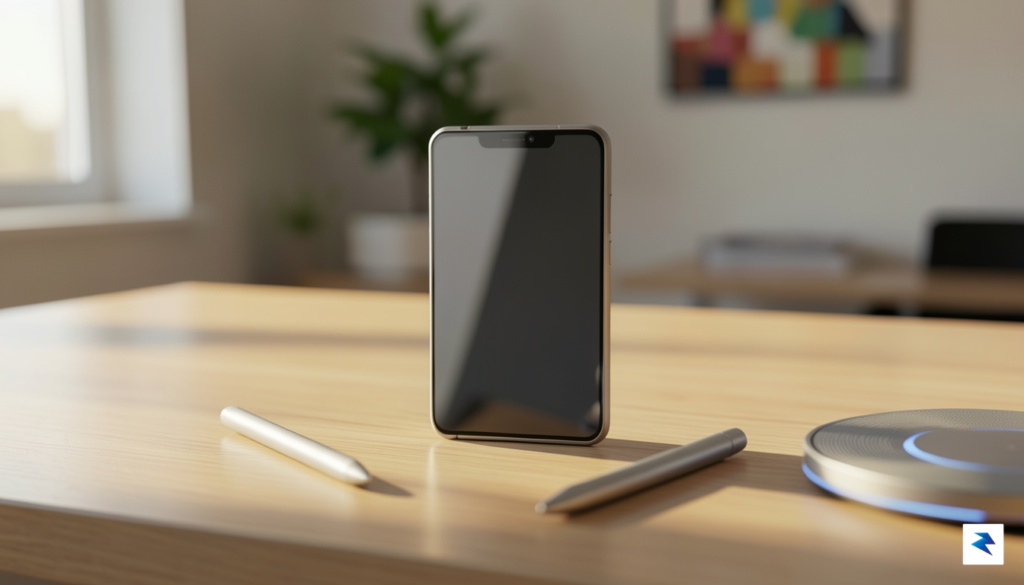
The primary concern for many potential buyers remains the camera system, which has historically trailed behind the “Ultra” series of conventional smartphones. The market is clamoring for a sensor array that finally matches the optical zoom and low-light performance found in Samsung’s traditional flagship models. Furthermore, battery longevity is a persistent pain point for foldable users who push their devices to the limit with multitasking. As the internal screens grow more vibrant and power-hungry, the demand for a dual-cell battery system that can comfortably last a full day of heavy professional use has reached a fever pitch.
The success of the next-generation foldable depends less on its ability to fold and more on its ability to perform as a reliable, high-end mobile workstation.
Beyond raw specifications, the integration of the S-Pen remains a cornerstone of the foldable value proposition. Users are calling for a more ergonomic implementation, perhaps even an internal silo that stores the stylus directly within the chassis, which would drastically improve the device’s utility for creative professionals and students alike. This would signal a departure from the current “add-on” accessory approach, moving toward a truly unified ecosystem. Achieving this level of engineering requires a delicate balance; Samsung must innovate the form factor without compromising the structural integrity or the reliability that professional users require for their primary work device.
Ultimately, the industry is watching to see if this iteration can bridge the gap between a fashion-forward tech statement and a practical, robust tool. If the company can successfully pair its new, slimmer design language with these substantive hardware upgrades, it will set a new benchmark for the category. The foldable market is currently at a turning point where novelty is no longer enough to justify the price premium; users need to see that their investment is backed by the kind of performance that makes the transition to a foldable lifestyle both seamless and indispensable.
You must be logged in to post a comment.