
Atmospheric Escape: Uncovering the Secrets of Nearby Rocky Exoplanet GJ 367b
The Discovery of GJ 367b's Atmosphere Recent observations of GJ 367b, a fascinating rocky exoplanet orbiting a red dwarf star, have…
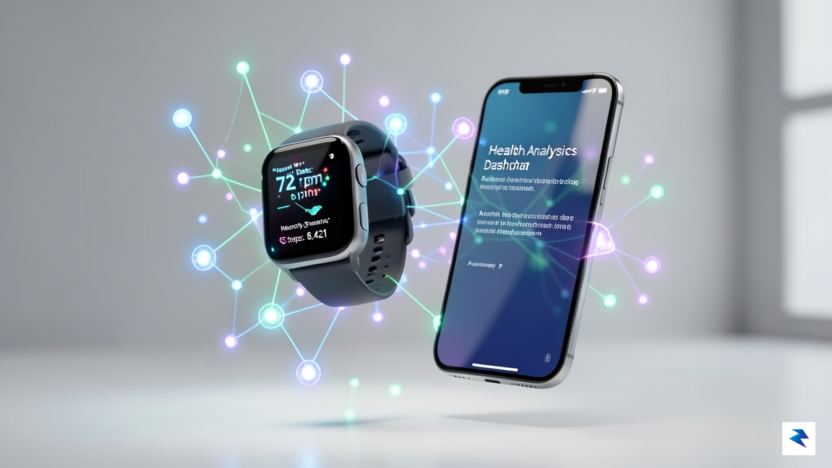
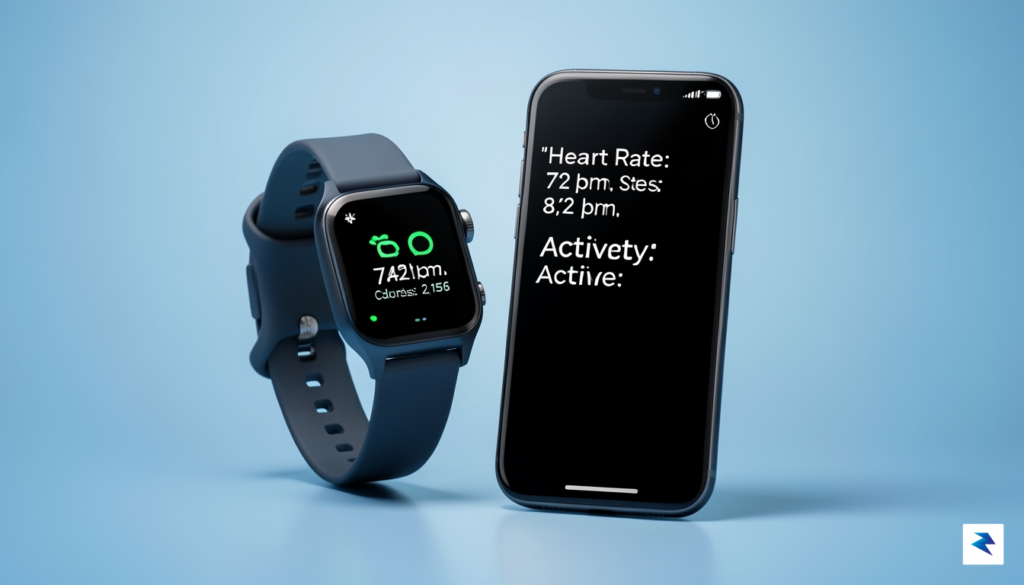
Recent discussions surrounding Samsung’s suite of health-focused artificial intelligence tools have brought the issue of data autonomy to the forefront for wearable technology users. Many individuals initially expressed apprehension, fearing that opting out of AI-driven features might result in the deletion of their long-term health history or the loss of essential tracking functionalities. To address these concerns, Samsung has provided a much-needed clarification, explicitly stating that choosing to restrict data usage for AI model training does not equate to the deletion of a user’s personal health records. By separating the function of the application from the backend training processes, the company is attempting to bridge the gap between advanced analytical insights and individual privacy.
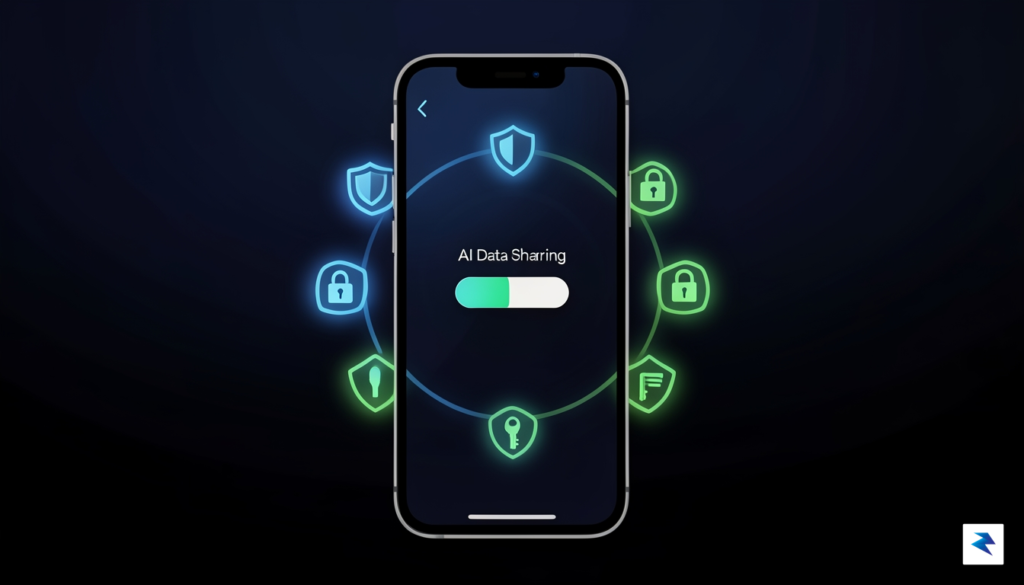
It is essential to understand the technical distinction between personal health data and the information harvested for machine learning development. Your personal health records—which include daily step counts, sleep cycles, heart rate variability, and historical exercise logs—remain stored within your Samsung account to provide you with a functional, personalized health dashboard. These records are vital for the day-to-day operation of your device. Conversely, “AI model training data” refers to aggregated, de-identified information that developers use to refine algorithms, improve pattern recognition, and enhance the predictive capabilities of the software as a whole. When a user opts out of this specific data-sharing agreement, they are merely telling Samsung that they do not wish for their personal trends to contribute to the broader training set; they are not triggering a purge of their own stored data.
Opting out of AI model training is a privacy-preserving choice that ensures your data remains purely for your own personal use, rather than serving as a building block for future technological development.
The importance of granular user consent in the modern era of wearable technology cannot be overstated. As health platforms integrate more sophisticated AI to offer “wellness coaching” and predictive health insights, the line between helpful assistance and intrusive data harvesting often blurs. Samsung’s recent clarification serves as a reminder that users should remain vigilant about their settings, but it also highlights a shift toward more transparent data practices. By ensuring that core utility is decoupled from optional data contributions, the company is attempting to reassure users that they can maintain their digital privacy without sacrificing the fundamental tracking features they have come to rely on for their personal fitness and wellness journeys. Ultimately, this approach empowers the individual to decide exactly how much they wish to participate in the evolution of the software, reinforcing the principle that the user should always maintain ownership and control over their own biometric history.

There is a widespread misconception that choosing to opt out of AI-driven model training will essentially “reset” your fitness journey or wipe your cloud-synced health profile. It is important to clarify that opting out is not a destructive action; rather, it is a surgical adjustment to your privacy settings that exclusively restricts how Samsung uses your information to refine its machine learning algorithms. When you toggle this setting, you are not deleting your workout logs, historical blood pressure readings, or sleep tracking data. Instead, you are simply signaling to the company that your personal wellness metrics should no longer be fed into the large-scale datasets used to teach their AI models how to identify trends or offer personalized insights.
Your fitness history and health metrics function on an entirely different architecture than the AI training engine. The synchronization between your wearable device, the Samsung Health mobile application, and the secure cloud remains completely operational regardless of your participation in AI training programs. This is because the core infrastructure that powers your data backups and cross-device connectivity is designed to prioritize your personal access and security, not model development. Consequently, your historical wellness data is stored in a partitioned environment, ensuring that your records stay intact, accessible, and ready for your own review whenever you open the app, whether you have opted into the AI enhancements or not.

By choosing to opt out, you are merely disabling the “learning” loop, not the “storage” loop. Your personal information remains yours, fully synced and backed up, while ensuring that the underlying engine stops processing your unique habits for future development purposes.
To put this into perspective, consider the distinction between “data for service” and “data for improvement.” Your heart rate, step counts, and nutritional intake fall under the “data for service” category, which is essential for the app to function as a health dashboard. By opting out, you are only restricting the “data for improvement” category, which is an optional layer of data aggregation. Samsung ensures that this distinction is maintained at the software level, meaning that your granular, identifying records are stripped away or simply omitted from the training batches altogether. Ultimately, you retain complete autonomy over your digital profile, allowing you to prioritize your privacy without sacrificing the convenience of having your lifetime of fitness tracking data securely at your fingertips.

As health technology rapidly transitions toward AI-driven insights, the delicate balance between groundbreaking innovation and individual privacy has become the defining challenge of our digital era. While features like predictive wellness scores, sleep coaching, and cardiovascular monitoring offer life-changing potential, they rely fundamentally on the massive accumulation of sensitive biological metrics. Tech giants now face the immense ethical responsibility of managing this data, not merely as digital assets to be exploited for performance improvements, but as deeply personal information that requires rigorous protection. For users, the promise of advanced tracking comes with a silent contract: we trade our biometric patterns for convenience, yet we must demand transparency regarding how those patterns are stored, categorized, and potentially repurposed.

To refine the predictive health models that power modern wearable technology, companies often rely on the concepts of anonymization and data aggregation. Anonymization aims to strip away direct identifiers—such as names or physical addresses—from a dataset, theoretically allowing the information to be used for research without being linked back to a specific individual. Simultaneously, data aggregation pools millions of these anonymized records to identify broader health trends, such as how sleep quality correlates with daily activity levels across different age groups. While these processes are scientifically necessary to train robust AI algorithms, they are not infallible; sophisticated re-identification techniques have occasionally proven that “anonymized” data can be reverse-engineered under the right circumstances. Consequently, users are increasingly wary of how their contributions to these global datasets might be utilized beyond the primary scope of their own personal health dashboard.
The ethical use of health data requires more than just masking identities; it necessitates a commitment to data minimization, ensuring that corporations only collect what is strictly required to deliver the advertised health benefits.
The drive to integrate AI into health tracking is fueled by the need for pattern recognition that human developers simply cannot hard-code. Artificial intelligence thrives on diversity and volume; the more varied the data points—from blood oxygen levels to heart rate variability—the more accurately the model can predict potential health risks or suggest behavioral modifications. When users opt into these training programs, they are essentially providing the raw material that allows algorithms to become smarter, more personalized, and more predictive. However, this creates a secondary market for personal metrics that many users find invasive. As these systems grow more powerful, the industry must pivot toward “Privacy-by-Design,” where model training occurs locally on the device whenever possible, limiting the amount of sensitive information that must be uploaded to centralized cloud servers. Ultimately, the future of health tech depends on whether companies can prove that their models truly serve the user’s well-being, rather than merely extracting value from their biological signatures.
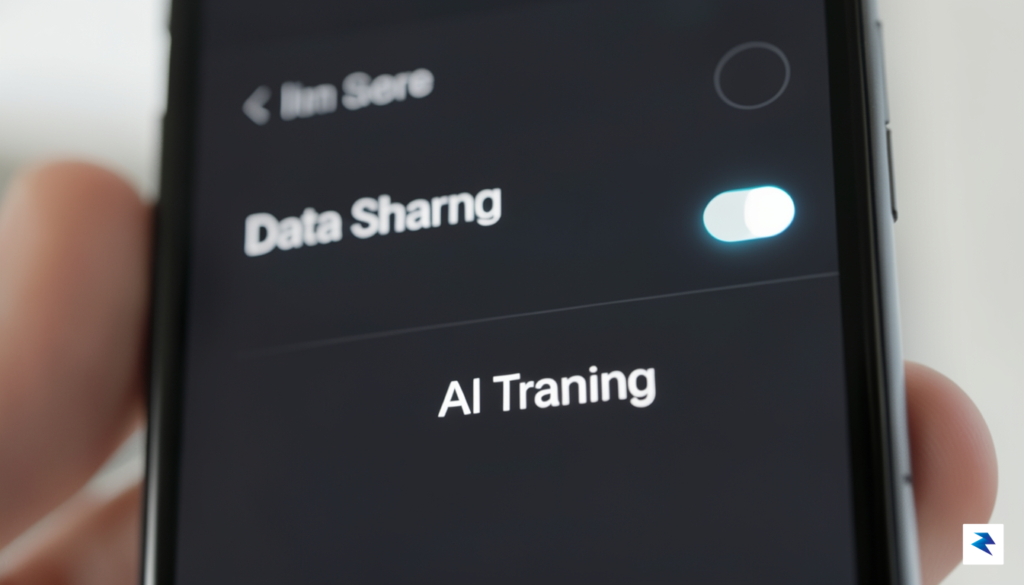
Navigating the complex landscape of digital privacy begins with understanding exactly where your information is being utilized. For users of the Samsung Health ecosystem, taking control of your personal biometric data is a straightforward process, provided you know where to look within the application’s architecture. To begin managing your preferences, open the Samsung Health app on your smartphone and tap the three-line menu icon, usually located in the top-left or bottom corner depending on your specific version. From there, navigate to the Settings gear icon, where you will find the Privacy or Data Permissions sub-menu. This area acts as your primary command center for deciding how your activity, sleep, and heart rate data interacts with Samsung’s broader AI development initiatives.
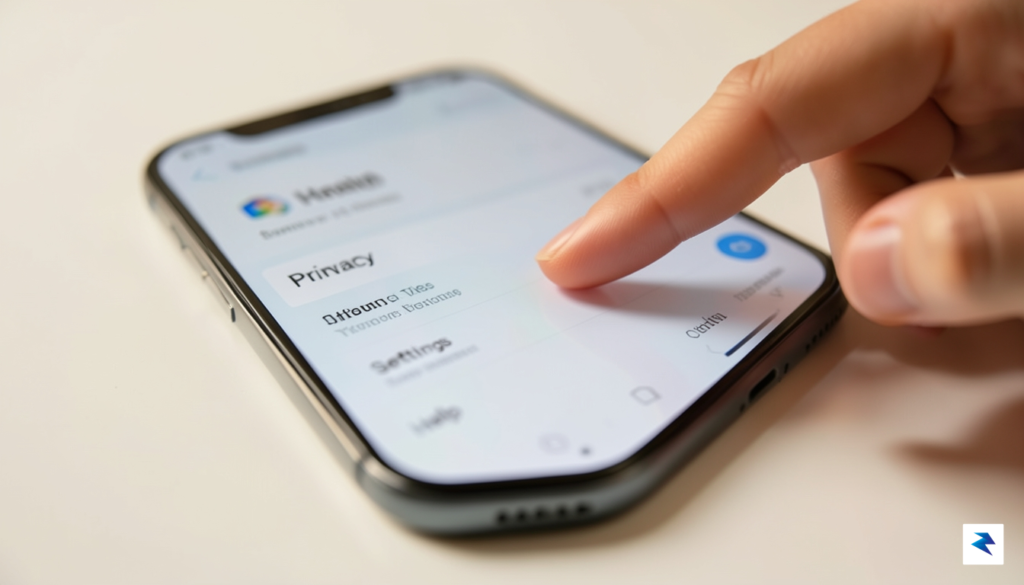
Once you are inside the privacy settings, you can verify your current status regarding AI model training. Look specifically for toggles labeled “Improve personalization” or “Contribute to AI development.” By default, some applications may have these features enabled to enhance feature accuracy, but you are not obligated to keep them active. If you wish to opt out, simply slide the toggle to the “off” position. It is important to remember that while opting out will prevent your future data from being used to train Samsung’s generative AI models, it does not automatically purge the information that has already been processed or stored on their servers. If you feel your comfort level necessitates a total clean slate, you may also need to utilize the “Delete my data” option found within the same menu, though this will remove your historical records from the app entirely.
Taking proactive steps to manage your data permissions is not a one-time task; it is a vital part of maintaining digital hygiene in an era of hyper-connected wearable devices.
Beyond the primary Samsung Health app, it is equally crucial to audit the ecosystem integrations that share your health metrics. Many users connect their Samsung wearables to third-party fitness platforms or cloud backup services, which can create secondary channels for data collection. To maintain comprehensive privacy, periodically review the “Connected Services” list within your Samsung account settings. Here, you can revoke access for any apps that no longer serve your needs, effectively narrowing the scope of where your biometric information is transmitted. By establishing a routine of checking these permissions every few months—perhaps whenever you update your device software—you ensure that your health insights remain private, secure, and entirely under your own jurisdiction.
The integration of artificial intelligence into personal wellness is currently in its nascent stages, yet it is already reshaping how we monitor our biological health. As wearables become more sophisticated, the promise of predictive health insights—ranging from early illness detection to personalized sleep coaching—becomes increasingly tangible. However, this convenience brings inherent risks, as the depth of data required to train these models is immense. As the industry evolves, transparency is rapidly becoming the primary differentiator for consumers who are rightfully cautious about entrusting their most intimate physiological details to cloud-based algorithms. Companies that prioritize open communication regarding data lifecycle management are positioning themselves as leaders in a market where trust is the most valuable currency.

By clarifying the nuances of their opt-out policies, Samsung is establishing a vital precedent for how major technology firms must articulate their data practices. It is no longer enough to offer a simple “on” or “off” switch; companies must be explicit about whether opting out of an AI model prevents the deletion of existing datasets or simply halts future processing. This distinction is critical for users who assume that disabling a service equates to a total digital cleanse. When a corporation clearly explains that an opt-out choice does not trigger an automatic purge of historical records, it empowers the user to make informed decisions about their digital footprint. This shift toward granular control is a necessary evolution, as it forces manufacturers to move away from opaque “black box” data handling and toward a more collaborative relationship with their user base.
True transparency in the age of AI requires that companies go beyond legalese, providing clear, accessible explanations of how historical data persists even when active monitoring is turned off.
Looking ahead, the tension between the utility of AI-driven health tracking and the necessity of privacy will continue to define the wearable tech landscape. While AI offers unparalleled insights into human performance and longevity, these benefits can quickly be overshadowed by concerns regarding data sovereignty. To remain informed, users should adopt a proactive approach: regularly reviewing privacy dashboards, reading updated terms of service, and understanding the difference between local on-device processing and cloud-based analysis. As features update and models become more complex, the burden of data literacy is shared between the developer and the consumer. By staying vigilant and demanding clear communication, users can enjoy the advantages of a smarter health ecosystem without compromising their long-term digital security.
You must be logged in to post a comment.