How a ‘Useless’ If Statement Quadrupled Code Performance
The Paradox of Performance: When 'Useless' Code Wins In the world of software development, we are raised on the mantra that less is…
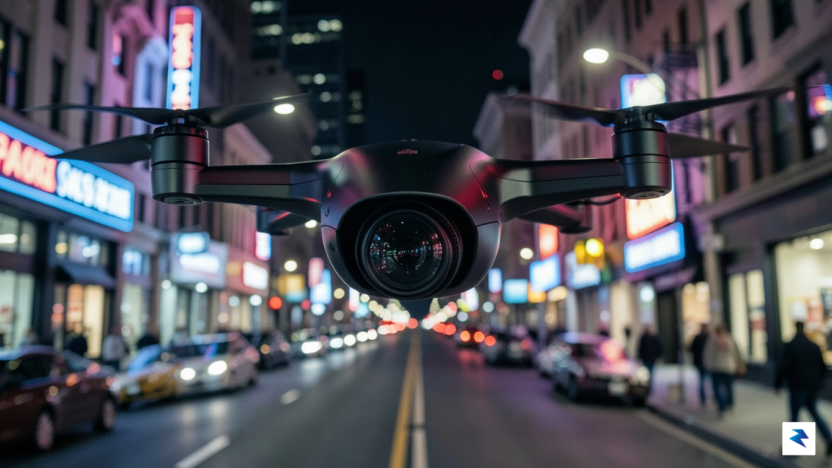
For decades, the standard for urban policing relied on the predictable geometry of the street: the patrol car, the foot beat, and the occasional helicopter flyover. However, a silent transformation has fundamentally altered this landscape. Law enforcement agencies across the United States are aggressively moving away from these localized, intermittent monitoring methods in favor of autonomous aerial systems. This shift is not merely an upgrade in equipment; it is a profound change in strategy. By deploying fleets of drones that can be launched at a moment’s notice—or even operate on pre-programmed patrol loops—police departments are effectively digitizing the horizon, turning the air above our neighborhoods into a high-resolution, persistent sensor array.
The strategic motivation behind this transition is a pursuit of the elusive “god’s-eye view.” Traditionally, law enforcement struggled with the “fog of war” inherent in urban environments, where buildings, traffic, and crowds obscure the movements of people and vehicles. Drones dismantle these physical barriers, providing commanders with a real-time, bird’s-eye perspective that was once the exclusive domain of military operations. This elevated vantage point allows for the rapid deployment of resources, the tracking of suspects across municipal boundaries, and the ability to oversee public gatherings with clinical detachment. As these systems become more sophisticated, the distinction between active intervention and passive, continuous monitoring begins to blur, leading to the emergence of what critics characterize as an aerial panopticon.
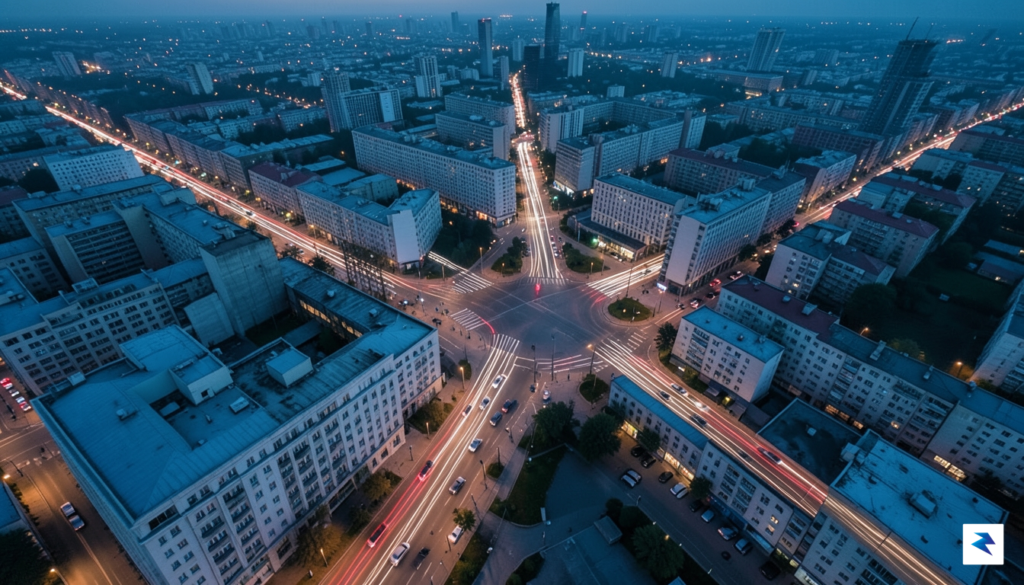
The transition to persistent aerial surveillance represents a shift from “policing by encounter” to “policing by observation,” where the mere presence of a drone system acts as a perpetual deterrent, regardless of whether a crime is being committed.
Despite significant public pushback regarding privacy and the potential for civil liberty abuses, cities continue to integrate these technologies at a breakneck pace. The rationale provided by municipal leaders is almost always centered on efficiency and officer safety. They argue that drones act as a force multiplier, allowing a smaller number of officers to cover vast areas and respond to emergencies before a patrol car could even navigate through traffic. Yet, this efficiency comes at a cost that is rarely fully articulated to the public: the normalization of being watched from above. As these systems move from emergency-only tools to everyday fixtures of urban infrastructure, the expectation of privacy in public spaces is being systematically eroded, replacing the organic flow of city life with the cold, unblinking gaze of the machine.

The breach involving San Francisco Police Department (SFPD) drone operations serves as a sobering case study in the inherent risks of modern policing technology. The incident centered on the Skydio cloud-based platform, a system designed to streamline the management of aerial footage for law enforcement agencies. By design, Skydio aggregates vast amounts of high-definition video captured during routine patrols and emergency responses, centralizing this sensitive information within a third-party digital ecosystem. However, the convenience of cloud storage quickly transformed into a liability when configuration errors rendered hours of sensitive urban footage accessible to unauthorized individuals. This exposure was not the result of a sophisticated cyber-attack, but rather a fundamental failure in the management of access controls and data permissions.
At the heart of the failure was the misconception that cloud-hosted surveillance data remains inherently secure simply because it sits behind a reputable vendor’s interface. When law enforcement agencies outsource their data infrastructure to private companies, they essentially delegate the responsibility of digital gatekeeping. In this instance, the footage—which captured private citizens in their daily routines, often without their knowledge or consent—was left exposed due to a breakdown in how those digital vaults were partitioned and protected. This vulnerability highlights a critical gap in current data governance policies: when surveillance systems are integrated into centralized cloud networks, a single misstep in configuration can inadvertently turn a private police archive into a public repository.
The transition from physical, siloed evidence storage to centralized cloud-based platforms has outpaced the development of robust, fail-safe security protocols, leaving massive troves of personal privacy at risk.
This incident forces a difficult conversation regarding the lifecycle of urban surveillance data. Once captured, footage is often stored indefinitely, accumulating in digital repositories that become increasingly attractive targets for both malicious actors and accidental exposure. The Skydio leak demonstrates that the technical architecture supporting modern police drones is only as strong as the weakest link in its data storage policy. As cities continue to expand their aerial surveillance capabilities, the reliance on third-party cloud infrastructure necessitates a more rigorous, transparent approach to data auditing and stricter enforcement of privacy-by-design principles. Without these safeguards, the very tools intended to bolster public safety risk becoming instruments that fundamentally erode the privacy of the communities they are meant to serve.
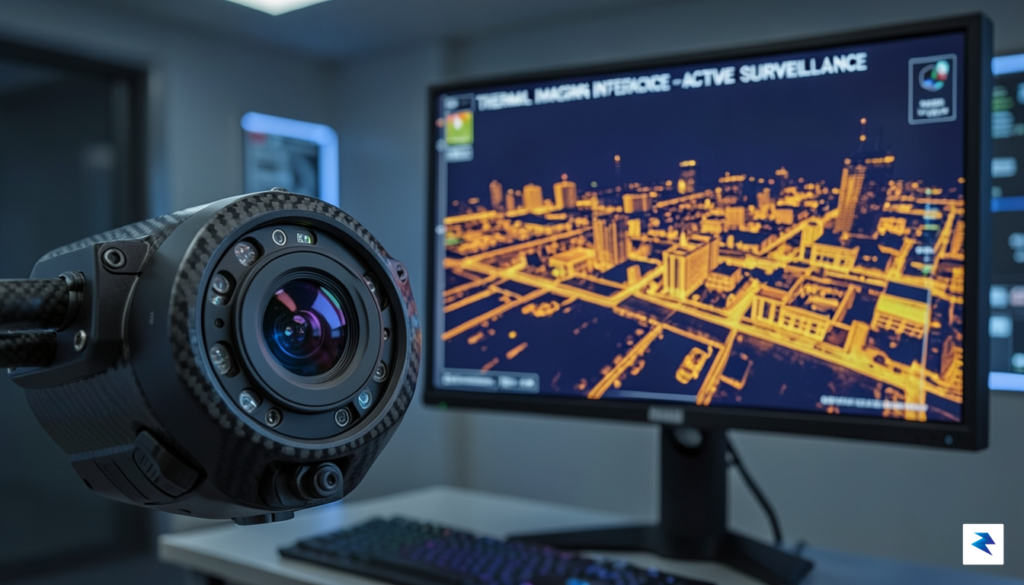
The urban skies are increasingly patrolled not by simple toys, but by highly sophisticated aerial platforms that redefine the boundaries of observation. Modern law enforcement drones, exemplified by models like the Skydio X2 or DJI Matrice series, are a world apart from consumer-grade hobby equipment. These are purpose-built machines, engineered for endurance, reliability, and, crucially, an unparalleled suite of sensor technologies designed to provide a comprehensive eye in the sky. This technological leap fundamentally changes what can be seen, recorded, and analyzed from above, transforming public spaces into zones of potential persistent scrutiny.
At the heart of these advanced capabilities lies a complex array of imaging and data collection systems. Police-grade drones often feature dual-sensor payloads, combining robust optical zoom cameras with high-resolution thermal imaging (FLIR) sensors. The optical cameras boast incredible zoom capabilities, allowing operators to identify individuals, read license plates, or discern intricate details from altitudes and distances that render the drone virtually invisible and inaudible from the ground. Complementing this, thermal cameras detect heat signatures, enabling officers to locate suspects hiding in darkness, dense foliage, or even inside structures, effectively stripping away traditional forms of concealment. Furthermore, advanced low-light sensors can capture clear, actionable video even in near-total darkness, ensuring surveillance is continuous regardless of environmental conditions.
Beyond mere observation, these drones are powerful data collection machines. They are capable of persistent, high-resolution recording, generating vast amounts of video footage that can be stored, analyzed, and cross-referenced. This continuous stream of detailed imagery creates an enduring record of activities across wide areas, allowing for retrospective investigation and pattern analysis. The sheer clarity and depth of this visual data mean that incidents once fleeting or obscured can now be meticulously replayed and scrutinized, providing law enforcement with an unprecedented evidentiary and intelligence-gathering tool that significantly enhances their investigative reach.
Perhaps the most transformative aspect of these modern drones is their integration of artificial intelligence for automated tracking and object recognition. Unlike older systems that required constant manual piloting and target acquisition, today’s drones can autonomously follow designated individuals or vehicles, maintain a consistent lock on subjects even through complex urban environments, and recognize specific objects or behaviors based on pre-programmed algorithms. While not universally deployed, the underlying technology for facial recognition is readily available and could potentially be integrated, raising profound questions about individual anonymity in public spaces. This automated capability means that a single operator can oversee multiple targets, or the drone itself can maintain surveillance with minimal human input, leading to a much more efficient and pervasive form of observation.
The convergence of these technologies – high-resolution optical and thermal imaging, persistent recording, and AI-powered automated tracking – has fundamentally altered the nature of public observation. It moves beyond simple “flying cameras” to an intelligent, all-seeing eye that can operate with increasing autonomy. This new reality implies that anonymity in public spaces is rapidly diminishing, as individuals can be identified, tracked, and their movements recorded with a level of precision and persistence previously confined to science fiction. Understanding these deep technical capabilities is crucial for comprehending the true scope and implications of modern urban surveillance.
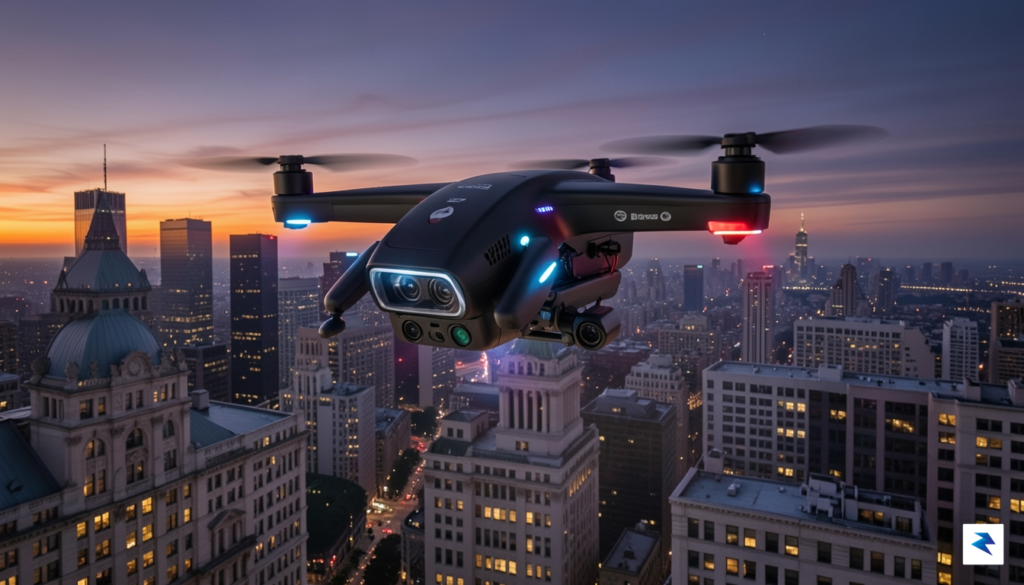

The core tension inherent in modern urban surveillance lies in the delicate, often uncomfortable trade-off between the promise of enhanced public safety and the inevitable erosion of our private lives. For decades, the legal threshold for privacy in the United States has rested upon the “reasonable expectation” doctrine, which suggests that individuals surrender a portion of their anonymity when stepping into a public square. However, the introduction of persistent, high-altitude aerial monitoring fundamentally alters this calculus. Unlike a stationary CCTV camera, a drone is capable of following a target across city blocks, peering into backyard spaces that were previously shielded by fences or architecture, and documenting the minutiae of daily existence with chilling precision. This shift transforms public space from a venue of civic interaction into a panopticon where the simple act of walking to the grocery store or sitting on a park bench is subject to potential archival.
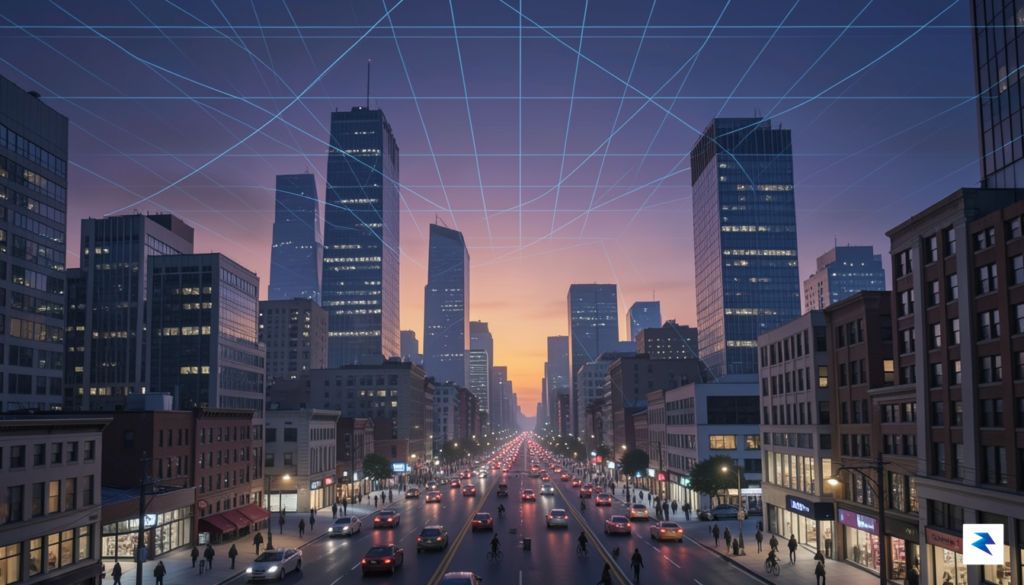
Proponents of drone technology frequently argue that these tools are essential for rapid emergency response, allowing first responders to assess dangerous situations—such as active shooter scenarios or natural disasters—without immediately putting human officers in the line of fire. From this perspective, the aerial perspective is a life-saving asset that provides tactical clarity in chaotic environments. Yet, the friction arises when the scope of these operations inevitably creeps beyond targeted interventions and toward mass, indiscriminate surveillance. When drone fleets are deployed for routine patrol or to monitor large gatherings, they transition from a surgical tool for crisis management to a pervasive instrument of social control. This transition occurs without a robust public mandate, leaving citizens to wonder where the line between “emergency utility” and “unwarranted monitoring” actually rests.
The true danger of unchecked urban surveillance is not merely the collection of data, but the psychological shift that occurs when citizens begin to self-censor their behavior under the persistent, quiet hum of an unseen drone overhead.
Furthermore, the ethical dilemma is compounded by the glaring lack of clear, legally binding mandates regarding data retention and deletion. Even if a drone flight is initiated for a legitimate public safety purpose, the resulting footage often remains in police databases, potentially accessible for future investigations that have nothing to do with the original incident. Without strict protocols requiring the immediate purging of data that does not contain evidence of a crime, these archives become a digital tapestry of innocent lives. This data hoarding creates a permanent record of personal associations, habits, and movements, effectively turning the municipal government into a repository of private biographical information. As we integrate these technologies into our cities, we must ask whether the marginal gains in operational efficiency are worth the permanent transformation of our public spaces into zones of continuous, state-monitored observation.
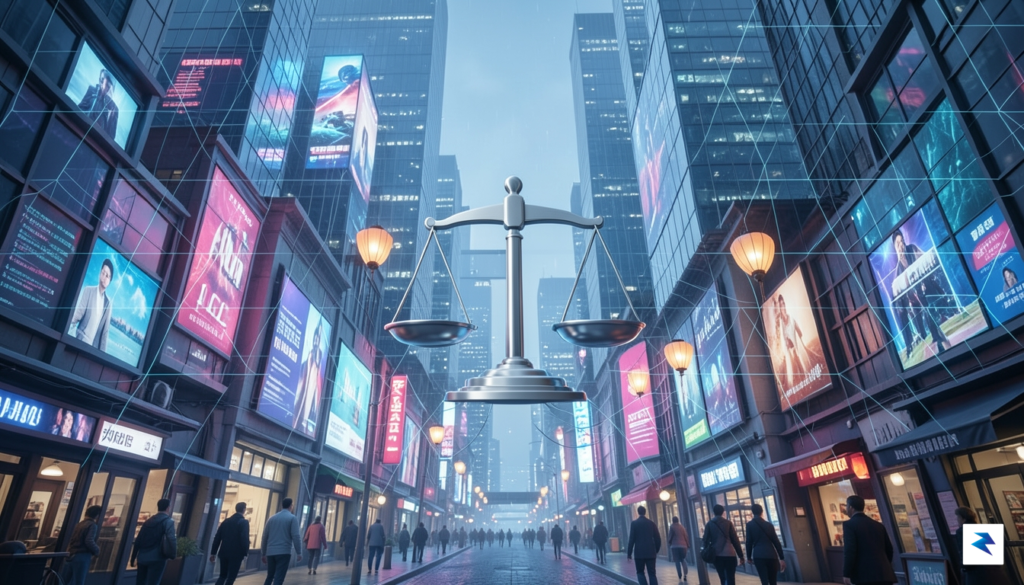
The rapid acceleration of surveillance technology, exemplified by the proliferation of police drones, has created a significant chasm between technological capability and our existing legal and ethical frameworks. Without proactive intervention, this gap will inevitably lead to further instances where public trust is eroded and civil liberties are inadvertently or deliberately compromised. To bridge this divide, it is imperative that we establish clear, enforceable policies governing police drone usage. These policies must meticulously define permissible deployment scenarios, ensuring that drones are used strictly for legitimate law enforcement purposes, such as active crime scene investigation or search and rescue operations, rather than routine, pervasive monitoring. Crucially, they must also prohibit the weaponization of drones and mandate judicial warrants for any surveillance activities that infringe upon reasonable expectations of privacy in non-emergency situations, thereby upholding constitutional protections in the digital age.
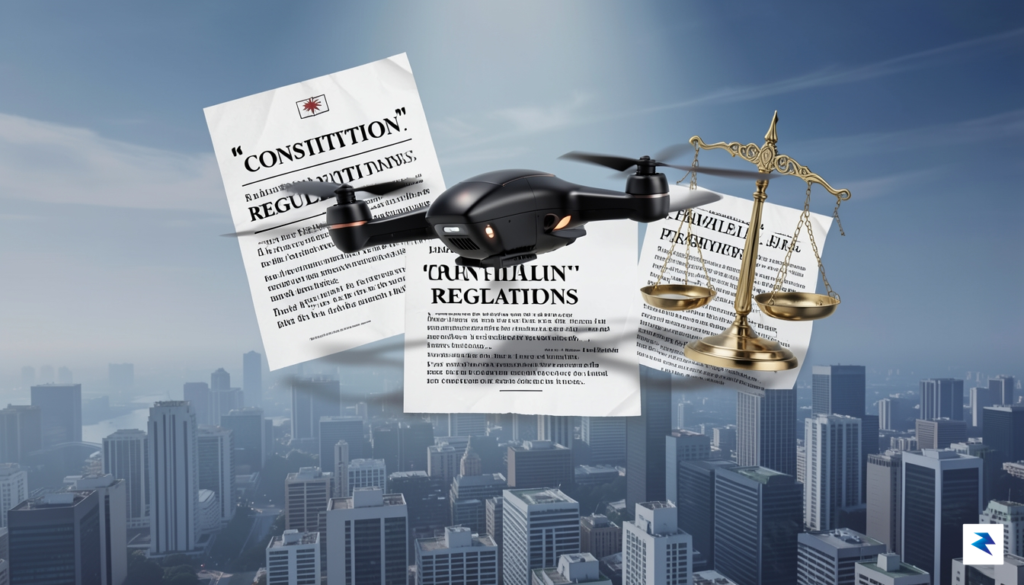
Furthermore, the vast amounts of data collected by these aerial sentinels necessitate equally stringent data retention laws. Simply collecting footage without clear guidelines on its lifespan and accessibility opens the door to potential misuse, abuse, and the creation of permanent, intrusive digital dossiers on citizens. Strict policies must be enacted, dictating how long drone footage can be stored, who has access to it, and under what specific, audited conditions it can be shared or analyzed. For instance, data unrelated to criminal investigations should be promptly purged, and all retained data should be subject to robust anonymization techniques whenever feasible. This critical step prevents the indefinite storage of personal information, safeguarding individuals from future re-identification risks and the chilling effect of perpetual surveillance.
Beyond data retention, the implementation of robust, independent public oversight boards is non-negotiable for ensuring accountability. Relying solely on internal police review mechanisms often lacks the transparency and impartiality required to build and maintain public confidence. These civilian-led bodies should be empowered with the authority to review drone deployment logs, investigate complaints of misuse, audit compliance with established policies, and provide binding recommendations for improvement. Their mandate must extend to assessing the necessity and proportionality of drone operations, thereby serving as a vital check on potential overreach and ensuring that technology serves the community, rather than controls it. Such oversight fosters transparency and helps guarantee that the deployment of advanced surveillance tools aligns with democratic values and community expectations.
Ultimately, the future of urban oversight and the integrity of our digital rights hinge on our collective willingness to act. The current technological arms race demands that policy not just catch up, but anticipate future challenges, ensuring that innovation does not come at the cost of fundamental freedoms. We must demand from our legislators and local authorities transparent frameworks for technology deployment, robust accountability measures, and meaningful public engagement in decision-making processes. Supporting digital rights organizations, contacting elected officials, and participating in local community discussions are critical steps in shaping a future where technology enhances public safety without eroding the very liberties it purports to protect. It is our shared responsibility to advocate for a balanced approach, ensuring that our cities are both safe and free.
You must be logged in to post a comment.