The San Francisco Drone Leak: What It Reveals About Modern Urban Surveillance
The Rise of the Aerial Panopticon For decades, the standard for urban policing relied on the predictable geometry of the street: the patrol…
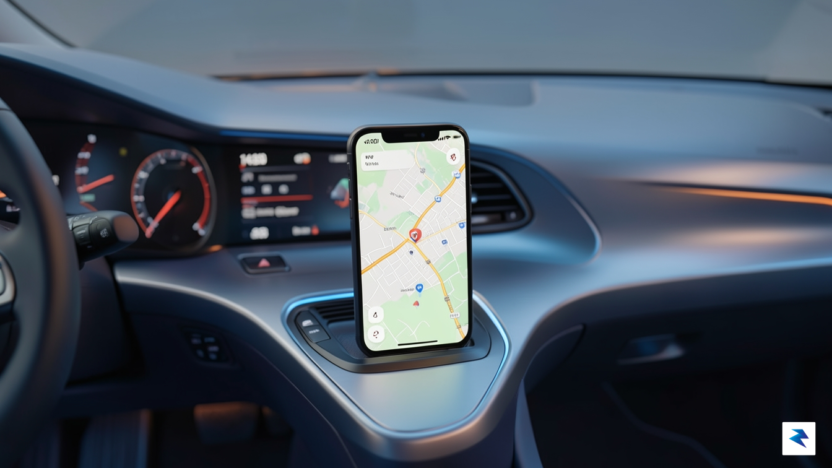
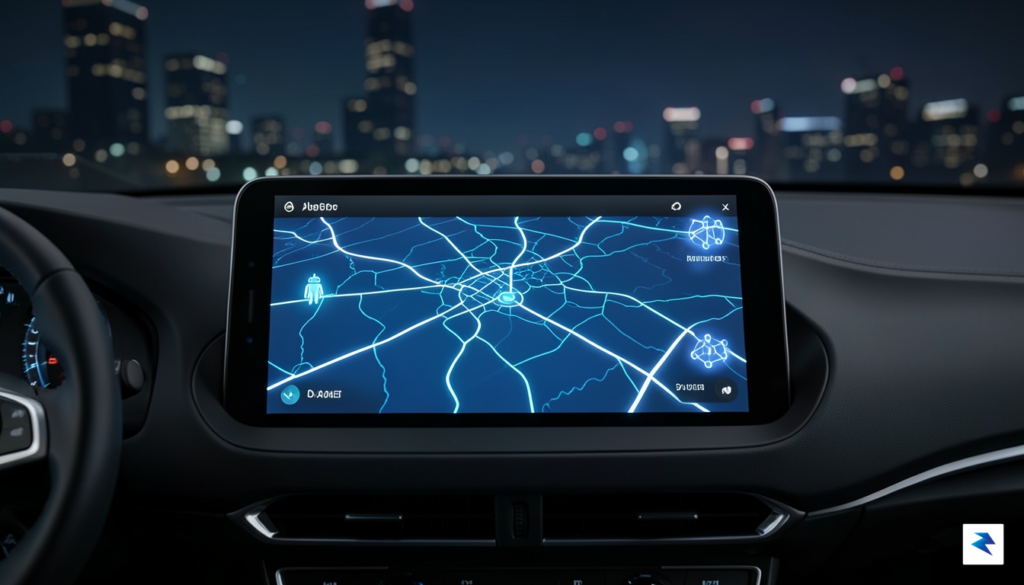
The landscape of modern navigation is shifting beneath our tires, and Waze is at the forefront of this evolution by deepening its synergy with Google’s powerhouse artificial intelligence, Gemini. For years, the platform relied on a reactive model—providing turn-by-turn directions based on crowdsourced data and static map layers. However, the integration of Gemini marks a fundamental strategic pivot, transforming the application from a simple route-finding tool into a proactive, conversational co-pilot. By leveraging advanced large language models, Waze is moving toward a future where the interface acts less like a rigid display and more like an intelligent assistant that understands the nuance of the road ahead.
The core objective behind this integration is to significantly reduce the cognitive load placed on drivers. In traditional navigation, users are often forced to interpret complex visual data or manually scan for road hazards while attempting to keep their eyes on the path. With Gemini, Waze aims to synthesize this information into conversational, human-like insights, allowing drivers to stay focused on safety rather than scanning a screen. This represents a major leap forward in user experience design, as the app shifts from merely showing you where to turn to actively helping you navigate the complexities of your specific journey.
Contrasting the traditional Waze interface with this new AI-augmented version reveals a departure from the crowded, icon-heavy aesthetic of the past. While the hallmark community-driven reporting remains intact, the addition of Gemini allows for a more personalized layer of intelligence that adapts to your preferences in real-time. Whether it is clarifying a complex intersection, explaining a sudden change in traffic patterns, or helping you navigate around an unexpected road closure, the AI acts as a filter that prioritizes only the most relevant information for your immediate context.
The true value of this AI evolution lies in its ability to parse vast amounts of real-time data into a singular, actionable insight, effectively acting as an intelligent buffer between the driver and the chaos of the road.
Ultimately, the goal of this transition is to foster a more personalized driving experience that feels both intuitive and secure. By embracing Gemini, Waze is not just updating its software; it is redefining the role of the navigation app in the daily lives of commuters. As the technology continues to mature, we can expect a driving environment where the application anticipates needs before they are even expressed, turning the typically stressful act of commuting into a more streamlined, informed, and peaceful experience.
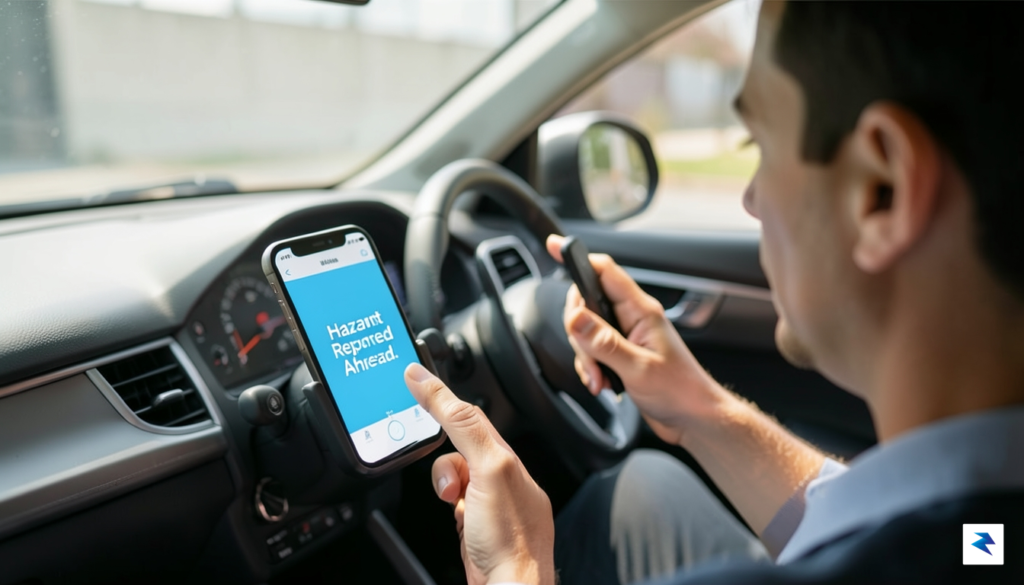
In the past, alerting fellow commuters to a road hazard meant navigating a series of visual menus while attempting to keep your eyes firmly fixed on the road ahead. This process often required multiple taps on a small touchscreen, which is not only distracting but inherently counterintuitive when you are trying to prioritize safety. Waze is fundamentally shifting this paradigm by integrating Gemini, its advanced large language model, to enable a seamless, hands-free conversational reporting experience. Instead of forcing drivers to interact with rigid buttons or predefined categories, the new interface allows you to simply speak as you normally would. By saying something as casual as, “There’s a large tree branch blocking the right lane,” the system instantly processes your intent and updates the map for everyone else in the vicinity.
The core of this evolution lies in the sophisticated natural language processing capabilities that Gemini brings to the dashboard. Rather than relying on simple keyword detection, the AI interprets the semantic meaning behind your speech, distinguishing between mundane commentary and actionable traffic intelligence. For instance, if you mention that traffic is “crawling” or that there is “debris near the exit,” the system parses this context to categorize the report accurately without requiring further clarification. This level of comprehension ensures that the incoming data is structured correctly for other users, turning a chaotic verbal stream into precise, real-time map updates that improve the collective driving experience for everyone on the road.
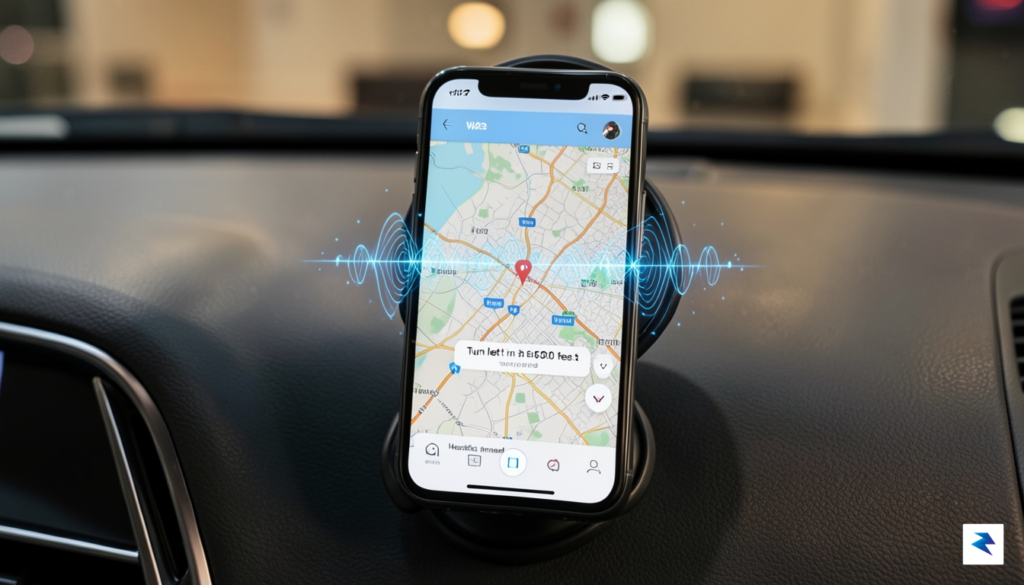
Beyond the technological novelty, the most significant impact of this feature is the dramatic improvement in driver safety. By removing the need to interact physically with the device, Waze helps drivers maintain their focus on the flow of traffic rather than the interface of the application. This is a massive shift toward a truly hands-free environment where the driver acts as a sensor for the community without ever having to look away from the windshield. Furthermore, this feature is built upon the foundation of community-sourced data verification that has always defined the platform. When multiple drivers provide similar voice reports, the AI cross-references these inputs to confirm the presence of a hazard, ensuring that the map remains reliable and free of false alarms.
The integration of conversational AI turns every vehicle into a smart sensor, allowing drivers to contribute to the collective safety of the road network through simple, natural dialogue.
Ultimately, this transition to conversational reporting creates a more intuitive feedback loop between the driver and the digital map. As Gemini becomes more adept at understanding the nuances of human speech, the barrier to reporting road conditions will continue to shrink. This creates a more robust, up-to-the-minute picture of road conditions, proving that the future of navigation isn’t just about showing you the fastest route, but about empowering every traveler to actively participate in making the journey safer and more predictable for the entire community.
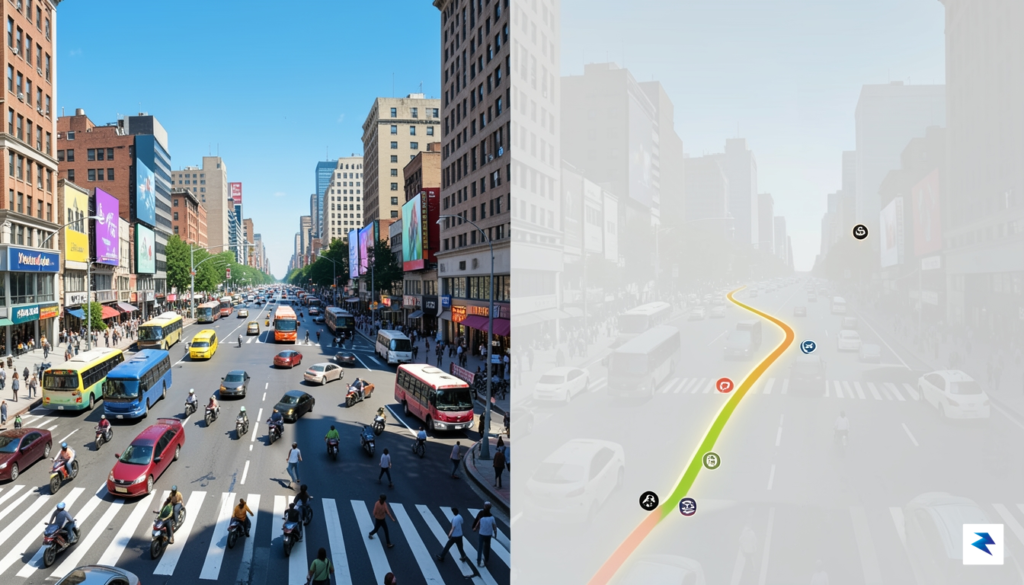
At the heart of Waze’s latest update lies a fundamental shift in how the platform interprets the world around you. By integrating advanced AI models, Waze is moving beyond simple point-to-point routing and entering the realm of context-aware navigation. Traditional algorithms often rely on historical speed data and static map inputs to calculate the fastest path, but the inclusion of Gemini allows the system to process massive amounts of real-time data with greater nuance. Instead of just seeing a slowdown, the AI can now analyze the specific characteristics of the road infrastructure, such as complex intersections or narrow lanes, to provide suggestions that are tailored to the actual physical reality of your journey.
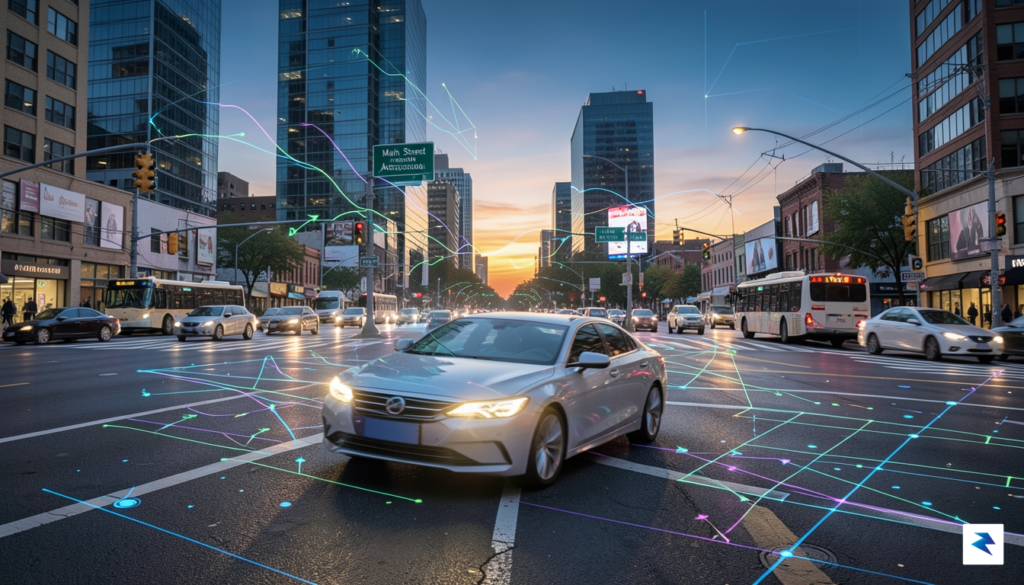
The personalization aspect of this update is perhaps the most significant benefit for the everyday commuter. Waze is evolving to better understand your specific driving habits and preferences, curating a navigation experience that aligns with how you prefer to travel. Whether you tend to avoid difficult left-hand turns during rush hour or prefer routes that favor major highways over winding residential streets, the AI learns these nuances over time. This creates a feedback loop where the navigation system doesn’t just treat you as another vehicle on the road, but as a driver with distinct comfort levels and goals, resulting in a more predictable and less stressful trip.
The integration of AI isn’t about removing human agency; it is about providing a deeper layer of intelligence that makes complex driving environments feel manageable and predictable.
Navigating through unexpected road closures or sudden construction zones has historically been a point of frustration, but the AI-driven enhancements aim to mitigate these disruptions. When a route is suddenly blocked, the system can now interpret disparate data points—such as crowd-sourced reports combined with real-time traffic flow analysis—to instantly offer a detour that is actually viable. Unlike legacy systems that might suggest a secondary road that is already gridlocked, the new AI evaluates the impact of the closure on the entire surrounding grid. It considers the “ripple effect” of traffic, ensuring that the suggested alternative route remains fluid rather than simply rerouting you into another bottleneck.
It is important to clarify, however, that while this AI represents a massive leap forward, it does not replace the driver’s decision-making process. The system is designed to provide context-aware suggestions rather than autonomous route control. The AI can process complexities, identify road hazards, and predict traffic patterns with incredible speed, but the final choice remains with you. By bridging the gap between raw GPS data and human-level intuition, Waze is essentially acting as a smarter co-pilot, helping you stay informed about the “why” behind your route, not just the “where.”
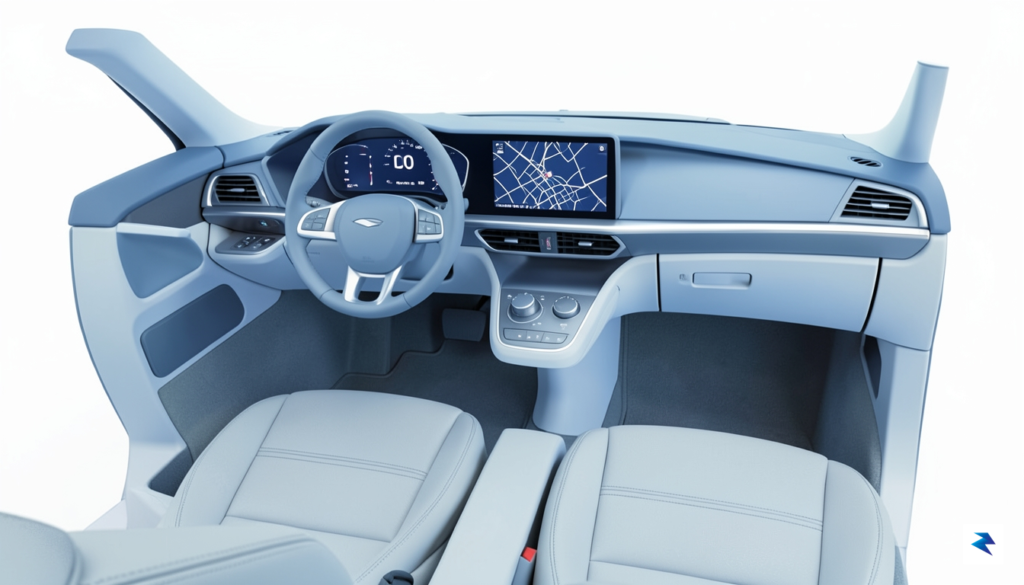
Integrating sophisticated artificial intelligence into a navigation platform requires a delicate calibration between providing actionable insights and avoiding sensory overload. As Waze rolls out its latest conversational features, the engineering team has adopted a strictly less-is-more philosophy, ensuring that the AI acts as a subtle co-pilot rather than a distracting passenger. By prioritizing brevity and timing, the system is designed to surface critical information only when it is truly relevant to the driver’s current trajectory, effectively filtering out the digital noise that often plagues modern infotainment interfaces.
To ensure these updates do not compromise road safety, developers have implemented rigorous distraction-testing protocols that mirror real-world driving conditions. Before any new AI capability reaches the public, it undergoes extensive evaluation to measure cognitive load, ensuring that voice interactions remain concise and intuitive. This process involves analyzing how quickly a driver can process an AI-generated alert while maintaining full attention on traffic patterns, road signage, and potential hazards. The goal is to create a seamless feedback loop where the AI’s voice feels as natural and unobtrusive as a passenger providing a quick, necessary navigational correction.
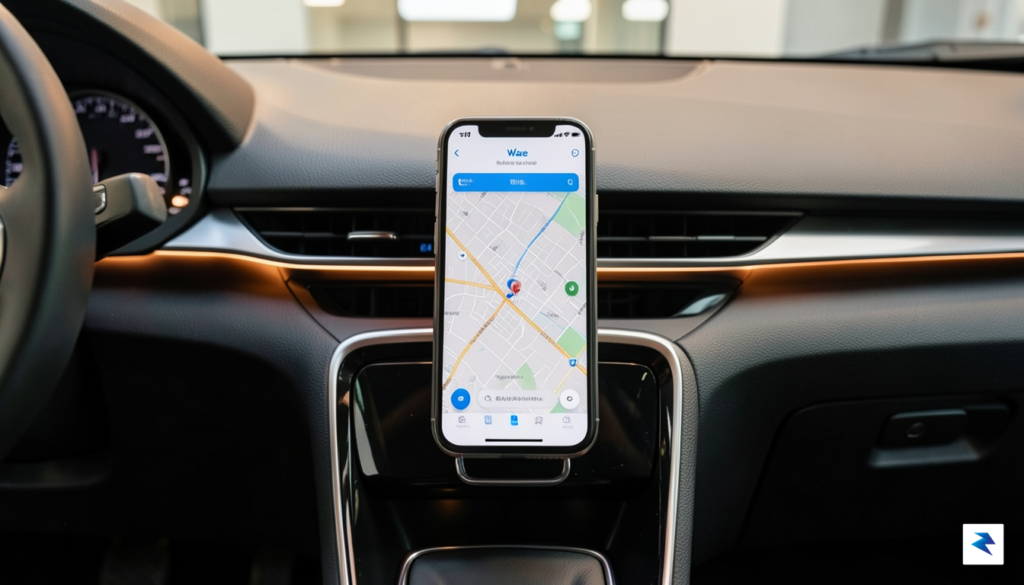
Recognizing that every driver has a unique threshold for digital interaction, Waze has integrated granular controls that allow users to manage the verbosity of their AI companion. Through the settings menu, motorists can dictate the frequency and depth of AI interventions, ranging from a minimal, strictly navigational mode to a more proactive, conversational assistant. This user-centric approach empowers drivers to tailor their experience based on their specific needs—whether they are navigating a complex, unfamiliar city center that requires high-detail assistance, or driving a well-known route where silence is preferred.
The core design mandate for this update is to enhance situational awareness without ever demanding a driver’s gaze or compromising their focus on the road ahead.
Compared to existing, often cumbersome infotainment systems that require complex menu navigation, this AI-driven approach emphasizes voice-first interaction as a safety mechanism. By leveraging natural language processing, the app allows drivers to ask questions or receive updates without taking their hands off the wheel or their eyes off the windshield. This transition toward intuitive, voice-activated assistance marks a significant shift in automotive technology, moving away from cluttered displays and toward a smarter, safer, and more streamlined way to interact with the digital world while in motion.
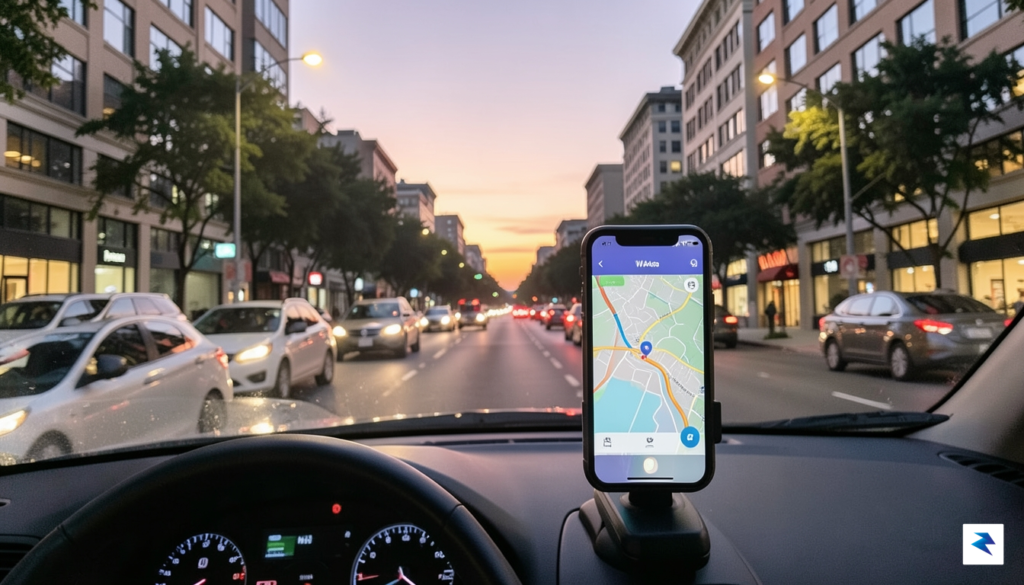
For the average daily commuter, these AI-driven enhancements represent a shift from a reactive navigation tool to a truly proactive co-pilot. By leveraging Google’s advanced Gemini models, Waze is moving beyond simple turn-by-turn directions to interpret the complex, real-time environment of the road. Instead of just showing you a red line on a map indicating traffic, the app will soon be able to process complex reports and natural language queries, allowing you to ask, “What’s going on up ahead?” and receive a concise, conversational summary of hazards, accidents, or construction. This means you can keep your eyes on the road and your hands on the wheel, relying on voice-controlled assistance to manage your route adjustments without the distraction of fiddling with your screen.
The rollout for these features is slated to begin in the coming months, starting with a phased release for beta testers before expanding to the broader public. Initially, users can expect more intelligent conversational reporting, where the app will better understand the context of what you are saying when you flag a road issue. As the system matures, it will synthesize data from millions of other drivers more effectively, providing hyper-local updates that feel less like generic warnings and more like a helpful heads-up from a friend in the passenger seat. To get the most out of these updates, it is advisable to keep your app updated to the latest version and ensure your voice recognition settings are optimized for your specific dialect or accent, which will allow the AI to interpret your commands with far greater accuracy.
Key Takeaway: The goal of this AI integration is to minimize cognitive load; by letting the app do the heavy lifting of data synthesis, you remain the driver while the software handles the complexity of the ever-changing road conditions.
Looking ahead, this is clearly just the beginning of a broader transformation in automotive software. As AI continues to evolve, we can expect navigation apps to move toward “predictive routing,” where the software anticipates your needs based on historical patterns, weather shifts, and even your calendar appointments before you even start the engine. While no algorithm can entirely replace human intuition—especially when navigating unexpected detours or complex urban maneuvers—these advancements make Waze an indispensable partner in the vehicle. Ultimately, the future of the daily drive is becoming less about staring at a map and more about enjoying a seamless, informed journey that adapts to the reality of the road in real time.
You must be logged in to post a comment.