
The $1.65 Trillion AI Bill: Are Tech Giants Hiding Their Debts?
The AI Spending Spree: Unpacking the $1.65 Trillion Figure The current landscape of global technology is witnessing a seismic shift as the…


For decades, many of us have viewed sleep as a form of lost productivity—a passive state where the body simply “shuts down” to recharge. In reality, the sleeping body is a hive of intense metabolic activity, functioning as an internal maintenance crew that cleans, repairs, and recalibrates our physiological systems. Far from being an inactive period, sleep is a sophisticated, energy-intensive process that dictates how our bodies process fuel, store fat, and regulate hunger. When we truncate our rest, we aren’t merely skimming time off our downtime; we are disrupting a complex hormonal symphony that governs the very foundation of our metabolic health.
Even moderate sleep restriction—cutting just one or two hours from your optimal nightly requirement—is enough to trigger a profound stress response. When the brain senses this deprivation, it shifts the body into a state of metabolic emergency. Instead of focusing on long-term repair and efficient fat oxidation, the body prioritizes immediate survival. This shift forces a physiological pivot: the body becomes less efficient at using insulin, potentially leading to higher blood sugar levels and increased fat storage. Essentially, when you deny yourself rest, you are forcing your metabolism to switch from a state of healthy maintenance to a state of defensive energy conservation.

The metabolic “cost” of these restless nights is multifaceted and measurable. Deprivation spikes cortisol, the body’s primary stress hormone, which acts as a signal to hold onto visceral fat, particularly around the midsection. Simultaneously, the hunger-regulating hormones ghrelin and leptin fall out of sync: ghrelin, which signals hunger, rises, while leptin, which signals satiety, plummets. This hormonal imbalance is not a result of a lack of willpower, but a direct consequence of your biology misinterpreting the lack of sleep as a signal to seek out high-calorie, easily accessible energy to combat exhaustion.
The metabolic impact of sleep deprivation is not just about fatigue; it is a fundamental shift in how your body decides to store or burn the fuel you provide it throughout the day.
Ultimately, by consistently depriving yourself of sleep, you are inadvertently training your body to become a storage engine rather than a burning one. When insulin sensitivity drops due to a lack of restorative shut-eye, the glucose you consume is more likely to be channeled into adipose tissue rather than being utilized by the muscles. This creates a feedback loop where the body is perpetually tired, yet metabolically primed to gain weight, regardless of how strictly you might be tracking your caloric intake during waking hours.

When you find yourself staring down a box of donuts or craving a heavy, carb-loaded meal after a restless night, it is easy to blame your lack of discipline. However, this physiological response is far from a character flaw; it is a direct consequence of a hormonal system thrown into disarray. At the heart of this internal struggle are two primary hunger hormones: ghrelin and leptin. Ghrelin, often referred to as the “hunger hormone,” is produced in the stomach and signals to your brain that it is time to eat. Conversely, leptin—the “satiety hormone”—is produced by your fat cells and sends the crucial signal that your energy stores are sufficient and you are full. Under normal conditions, these hormones act like a finely tuned thermostat, balancing your caloric intake with your body’s actual energy needs.
When sleep deprivation enters the picture, this delicate feedback loop is effectively hijacked. Research consistently shows that even a single night of restricted sleep triggers a significant spike in ghrelin levels while simultaneously causing a sharp drop in leptin production. Because your body is no longer receiving the proper “stop eating” signals from leptin, you essentially spend your day operating in a state of chemical hunger. Your brain, misinterpreting this hormonal chaos as a genuine energy crisis, begins to demand quick, high-energy fuel. This is why you rarely crave a salad or a piece of steamed fish after a sleepless night; instead, your body begs for simple carbohydrates and sugary snacks that can provide a rapid, albeit fleeting, glucose spike.

Beyond the simple shift in hormonal levels, sleep deprivation profoundly alters the way your brain processes reward. Studies using functional MRI scans have revealed that when we are tired, the brain’s reward centers—specifically the regions associated with impulse control and pleasure—become hyper-responsive to high-calorie food cues. Essentially, a lack of sleep creates a “double whammy”: your body is physically signaling that it is starving, and your brain is simultaneously magnifying the psychological appeal of calorie-dense comfort foods. The prefrontal cortex, which is responsible for executive function and self-regulation, becomes less effective at overriding these primal urges, making it significantly harder to resist the temptation of unhealthy snacks.
The interplay between ghrelin and leptin is the biological foundation of appetite regulation. When sleep is sacrificed, this system prioritizes immediate caloric intake over long-term weight management, making the physiological drive to overeat almost impossible to ignore.
Ultimately, understanding this mechanism allows us to shift our perspective from self-reproach to self-care. By prioritizing quality sleep, you are not just resting your body; you are stabilizing your metabolic hormones and restoring the brain’s ability to make rational dietary choices. Recognizing that your cravings are a biological reaction to exhaustion is the first step toward breaking the cycle of weight gain and regaining control over your appetite.
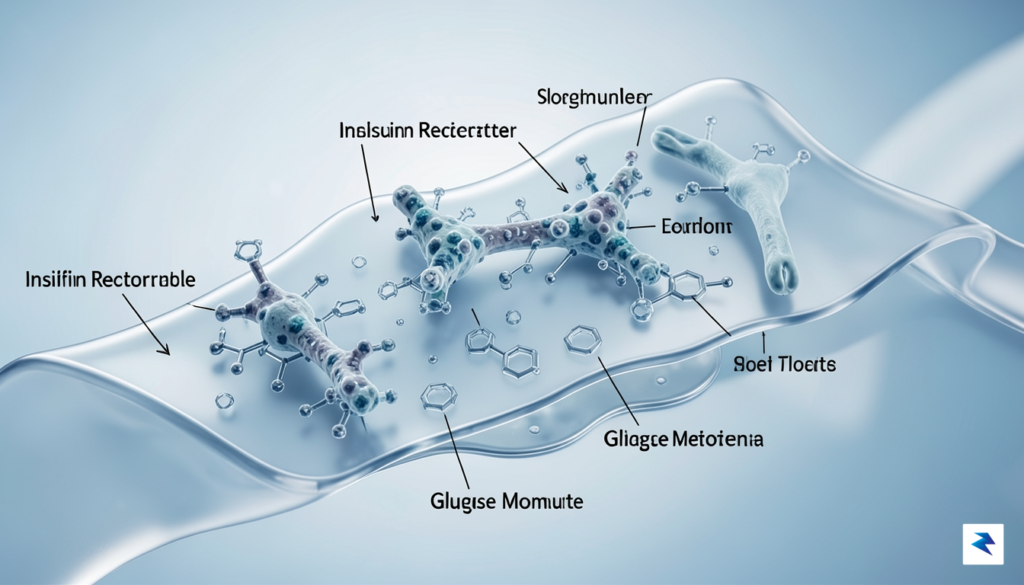
When you are chronically underslept, your body undergoes a profound shift in how it handles incoming fuel. At the heart of this metabolic dysfunction is transient insulin resistance. Under normal conditions, insulin acts as a key that unlocks your cells, allowing glucose to enter and be used for energy. However, even a few nights of restricted sleep can impair this process, causing your cells to become “deaf” to insulin’s signals. As a result, glucose lingers in your bloodstream instead of fueling your muscles, which forces your pancreas to pump out even more insulin to compensate. This physiological state creates a perfect environment for fat storage, as elevated circulating insulin effectively tells your body to halt fat burning and shift into energy-hoarding mode.
This metabolic instability is compounded by the body’s stress response. Sleep deprivation is perceived by the brain as a physical stressor, triggering the sustained release of cortisol. While cortisol is useful in short bursts to help us wake up, chronically high levels act as a potent signal for the body to prioritize the accumulation of visceral fat—the dangerous type of fat that wraps around your internal organs. Unlike subcutaneous fat, visceral fat is highly active and inflammatory; it secretes its own signals that further disrupt your metabolic health. Consequently, the combination of insulin resistance and cortisol-driven fat deposition makes it significantly harder to maintain a healthy weight, regardless of how strictly you monitor your caloric intake.

Furthermore, the impact of poor sleep extends beyond fat accumulation by actively undermining your muscle mass. Muscle tissue is metabolically expensive to maintain, and it serves as the primary site for glucose disposal. When you are deprived of sleep, your body enters a catabolic state, where it becomes increasingly difficult to synthesize new muscle proteins. Over time, this leads to a deterioration in body composition: you lose the lean, calorie-burning tissue that keeps your metabolism humming, while simultaneously accumulating more fat. This creates a vicious cycle where your metabolic rate slows down, making it easier to gain weight and harder to lose it.
The metabolic damage caused by sleep loss is not merely a matter of willpower or hunger; it is a fundamental shift in how your cells process energy, turning your body into an efficient storage machine rather than a fuel-burning engine.
Ultimately, the science is clear: sleep is not just “downtime” for the brain, but a critical period for metabolic regulation. By failing to get adequate rest, you are essentially asking your body to function with a broken fuel-management system. Even without changing your diet, the mere act of restoring consistent, high-quality sleep can help reset these hormonal pathways, improve your insulin sensitivity, and allow your body to prioritize the use of energy rather than its storage. Understanding these mechanisms is the first step toward reclaiming control over your health and body composition.
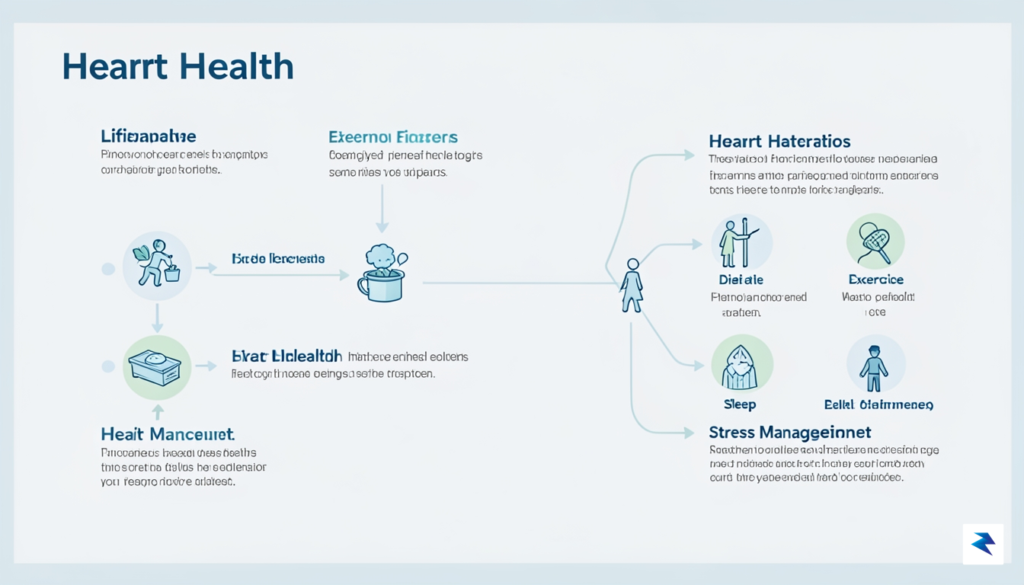
When we discuss the connection between sleep and body weight, it is easy to focus primarily on the reflection in the mirror or the numbers on a scale. However, the physiological toll of chronic sleep deprivation reaches far deeper than aesthetics, acting as a potent catalyst for a cascade of long-term health complications. When the body is consistently denied the restorative rest it requires, it enters a state of heightened stress. This persistent imbalance forces the cardiovascular system to work harder than necessary, often resulting in elevated blood pressure and a sustained increase in heart rate. Over time, these cardiovascular stressors place an immense strain on the heart, significantly increasing the risk of hypertension, stroke, and other serious heart-related ailments that persist long after the initial fatigue has faded.
The metabolic consequences of this lifestyle are equally concerning, particularly regarding the development of Type 2 diabetes. Sleep restriction disrupts the body’s ability to process glucose efficiently, leading to increased insulin resistance. When the body cannot regulate blood sugar effectively, it becomes increasingly difficult to maintain a healthy weight, creating a self-perpetuating cycle. As weight increases due to hormonal imbalances—specifically the surge in ghrelin and the drop in leptin—the risk of metabolic syndrome climbs. This internal chaos is not merely a side effect of tiredness; it is a fundamental breakdown in the body’s ability to regulate its most basic energy-processing systems.
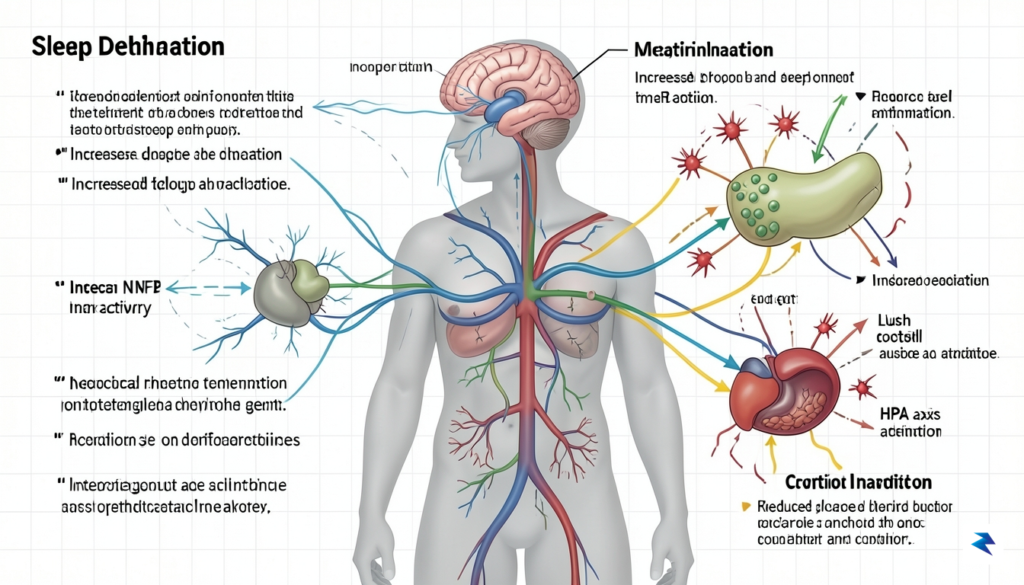
The relationship between sleep and chronic disease is a bidirectional feedback loop; poor sleep promotes weight gain, and the resulting physical changes often make restorative sleep nearly impossible to achieve.
Perhaps the most insidious aspect of this phenomenon is the inflammatory feedback loop that develops between weight gain and sleep quality. As excess weight accumulates, particularly around the midsection and neck, it increases the likelihood of developing or worsening obstructive sleep apnea. This condition causes repeated breathing interruptions throughout the night, which prevents the body from entering deep, restorative sleep stages. Consequently, the individual wakes up even more exhausted, which drives further cravings for high-calorie foods and reduces the motivation to exercise. This creates a dangerous trajectory where the physical changes triggered by sleep loss actively sabotage future sleep attempts, making it increasingly difficult to break the cycle without targeted clinical intervention or significant lifestyle modifications.
Ultimately, viewing sleep as a luxury is a dangerous misconception that ignores the body’s biological reality. By failing to prioritize adequate rest, we are essentially placing our cardiovascular and metabolic health at risk, allowing systemic inflammation to take hold. Understanding that these health markers are deeply intertwined is the first step toward reclaiming long-term wellness. Addressing sleep hygiene is not just about feeling more alert the next morning; it is a critical, proactive strategy for mitigating the risk of chronic disease and fostering systemic physiological balance.

Restoring your metabolic health begins with the fundamental realization that sleep is not a luxury, but a biological necessity. When you treat rest as a non-negotiable pillar of your daily routine, you provide your body with the essential downtime required to reset hunger-regulating hormones like ghrelin and leptin. By consistently prioritizing high-quality sleep, you effectively stabilize your energy levels, reduce late-night cravings, and support your natural metabolic processes. Rather than aiming for immediate perfection, focus on incremental progress, understanding that even small shifts in your nocturnal habits can trigger significant improvements in how your body manages fuel and fat storage.
Creating an environment conducive to deep, restorative rest is the most effective way to signal to your brain that it is time to wind down. Start by anchoring your circadian rhythm through consistency; aim to wake up and go to bed at roughly the same time every day, even on weekends. This regularity trains your internal clock, making it easier to fall asleep and wake up feeling refreshed. Furthermore, you must master your light exposure. Bright morning sunlight helps set your biological clock, while minimizing blue light from smartphones and computers at least 60 minutes before bed prevents the suppression of melatonin, the hormone responsible for sleep onset.
Your physical environment plays an equally critical role in sleep quality. Most experts recommend keeping your bedroom temperature between 60 and 67 degrees Fahrenheit, as a slightly cooler environment facilitates the drop in core body temperature necessary for entering deep sleep. Additionally, be mindful of your intake of stimulants; caffeine can linger in your system for up to eight hours, meaning that afternoon cup of coffee might be silently undermining your metabolic recovery at night. Substituting these stimulants with herbal teas or water in the late afternoon can drastically improve your sleep architecture.
Consistent, high-quality sleep is one of the most powerful tools available for regulating your appetite and maintaining a healthy metabolism.

If your sleep schedule is currently fragmented, do not feel pressured to overhaul your entire life overnight. Instead, adopt a four-week approach to build sustainable habits:
Remember that consistency is far more important than achieving a perfect eight hours every single night. By gradually layering these strategies into your lifestyle, you are not just improving your sleep—you are actively optimizing your body’s ability to regulate weight, manage energy, and thrive throughout the day.
You must be logged in to post a comment.