
Why Lack of Sleep Makes You Gain Weight: The Science Explained
The Metabolic Cost of a Restless Night For decades, many of us have viewed sleep as a form of lost productivity—a passive state where the body…


For generations, mega-events like the FIFA World Cup have been framed as the ultimate pinnacle of human connection—a rare, unifying force capable of bridging cultural divides through the shared language of sports. We have long celebrated these tournaments as spectacles of joy and athletic excellence, often ignoring the immense logistics required to assemble millions of fans in a single corner of the globe. While the roaring crowds and televised pageantry suggest a seamless celebration, there is an inescapable environmental bill tied to these gatherings that is only now being fully reconciled by climate scientists and data analysts. Behind the veneer of global unity lies a massive, fossil-fuel-dependent infrastructure that casts a long shadow over our planet’s climate goals.

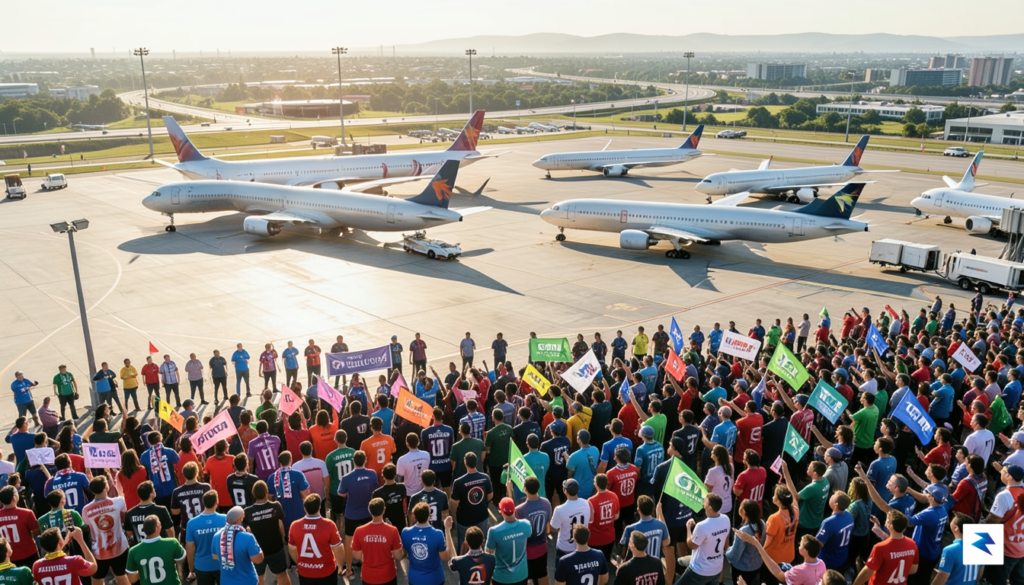
The narrative of the “carbon-neutral” tournament has become a staple of modern sports marketing, yet these bold claims have frequently crumbled under the weight of rigorous, independent scrutiny. Organizations have often attempted to offset their impact by investing in small-scale green projects or localized carbon credits, all while conveniently omitting the most significant driver of the event’s footprint: the spectators themselves. Recent research has shattered this illusion, revealing that a staggering 80 percent of a tournament’s total emissions are directly attributable to fan travel. Because spectators fly in from every corner of the world, their individual journeys—often spanning thousands of miles—generate a collective carbon impact that dwarfs the emissions produced by stadium construction or local operations.
The reliance on “carbon-neutral” branding often functions as a clever accounting trick that ignores Scope 3 emissions, which encompass the indirect impact of the supply chain and the massive influx of international travel.
To understand the true environmental cost of the World Cup, we must look beyond the immediate proximity of the stadiums and acknowledge the sheer volume of aviation and long-distance transport required to sustain these events. When sports organizers exclude fan travel from their official sustainability reports, they are essentially ignoring the largest piece of the puzzle. This systemic failure to account for Scope 3 emissions—those produced by external parties like fans and logistics partners—has allowed the sports industry to maintain a facade of environmental responsibility while the reality on the ground remains deeply unsustainable. As we move toward a future defined by climate urgency, the disconnect between the “unifying” story of global sports and the reality of its carbon footprint is becoming impossible to ignore, demanding a fundamental shift in how we conceive of, host, and celebrate the world’s most popular game.

While the roar of the crowd and the thrill of the game are undeniably central to the World Cup experience, the environmental narrative extends far beyond the pitch itself. The true climate cost of this global spectacle emerges not from the stadiums or even the teams’ travel, but overwhelmingly from the mass migration of fans converging from every corner of the planet. This sheer scale of human movement, particularly via long-haul aviation, is the undeniable primary driver of the tournament’s climate impact, dwarfing other contributors and presenting a significant challenge for future hosts.
Indeed, a staggering 80 percent of the World Cup’s total emissions can be attributed directly to the journeys undertaken by its devoted fanbase. This eye-opening statistic highlights a critical disconnect: the ‘game’ itself, in terms of its operational footprint, is a comparatively small fraction of the total environmental impact. The lion’s share is instead generated by the complex logistics of getting millions of passionate supporters across continents to witness their heroes compete. Understanding this figure means acknowledging that our collective desire to be present at these monumental events comes with a substantial, often unseen, carbon price tag.
The impact of long-haul aviation on the tournament’s carbon budget cannot be overstated. Air travel, especially over vast distances, is inherently carbon-intensive, and when multiplied by hundreds of thousands of individual journeys, the emissions quickly skyrocket. Consider a fan flying from South America or East Asia to a host nation in Europe or the Middle East; such a round trip can easily generate several metric tons of CO2 equivalent per person. These emissions, released high into the atmosphere, contribute disproportionately to global warming, making international air travel the single most significant variable in calculating a World Cup’s true environmental footprint.
The contrast between local fans and international travelers further elucidates this point. A supporter traveling a few miles by public transport or even a short domestic flight to a stadium contributes a relatively modest amount to the overall carbon tally. Conversely, an international traveler embarking on an intercontinental journey generates a carbon footprint that is orders of magnitude larger. This disparity underscores why the geographical location of the host nation, relative to the global distribution of football fans, plays a crucial role in determining the overall environmental burden of the event. The farther fans must travel, the greater the emissions, making tournaments hosted in centralized locations potentially less impactful than those requiring extensive global travel.
Ultimately, the calculation of the 80 percent figure rigorously accounts for these variables, with flight distance emerging as the preeminent factor. Every kilometer flown by every fan is tallied, painting a clear picture of how collective individual choices manifest into a colossal environmental challenge. This is not to diminish the excitement or cultural significance of the World Cup, but rather to bring into sharp focus the imperative for innovative solutions. Addressing this massive fan travel footprint will require a concerted effort, from promoting sustainable travel options to potentially rethinking how and where these grand tournaments are hosted, ensuring that the beautiful game can continue without an unsustainable cost to our planet.
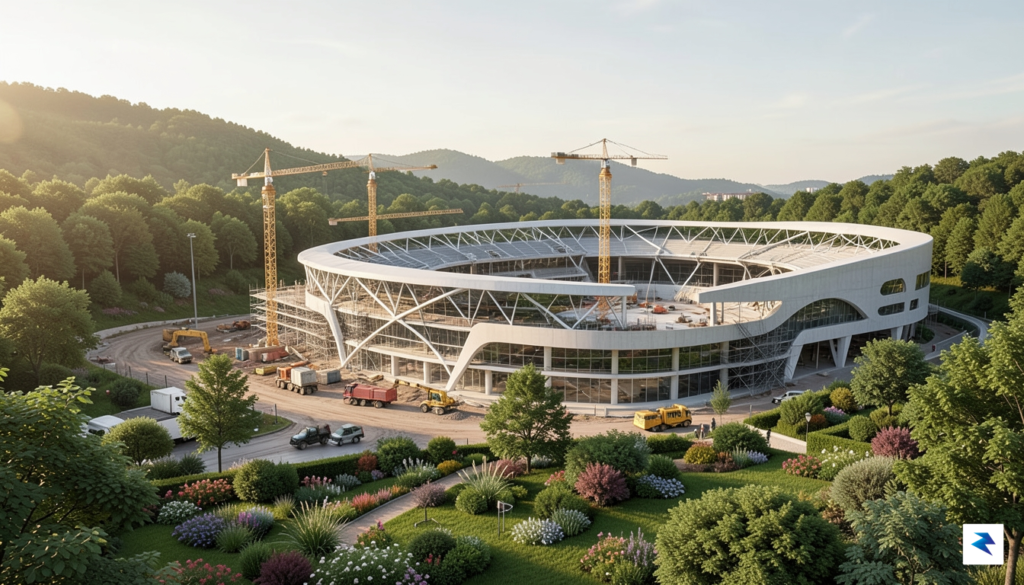
While the roar of the crowd and the global pilgrimage of fans undeniably contribute a colossal share to the World Cup’s environmental footprint, the carbon story extends far beyond the thousands of flights taken. A significant, often overlooked, secondary environmental cost is embedded deep within the concrete, steel, and temporary systems constructed by host nations. These massive undertakings, designed to accommodate a mere few weeks of sporting spectacle, frequently leave behind a substantial ecological debt that lingers long after the final whistle blows.
At the heart of this issue lies the phenomenon of the ‘white elephant’ stadium. These are monumental venues, often purpose-built from the ground up, that become financial and environmental burdens once the tournament concludes. Consider the immense quantities of raw materials required: vast amounts of concrete, a material whose production is highly energy-intensive and responsible for a significant percentage of global CO2 emissions, alongside tons of steel, which also carries a heavy carbon footprint from its mining, smelting, and manufacturing processes. This ’embodied carbon’ – the emissions generated through the entire lifecycle of building materials, from extraction and processing to transportation and construction – represents a staggering, permanent impact that is rarely offset by the brief period of use. The dream of a national legacy often morphs into a costly, underutilized structure, a stark reminder of unsustainable development.
The environmental calculus becomes even more alarming when we contrast the choice to build entirely new venues with the more sustainable alternative of utilizing or upgrading existing infrastructure. Each new stadium built from scratch represents a missed opportunity to mitigate impact, adding fresh layers of concrete and steel to the planet’s burden rather than creatively adapting what is already in place. Repurposing older stadiums, perhaps with modular additions or significant green renovations, could drastically reduce the need for new material production and the associated emissions. Instead, the pursuit of pristine, state-of-the-art facilities for a fleeting moment of global attention perpetuates a cycle of resource depletion and carbon generation that is difficult to justify in an era of urgent climate action.
Furthermore, the environmental impact extends beyond the main sporting arenas to the intricate web of temporary infrastructure required to support such a colossal event. Host cities often embark on massive construction projects for new roads, railway extensions, dedicated bus lanes, and even temporary airports, all to manage the influx of people and goods. These projects, even if temporary in their full scope, still demand significant resources, energy for construction, and often lead to habitat disruption. Coupled with the need for event-specific energy grids, temporary housing, and waste management systems that must be scaled up dramatically, the logistical and environmental implications are vast. The sum total of these efforts, from the foundational concrete of a new stadium to the temporary power lines energizing fan zones, collectively constitutes a profound environmental cost that demands greater scrutiny and more responsible planning from future host nations.
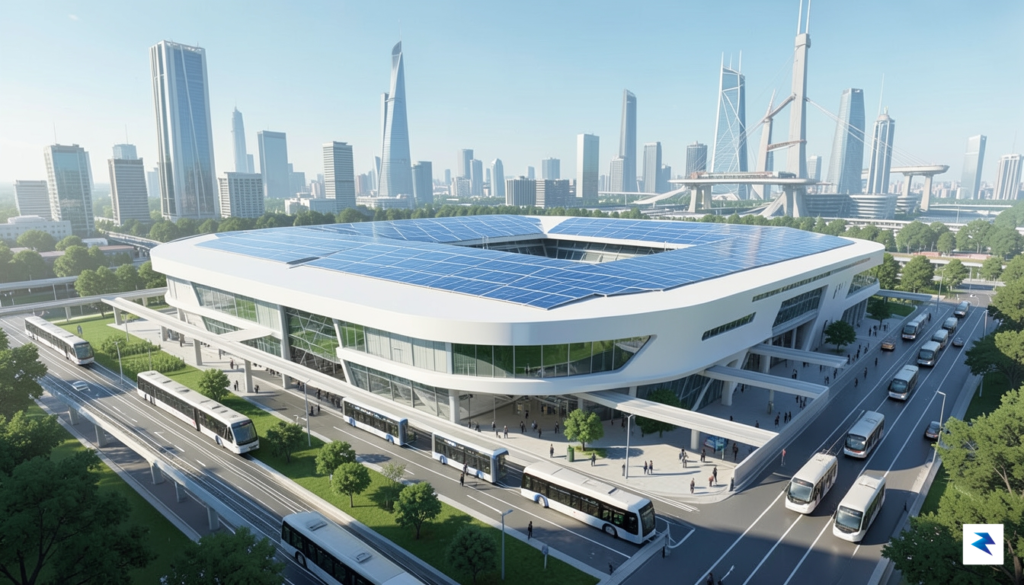
The pursuit of a “net-zero” World Cup often feels like an exercise in accounting gymnastics rather than genuine ecological stewardship. When governing bodies claim their tournaments are carbon neutral, they frequently rely on the purchase of carbon offsets—investments in distant reforestation or renewable energy projects—to compensate for the massive influx of international air travel. However, this approach is fundamentally flawed; offsets rarely account for the immediate, concentrated release of greenhouse gases caused by millions of fans crisscrossing the globe in a matter of weeks. Relying on future sequestration to balance present-day atmospheric damage ignores the urgency of the climate crisis, effectively allowing organizers to write off the environmental cost of mass aviation as a manageable line item.
At the heart of the issue is the inherent tension between the global nature of modern sports and the physical limits of our planet. The current model of the World Cup demands the migration of hundreds of thousands of people to a single host region, a logistical necessity that creates an unavoidable carbon spike. Even if stadiums are constructed with sustainable materials and powered by solar energy, these localized efforts are dwarfed by the sheer scale of Scope 3 emissions—the indirect emissions from fan travel and accommodation that fall outside the direct control of the event organizers. As long as the tournament’s prestige is tied to the physical presence of a global nomadic audience, the event will remain structurally incompatible with the rapid decarbonization required by international climate agreements.

To move beyond performative sustainability, we must begin to challenge the centralized hosting model that has defined the tournament for decades. One radical but necessary pathway involves the regionalization of matches, where games are played in existing clusters to minimize the necessity for long-haul flights. By shifting toward decentralized event hosting—or even localized hubs that prioritize regional spectators over intercontinental travel—the environmental footprint could be significantly curtailed. This would represent a departure from the “mega-event” spectacle, favoring a version of global competition that respects geographical boundaries rather than defying them.
True sustainability in sports requires a fundamental decoupling of the event’s success from the volume of international travel it facilitates.
Ultimately, making these events sustainable may require a cultural shift in how fans consume the sport. If the goal is to protect the environment while maintaining the spirit of global competition, stakeholders must prioritize digital access and hyper-local fan zones over the carbon-intensive requirement of in-person attendance. While the allure of the stadium experience is undeniable, the long-term viability of the World Cup may depend on its ability to shrink its physical presence. Unless the structural demand for global mass movement is addressed, these tournaments will continue to operate as significant drivers of climate change, regardless of how many trees are planted in the name of neutrality.

To curb the massive carbon footprint inherent in global sporting events, the industry must pivot away from the traditional, growth-obsessed model that prioritizes sheer scale over sustainability. Moving forward, the most impactful change begins with the host selection process itself. Governing bodies like FIFA should implement stringent environmental mandates that favor nations with existing, robust public transportation infrastructure, effectively eliminating the need for carbon-intensive construction projects and massive cross-country flight networks. By prioritizing host countries that can accommodate thousands of fans using rail and existing municipal transit, we can fundamentally lower the emissions associated with the “last mile” of fan travel.
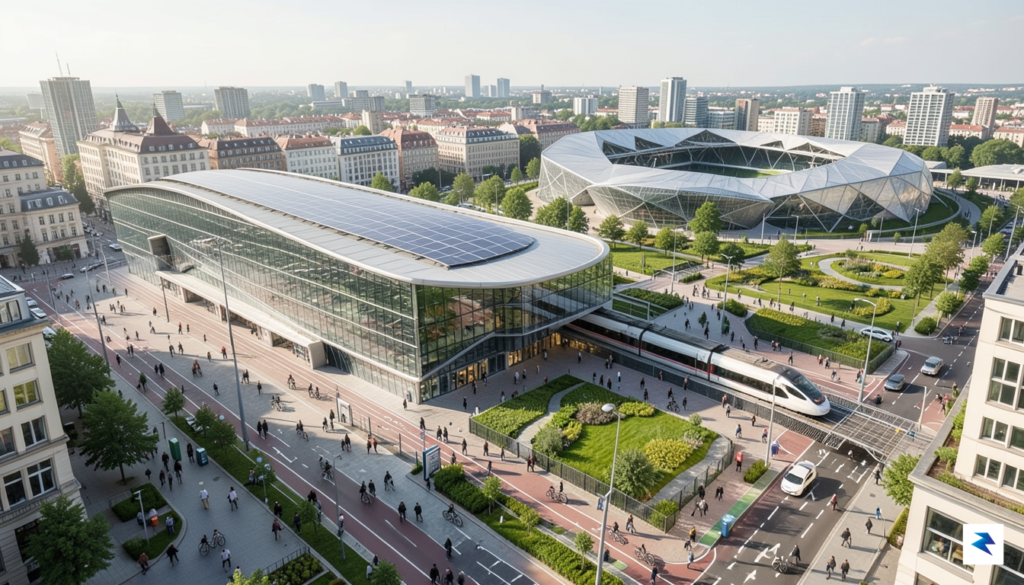
Beyond geographical selection, we must rethink the concept of the “physical pilgrimage.” While the atmosphere of a live stadium experience is iconic, high-fidelity streaming and virtual reality technologies offer an increasingly viable alternative for the global fan base. By investing in immersive, low-latency viewing experiences, broadcasters can provide fans with a sense of presence that rivals being in the stands, thereby reducing the necessity for millions of long-haul international flights. This transition toward virtual attendance isn’t just about digital access; it’s about decoupling the excitement of the game from the necessity of planetary degradation.
The future of major sporting events relies on a radical shift: we must move from a model of mass migration to one of distributed, sustainable participation.
Furthermore, the logistical strategy for hosting must incorporate carbon-aware scheduling and tangible incentives for low-carbon travel. Organizers should coordinate match schedules to align with existing high-speed rail corridors, encouraging fans to utilize train networks rather than regional flight connections. When travel is necessary, ticket bundles could be linked directly to carbon-offset programs or discounted rail passes, turning the journey into a greener experience by design. Ultimately, the sports industry sits at a crossroads; by codifying these environmental requirements into future bidding processes, governing bodies can transform tournaments from massive sources of pollution into catalysts for global sustainable development.
To achieve these ambitious goals, stakeholders should focus on the following industry shifts:
You must be logged in to post a comment.