
Arbitrum Surges 19%: How Robinhood’s $568M Trading Frenzy is Changing L2s
The Robinhood Effect: A New Era for Layer-2 Adoption Robinhood has long served as the gateway for retail investors looking to dip their toes…

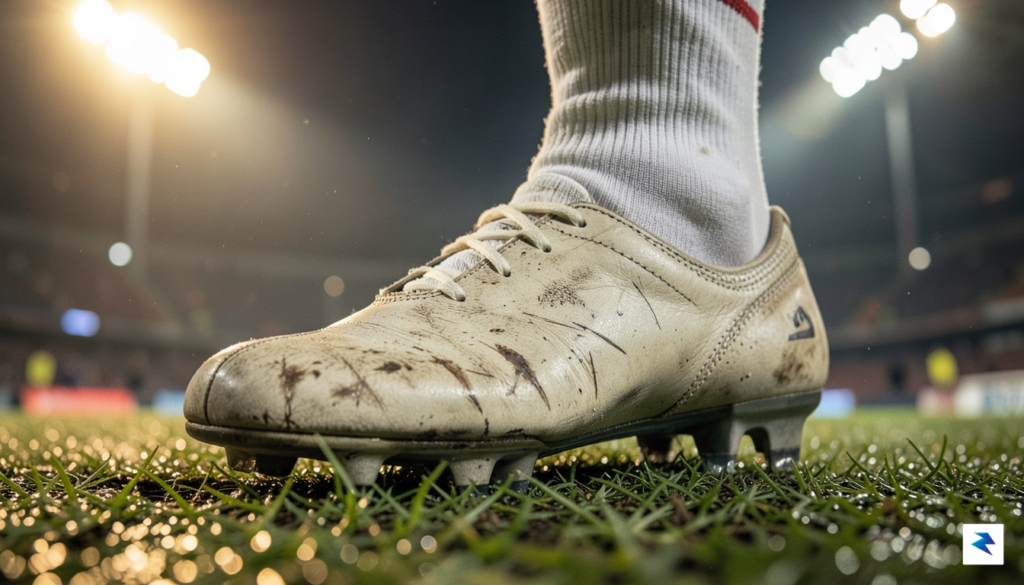
In the high-stakes arena of professional football, where matches are frequently decided by mere millimeters and fractions of a second, even the slightest physical discomfort can prove catastrophic. Recent broadcasts have captured sharp-eyed fans puzzled by a growing trend: elite players, including the likes of Pedro Neto, stepping onto the pitch with the heel cups of their cleats visibly hacked away or severely modified. At first glance, these jagged, hand-cut edges might look like a botched DIY project or a bizarre fashion statement, but they are, in reality, a calculated response to the relentless demands of the modern game. For athletes whose livelihood depends on explosive acceleration and rapid changes in direction, the rigid structure of a standard, mass-produced boot can become a literal source of agony.
Professional soccer is arguably the world’s most intense theater of marginal gains, where teams employ specialists for everything from sleep hygiene to nutritional timing. Within this hyper-optimized environment, the biomechanics of the foot are treated with extreme reverence. A traditional cleat is designed to be stiff and supportive, aiming to lock the heel in place to maximize power transfer. However, this rigid construction often ignores the unique anatomical variations found in professional athletes. When a player’s Haglund’s deformity—a bony enlargement on the back of the heel—comes into constant, abrasive contact with the stiff plastic heel counter of a top-tier boot, the resulting inflammation can transform a ninety-minute match into a grueling exercise in pain management.
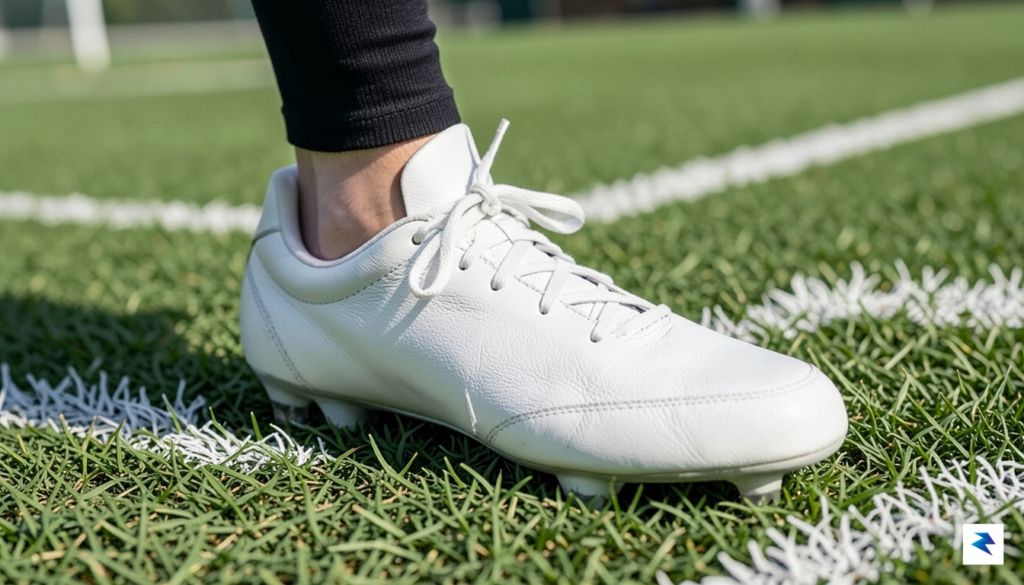
The pursuit of peak performance often forces athletes to override manufacturing standards, prioritizing individual anatomy over the intended design of high-end equipment.
The decision to take a knife to a pair of cleats that cost hundreds of dollars is rarely taken lightly, yet it has become a necessary trade-off for many. By removing the rigid heel cup, players are essentially sacrificing the structural integrity and long-term durability of the boot in exchange for immediate relief from pressure points. This modification allows the ankle and heel to move with a more natural range of motion, reducing the likelihood of blister formation and chronic tendon irritation. It is a striking example of how, even in an era of aerospace-grade materials and data-driven sports science, the human element remains the most unpredictable variable. When the equipment fails to accommodate the athlete, the athlete inevitably finds a way to dismantle the equipment, proving that for those at the top of the pyramid, comfort is not a luxury—it is a prerequisite for victory.
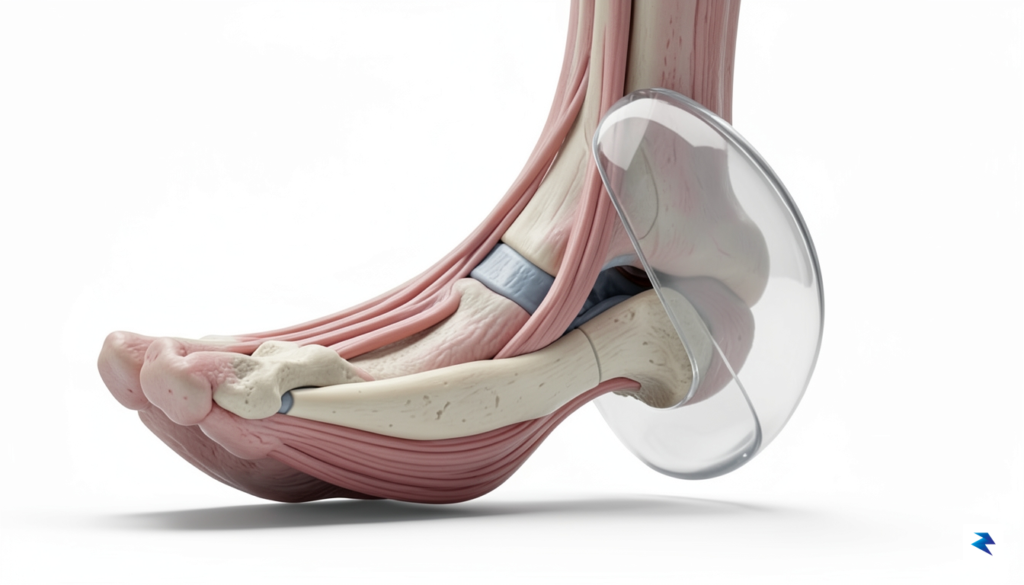
At the center of this unconventional modification lies a chronic orthopedic issue known as Haglund’s deformity, colloquially dubbed the “pump bump.” This condition manifests as a bony enlargement on the back of the heel bone, or calcaneus, which creates a rigid protrusion that is hypersensitive to external pressure. For the average individual, this might simply be a nuisance in dress shoes; for a professional soccer player, it is an agonizing impediment. The modern soccer boot is engineered with a stiff, unforgiving plastic heel counter designed to lock the foot in place for stability. However, when this rigid material repeatedly strikes the bony prominence of a Haglund’s deformity, it triggers a cascade of inflammatory responses, including retrocalcaneal bursitis—the painful inflammation of the fluid-filled sac that acts as a cushion between the Achilles tendon and the heel bone.
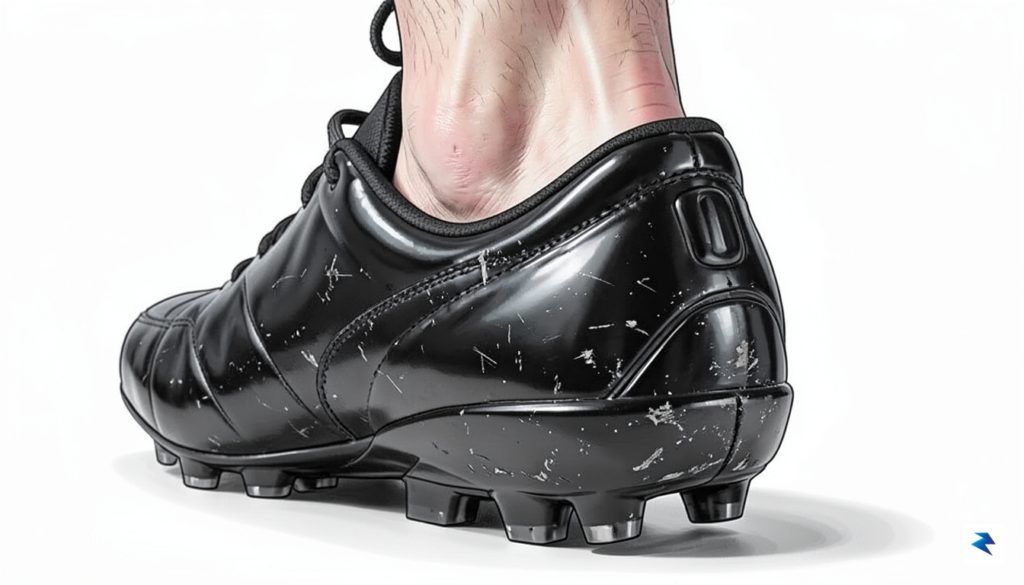
Elite athletes are uniquely susceptible to this cycle of irritation due to the specific demands of their craft. To achieve the level of precision required for top-tier ball control and rapid changes of direction, players demand a “second-skin” fit, opting for boots that are often a half-size smaller than their actual shoe size. This extreme tightness leaves zero room for the heel to maneuver, forcing the calcaneus to grind against the back of the boot with every stride. Over the course of a ninety-minute match, where a player might cover several miles of high-intensity sprints, this repetitive friction leads to localized swelling, blistering, and, if left unaddressed, chronic structural damage to the soft tissue surrounding the Achilles tendon.
The structural mismatch between the rigid, tapered heel counters of high-performance boots and the anatomical variability of an athlete’s foot is the primary driver for these modifications. By surgically removing the heel counter, players effectively eliminate the mechanical pivot point of the friction.
By cutting away the rigid plastic of the heel, players are essentially creating a custom-fit relief zone that allows the soft tissue to breathe and heal without sacrificing the lockdown of the forefoot. This modification is not merely a stylistic choice or a superstition; it is a calculated physiological intervention. It redistributes the pressure away from the inflamed bursa and bony bump, allowing the athlete to perform at their peak without the constant distraction of sharp, stabbing pain. While it may look like an act of vandalism to a new pair of expensive boots, it is, in reality, an essential adaptation to keep professional players on the pitch and out of the trainer’s room.
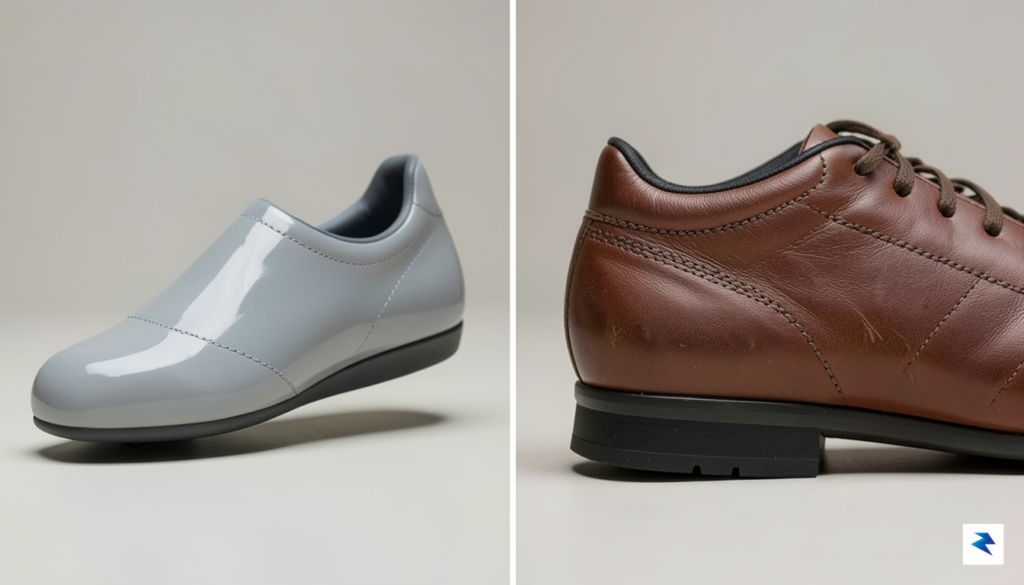
For decades, the standard for professional soccer footwear was premium kangaroo leather, a material celebrated for its ability to soften, stretch, and eventually mold perfectly to the unique topography of an athlete’s foot. However, the current manufacturing climate has shifted aggressively toward an “arms race” of ultralight innovation. In a quest to shave every possible gram from the boot’s weight, companies have pivoted to thin, plastic-based synthetic weaves and rigid, high-tension materials. While these advancements undoubtedly create a responsive feel on the ball, they have sacrificed the anatomical adaptability that players once took for granted. The result is a boot that functions more like a precision-engineered shell than a natural extension of the body.
This pursuit of extreme speed has inadvertently created a “lockdown” crisis. To compensate for the lack of structural integrity in hyper-thin materials, manufacturers now design heel counters that are aggressively stiff and narrow. The marketing narrative promises that this “locked-in” sensation enhances explosive acceleration and agility, but for many professionals, this rigid framework acts as a vice. Because these synthetic materials do not possess the organic elasticity of traditional hides, they do not give way when they encounter a protruding heel bone or a sensitive Achilles tendon. Instead, the boot remains unyielding, forcing the player’s anatomy to conform to the shoe’s geometry rather than the other way around.
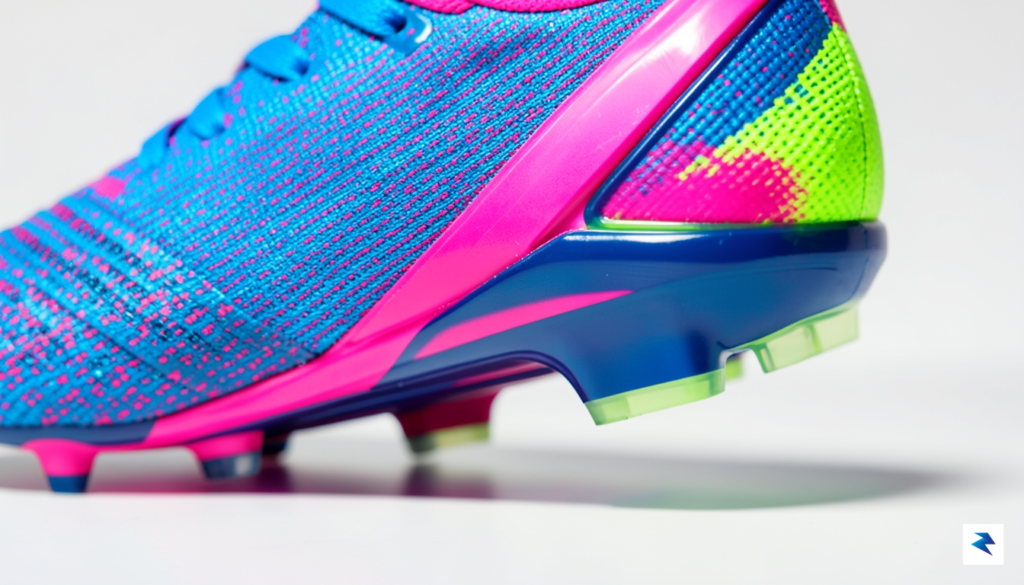
The marketing of “speed” often hides a uncomfortable reality: modern footwear is built for the machine of the game, not necessarily the long-term health of the human foot.
The conflict between marketing claims and physical reality is stark. While a brand might advertise a boot as “second-skin,” the reality is often a rigid, blister-inducing enclosure that requires a painful break-in period—if the foot can even adapt at all. By prioritizing aesthetic appeal and ultralight stats on a spec sheet, design teams have moved away from the biomechanical needs of the heel. When a player cuts the back of their cleat, they are essentially performing a DIY intervention to correct a design flaw that prioritizes the boot’s structural rigidity over the anatomical reality of human movement. This trend reveals a growing disconnect: as boots become faster and lighter, they are becoming increasingly indifferent to the comfort and safety of the very athletes who wear them.
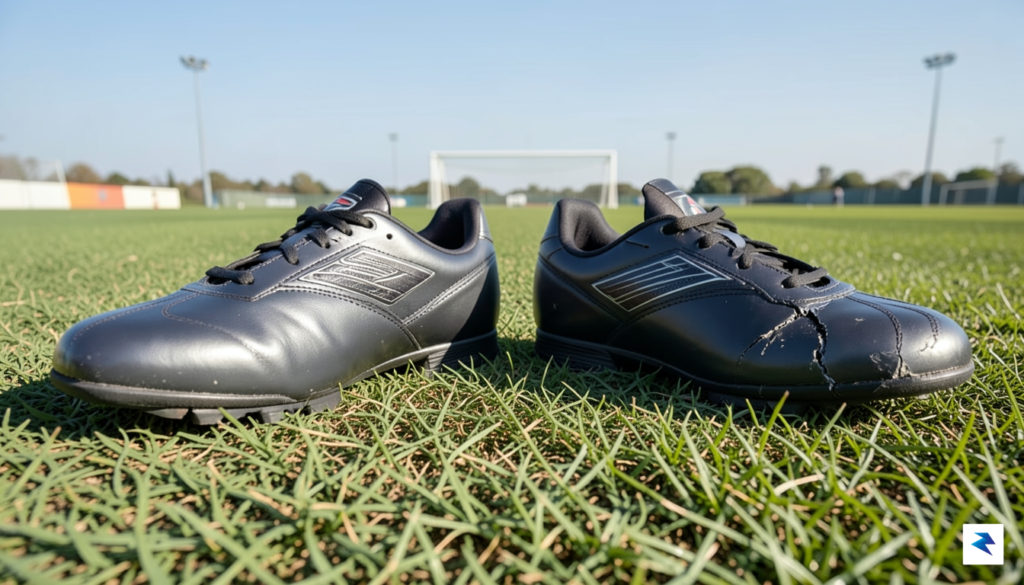
While the visceral relief of removing a rigid heel counter can be transformative for a player suffering from Haglund’s deformity or persistent blisters, this DIY surgery is far from a risk-free endeavor. When a player takes a pair of scissors or a scalpel to the heel area of their cleats, they are fundamentally altering the engineering of a piece of equipment designed to withstand extreme biomechanical forces. The heel counter is not merely a cosmetic feature; it acts as a structural exoskeleton that locks the calcaneus—the heel bone—into place. By excising this component, the player sacrifices the boot’s ability to cradle the foot, which is essential for maintaining a stable platform during the explosive lateral movements and high-speed pivots that define the modern game.
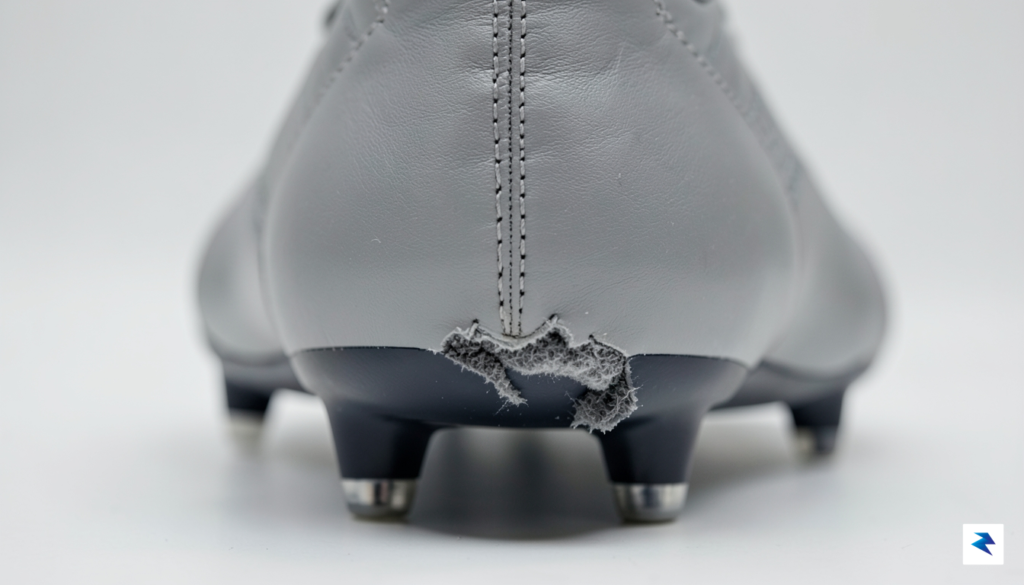
The consequence of this modification often manifests as a significant increase in the risk of injury, particularly regarding ankle stability. Without the rigid support of the heel counter, the foot is prone to excessive internal and external rotation within the shoe, especially during rapid changes of direction. This loss of lockdown can lead to a “sliding” effect where the foot moves independently of the outsole, drastically increasing the likelihood of ankle rolls, ligament sprains, and even more severe kinetic chain issues that travel up to the knee. Furthermore, the structural integrity of the entire boot is compromised; the upper material, once tensioned by the heel cup, begins to lose its intended shape, causing the cleat to stretch, sag, and eventually fail to provide the consistent touch and lockdown required for elite performance.
“Modern soccer boots are precision instruments designed with specific tension points. When you cut into the heel, you are essentially dismantling the suspension system of the shoe, turning a high-performance tool into a potential liability.”
Interestingly, this practice has become a “hidden” ritual within professional locker rooms. Because these modifications are technically a breach of equipment standards and often violate sponsorship agreements, players frequently go to great lengths to disguise their altered footwear during pre-match kit inspections. They may use specialized tape, color-matched fabric, or even professional-grade adhesives to conceal the jagged edges from referees and kit managers. This cloak-and-dagger approach underscores a sobering reality: players are often so desperate to escape the agony of ill-fitting gear that they are willing to jeopardize both their long-term health and their professional equipment standards just to make it through ninety minutes of play without pain.
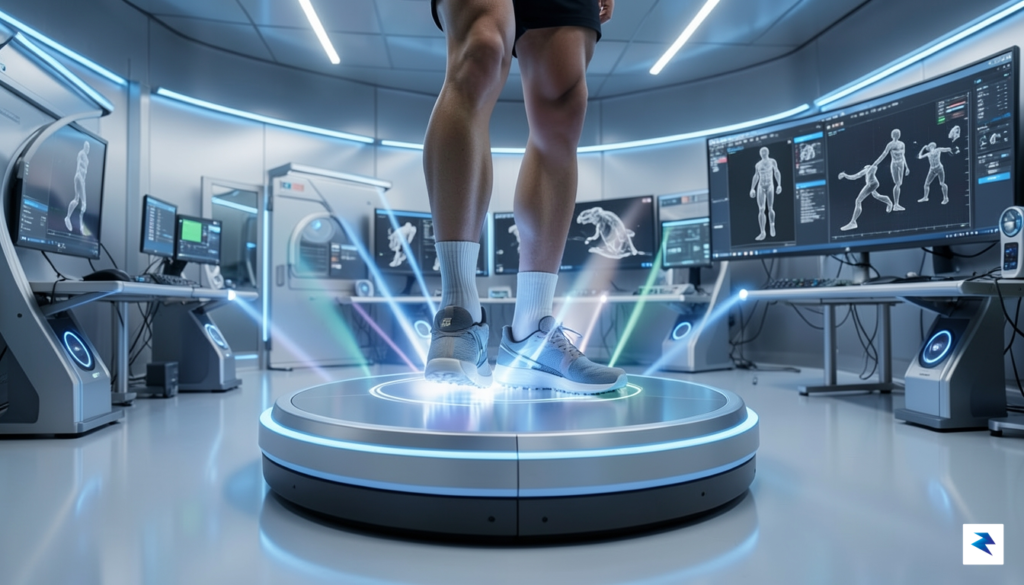
The widespread DIY trend of slicing into expensive boots has served as a loud, undeniable wake-up call for the world’s leading athletic footwear manufacturers. For years, giants like Nike and Adidas operated on a mass-production model, relying on generalized lasts that sought to accommodate the “average” foot. However, the recurring sight of elite professionals—whose feet are their most valuable assets—taking kitchen shears to their equipment has signaled that the current one-size-fits-all approach is no longer sufficient for the modern game. This grassroots frustration has effectively forced a shift in the industry, moving brands away from rigid, standardized silhouettes and toward a future defined by bespoke comfort and hyper-personalized engineering.
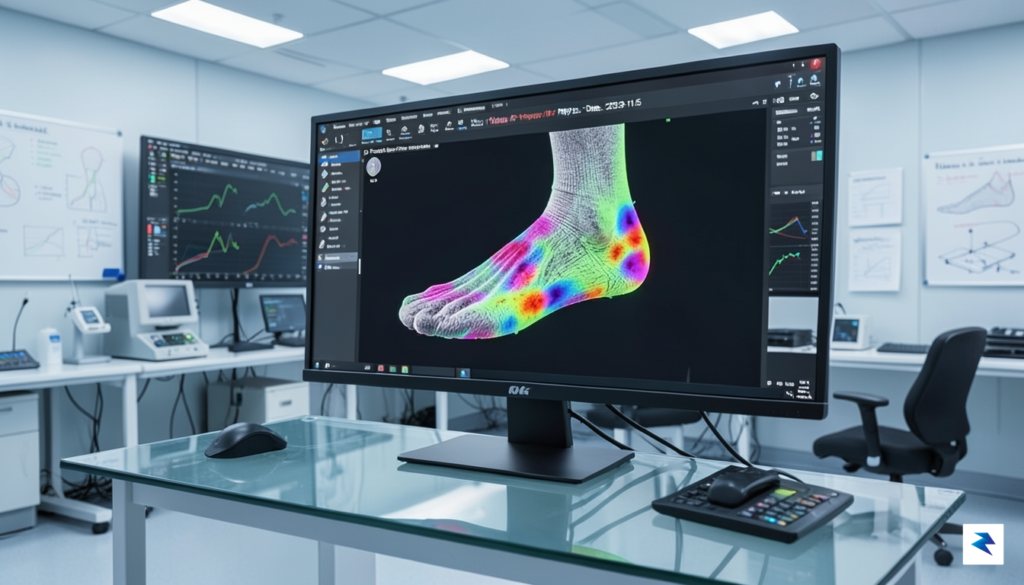
To mitigate the need for DIY modifications, major manufacturers are increasingly investing in proprietary 3D-scanning technology to create custom-molded heel cups for their marquee athletes. By capturing the precise anatomical geometry of a player’s heel, companies can now produce internal heel counters that provide the necessary lockdown without the aggressive pressure that previously caused Haglund’s deformity or nerve irritation. This transition toward “precision-fit” design means that elite players are receiving footwear that feels like a natural extension of their anatomy rather than a mass-manufactured shell. As these technologies become more accessible, the gap between the prototype worn by a superstar and the product available on the retail shelf is beginning to narrow.
The evolution of professional footwear is also being shaped by a deeper collaboration between equipment designers and specialized medical professionals. Sports podiatrists have become indispensable members of club medical staffs, acting as the bridge between player discomfort and footwear innovation. These experts provide crucial data on pressure distribution and biomechanics, which brands then use to refine the structural integrity of their boots. Consequently, we are entering an era where performance footwear is not just about aesthetic appeal or weight reduction, but about proactive injury prevention.
“The future of elite performance lies in the marriage of data-driven biometric analysis and artisanal craftsmanship, ensuring that no player ever feels the need to compromise the integrity of their gear to achieve a pain-free game.”
Ultimately, the goal is to make the “hacked” cleat a relic of the past. As brands adopt more modular construction techniques and integrate personalized foot-mapping into their production lines, the necessity for players to perform “surgery” on their own boots will diminish. We are witnessing a fundamental change in the relationship between the athlete and the manufacturer—a shift where player-specific data dictates the design, rather than the design dictating the constraints of the player.
You must be logged in to post a comment.