OpenAI Confirms GPT-5.6 as Core Engine for Microsoft Copilot 365
The Evolution of the OpenAI-Microsoft Partnership The enduring strategic alliance between OpenAI and Microsoft has been a cornerstone of the…
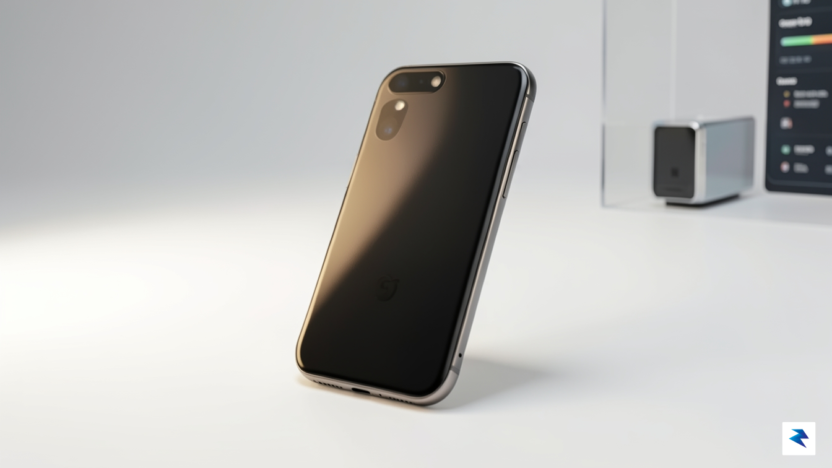
For nearly a decade, 128GB has served as the industry-standard “sweet spot” for entry-level flagship smartphones. It provided enough breathing room for casual users to store photos, apps, and documents without constant cloud management. However, recent leaks surrounding the Google Pixel 11 suggest that the era of the 128GB baseline is finally drawing to a close. By reportedly phasing out this entry-level capacity in favor of a 256GB starting point, Google is signaling a fundamental shift in its product philosophy. This transition reflects a broader recognition that the modern mobile experience has outgrown the modest storage limits that defined the early 2020s.
The technical reality of today’s smartphone usage makes 128GB increasingly difficult to justify for a premium device. As mobile camera systems evolve to capture 4K HDR video and high-resolution RAW imagery, storage consumption has skyrocketed. A single minute of high-fidelity footage can consume significant space, quickly turning a 128GB device into a digital archive that requires frequent offloading to cloud services or external drives. Furthermore, the sheer footprint of modern applications—often bloated with high-definition assets and expansive background data—means that a phone’s internal storage is frequently occupied by essential software long before a user even begins to save their personal media.
By elevating the base storage to 256GB, Google is essentially acknowledging that a “flagship” experience should no longer be hampered by the constant anxiety of running out of space.
This move toward a 256GB minimum is not merely a convenience; it is a necessity for the longevity of the device. As users keep their smartphones for longer cycles—often three to four years—the storage requirements of updated operating systems and evolving app ecosystems continue to grow. A device that feels comfortable today with 128GB may feel restrictive in two years, leading to performance degradation and the inability to install critical security updates. By standardizing 256GB, Google is effectively “future-proofing” the Pixel 11, ensuring that the device remains functional and fluid throughout its entire lifespan without forcing users into a cycle of aggressive file management or expensive cloud subscriptions.
While this shift inevitably points toward a higher starting price, it represents a more honest approach to flagship pricing. Consumers have long paid a “hidden tax” in the form of cloud storage fees or the frustration of a limited device. By integrating the higher capacity directly into the base hardware, Google is establishing 256GB as the new benchmark for a premium mobile experience. Ultimately, this change validates what many power users have argued for years: in an age of high-resolution content and data-heavy applications, 128GB is no longer a standard—it is a bottleneck.

For years, smartphone users have lived with the persistent, low-level stress of “storage anxiety”—the nagging fear that a notification will pop up at the worst possible moment to declare that your device is full. By shifting the baseline storage to 256GB, the upcoming Google Pixel 11 aims to eradicate this digital clutter. When you are no longer forced to perform a triage of your photo gallery before recording a 4K video or downloading a new game, your interaction with the phone shifts from one of management to one of genuine freedom. Having that extra capacity means your device becomes a reliable vault for high-fidelity media, offline maps, and vast music libraries that remain accessible even when you are off the grid or in areas with spotty connectivity.
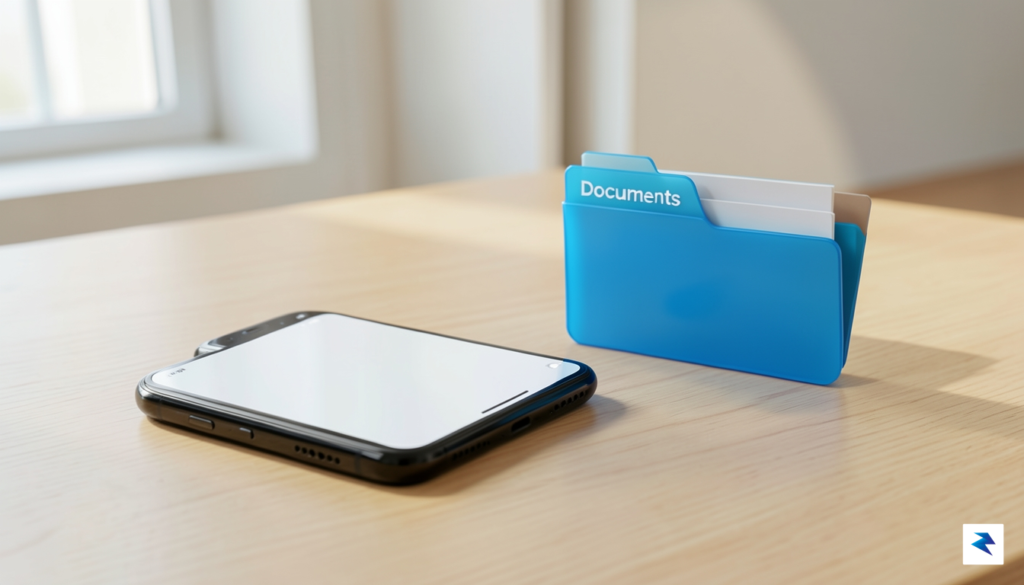
While cloud services like Google One remain an essential part of the modern ecosystem, they are not a true substitute for local storage. Cloud storage relies heavily on network latency and data availability, which can be inconsistent in high-traffic environments or while traveling abroad. Local storage provides instantaneous access to your files, ensuring that your apps launch smoothly and your media plays without the stuttering associated with streaming from the cloud. Furthermore, modern mobile operating systems require significant “breathing room” to function at peak efficiency; when a drive is pushed to its capacity, the system’s ability to cache temporary files and manage background processes is severely hindered, leading to noticeable performance degradation. Keeping your local storage capacity well above your immediate needs is one of the most effective ways to preserve the longevity and responsiveness of your hardware over several years of use.
The transition to higher base storage is also a technical necessity driven by the rapid evolution of artificial intelligence. As Google integrates more advanced Large Language Models (LLMs) and local generative AI features directly into the Pixel 11, the demand for onboard space is skyrocketing. These sophisticated features often require the phone to download and store large model weights and local data sets to function without a persistent server connection. By providing a 256GB entry point, Google is ensuring that these power-hungry, intelligent features do not cannibalize the space you need for your personal files. Ultimately, this hardware upgrade is a forward-looking decision that recognizes that the future of mobile computing is not just about connectivity—it is about having the dedicated, local capacity to handle the increasingly complex data demands of the AI era.
The leap to 256GB is more than just a spec-sheet bump; it is a fundamental shift toward a more stable, performant, and stress-free user experience where your device works for you, rather than requiring you to work for it.

The impending transition to a higher base storage capacity for the upcoming flagship represents a classic double-edged sword for the average consumer. On one hand, the shift toward 256GB as the new entry point acknowledges the reality of modern mobile usage, where high-resolution video capture, massive app updates, and bloated system caches have rendered 128GB models increasingly obsolete. However, this hardware upgrade is almost certainly tied to a higher retail price, forcing buyers to confront whether they are paying for a necessary utility or an unwanted premium. When considering the macroeconomic climate, where component costs and manufacturing logistics are rising, a price hike is perhaps inevitable, but that doesn’t make the pill easier for budget-conscious fans to swallow.
To determine if the value proposition remains intact, we must weigh the immediate cost against the long-term utility of the device. Paying an extra premium upfront for a larger base model can actually prove to be a more fiscally responsible decision over the lifespan of the phone. By eliminating the need for recurring monthly cloud storage subscriptions—which can accumulate into hundreds of dollars over three or four years—a larger internal drive essentially pays for itself. Furthermore, devices that struggle with storage constraints often suffer from sluggish performance and limited longevity, forcing users to upgrade their hardware prematurely. In this light, a higher initial investment acts as a hedge against future obsolescence, potentially extending the time between device replacements.
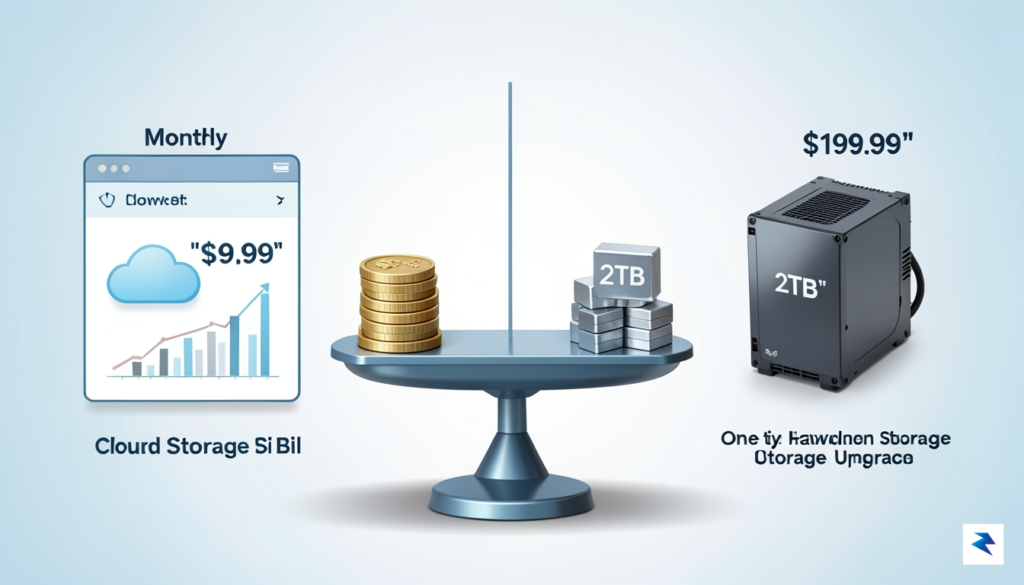
Ultimately, the decision rests on your personal digital habits: if you are a power user who records 4K video or keeps extensive offline media libraries, the increased base storage is a bargain compared to the alternative of constant cloud fees and system warnings.
Conversely, for the casual user who primarily streams media and relies on cloud-based backups, this forced price increase may feel like an unnecessary burden. If the base price jumps significantly, Google risks alienating the mid-range market that has historically made the Pixel series so successful. It is a delicate balancing act; the company must justify the higher price tag with tangible improvements in performance, camera processing, and software longevity. If the hardware does not feel noticeably more “premium” to justify the cost, consumers may find themselves questioning whether they are paying for progress or simply subsidizing a shift in industry pricing standards. The true value of the Pixel 11 will not just be found in its gigabytes, but in whether that extra cost yields a device that feels essential rather than just expensive.
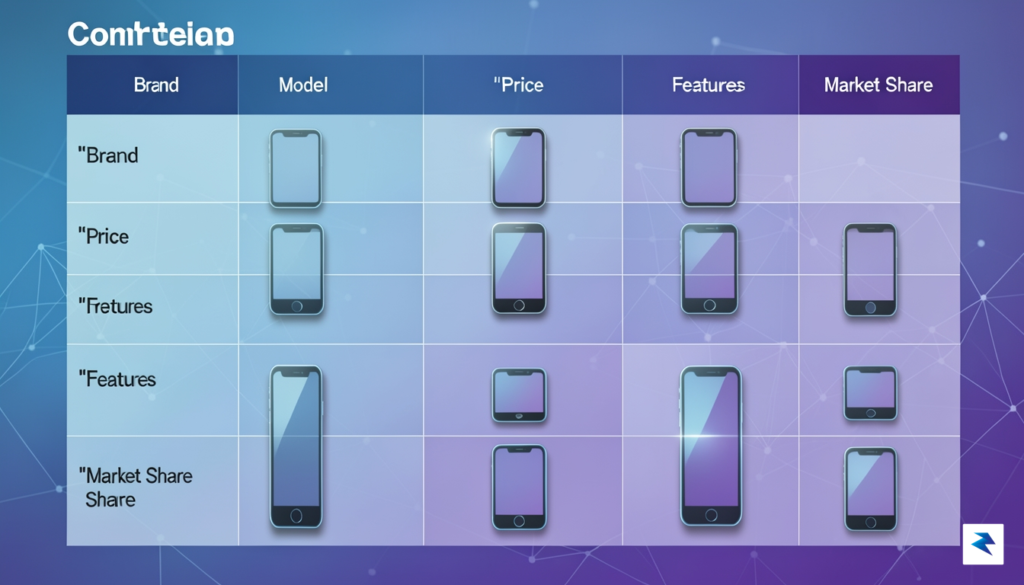
Google’s strategic recalibration with the upcoming Pixel 11 does not happen in a vacuum; it is a calculated response to a maturing smartphone market where the lines between “flagship” and “ultra-premium” have become increasingly blurred. For years, Google successfully carved out a niche as the thinking person’s alternative to the duopoly of Apple and Samsung, often undercutting its rivals on price to entice users into the Android ecosystem. However, this shift toward higher storage tiers and potentially steeper price tags suggests that Mountain View is moving away from its “budget-friendly flagship” identity. By aligning its hardware specs and pricing more closely with the iPhone Pro and Galaxy S Ultra series, Google is effectively signaling that it no longer feels the need to compete solely on value, but rather on the merit of its integrated AI-driven software and hardware ecosystem.
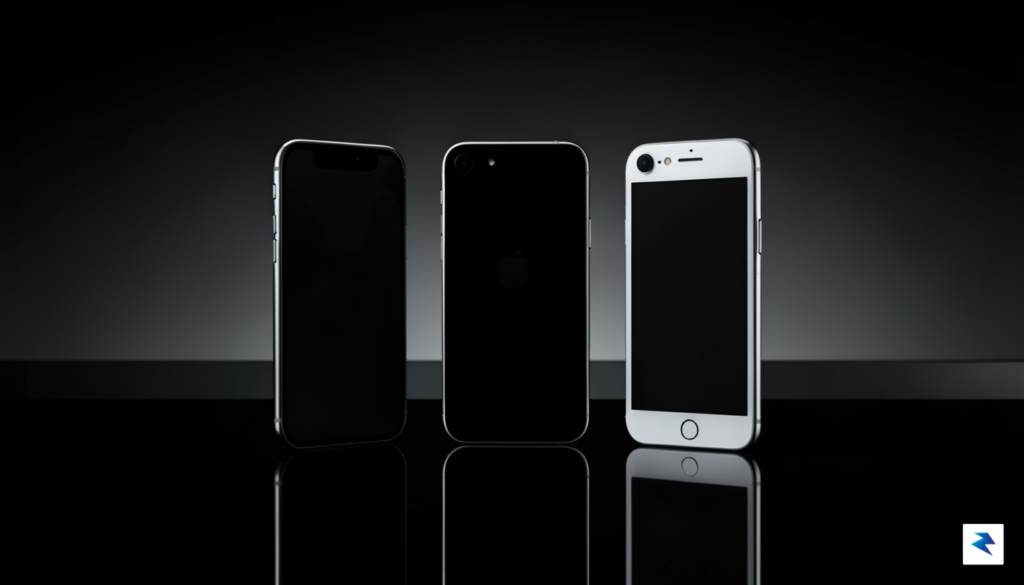
The broader industry is currently grappling with rising component costs, particularly concerning NAND flash memory. As users demand more internal space for high-resolution photography, 4K video recording, and resource-heavy AI models that run on-device, the baseline storage requirements have shifted upward. Apple and Samsung have long utilized these storage tiers as a primary method for maximizing profit margins, often charging significant premiums for every step up in capacity. By adopting this model, Google is likely acknowledging the harsh reality of global supply chain economics, where the cost of high-speed, high-density storage is no longer something they can easily absorb without impacting their bottom line. This transition suggests a shift toward a more sustainable, if less consumer-friendly, financial model that mirrors the aggressive upselling tactics found in Cupertino and Seoul.
The pivot toward higher storage capacities is not just a hardware upgrade; it is a fundamental shift in how Google intends to position its premium hardware against its most formidable competitors.
Ultimately, this change forces consumers to reevaluate what they expect from a Google device. If the Pixel 11 loses its status as the “value king,” it must compensate by offering a user experience that is objectively superior to the competition in ways that justify the higher entry price. Whether this gamble will pay off remains to be seen, as long-time Pixel enthusiasts have historically prioritized affordability alongside clean software. However, by embracing a premium pricing architecture, Google is betting that its advancements in computational photography and generative AI are now valuable enough to command the same market respect—and the same higher price points—as the established heavyweights of the smartphone industry.

For those currently weighing their next smartphone upgrade, the potential phasing out of the 128GB base model represents a significant shift in how we approach mobile hardware. If you are a casual user who primarily relies on cloud-based services for photos and music, the prospect of a higher entry-level storage capacity might feel like an unnecessary premium. To determine if you truly need that extra space, evaluate your current usage patterns by checking your settings menu to see how much of your existing capacity is occupied by system files versus media and applications. If your current device is perpetually hovering near capacity, the jump to a 256GB baseline will be a welcome relief that prevents the constant, frustrating cycle of deleting apps or clearing caches just to capture a new video.
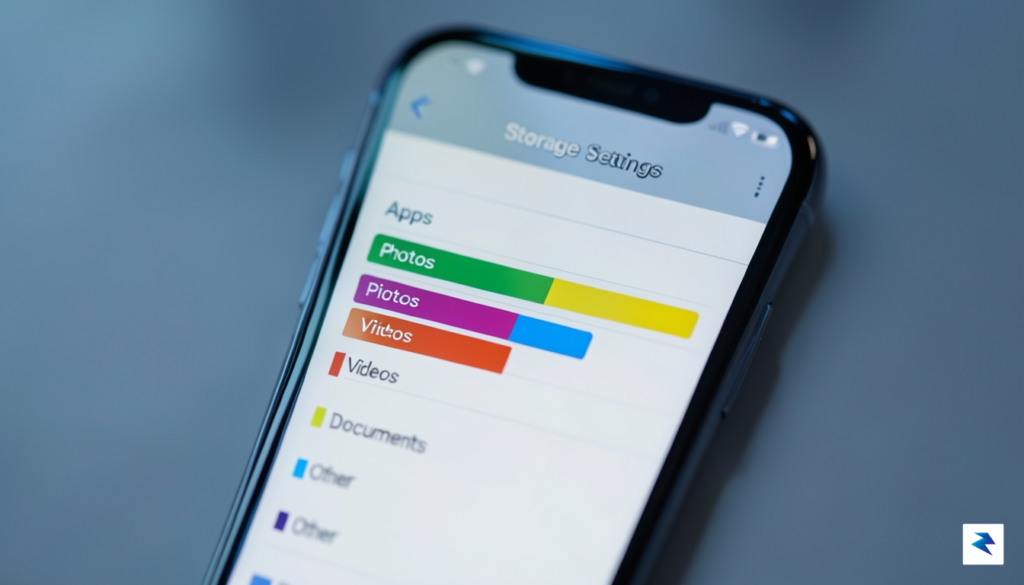
If you prefer to stick with a budget-friendly device or want to maximize the lifespan of your current hardware, there are several proactive steps you can take to manage your storage effectively. Start by utilizing Google Photos’ “Free up space” tool, which automatically removes copies of images and videos that have already been backed up to the cloud. Furthermore, you should consider offloading unused applications that haven’t been opened in the last few months, as these often contain bloated data caches that consume valuable gigabytes. By adopting a “digital declutter” routine once every quarter, you can keep your device running smoothly without feeling pressured to shell out for the highest storage tier available on the market.
Key Takeaway: Before upgrading, audit your current digital habits; if you rely heavily on cloud streaming and optimized photo backups, you may be able to bypass the higher costs of a base-level 256GB device by maintaining disciplined storage hygiene.
Ultimately, deciding whether to wait for the next iteration of the Pixel depends on your tolerance for price hikes versus your need for cutting-edge hardware. If your current phone is still performing well and you have sufficient storage, there is little financial incentive to rush into a premium-priced upgrade, especially as current models continue to receive robust software support. However, if your device is reaching the end of its lifecycle, the shift toward a larger, more reliable base storage capacity could justify the higher cost, provided you view the phone as a long-term investment. By balancing your immediate budget constraints against the convenience of having more headroom for apps and high-resolution media, you can make a choice that avoids the “storage anxiety” often associated with smaller capacity phones.
You must be logged in to post a comment.