Beyond Tesla: Understanding the New ETFs That Exclude Elon Musk
The Rise of Values-Based Investing in Tech The landscape of modern investing is undergoing a profound transformation, moving beyond the…
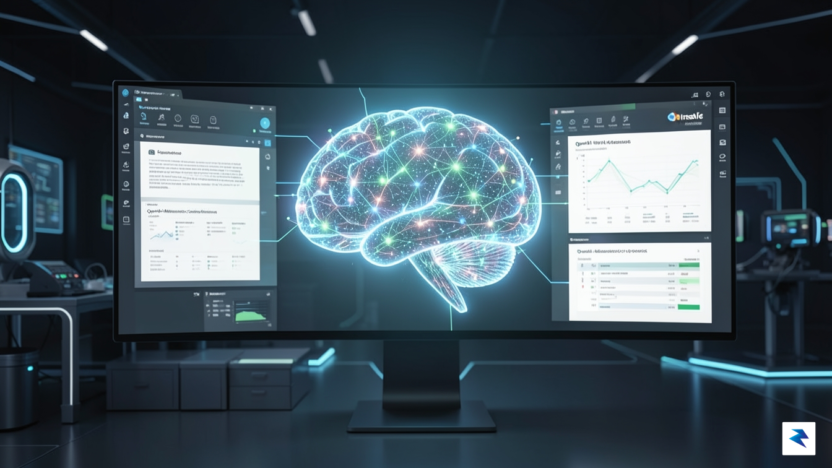

The enduring strategic alliance between OpenAI and Microsoft has been a cornerstone of the modern artificial intelligence landscape for years, shaping the trajectory of generative AI from ambitious research to widespread enterprise application. What began with significant investments from Microsoft in OpenAI, coupled with a commitment to provide the vast computational power of Azure’s supercomputing infrastructure, quickly evolved into a deeply integrated partnership. This collaboration wasn’t merely financial; it established a symbiotic relationship where OpenAI’s groundbreaking research and model development found a scalable, secure, and enterprise-ready platform in Microsoft’s ecosystem, and Microsoft gained exclusive access to some of the most advanced AI capabilities for its product suite. This historical foundation underscores a shared vision for democratizing AI, positioning both entities at the forefront of the technological revolution.
Despite the profound depth of this operational partnership, persistent industry chatter has periodically surfaced, suggesting a potential “breakup” or a significant re-evaluation of their arrangement. These rumors often speculate on OpenAI’s growing independence or Microsoft’s ambitions to develop more in-house foundational models. However, the technical reality of their latest product roadmaps consistently tells a different story, directly countering such narratives. The recent confirmation by OpenAI that GPT-5.6 is now the “preferred model” for Microsoft Copilot 365 serves as a potent example, illustrating not only the ongoing integration but also a deepening specialization within their collaborative efforts. This isn’t the action of two entities drifting apart; rather, it signifies a carefully orchestrated alignment aimed at optimizing performance for specific, high-value applications within the vast Microsoft enterprise environment.
The integration of GPT-5.6 as the preferred engine for Copilot 365 is far more than a simple vendor-client transaction; it represents a sophisticated evolution toward a specialized, high-performance model ecosystem. This selection implies a level of fine-tuning and optimization, where GPT-5.6 has been specifically engineered or adapted to excel within the unique operational demands and vast data landscape of Copilot 365. Such a strategic deployment indicates a robust, ongoing technical collaboration where models are not just provided, but are deeply integrated and tailored for optimal synergy with Microsoft’s productivity tools. This meticulous operational alignment ensures that Copilot 365 users benefit from cutting-edge AI that is not only powerful but also seamlessly efficient and contextually aware within their daily workflows, thereby enhancing productivity and innovation across countless organizations globally.
Ultimately, the continued collaboration between OpenAI and Microsoft remains absolutely essential for the successful scaling of generative AI in enterprise settings. OpenAI brings unparalleled innovation in large language models and foundational AI research, constantly pushing the boundaries of what these technologies can achieve. Microsoft, in turn, provides the critical infrastructure, the immense distribution channels through its ubiquitous software ecosystem (Office 365, Windows, Teams, Azure), and the deep expertise in enterprise-grade security, compliance, and deployment. This powerful synergy allows for the swift and responsible integration of advanced AI capabilities into the hands of millions of business users worldwide. Without such a robust partnership, the journey from AI breakthrough to widespread, reliable, and secure enterprise adoption would undoubtedly be far more protracted and challenging for both companies, highlighting why their intertwined future is not just beneficial, but arguably indispensable, for the broader advancement of AI.


At the heart of the latest Microsoft Copilot 365 integration lies GPT-5.6, an architectural evolution that moves beyond the general-purpose capabilities of its predecessors. While earlier iterations like GPT-4 focused on broad linguistic versatility, the 5.6 family introduces a refined neural architecture optimized for high-density logical reasoning and long-form contextual retention. By implementing an advanced attention mechanism that weighs professional terminology more heavily, the model can navigate complex corporate hierarchies, technical documentation, and multifaceted project management workflows with unprecedented nuance. This isn’t merely an incremental update; it represents a fundamental shift toward a “workplace-tuned” intelligence designed to minimize the hallucination rates that have historically plagued AI-assisted business operations.

The efficiency gains inherent in GPT-5.6 are perhaps best illustrated by its improvements in latency and factual grounding. In a professional setting, waiting for a model to “think” can disrupt the flow of high-stakes decision-making, which is why the new engine utilizes a decentralized inference path that significantly accelerates task execution speed. Furthermore, the model incorporates a more rigorous grounding layer, ensuring that when it pulls data from an organization’s internal SharePoint files or email archives, it does so with a higher degree of factual fidelity. This reliability is critical for users who rely on the AI to synthesize reports or draft contracts where accuracy is not just preferred, but mandatory.
GPT-5.6 shifts the paradigm from simple text generation to reliable professional automation, setting a new benchmark for how AI interacts with proprietary business data.
Compared to previous versions, the model excels in its ability to maintain “state” across long-running sessions, meaning it can remember the context of a project discussion from weeks prior without needing constant prompting. This deep contextual memory allows it to act as a genuine teammate rather than a basic utility. By streamlining the bridge between raw data retrieval and creative synthesis, GPT-5.6 ensures that the output is not just grammatically correct, but strategically aligned with the specific operational goals of the enterprise. This unique suitability for the office environment positions the model as the most stable and intelligent foundation currently available for automated professional workflows.

The strategic decision to designate GPT-5.6 as the preferred, foundational model for Microsoft Copilot 365 was not merely a technical choice but a deliberate move to ensure unparalleled consistency and robust power across the entire Microsoft 365 suite. This standardization offers users a predictable yet incredibly potent AI assistant, capable of navigating and executing complex tasks with a uniform level of performance and reliability. By anchoring Copilot 365 to a specific, highly optimized model, Microsoft aims to deliver a seamless, high-performing experience that truly transforms productivity, moving beyond fragmented AI interactions to a cohesive, intelligent workflow.
A significant driver behind this selection lies in GPT-5.6’s proven prowess in handling the intricate, domain-specific demands of Microsoft 365 applications. Imagine an AI that can not only draft a professional email in Outlook but also analyze a vast spreadsheet in Excel, identifying key trends and generating insightful summaries, all while maintaining the context of your overall project. Furthermore, it excels at creating engaging PowerPoint presentations from raw data or compiling comprehensive Word documents, extracting relevant information from multiple sources within your organizational ecosystem. This deep integration allows GPT-5.6 to understand the nuances of business communication and data manipulation, making it an indispensable partner in daily tasks that previously consumed considerable manual effort.
The adoption of GPT-5.6 as a ‘unified engine’ across Copilot 365 brings forth substantial benefits, particularly concerning enterprise security and data governance. When a single, designated model powers all AI interactions within an organization, it significantly simplifies the security architecture and compliance efforts. Instead of managing and auditing multiple, disparate AI models with varying capabilities and data handling protocols, IT departments can focus their efforts on securing and monitoring one robust, well-understood system. This centralized approach ensures that sensitive corporate data is processed consistently, adhering to stringent security standards and regulatory requirements, thereby mitigating risks associated with data leakage or non-compliance across the enterprise.
Moreover, this standardization fosters a more coherent and intuitive user experience. Users don’t need to wonder which AI model is best suited for a particular task; they simply interact with Copilot, confident that the underlying GPT-5.6 model is optimized for their needs across applications. This consistency minimizes the learning curve and maximizes efficiency, as the AI’s understanding of user preferences and contextual information can be carried over from one application to another. The result is a truly integrated AI assistant that learns and adapts across the entire productivity suite, enhancing deep data analysis, precise document generation, and overall strategic decision-making with unparalleled accuracy and speed.
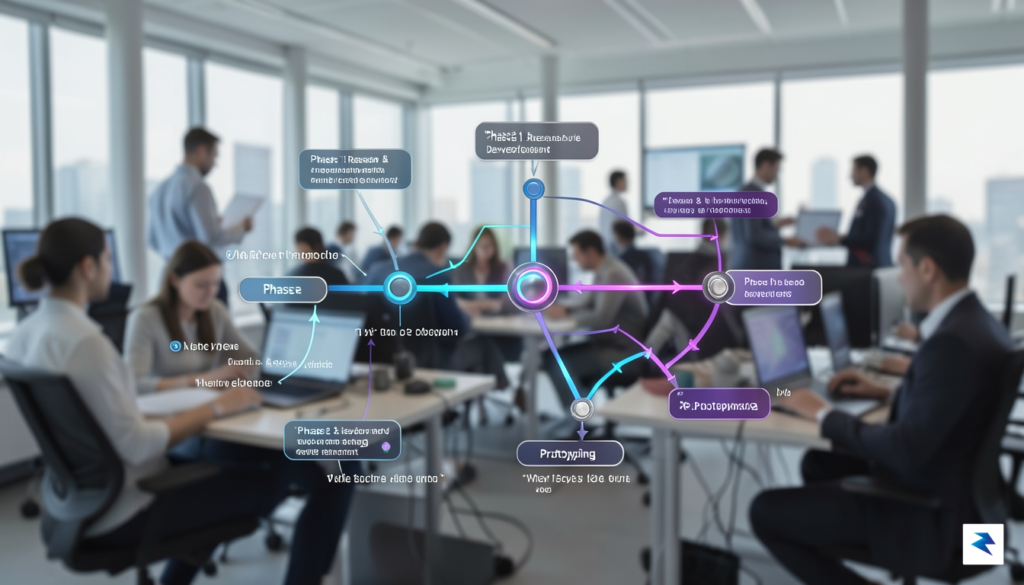
The transition toward more advanced iterations like the GPT-5.6 series signifies a fundamental shift in how enterprise software functions. We are moving away from an era where AI feels like an external add-on or a chatbot embedded in a sidebar, toward a future where the intelligence layer is woven into the very fabric of our digital workspace. As OpenAI and Microsoft continue to refine this synergy, users should anticipate a roadmap defined by fluid, near-invisible updates. In the coming years, the goal is for the engine powering your document creation, spreadsheet analysis, and email management to evolve automatically, requiring little to no manual intervention from the end user to remain at the cutting edge of capability.

For enterprise users, this rapid cadence of model upgrades presents both a massive opportunity and a challenge regarding consistency. Organizations must shift their strategy from static adoption to a more agile framework that embraces continuous learning. Rather than treating an AI tool as a one-time deployment, businesses should view these upgrades as ongoing infrastructure improvements. Preparing for frequent model shifts means prioritizing data cleanliness, establishing robust security protocols, and fostering a culture of adaptability among employees who will need to learn how to prompt and collaborate with increasingly sophisticated digital assistants.
A critical question facing IT leaders today is the tension between platform-specific integration and maintaining a model-agnostic workflow. Deep integration, such as the direct embedding of GPT-5.6 into Microsoft Copilot 365, offers unparalleled efficiency and context-awareness. Because the model understands the specific formatting, historical data, and security permissions of your environment, the output is often more precise than any standalone tool could provide. However, relying too heavily on a single ecosystem can create dependencies that are difficult to unwind should market dynamics shift.
The most successful enterprises will likely adopt a hybrid philosophy: leveraging the deep, frictionless power of primary ecosystems like Copilot for daily productivity, while maintaining the technical flexibility to integrate specialized, task-specific models where necessary.
Ultimately, the future of work will be defined by tools that anticipate our needs before we even articulate them. By moving toward a model-agnostic mindset, companies can ensure they are not tethered to a single point of failure, even as they enjoy the immense productivity gains provided by the deep-seated integration of OpenAI’s latest engines. As these technologies become more intuitive and less intrusive, the focus of the workforce will shift from managing the technology to focusing on the creative and strategic outcomes that only human intuition can provide.
For IT decision-makers and organizational leaders, the formal integration of GPT-5.6 into the Microsoft Copilot 365 ecosystem marks a transition from experimental pilot programs to mission-critical infrastructure. The primary takeaway here is that stability is no longer a question of whether the partnership will persist, but rather how effectively your organization can harness the increased reasoning capabilities of this latest model. Businesses should view this update as a green light to scale their AI-driven workflows, knowing that the engine powering their digital workspace is backed by significant, long-term technical alignment. By prioritizing the deployment of Copilot 365, enterprises can now confidently build proprietary internal processes on a foundation that benefits from consistent architectural upgrades and performance tuning.

When considering long-term AI adoption, it is essential to look beyond the immediate performance gains and focus on structural readiness. Companies should begin by auditing their existing data governance frameworks to ensure that the increased intelligence of GPT-5.6 is paired with robust security protocols. Since more advanced models can interact with deeper layers of organizational data, maintaining strict access controls is no longer just a best practice—it is a mandatory component of digital hygiene. Furthermore, organizations should focus on upskilling their workforce; as the model becomes more capable of handling complex reasoning tasks, the value shifts from basic prompt generation to sophisticated workflow orchestration and human-in-the-loop oversight.
To maximize the ROI of this integration, enterprises must shift their focus from passive usage to active integration, treating the model as a core business asset rather than a secondary tool.
Staying ahead of the curve requires a proactive approach to monitoring Microsoft’s official release notes and technical documentation. Because GPT-5.6 introduces specific enhancements in latency and context handling, IT teams should regularly review these updates to identify which new features—such as improved document summarization or advanced data analysis—can be integrated into their specific vertical use cases. By establishing a dedicated cadence for testing and validating these updates before a company-wide rollout, businesses can avoid the risks of unmanaged drift while ensuring their employees are always utilizing the most capable tools available. Ultimately, the goal is to create a feedback loop where internal technical teams communicate directly with business units to tailor the Copilot experience to evolving operational requirements, ensuring the enterprise remains competitive in an increasingly automated landscape.
You must be logged in to post a comment.