
Best Gantt Chart Software in 2026: 8 Tools for Professional Project Management
Why Gantt Charts Remain Essential for Modern Project Management More than a century after Henry Gantt first popularized his horizontal bar…
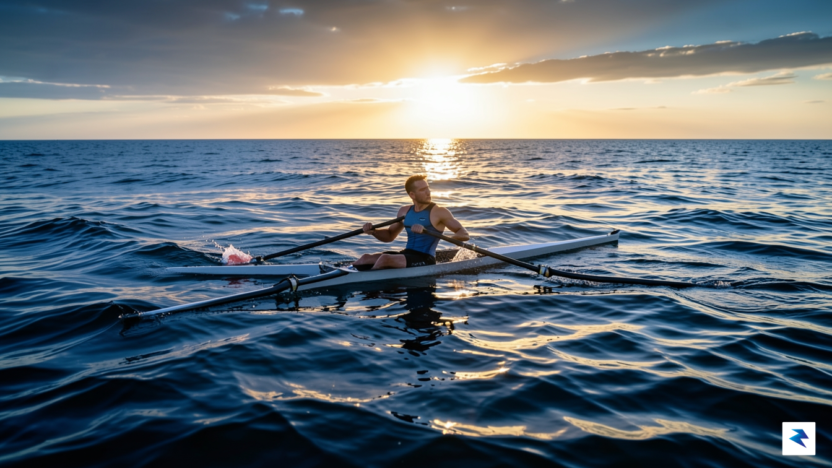
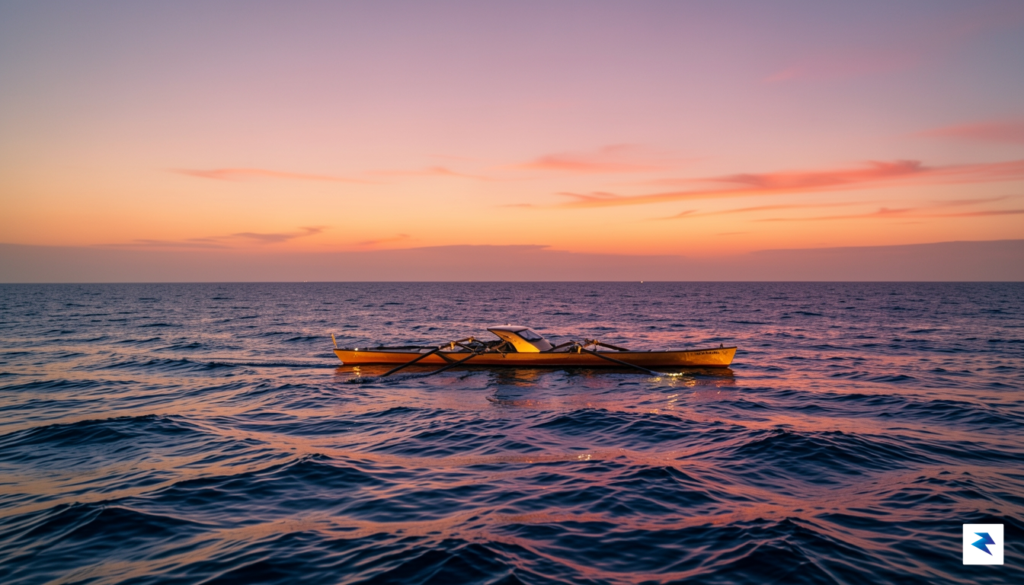
Rowing over 2,000 miles across the open Pacific is not merely an act of athletic endurance; it is a complex feat of maritime engineering and extreme logistical management. To survive the journey from the California coast to the Hawaiian Islands, a rower must operate a highly specialized vessel, often no more than 20 feet long, designed specifically to withstand the relentless assault of oceanic swells. Unlike a standard racing shell, these ocean rowing boats are self-righting vessels equipped with a small, watertight cabin that serves as both a sleeping quarter and a command center. This tiny refuge is the only barrier between the rower and the unpredictable, deep-blue wilderness, requiring a design that balances structural integrity with the agility needed to navigate through storms that can last for days.
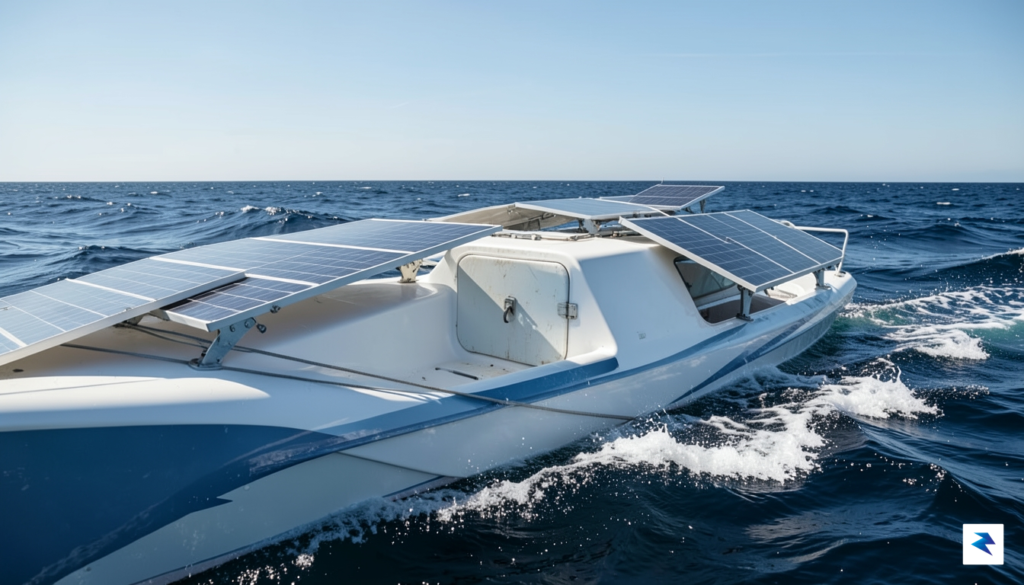
The logistical burden of such a voyage is immense, as the rower must be entirely self-sufficient for weeks on end. Every calorie consumed must be packed before departure, necessitating a meticulously curated supply of freeze-dried meals that are both lightweight and nutritionally dense to sustain the constant, high-intensity physical output required by the oars. Water, the most critical resource, cannot be carried in sufficient quantities for a crossing of this duration. Instead, the boat relies on a sophisticated, solar-powered water maker—a desalination unit that forces seawater through a semi-permeable membrane. This system is the heartbeat of the vessel; if the solar panels fail to charge the batteries or the pump malfunctions, the entire mission is immediately compromised.
“The ocean does not negotiate; it demands a perfect synthesis of human discipline and mechanical reliability.”
Beyond the physical mechanics, the rower must manage a sophisticated array of communication and navigation technology. Relying on satellite phones, AIS (Automatic Identification System) transponders, and GPS plotters, the rower stays connected to a support team that monitors weather patterns and oceanic currents. This digital tether is vital, as the Pacific is a dynamic environment where the slightest deviation in wind or swell can push a boat hundreds of miles off course. Successfully crossing this vast expanse requires a profound understanding of meteorology, a mastery of boat repair under duress, and the psychological fortitude to maintain a consistent rhythm when the horizon remains unchanged for days at a time. The journey is a masterclass in risk management, where every decision—from the timing of a rest break to the adjustment of the oars—is a calculated step toward reaching the distant Hawaiian shores.
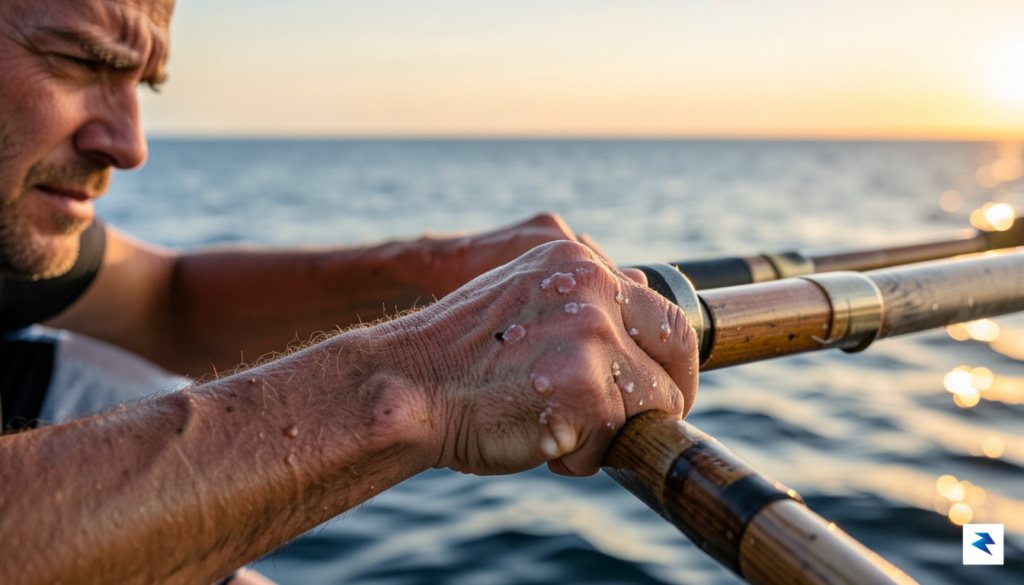
The journey from the California coast to the Hawaiian islands is not merely a test of athletic prowess; it is a grueling exercise in the limits of human endurance. While the sheer physical demand of rowing thousands of miles is apparent, the true challenge lies in the relentless, repetitive nature of the motion. Every stroke is a calculated expenditure of energy, placing immense strain on the shoulders, core, and lower back, often while battling unpredictable swell patterns that threaten to capsize the vessel. Over the course of weeks, this constant physical output leads to deep muscular fatigue, skin breakdown, and the degradation of stamina, forcing the rower to operate in a perpetual state of recovery while simultaneously pushing forward.
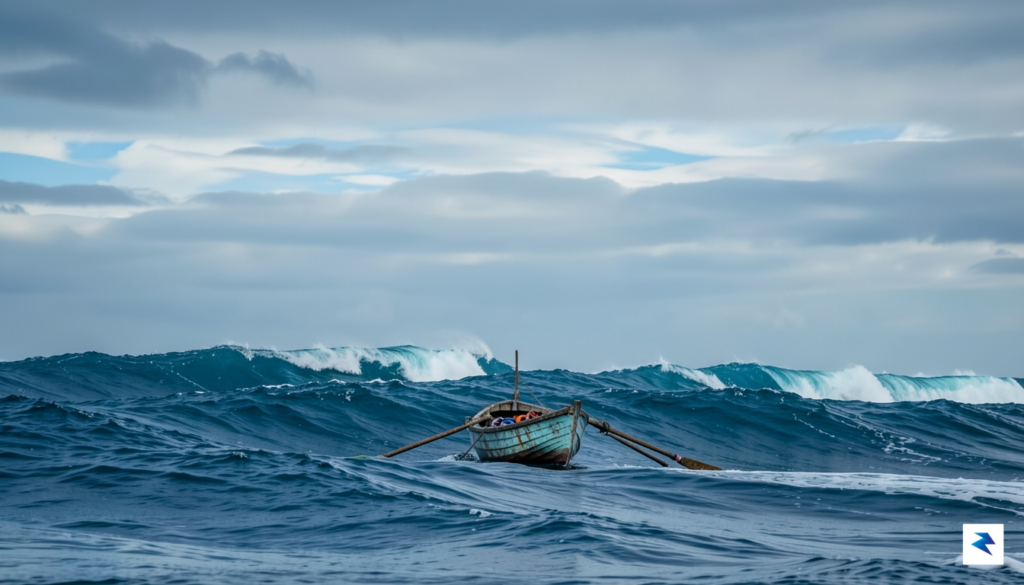
Managing the biological necessity of sleep becomes a complex logistical hurdle when one is solely responsible for the navigation and stability of the craft. To maintain progress, rowers typically adopt a fractured sleep schedule, catching micro-naps that last only ninety minutes at a time. This chronic sleep deprivation acts as a psychological corrosive, dulling cognitive function and magnifying the intensity of every minor technical failure. The body eventually acclimates to this polyphasic routine, yet the mental sharpness required to read weather patterns and manage equipment remains a constant, exhausting demand that leaves little room for error.
The vast, indifferent horizon offers no company, turning the silence of the open ocean into a mirror that reflects the rower’s deepest internal dialogues.
Beyond the physical toll, the psychological landscape of solo oceanic travel is defined by an absolute, suffocating isolation. Without a crew to share the burden or a voice to break the silence, the mind becomes the rower’s greatest ally and most dangerous adversary. Maintaining focus requires an ironclad mindset, often sustained by rigid daily rituals—meticulously organizing supplies, cleaning the cabin, and tracking precise coordinates—which provide a vital sense of structure in a chaotic environment. When the horizon remains unchanged for days on end, rowers must rely on complex internal strategies, such as breaking the journey into incremental, manageable milestones or practicing mindfulness to stay tethered to the present moment. Ultimately, the success of such an expedition hinges on the ability to transform profound loneliness into a meditative state, turning the vast expanse of the Pacific into a sanctuary of singular purpose rather than a source of despair.
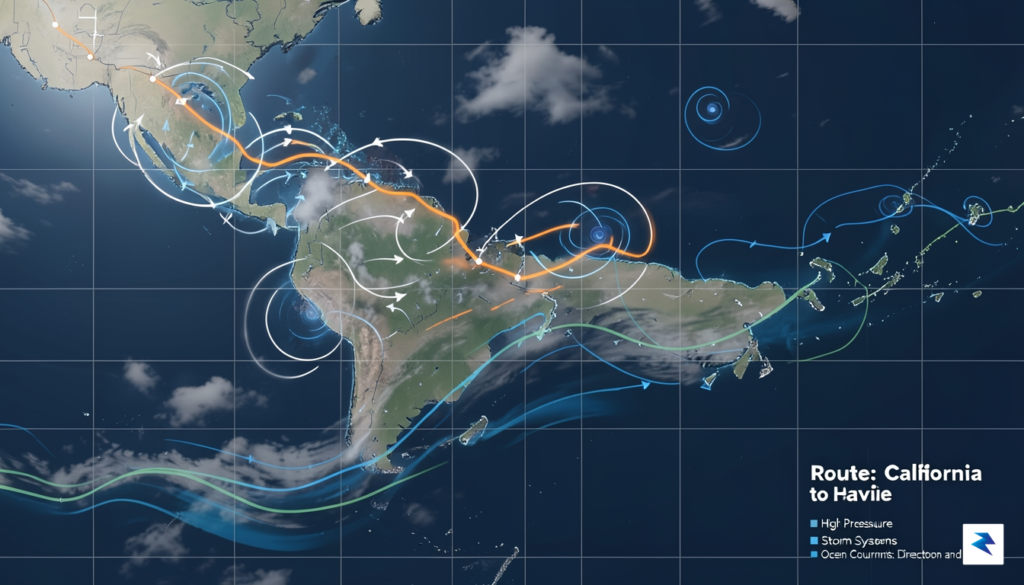
Navigating the vast expanse of the Pacific Ocean in a small, solo rowing boat is an undertaking that demands far more than simply pointing west and hoping for the best. This epic journey from California to Hawaii stretches across thousands of miles of unpredictable waters, making precise navigation and astute environmental awareness paramount for survival and success. The dynamic nature of the open ocean means a rower must constantly adapt to ever-shifting weather patterns, powerful currents, and unforeseen hazards that lie beneath the surface, transforming the voyage into a continuous, high-stakes chess match against nature itself.
At the heart of modern ocean navigation, even for a solo rower, is sophisticated GPS technology. A robust satellite navigation system provides real-time positioning, allowing the rower to plot their course with remarkable accuracy, track their progress, and make micro-adjustments to stay on an optimal trajectory. However, relying solely on one system would be foolhardy; multiple redundant GPS units, often supplemented by backup mapping software and traditional celestial navigation skills as a last resort, ensure that the rower can always pinpoint their location, even if primary electronics fail. This technological backbone is crucial for maintaining a precise heading across the immense and featureless ocean.
The Pacific is notorious for its capacity to brew formidable weather systems, and for a solo rower, every storm represents an existential threat. High winds can quickly whip up monstrous waves, transforming a calm sea into a tumultuous battleground where the tiny boat is tossed relentlessly. Beyond predictable storms, the terrifying phenomenon of rogue waves poses a unique danger; these exceptionally large, unpredictable waves can appear seemingly out of nowhere, capable of capsizing or severely damaging even well-prepared vessels. Managing these extreme conditions requires immense skill and mental resilience, often forcing the rower to deploy a sea anchor and hunker down, effectively pausing their progress for days.
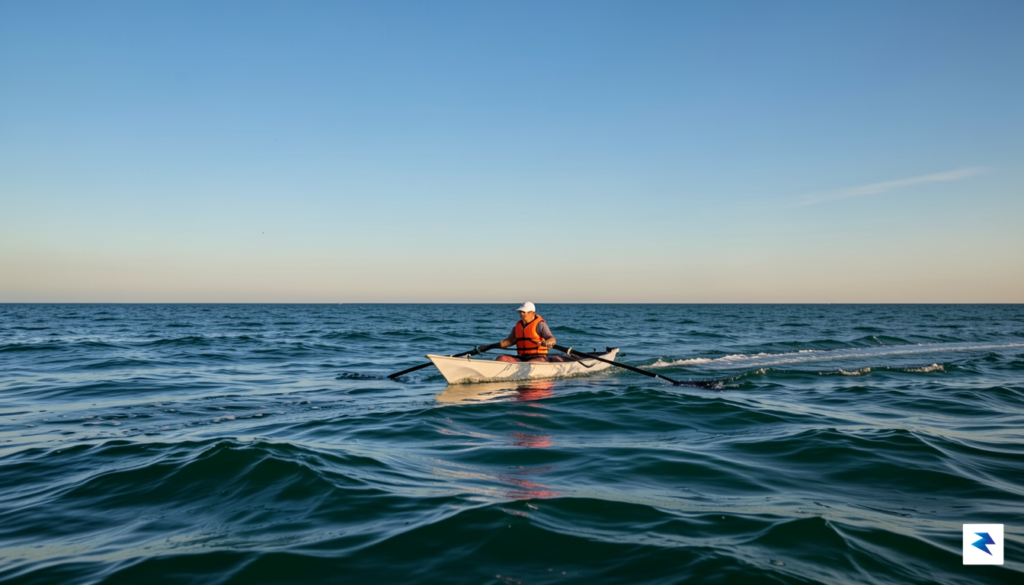
To mitigate these meteorological threats, sophisticated weather routing plays an indispensable role. Regular satellite-based communication allows the rower to receive detailed weather forecasts and ocean current data from a shore-based support team. This information enables them to make strategic decisions, such as altering course to avoid the worst of an approaching storm or deliberately catching a favorable current to boost speed and conserve energy. This constant dialogue with the elements, making real-time adjustments based on predicted conditions, is a delicate balance between pushing forward and prioritizing safety, ensuring the boat and rower remain intact through the journey’s harshest tests.
The sheer isolation of a solo ocean crossing means that any emergency, from equipment failure to a medical incident, must be managed entirely alone, thousands of miles from immediate help. This demands meticulous preparation and a comprehensive set of emergency protocols. The rower carries an array of survival gear, including satellite phones for critical communication, an Emergency Position Indicating Radio Beacon (EPIRB) to signal for rescue, and a fully stocked first-aid kit. Beyond the physical tools, the mental fortitude to remain calm, problem-solve under extreme pressure, and execute emergency procedures flawlessly is perhaps the most critical survival skill of all, underpinning the entire endeavor.
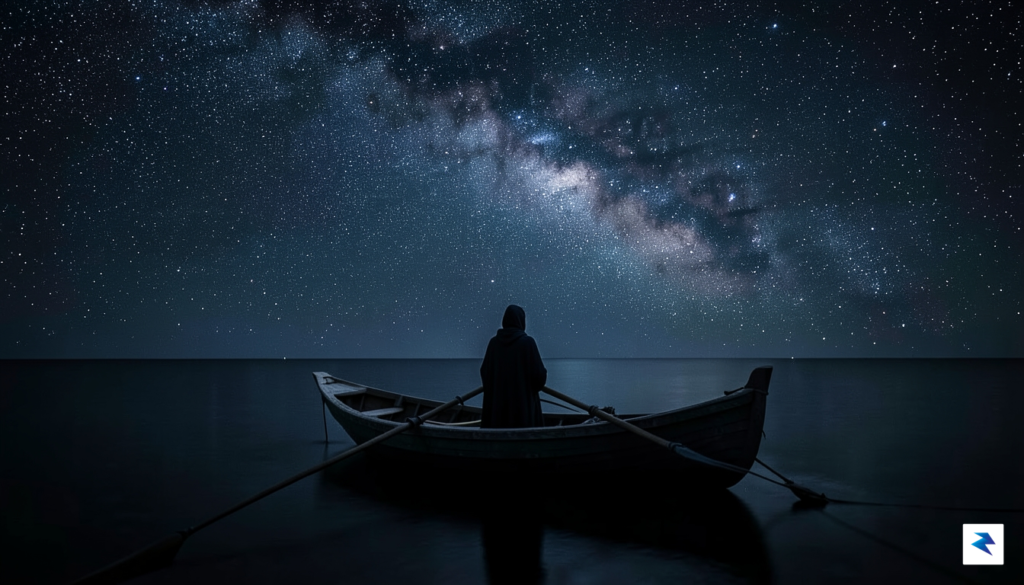
The impulse to cross thousands of miles of open water in a small rowing vessel is often dismissed as a mere test of physical endurance, yet it represents something far more profound within the human psyche. By stripping away the comforts of modern life and leaving behind the constant connectivity of the digital age, solo voyagers engage in a raw, primal dialogue with the natural world. This pursuit of the horizon is an ancient tradition, echoing the early navigators who mapped the globe by starlight and current, yet it remains relevant today as a way to measure the boundaries of our own willpower. When an individual confronts the vast, unpredictable Pacific, they are not just traversing a geographic distance; they are exploring the internal landscape of resilience, proving that the human spirit can withstand conditions that seem insurmountable on paper.
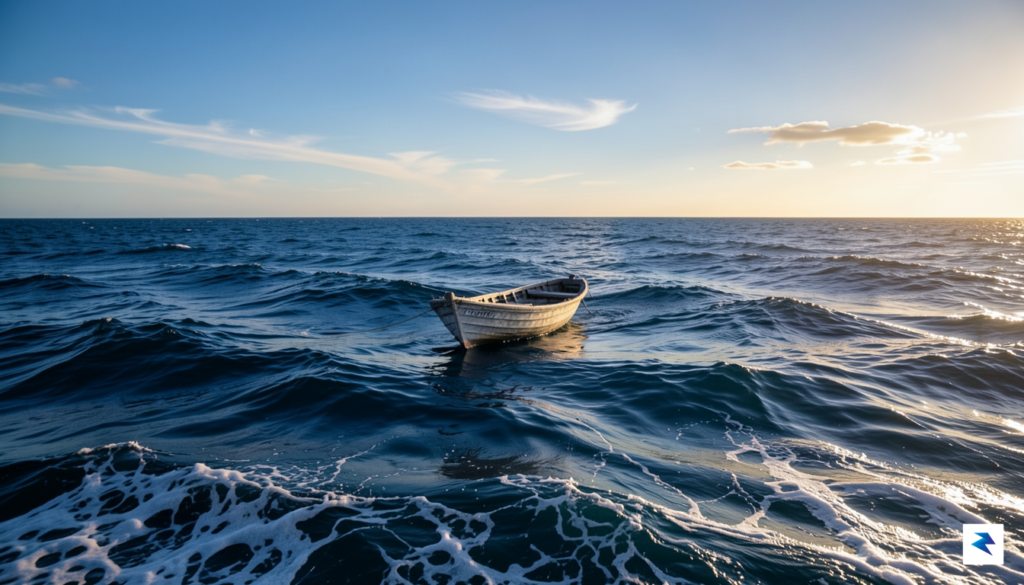
These solo feats serve as a living laboratory for understanding the limits of human biology and mental fortitude. Every stroke taken in isolation contributes to a broader collective knowledge regarding how we handle extreme fatigue, sensory deprivation, and the psychological weight of total solitude. While the scientific community benefits from the data gathered during such expeditions, the public gains something even more intangible: a renewed perspective on our relationship with the planet. In a world increasingly defined by sedentary living and climate instability, watching someone rely solely on their own muscle power to cross an ocean forces us to confront our environmental impact and the fragility of the marine ecosystems that these rowers witness firsthand.
“The ocean does not care about your ego or your schedule; it only responds to your preparation and your presence. In that surrender, you find a clarity that is impossible to replicate on land.”
Ultimately, the significance of rowing from California to Hawaii lies in its power to shift our societal narrative. We often view the ocean as an obstacle to be conquered by massive ships or bypassed by air travel, but these voyages remind us that the sea is a living, breathing entity that demands respect. By documenting the plastic pollution, shifting currents, and changing wildlife patterns observed during these journeys, solo rowers act as silent ambassadors for the deep blue. Their courage inspires a generation to value exploration not as a means of exploitation, but as a commitment to stewardship. When one person dares to bridge the gap between two continents with nothing but oars and sheer determination, they provide a blueprint for how we might face our own challenges—by breaking them down into small, persistent, and intentional movements forward.
You must be logged in to post a comment.