
Microsoft Project Perception: A New Era for AI-Driven Security
The Evolution of Enterprise AI Security The rapid proliferation of Large Language Models (LLMs) within the modern enterprise has fundamentally…
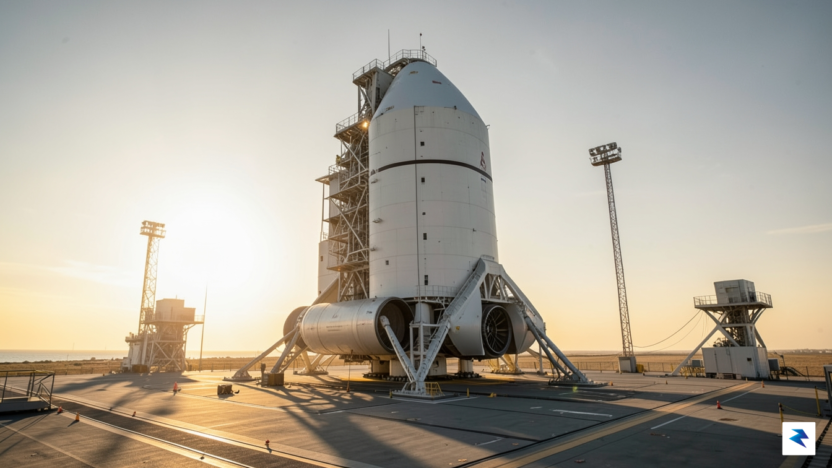
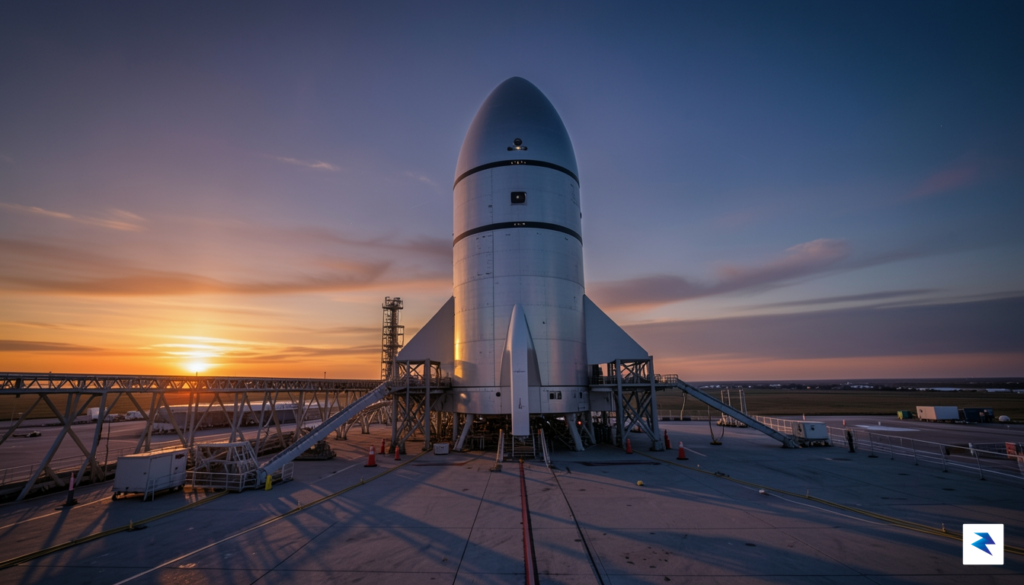
The recent decision to halt the launch of the Starship V3 iteration was not a sign of failure, but rather a testament to the sophisticated safety architecture embedded within SpaceX’s launch software. In the final seconds before liftoff, the vehicle’s automated flight computers detected an engine startup anomaly—a mismatch in the precise pressure or temperature readings required to initiate the Raptor engines. Rather than proceeding blindly, the system triggered an instantaneous “hold,” effectively shutting down the countdown before the rocket could clear the pad. This automatic abort sequence is a critical fail-safe designed to protect the massive infrastructure of the launch site and, more importantly, the invaluable hardware of the Starship vehicle itself, ensuring that any deviation from nominal parameters results in a pause rather than a catastrophe.
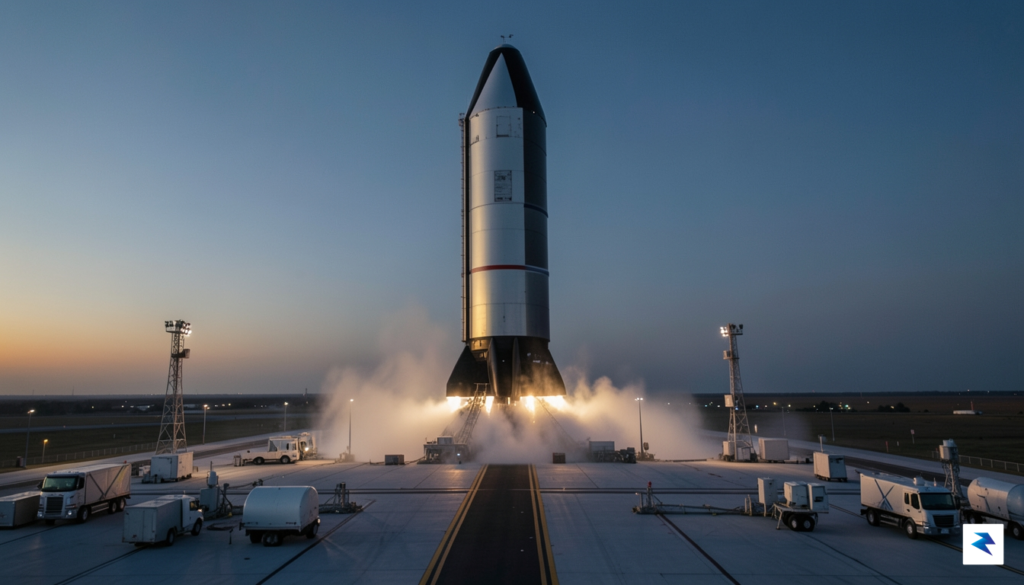
Engine startup sequences are arguably the most violent and complex phases of any rocket launch, involving the rapid transition of propellant from tanks to combustion chambers at extreme pressures. For a new iteration like Starship V3, which incorporates iterative design tweaks and component upgrades, these startup moments are inherently volatile. Even a millisecond of lag in valve timing or a slight pressure fluctuation can trigger a safety abort. While the general public often views these scrubs as delays, aerospace engineers see them as essential data points. By catching these anomalies on the ground, SpaceX can analyze the telemetry logs to identify the exact root cause, refine their software algorithms, or adjust hardware tolerances long before the vehicle is committed to flight.
The core of SpaceX’s engineering philosophy is the “test-fail-fix” cycle, which prioritizes rapid iteration and real-world data over the traditional, slower-paced development cycles typical of legacy aerospace programs.
This approach stands in stark contrast to the traditional, highly conservative development cycles favored by agencies like NASA in decades past, where extensive ground testing aimed to eliminate every possible variable before the first launch attempt. While the traditional model seeks to minimize risk through exhaustive simulation and theoretical perfection, the SpaceX model accepts that real-world flight hardware behaves in ways that simulations often fail to predict. By embracing these “scrubs” as a natural part of the development process, SpaceX accelerates its learning curve. Each aborted launch provides a treasure trove of diagnostic information that would be impossible to gather in a static test stand environment, ultimately leading to a more robust and reliable vehicle that is ready to perform safely when it finally does clear the tower.
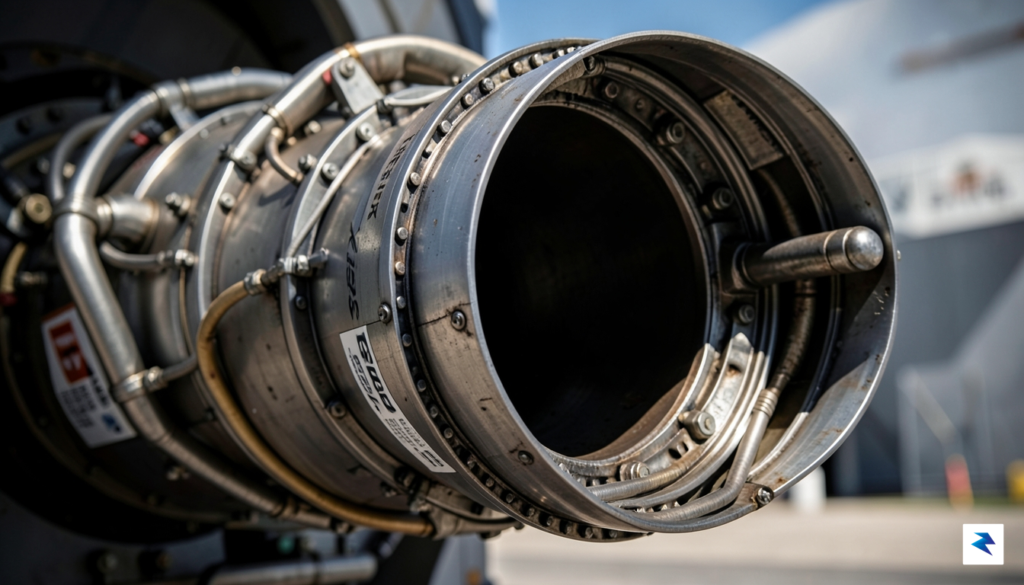
At the heart of Starship’s immense power lies the Raptor engine, a masterpiece of propulsion technology that utilizes a complex full-flow staged combustion cycle. Unlike traditional engines that burn a fraction of their fuel to drive turbopumps, the Raptor pushes all fuel and oxidizer through two separate pre-burners, driving both the fuel and oxygen pumps with extreme efficiency. This process creates an incredibly high-pressure environment where liquid methane and liquid oxygen must be balanced with mathematical precision. Because the entire system operates at the bleeding edge of thermodynamics, the startup sequence becomes a high-stakes performance where every millisecond of pressure ramp-up must be perfectly synchronized across all 33 engines.
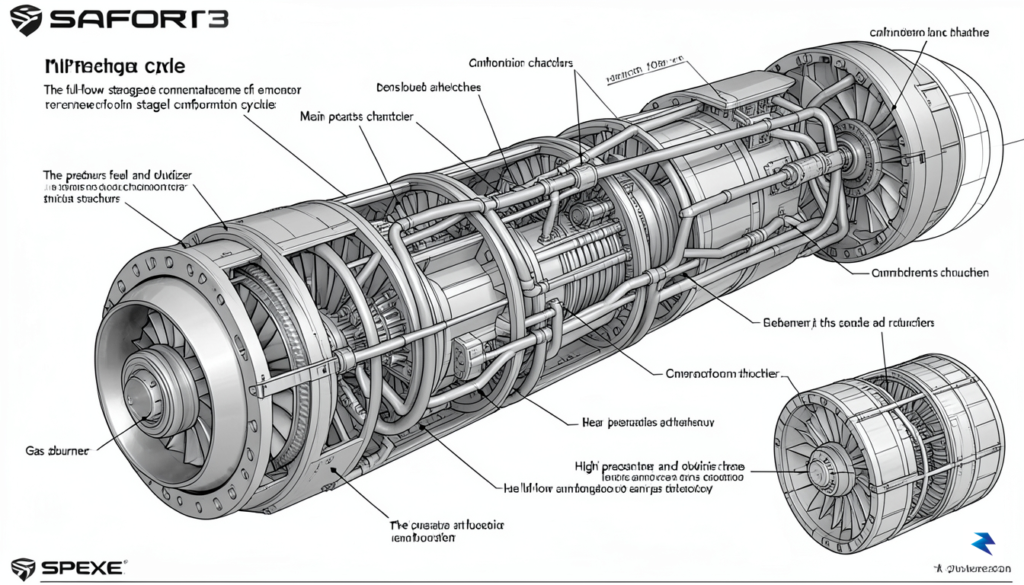
Managing cryogenic propellants adds another layer of profound difficulty to this orchestration. Both the liquid methane and liquid oxygen are stored at temperatures far below their boiling points, requiring the engine plumbing to be “chilled down” to prevent thermal shock and catastrophic pressure spikes during ignition. If the internal temperatures are even slightly off, or if the flow rate of the propellants into the combustion chamber is mistimed, the result can be a “hard start”—a violent ignition that can destroy the engine from the inside out. Achieving this thermal equilibrium across a sprawling array of massive engines, all while keeping the propellant feed lines pressurized and stable, is arguably the most demanding task in modern aerospace engineering.
The margin for error during engine startup is effectively zero; the flight computer must orchestrate the ignition of 33 independent powerplants in a perfectly timed sequence that lasts only a few seconds.
The integration between software and hardware is what ultimately determines whether a launch proceeds or hits a hold. SpaceX relies on a sophisticated “health check” loop that monitors thousands of sensors simultaneously. Before the engines reach full thrust, the software must verify that every pump is spinning at the correct velocity and that every valve is positioned to the micro-millimeter. If the software detects even a slight deviation in the expected pressure curve or a failure to ignite within a specific temporal window, it immediately triggers an abort. While it is frustrating to witness a launch scrubbed on the pad, this failure to start is actually a triumph of safety engineering.
By forcing an abort, the system prevents a potentially catastrophic malfunction from occurring while the vehicle is already off the ground. In the context of Starship’s development, identifying these startup anomalies is essential, as it allows engineers to refine the ignition timing and sensor thresholds. These “good” failures provide the telemetry necessary to ensure that when the countdown finally reaches zero, all 33 Raptors can roar to life in unison, pushing the massive stack toward orbit with total reliability.

While the immediate focus often lands on the dramatic visuals of a scrubbed launch, the implications of a Starship setback extend far beyond the launchpad at Starbase. Starship is not merely a prototype for interplanetary travel; it is the cornerstone of SpaceX’s long-term business strategy, specifically regarding the scaling of the Starlink constellation. The current iteration of Starlink, particularly the advanced V2 Mini satellites, possesses a mass and volume that pushes the physical limits of the Falcon 9 launch vehicle. Consequently, the rapid deployment of these next-generation satellites is tethered to the successful operationalization of Starship, which offers the massive payload capacity required to put hundreds of satellites into orbit in a single mission.
The economic pressure surrounding SpaceX’s “launch cadence” is immense, as the company operates under the assumption that Starship will eventually lower the cost-per-kilogram to orbit to unprecedented levels. Every aborted launch or technical delay creates a tangible bottleneck for the Starlink network, which relies on a constant stream of new hardware to improve global coverage, reduce latency, and replace aging units in the constellation. When Starship remains grounded, SpaceX is forced to continue relying on the workhorse Falcon 9, which, while remarkably reliable, lacks the sheer volume to facilitate the rapid expansion required to meet ambitious subscriber growth targets and provide high-speed internet to the most remote corners of the globe.
The success of the Starlink mission is inextricably linked to the flight readiness of Starship. Without the massive capacity of the next-generation vehicle, the company’s ability to scale the network to meet global demand remains significantly constrained.
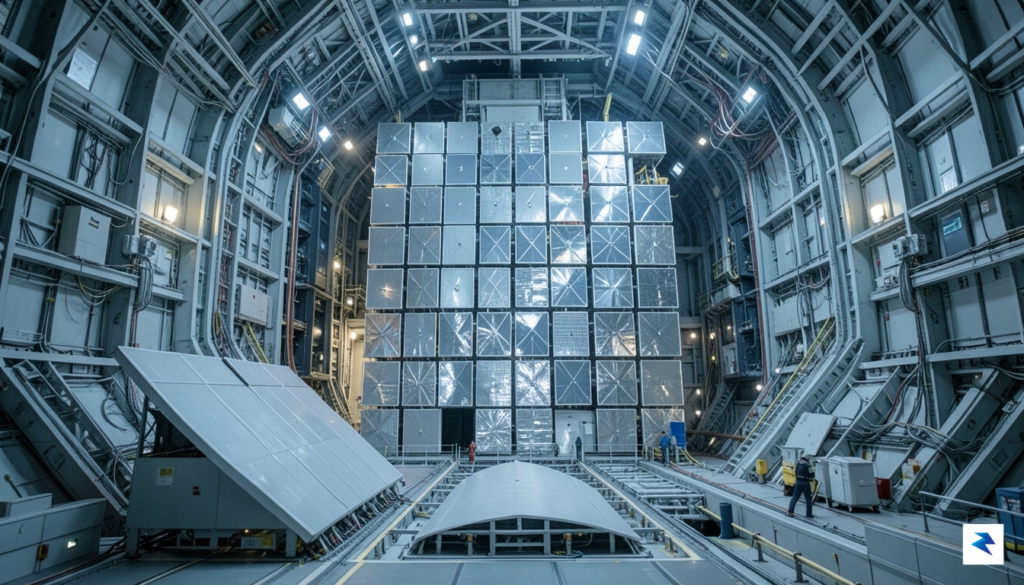
Furthermore, relying on a single, experimental vehicle for critical infrastructure expansion introduces significant systemic risk. Because Starlink has become a vital utility for both commercial users and government entities, any delay in the Starship development timeline ripples through the entire company’s financial outlook. If SpaceX cannot reach the necessary orbital density with the V2 satellites, they risk stagnation in service quality precisely when competition in the satellite internet market is intensifying. Ultimately, the development of Starship is a high-stakes balancing act; the company must push the boundaries of aerospace engineering to achieve its future goals, while simultaneously managing the expectations of a global user base that depends on the network for daily connectivity.
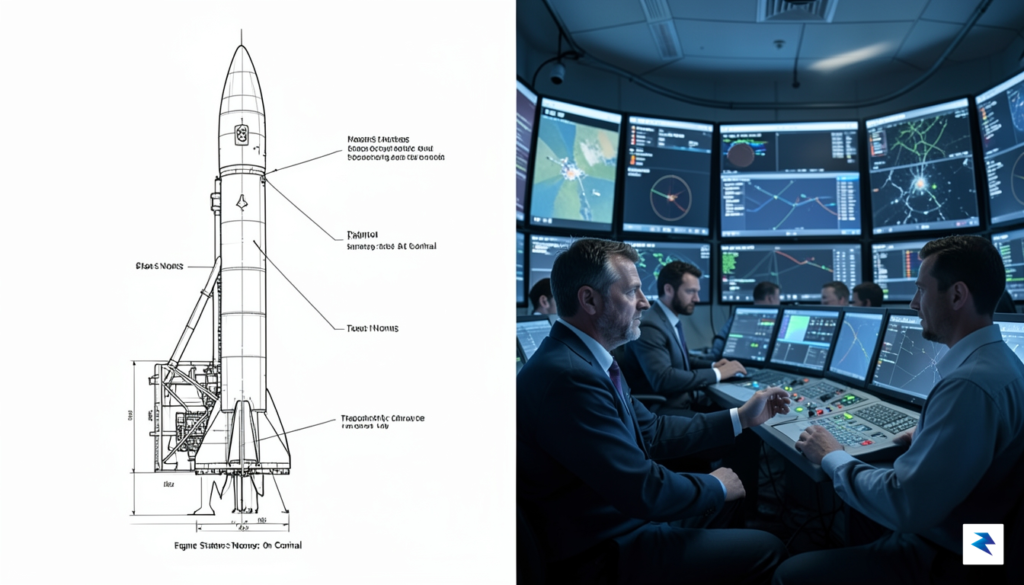
The core of the SpaceX philosophy—often referred to as iterative development—represents a fundamental departure from the traditional aerospace approach, which typically favors years of meticulous ground testing and exhaustive simulation before a vehicle ever clears the pad. By adopting a “fail-fast, learn-faster” mentality, SpaceX has managed to accelerate the timeline of rocket development by orders of magnitude. However, as the Starship program transitions from experimental flight testing to the high-stakes reality of commercial and crewed missions, this rapid-fire development cycle faces a mounting paradox. Every aborted ignition sequence or mid-flight anomaly serves as a valuable data point for engineers, yet each failure also chips away at the perceived reliability that government agencies and private stakeholders demand for the next generation of space exploration.
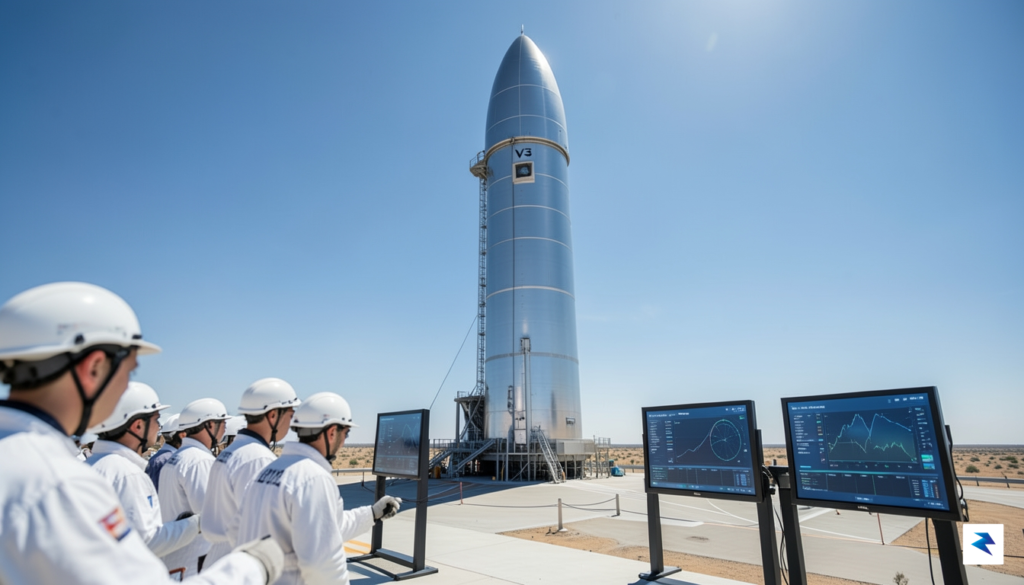
Transitioning from a sandbox environment, where the primary objective is to gather flight data, to an operational status where reliability is non-negotiable is perhaps the most difficult hurdle in aerospace engineering. When a rocket is considered “experimental,” the industry—and the public—tends to be forgiving of technical glitches. Yet, once Starship begins carrying expensive satellites or human passengers, the tolerance for error drops to near zero. Investors and commercial partners often find themselves caught in this tension; they are drawn to the immense cost-reduction potential of the SpaceX model, but they are simultaneously wary of the volatility inherent in such aggressive testing schedules. This requires a delicate calibration of expectations, where stakeholders must accept that the very innovations driving down launch costs are the same ones currently necessitating these frequent, public-facing aborted launches.
The challenge for SpaceX is to evolve their engineering culture from one that embraces rapid, intentional failure to one that guarantees consistent, mission-critical success without losing the momentum that defines their competitive advantage.
Regulatory scrutiny also adds another layer of complexity to this already strained environment. Frequent launch attempts, even those that end in an abort, require extensive coordination with the Federal Aviation Administration (FAA) and environmental agencies to ensure public safety. Because each launch is essentially an experiment, regulators must constantly evaluate whether the test parameters remain within the bounds of public safety, leading to a bottleneck where the speed of innovation is checked by the speed of bureaucracy. Finding the sweet spot between rapid iterative development and the rigorous, slow-moving requirements of aerospace certification will ultimately define whether Starship becomes the workhorse of the new space economy or remains a perpetual work-in-progress.
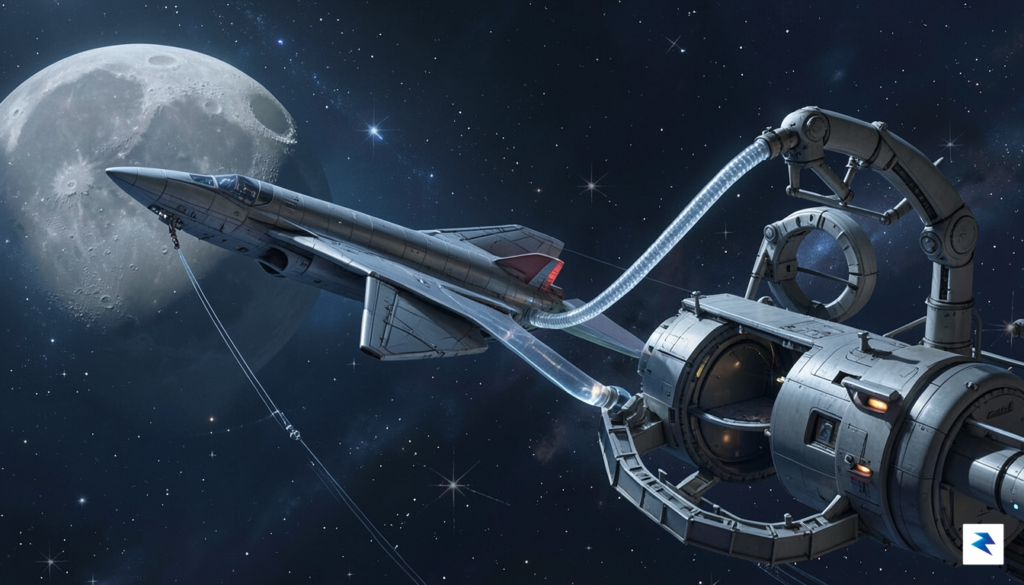
While an aborted launch sequence can feel like a setback in the immediate term, it represents a standard, albeit high-stakes, phase in the rapid iterative development cycle that defines modern aerospace engineering. SpaceX’s ambition to establish a permanent human presence on Mars hinges entirely on the success of the Starship program, which remains the only vehicle designed with the scale, reusability, and payload capacity necessary to make multi-planetary logistics economically viable. Every technical hiccup, from ignition failures to guidance anomalies, serves as a data-rich lesson that refines the system’s flight-readiness. By prioritizing these rigorous safety protocols—even when it means scrubbing a launch at the final second—SpaceX is ensuring that when Starship finally does achieve its full orbital potential, it will be a platform capable of sustained, reliable interplanetary transit.
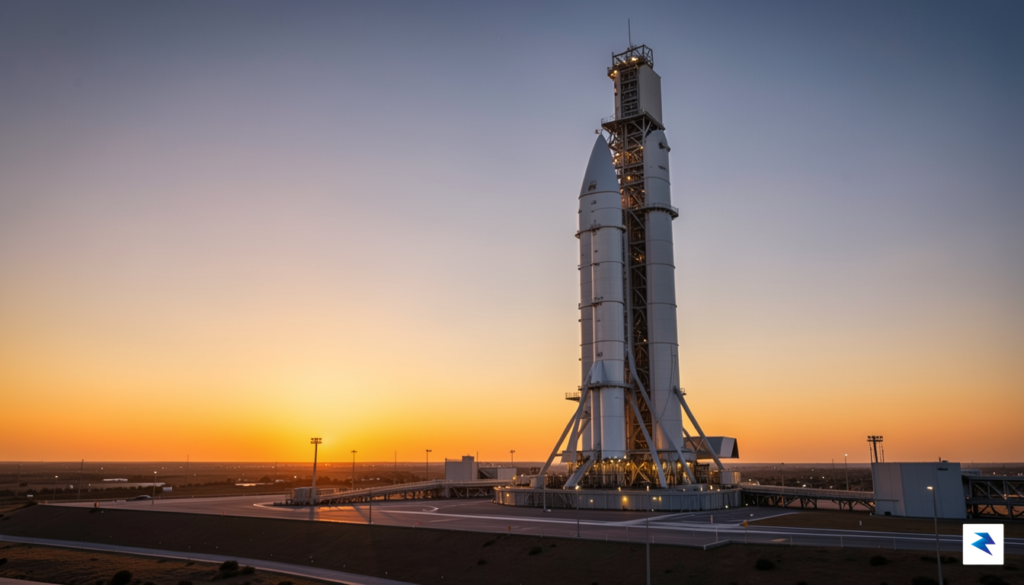
The global race to reach the stars is no longer a singular pursuit; it has evolved into a competitive landscape where heavy-lift capabilities determine the geopolitical and commercial winners of the next century. NASA’s Space Launch System (SLS) continues to serve as the backbone for the Artemis moon missions, providing a proven, albeit traditional, architecture for deep-space exploration. Meanwhile, Blue Origin’s New Glenn is rapidly maturing, promising to introduce a new tier of heavy-lift competition that will force the entire industry to optimize costs and launch cadence. This convergence of heavy-lift vehicles creates a robust ecosystem where innovation is no longer driven by a single entity, but by a marketplace that demands efficiency, reliability, and frequency. Starship’s unique position as a fully reusable, massive-scale transporter makes it the outlier in this race, potentially rendering current expenditure models for space cargo obsolete.
The true measure of progress in aerospace is not the absence of failure, but the speed at which a program can learn from it, adapt, and return to the pad with a more resilient architecture.
Ultimately, these early-stage technical hurdles are the necessary tuition for humanity’s leap toward the stars. The history of spaceflight is littered with initial failures that eventually paved the way for monumental successes, and Starship is following a similar, albeit accelerated, trajectory. By embracing a “fail fast, learn faster” philosophy, SpaceX is effectively shrinking the timeline for what was once considered science fiction. As engineers analyze the telemetry from this latest engine abort, they are not just fixing a specific valve or software glitch; they are building the institutional memory required to eventually carry hundreds of tons of cargo—and eventually human explorers—to the surface of Mars. The road to the Red Planet is inherently difficult, but every scrubbed launch brings the industry one step closer to making the orbital architecture of the future a tangible reality.
You must be logged in to post a comment.