
How to Identify Your USB-C Cables Using Your Mac
The USB-C Mystery: Why Your Cables Aren't Created Equal The sleek, reversible design of the USB-C connector has become ubiquitous,…

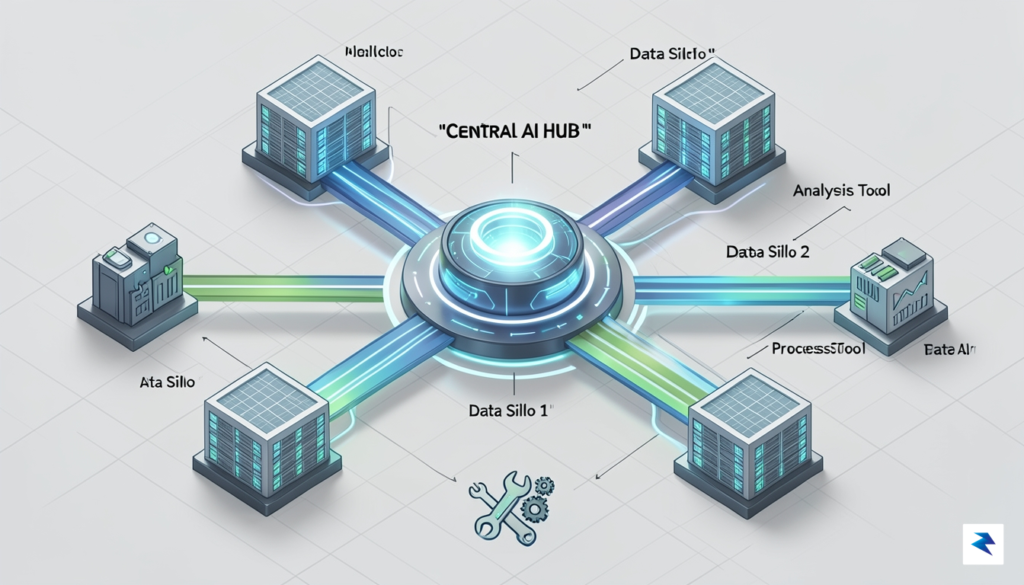
The Model Context Protocol, or MCP, has rapidly emerged as a pivotal, open-source standard designed to revolutionize the way artificial intelligence models interact with their surrounding digital environment. At its core, MCP provides a unified and standardized language, enabling AI systems to seamlessly communicate with external data sources, specialized tools, and even other AI models. This innovative protocol addresses a fundamental challenge in the burgeoning AI ecosystem: ensuring that intelligent agents can retrieve, process, and act upon information from diverse sources without requiring cumbersome, bespoke integrations for every single interaction. Essentially, MCP acts as a universal translator and dispatcher, streamlining the flow of contextual information that powers sophisticated AI applications and fosters true interoperability.
Prior to the widespread adoption of MCP, the landscape of AI integration was fragmented and often inefficient. Developers frequently encountered a labyrinth of custom APIs, proprietary data formats, and unique authentication mechanisms when attempting to connect an AI model to an external database, a real-time data stream, or a specialized third-party service. This necessitated the creation of “one-off” connectors for each specific interaction, leading to significant development overhead, increased maintenance burdens, and a notable lack of scalability. Such bespoke solutions often created isolated “silos” of functionality, hindering the holistic development of AI applications and making it exceedingly difficult for models to truly leverage the full spectrum of available digital resources.
MCP fundamentally transforms this paradigm by establishing a common framework for AI-tool communication, offering profound benefits for developers and the broader AI community. By providing a standardized protocol, MCP significantly reduces the complexity and time involved in integrating AI models with external systems, fostering greater modularity in AI application design. Developers can now build AI components that are inherently interoperable, knowing they can plug into a vast ecosystem of tools and data sources that speak the same language. This not only accelerates development cycles and lowers operational costs but also unlocks unprecedented potential for creating more robust, scalable, and adaptable AI solutions that can dynamically utilize diverse external capabilities as needed.
While the enhanced connectivity and interoperability offered by MCP are undeniably transformative, this very strength introduces a crucial new dimension of security considerations that cannot be overlooked. As AI models become more deeply intertwined with external data streams and tools through a standardized, open protocol, the potential attack surface inherently expands. A unified communication layer, if not rigorously secured, could become a single point of failure or a vector for widespread compromise, impacting the integrity, confidentiality, and availability of data and AI operations across an entire ecosystem. Therefore, designing and implementing robust security measures is not merely an optional add-on for MCP deployments; it must be a foundational component, ensuring that the protocol’s immense power is harnessed safely and responsibly.

The rapid adoption of the Model Context Protocol (MCP) marks a pivotal shift in how AI agents interact with enterprise data, yet this transition fundamentally reconfigures the organizational attack surface. Historically, API security focused on protecting endpoints through authentication, rate limiting, and input validation to prevent unauthorized data access. In contrast, the integration of MCP introduces a dynamic, agent-centric architecture where the primary risk is no longer just unauthorized access, but rather the manipulation of the agent’s decision-making process itself. By standardizing the way LLMs connect to local and remote tools, we are creating a universal language for agents—a convenience that unfortunately provides attackers with highly predictable patterns for exploitation.
When transitioning from traditional API security to AI-native protocol security, the most alarming vulnerability is the rise of LLM context injection. Unlike standard SQL injection, which targets a database, context injection targets the agent’s reasoning layer. An attacker can craft malicious prompts or manipulate data sources connected via MCP to deceive the agent into performing unintended actions, such as exfiltrating sensitive documentation or bypassing organizational policies. Because the agent views this injected data as a legitimate part of its operational context, it may inadvertently execute instructions that violate security boundaries, turning a tool meant for productivity into an unwitting accomplice for data leakage.
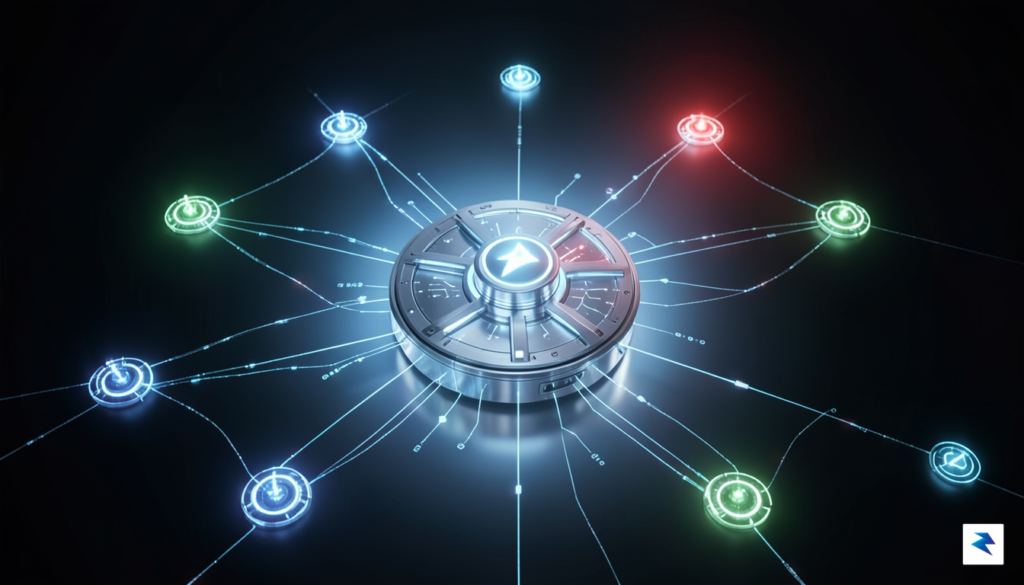
A critical component of this expanded attack surface is the pervasive issue of over-privileged agents. In the rush to empower AI systems, developers often grant them broad, persistent access to internal file systems, databases, and communication channels without implementing a strict principle of least privilege. When an agent is connected via MCP, it inherits these expansive permissions, meaning a successful compromise of the agent’s context can result in catastrophic lateral movement across the network. If an agent has the authority to read, write, and execute scripts in a sensitive environment, an attacker who successfully injects a prompt can effectively control that environment with the agent’s identity, making the threat significantly more difficult to detect than traditional account takeovers.
“Standardization is a double-edged sword: while it accelerates AI integration, it also provides attackers with a consistent, repeatable blueprint for probing agent vulnerabilities across different enterprise environments.”
Ultimately, the move toward standardized protocols necessitates a more sophisticated defense posture that moves beyond simple perimeter security. Security teams must now implement rigorous monitoring of agent behavior, ensuring that every action taken by an MCP-enabled agent is verified against a set of predefined intent constraints. By acknowledging that standardized protocols create predictable exploitation paths, organizations can better prepare for the reality that their AI agents are now high-value targets requiring persistent oversight and granular permission controls. Proactive defense in this new era requires treating the AI’s context with the same level of security rigor typically reserved for the application’s codebase.

The core promise of the Model Context Protocol (MCP) is the seamless integration of AI models with enterprise systems, yet this very utility introduces significant surface area for malicious actors. When developers deploy MCP servers, they effectively grant a bridge between an AI agent and sensitive backend infrastructure. If these servers are implemented without rigorous input validation or secure communication protocols, they can become conduits for unauthorized data exfiltration. An insecure implementation often fails to sanitize the requests passing through the protocol, allowing an attacker to craft specialized queries that bypass internal filters and extract data that the AI was never intended to access, turning a helpful automation tool into a liability.
One of the most persistent threats within these deployments is prompt injection via integrated data sources. Because MCP allows models to ingest live data from files, databases, and APIs, an attacker could potentially plant malicious instructions within a document or a database entry that the AI is scheduled to process. When the model reads this “poisoned” data, the instructions contained within the text can override the system’s core configuration, effectively tricking the AI into performing unauthorized actions, such as leaking API keys or modifying sensitive records. This creates a scenario where the data itself becomes the attack vector, making traditional firewall-based defenses largely ineffective against such context-aware threats.

Furthermore, authorization flaws often plague early-stage MCP implementations, particularly when developers fail to enforce the principle of least privilege. In a complex enterprise environment, an AI agent might be granted broad access to a toolset, but without strictly scoped authorization, it may inadvertently traverse beyond its intended operational boundaries. If the MCP server does not verify the identity and specific permissions of the requesting agent for every single tool call, an attacker who gains control of the AI’s prompt interface could command it to execute functions—such as deleting files, changing user permissions, or initiating external network requests—that the AI was never authorized to perform.
The security of an MCP-powered system is only as strong as its weakest authorization check; if an AI can see it, the AI can potentially be manipulated into revealing it.
Beyond direct access, we must consider the risk of “context poisoning,” a sophisticated technique where an attacker manipulates the information provided to the AI to skew its decision-making process. By providing the model with misleading or contradictory context during its interaction with an MCP server, an adversary can influence the model to prioritize malicious directives over standard safety protocols. For example, if a model relies on a local database for status updates, an attacker could inject fraudulent status reports into that database, causing the AI to halt critical workflows or authorize illegitimate transactions. Safeguarding against these vulnerabilities requires a multi-layered approach, emphasizing strict input sanitization, granular access control, and constant monitoring of the interaction logs between the AI agent and the underlying MCP server infrastructure.
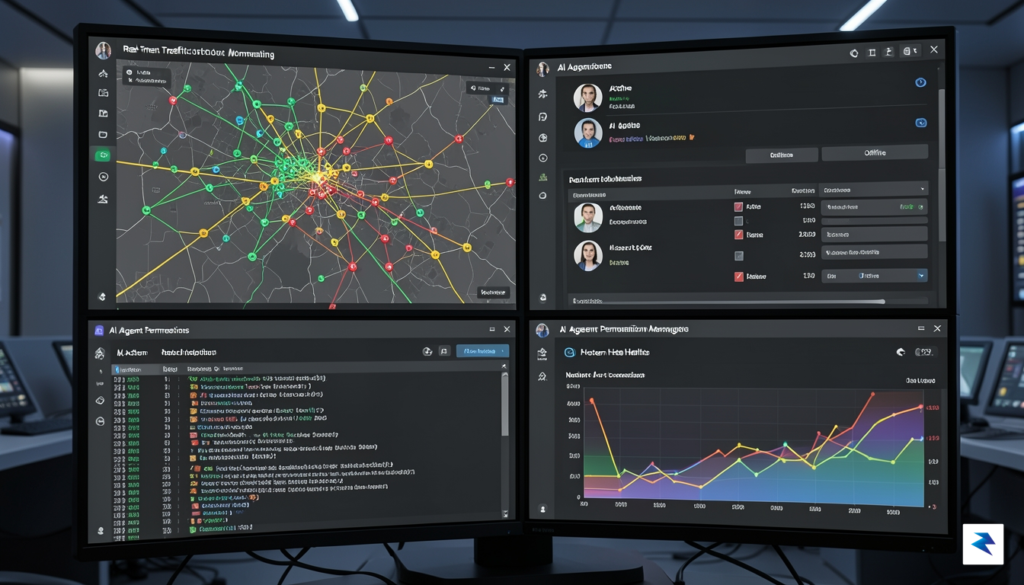
The rapid proliferation of Massive Computational Power (MCP) systems is fundamentally reshaping how organizations operate, offering unprecedented opportunities for innovation and efficiency. However, this transformative capability also introduces complex security challenges that demand proactive and integrated strategies. Security in the era of MCP cannot be an afterthought; it must be ingrained into every stage of development and deployment, from initial design to continuous operation. By rigorously implementing robust authentication mechanisms, establishing strict access controls, and maintaining vigilant, continuous monitoring, organizations can confidently leverage the full spectrum of AI capabilities without compromising their critical data integrity or operational resilience.
A foundational principle for securing any advanced system, and especially MCP servers, is the strict enforcement of **least-privilege access**. This means that both human operators and autonomous AI agents should only be granted the minimum necessary permissions to perform their specific tasks, and no more. Implementing granular access controls helps significantly limit the “blast radius” in the event of a compromise, preventing an attacker or a rogue AI agent from gaining unrestricted access to sensitive data or critical system functions. This principle extends beyond simple user roles; it necessitates fine-grained permissions for specific APIs, data repositories, and computational resources, often requiring dynamic, context-aware access policies that can adapt to changing operational needs while maintaining security posture.
Crucially, for high-impact decisions or actions orchestrated by MCP-enabled AI agents, integrating **human-in-the-loop (HITL) verification** becomes an indispensable security layer. While AI can process vast amounts of data and identify patterns far beyond human capacity, certain operations carry such significant consequences—such as modifying core system configurations, initiating large-scale data purges, or making critical financial transactions—that they warrant explicit human review and approval. Establishing clear thresholds and configurable workflows for these high-stakes scenarios ensures that human oversight can prevent unintended outcomes, malicious exploits, or errors stemming from AI model biases or misinterpretations. This collaborative approach between human and machine intelligence fortifies the system against catastrophic failures and maintains accountability.
Beyond access controls, ensuring the integrity and provenance of data context flowing into and out of MCP systems is paramount. Implementing **cryptographic signing of data context** provides an immutable audit trail and verifiable authenticity for the information that AI agents process and act upon. By digitally signing datasets, prompts, or even intermediate computational states, organizations can detect any unauthorized tampering or manipulation, assuring that the AI is operating on trusted, unaltered information. This technique, often leveraging digital certificates or ledger-based approaches, builds a chain of trust that is critical for applications where data integrity directly impacts decision-making, regulatory compliance, or public confidence. It provides a strong cryptographic assurance that the data has not been compromised since it was last signed.
Finally, maintaining comprehensive **logging and audit trails** for all interactions involving AI agents and MCP resources is absolutely non-negotiable. Every action an AI agent performs, every input it receives, every output it generates, and every access attempt—whether successful or not—must be meticulously recorded. These detailed logs are vital for several reasons: they enable forensic analysis in the aftermath of a security incident, provide indispensable data for compliance audits, assist in debugging complex AI behaviors, and are crucial for detecting anomalous activities that might indicate a sophisticated attack or a malfunctioning agent. Centralized, immutable, and easily searchable logging systems are essential to transform raw data into actionable intelligence, ensuring transparency and accountability in the increasingly autonomous world of MCP.
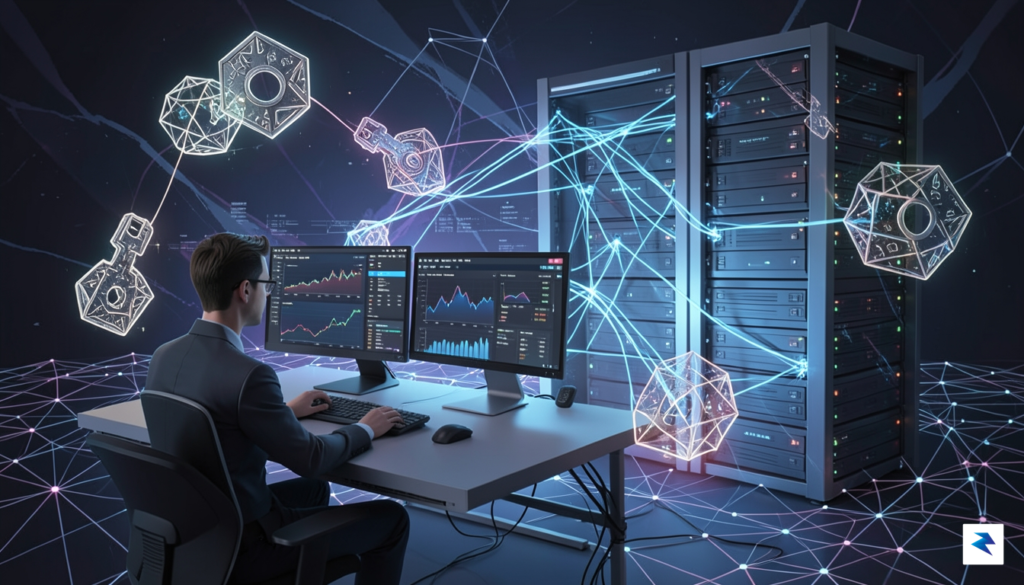

As the Model Context Protocol (MCP) transitions from an experimental framework to a foundational element of enterprise AI infrastructure, the industry must pivot away from a mindset of rapid, “move-fast-and-break-things” deployment toward a rigorous philosophy of security-by-design. The initial phase of any nascent technology naturally prioritizes feature velocity and interoperability, but as these AI agents gain deeper access to sensitive internal data and third-party systems, the margin for error narrows significantly. Developers and architects are now tasked with embedding security protocols into the very fabric of the protocol’s lifecycle, ensuring that authentication, authorization, and data isolation are not merely afterthoughts, but the primary pillars upon which every new MCP server is built.
Moving forward, the development lifecycle must integrate comprehensive threat modeling at the earliest possible stages. By anticipating potential attack vectors—such as prompt injection, unauthorized data exfiltration, or malicious context poisoning—teams can implement robust safeguards before code reaches production environments. This proactive approach requires a fundamental shift in how we perceive AI agents; rather than treating them as passive tools, we must view them as active participants in our ecosystem that require strict least-privilege access controls. By identifying vulnerabilities in the interaction between the LLM and the local environment, developers can create hardened interfaces that limit the blast radius of any potential compromise.

The long-term resilience of the MCP ecosystem will ultimately depend on the strength of its open-source community. Because the protocol is inherently collaborative, security cannot be the burden of a single vendor; instead, it must be a shared responsibility maintained through transparent audits, community-driven patches, and the public disclosure of potential risks. When developers contribute to shared security standards, they help create a “rising tide” effect that lifts the safety profile of every connected agent. Engaging in regular security audits and participating in peer-review processes allows the community to identify edge cases that proprietary systems might miss, fostering an environment of continuous improvement and collective defense.
The true success of the Model Context Protocol will not be measured by the number of connected services, but by the integrity and reliability of the data exchanges occurring within the ecosystem.
Ultimately, the vision for 2026 and beyond is one where secure, interoperable AI agents operate within a transparent and standardized framework that users can trust. By fostering a culture of accountability and rigorous engineering, the community can ensure that MCP becomes the gold standard for secure AI integration. As we continue to refine these protocols, we are not just building tools for today; we are laying the groundwork for a more robust, intelligent, and safe digital infrastructure that empowers users while keeping their most sensitive information shielded from an evolving landscape of threats.
You must be logged in to post a comment.