
Why Bitcoin Slipped Below $60,000: Fed, ETF, and AI Pressures Explained
Understanding the $60,000 Bitcoin Threshold For months, the $60,000 price point served as the bedrock of market confidence, acting as a…
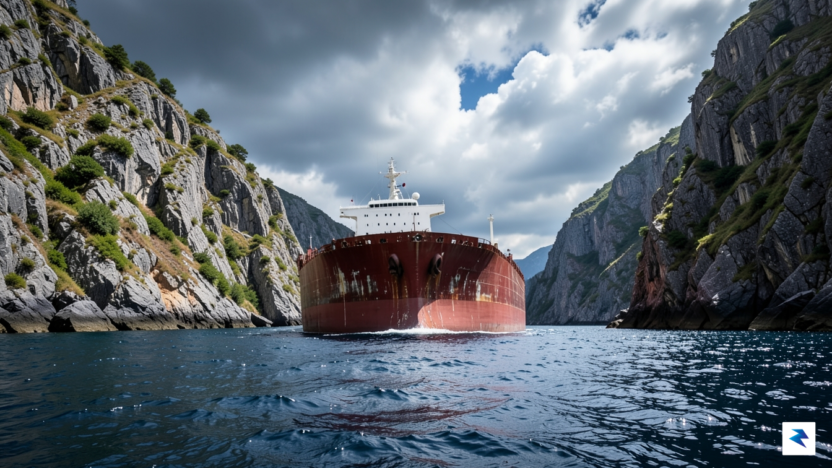
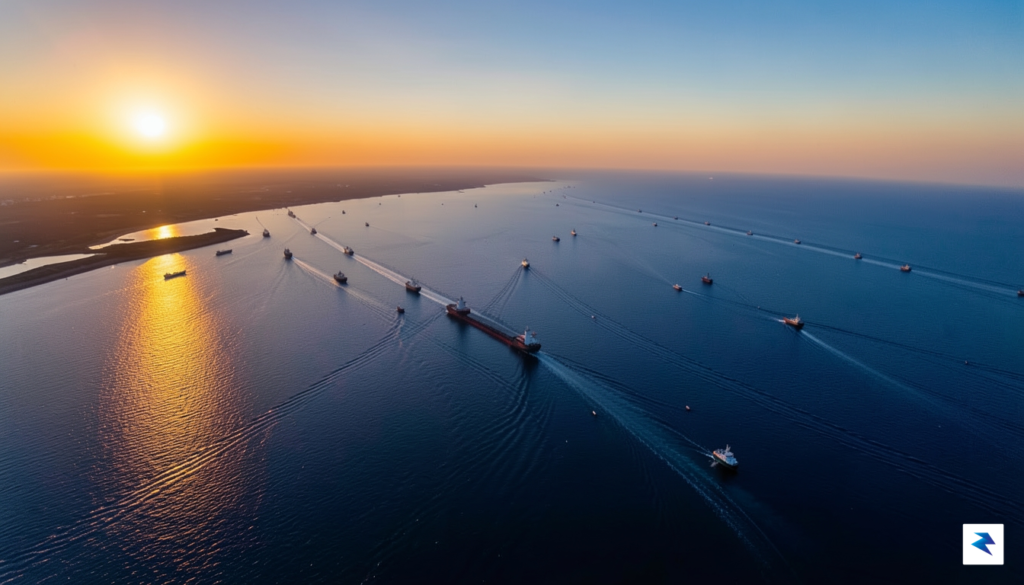
The Strait of Hormuz stands as an indispensable artery, not merely a geographical feature, but the very pulse of global energy supply. This narrow maritime passage, connecting the Persian Gulf to the open waters of the Arabian Sea, facilitates the transit of an astonishing volume of the world’s most vital commodities. Roughly one-fifth of the world’s total oil consumption and a significant portion of its liquefied natural gas (LNG) traverses these waters daily, destined for markets across Asia, Europe, and the Americas. This immense flow underscores its pivotal role in sustaining global economies and meeting the incessant energy demands that power modern civilization.
Geographically, the Strait is a mere 21 miles wide at its narrowest point, flanked by the shores of Iran to the north and Oman’s Musandam Governorate to the south. Despite its apparent breadth, the actual navigable shipping lanes, crucial for the colossal supertankers that ply these routes, are constrained to just two miles in each direction, separated by a two-mile buffer zone. This inherent geographical bottleneck creates an unavoidable vulnerability; a single incident or act of aggression can have outsized consequences, threatening to choke off a lifeline critical to international commerce and stability. The physical constraints make it a natural chokepoint, easily susceptible to disruption.
In recent times, however, this critical maritime corridor has become synonymous with heightened geopolitical tension and significant security risks. What were once standard, predictable transit lanes have been profoundly compromised by a series of incidents, including suspected drone attacks on commercial vessels, the seizure of tankers, and, most alarmingly, the alleged mining of central shipping channels. Such acts introduce an unprecedented layer of risk for commercial shipping, compelling navies and shipping companies alike to undertake a comprehensive re-evaluation of security protocols and contingency plans. The once-assured passage through this vital waterway is now fraught with uncertainty, forcing a total reassessment of how global energy supplies reliably reach their destinations.
The immediate consequence of this escalating volatility is a dramatic increase in operational costs and insurance premiums for vessels daring to navigate these waters, directly impacting consumer prices globally. Furthermore, the persistent threat of disruption compels energy producers and consumers to explore alternative, albeit often more expensive and circuitous, routes or to bolster strategic reserves as a buffer against potential blockades. Consequently, the instability within the Strait of Hormuz doesn’t just represent a regional flashpoint; it serves as a potent barometer for global energy security, with implications that ripple through international markets, diplomatic relations, and the very fabric of global trade. The stakes could not be higher for maintaining open and secure transit through this indispensable chokepoint.
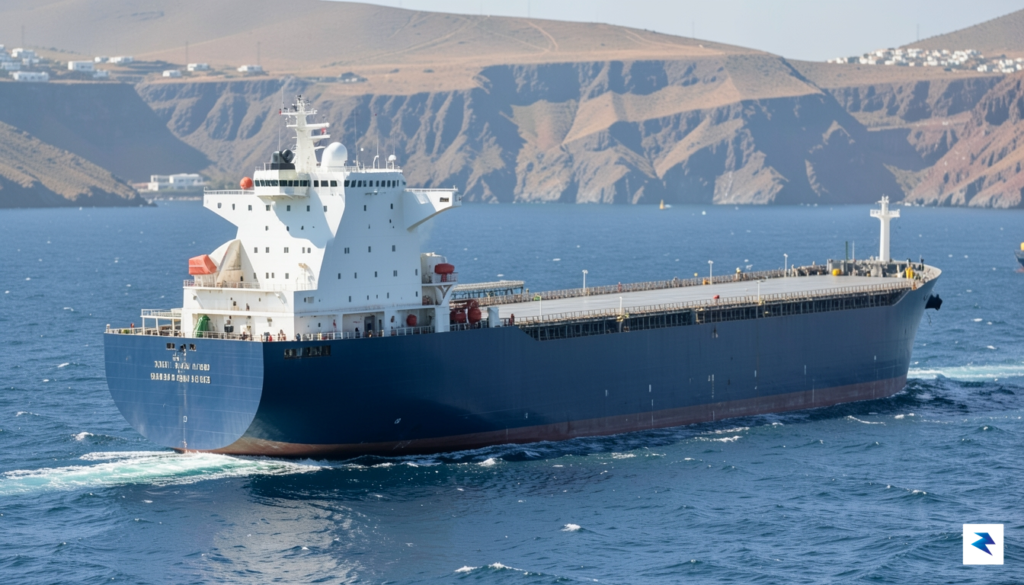
The closure of traditional deep-water channels due to the persistent threat of underwater mines has effectively shattered the predictability that once defined global energy transit. Logistics managers are no longer operating within a framework of standard efficiency; instead, they are forced to weigh the risks of two distinct, highly problematic detours. The northern route, which skirts the Iranian coastline, offers a tighter corridor that minimizes the total distance traveled but exposes vessels to heightened geopolitical scrutiny and the unpredictable nature of local naval patrols. Conversely, the southern corridor through Omani territorial waters provides a broader berth that theoretically reduces the risk of accidental collision with submerged hazards, yet it demands a significant diversion that ripples through global supply chains.
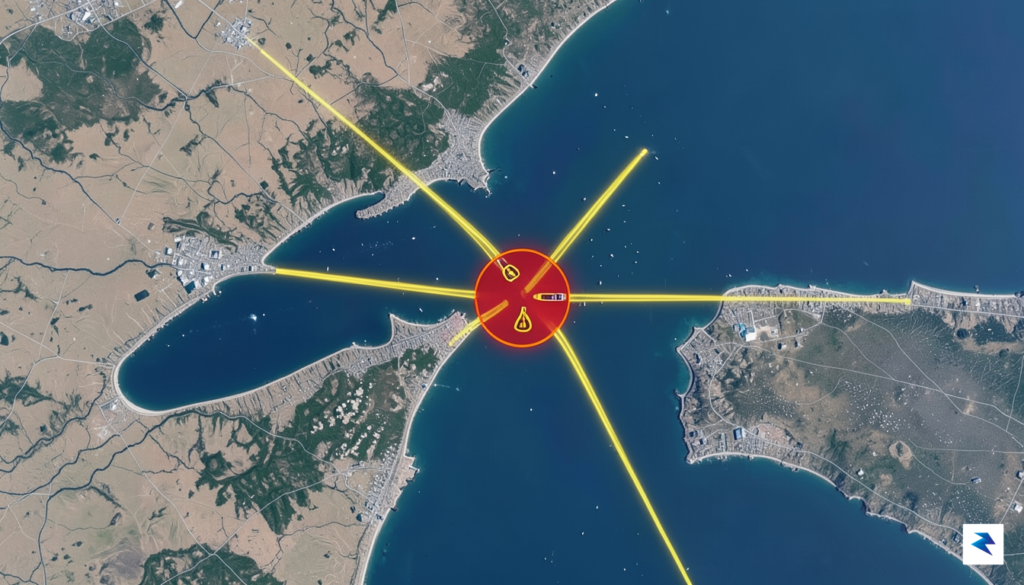
Opting for the northern passage requires captains to navigate narrow, shallow waters where the margin for error is razor-thin. While this path is geographically shorter, the logistical burden is amplified by the necessity of constant communication with Iranian maritime authorities, which can lead to unpredictable delays and mandatory inspections. Furthermore, the insurance sector has responded to these movements with extreme caution; underwriters are now layering “war risk” premiums on top of standard maritime coverage for any vessel choosing to hug the northern coast. These costs are not merely abstract figures on a balance sheet; they translate directly into higher final prices for refined petroleum products, effectively turning the transit of oil into a high-stakes financial gamble.
The redirection of tanker fleets is not simply a matter of plotting a new course on a map; it is a fundamental restructuring of maritime risk management that prioritizes vessel survival over speed and fuel efficiency.
The southern Omani corridor presents a different set of logistical headaches, primarily centered on transit time and fuel consumption. By steering further south, ships must contend with stronger seasonal currents and a longer route that necessitates increased bunker fuel usage, thereby inflating operational expenditures significantly. Even though this route is considered safer from the immediate threat of hidden mines, it is not immune to the indirect consequences of the crisis. Port congestion in nearby Omani hubs has surged as tankers wait for clear windows to proceed, creating a ripple effect that slows down the arrival of vital crude shipments to global markets. Logistics planners are now caught in a cycle of constant recalculation, where the choice between the northern and southern routes is dictated as much by volatile insurance rates as it is by the physical safety of the tankers themselves.
Ultimately, the current landscape represents a permanent shift in how maritime logistical teams perceive the Strait. The days of relying on a single, standardized “highway” through the region have ended, replaced by a complex decision-making process that demands real-time data analysis. Whether a ship follows the northern shoreline or drifts toward the southern Omani waters, the underlying reality remains the same: the cost of moving energy across the globe has become inextricably linked to the hidden dangers resting on the seafloor.
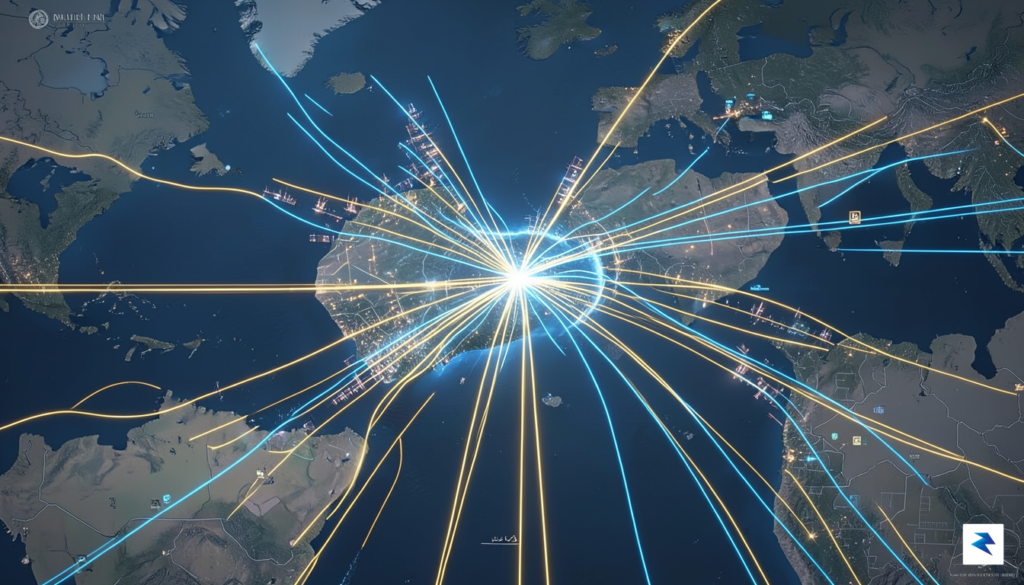
The recent redirection of oil tankers through the Strait of Hormuz is far more than a routine logistical adjustment; it serves as a high-stakes geopolitical statement that resonates far beyond the Persian Gulf. As Iran continues to exert its influence over this critical maritime chokepoint, every vessel maneuvering through these contested waters acts as a barometer for regional instability. By controlling the flow of millions of barrels per day, Tehran is effectively leveraging energy transit as a tool of statecraft, forcing international markets to acknowledge that the security of global energy supplies is inextricably linked to diplomatic tensions in the Middle East.
The diplomatic pressure exerted on regional neighbors, particularly Oman and the United Arab Emirates, has reached a fever pitch. These nations find themselves in an increasingly difficult position, tasked with the monumental responsibility of maintaining the neutrality and openness of vital shipping lanes while navigating the heavy-handed demands of their neighbors. When these corridors are threatened or subject to restrictive oversight, the ripple effect is immediate and profound. Global energy traders, ever wary of supply chain disruptions, react with swift volatility, causing the price indices for Brent crude and WTI to fluctuate in response to even the slightest hint of maritime obstruction.
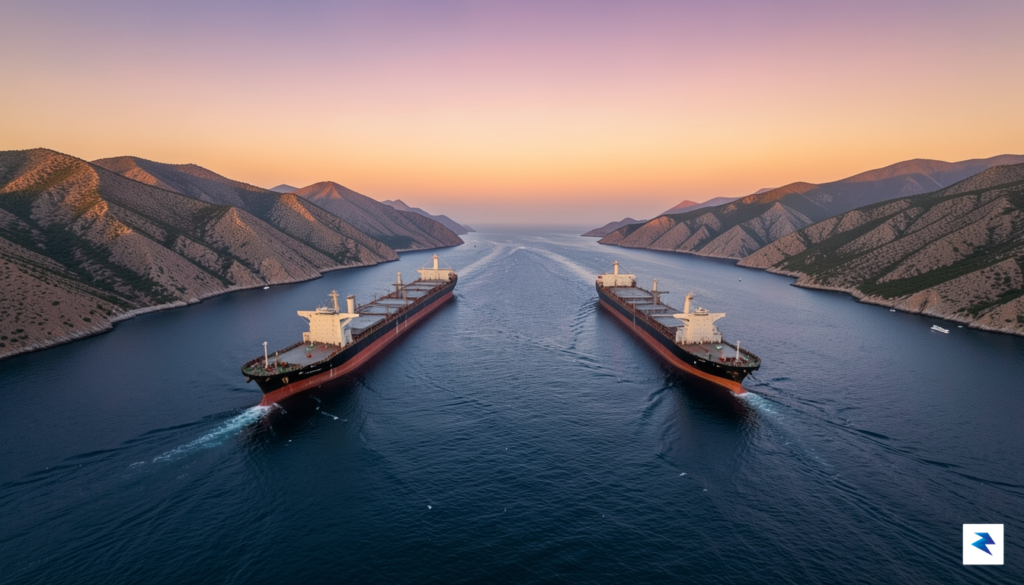
This volatility is not merely a reaction to current events, but a reflection of the deep-seated fear that the “chokepoint risk” could manifest into a genuine supply catastrophe. Investors and commodity analysts closely monitor the movement of these tankers, knowing that any delay—whether caused by political posturing or physical interference—adds a “risk premium” to every barrel of oil sold on the global market. The resulting price swings illustrate the fragility of our current energy architecture, where the economic stability of nations halfway across the globe depends on the safe passage of steel hulls through a narrow, thirty-mile-wide passage.
The global energy market is no longer just about supply and demand; it is increasingly defined by the ability to keep the world’s most critical maritime arteries flowing in an era of heightened state-level antagonism.
Ultimately, the intersection of Iranian strategy and regional maritime policy has transformed the Strait into a focal point of 21st-century economic warfare. As long as these corridors remain vulnerable to geopolitical maneuvering, market participants should expect continued price instability. The path through these waters is now paved with complex diplomatic requirements and the ever-present threat of escalation, ensuring that the global energy market remains hostage to the volatile geopolitical realities of the Middle East.

For maritime fleet operators, every transit through the Strait of Hormuz is less a routine logistical task and more a high-stakes strategic gamble. The decision to commit a vessel to these waters hinges on a volatile risk-reward calculus where the potential for significant profit is constantly weighed against the threat of asset seizure, damage, or total loss. Insurance premiums for transiting the region have surged, forcing operators to act as amateur geopolitical analysts, assessing daily shifts in regional tensions before filing their transit manifests. Consequently, the choice to move oil is no longer dictated solely by market demand, but by whether the shipping company possesses the liquidity to absorb the astronomical insurance surcharges and the operational stomach to navigate an increasingly hostile environment.
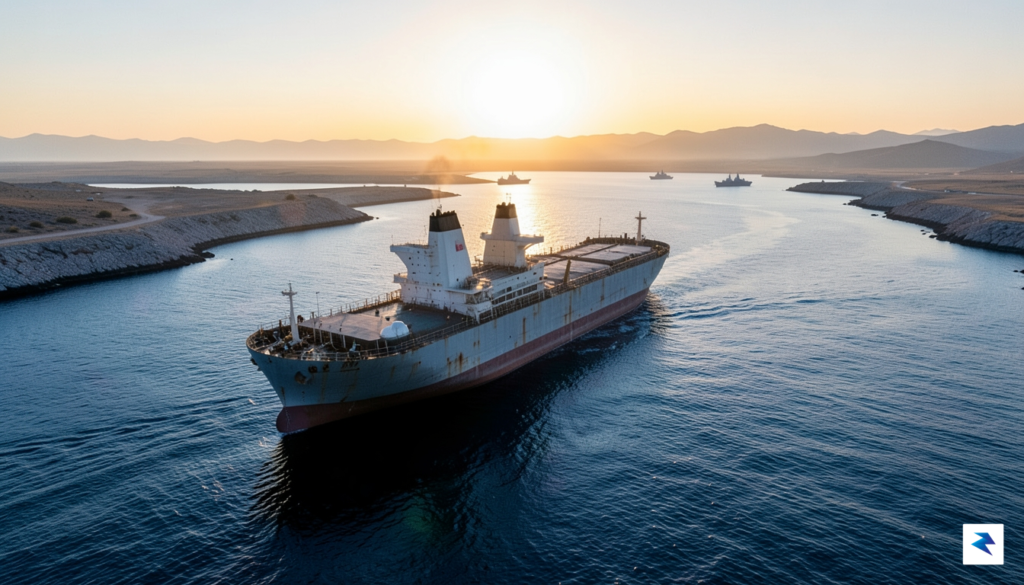
To mitigate these systemic threats, shipping companies have adopted a layered security framework that goes far beyond traditional navigation protocols. Many operators now integrate real-time intelligence feeds—often provided by private maritime security firms—that track the movement of regional naval assets and identify “hot zones” where the risk of harassment or detention is statistically highest. Furthermore, the implementation of convoy protocols has become a preferred defensive measure, as vessels traveling in groups can better coordinate communications and provide mutual support in the event of an emergency. While these measures add layers of complexity and cost to the transit, they are viewed as essential investments to ensure the safety of both the cargo and the crew.
For the modern shipping operator, safety is no longer a passive state of compliance; it is an active, expensive, and constantly evolving operational necessity that directly impacts the bottom line.
Ultimately, the decision-making process for fleet managers has shifted toward a model of extreme caution and redundancy. Some companies have opted to hire private security details to board their vessels, providing a deterrent against boardings, while others utilize sophisticated satellite tracking to maintain constant contact with shore-based crisis management teams. This reliance on a “defense-in-depth” strategy reflects a reality where the margin for error is razor-thin. By diversifying their routes where possible and maintaining rigid adherence to international maritime security guidance, operators attempt to insulate themselves from the chaos of regional volatility. However, as long as the Strait remains a geopolitical flashpoint, the act of moving energy resources across the globe will remain a testament to the resilience—and the calculated risk-taking—required by the modern shipping industry.

The recent volatility surrounding the Strait of Hormuz has served as a profound wake-up call for energy-importing nations, transforming what was once a routine logistical necessity into a strategic liability. As global powers grapple with the vulnerability of relying on such a narrow maritime chokepoint, there is a palpable shift toward rethinking the geography of energy transit. This movement is not merely a reactionary measure to temporary blockades but represents a fundamental reassessment of long-term energy security. Nations are increasingly viewing the concentration of oil transit through a single, volatile corridor as an untenable risk, prompting a move toward diversified infrastructure that can circumvent the Strait entirely.
One of the most significant indicators of this shift is the expanded utilization and development of bypass infrastructure, such as the Habshan-Fujairah pipeline in the United Arab Emirates. By allowing crude oil to be transported directly to the Gulf of Oman, this infrastructure effectively sidesteps the need for tankers to navigate the narrow and often contested waters of the Strait. As these projects gain prominence, they act as a safeguard against regional instability, effectively reducing the geopolitical leverage that any single actor can exert over global supply chains. Consequently, the long-term dominance of the Strait of Hormuz as the world’s primary energy artery may be entering a period of slow, structural decline.
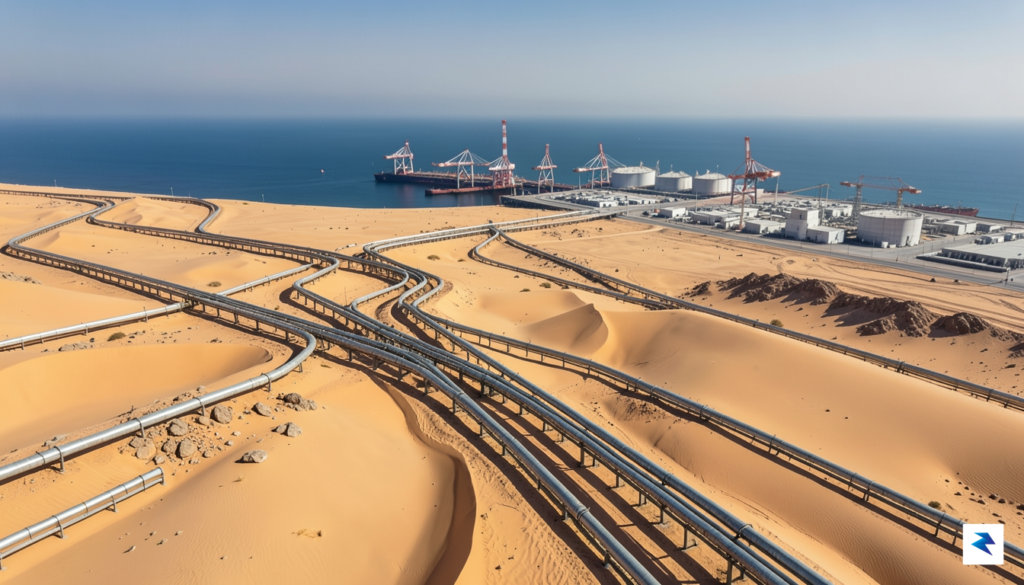
Beyond the construction of physical bypasses, the current climate of insecurity is acting as a catalyst for a dual-track evolution in global energy strategies. On one hand, it is accelerating the push toward the global energy transition, as countries recognize that renewable sources and domestic electrification offer a level of energy sovereignty that fossil fuels—trapped by geography and transit risk—simply cannot provide. For these nations, the instability in Hormuz is a compelling argument to move away from oil dependency as quickly as possible. Conversely, for those economies that remain tethered to traditional hydrocarbons, the focus has shifted toward building “hardened” infrastructure. This involves not only diversifying transit routes but also investing in regional storage facilities and localized refineries that can sustain market stability even when primary maritime corridors are threatened by conflict or political brinkmanship.
The strategic reliance on a single maritime artery is being replaced by a fragmented, resilient grid of pipelines and storage, fundamentally altering the map of global energy power.
Ultimately, the path forward is likely to be defined by a delicate balance between these two approaches. While the world will not abandon the sea lanes overnight, the era of unquestioned reliance on the Strait of Hormuz is drawing to a close. The new paradigm emphasizes redundancy and resilience, ensuring that the global economy is no longer held hostage by the geopolitical turbulence of a single, narrow passage. As states prioritize these hardened, localized networks, the energy landscape will become more complex, but arguably more secure, in the face of an increasingly unpredictable global environment.
You must be logged in to post a comment.