Wisk Aero Whistleblower Claims Software Testing Was Rushed Ahead of 2025 Flights
The Whistleblower Allegations Against Wisk Aero At the center of the recent turmoil surrounding Wisk Aero is a troubling narrative of internal…
The European automotive landscape has been navigating a period of profound transition, defined by shifting regulatory deadlines and a consumer base that is increasingly discerning about both price and performance. For a time, it seemed that the initial enthusiasm for electrification was cooling, hampered by high interest rates and the expiration of various government subsidies. However, Tesla’s recent 25% surge in sales serves as a vital indicator that the market is not contracting, but rather recalibrating. By successfully pivoting to address the specific pain points of European buyers—namely, the need for more accessible price points and improved delivery logistics—Tesla has proven that demand for EVs remains robust when the product-market fit is precise.
Competition across the continent has intensified significantly, with legacy European manufacturers and aggressive new entrants from Asia flooding the market with diverse EV models. While brands like Volkswagen, Stellantis, and MG have captured significant market share by offering budget-friendly alternatives, Tesla has managed to retain its dominance through a strategy of aggressive price recalibration and a superior charging infrastructure. Unlike many competitors who are still struggling to streamline their supply chains, Tesla has leveraged its local production capabilities at Giga Berlin to ensure that its inventory aligns perfectly with regional preferences, effectively outmaneuvering rivals who have faced hurdles in scaling their production lines.
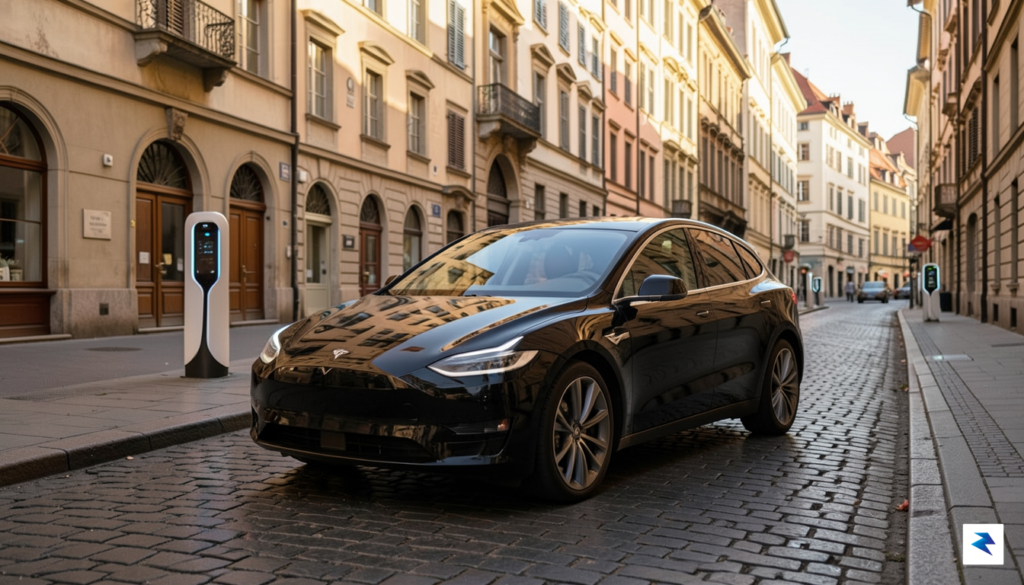
The geography of this growth is particularly telling, as the surge is not merely a localized phenomenon but a widespread trend across key European hubs. Nordic countries continue to lead in adoption rates, yet the most impressive gains are now emerging from major economies like Germany, France, and the United Kingdom. In these regions, Tesla has successfully transitioned from being a niche luxury choice to a mainstream contender, appealing to families and fleet operators alike. This geographic expansion suggests that the automaker’s recent momentum is rooted in a fundamental change in consumer behavior, where the EV is increasingly viewed as the standard vehicle choice rather than an experimental purchase.
The recent 25% growth in European sales highlights a crucial shift: Tesla is no longer just competing on brand prestige, but on its ability to offer a seamless, reliable, and increasingly affordable ownership experience that legacy automakers are still striving to match at scale.
Ultimately, this rebound underscores the resilience of the European EV ecosystem. As infrastructure continues to improve and the charging network expands, the barrier to entry for the average driver is lowering. By maintaining its focus on technological integration and operational efficiency, Tesla has effectively positioned itself to capture the next wave of electrification, ensuring that it remains the benchmark against which all other European automotive electrification efforts are measured.

The recent resurgence of Tesla in the European market is not merely a product of brand loyalty, but rather the result of a deliberate and aggressive recalibration of its pricing architecture. Recognizing that the initial barrier to electric vehicle adoption was heavily influenced by price sensitivity, Tesla implemented a series of strategic price cuts throughout the second quarter. By effectively lowering the threshold for entry, the company transformed its high-demand models from aspirational luxury goods into attainable options for a much broader demographic of European motorists. This pivot directly addressed the hesitance of prospective buyers who were previously deterred by the premium cost of ownership, ultimately converting interest into tangible sales volume.
Economic theory suggests that the demand for electric vehicles is highly elastic, meaning that even moderate adjustments in price can lead to significant shifts in consumer behavior. Tesla’s data-driven approach leveraged this elasticity, recognizing that in a competitive landscape filled with legacy automakers and local challengers, price remains a primary lever for market penetration. When the company adjusted its pricing structure, it did more than just discount its cars; it fundamentally altered the value proposition for the average consumer. As a result, the brand saw a surge in orders from individuals who had been waiting for the “tipping point”—a price level where the cost of transitioning to an electric vehicle became comparable to or cheaper than maintaining a traditional internal combustion engine vehicle.
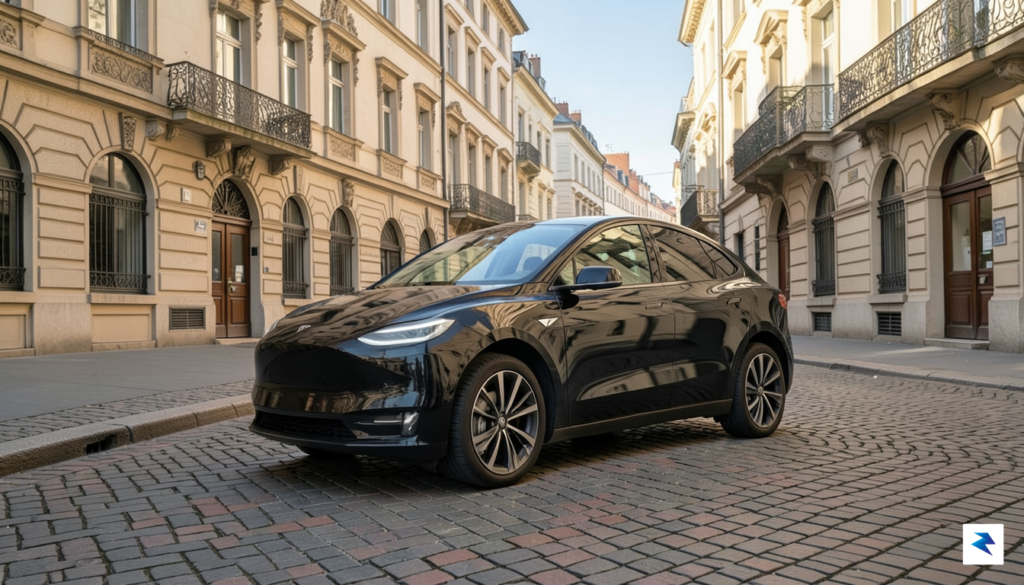
Of course, this strategy involves a complex trade-off between short-term profit margins and long-term market dominance. While some analysts initially scrutinized the impact of these cuts on the company’s bottom line, the 25% sales growth suggests that Tesla prioritized the acquisition of market share over immediate, per-unit profitability. By securing a larger portion of the European market, Tesla is not only increasing its fleet on the road but also expanding its ecosystem of users, which serves to strengthen the brand’s network effects and long-term service revenue. This calculated sacrifice of margin serves as a defensive moat, making it increasingly difficult for competitors to capture the same level of consumer attention without engaging in a costly and potentially unsustainable price war.
The core of Tesla’s European recovery lies in the realization that volume growth is the most effective tool for long-term scalability; by lowering the barrier to entry, they have successfully brought a new wave of skeptical consumers into the electric fold.
Ultimately, this pricing strategy acts as a catalyst for widespread electrification. By making Tesla vehicles more accessible, the company has effectively accelerated the transition away from fossil fuels, proving that when the price is right, consumer demand for sustainable technology is remarkably robust. The success of this move serves as a blueprint for how disruptive technology companies can navigate market maturity, balancing the necessity of profitability with the mission-critical goal of widespread product adoption. As the European market continues to evolve, Tesla’s ability to remain agile with its pricing will likely remain the defining factor in its ability to maintain this newfound momentum.

The current fiscal landscape for Tesla reveals a tale of two continents, illustrating the inherent volatility of the global electric vehicle market. While Tesla’s home turf in the United States has grappled with a noticeable cooling in demand, the European sector has emerged as a vital engine of growth. In the U.S., a combination of high interest rates and a saturated early-adopter market has forced prospective buyers to reconsider the financial implications of high-ticket vehicle purchases. Furthermore, the domestic appetite for EVs has hit a temporary plateau as consumers weigh the benefits of hybrid alternatives and express hesitation toward the current charging infrastructure. These macroeconomic headwinds have created a challenging environment for the company to maintain its aggressive historical growth rates within its largest domestic market.
Conversely, the European theater has provided a necessary counterweight to these domestic struggles, proving that strategic adjustments can still unlock significant volume in mature markets. By leveraging more aggressive pricing strategies and navigating shifting regulatory landscapes, Tesla has successfully re-engaged European buyers who were previously priced out of the premium EV segment. This regional success acts as a crucial hedge, insulating the company’s bottom line from the cyclical fluctuations currently dampening North American enthusiasm. The divergence in these two markets highlights the complex reality of managing a global supply chain where localized economic shifts—such as fluctuating energy costs in Germany or shifting subsidies in France—can drastically alter the trajectory of quarterly performance.

The ability to pivot resources toward high-growth regions like Europe serves as a strategic safety net, allowing Tesla to mitigate the impact of domestic stagnation through global market diversification.
Ultimately, this regional disparity underscores the importance of agility in Tesla’s operational model. Rather than relying on a uniform global sales strategy, the company has demonstrated an ability to pivot by capitalizing on favorable conditions in Europe to offset the current domestic deceleration. As the automotive industry navigates this transitionary period, the strength of the European recovery offers a template for how regional market penetration can sustain overall momentum. While the U.S. market continues to work through a period of interest-rate sensitivity and inventory stabilization, the robust performance across the Atlantic ensures that the company remains resilient against the localized economic pressures currently dictating the pace of the global EV transition.

Tesla’s recent resurgence in European markets serves as a clear indicator of the company’s structural resilience, yet maintaining this upward momentum requires a shift from reactive pricing strategies to proactive ecosystem expansion. While aggressive price adjustments have successfully cleared inventory and attracted a broader demographic of buyers, the long-term sustainability of this growth hinges on the reliability and accessibility of the charging infrastructure. As EV adoption rates continue to climb across the continent, the Supercharger network must evolve from a competitive advantage into a ubiquitous utility that addresses the “range anxiety” still prevalent among prospective converts. By accelerating the deployment of high-speed charging hubs in underserved regions, Tesla is effectively removing the final barriers to entry for mass-market consumers who prioritize convenience above all else.
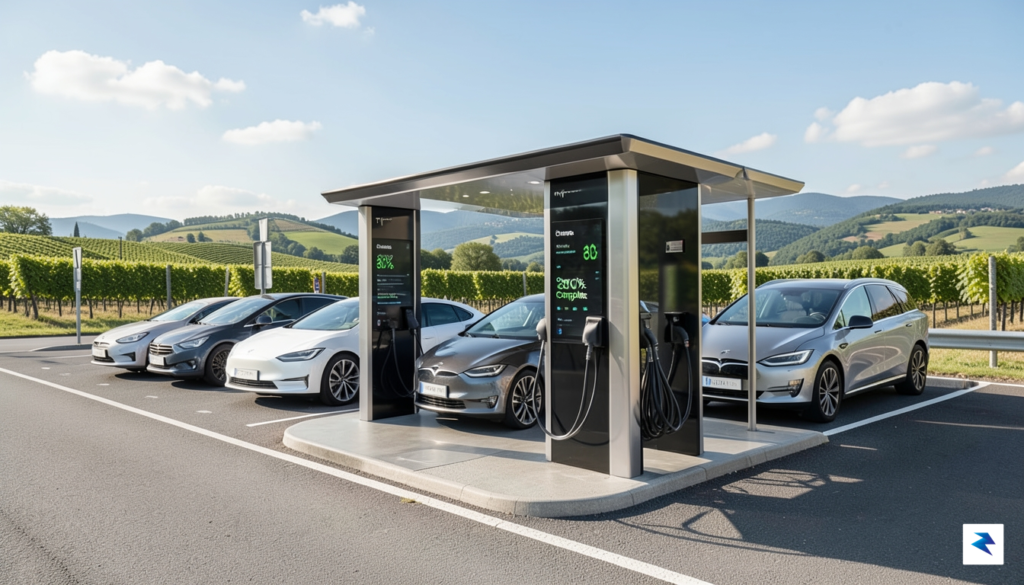
Beyond the physical infrastructure, the next phase of Tesla’s global growth is inextricably linked to its product roadmap and the anticipation surrounding upcoming model refreshes. The automotive industry is notoriously cyclical, and to stay ahead of an increasingly sophisticated field of competitors, Tesla must continue to iterate on its core offerings rather than relying solely on legacy brand loyalty. Upcoming design updates and internal technology upgrades are essential to re-capturing the excitement that originally defined the brand. These refreshes act as a catalyst for repeat purchases among existing owners while simultaneously providing a compelling value proposition for those who have been waiting for the next generation of performance and efficiency improvements.
Success in the European market is no longer just about the car itself; it is about the entire ownership experience, from seamless software updates to a charging network that functions as reliably as the power grid.
Looking ahead, the landscape of global electrification is becoming significantly more crowded, with legacy automakers and emerging manufacturers from Asia putting immense pressure on Tesla’s margins and market share. However, Tesla’s unique ability to vertically integrate its hardware and software provides a distinct moat that is difficult for traditional competitors to replicate. By maintaining a relentless focus on manufacturing efficiency and leveraging its vast data set to improve autonomous driving capabilities, the company is positioning itself to lead the industry through the next decade of transformation. Ultimately, while rising competition is inevitable, Tesla’s ability to remain agile and prioritize long-term infrastructure investment over short-term gains will likely determine its success in maintaining its dominant position in the global transition to sustainable transportation.
You must be logged in to post a comment.